Europe packs a surprising amount of wild country into a small map. From jagged Alpine peaks to colorful Icelandic hills, there is a trail for every kind of walker.
Lace up your boots and get ready to meet fourteen places where the views do most of the talking. Pick one, pack snacks, and let the mountains take care of the rest.
Tre Cime di Lavaredo
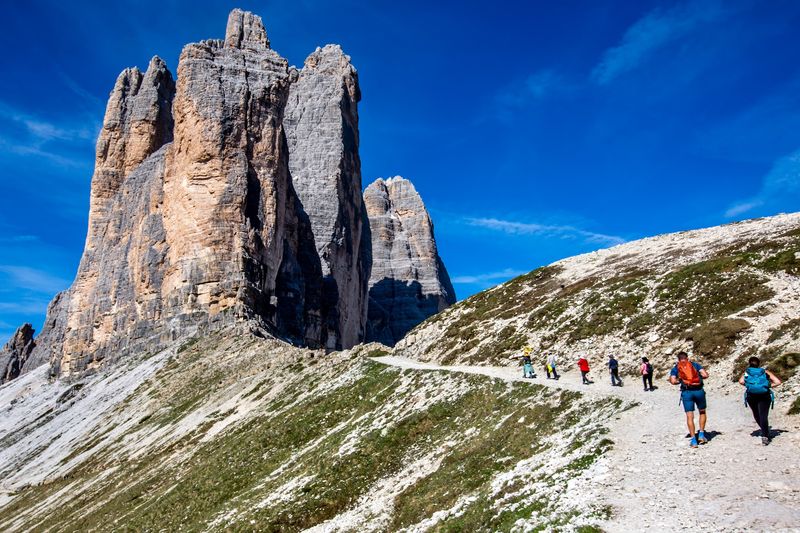
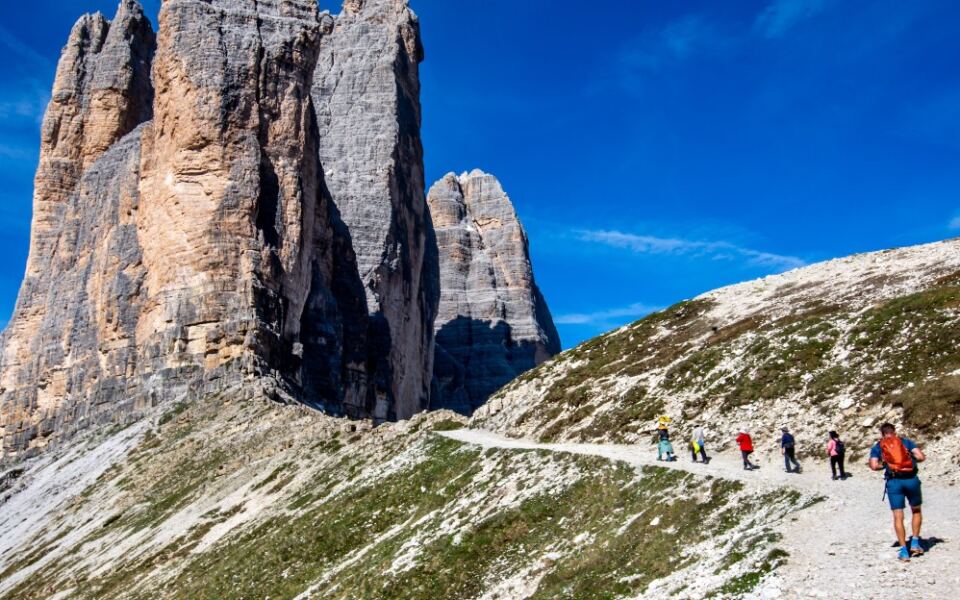
Three stone giants stand shoulder to shoulder in the Sexten Dolomites, and they have been stealing photographs for generations. Tre Cime di Lavaredo is one of the most recognizable mountain shapes in Italy, rising sharply from the heart of the range.
The loop trail around the peaks is a favorite because the walking is fairly gentle while the scenery is anything but. A moderate level of fitness is enough, and hiking poles can make the gravel stretches easier on tired knees.
Every bend in the path gives the peaks a new look, so keep your camera handy.
The area also holds World War I fortifications, which add a layer of history to the walk. Look for old defensive positions tucked into the rock as you go.
Plan to start early, since a trail this famous gets busy. Pack layers, because mountain weather can flip from sunny to chilly in minutes.
Bring water and a snack, then take your time. The loop rewards slow walkers with long pauses at big viewpoints, and nobody here is in a rush to leave.
Peneda-Gerês National Park
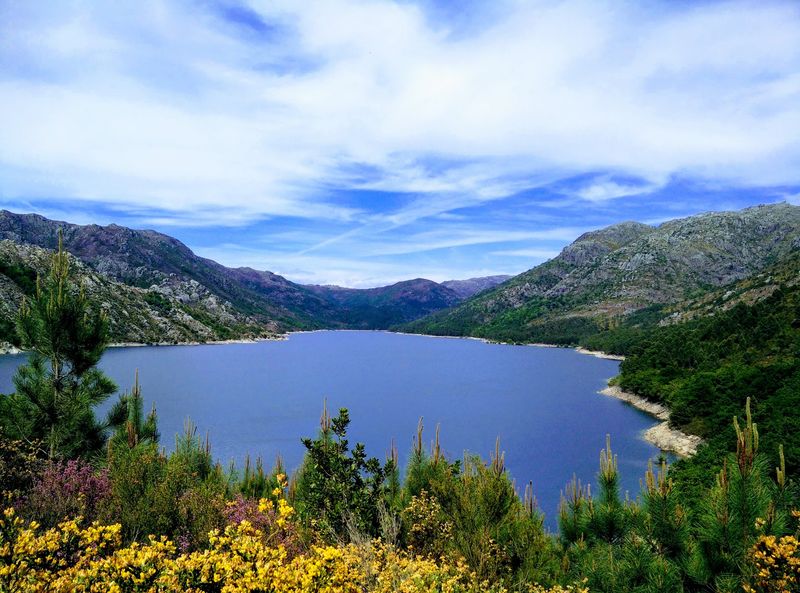
Portugal keeps one wild secret in its northwest corner, and locals call it Gerês. This is the country’s only national park, and it carries the highest level of environmental protection.
Wolves roam the mountains, and prehistoric remains hide among the hills.
Trails wind through ancient forests and open ridges with sweeping views. Crystal-clear waterfalls tumble into rivers, and some of them make fine swimming spots on warm days.
The plant life is wonderfully varied, so every turn looks a little different from the last.
Families will find plenty to like here. There are kid-friendly hikes, picnic tables, barbecue grills, a playground, and swings.
Dogs are welcome too. Both free and paid parking lots are available.
Weekends bring the biggest crowds, especially Saturday and Sunday afternoons. Come on a weekday morning for quiet trails and calm water.
Accommodation options are easy to find nearby, and campsites are available for anyone who wants to wake up to birdsong. Even a rainy day looks lovely here.
Picos de Europa National Park
Hairpin bends, sheer cliffs, and a view around every corner: getting to the Picos de Europa is half the fun. This compact range in northern Spain crams limestone peaks, deep gorges, and lush forests into a small area.
The park is protected and densely forested, with deer, wolves, and bears living in its wilder corners. It feels remote and untamed, yet the trails are well marked.
Routes range from easy strolls to very demanding climbs, so there is room for beginners and seasoned hikers alike.
Cyclists and climbers love it here too. The park is open around the clock, and you will find picnic tables, public restrooms, and parking, both free on the street and paid in lots.
Dogs are allowed, and kid-friendly hikes are available.
Weekend afternoons draw the most visitors, so try a quiet evening or early start if you crave solitude. Check the weather before heading up high, because clouds can swallow a summit fast.
Bring sturdy shoes and a sense of wonder.
Samaria Gorge
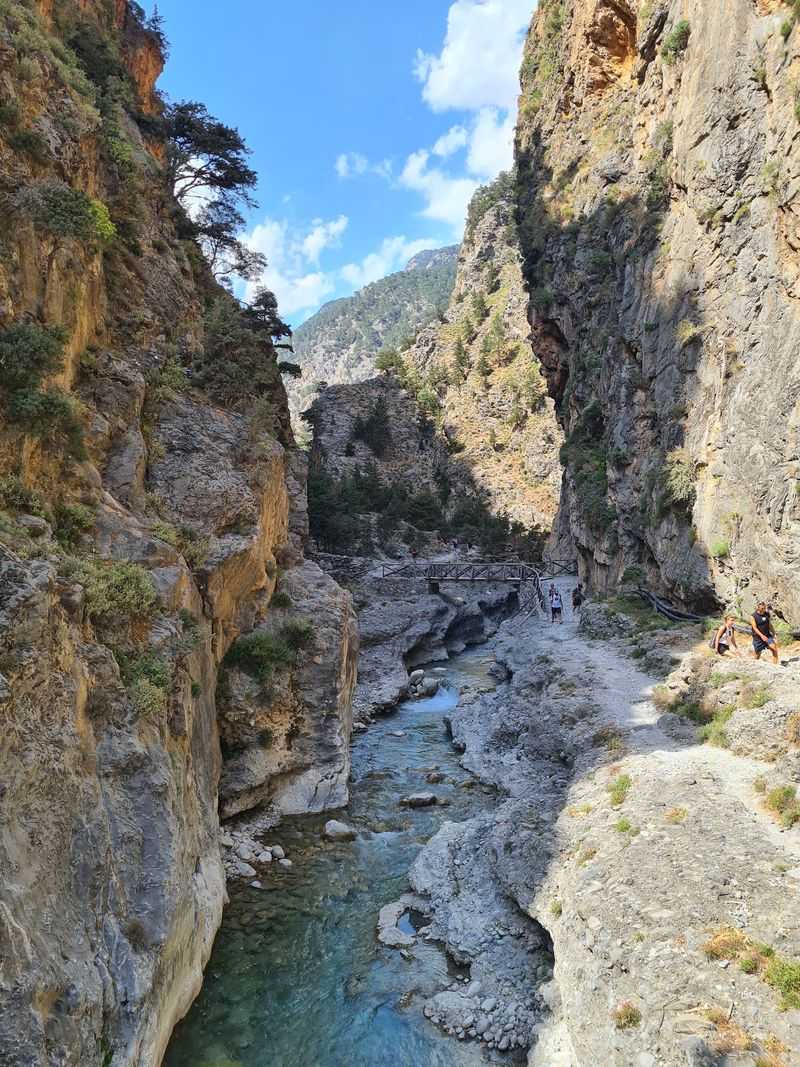
Sixteen kilometers of rock, shade, and jaw-dropping walls wait on Crete. Samaria Gorge is a rugged, tree-dotted ravine in Sfakia, and walking it is one of the island’s great challenges.
The trail crosses bridges over streams of crystal-clear water, with mountain views opening up above the cliffs. Keep your eyes open for mountain goats perched on ledges.
The route feels dramatic from the first step to the last.
The hike ends at a village with tavernas, and it is easy to explore on foot. A beach sits nearby, which makes a cool dip feel like a well-earned prize.
Some hikers find the final stretch a bit underwhelming after the spectacular gorge, so treat the finish as a place to rest rather than a grand finale.
Wear solid shoes, carry plenty of water, and pace yourself. The distance is long and the ground is rocky.
Start early to beat the heat, and leave time for a leisurely lunch. Tired legs taste victory best with a cold drink in hand.
Nationalpark Sächsische Schweiz
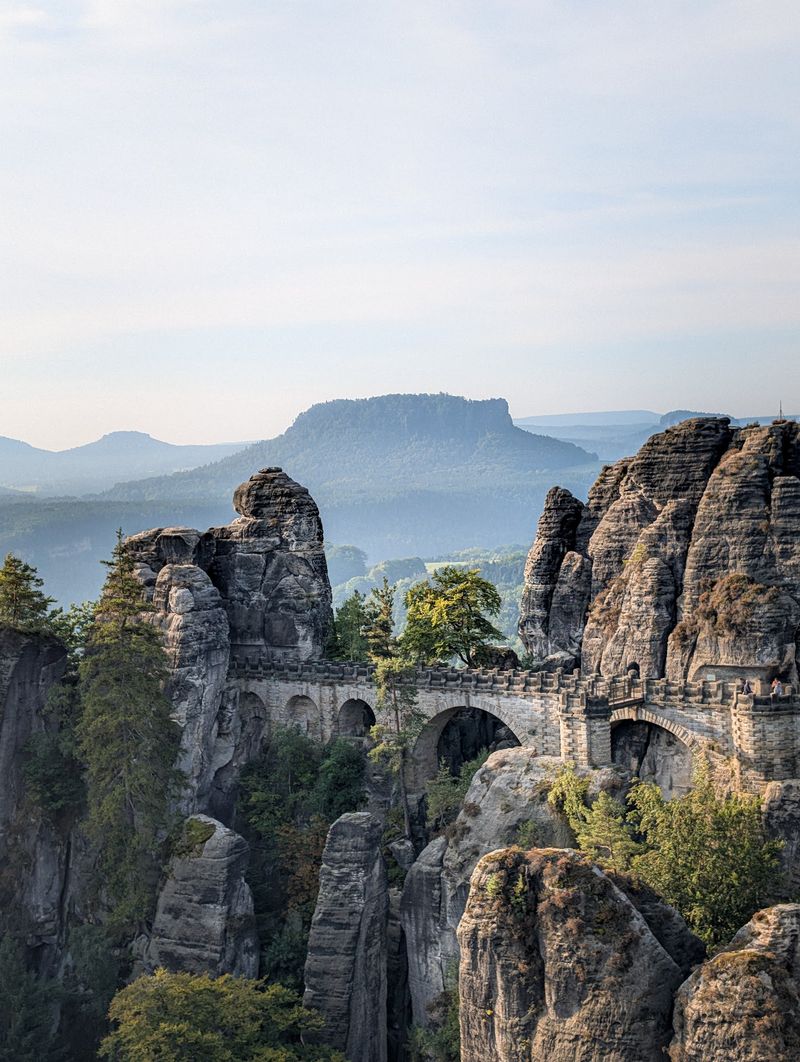
Sandstone towers poke out of the forest like giant chess pieces in eastern Germany. Saxon Switzerland sits near the Czech border in the Free State of Saxony, and its rock formations are the star of the show.
The park is sprawling, with hiking and biking trails, climbing areas, waterfalls, and even a tram service. Paths are serene and well marked, so it is easy to string together a short day walk or a long multi-day trek.
Viewpoints appear often, and each one gives a fresh angle on the rocky landscape.
Families will feel at home. Kid-friendly hikes, a playground, picnic tables, cycling lanes, and public restrooms are all on hand.
Dogs are allowed, and parking is paid in lots and on streets.
The park is open all day and night. Saturday and Sunday afternoons are busiest, while weeknights are peaceful.
Bring a picnic and plan to stop often. The green forest, pale stone, and quiet air make a perfect trio for a slow, happy day outside.
Durmitor National Park
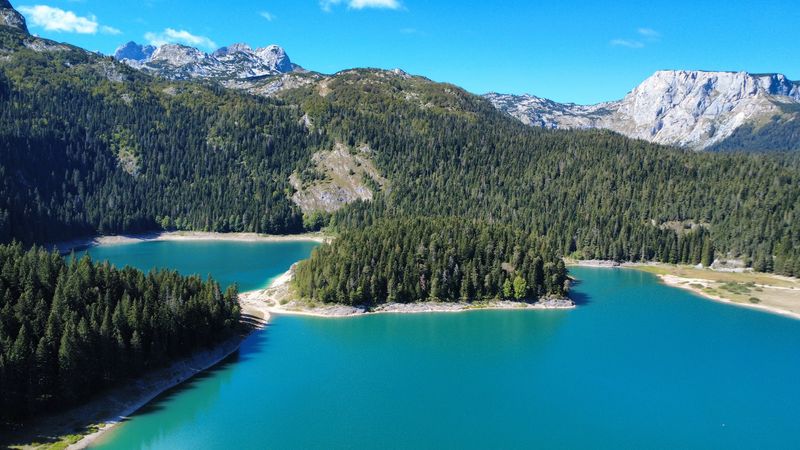
Montenegro hides its wildest side in the north, where Durmitor rises in a blur of peaks, lakes, and canyons. As a UNESCO World Heritage site, it earns its fame honestly.
Glaciers shaped this land long ago, leaving behind lakes, gorges, and forests that feel raw and untouched. A ring road loops through the park, linking big mountains, scenic hills, and a large lake.
Hiking trails fan out from it in every direction.
Beyond walking, the park offers canoeing and mountaineering. The mood is peaceful, and the views stay dramatic from sunrise to dusk.
Kid-friendly hikes, a playground, picnic tables, cycling lanes, and public restrooms make it friendly for families. Dogs are welcome, and parking comes in free and paid options.
Weekend afternoons and Thursday or Friday afternoons are the busiest times. Evenings and early mornings stay calm.
Pack warm layers even in summer, since the altitude keeps the air crisp. Bring a camera too, because glacial lakes look best when the light is low and golden.
Triglav National Park
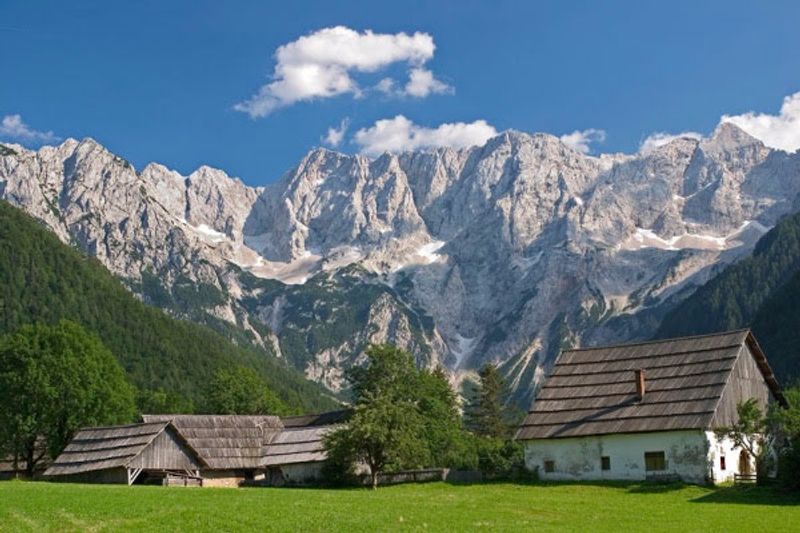
At 2,864 meters, Mount Triglav is Slovenia’s rooftop, and it even lends its name to the park around it. This sprawling biosphere reserve sits in the Julian Alps and invites walkers of every ability.
Some hikers chase the summit, while others stick to easy valley paths. Either way, trails reveal rugged peaks, the Tamar Valley, and big views of Triglav itself.
Untouched nature is the main attraction, and it delivers in every season.
The park is open around the clock. Kid-friendly activities and hikes are available, along with a playground, cycling lanes, public restrooms, and picnic spots.
Dogs are allowed. Parking is paid, in both lots and along streets.
Weekend mornings and afternoons bring the most visitors, so night owls and weekday walkers enjoy the quietest paths. The lake town of Bohinj makes a handy base.
Pack rain gear, because alpine skies change their minds quickly. Take a good map, start early, and enjoy the cool mountain air at your own pace.
Jotunheimen National Park
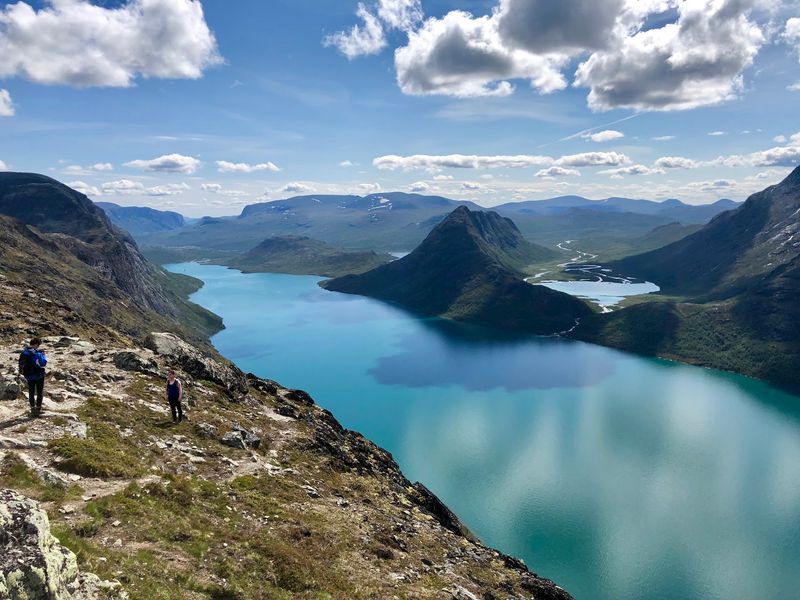
Norway’s high plateaus hold a park named for the giants of folklore, and the scenery fits the name. Jotunheimen is a land of dramatic valleys, sharp ridges, and towering peaks shaped by ancient glaciers.
Reindeer and wolverines live in this wild reserve. Trails run for miles through breathtaking scenery, from challenging day routes to longer treks that last several days.
Glaciers appear along the way, adding a frosty edge to the views.
The park is open at all hours. Picnic tables and public restrooms are available, and kid-friendly hikes exist for younger explorers.
Mondays through Wednesdays can see small bursts of visitors, while afternoons tend to be calmer.
Plan your route carefully, since mountain weather in Norway can turn without warning. Pack waterproof gear, sturdy boots, and extra food for long days.
The nearby village of Heggenes offers a handy starting point. Take your time, stop for photos, and let the giants watch over your steps.
Abisko National Park
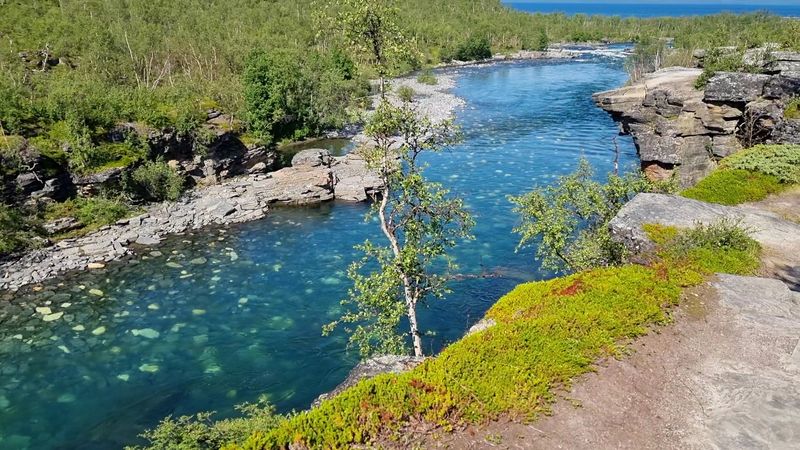
Sitting 195 kilometers north of the Arctic Circle, Abisko lives by different rules. Daylight and darkness swing to extremes, and the Northern Lights often dance overhead in winter.
This wild national park in Swedish Lapland offers hiking and winter sports. Summer walkers find vast open spaces, pine forest, and a serene, untouched beauty.
In colder months, a frozen lake and icy waterfall take center stage.
The famous King’s Trail begins here, and signs to major points are clear and easy to follow. A visitor center, called the Naturum, and a tourist information desk offer helpful maps and advice.
Picnic tables and public restrooms are available, and kid-friendly hikes suit families.
The park is open around the clock. Evenings on Saturdays tend to be busiest, while many other times are calm.
Wear warm layers whatever the season, and bring a hat. Walk at your own pace, listen to the hush of the Arctic forest, and take your time.
Landmannalaugar
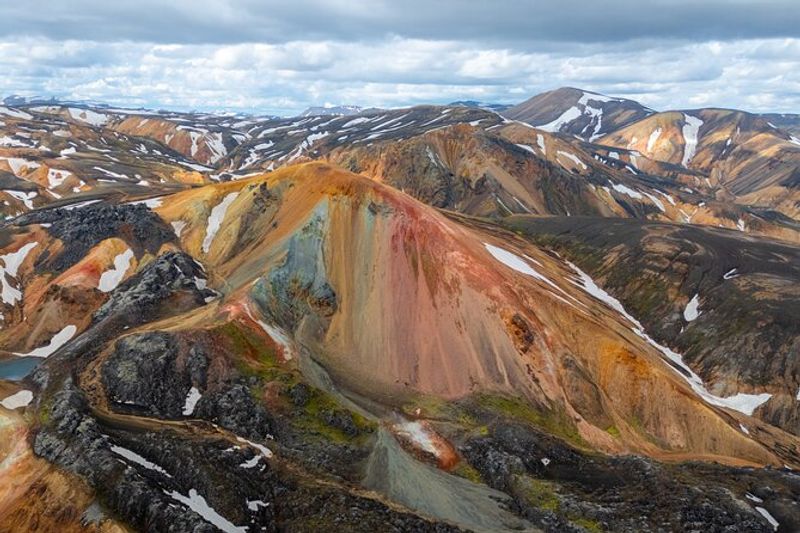
Rust red, mossy green, and mustard yellow all show up on the same mountain in Iceland. Landmannalaugar sits in the Fjallabak Nature Reserve, and its colors feel borrowed from another planet.
Hikers adore this place for its mix of colorful mountains, geothermal hot springs, and rough lava fields. Trails here lead through landscapes that change every few minutes.
It is rustic and natural, and it counts as one of the classic Icelandic experiences.
A mountain hut and campsite provide a base in the southern highlands. The atmosphere around camp is friendly and relaxed, and the views stay stunning from dawn to dusk.
After a long walk, a soak in a warm spring feels like a reward from the earth itself.
Weather in the highlands shifts quickly, so bring waterproof layers and good boots. Pack food and water, since services are basic.
Book hut space ahead if you can. Walk slowly, look closely, and let the hills show off all their paint.
Quiraing
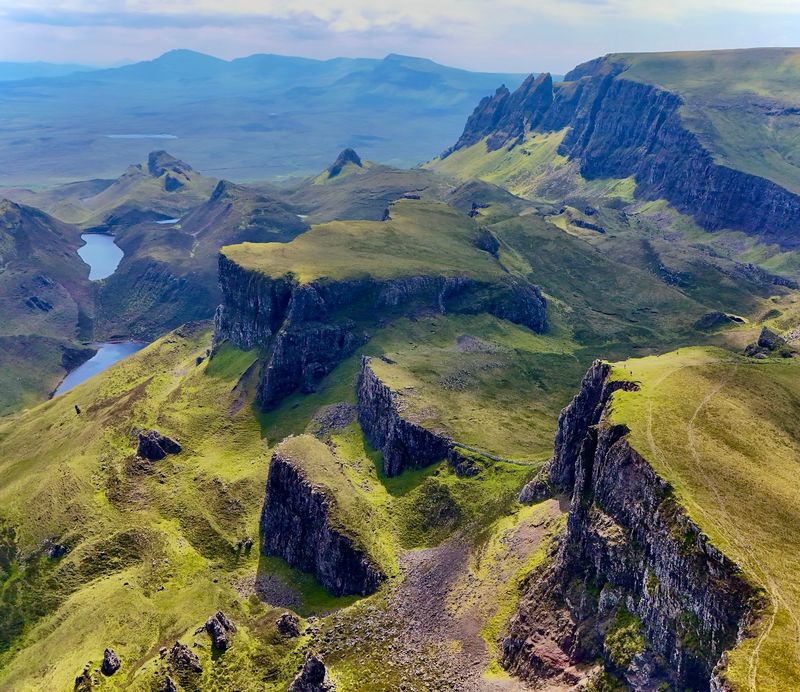
Long ago, the ground here slid, and what it left behind looks like a movie set. The Quiraing is an ancient landslide along the Trotternish Ridge on the Isle of Skye, packed with strange pillars and sweeping escarpments.
A 6.8-kilometer loop circles the formations and ranks among the most scenic hikes in Scotland. Cliffs and green slopes contrast with the sea and the hills of the mainland far beyond.
The towering rock rises right in front of you, so the drama begins almost at once.
Paths can be narrow and uneven, so watch your footing. Wind is common on this exposed ridge, so a windproof jacket is a smart pick.
Skye weather loves surprises, and mist can drift in without warning.
Start early for softer light and fewer people. Take your time on the loop, and stop often to look back at the pinnacles.
Bring snacks, sturdy shoes, and a camera with plenty of room on the card.
Cirque de Gavarnie
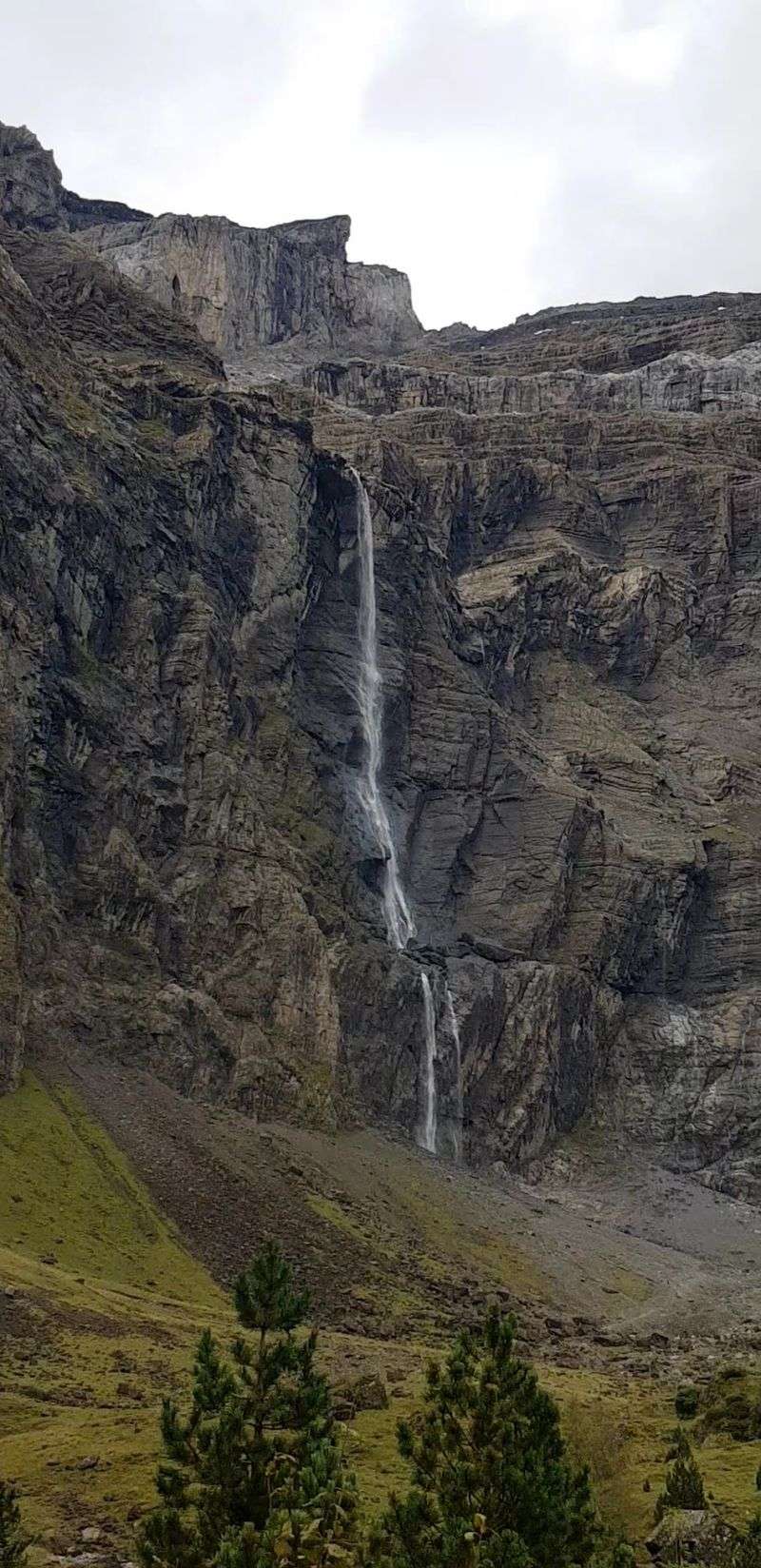
Stand at the bottom of a giant stone bowl and tilt your head back. That is the Cirque de Gavarnie, a huge natural amphitheater in the French Pyrenees and a World Heritage Site since 1997.
Walls of rock curve around you, streaked with waterfalls. One of them drops 423 meters, making it the tallest in Europe.
Visitors reach the cirque on foot or on horseback, and the walk to the base of the falls is challenging but rewarding.
The setting lies within Pyrenees National Park, near the village of Gavarnie-Gèdre. Many hikers call it a must-do in the region, and the surreal scale makes it easy to see why.
The water at the base is icy cold, so a quick splash on the face is plenty.
Wear sturdy footwear, because the path can be rocky. Carry water and a light jacket, since the air near the cliffs feels cool even in summer.
Allow plenty of time for photos, snacks, and quiet staring.
Tatra National Park
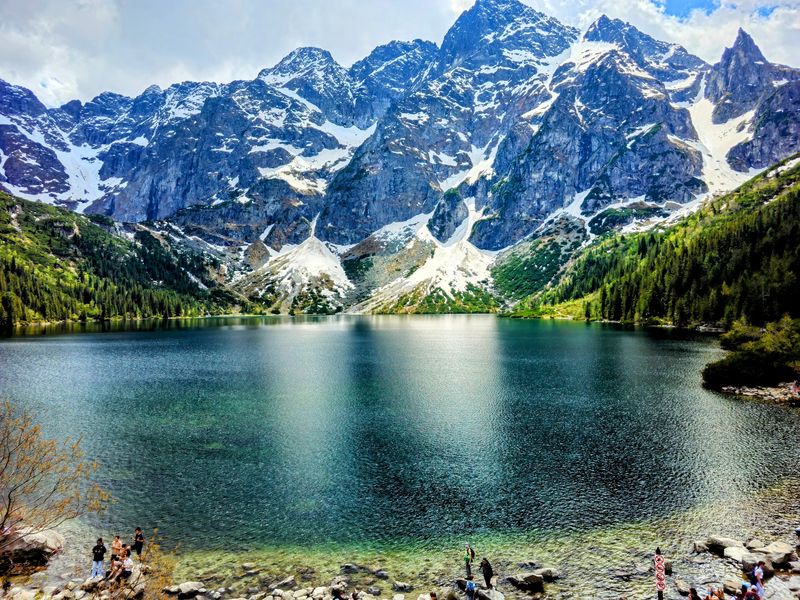
Poland’s tallest mountains rise just beyond the busy streets of Zakopane. Tatra National Park is expansive and mountainous, filled with lakes, caves, wildlife, and miles of scenic trails.
Trails are well marked and suit all difficulty levels, so beginners and experts can both find a good match. Waterfalls and mountain lakes dot the landscape, and rare plants and animals live here that are found almost nowhere else.
The fresh mountain air makes every step feel lighter.
Morskie Oko is a top pick, a lake framed by stunning peaks. Kid-friendly activities and hikes are on offer, along with picnic tables and public restrooms.
Parking is paid, both in lots and along the streets.
Saturday afternoons draw the biggest crowds, while evenings and Sundays after dark are far calmer. Arrive early to find parking and enjoy the quiet.
Pack layers, water, and snacks, then wander at your own pace. The Tatras reward patient walkers with views that stay in memory for years.
Paklenica National Park
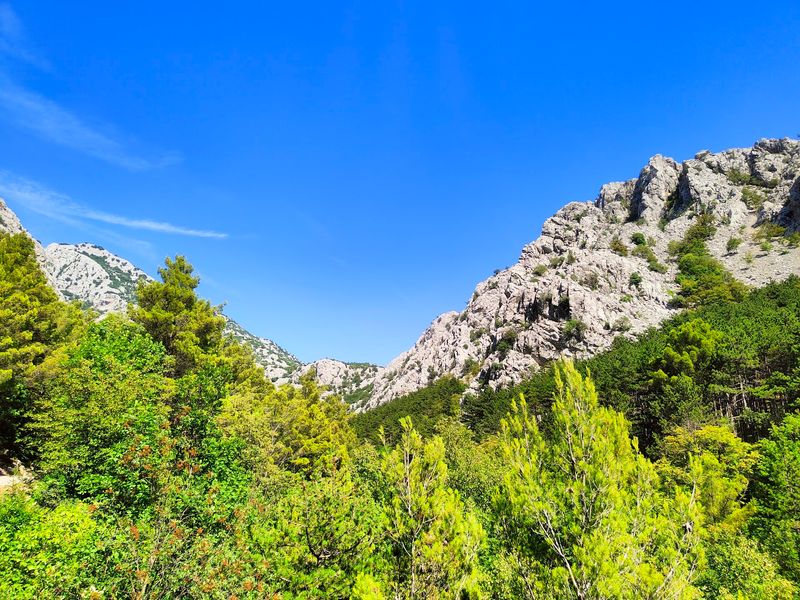
Climbers chalk their hands here, and hikers lace their boots. Paklenica National Park runs along the Velebit mountain range in Croatia, where rugged karst canyons cut deep into the stone.
The park protects mountain forest and holds two peaks higher than 1,700 meters. Wildlife is plentiful, and the nature feels wild and untouched, especially in Mala Paklenica.
It is a peaceful place to clear your head and slow down.
Facilities make visits easy. Friendly staff, toilets, picnic tables, and several parking options are available, both free and paid.
Climbing crags sit close to the entrance, and kid-friendly hikes suit younger legs. Dogs are allowed.
Saturday and Sunday afternoons are the busiest times. Mornings and weekdays are much quieter.
Bring plenty of water, a hat, and sturdy shoes, because the canyon rock can be hot and rough in summer. Plan a relaxed day, and save a little time for sitting and listening to the canyon walls echo.
Share this story