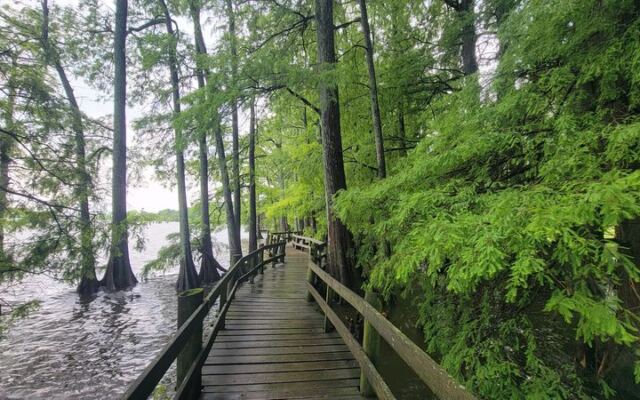
Some of the best places in Tennessee do not shout for attention, and this one barely whispers. Out in the far northwest corner of the state sits a lake born from earthquakes, ringed by cypress trees and watched over by bald eagles.
A wooden walkway slips right out over the water and the knobby cypress knees, yet plenty of folks a few hours away have never set foot on it. Keep reading to find out where it is, when to go, and why the drive is worth every mile.
A Lake in the Far Corner of Tennessee
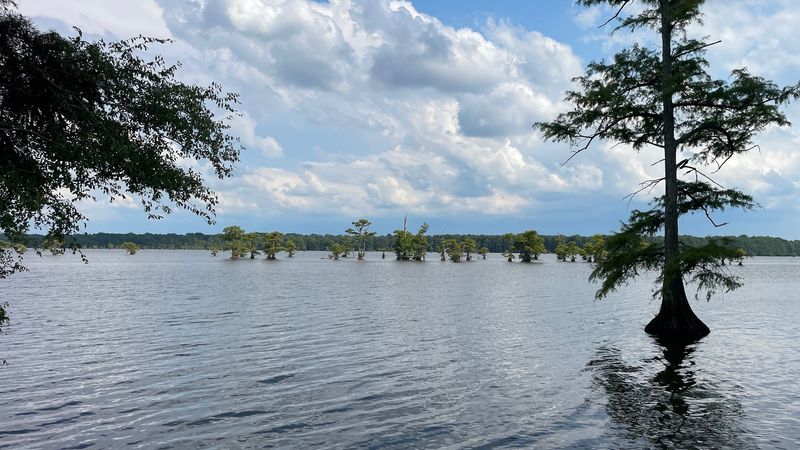
Tucked into the northwest tip of the state, Reelfoot Lake State Park sits at 2595 TN-21, Tiptonville, TN 38079, in the United States. It is a large lake park known for cypress trees, aquatic plants, and American bald eagles.
The setting feels a world away from the usual Tennessee postcard. There are no mountain overlooks here, just broad water dotted with trees that grow right out of the lake.
Getting there takes a little commitment. The park sits a bit off Interstate 55, and part of the trip follows a single-lane road for roughly 30 minutes.
That small detour seems to be the reason the park stays quiet. Many travelers zoom past on the highway without ever knowing what waits just beyond the exit.
The visitor center, nature exhibits, and boardwalk cluster together near the park office, so first-timers have an easy starting point before branching out to campgrounds, trails, and fishing spots around the shoreline.
Earthquakes That Made a Lake
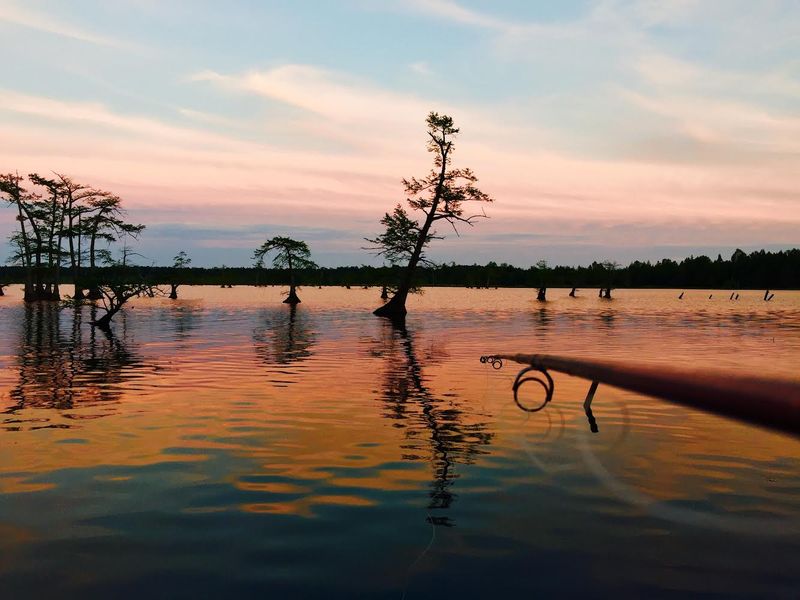
Most lakes get their start from rivers or dams. Reelfoot Lake had a much wilder beginning.
The New Madrid earthquakes of 1811 and 1812 shook this region so hard that they created the lake. Those same quakes are said to have made the Mississippi River run backwards for three days.
That story is told inside the visitor center, where a mini museum walks through the history of the quakes and the lake they left behind. It is a short stop, but it changes how the whole landscape looks once you head outside.
The museum also covers older Reelfoot Lake history, giving context to the fishing culture and wildlife that define the area today.
Families with curious kids tend to linger here. A geology lesson lands differently when the evidence stretches out right past the window, filled with trees standing in water that was once dry ground.
The Boardwalk Over Cypress Knees
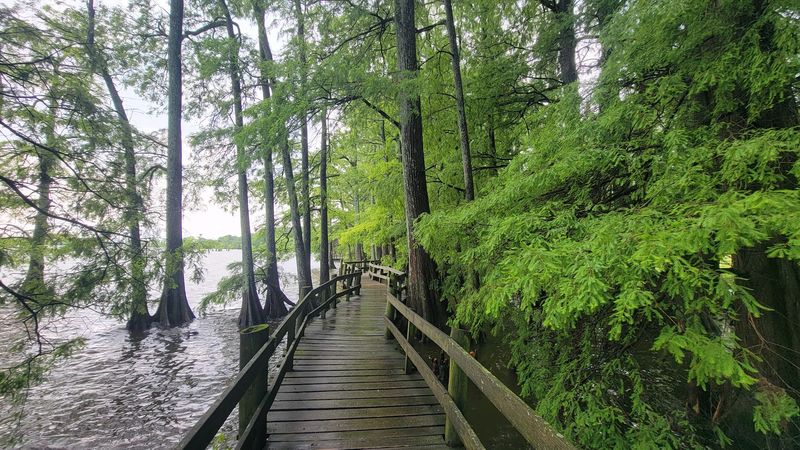
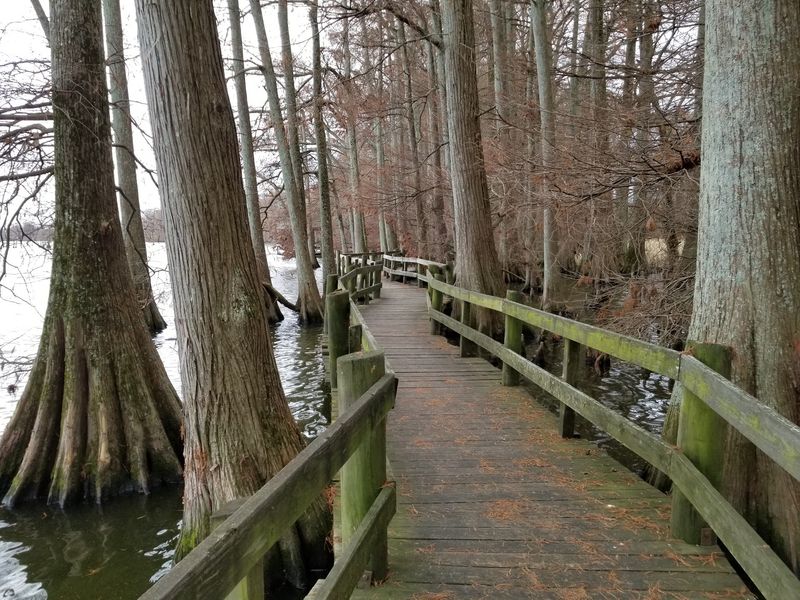
Here is the part most locals have missed. Past the visitor center, a sidewalk leads onto a wooden trail that wraps itself out over the lake.
The newer walkway and its gazebos are designed to carry people right out onto the water and over the cypress knees. It offers a close look at a swamp without needing a boat or waders.
Photographers love it, and for good reason. The boardwalk frames the lake, the trees, and wildlife such as fish, birds, snakes, and the occasional pelican.
Shade from the trees makes it a pleasant stroll on sunny days. During high water, the lake can splash up onto parts of the walkway, so it is smart to check conditions.
Storms and flooding have caused closures before, and the park has worked on repairs. Calling ahead before a visit is a simple way to avoid surprises.
Eagle Season on the Water
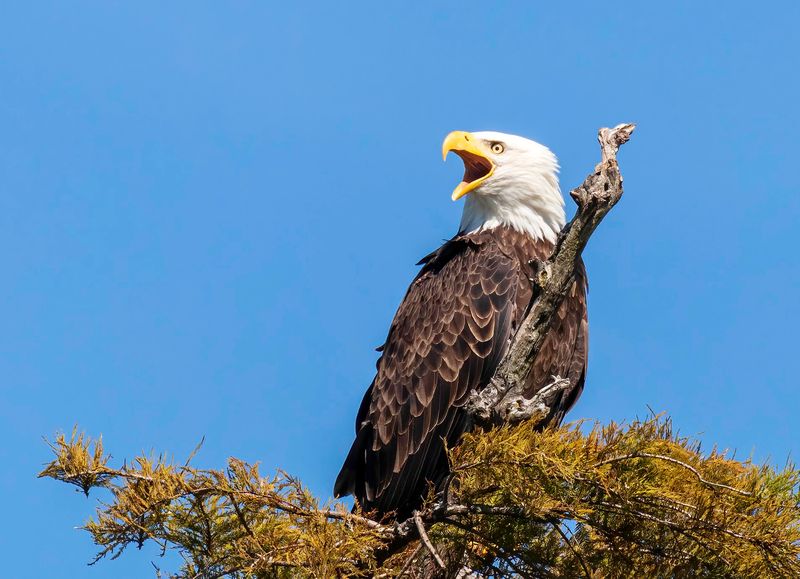
January and February bring the park’s biggest headliners. Bald eagles become the main event, and eagle watching ranks as a highlight of any winter trip.
About 40 eagle nests in the area are occupied during breeding season. Some trips turn up single birds and pairs in the trees, with others soaring overhead.
On lucky days, ten or more eagles may gather to feed in a field at once.
Better yet, much of this can be enjoyed from a warm car. Well-kept gravel roads let people cruise slowly and scan the treetops without a long hike.
Guided eagle nest tours add another layer for those who want expert help. Rangers know where the birds tend to be, which saves a lot of guesswork.
Bundle up, though. Winter here can be cold and windy, and the lake does not offer much shelter from the breeze.
Pelicans, Geese, and a Year of Birds
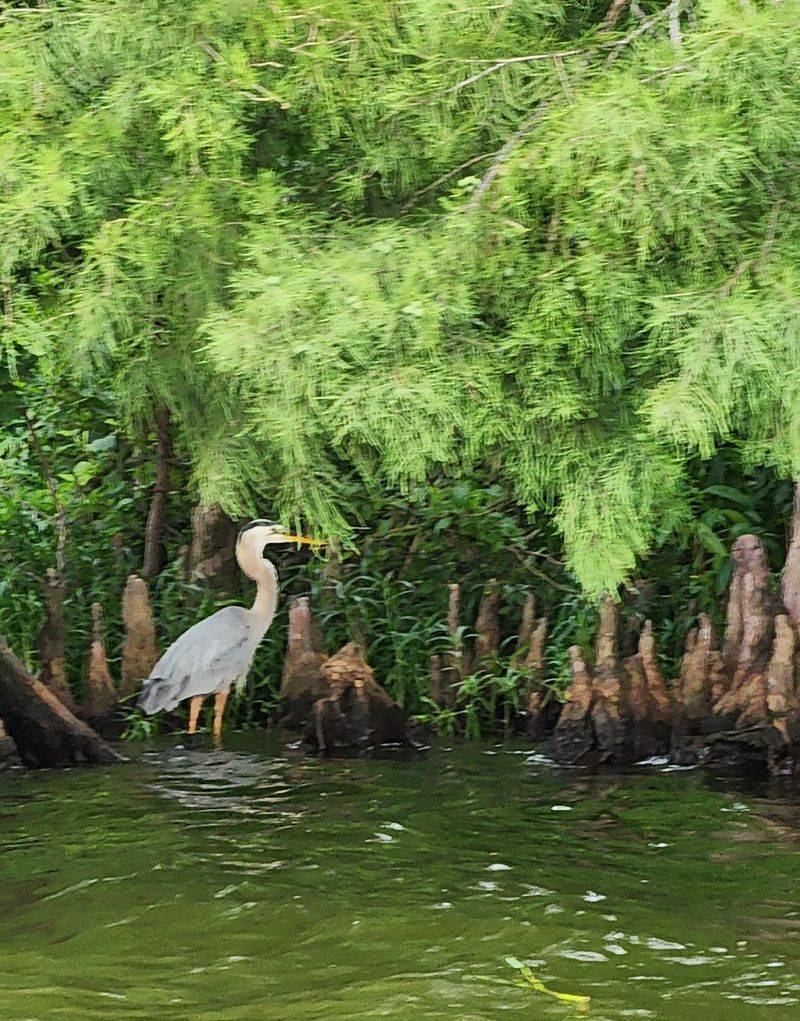
Eagles get the headlines, but the supporting cast changes with every season.
Winter brings thousands of snow geese to the area. In summer, ospreys move in along with herons and many other birds.
Fall is pelican time, as the big birds pass through on their migration. The park even celebrates them with a Pelican Festival that includes guided bus tours.
Beyond the birds, the woods and shoreline hold deer, raccoons, hawks, ducks, songbirds, frogs, and turtles. Beavers live here too, though they tend to stay out of sight.
Several local guides lead nature photography trips on the lake. That is handy for anyone hoping to capture shots that are tough to get from shore.
Whatever month you pick, there is likely something new flying overhead. Repeat trips across seasons can feel like visiting a completely different park each time.
Birds of Prey Up Close
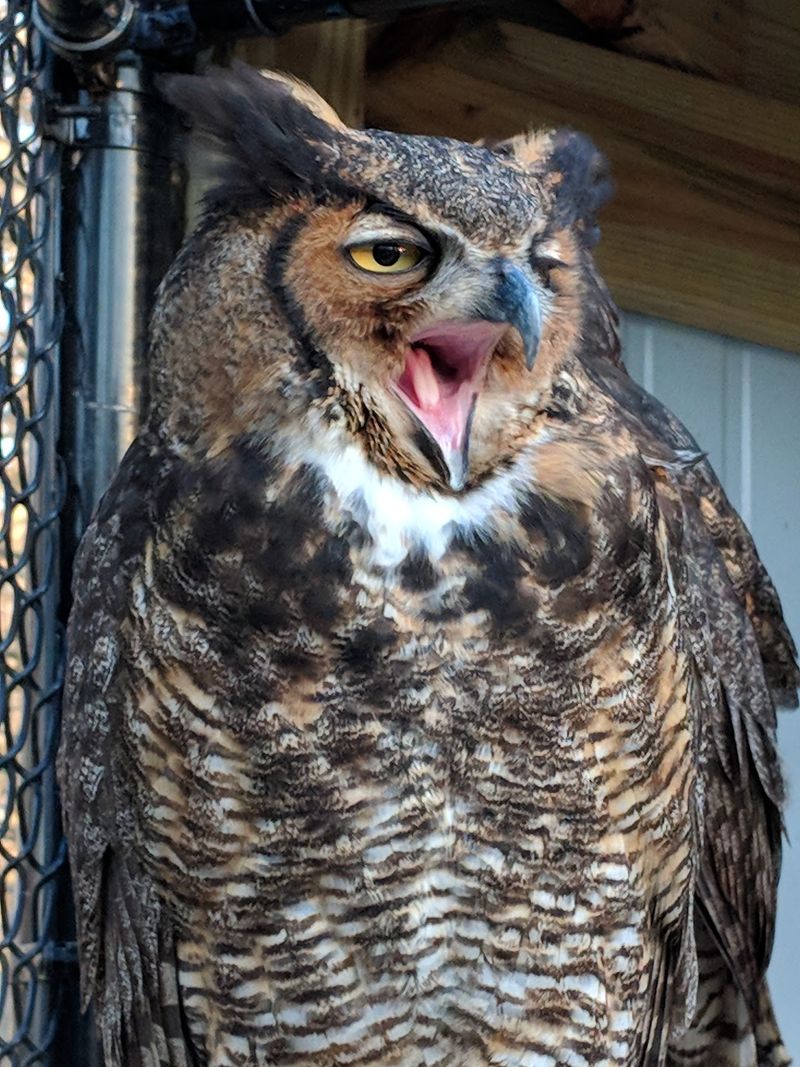
Not every eagle at Reelfoot stays in the treetops. Near the park office, an aviary serves as a safe place for injured birds.
A path outside the nature center passes displays of eagles and owls. Staff sometimes bring the birds out, and feeding times with bald eagles, hawks, and several owl species make for a rare sight.
The nature center also has a reptile and fish viewing building. Different species of snakes are on display, which tends to spark plenty of wide-eyed questions from kids.
Staff members are often described as friendly and full of information. The park calls these animals ambassadors, and rangers enjoy sharing their stories.
It all adds up to a mini wildlife lesson before you even reach the boardwalk. Starting here makes the wild birds out on the lake easier to recognize later.
Pontoon Rides and Guided Tours
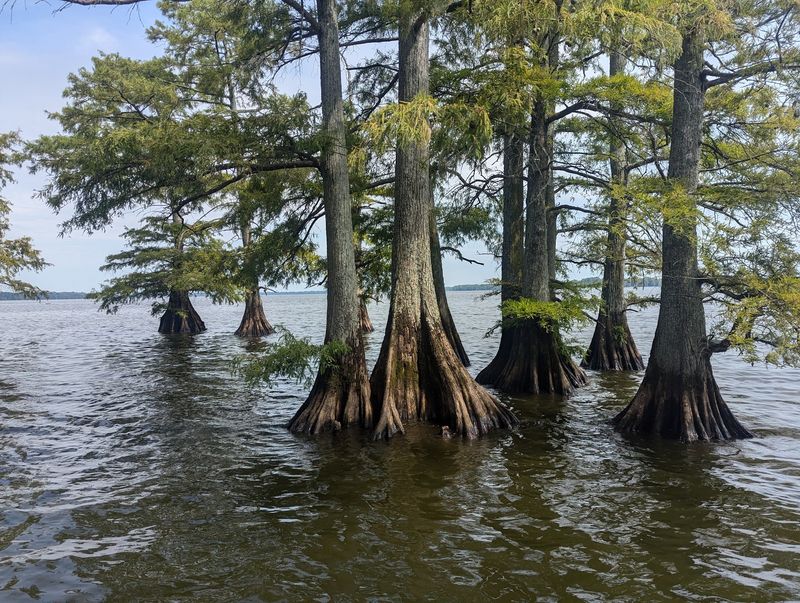
Seeing the lake from the water is a whole different experience. The park offers pontoon rides that head out among the cypress trees.
A morning pontoon tour led by park interpreters explains the lake’s unique ecosystem. Special outings have included a Fourth of July sunset cruise with fireworks views.
Kayak tours are another option, with spring months such as March and April drawing interest. Boat tours do not always run, so it helps to confirm the schedule first.
The lake is shallow, and only certain types of boats are allowed. Stumps hide just below the surface in many spots, which is one more reason a guided ride makes sense for newcomers.
For a land-based option, there is an auto tour on Grass Island. Between boats, kayaks, and cars, there are plenty of ways to explore without much effort.
Campgrounds, Cabins, and Fishing Spots
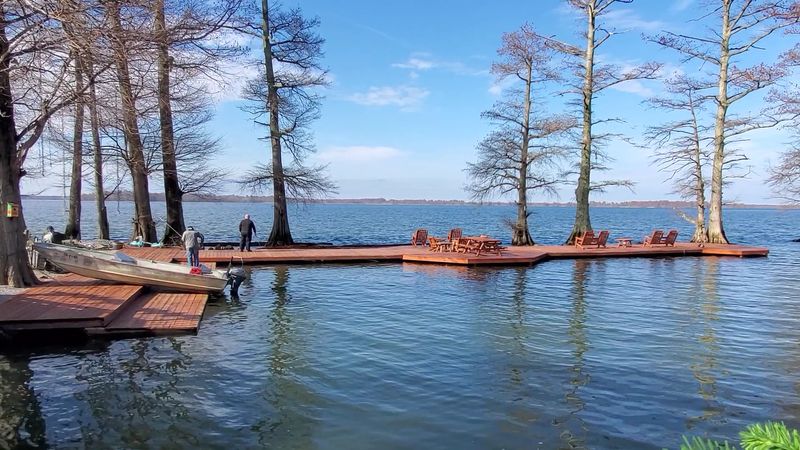
Plenty of families treat this park as a tradition, with grandparents, kids, and grandkids meeting up for eagle watching and lake views.
The South campground sits right by the water and has been busy on weekends for decades. Most sites offer full hookups, tent sites sit in the back, and two bathhouses serve campers, with at least one ADA accessible.
Premium cabins rest right on the lake, and the Airpark campground has room for big rigs. Bathrooms throughout the park are often praised as spotless.
Fishing is a huge draw, though results vary with weather and the stumpy lake bottom. Local guides can help, and the Walnut Log area offers peaceful spots to fish and walk.
Picnic tables, grills, shelters, and playgrounds dot the shoreline. Some trails outside the visitor center are still recovering from flooding, so sturdy boots are a wise choice.
Planning a Trip Worth the Drive
Good news for budget travelers: a lot here costs nothing. Much of the boardwalk and the animal displays are free to enjoy.
The park operates daily from 8 AM to 4:30 PM. The phone line is 888-867-2757, and the Tennessee State Parks website lists current programs and conditions.
Winter belongs to the eagles, spring suits kayakers, and fall brings pelicans plus the annual Arts-n-Crafts festival on the first weekend of October.
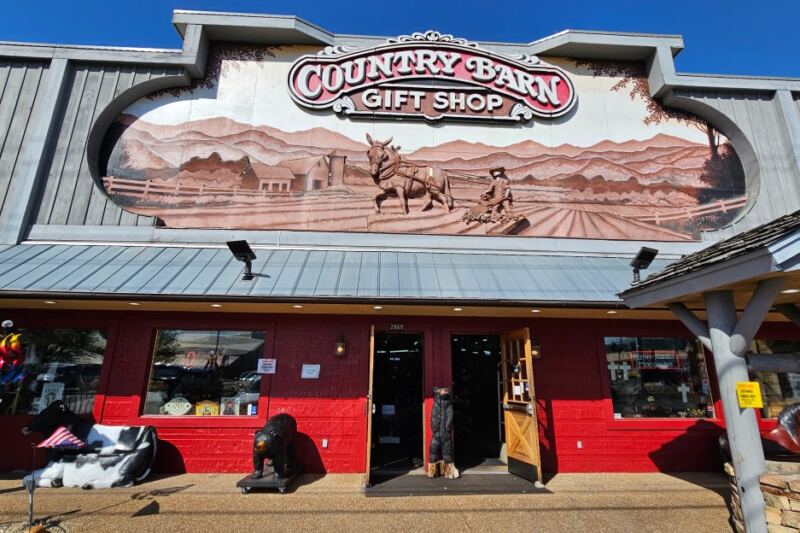
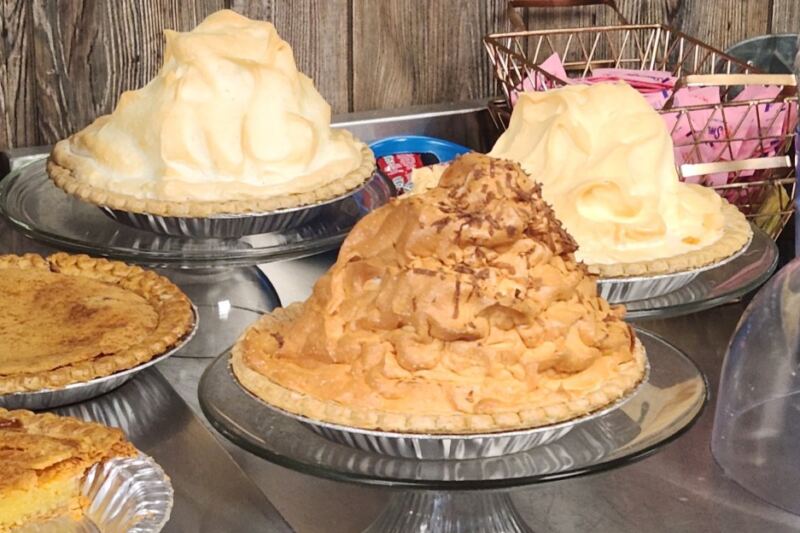
Several eateries sit close to the park, including a well-loved fish spot right across the street. Rivian drivers will also find two free charging stations.
So is it worth the trek? For anyone craving quiet water, cypress trees, and eagles without crowds, the answer leans toward yes.
Just do not tell everyone, since the calm is half the charm.
Share this story