Some television series keep going even after their central star walks away. Writers shift the story, bring in a new lead, or spread the spotlight across a whole cast.
Sometimes the change is announced loudly, and other times viewers barely notice it happening. Here are twelve shows that changed focus, and how each one handled the move.
1. Two and a Half Men: Charlie Harper to Walden Schmidt
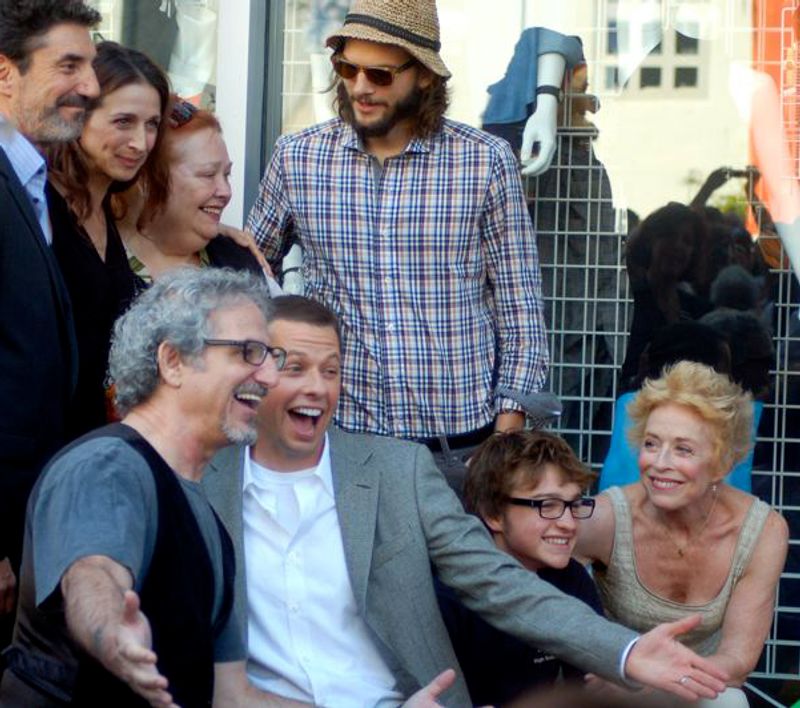
When Charlie Sheen left the series in 2011, the show had to answer a big question: how do you replace the man the sitcom was built around? The writers wrote Charlie Harper out of the story and introduced Walden Schmidt, played by Ashton Kutcher.
Walden was a young internet billionaire who had just gone through a breakup. He bought the Malibu beach house and ended up sharing it with Alan and Jake, which kept the show’s basic setup intact.
The tone changed a little. Charlie was a hard-living bachelor, while Walden was sweeter, more earnest, and often naive about relationships.
That softer personality gave the jokes a different flavor.
Viewers were split, but the series ran for four more seasons. Fun fact: the show ended with a finale that brought back Charlie in a playful nod to the original lead, closing the loop for longtime fans.
2. Spin City: Mike Flaherty to Charlie Crawford
Few sitcom cast changes were as widely discussed as this one. Michael J.
Fox starred as Deputy Mayor Mike Flaherty, the fast-talking fixer who kept New York City Hall running through every crisis.
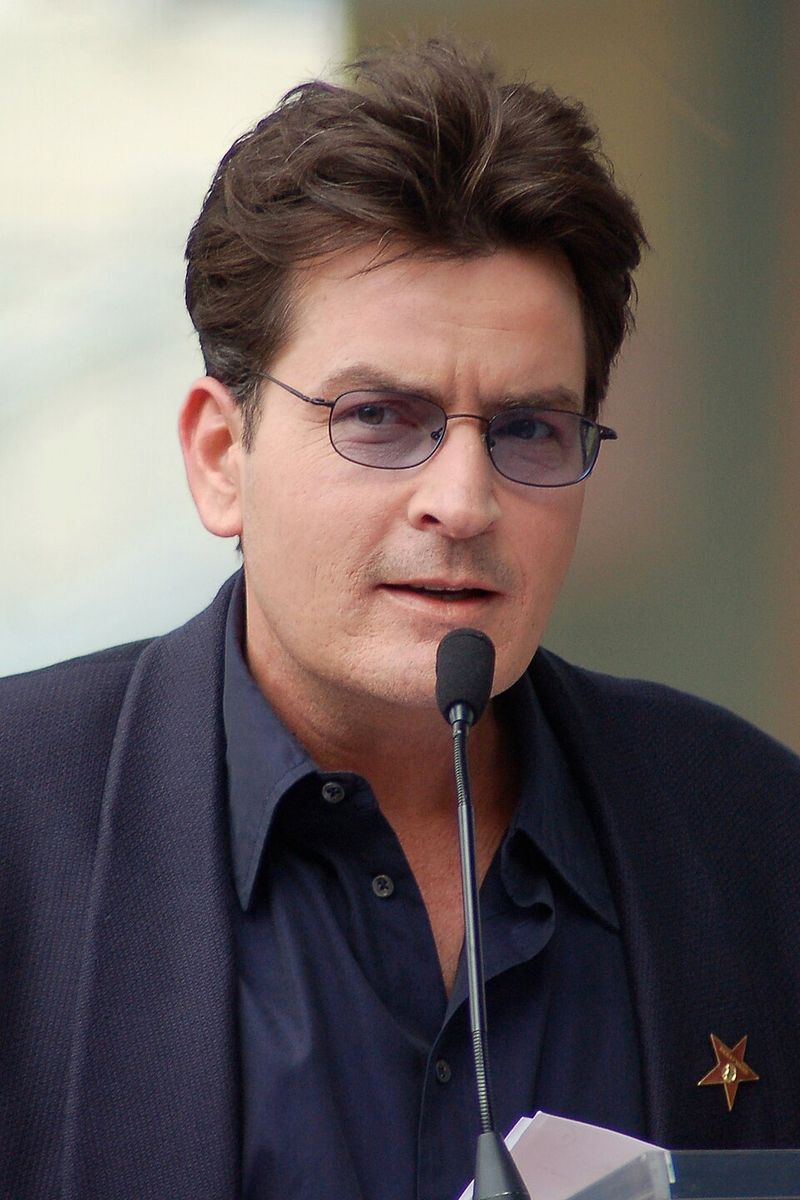
In 2000, Fox left after four seasons to focus on his health and his work raising awareness about Parkinson’s disease. Charlie Sheen joined as Charlie Crawford, a new deputy mayor who arrived from outside the city.
The writers explained Mike’s exit by having him move on to work on environmental issues in Washington. The show kept its ensemble of colorful staffers, which helped the transition feel smoother.
Charlie Crawford was more of a schemer than a problem solver, so the comedy leaned on a different kind of energy. Spin City ran two more seasons with the new lead before it wrapped up in 2002.
3. Scrubs: J.D. to Lucy Bennett
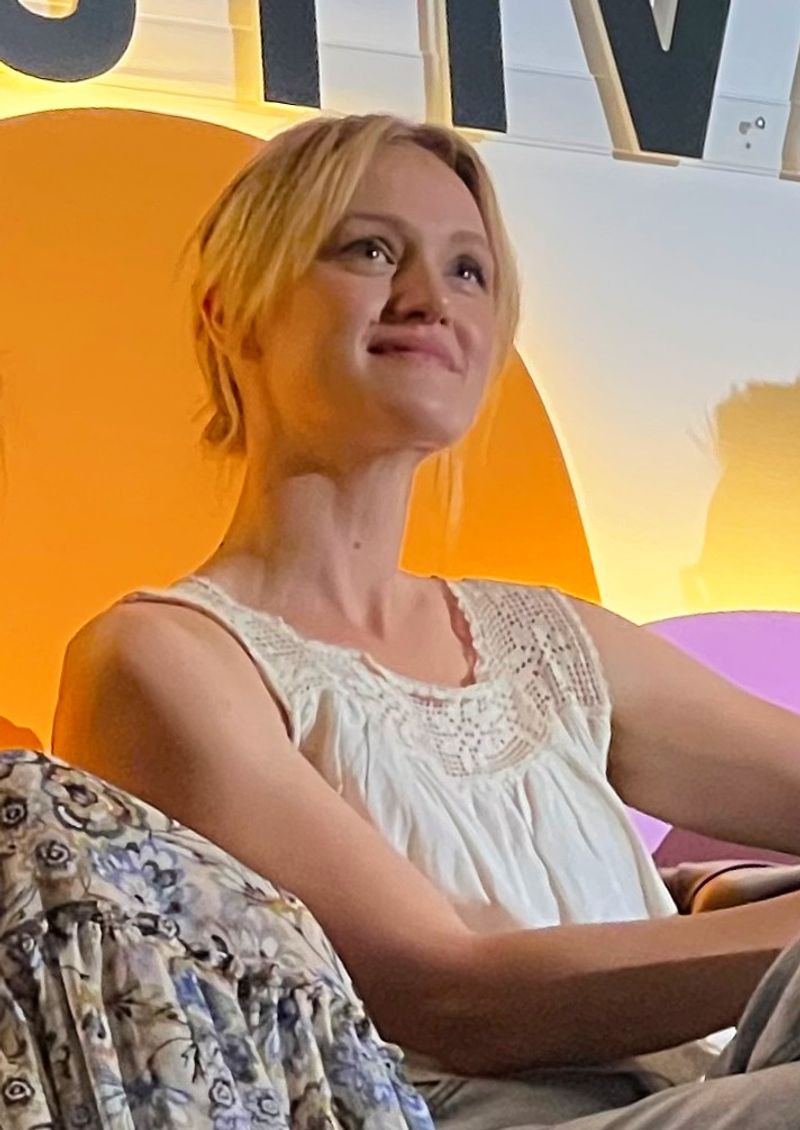
Picture a long-running hospital comedy deciding to start over with a fresh set of interns. That is what happened in season nine, when Scrubs moved away from J.D., played by Zach Braff, and set its stories at Winston University.
The new narrator was Lucy Bennett, a medical student played by Kerry Bishe. Familiar faces like Dr. Cox and Turk stayed on as teachers, serving as a bridge between the old and new.
J.D. appeared only in a handful of episodes, mostly to wrap up his own story. Many fans felt the heart of the show left with him.
The season was released as a kind of reboot, and it turned out to be the last one. Creator Bill Lawrence later said the story had already reached its natural ending in season eight.
4. House of Cards: Frank Underwood to Claire Underwood
Power in Washington can shift fast, and so did the focus of this political drama. Kevin Spacey played Frank Underwood for five seasons, speaking directly to the camera and drawing viewers into his schemes.
In 2017, Netflix ended its work with Spacey after misconduct allegations. The sixth and final season was rebuilt around Claire Underwood, played by Robin Wright, who had been a major force in the story from the start.
Frank’s death was revealed early in the season, and Claire stepped into the presidency. The show then followed her fight to hold on to power against rivals who wanted to take it away.
Season six was shorter, with eight episodes instead of thirteen. Wright, who had also directed episodes earlier, carried the series to its close.
5. Vikings: Ragnar Lothbrok to His Sons
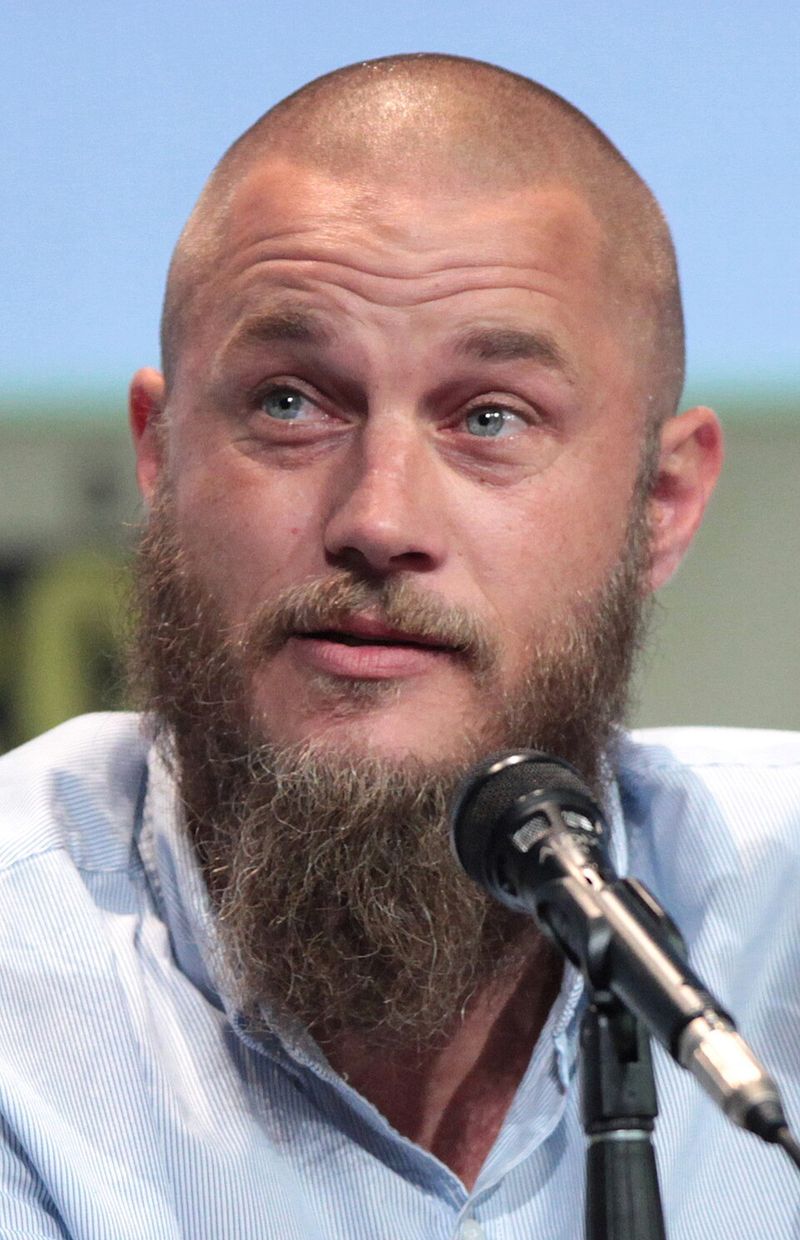
Ragnar Lothbrok was the heart of Vikings, a farmer who rose to become a legendary king. Travis Fimmel played him with a sly, curious spirit that made him hard to forget.
Midway through season four, Ragnar met his end in the snake pit of King Aelle. From there, the story passed to his sons, including Bjorn Ironside, Ivar the Boneless, Ubbe, Hvitserk, and Sigurd.
The shift let the show explore how a famous father’s legacy shapes the next generation. Each son wanted something different, and their rivalries drove much of the later drama.
The series ran for six seasons in total. Fun fact: many of these characters come from Norse sagas, where Ragnar and his sons are celebrated names, though historians still debate which details are true.
6. The Walking Dead: Rick Grimes to Ensemble Focus
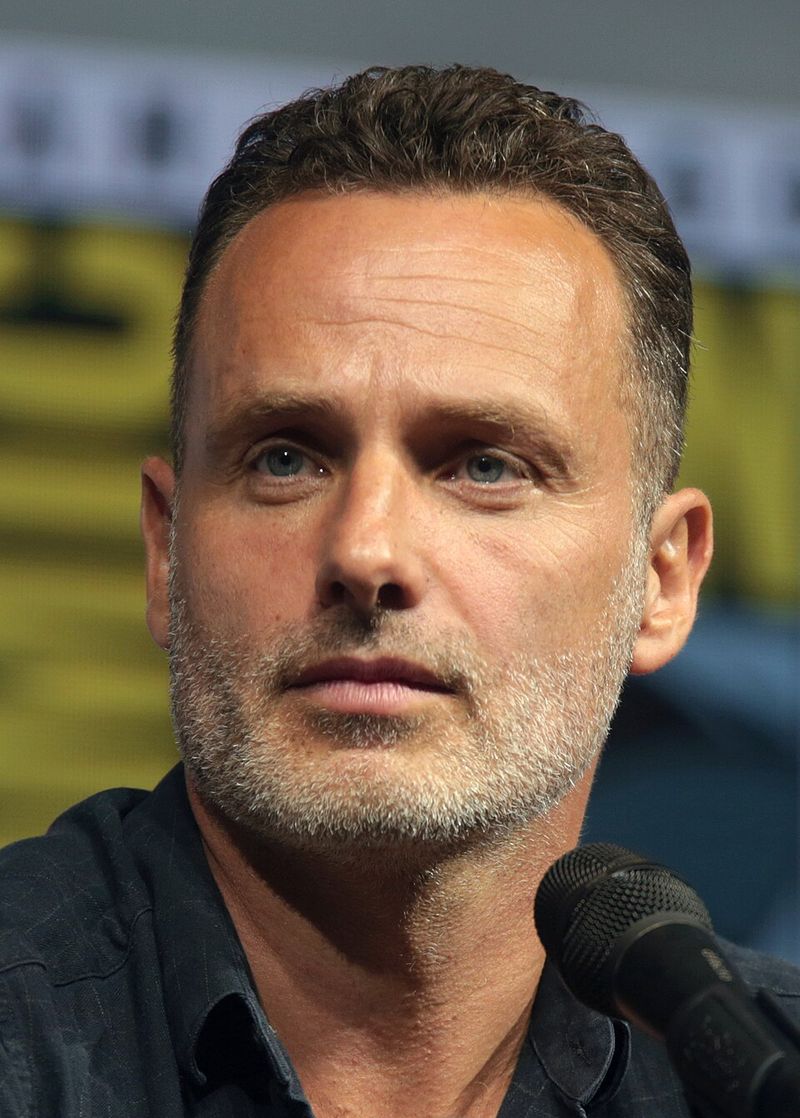
Rick Grimes woke up in a hospital and walked straight into a world overrun by walkers. Andrew Lincoln played him for nine seasons, making him the face of the franchise.
When Rick left in season nine, the show did not name a single new lead. Instead, it spread the story among Daryl, Michonne, Carol, Maggie, and Negan, along with newer faces like Judith and Carl’s generation of survivors.
Michonne left a little later, and the cast kept rotating. That gave writers room to explore different communities and different points of view.
The idea paid off in an unexpected way. Rick’s story continued in a separate spin-off, The Ones Who Live, which reunited him with Michonne.
Meanwhile, the original series closed after eleven seasons.
7. That ’70s Show: Eric Forman to Remaining Ensemble

The circle in the Formans’ basement was the most famous seat on television in the early 2000s. Eric Forman, played by Topher Grace, anchored the show as the awkward teenager at the center of every group joke.
In season eight, Grace left to pursue film roles. The show handled his absence by saying Eric had moved to Africa to teach, appearing only in a few episodes.
That left Red, Kitty, Donna, Hyde, Kelso, Fez, and Jackie to carry the series. Randy Pearson, played by Josh Meyers, joined as a new character, though fans never fully warmed to him.
Eric came back for the final episode, set on New Year’s Eve in 1979, giving the story a warm farewell. Many viewers consider that finale a sweet reward for their patience.
8. The Office: Michael Scott to Ensemble Focus
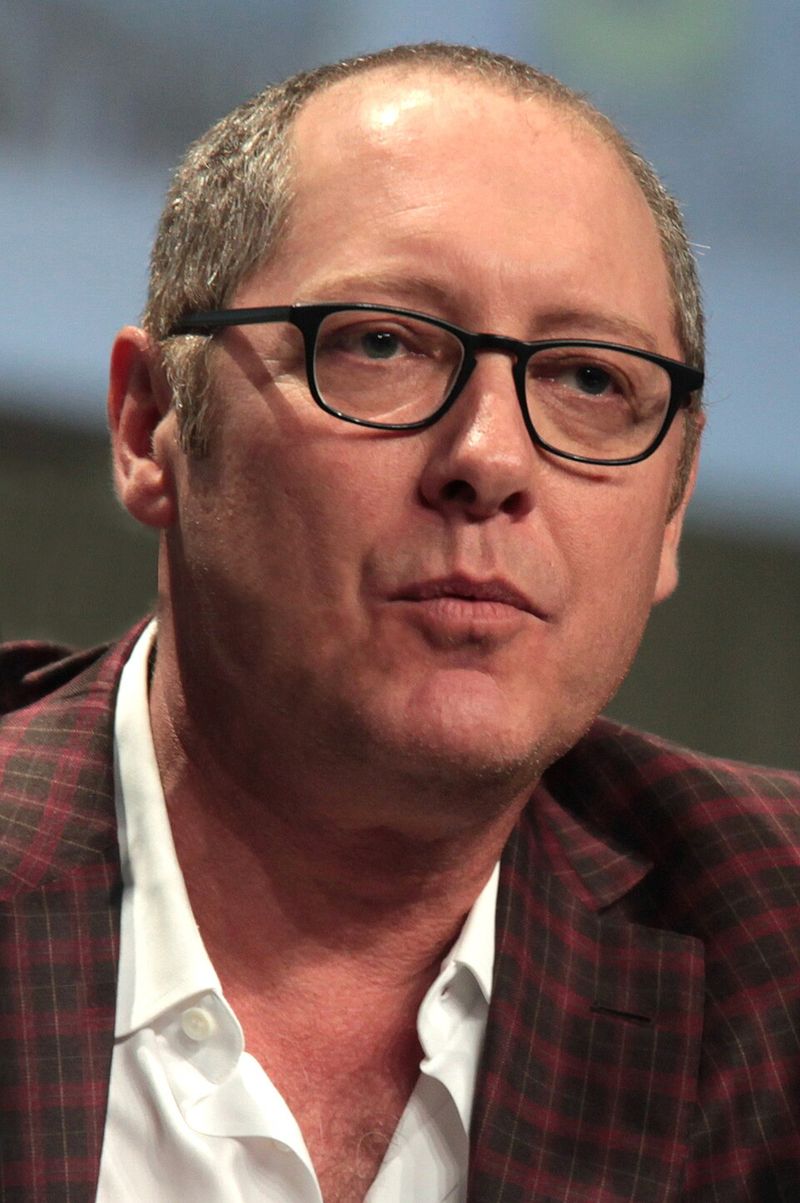
“That’s what she said” became a signature line for Michael Scott, the well-meaning but clueless boss of Dunder Mifflin Scranton. Steve Carell played him for seven seasons.
When Carell left in 2011, the show tried several ideas to fill the space. James Spader appeared as Robert California, Will Ferrell had a short stint as a temporary manager, and Andy Bernard eventually took over the branch.
Over time, the comedy leaned on the whole staff. Dwight, Jim, Pam, Angela, Kevin, and Erin all got bigger storylines, which gave the final two seasons a looser, team-based feeling.
Opinions differ on whether the show was as strong after Michael left. Even so, it wrapped up in 2013 with a finale that brought many past guests back to say goodbye.
9. Valerie / The Hogan Family: Valerie Hogan to the Hogan Family
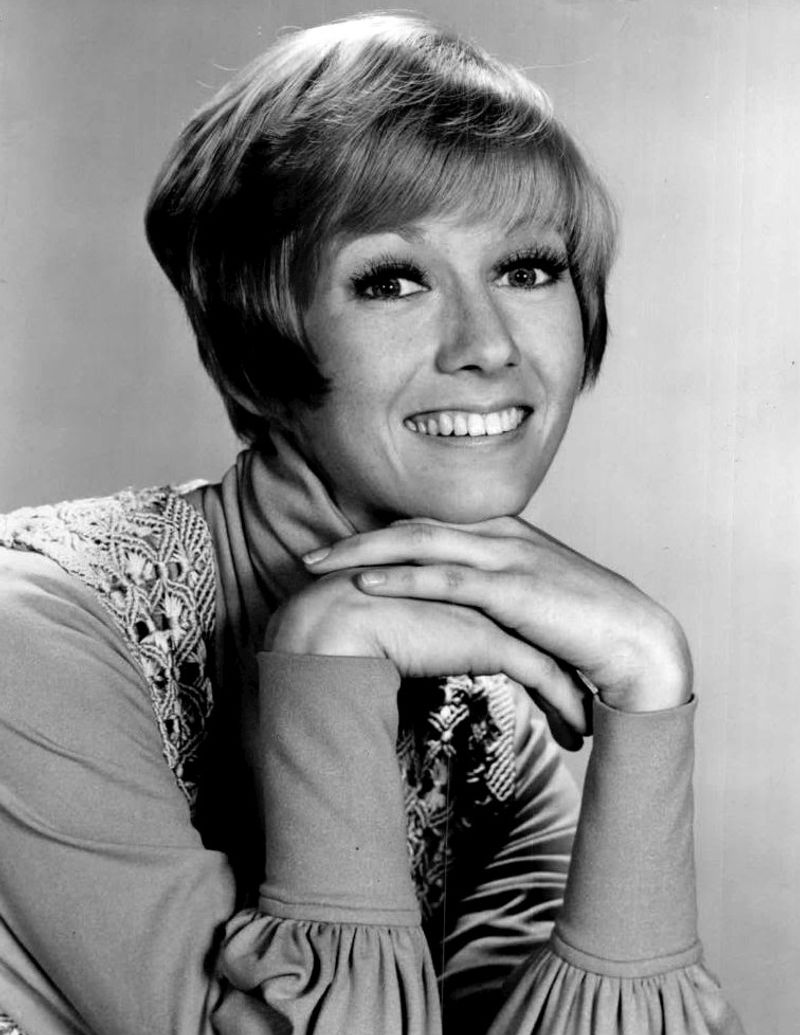
Here is a classic case of a show changing its name to match its new focus. Valerie began in 1986 as a family sitcom built around Valerie Harper as Valerie Hogan, a mother of three boys.
After a dispute over pay and working conditions, Harper left in 1987. The producers wrote Valerie’s character out by saying she had died in a car accident, and Sandy Duncan joined as Aunt Sandy to help raise the boys.
The series was retitled Valerie’s Family: The Hogans and later The Hogan Family. The change put the spotlight on the three sons, the father, and the aunt instead of a single star.
The show ran until 1991. Harper later won a legal case over the dispute, which became a notable moment in television history.
10. Batwoman: Kate Kane to Ryan Wilder

Gotham needs a hero, and the CW decided it could have more than one. Batwoman premiered in 2019 with Ruby Rose as Kate Kane, a vigilante who took up the mantle of her missing cousin’s city.
After season one, Rose left the role. The writers answered by having Kate vanish after a plane crash, and the series introduced Ryan Wilder, played by Javicia Leslie, as the new person wearing the suit.
Ryan had a different background. She was a former drug courier who lived out of a van and found the Batsuit by chance, which gave the show a scrappier feel.
The series continued for two more seasons before it ended in 2022. Leslie’s casting drew attention because Ryan was written as the first Black lead to wear the Batwoman suit on television.
11. The Royals: Prince Liam to Broader Ensemble Focus

Behind the gold-trimmed gowns and palace gates, The Royals was a family drama about a fictional British monarchy. Prince Liam, played by William Moseley, started as the heir with a rebellious streak.
As the seasons went on, the show widened its view. Queen Helena, played by Elizabeth Hurley, became a major driving force, and Princess Eleanor, played by Alexandra Park, took on more complicated plotlines.
Liam’s arc shifted from a central romance to a story about duty and sacrifice. Other figures like King Cyrus and Jasper gained more screen time, which gave the show a more crowded feel.
The series aired on E! from 2015 to 2018. Because it embraced soap-style twists, the shift to an ensemble let writers keep up a steady supply of scandals and surprises.
12. Once Upon a Time: Emma Swan to Henry Mills and Season 7 Ensemble

Fairy tales have a way of changing heroes, and this one did, too. For six seasons, Once Upon a Time centered on Emma Swan, played by Jennifer Morrison, the daughter of Snow White and Prince Charming.
The season six finale wrapped up Emma’s arc. Season seven then reset the story, moving to a new version of Seattle and placing an adult Henry Mills, played by Andrew J.
West, at the center.
Henry was joined by new characters including Lucy, his daughter, and an adult Cinderella and Rumplestiltskin. Some original cast members returned in smaller roles.
The season worked as a soft reboot meant to attract new viewers while keeping a connection to the old story. It ended the series in 2018, closing a run of seven seasons on ABC.
Share this story