Some days in history feel like they happened to everyone at once. Maybe you remember a teacher wheeling a TV into the classroom, or a parent standing very still in front of the evening news.
This list looks at nine events that reshaped countries, science, music, and daily life. Some were joyful, some were hard to watch, and all of them left a mark on the people who lived through them.
Whether you saw them live or learned about them later, these moments help explain the world we know today. Take a look and see how many of them you remember.
The Fall of the Berlin Wall
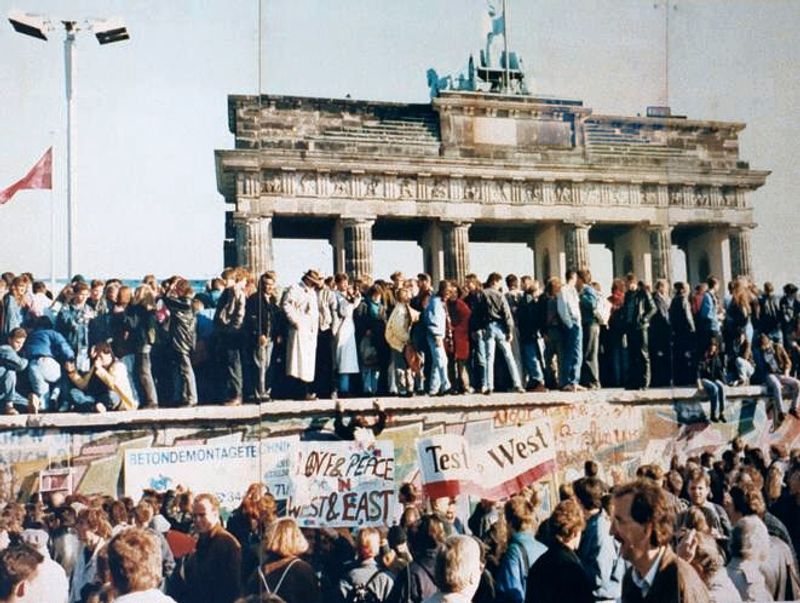
On November 9, 1989, East German official Günter Schabowski announced new travel rules on live television, and crowds headed straight for the border checkpoints.
Thousands of East Berliners demanded to cross. Overwhelmed guards eventually opened gates, including the one at Bornholmer Straße, and people streamed into West Berlin.
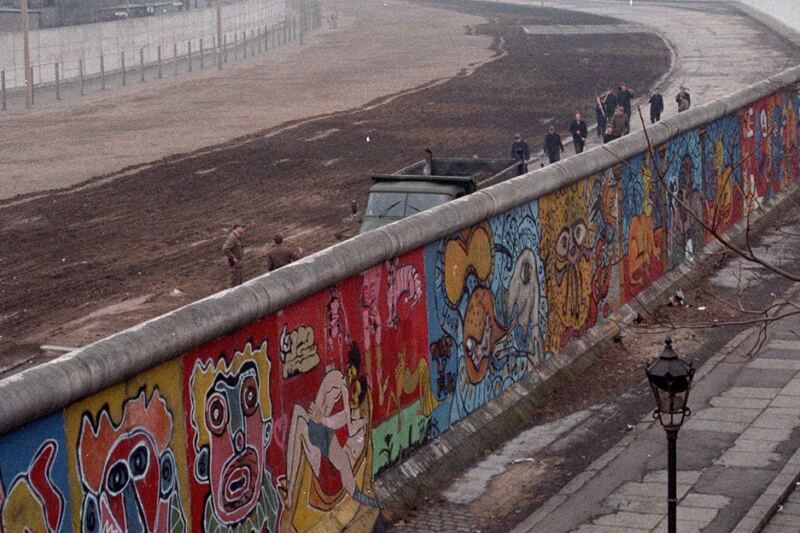
Some climbed onto the Wall itself and celebrated with strangers while cameras sent the scenes around the world. The Wall had split Berlin since 1961 and had become one of the best-known symbols of the Cold War.
Opening the gates did not unify Germany overnight. Still, it set a process in motion that ended with German reunification on October 3, 1990.
For many people who were young then, the sight of crowds standing on that concrete became a lasting picture of change.
The Chernobyl Nuclear Disaster
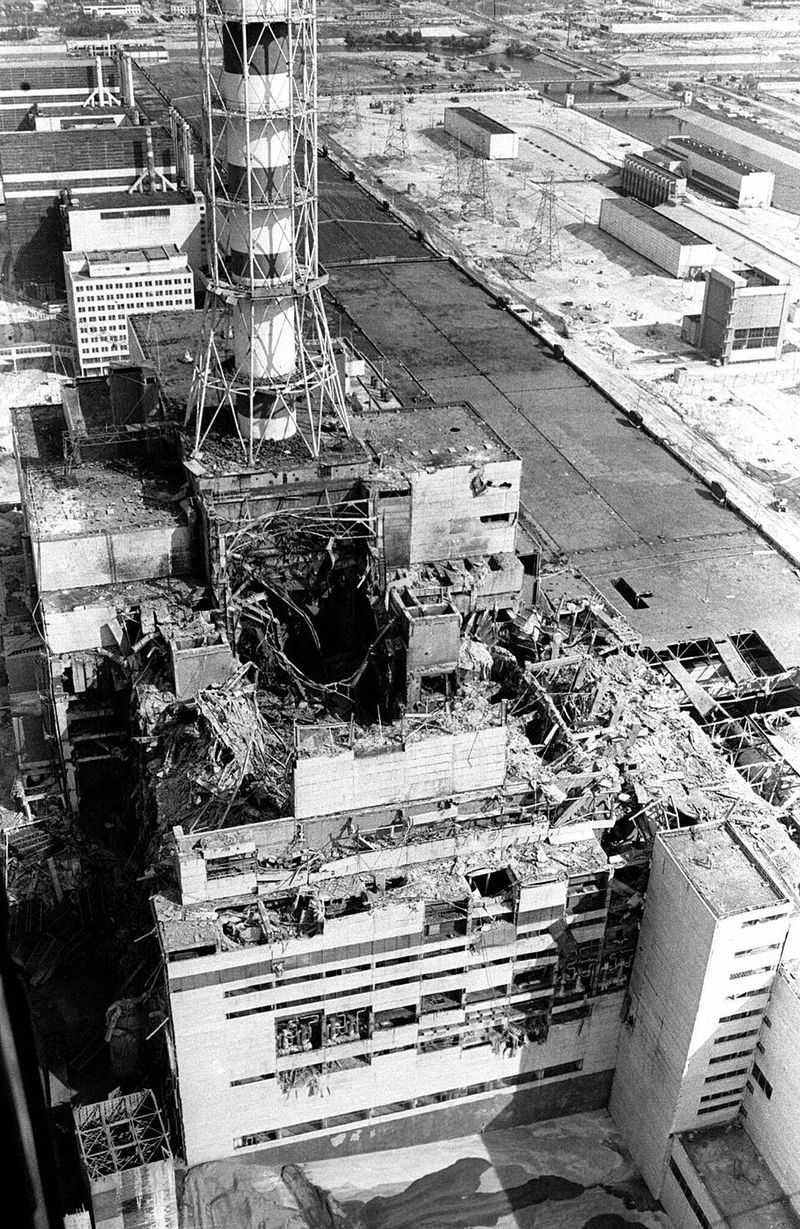
Early on April 26, 1986, an accident at Reactor No. 4 of the Chernobyl Nuclear Power Plant shook the Soviet Union. Explosions and fires released a huge amount of radioactive material into the air.
The contamination spread across parts of Ukraine, Belarus, Russia, and other areas of Europe. Residents of nearby Pripyat were evacuated, and hundreds of thousands of people took part in cleanup, relocation, and emergency work over the following years.
It became one of the most serious accidents in the history of civilian nuclear power. Countries around the world began asking tougher questions about reactor safety, emergency planning, and how openly governments share bad news.
For kids in the 1980s, Chernobyl was a frightening headline. Radiation cannot be seen, yet suddenly it was part of the evening news and everyday conversation.
The Civil Rights Movement
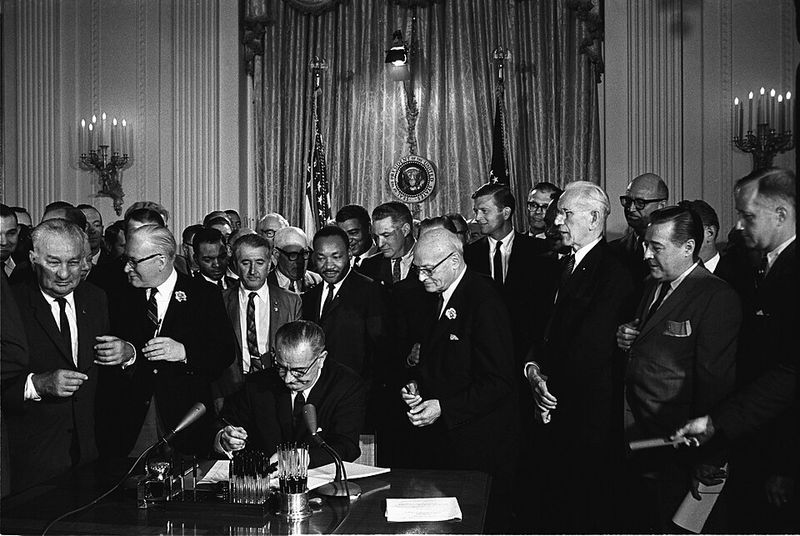
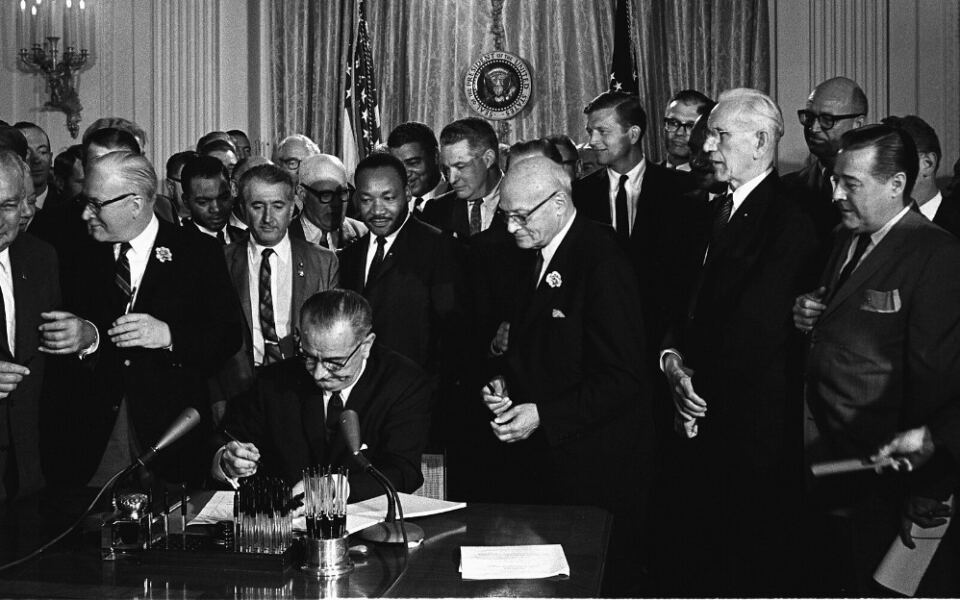
Few chapters of American history changed laws and daily life as directly as this one. During the 1950s and 1960s, Black Americans and their allies challenged segregation, discrimination, and barriers to voting.
Key moments included the 1954 Brown v. Board of Education decision, the Montgomery Bus Boycott, sit-ins, Freedom Rides, and the 1963 March on Washington.
Leaders such as Martin Luther King Jr., Rosa Parks, John Lewis, and Ella Baker helped bring the issue into the national spotlight. Their work contributed to the Civil Rights Act of 1964 and the Voting Rights Act of 1965.
The struggle for equality did not end with those laws, and the work continued for years afterward. Still, for a generation of children, televised speeches and protests became some of the strongest images of social change they would ever see.
The Fall of the Soviet Union

A whole country vanished from the map in a matter of weeks. The Soviet Union had been one of two global superpowers during the Cold War, but money troubles, political reforms, and growing calls for independence slowly weakened it.
In December 1991, leaders of Russia, Ukraine, and Belarus declared that the Soviet Union had ceased to exist. They formed the Commonwealth of Independent States in its place.
Soviet President Mikhail Gorbachev resigned on December 25. That evening, the Soviet flag was lowered over the Kremlin for the last time.
Young people watching TV at the time saw something extraordinary. A nation that had shaped world politics for decades was gone, which closed one chapter of the Cold War and left a very different political map behind.
The Arab Spring
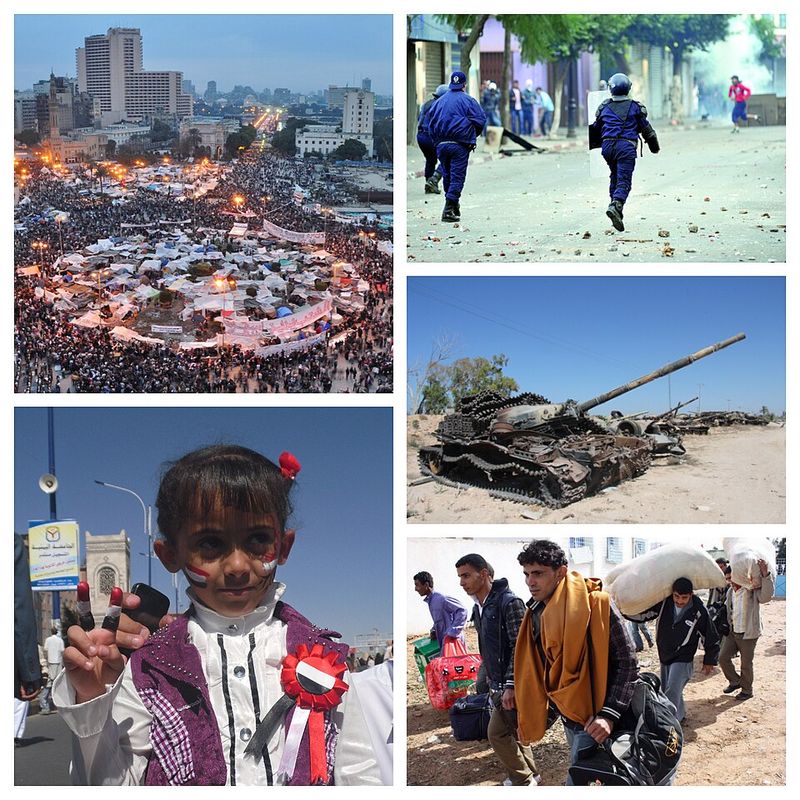
It started with one street vendor in Tunisia and ended up reaching a dozen capitals. In December 2010, a confrontation involving vendor Mohamed Bouazizi on December 17 helped spark protests over unemployment, corruption, and hardship.
Tunisian president Zine El Abidine Ben Ali left the country in January 2011. Demonstrations soon spread to Egypt, Libya, Syria, Yemen, Bahrain, and beyond.
Results varied a great deal. Some governments fell, others held on, and a few countries faced long periods of instability or armed conflict.
Younger generations noticed something else, too. Phones and social media let people organize gatherings and share what was happening almost instantly, showing how digital tools could shape a political movement in real time.
The Live Aid Concert
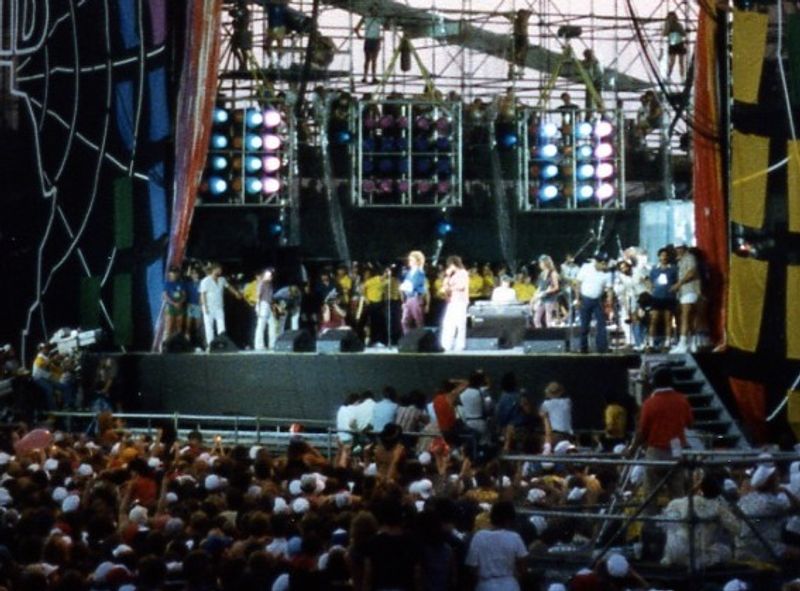
Two stadiums, two continents, one very long day of music. On July 13, 1985, Live Aid took place mainly at Wembley Stadium in London and John F.
Kennedy Stadium in Philadelphia.
The goal was to raise money and awareness for famine relief in Africa, especially after the Ethiopian famine. Performers included Queen, David Bowie, U2, Elton John, Madonna, Paul McCartney, and The Who.
Satellite technology turned the concerts into a television event watched in more than 100 countries. Queen’s set, led by Freddie Mercury, became especially famous.
For kids and teens in the 1980s, it showed how big a shared broadcast could get when music, technology, and charity joined forces.
The Challenger Space Shuttle Disaster
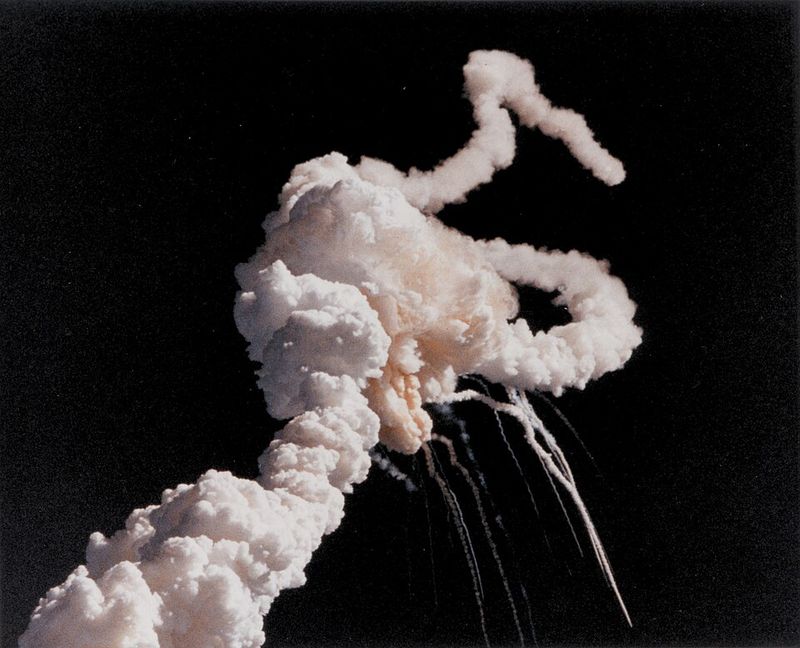
January 28, 1986, started as a launch day many classrooms had been waiting for. Space Shuttle Challenger lifted off from Kennedy Space Center, and millions of Americans watched.
Just 73 seconds later, the spacecraft broke apart. All seven crew members were lost: Francis Scobee, Michael Smith, Judith Resnik, Ellison Onizuka, Ronald McNair, Gregory Jarvis, and teacher Christa McAuliffe.
Because McAuliffe was part of NASA’s Teacher in Space Project, many schools were following the mission closely. The investigation found that failed O-ring seals in a solid rocket booster, affected by unusually cold weather, played a central role.
For a generation of schoolchildren, it became one of the hardest shared memories of the decade. It also changed how people thought about the risks of human spaceflight.
The Moon Landing
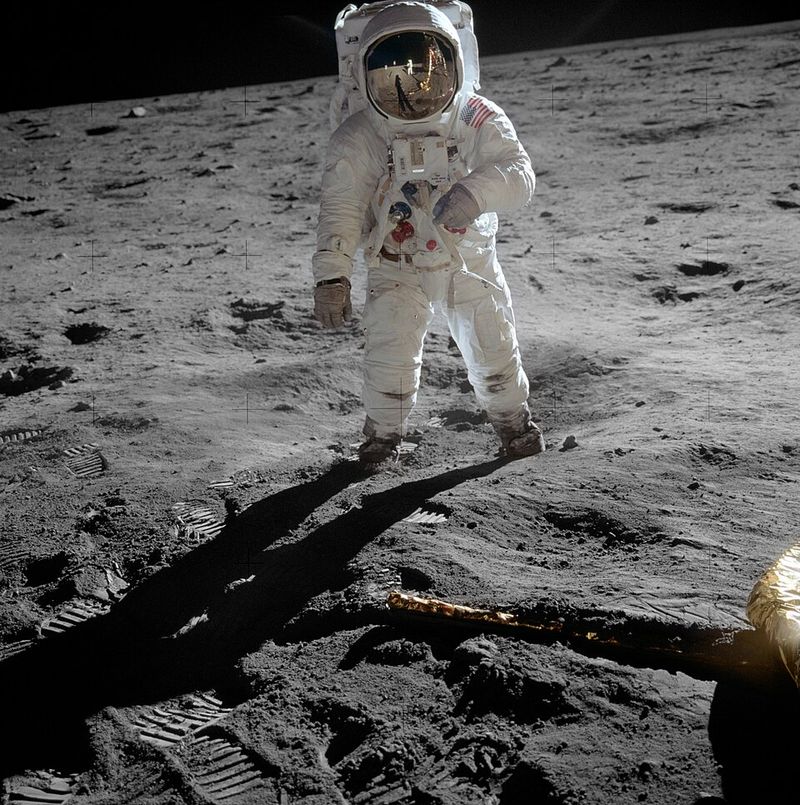
Hundreds of millions of people watched the same grainy picture on July 20, 1969. Apollo 11 astronauts Neil Armstrong and Buzz Aldrin landed the lunar module Eagle in the Moon’s Sea of Tranquility.
Michael Collins stayed in lunar orbit aboard the command module Columbia. Later that evening, Armstrong became the first person to step onto the lunar surface, with Aldrin following.
NASA estimates that the broadcast reached a huge worldwide audience, making it one of the defining television events of the 20th century. The mission met the goal set earlier in the decade of landing people on the Moon and bringing them home safely.
Kids who saw it live got a surprise. Science fiction suddenly looked a lot less fictional, since people had walked on another world, gathered samples, and returned.
The End of Apartheid
Long lines of voters became the picture that defined 1994 in South Africa. For decades, apartheid had enforced racial segregation by law and shaped nearly every part of daily life.
Resistance inside the country, international pressure, negotiations, and changes under President F.W. de Klerk’s government gradually took the system apart during the early 1990s.
On April 27, 1994, South Africans of all races took part in the nation’s first democratic, nonracial national election. The African National Congress won, and Nelson Mandela went on to become president.
The vote marked the end of apartheid rule and the start of a new democratic constitutional order. For many watching around the world, it was a change that had once seemed almost impossible.
Share this story