Weddings are meant to bring families together, but history shows that some couples married even when their relatives said no. Kings, queens, poets, and composers all faced pressure over rank, religion, or reputation. Their choices sometimes changed royal succession, shaped politics, or left lasting rifts at home.
Here are ten well-known marriages that went ahead against the wishes of powerful family members.
1. Edward IV and Elizabeth Woodville, 1464
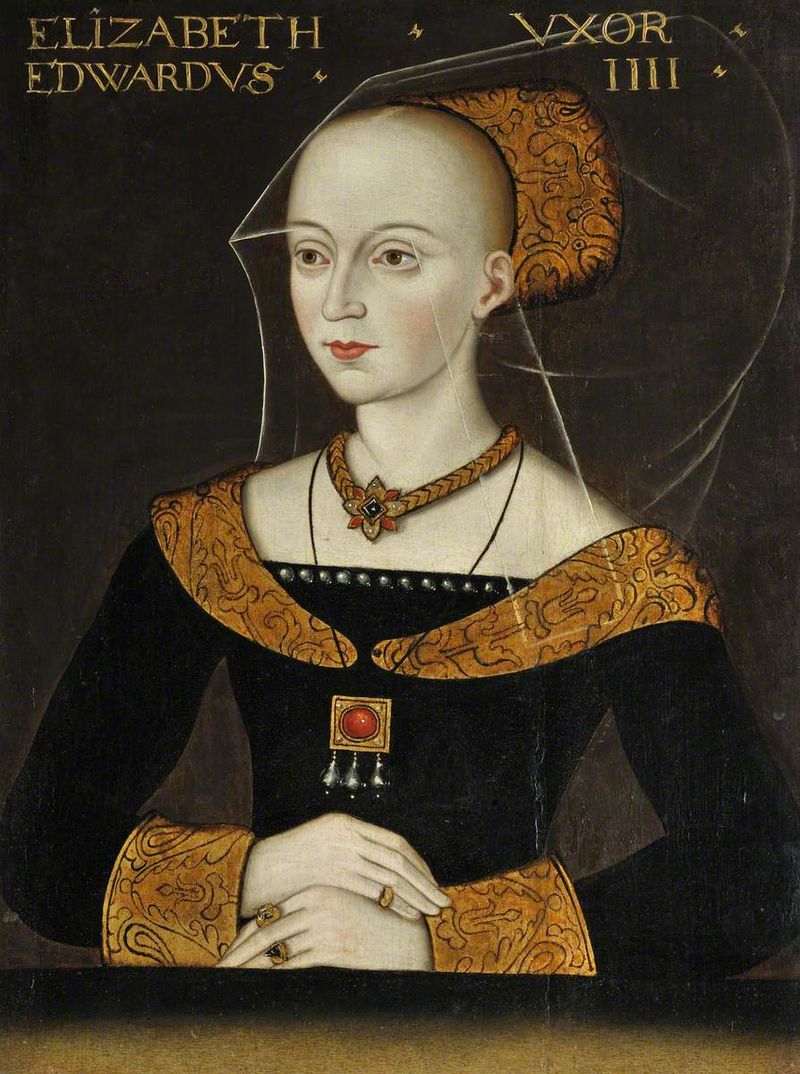
A quiet morning in May 1464 changed English politics more than anyone expected. King Edward IV, then about 22, reportedly married Elizabeth Woodville at Grafton with only a few people present.
She was a widow from a lesser noble family, not a foreign princess with a useful alliance.
His mother, Cecily Neville, was said to be deeply unhappy about the match. Powerful allies, including the Earl of Warwick, had hoped for a French royal bride, so the secret news left them embarrassed and angry.
Court gossip spread fast once the truth came out.
Elizabeth was crowned queen in 1465, and her relatives soon rose to important positions at court. That upset established nobles even more.
The tension helped drive the later split between Edward and Warwick during the Wars of the Roses, showing how one private ceremony can reshape a kingdom.
2. Ferdinand of Aragon and Isabella of Castile, 1469
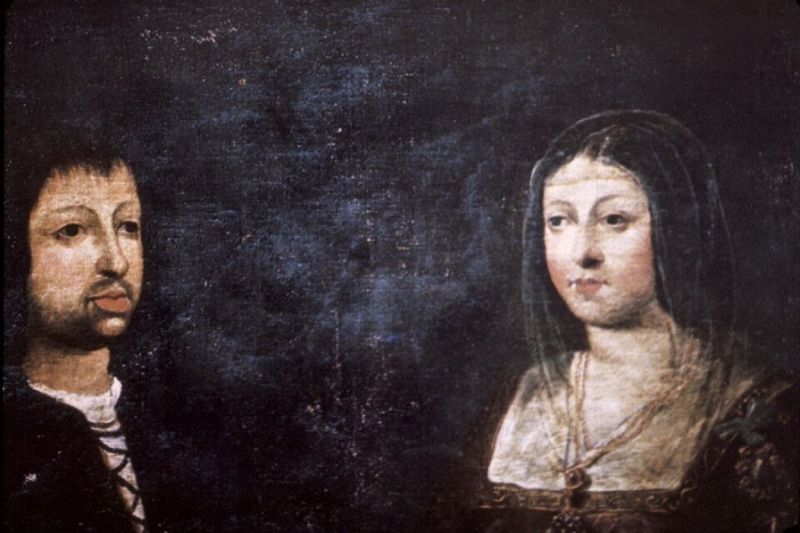
Few royal weddings carried as much weight for the future of Spain. In October 1469, 18-year-old Isabella of Castile married 17-year-old Ferdinand of Aragon in Valladolid, in a ceremony arranged with great care and little publicity.
Isabella’s half-brother, King Henry IV of Castile, had other plans. He wanted her to marry a Portuguese or French prince, and he saw this union as a threat to his own choices for the succession.
Isabella went ahead anyway, relying on supporters among Castilian nobles and church leaders.
The gamble paid off. After Henry died in 1474, Isabella claimed the throne, and Ferdinand later ruled Aragon.
Their partnership joined two powerful kingdoms under shared leadership and set the stage for the modern Spanish state, all because a young princess refused to accept a marriage chosen for her.
3. Mary Tudor and Charles Brandon, 1515
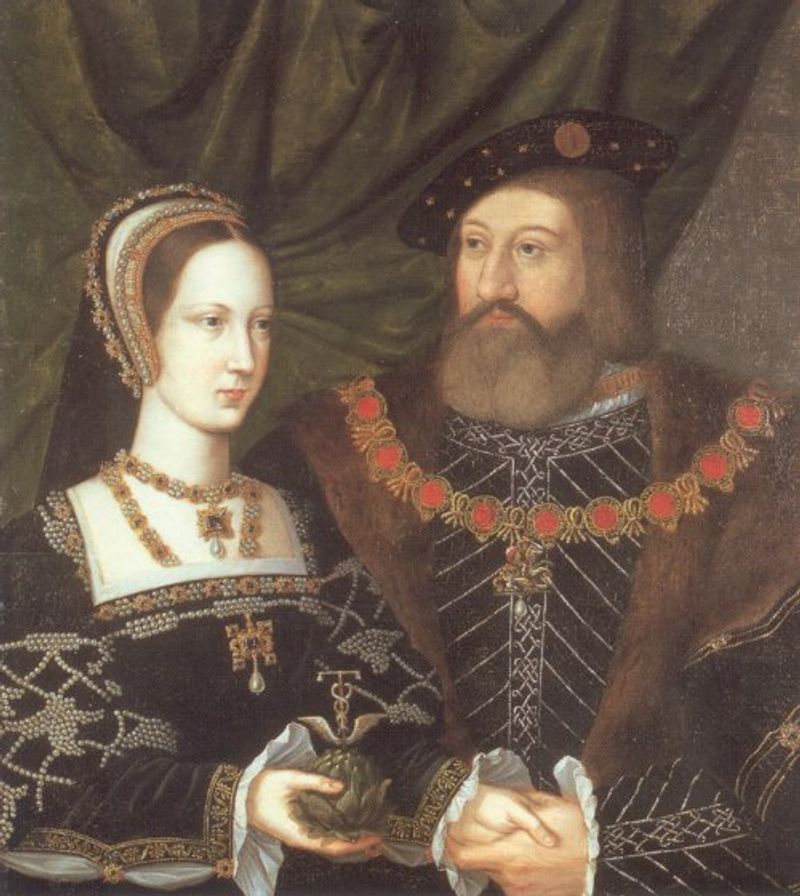
Picture a young widow making a promise to her brother and then breaking it for love. Mary Tudor, the sister of Henry VIII, was sent to marry the aging King Louis XII of France in 1514.
Before she left, she reportedly made Henry agree that she could choose her second husband.
Louis died within months, and Mary quickly married Charles Brandon, Duke of Suffolk, in a private ceremony in Paris in early 1515. Brandon had been sent to escort her home, and the marriage went against Henry’s clear expectations and the political plans he had for her.
Henry was furious at first. The couple repaid a large fine over many years and eventually won back his favor.
They were married again in England, and their descendants later played a major role in Tudor succession politics.
4. Henry VIII and Anne Boleyn, 1533
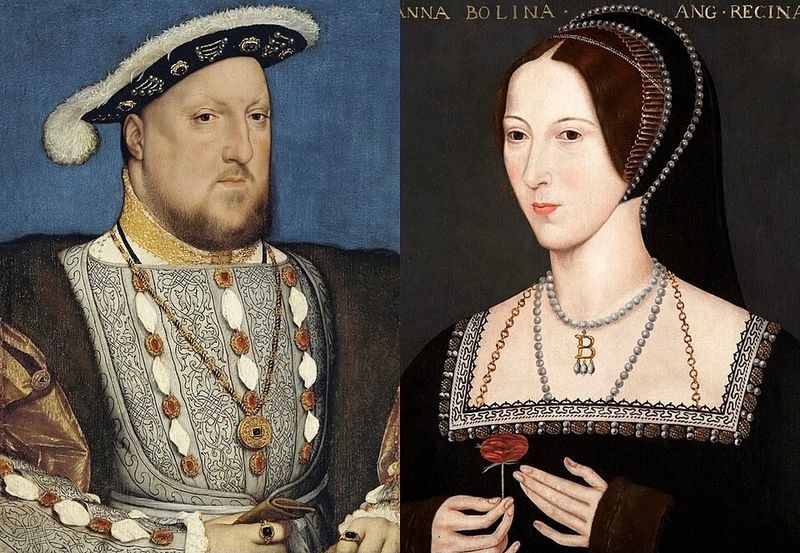
Behind closed doors in January 1533, one of history’s most talked-about weddings took place. Henry VIII, then 41, married Anne Boleyn in a secret ceremony while his marriage to Catherine of Aragon was still being challenged.
Anne was already expecting a child.
The match met resistance from many directions. Supporters of Catherine, church leaders loyal to Rome, and several powerful nobles opposed it.
Anne’s own uncle, the Duke of Norfolk, had helped advance her family, yet the high stakes made the whole affair a risky one for everyone involved.
The marriage led England to break from the Catholic Church and reshaped religion in the country. Their daughter, Elizabeth, later became one of England’s best-known monarchs.
Anne herself, however, lost the king’s favor and was executed in 1536.
5. Napoleon Bonaparte and Josephine de Beauharnais, 1796
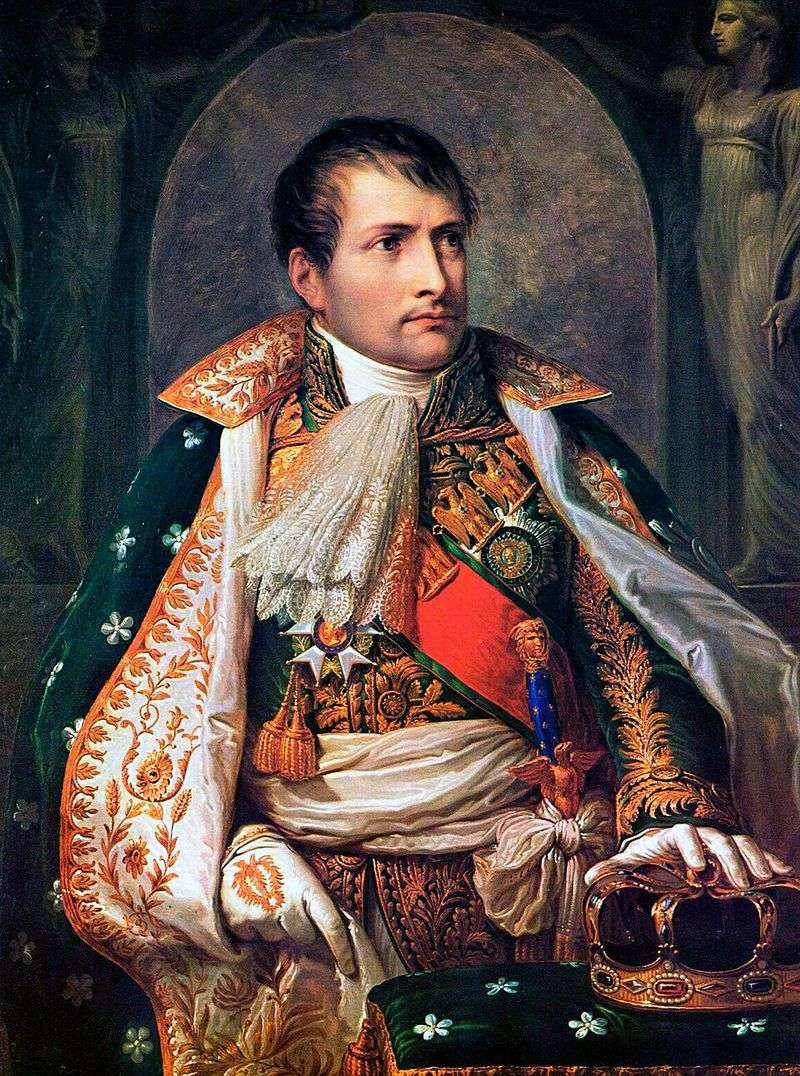
He was a young general with a bright future, and she was a charming widow with two children. In March 1796, Napoleon Bonaparte, age 26, married Josephine de Beauharnais, age 32, in a simple civil ceremony in Paris.
Napoleon’s family was not pleased. His mother and siblings saw Josephine as older, expensive in her tastes, and a poor fit for a Corsican family hoping to rise in the world.
Some relatives never fully warmed to her, and the quarrels continued for years.
Napoleon pressed on, writing her passionate letters from military campaigns. Josephine became empress when he crowned himself in 1804.
Even so, the lack of an heir eventually led Napoleon to end the marriage in 1810, though the two stayed in touch afterward.
6. Elizabeth Barrett and Robert Browning, 1846
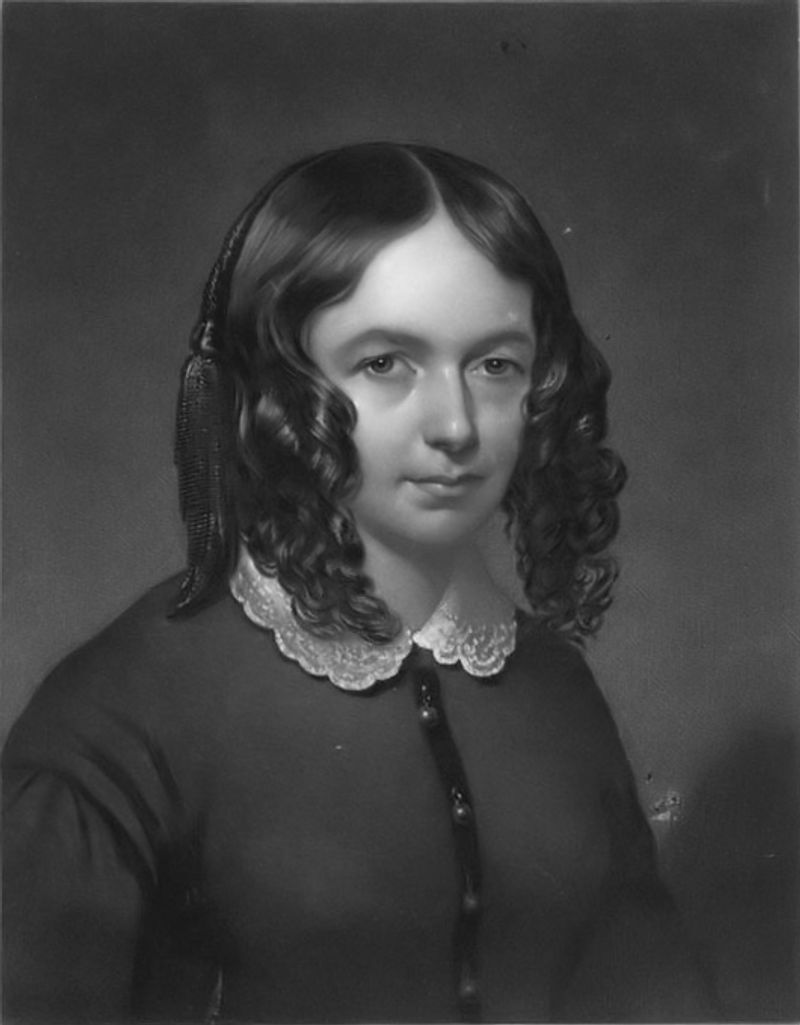
Love letters traveled across London for almost two years before the poets ever dared to run away together. Elizabeth Barrett, then 40, lived in her father’s house and was often in poor health.
Edward Moulton-Barrett, a strict and controlling man, discouraged any of his children from marrying.
In September 1846, Elizabeth and Robert Browning, age 34, married quietly at St Marylebone Parish Church. Days later she slipped out of her home, and the couple left for Italy.
She never saw her father again.
Her letters to him went unanswered, and some were returned unopened. Yet in Florence Elizabeth thrived, wrote her famous Sonnets from the Portuguese, and welcomed a son in 1849.
Their story remains a favorite example of poetry and courage working side by side.
7. Richard Wagner and Cosima Liszt, 1870
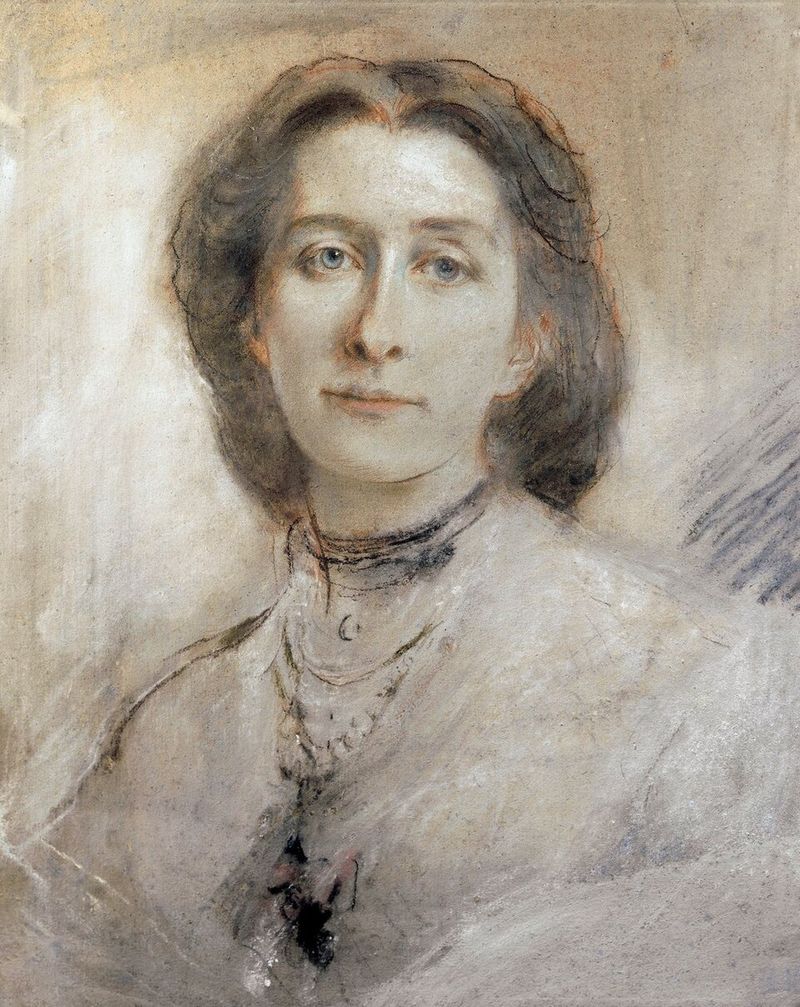
Music history and family drama collided in a Swiss lakeside villa. Cosima was the daughter of the celebrated pianist Franz Liszt and had been married to the conductor Hans von Bülow, a close friend and champion of Richard Wagner’s work.
As Cosima and Wagner grew close, Liszt was deeply troubled. He worried about the scandal and hoped to protect her first marriage, and their relationship became strained for several years.
Cosima and Wagner had children together before she was free to marry.
After her divorce, the couple wed in Lucerne in August 1870, when Wagner was 57 and Cosima was 32. Liszt and Wagner later patched things up.
Cosima stayed devoted to Wagner’s legacy and led the Bayreuth Festival after his death in 1883.
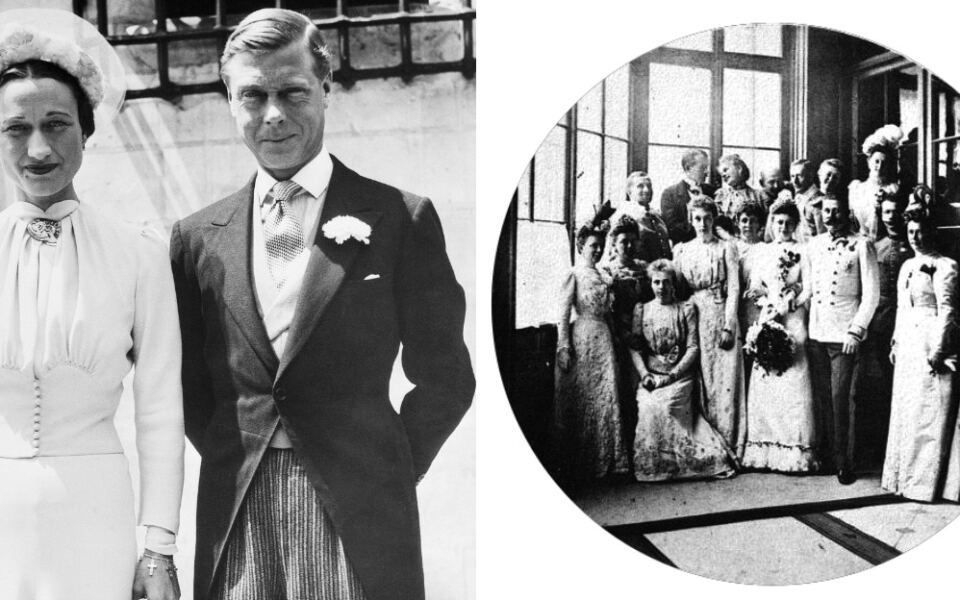
8. Archduke Franz Ferdinand and Sophie Chotek, 1900
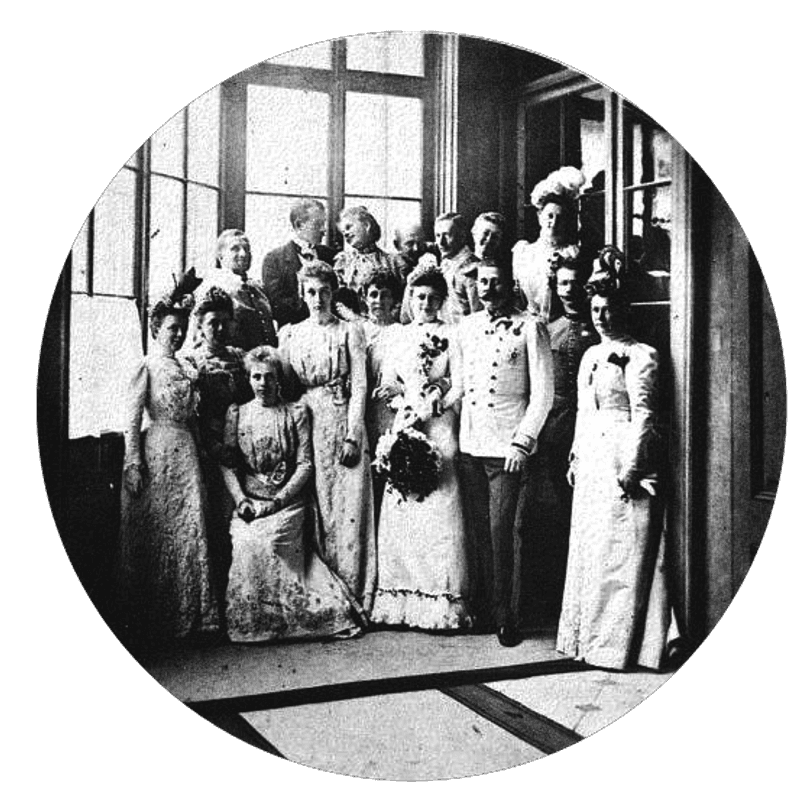
Rules about rank were serious business in the Habsburg court. Franz Ferdinand, heir to the Austro-Hungarian throne, fell in love with Countess Sophie Chotek, a noblewoman who was not considered high enough in status to marry into the imperial family.
Emperor Franz Joseph and many court officials opposed the match for years. After pressure from relatives and other European rulers, the emperor allowed the wedding on strict terms.
In July 1900, the couple married at Reichstadt, and Franz Ferdinand had to agree that their children would not inherit the throne.
Sophie was often kept from sharing his official honors in public. Still, the two were known as devoted parents.
They were killed together in Sarajevo on June 28, 1914, an event that helped trigger the First World War.
9. Grand Duke Michael Alexandrovich and Natalia Brasova, 1912
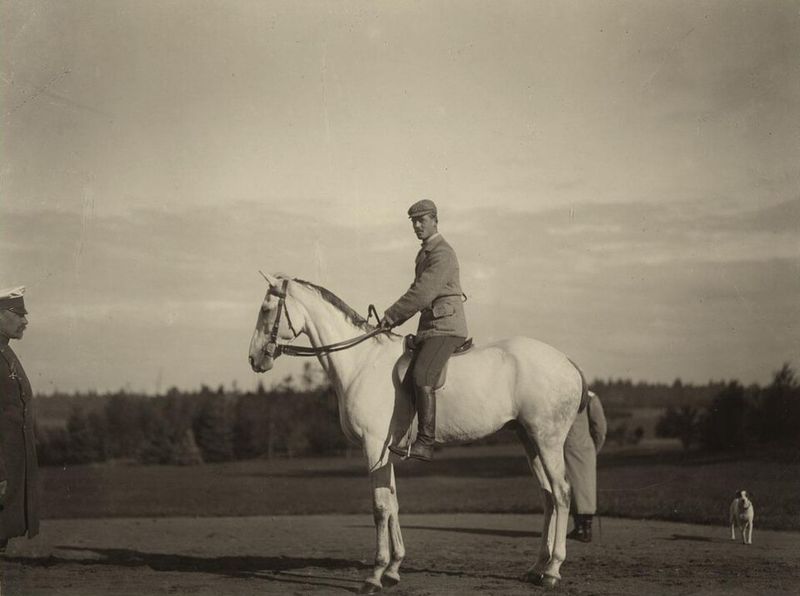
Sometimes the heir’s brother makes the headlines. Grand Duke Michael, the younger brother of Russia’s Tsar Nicholas II, fell for Natalia Brasova, a twice-married commoner.
Royal rules made her an unacceptable bride in the eyes of the imperial family.
Nicholas had refused permission, so the couple married in secret in Vienna in October 1912. The tsar was angry.
He removed Michael from his military posts and placed his property under guardianship, and the couple lived mostly abroad.
When World War I began, Michael was allowed to return to Russia and serve. In 1917, after Nicholas gave up the throne, Michael was named his successor but declined to accept without public support.
He was killed in 1918 during the Russian Revolution, and Natalia escaped into exile.
10. Edward VIII and Wallis Simpson, 1937
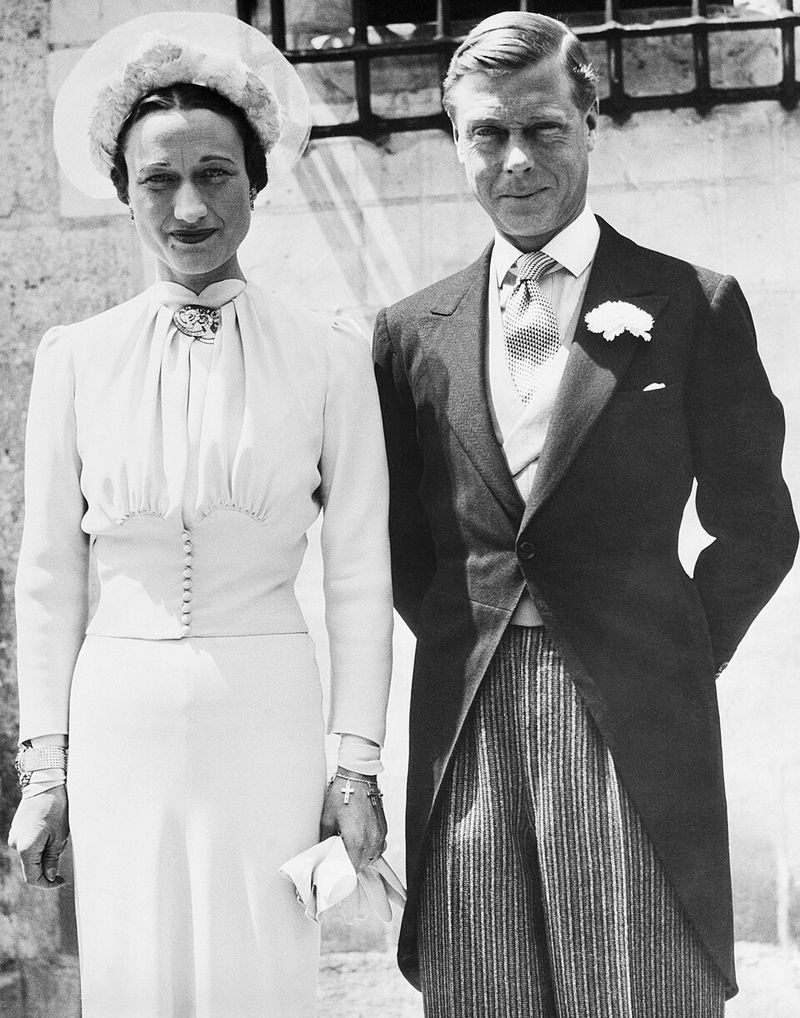
Few weddings have ever followed such a dramatic exit. In December 1936, King Edward VIII gave up the British throne so he could marry Wallis Simpson, an American who had been divorced once and was seeking a second divorce.
Government leaders, church officials, and the royal family all opposed the match. At that time, the Church of England did not allow remarriage after divorce while a former spouse was living, and the king served as head of the church.
His brother became King George VI.
Edward, now the Duke of Windsor, married Wallis in June 1937 at the Chateau de Candé in France. Almost no royal relatives attended.
The couple lived mostly in France for the rest of their lives, and the family distance lasted for many years.
Share this story