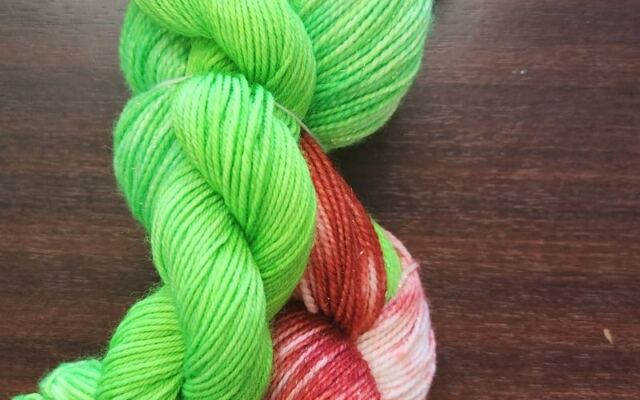
Somewhere in Oklahoma, a fluffy rope of wool is waiting to become yarn, and all it needs is your two hands and a little twist. Hand-spinning looks like magic the first time you watch it, yet it is a craft that beginners can actually learn.
Some people find the slow, hands-on rhythm calming, and others just enjoy making something from scratch. Here is how the craft works, where to find lessons, and how to keep going at home.
Spinning turns prepared wool into yarn
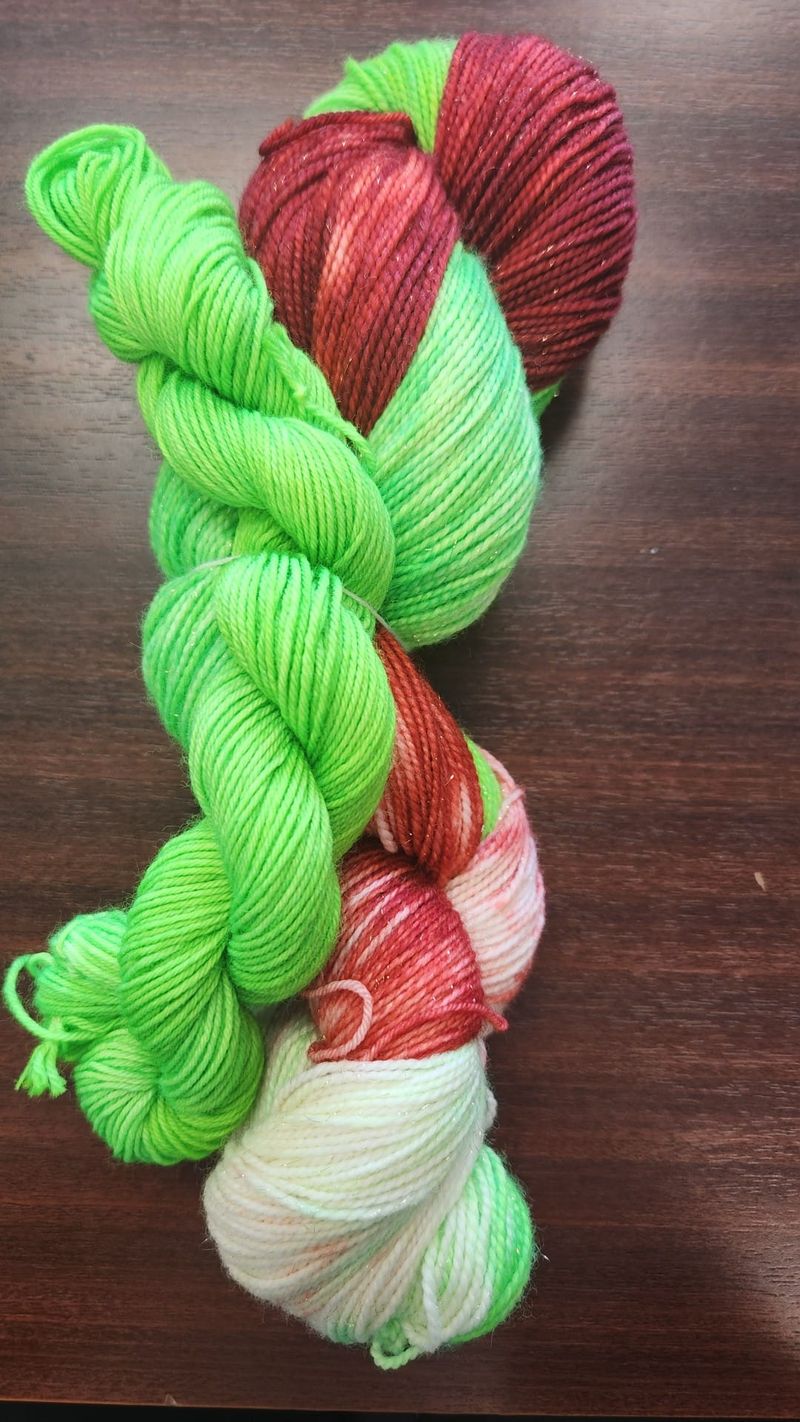
Picture a cloud of soft wool that slowly becomes a thread strong enough to knit. That change is spinning: you pull fibers out of prepared wool, add twist, and keep steady tension so the fibers lock together into yarn.
A Colorado 4-H heritage arts guide describes this process and its long history.
Two tools do the same basic job in different ways. A drop spindle is a weighted stick that you twirl, and a spinning wheel uses a treadle and drive system to turn the twist for you.
Both draw out fibers and add twist, so what you learn on one carries over to the other.
Spinning is also far older than any one place. People around the world have made thread this way for thousands of years, so it is not an Oklahoma invention or a settler-only skill.
Oklahoma has its own distinct stories, though. The Oklahoma Historical Society tells of the Choctaw Spinning Association, a 1937 to 1943 effort to revive wool spinning among Choctaw women.
A separate record comes from an Oklahoma State University library project, which preserves Eliza Whitmire’s account of spinning and weaving in a Cherokee community. These are two different histories, and each deserves to be read on its own terms.
A drop spindle is enough to begin
Forget the idea that you need a big wooden wheel in the living room. Beginners can start with a drop spindle and some prepared roving or fiber.
A Wisconsin 4-H Extension project suggests starting on a spindle and notes that participants do not need to own a wheel.
Fiber preparation matters more than you might guess. Carding opens and separates the fibers so they are loose and fluffy, while combing lines them up so they run in the same direction.
The method you choose changes how the finished yarn looks and feels, and it changes how easily the fiber pulls out as you spin, as the Colorado 4-H guide explains.
Not every bag of wool suits every beginner. Raw or clumpy fiber can be a struggle on a first try.
Before you buy anything, ask your instructor or a fiber supplier which preparation fits your tool and technique, and describe what you plan to use so they can steer you well.
Drafting helps the first yarn hold together
Ever wonder why a first strand of homemade yarn is lumpy in one spot and wispy in another? The answer is drafting.
It means controlling how much fiber feeds into the twist while you keep tension steady, and the Colorado 4-H guide treats it as a central skill.
Your hands do two jobs at once. One hand lets the twist travel up the fiber, and the other thins the fibers to an even width.
It feels awkward at first, and that is normal.
A realistic goal for a first lesson is a short length of yarn, not a polished skein. Even a few inches that hold together is a real start.
Smooth, even yarn comes with repeated practice.
Class offerings vary. As one example, Shepherd’s Cross lists introductory drop-spindle instruction and optional take-home options.
Another provider may handle materials, take-home items, and results differently, so ask what a class includes before you sign up.
Prepared fiber makes home practice more manageable
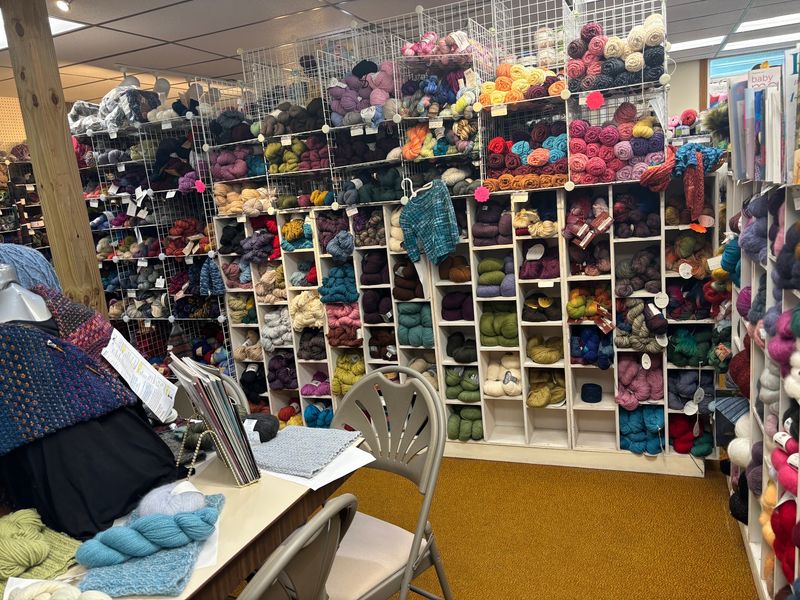
The weekend class ends, but the fun can keep going on your couch. For home practice, pick prepared, opened fiber and a spindle if you have one.
Then ask your teacher or supplier which preparation matches your tool, since the right pairing saves frustration.
Here is a clue that something is off: the fiber keeps snapping or refuses to pull out. The Colorado 4-H guide explains that loose, opened fibers draft more easily, and that too much twist or insufficiently prepared fiber makes drafting harder.
If yours feels stuck, ease off the twist or open the fiber up a little more.
Treat practice as a skill that grows in short sessions, not an effortless flow. Ten or fifteen minutes with a spindle can teach your hands more than a long, tiring stretch.
You do not need to buy a wheel to keep going, and the Wisconsin 4-H project backs starting on a spindle.
Keep a small bag of fiber and your spindle where you can grab them. Little bits of progress add up.
Oklahoma instructors offer different ways to learn

Oklahoma has more than one door into this craft. The Weavers Guild of Oklahoma City lists private spinning lessons in Del City, with times arranged between instructor and student.
That format suits someone who wants one-on-one attention.
Shepherd’s Cross takes a different route. Its fiber-arts class page lists instruction and rental of some equipment after a class.
Access and terms are not the same everywhere, so do not assume that one provider’s setup applies to another.
You may have seen the farm’s Summer Yarn Event. Its listing showed spinning classes on August 22 and August 26, 2026, and those dates have passed.
Nothing there points to another event, so check with them directly.
Before you commit, contact each provider and ask about current schedules, costs, and who can sign up. Ask what equipment or materials you can use, whether you can borrow or rent a spindle, and what you will take home.
A few quick questions now can save a wasted trip later.
Whether spinning feels relaxing depends on the person
Some people say a spindle’s steady turning settles their mind. Others get impatient when the fiber breaks.
Both reactions are normal, and whether spinning feels calming is a personal matter.
Researchers have looked at crafts in general. A 2025 systematic review found some evidence that craft-based interventions may support mental health and well-being.
It also found that the studies varied in quality and methods, and it called for stronger research.
In plain terms, crafts show promise, but the picture is not settled. The review covers crafts broadly, so it does not show that spinning wool has a particular therapeutic effect.
No one can promise that a class will leave you relaxed.
A fair way to approach it is with curiosity. Try a session, notice how you feel, and decide for yourself whether you want more.
If you are dealing with serious stress or anxiety, a health professional is the right person to talk to, and spinning is simply a hobby you can try alongside that.
Take a first step with a class or simple setup
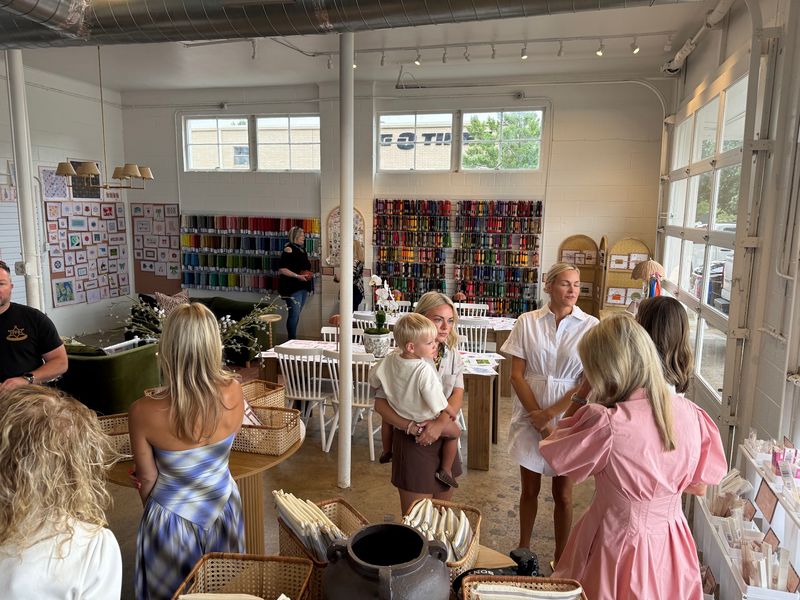
A beginner can learn the basic process with prepared fiber and a simple drop spindle, then keep practicing long after a workshop ends. Wisconsin’s 4-H guidance backs that starting point.
Check current details with the Weavers Guild or Shepherd’s Cross, and pick a pace that suits you.
No one can promise a finished skein or a calm afternoon. What you can find is a hands-on weekend skill with a long story behind it, one twist at a time.
Share this story