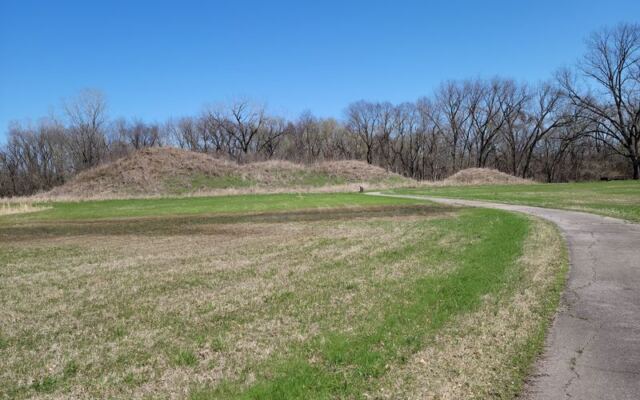
Out past quiet back roads in eastern Oklahoma, a grassy field hides one of the most surprising stories in American history. You might drive right by and see only a few gentle hills under the open sky.
But those hills were built by people who lived here hundreds of years ago, and they once held treasures that amazed the world. If you are curious about what ancient America really looked like, this is a place that will stick with you long after you leave.
A Quiet Field in Far Eastern Oklahoma
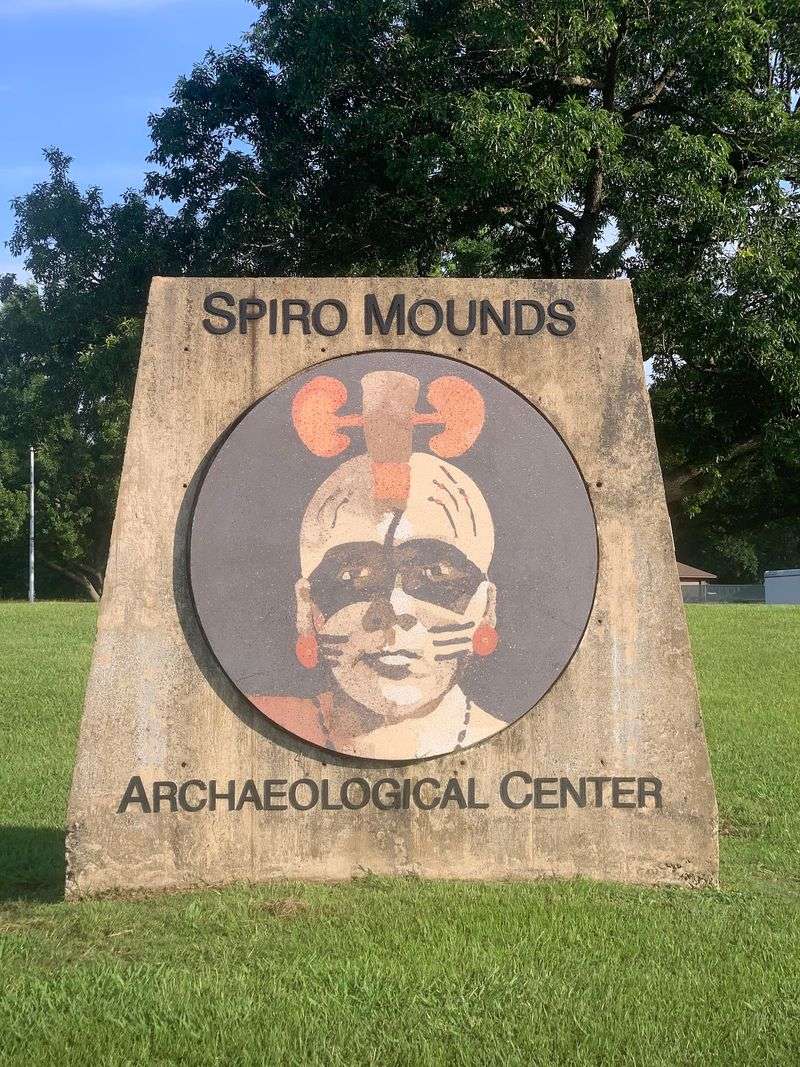
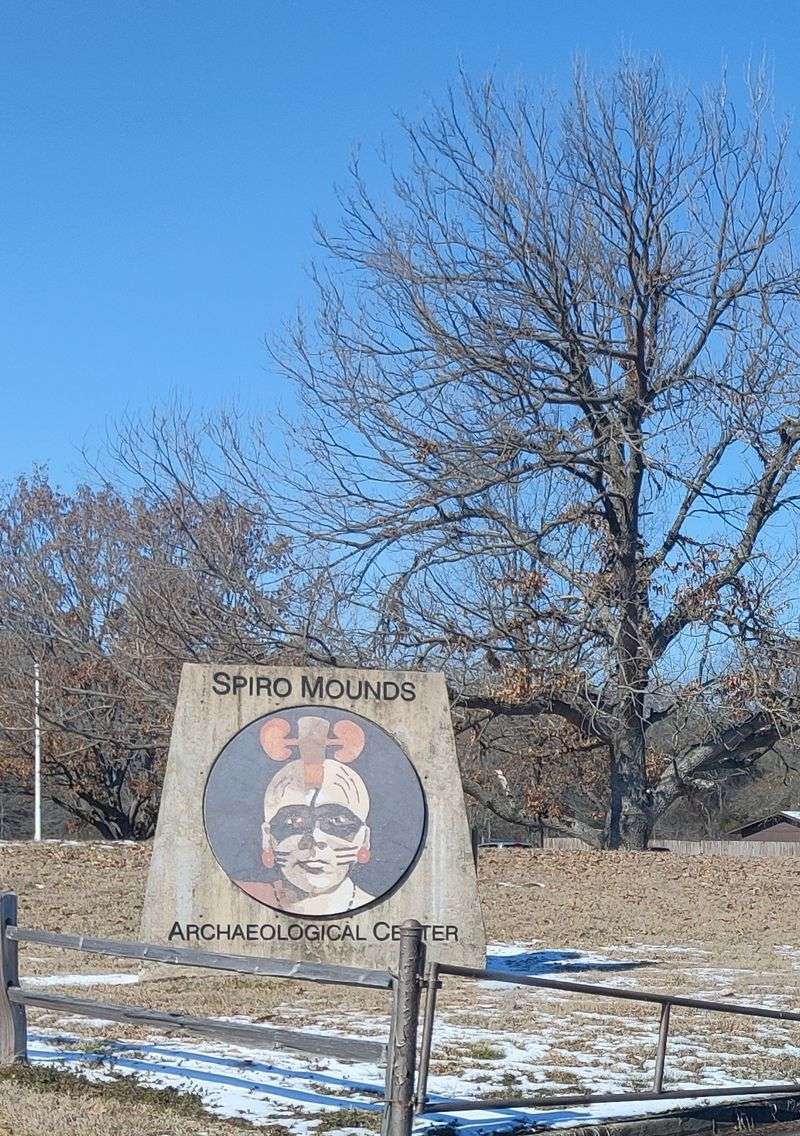
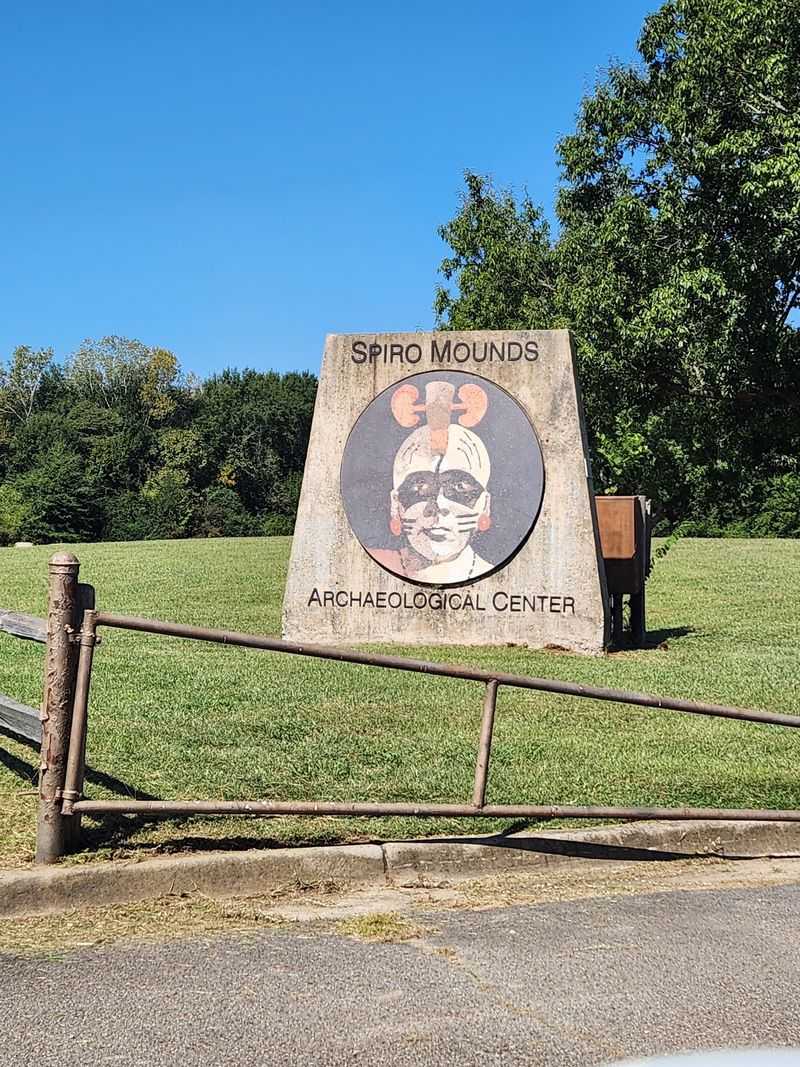
Picture a stretch of open grass near the Arkansas border, reached by winding back roads. That is where you will find Spiro Mounds Archaeological Center, at 18154 1st St in Spiro, Oklahoma.
The site is run by the Oklahoma Historical Society, and it protects the remains of an ancient mound complex. Visitors describe the location as secluded, the kind of spot you would never stumble onto by accident.
Several travelers mention that the drive is part of the adventure, and many say it is well worth the trip.
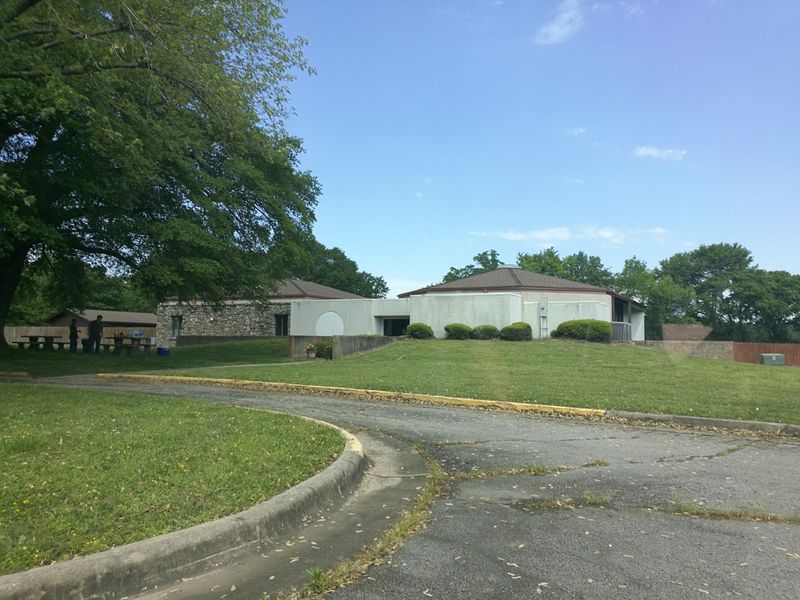
At first glance, the landscape looks almost ordinary. You see rolling grass, a small visitor center, and a handful of rounded hills spread across the ground.
Look closer, though, and those hills start to tell a much bigger story about the people who shaped them.
The center pairs an indoor interpretive space with outdoor walking trails that lead right past the mounds. That mix makes it part museum, part nature walk, and part history lesson all at once.
One visitor summed it up nicely by saying you should not expect pyramids or mountains here. Instead, you get real history sitting in a beautiful setting, waiting for anyone willing to slow down and notice it.
The Story of the Spiro People
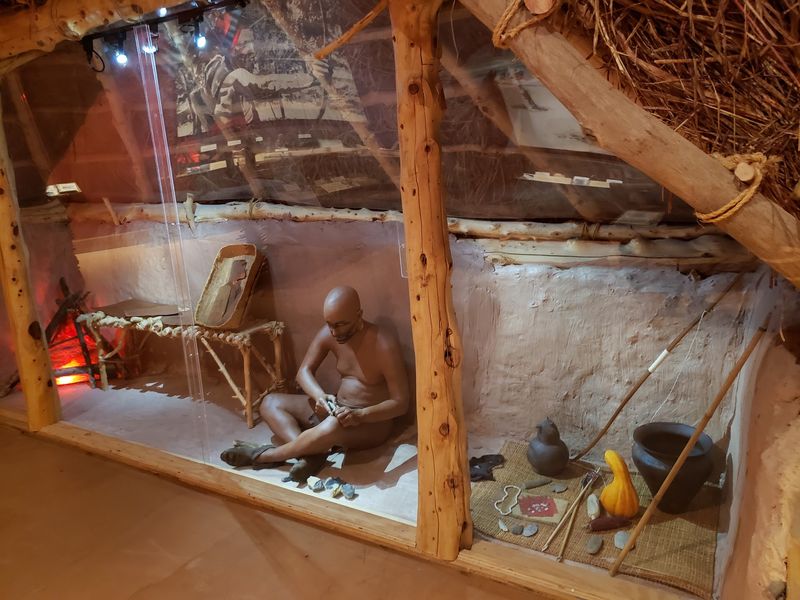
Long before Oklahoma had its name, a community known today as the Spiro people made this land their home. They built mounds that served different purposes, from ceremonial spaces to resting places for important members of society.
Visitors who chat with staff often leave with a deeper picture of how these people lived. Several mention that the guide offered great insight into Spiro history, explaining details you simply cannot get from a sign.
One traveler said it was a fascinating piece of history they never expected to find in Eastern Oklahoma.
What makes the story so gripping is how much it connects to the wider world. Artifacts from this site have ended up in museums elsewhere, and one guest said it felt special to finally stand where those pieces were found.
That moment of connection is hard to beat.
Native American history sits at the heart of every part of the visit. Walking here, you are moving across ground that once buzzed with daily life, trade, and ceremony.
Another visitor put it simply, saying the coolest part is knowing you are walking on a civilization that is long gone. That thought tends to follow people home.
Craig Mound and Its Famous Past
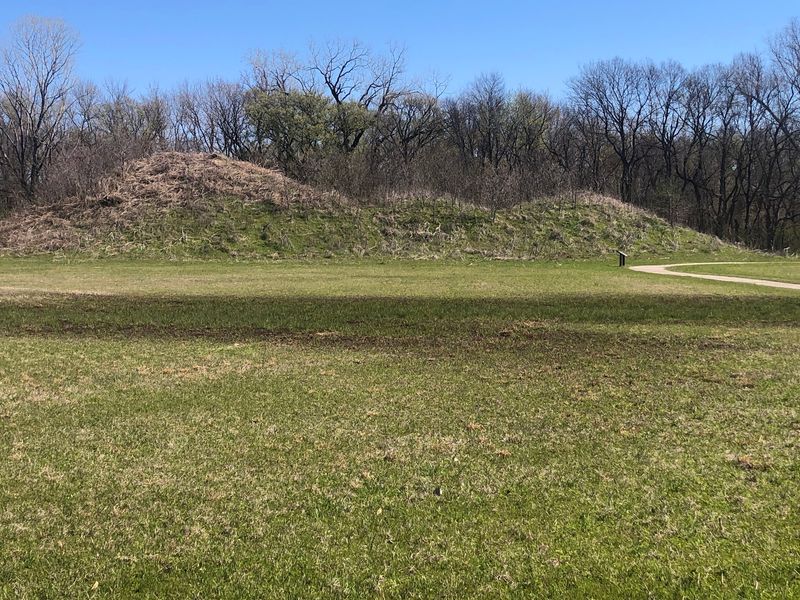
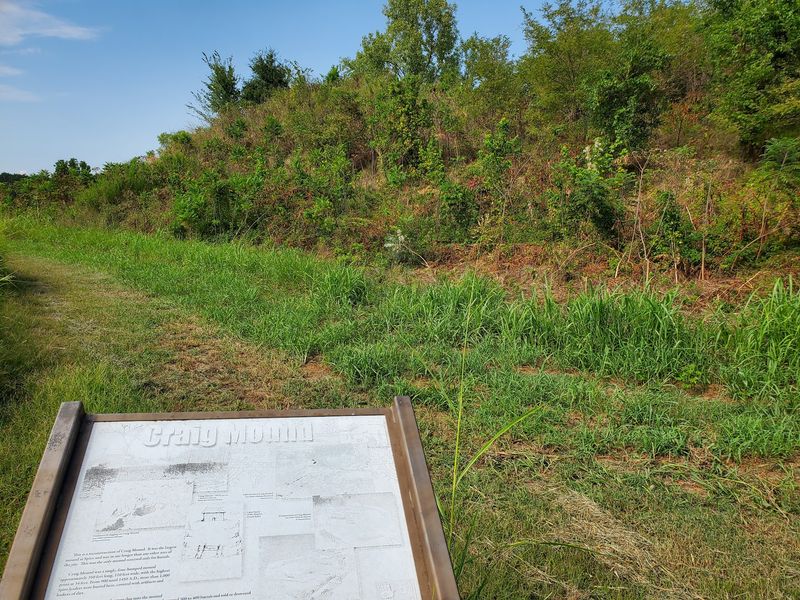
Ask anyone who knows the site which mound matters most, and Craig Mound usually comes up first. It was the burial mound, and it is the one tied to the treasures that made Spiro famous.
Here is the twist many first-time visitors do not expect. The Craig Mound you see today is a recreation of its original shape, rebuilt after it was excavated.
One visitor described it as the idea of the mound rather than the original, which is a helpful way to think about it.
Some guests feel let down by that fact. A couple of reviews point out that the visible mounds are not original and were piled up after twentieth century excavations.
Knowing this ahead of time helps set fair expectations.
Still, standing beside Craig Mound gives you a sense of scale that photos cannot capture. You can imagine how it once rose from the field and what it meant to the people who built it.
The nature trail sits right next to it, so this is a natural first stop on many walks. Take a moment, read what you can, and let the history sink in before moving on to the other mounds.
Brown Mound, the Temple Hill
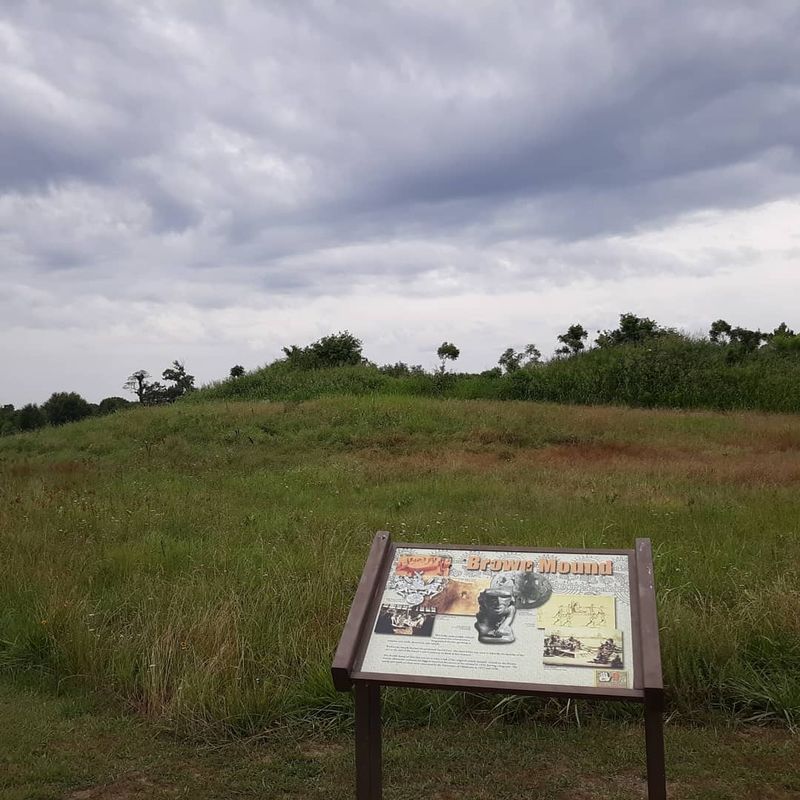
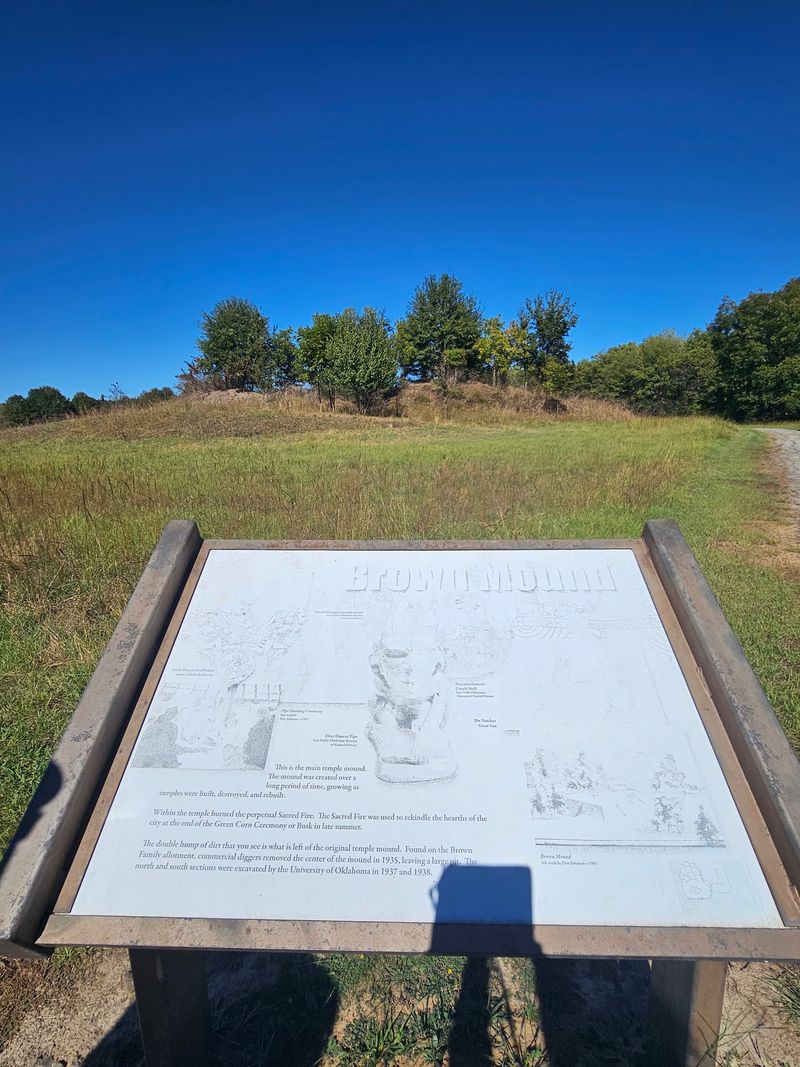
Not every mound here held the same role. Brown Mound is known as the temple mound, and the land around it is where the elite homes once stood, according to visitors who learned about it on site.
That detail changes how you see the whole field. Suddenly the grass is not just grass, it is a neighborhood, with leaders and important families living close to a ceremonial center.
It is easy to start picturing paths, smoke from fires, and people going about their day.
Brown Mound is one of the three major mounds on the walk, along with several smaller ones. Guests describe the route between them as a peaceful, meditative stroll, which makes it a lovely place to pause and think.
Visitors also mention that some of the mounds are without vegetation, so their shapes stand out clearly against the landscape. That openness helps you read the layout of the old community.
If you enjoy history that asks you to use your imagination, this part of the site really delivers. Stand near Brown Mound, look across the field, and try to rebuild the town in your mind.
It is a surprisingly fun exercise, especially with kids along.
The Tree-Covered Giant
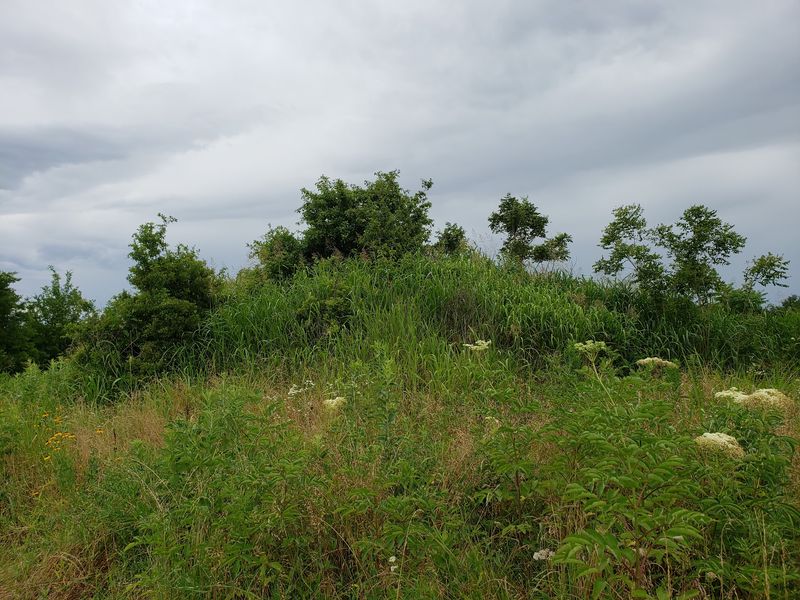
One mound stands apart from the rest, and you will notice it right away. The largest mound at the site is still covered with trees, giving it a wild, untouched look.
A recent visitor pointed out why that matters. The trees offer a glimpse of what the site may have looked like when the first Euro-American visitors arrived.
In a place where many mounds have been rebuilt, this one feels like a window into an older scene.
The contrast is striking. Bare, grassy mounds sit across the field while this leafy giant rises among them, almost like it is guarding the secrets of the land.
Photographers tend to love that difference.
It also makes a great talking point during your walk. Kids may ask why one hill has trees and the others do not, which opens the door to conversations about how the site has changed over time.
Seasons can transform the view too. One family visited after a snowfall and called the walk beautiful and serene, and it is easy to picture the tree-covered mound dusted in white.
Whatever time of year you come, give this mound a few extra minutes. It rewards a slow, quiet look.
Two Trail Loops for Every Pace
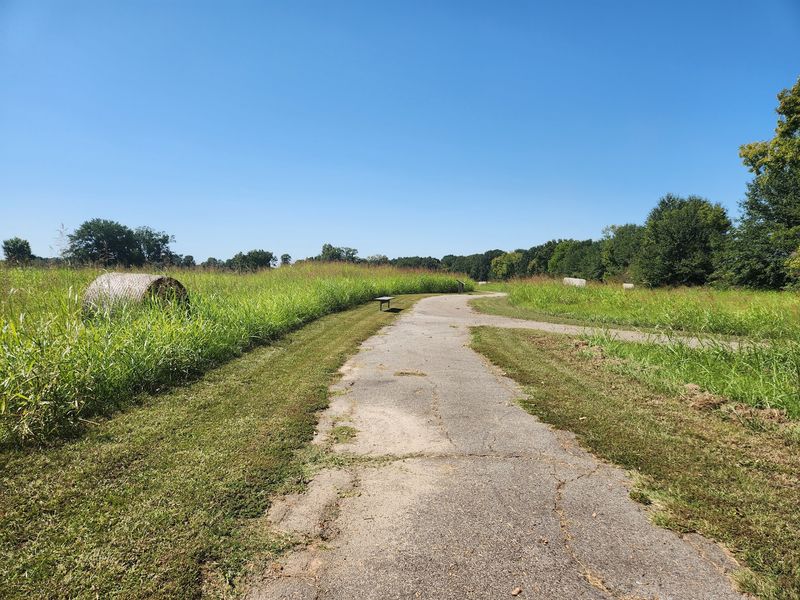
Trails are the star of the show for many guests, and they come up more than any other topic in visitor feedback. The good news is that you can choose how much walking you want to do.
There is one main trail that splits into two options. The longer walk covers about two miles, while the shorter loop is roughly one mile.
Both pass the mounds, so even a quick stroll gives you plenty to see.
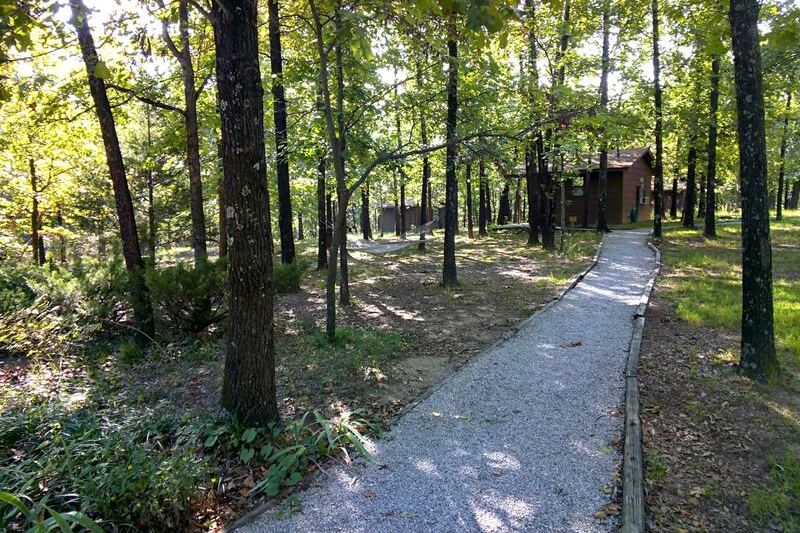
Guests describe the walk as lovely, peaceful, and easy. One visitor mentioned a paved trail and a dirt trail, each with posted information along the way.
Another family spent a wonderful couple of hours on the two-mile route, reading facts as they went.
Wear comfortable shoes and bring water, especially on warm days. The open field does not offer much shade beyond the tree-covered mound and the edges of the nature trail.
The pace here is slow and relaxed, and that is part of the charm. Nobody is rushing you along, and there are no crowds pushing from behind.
If you have grandparents, young kids, or anyone who likes a gentle outing, these paths make it simple for everyone to enjoy the site together.
Inside the Interpretive Center
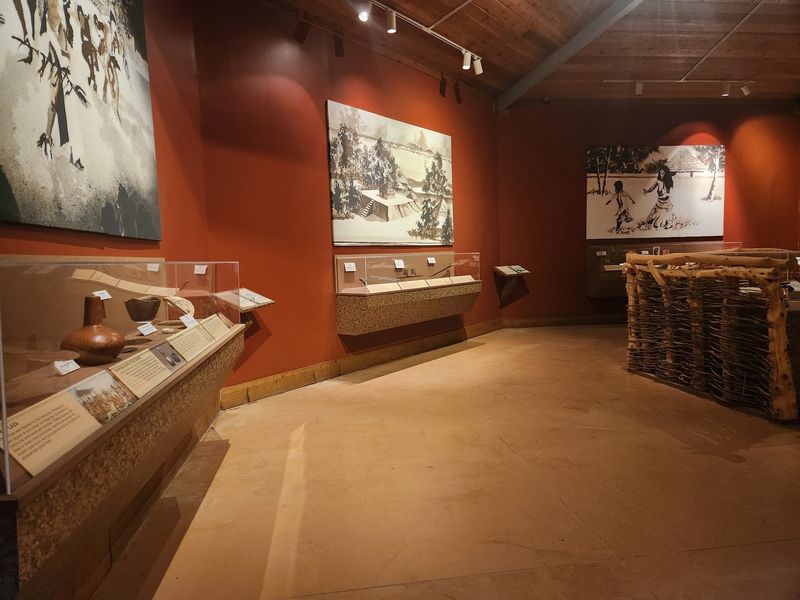
Step out of the sun and into the visitor center, and you will find a small, climate-controlled space with a lot packed inside. Guests call it a cool little museum with museum quality information.
One highlight comes up again and again. Volumes of drawings showing the famous Spiro shell ornaments and carvings sit inside, and visitors describe them as excellent.
One guest said there was book after book of special detail on those unique shell carvings.
Those drawings matter more than ever right now. Many of the physical exhibits are currently covered, which has disappointed some travelers.
Reviewers note this is connected to federal law and tribal consultation, and the website shares details about what is limited.
Because of that, the books and pictures become your best way to see the artistry the Spiro people created. Plan to spend real time flipping through them.
Replicas also appear around the site, which helps fill in some gaps. Clean restrooms are another plus that several visitors mention with appreciation.
Check the official website before you go so you know exactly what is on view. A little planning turns a possible letdown into a thoughtful, rewarding stop.
Guides Who Love Their Work
Here is something you might not expect from a small rural site. The people working here are a huge part of what makes a visit memorable.
Knowledgeable staff is one of the most praised features in visitor feedback. Guests say the guides answered their many questions, offered extra details, and gave all the time needed.
One family described a park guide who was so full of information that it became a highlight of the day.
Several visitors mention director Anna Vincent by name in their stories. They credit her with sharing particulars about the Spiro people and leading groups with patience and enthusiasm.
One visitor noted the site appeared to have just one employee at the time. That makes the personal attention feel even more special, since you might get a nearly private conversation about ancient history.
So do not be shy. Ask about the mounds, the shell carvings, the people who lived here, or the ongoing upgrades.
You will likely walk away knowing far more than any sign could teach you.
For curious kids and history lovers, this one-on-one chance to learn might be the best treasure the site still holds today.
Solstice Walks at Sunset
Imagine the sun sinking low over ancient mounds while a guide explains how people watched the sky here centuries ago. That is the magic of the solstice walks.
Visitors who joined these special events speak warmly about them. One guest called the solstice walks wonderful, while another described a winter solstice sunset tour led by the director as a great experience packed with history.
That same guest said they learned so much they never expected. The director answered a long list of questions from the group, turning the evening into a lively conversation rather than a lecture.
Special events like this add a whole new layer to the site. Seeing the land at sunset, with long shadows across the grass, helps you feel connected to the people who once lived by the seasons.
Because these walks happen at specific times of year, you will want to check the official website or call ahead at 918-962-2062 for details. Dates and arrangements may change.
If you can plan your trip around one of these events, it is well worth the effort. It is the kind of evening families talk about for years afterward.
Upgrades, Weathered Signs, and Honest Expectations
Every gem has a few rough edges, and Spiro is no exception. Being honest about them helps you enjoy the visit more.
Faded signs are the most common complaint. Several guests say the outdoor information boards are sun-worn and hard to read.
Others mention the grounds sometimes needing mowing and tidying, and one noted trash along the canal.
The encouraging part is that change has been underway. Visitors report a major investment, around 1.5 million dollars, going toward upgrades to parking, trails, and walking path plaques.
One guest who took a solstice tour said a few updates had already been finished, with sun-faded signs set to be replaced.
Some features have been missing during the work. A couple of visitors wished the gift shop was still open, and others found the museum area partly under repair.
Admission details have shifted over time too. Some guests said entrance was free during the renovations, while one more recent visitor mentioned paying ten dollars.
Check the website for current pricing before you head out.
Go in with flexible expectations, and you will likely focus on what makes the place special rather than what is still being fixed.
Timing Your Trip Right
Nothing stings like driving hours only to find a locked gate. Sadly, that has happened to visitors here, so timing really matters.
Current listed hours are Tuesday and Wednesday from 9 AM to 4 PM. The site is listed as closed Thursday through Monday, which is a much shorter week than many people expect.
Closing time is firm. One traveler arrived thirty minutes after closing following a three and a half hour drive, and found the gates locked with no access to the trails or mounds.
Plan to arrive early so you have time for both the museum and a full walk.
A good rule is to give yourself at least two hours. That leaves room for the longer trail, the reading material inside, and a chat with staff.
Before setting out, call 918-962-2062 or visit okhistory.org/sites/spiromounds. The website shares updates on exhibits, consultation details, and anything else that may affect your visit.
One family said they planned to bring their grandchildren back for a picnic, which is a lovely idea on a mild day. Pack a lunch, check the schedule, and you will be set for a smooth outing.
Worth the Back Roads for Curious Minds
So, should you make the drive? For the right traveler, the answer leans toward yes.
History buffs, curious families, and anyone who loves quiet walks will find a lot to appreciate. Guests call it a unique and educational site, a peaceful escape, and an amazing preservation of native history.
One visitor said the experience inspired them to research everything they could about the Spiro people.
On the other hand, if you want flashy exhibits and polished displays, you may leave wanting more. Covered artifacts, rebuilt mounds, and faded signs have frustrated some visitors, and that feedback deserves respect.
The secret is knowing what you are coming for. This is a place for imagination, open sky, and stories shared by passionate guides.
It rewards people who slow down and ask questions.
Pair your visit with a picnic, bring good walking shoes, and check the hours twice. Try to catch a solstice walk if the timing works out.
Standing among these mounds, you are close to the story of one of the greatest ancient treasures ever found in America. That quiet thrill alone makes Spiro a memorable stop for many Oklahomans and travelers alike.
Share this story