Some places in Oklahoma look quiet from the road, and then they surprise you with a story far bigger than expected. I pulled over out of plain curiosity, half hungry and fully nosy, and ended up walking through rough log walls that seemed to hum with old voices.
This frontier post tells a big piece of how Oklahoma took shape, from soldiers to Native nations to the families who lived nearby. If you like history you can touch, this stop belongs on your list.
A Frontier Post on the Edge of Eastern Oklahoma
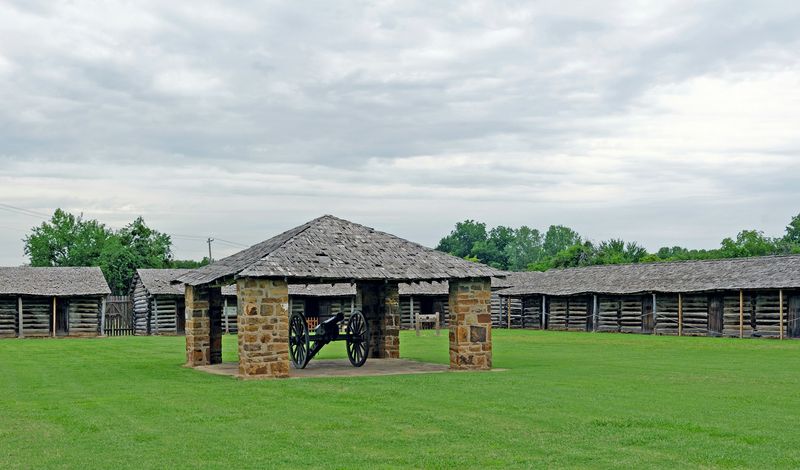
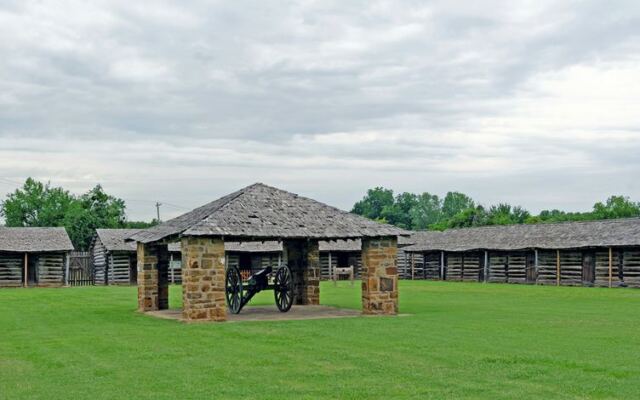
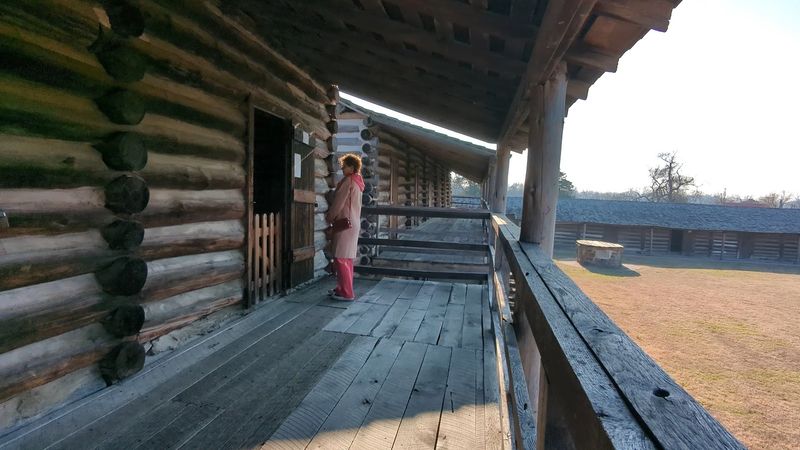
Tucked along North Garrison Avenue in the small town of Fort Gibson, the historic site sits in the eastern part of Oklahoma, not far from Muskogee. Pull in and the first thing you notice is the tall log stockade, rough and sturdy, looking like it stepped right out of a schoolbook.
The site is run by the Oklahoma Historical Society, and it covers a lot more ground than first-time visitors expect. One longtime fan describes it as more than 80 acres of history, spread across a lower fort and an upper area with stone buildings.
Many people treat it as a quick stop and then realize they need extra time. The grounds stretch out, the buildings are spaced apart, and every corner seems to hold another story about the frontier army.
For road-trippers crossing eastern Oklahoma, it works as a handy detour. For locals, it is the kind of place you visit as a kid on a field trip and then rediscover as an adult with fresh eyes.
Either way, it is a place that rewards curiosity. Bring good walking shoes, a little patience, and a willingness to imagine life on the edge of the old frontier.
The 1824 Beginning of an Army Story
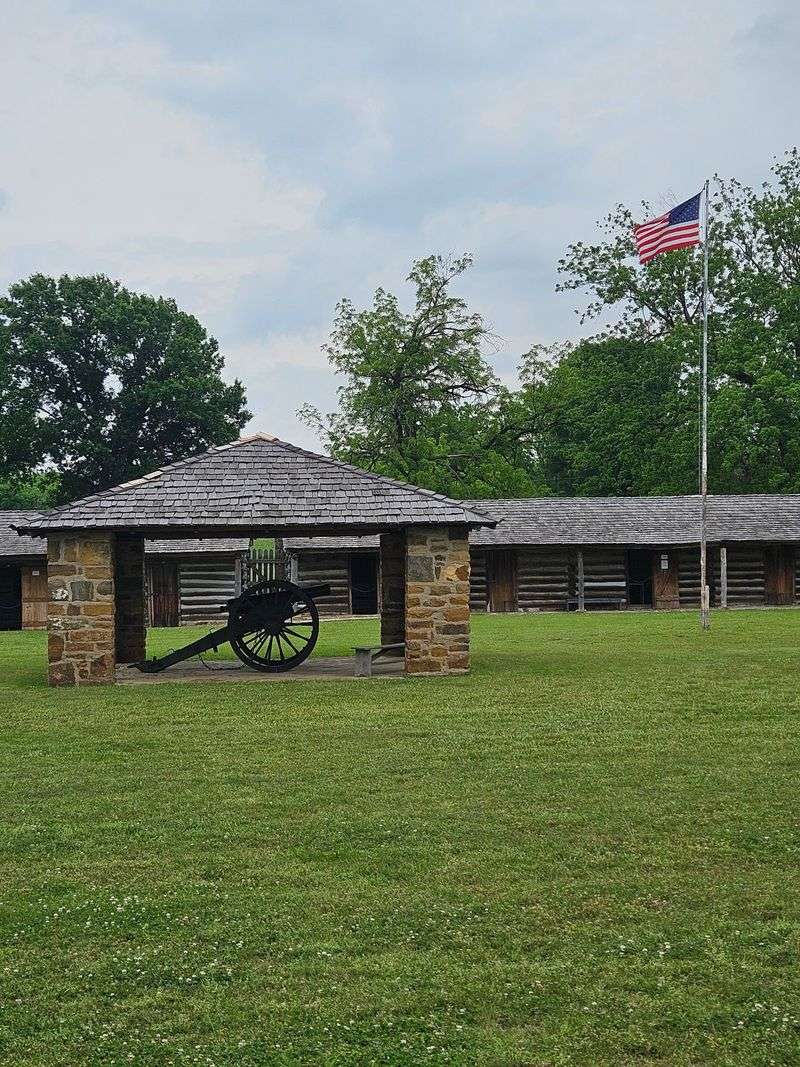
Back in 1824, long before Oklahoma was a state, the U.S. Army set up a post here on the frontier.
That choice kicked off the military story of the region, and the log stockade became a symbol of that early chapter.
Visitors who know their history call it a door to the frontier. One reviewer pointed out that the site connects to early U.S. policies toward Native nations, which makes it important for both Oklahoma history and wider American history.
The fort grew and changed over the decades. According to a returning visitor, the lower fort represents the 1830s through the 1850s, while the upper fort covers the 1860s through the 1890s.
Another visitor noted that parts of the site date to 1845 and 1932, a reminder that rebuilding and preservation added their own layers. Walking through, you can sense several eras stacked on top of each other.
Think of it like reading a book where each chapter happened in a different century. The stockade is page one, and the stone buildings up the hill keep the story moving forward through time.
Stories of Native Nations and the Frontier
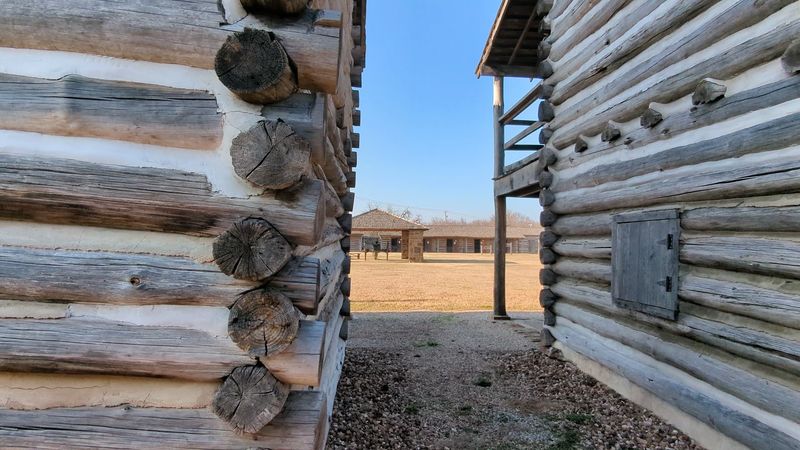
History here is not all bugles and marching. The fort sits at the center of a hard chapter for Native nations, and many visitors feel that weight as they walk the grounds.
One guest who grew up nearby and shared Cherokee heritage said the fort represents a decline for the Native peoples of the area. Even so, that visitor still recommended the trip, saying it matters to know every side of history.
That honesty is part of what makes the site meaningful. It is not just a place to admire old logs, but a spot to think about how decisions made here shaped lives across the region.
Another reviewer described it as a first step in U.S. policy toward Native populations. That framing gives older kids and adults plenty to talk about on the drive home.
If you are visiting with students, this is a great chance for questions. Why was a fort built here?
Who lived on this land first? What changed after the soldiers arrived?
A thoughtful visit leaves you with more than photos. It leaves you with a fuller picture of Oklahoma and the people who have always called it home.
Life Inside the Lower Quadrangle
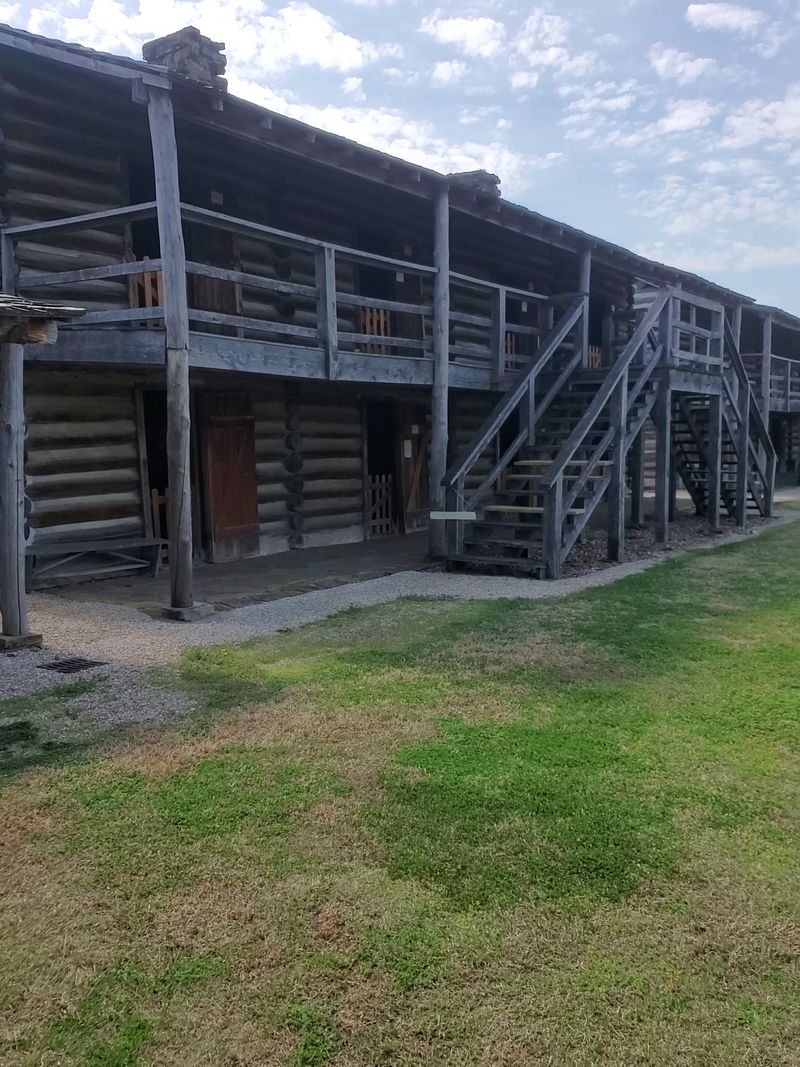
Step through the stockade gate and suddenly you are standing in a small frontier village. The lower quadrangle holds the main post, and it is where most people spend the bulk of their time.
Visitors list the highlights: barracks, a brig, the Commander’s quarters, and more. Each building gives you a peek at a different slice of army life, from where soldiers slept to where troublemakers cooled off.
Signs explain what many rooms were used for. A few guests wished there was more posted about the deeper history, so asking staff questions is a smart move if you want the full story.
The rough walls, plank floors, and simple furniture help you picture daily routines. You can almost hear boots on the floor and someone hollering for roll call.
One family-favorite detail is how close everything feels. The buildings face each other around the open yard, so it is easy to wander from one to the next without a map.
Kids especially like poking their heads into the brig. Adults tend to linger in the Commander’s quarters, comparing the officer’s comforts with the plain bunks of regular soldiers.
Stone Buildings on the Hill
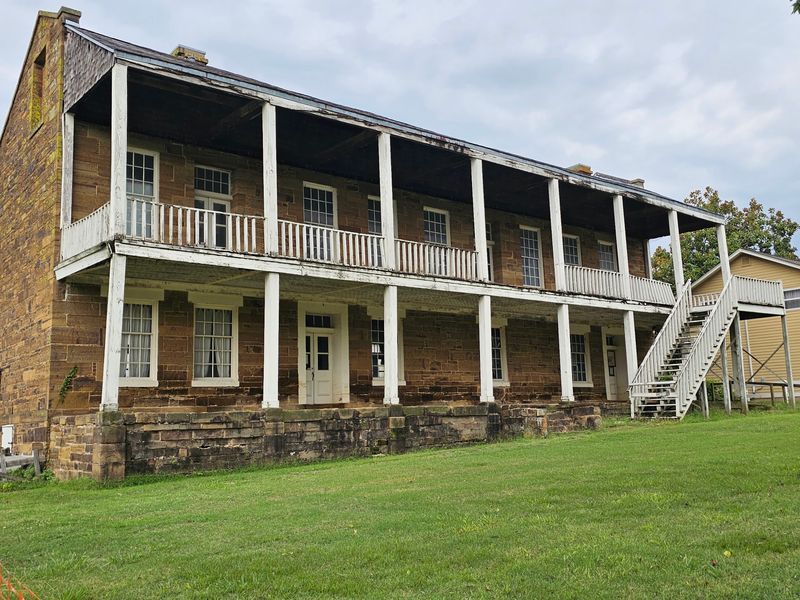
Drive up the road and the scenery shifts from timber to stone. The upper section of the site holds around five original stone buildings, representing the later years of the fort.
Guests enjoy the contrast. One couple described loving both the reconstructed log fort and the newer stone buildings, saying the mix made it easy to imagine how the place changed over time.
The main fort area also stretches out with a few more structures and a couple of standing chimneys. Those lonely chimneys are great photo subjects, especially when the light gets soft later in the afternoon.
About a mile up the road, a visitor explained, you will find the museum area with more buildings. Among them is the first school for the blind in Oklahoma, plus a building in ruins that sparks plenty of curiosity.
Fun fact for trivia lovers: many people never realize the site splits into two distinct sections. Plan your time so you do not skip the upper area by accident.
The stone walls feel solid and permanent compared to the logs below. Together, the two areas tell a story of a frontier post settling in for the long haul.
Fresh Bread from a Frontier Bakery
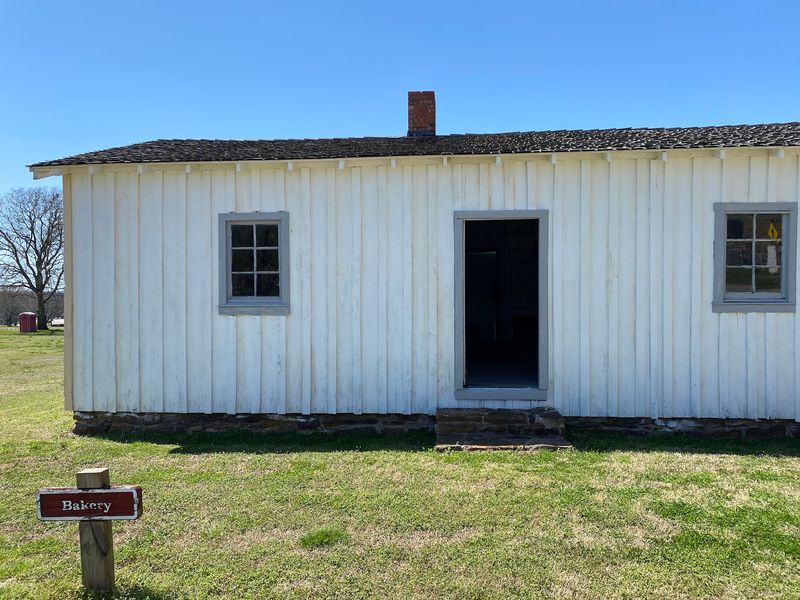
Here is where the hungry part of the trip kicks in. Among the buildings up the hill sits an old bakery, and it is one of the most charming surprises at the site.
According to visitors, the bakery still turns out bread on certain days. Imagine wandering a frontier fort and catching the smell of baking drifting through the air, just like soldiers might have centuries ago.
It makes sense that a post full of soldiers needed a steady bread supply. Feeding troops was serious business, and the bakery shows how everyday chores kept the whole fort running.
Not every day features baking, so check ahead with the site if that is something you really want to see. The building itself is worth a look either way, with its sturdy design and practical layout.
Kids tend to connect with history faster when food is involved. Seeing how bread was made without modern kitchens can spark plenty of questions about life without grocery stores.
Honestly, it is a sweet reminder that history is not just battles and treaties. Sometimes it is a warm loaf, a busy oven, and people working hard to keep everyone fed.
Friendly Experts in the Visitor Center
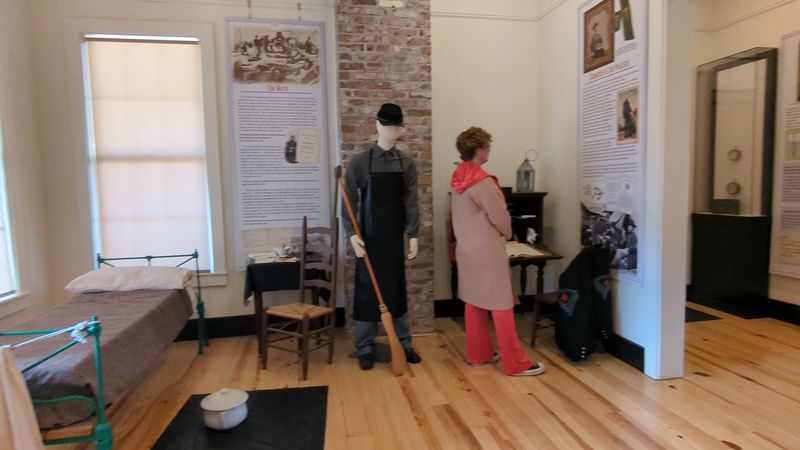
Ask almost anyone who has been, and they bring up the people. Knowledgeable staff come up again and again when visitors talk about their trip.
One guest described a staff member in the visitor center who clearly loved her job and knew her history. Another family said the woman who helped them was a blast to talk to, sharing stories and answering every question they had.
A couple who visited on a quiet January day said they were the only ones there. They got plenty of personal attention from the ladies in the museum and laughed about it later.
That kind of welcome turns a simple walk into a real conversation. If the signs leave you wanting more, the staff are your best resource for filling in the gaps.
Do not be shy about asking odd questions either. Where did soldiers wash up?
What did they eat? Who got thrown in the brig?
Staff seem happy to share.
There is also a gift shop on site. It is a nice spot to grab a souvenir or a book so the learning continues after you head home.
Reenactments, Programs, and the Candlelight Tour
Picture the old fort glowing with candles on a winter night. That is the Christmas Candle-Light Tour, and one longtime visitor called it so much fun.
The site hosts events throughout the year, and reviewers suggest checking the website for the latest schedule. Programs are one of the reasons people return again and again.
Reenactments are another draw. Costumed interpreters bring the frontier era to life, though timing matters.
One family arrived while the crew was on a lunch break and missed the action, so it helps to plan around posted program times.
Guided tours pop up in visitor conversations as well. Having someone walk you through the buildings can turn dusty facts into vivid stories.
Seasonal events give the place a different personality depending on when you go. A summer day feels bright and open, while a winter evening tour feels cozy and almost magical.
Families with kids who struggle to stay interested in museums might find events especially helpful. Watching someone in period clothing tell a story beats reading a placard any day.
An Easygoing Pace for Families and History Buffs
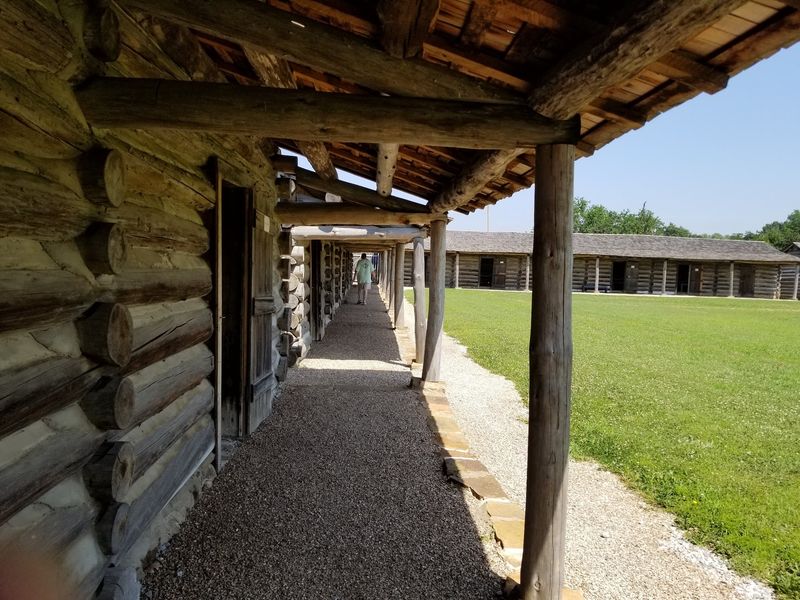
Nobody rushes you here. Tours are self-guided, so you can wander at your own speed and linger wherever your curiosity lands.
Family friendly is one of the most common things people say about the site. One grandparent mentioned that an eleven-year-old grandson really enjoyed the visit, which is high praise from a tough audience.
History fans get plenty to chew on too. A frontier fort enthusiast said it deserves a pin on your map, with enough displays to keep you engaged but not so many that it feels overwhelming.
That balance is the sweet spot. Younger kids can run between buildings, while adults read signs and explore artifacts scattered across the grounds.
Some visitors simply call it a cool place to walk around. Others grew up coming here and now bring their own families, keeping a tradition alive.
The atmosphere stays relaxed and welcoming. Whether you have an hour or a whole afternoon, the site adapts, letting you shape the trip around your crew instead of the other way around.
Nearby Stops Worth Adding to the Day
Once you finish at the fort, the adventure does not have to stop. Several nearby spots make the trip into a full day out in eastern Oklahoma.
The Fort Gibson National Cemetery is close by. Visitors describe it as a moving place to honor those who served, and one guest called the experience emotional.
Some families who come for the cemetery end up driving over to explore the old fort afterward.
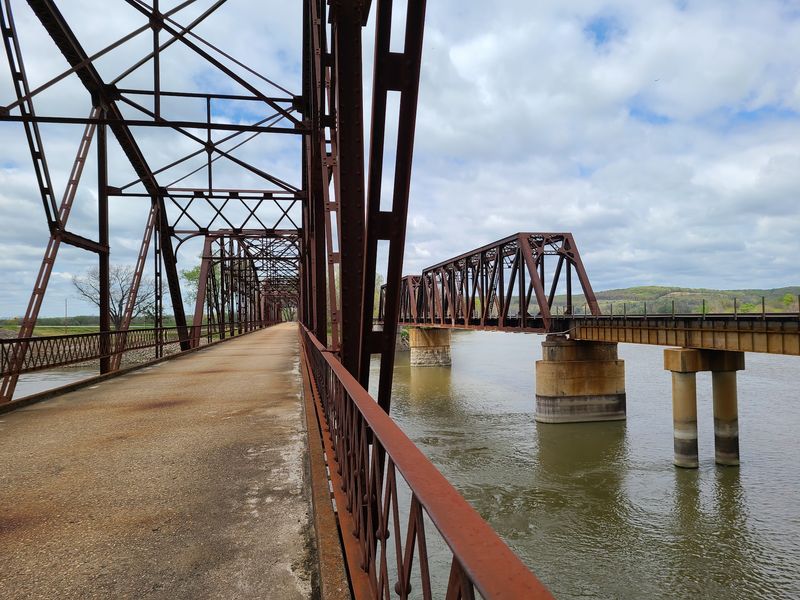
History buffs also point to the former road bridge sitting next to a train trestle not far from the wooden fort. It is a quiet, photo-friendly detour that many people miss.
Old downtown Fort Gibson earns a mention too. Strolling the small streets is a nice way to stretch your legs and maybe find a snack.
Head a few miles farther and you reach the dam, according to one visitor. That makes it easy to pair the fort with some time near the water.
Stacking these stops together gives you history, scenery, and a bit of small-town charm. It is the kind of easy loop road-trippers love.
Hours, Contact Info, and Timing Tips
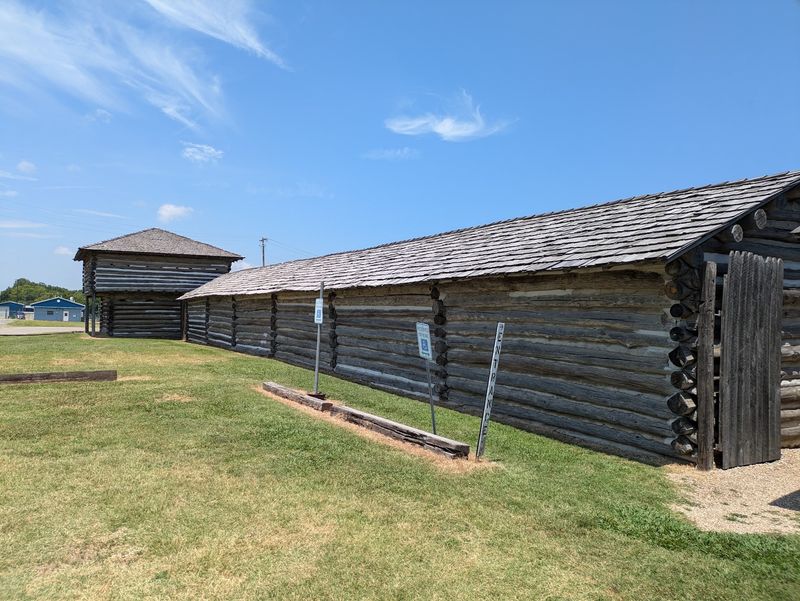
Timing can make or break this trip, so a little planning helps. The site is open Tuesday through Saturday from 10 AM to 4:30 PM.
Sunday and Monday are closed days. One visitor learned that the hard way after showing up on a Monday, managing only to snap photos of the grounds from outside.
They still said the place looked beautiful and well kept.
The address is 803 N Garrison Ave in Fort Gibson. The main fort area has parking, and the museum area sits about a mile up the road, so plan on driving between the two sections.
For questions, call 918-478-4088 or visit the Oklahoma Historical Society website for Fort Gibson. The website is also the best place to check event dates and bakery days.
Arriving early in the day gives you time to explore both areas without feeling rushed. Leave a cushion before closing time if you want to chat with staff.
Quiet winter weekdays can mean fewer crowds, as one January visitor discovered. Warmer months bring a livelier feel, especially when special programs are running.
Why the Old Stockade Deserves a Visit
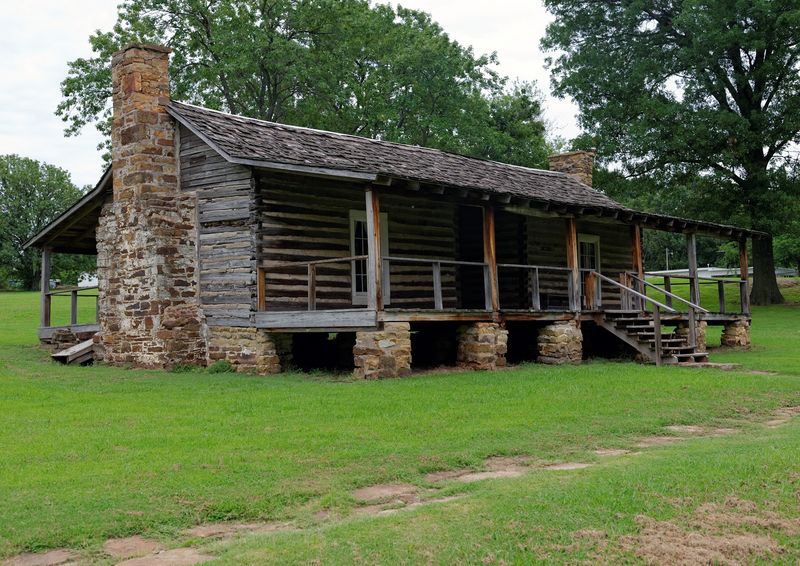
Some stops fade from memory by the next exit. Fort Gibson tends to stick, and that says a lot about how well it is cared for.
Visitors often mention feeling transported, as if the place kept the mood of life some 150 years ago. Others express gratitude that the fort is maintained so carefully.
Not everything is perfect. A few guests wished more buildings were open or that signs shared more history, but the friendly staff usually fill in those gaps.
What you get is a mix that is hard to find elsewhere in Oklahoma: log walls from the frontier era, stone buildings from later decades, a working bakery, and real conversations about Native history.
Families leave with tired kids and new questions. History fans leave with notes for their next trip.
Curious road-trippers leave wondering why they had never stopped before.
If you have been meaning to explore where Oklahoma’s frontier army story started, this is your sign. Grab a friend, check the hours, and go see where it all began back in 1824.
Share this story