I was cruising down an ordinary stretch of road in Oklahoma, thinking about lunch, when a giant stone figure appeared above the trees and made me hit the brakes. Curiosity won, so I pulled in to see what it was.
What I found was a calm, free garden full of statues, a little pond, and a quiet so deep it felt like another world. Some of the best places in this state hide in plain sight, and this one might top the list.
A Buddhist Temple on Tulsa’s East Edge
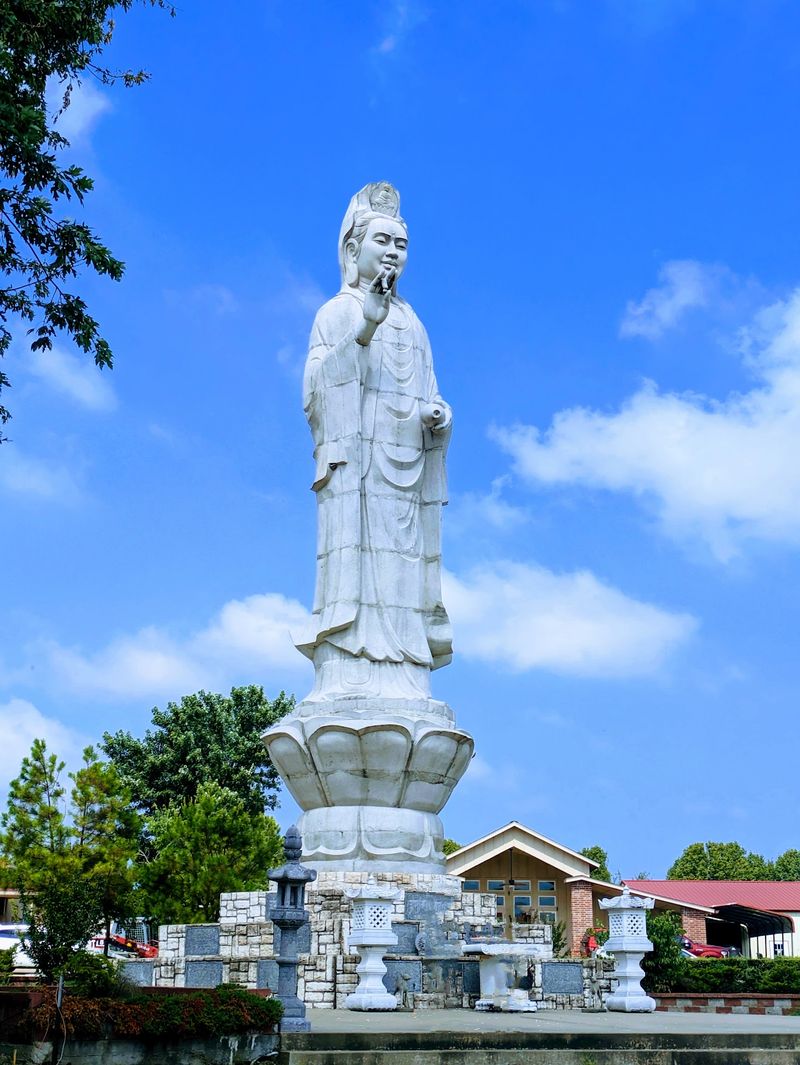
Out on East 21st Street, far from the bustle of downtown, sits Chua Tam-Bao, a Buddhist temple tucked at 16933 E 21st St in Tulsa. Drivers often spot it before they even know what it is, thanks to a huge enlightened Buddha sculpture visible right from the road.
Visitors describe that statue as almost beckoning people inside. It works, too, because plenty of folks admit they pulled over simply out of curiosity and ended up staying far longer than planned.
The temple is connected to the website ducquanam.com, and the property serves as an active place of worship. Behind the buildings stretches a garden that people describe as a peaceful oasis, filled with statues, walking paths, and quiet corners.
One regular called it a hidden spot in the city that takes you out of the city. Another said it felt like it was nowhere close to Tulsa at all.
That sense of being transported is a big part of the charm.
So what makes a temple worth a road trip? Here it comes down to beauty, calm, and a welcome that costs nothing.
Visitors are free to wander the grounds during daytime hours, and that generosity sets the tone for everything else.
From Farmhouse Altar to Sprawling Grounds
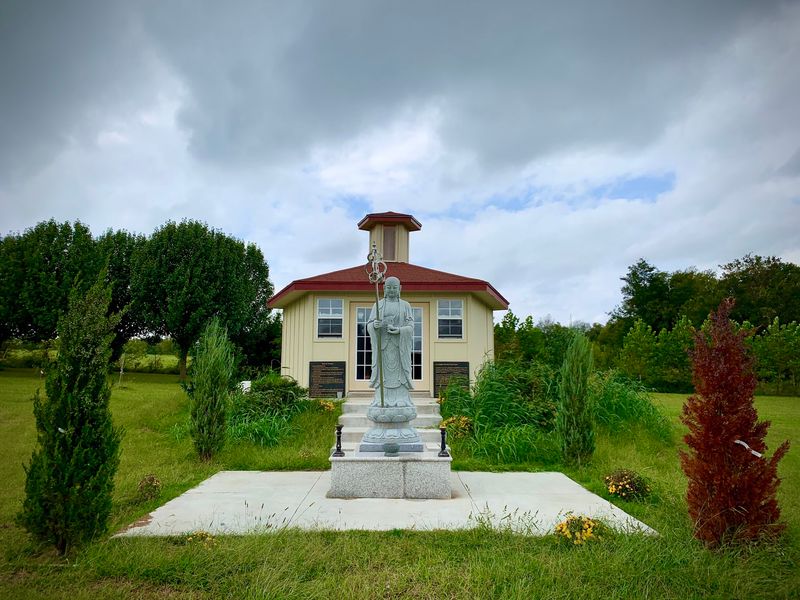
Long before the towering statue, the story started small. One longtime visitor fondly recalls a time when the main house itself served as the altar for the community.
Later, according to those memories, worship moved into a barn, and three statues appeared on the property. Supporters helped through an interest-free loan, and some were offered the chance to forgive that loan in exchange for having their name placed on a brick.
Step by step, the temple grew. A restroom building was constructed, additional land was purchased, and trees were planted, followed by even more trees.
Reading that timeline feels a bit like flipping through a family photo album. Every addition came from a community that clearly cared, piece by piece, year by year.
The same visitor closed their memories with a saying about a tree whose roots must reach deep before its branches can stretch high. It is a fitting image for a place that grew from humble beginnings into the many acres people enjoy today.
Today, a regular describes the grounds as many acres of statues and history. Knowing how it all came together makes each walk through the garden feel a little more meaningful.
The Giant Buddha Visible From the Road
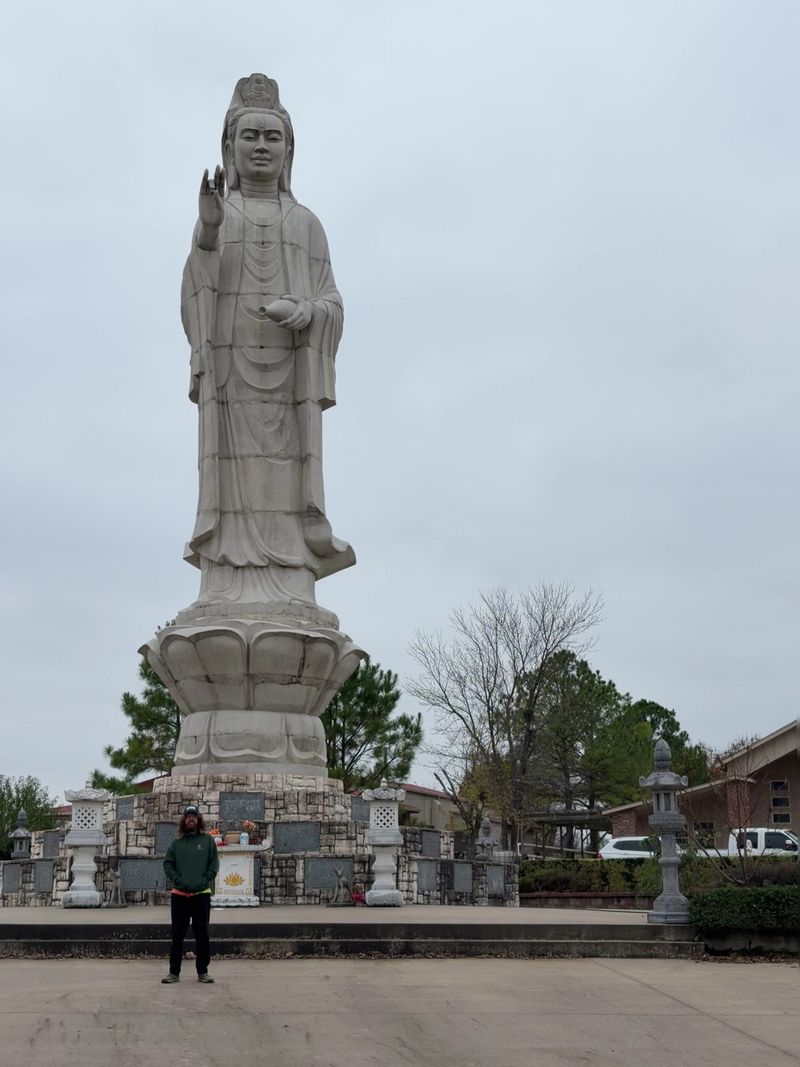
Picture yourself driving past fields and houses when suddenly a massive serene face rises above the treeline. That is the moment most first-time visitors remember best.
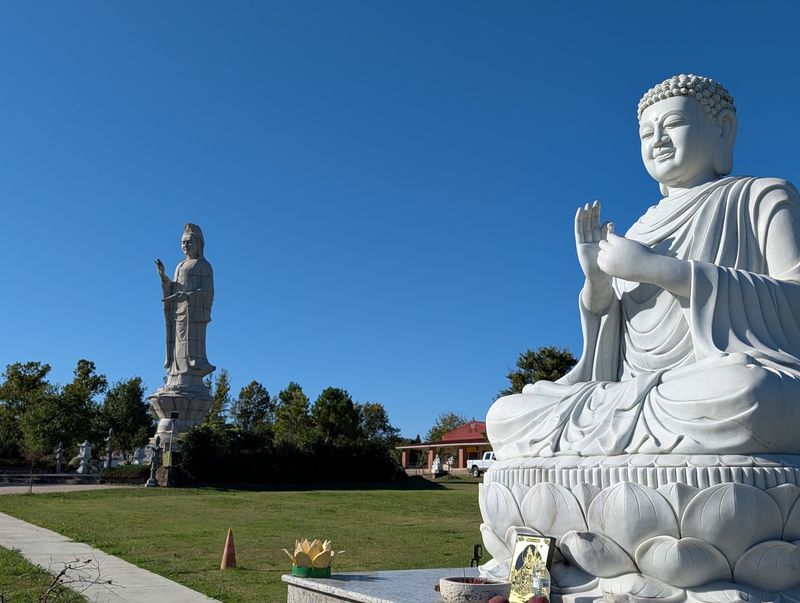
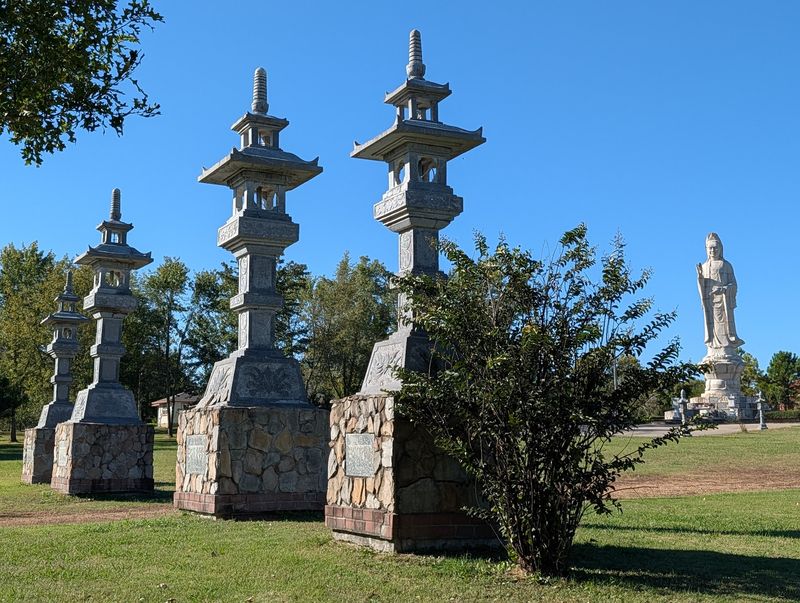
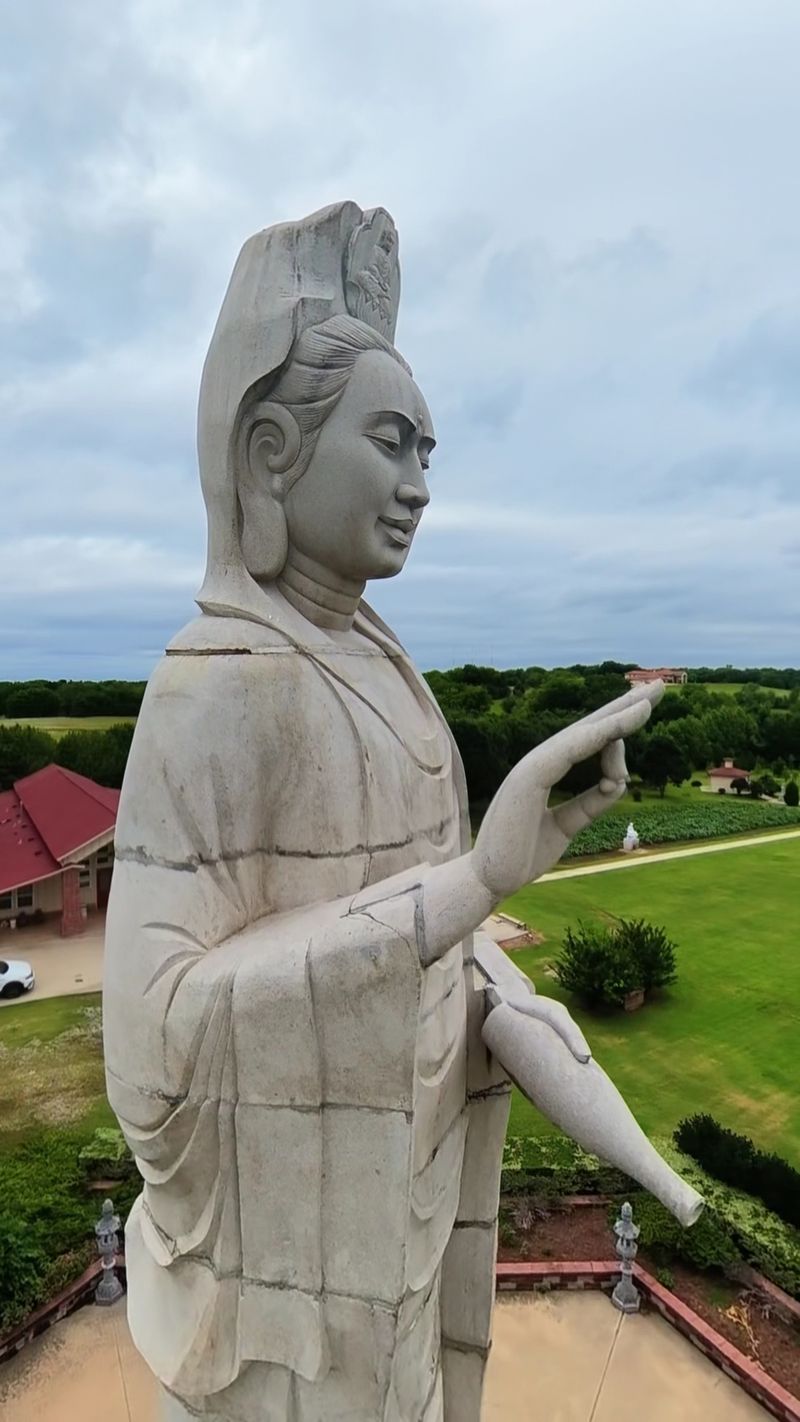
The enlightened Buddha sculpture at Chua Tam-Bao is the undisputed star of the grounds. Guests say you can see it from the road, and it practically invites you to turn in and take a closer look.
Up close, the scale is even more impressive. Standing at its base, you get a real sense of how much care and effort went into creating such a monument in eastern Oklahoma.
A friendly reminder belongs here, though. Signs posted around the property make it clear that the grounds are a private religious space and that the statue should not be climbed.
Some visitors have sadly noticed others ignoring those signs, so please be one of the respectful ones.
Snap your photos from the ground, take a slow walk around it, and simply enjoy the view. Quiet appreciation fits this setting far better than any daring pose ever could.
For many Oklahomans, this statue alone makes the trip worthwhile. It ranks among the most surprising roadside sights in the Tulsa area.
Statues Around Every Bend
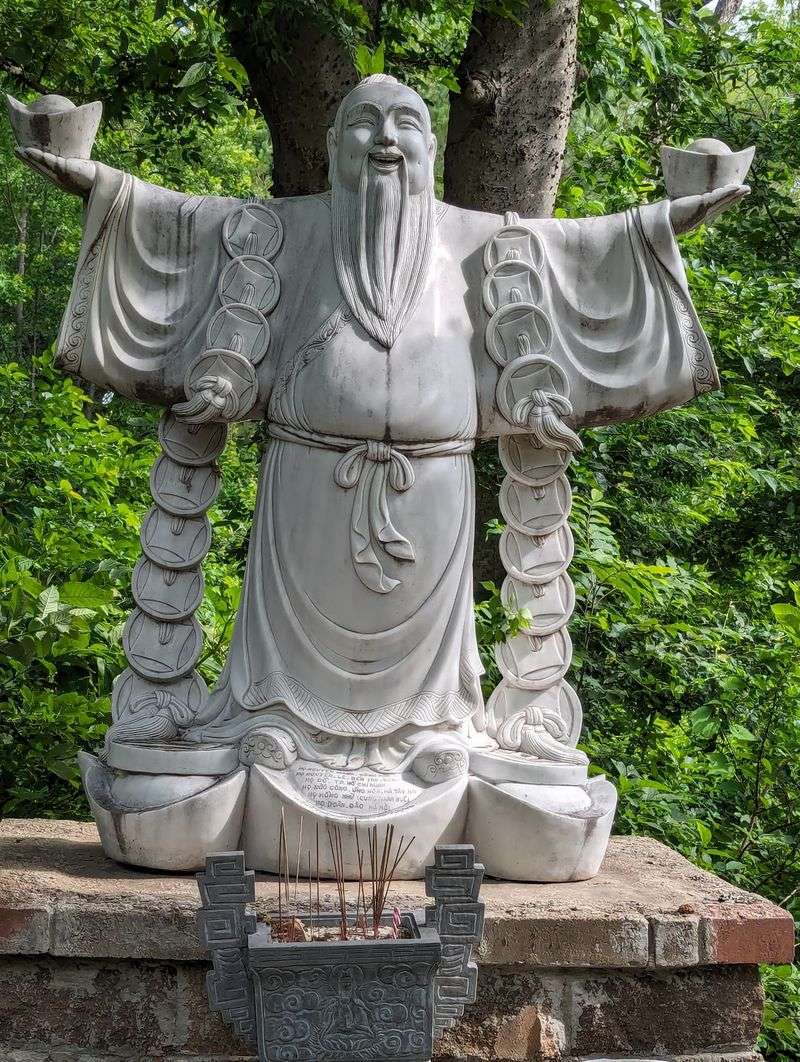
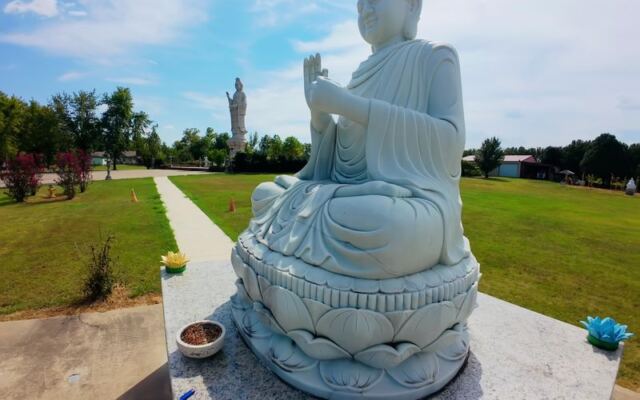
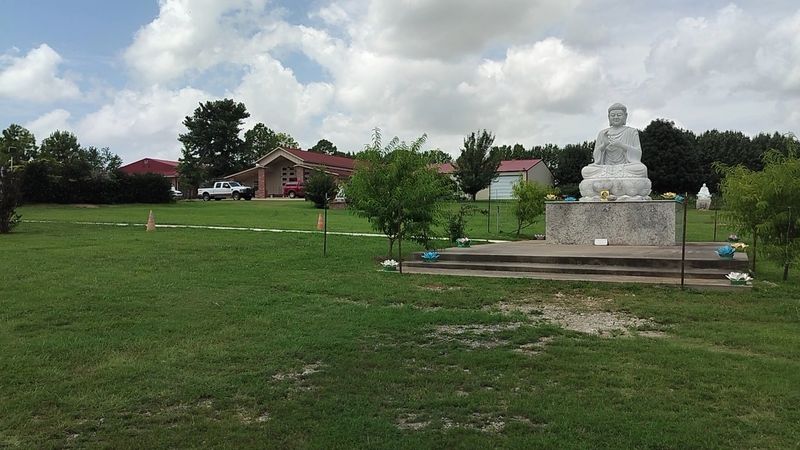
Once the big Buddha draws you in, the smaller surprises keep you exploring. The garden holds all sorts of different statues and iterations of the Buddha, scattered across the property.
Visitors love that there is no single path you must follow. You can wander from one figure to the next, discovering new details, expressions, and poses as you go.
One guest summed it up neatly, saying it is a quiet place to reflect or to simply look at some cool statues. Either reason is a perfectly good excuse to visit.
Families with curious kids may enjoy turning the walk into a gentle game of spotting each statue. Photographers, meanwhile, will find endless angles, especially when the sun filters through the trees.
Several people describe the garden as absolutely gorgeous, and the variety of sculptures is a big reason why. It feels less like a museum and more like a peaceful outdoor gallery.
Keep in mind that these are sacred pieces, not playground equipment. Walking softly, keeping hands to yourself, and moving slowly will help you notice more anyway.
The longer you linger, the more little treasures seem to appear among the greenery.
Pond, Wooden Bridge, and a Little Island
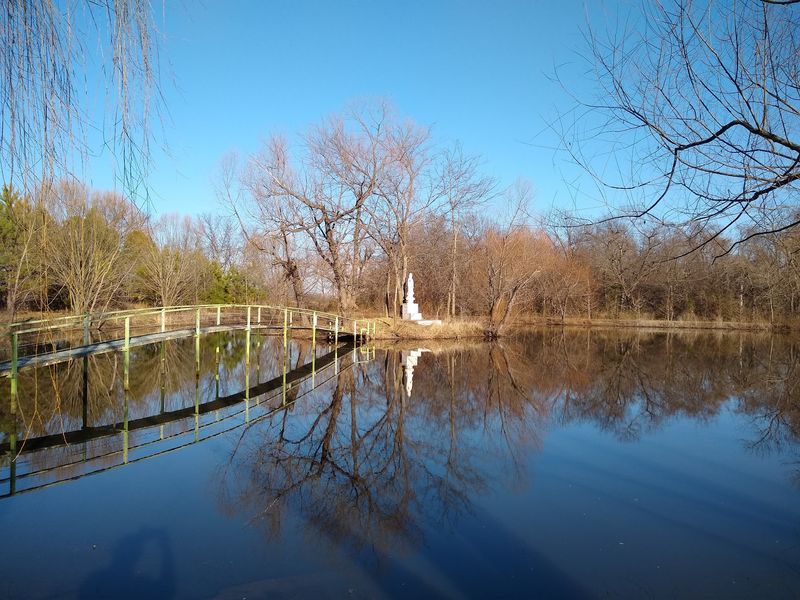
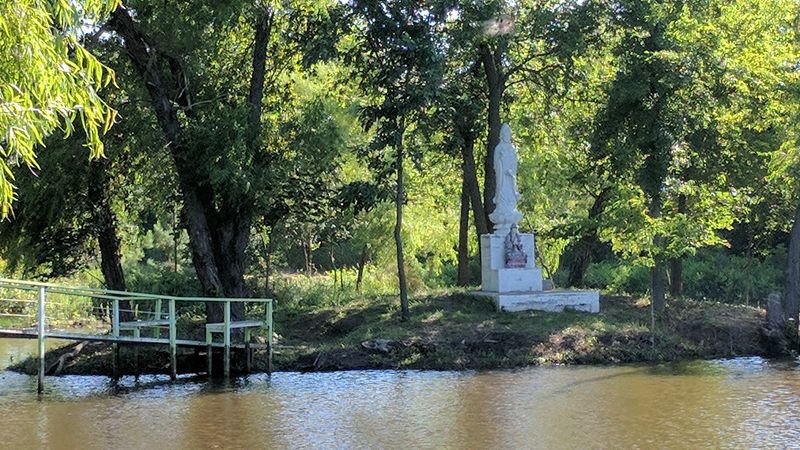
Water changes everything in a garden, and Chua Tam-Bao has its own small pond to prove it. Visitors mention the pond and its wooden bridge as one of their favorite features.
Toward the back of the property, a bridge leads out to an island. It adds a storybook touch, the kind of scene that makes you slow down without even trying.
Here is the honest update, though. A visitor about a year ago noted that the bridge to the island was closed for repair, and they hoped it would reopen soon.
That means the island may or may not be reachable when you arrive. Even if it is roped off, the view across the water is still worth a pause.
Reflections of trees and statues shimmer on calm days, and the gentle setting pairs beautifully with the quiet mood of the whole property. Bring a little patience and enjoy the scene from the shore.
If you are planning a visit specifically for the bridge, a quick call to the temple at 918-438-0714 might save some disappointment. Otherwise, consider it a pleasant bonus if you find it open during your stroll.
Meditation Spaces for Quiet Minds
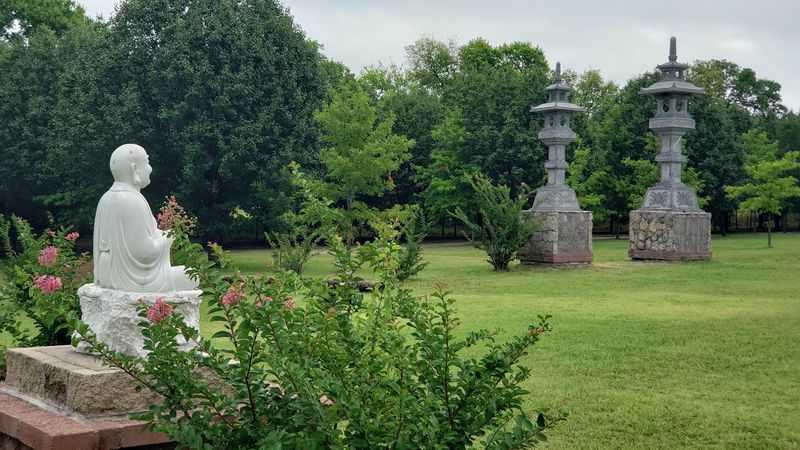
Breathing in, breathing out. One visitor shared a famous line from Thich Nhat Hanh about calming the body and smiling, and it captures the spirit of this place perfectly.
The grounds include a structure where meditation takes place. A recent guest found it closed during their visit but said they would love to return and meditate more.
Others say the garden itself offers some great places to meditate. A bench, a shady patch of grass, or a spot near the pond can work just as well as any formal room.
Regulars describe coming here to contemplate decisions and ground themselves. Several people say they always leave feeling peaceful, which is high praise for a free visit.
You do not need to be an expert to try it. Sit still for a few minutes, listen to the breeze, and let your thoughts settle.
One newcomer admitted they enjoyed meditating far more than they expected. That kind of happy surprise seems to happen often here, especially for anyone who arrives a little stressed and simply needs room to breathe.
Sunday Services in English
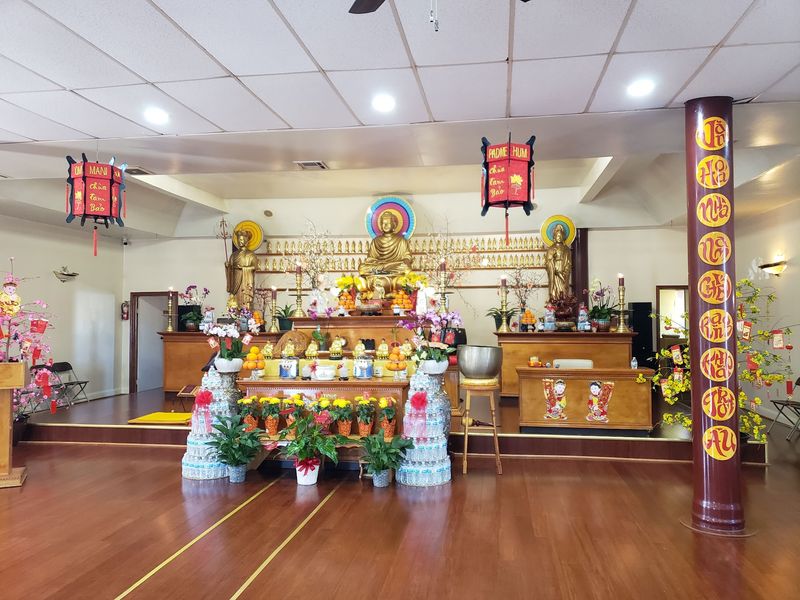
Curious about more than a garden stroll? According to one regular, the temple offers an English language service on Sundays at 9.
That same visitor encourages anyone interested to simply show up. No special invitation seems necessary, which makes it an approachable way to learn something new.
Another attendee said that after only a couple of Sundays, they were fairly sure they had found their home. They described everyone as kind to one another, beyond just being kind.
For people who have never attended a Buddhist service, that warm atmosphere can ease any nervousness. You can sit quietly, observe, and take part at your own pace.
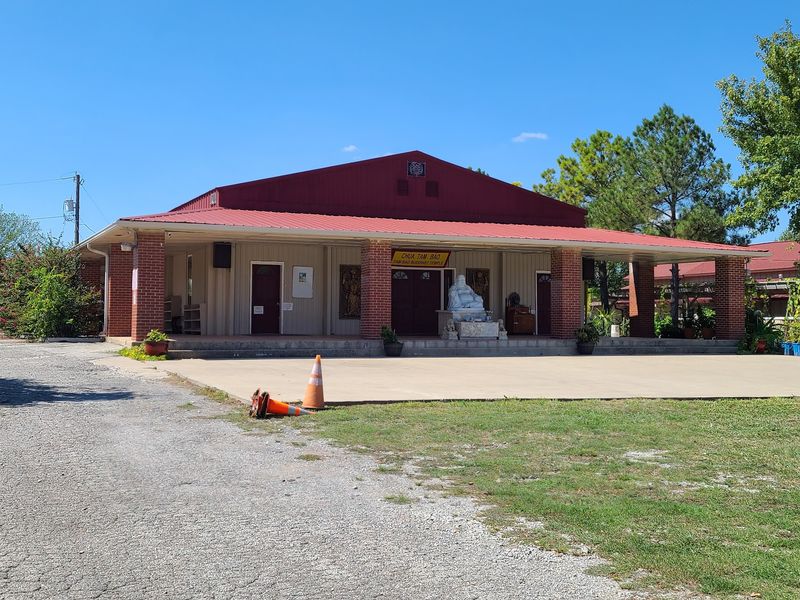
Remember that the buildings are generally off limits unless a service is happening. Sunday mornings are your best chance to see inside and experience the community at its liveliest.
Arriving a few minutes early is a smart move. It gives you time to park, catch your breath, and settle in before things begin.
Since schedules can shift, a quick check of the temple website or a phone call before heading out is a wise step for first-timers.
Caretakers and a Four-Legged Tour Guide
Every great garden needs someone looking after it. At Chua Tam-Bao, a regular mentions that abbots and nuns take excellent care of the property.
Visitors often praise how beautifully kept the grounds are. One person thanked the caretakers for sharing such a welcoming space with everyone and said they were doing an outstanding job.
Now for the fun part. A visitor a few years back introduced the internet to Lucky, a dog they called a lovely ground companion who will take you to all the good spots.
Whether Lucky is still trotting around today is anyone’s guess, but the story adds a sweet, homey layer to the experience. It is easy to imagine following a friendly pup from statue to statue.
Do not be surprised if you see few people at all, though. Several guests note that nobody was around to chat during their visit.
Some find that a little odd at first, but most end up appreciating it. The quiet respect between caretakers and visitors seems to be part of the unspoken arrangement here.
Neighbors Across the Fence
Here is a quirky detail many first-timers never expect. Chua Tam-Bao sits right next door to a Hindu temple, with a fence running between the two properties.
One playful visitor was so struck by the setup that they borrowed a famous speech, jokingly calling on Mr. Gautama to open the gate and tear down the wall. It is a lighthearted take, and it shows how much people want these peaceful spaces to feel connected.
For travelers who love unusual Oklahoma sights, two temples side by side on the edge of Tulsa is a rare find. Few places in the state offer that kind of cultural mix in one small stretch.
Keep in mind that each property is its own space. Respect the fence, and stick to the grounds you are visiting.
Still, the pairing makes for a memorable story to share later. You might drive out for a giant Buddha and leave chatting about the neighbors.
Moments like these remind us that Oklahoma is full of surprises. Sometimes a single quiet road holds more variety than a whole downtown block.
The Unhurried Feel of the Grounds
No one rushes you. No one asks why you came.
As one longtime visitor put it, nobody talks to you as you walk, so you are free to explore your inner journey.
That hands-off feeling is exactly what many people love most. Guests repeatedly describe the garden as peaceful, tranquil, and serene, a real break from traffic and screens.
A fair picture includes a few rough edges, too. One visitor some years ago noticed stored materials like old displays, metal poles, and lumber scattered around, plus dirt piles near the main statue, though they still called the spot beautiful.
Conditions may well have changed since then, and plenty of recent guests praise the upkeep. Either way, the calm atmosphere seems to win people over.
The best way to soak it in is slowly. Leave your phone in your pocket for a while and simply listen to the birds and the breeze.
Many say the place feels nowhere near Tulsa. That small escape, just minutes from home for locals, might be the biggest gift this garden offers.
Who Will Love a Visit Here
Road-trippers chasing oddball Oklahoma landmarks, take note. A giant Buddha off a Tulsa road belongs high on your list of surprising stops.
Quiet seekers will feel right at home as well. If you need a place to think through a big decision or simply breathe, regulars say this garden delivers.
Culture lovers also find plenty to enjoy. One guest called it one of the coolest places they had visited in a while and praised the chance to experience new cultures.
Photographers can spend an hour chasing light across statues, water, and trees. Nature fans will appreciate the many planted trees and open space.
Families can visit too, as long as everyone understands the house rules. Signs ask guests to be respectful, avoid climbing on statues, and treat the grounds as the sacred space they are.
Groups looking for loud fun or a busy attraction might want to look elsewhere. The magic here is in stillness.
One visitor said it is worth it just to say you have been there. For curious Oklahomans, that alone feels like reason enough to go.
Hours, Cost, and Getting There
Planning makes everything easier, so here are the basics. Chua Tam-Bao sits at 16933 E 21st St, Tulsa, OK 74134, on the eastern side of the city.
Listed hours run from 8 AM to 7 PM every day of the week, Sunday through Saturday. A regular notes that everyone is free to visit during daytime hours, and there is no admission fee mentioned for walking the grounds.
The buildings usually stay closed unless a service is happening. Expect to explore mostly outdoors, so wear comfortable shoes and dress for the weather.
A word of caution comes from one guest who arrived during listed hours and found things locked, with no answer by phone. Experiences vary, as other visitors found the gates open even with no one on site.
To avoid surprises, call ahead at 918-438-0714 or check ducquanam.com before driving out. That is especially smart if you are coming from farther across Oklahoma.
Finding the place is the easy part. Just watch for the towering Buddha rising above the trees, and you will know you have arrived.
Worth the Detour
Some stops fill your camera roll. Others fill something quieter inside you.
Chua Tam-Bao manages to do both.
It begins with that unforgettable statue peeking over the trees. Then come the smaller Buddhas, the pond, the bridge, and a calm that seems to settle over every visitor who stays awhile.
Nothing here is flashy. There are no ticket booths, gift counters, or crowds, just open grounds shared freely by a caring community.
One grateful guest called it a gift to Tulsa, and it is hard to argue. A free escape this peaceful, this close to the city, is a rare thing anywhere.
Come with respect, follow the posted rules, and give yourself time. Visit on a weekday for solitude, or a Sunday morning if you want to join the English service.
For anyone who loves discovering the unexpected side of Oklahoma, this temple garden deserves a spot on the list. You might arrive curious and leave feeling a whole lot lighter.
And the next time you drive past, that stone Buddha will feel a little like an old friend.
Share this story