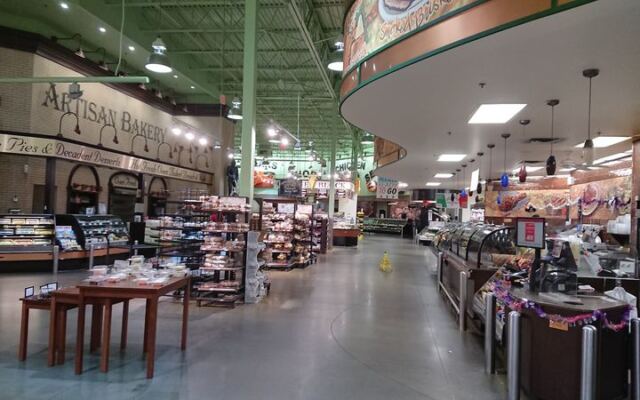
Some of the best finds in Oklahoma are the ones you almost drive past: a neighborhood grocery with a familiar sign and a story that goes back decades. Crest Foods is one of those places for many Oklahoma City-area shoppers, and a popular claim says it has been beating big-box prices since 1948.
That claim turns out to be shakier than it sounds. The real history is still a good one, and it is worth sorting the documented facts from the slogan.
Crest’s story began before it had the Crest name
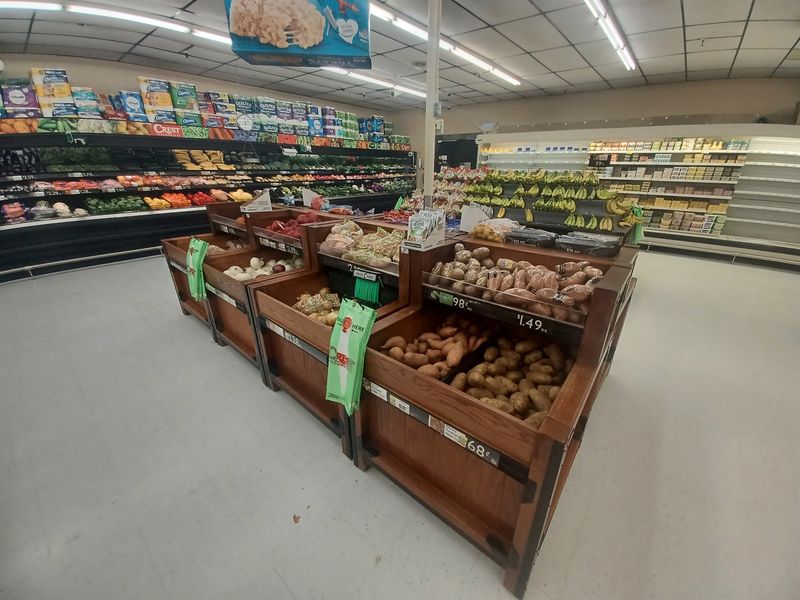
Long before the Crest sign went up, there was a small corner grocery. According to Crest’s own company history, Nick Harroz opened Nick’s Brett Drive Grocery in Midwest City after World War II.
The company describes it as a postwar start and does not give an exact opening year.
That detail matters because the popular 1948 date does not match the company’s account. Anyone repeating it is likely mixing Crest up with another Oklahoma grocer, and nothing here should be traded back and forth between the two.
Pruett’s is a separate family business with its own history, so its dates do not belong in Crest’s story.
The name came later. Crest’s history says the store moved to the Ridgecrest shopping center in 1964 and shortened the center’s name to Crest.
So the name is about 60 years old, even though the grocery roots reach back further.
The same account describes Bruce Harroz as the next-generation family leader. That gives the chain a real family thread from one generation to the next.
It is a nice piece of Oklahoma business history, but it is only that. A long timeline tells us the business lasted, and it says nothing about how Crest stacked up against national chains.
What the historical price checks actually found

Two old price checks keep this story alive. Both were reported by Supermarket News, a grocery trade publication, and both involved a single Crest and a single Walmart.
In April 2003, a 56-item basket cost $98.07 at one Crest location. The same basket cost $106.85 at one nearby Walmart Supercenter.
That is a gap of a bit under nine dollars on a large cart.
The second check came in November 2004 and was much smaller. Just four products were compared, and the total was $14.19 at Crest and $14.60 at Walmart.
That is a difference of 41 cents, so it is a thinner result than the first one.
These are two separate snapshots with different baskets and different dates. They show that on those days, at those stores, Crest came in lower.
Think of them as dated postcards from the past. They are a fun piece of Oklahoma grocery history, but they do not describe a streak, a chainwide pattern, or anything about prices today.
Old baskets cannot settle today’s price question
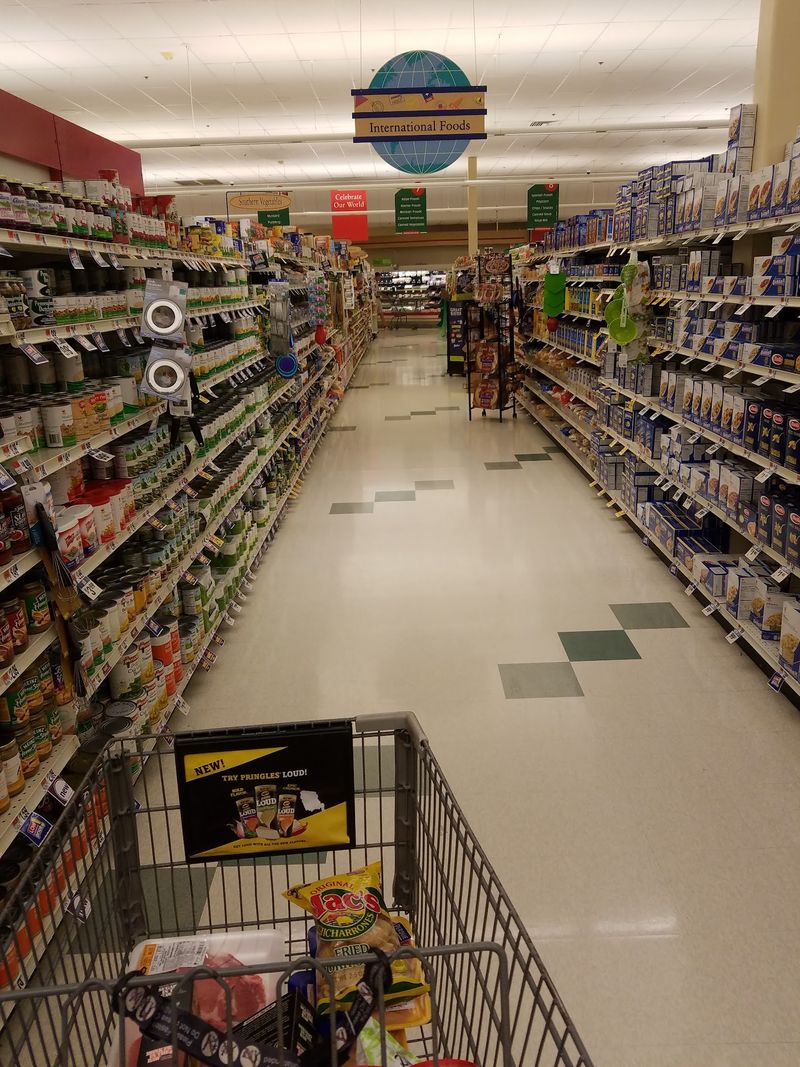
Grocery prices move constantly. A cart that cost less last spring may cost more this week, and a store that wins on milk may lose on bread.
Even the 2004 report noted that stores sometimes won on individual products while another store had the lower total, according to Supermarket News.
Many things can tip a comparison. The date, the store location, which items are in the basket, package sizes, what is in stock, and weekly promotions all play a part.
Change any one of them and the winner can change too.
Newer research adds some context but does not answer the Crest question. A June 2024 online grocery study compared seven national retailers and found Walmart lowest among them.
That study did not include Crest or Pruett’s. So it cannot tell us whether Crest is cheaper or pricier than Walmart now.
It is a reminder that the only way to know is to check current prices yourself.
A family-run identity gives the chain a local face
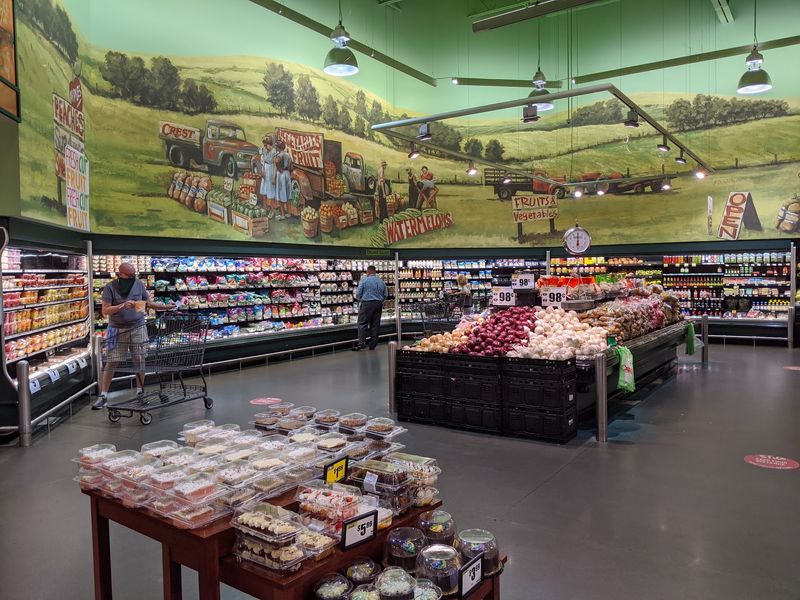
Walk into a store run by a local family and the feel can be different from a giant national box. Crest’s company history presents the chain as family led, with Bruce Harroz carrying on after earlier generations, and it highlights customer service as part of its identity, as described on its About page.
It is easy to see why that might feel familiar to shoppers. A name on the sign that belongs to real people from the same region can make a store seem more personal.
Some neighbors may enjoy that, and it is a fair possibility to consider.
It remains an interpretation, though. Nobody has measured why people shop at Crest, and there is no survey showing that locals broadly pick it over Walmart.
A company’s description of its own service is a starting point, not proof of loyalty.
Stories from other Oklahoma grocers do not fill the gap either. Pruett’s has its own reputation, and its anecdotes say nothing about Crest’s customers.
Compare the same items to judge value
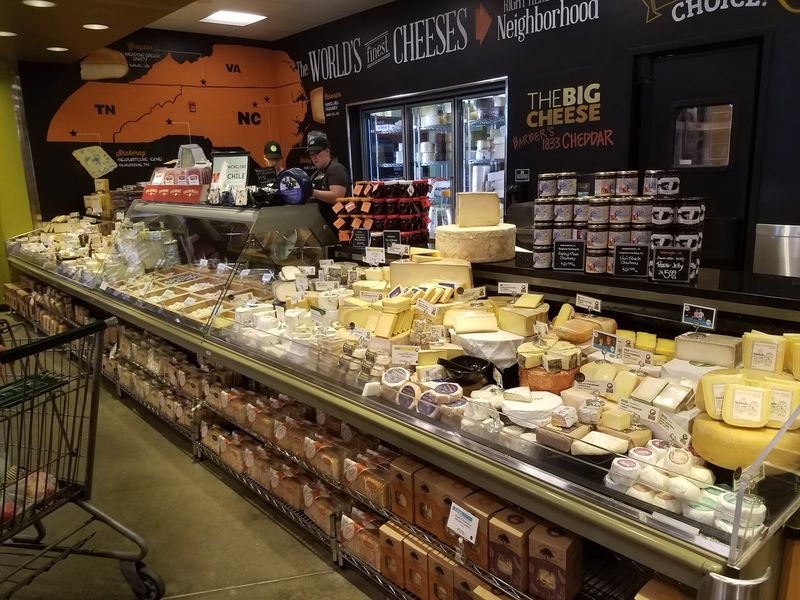
Want to know where your own cart costs less? Run your own check.
Pick a short list of items you buy often, such as eggs, bread, rice, and chicken, and look up the same brand and the same package size at each store.
Then look at unit prices, the cost per ounce, pound, or count. The National Institute of Standards and Technology explains that unit pricing helps shoppers compare product value.
A big box can look like a bargain until the per-ounce math shows a smaller one is cheaper.
USDA’s MyPlate also encourages shoppers to compare prices and unit prices, as in its Shop Smart tips. Add in any sales or loyalty discounts you really use, since those can change the final total.
Try it for two or three trips, because one visit can mislead. A quick example: if a store wins on your pantry staples but loses on produce, you may split your shopping.
This method helps you compare, but it cannot promise any one store is cheapest for everyone or every trip.
A documented local history, not a proven price streak
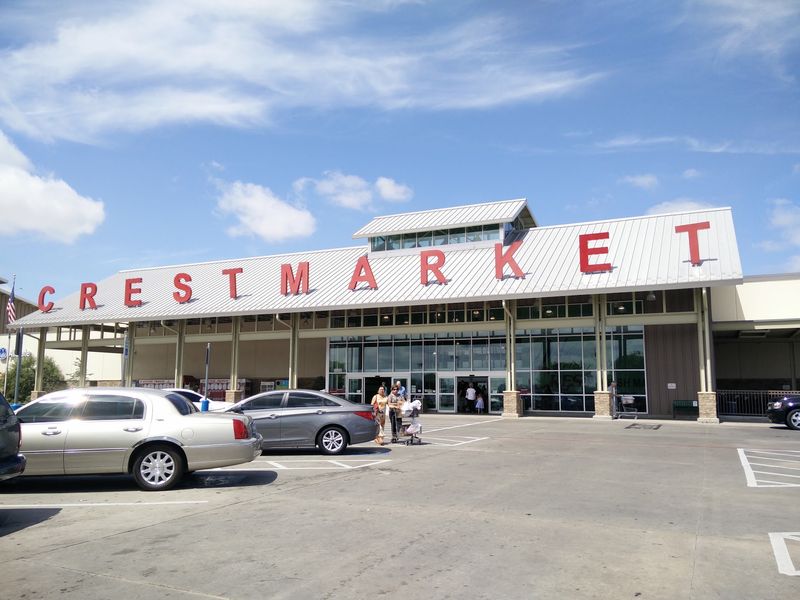
Crest has a real Oklahoma story. Its company history traces the grocery to the postwar years and says the Crest name arrived in 1964.
Two reported checks, covered by Supermarket News, found lower baskets at Crest than at one Walmart.
What the record does not show is an ongoing price edge, or how many people stay loyal and why. Those claims need fresh evidence.
A hometown grocer deserves to be known for what is documented. The facts are plenty interesting without a slogan attached.
Share this story