Idaho does not stick to the script. Drive a few hours and you can go from a field of potatoes to a lava landscape that astronauts once used as a classroom.
Keep going and you will find a geyser that erupts on a timer, a bike trail that runs through a mountain, and a museum devoted entirely to cleaning. This list packs 15 experiences that only make sense in this corner of the Northwest.
Some are wild and rugged, some are historic, and a few are just plain funny. You will get real details like heights, dates, seasons, and tips for planning your visit, so you can pack the right gear and arrive ready.
Think of it as a road trip map with a sense of humor. Grab a snack, maybe a baked potato, and start scrolling.
By the end, you will probably have a new list of weekend plans and a few facts to share at the next family dinner.
1. Explore the Lava Fields at Craters of the Moon, Arco, Idaho
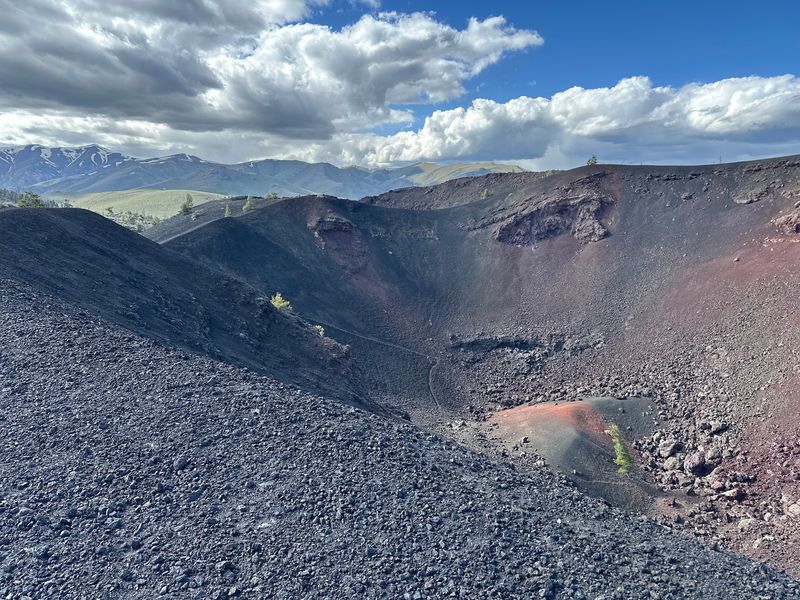
Astronauts once packed their bags for Idaho to practice for the moon. In 1969, the Apollo 14 crew trained here to learn how to spot useful volcanic rocks.
Craters of the Moon National Monument and Preserve covers a huge area of lava flows, cinder cones, and caves. Pilots like Alan Shepard needed basic geology skills, and this landscape gave them a real classroom.
Trails let visitors walk across black lava and look into old lava tubes. Sturdy shoes are a smart choice because the rock is rough and sharp.
A flashlight helps if you plan to explore the caves.
Summer days can get hot on the dark ground, so bring water and a hat. Spring and fall are milder, and the visitor center is a good first stop for maps and cave permits.
2. Stand Beside Shoshone Falls, Twin Falls, Idaho
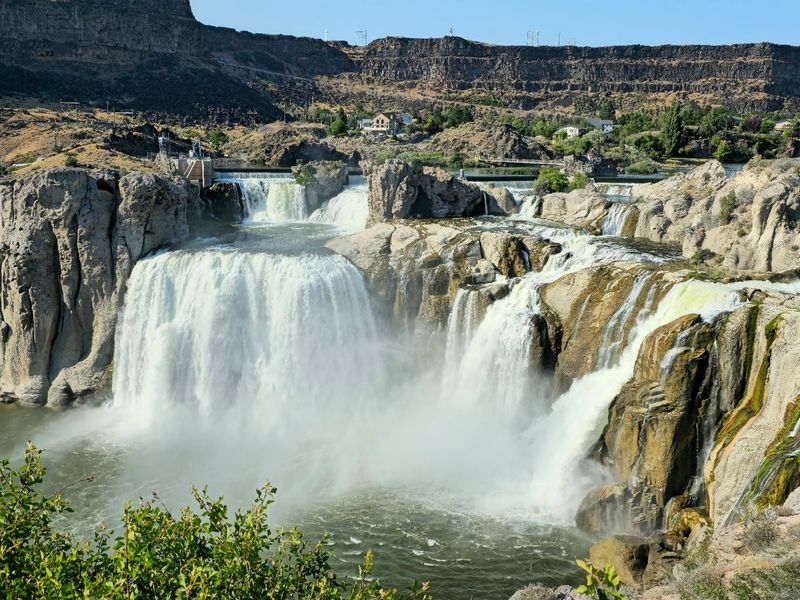
Niagara Falls has a rival, and it lives in the Snake River Canyon. Shoshone Falls drops 212 feet, which is about 45 feet taller than its famous eastern cousin.
Timing matters here. Spring and early summer bring snowmelt, and the falls can roar at their strongest.
Later in the year, irrigation takes much of the river, so the flow shrinks.
The falls were shaped by the Bonneville Flood thousands of years ago. For generations, they also blocked salmon from traveling farther upstream.
The city of Twin Falls runs a park above the canyon with paved overlooks, trails, and picnic areas. A small vehicle fee applies.
Check the flow report before you go, so your trip lands on a big water day.
3. Ride the Route of the Hiawatha, Near Wallace, Idaho
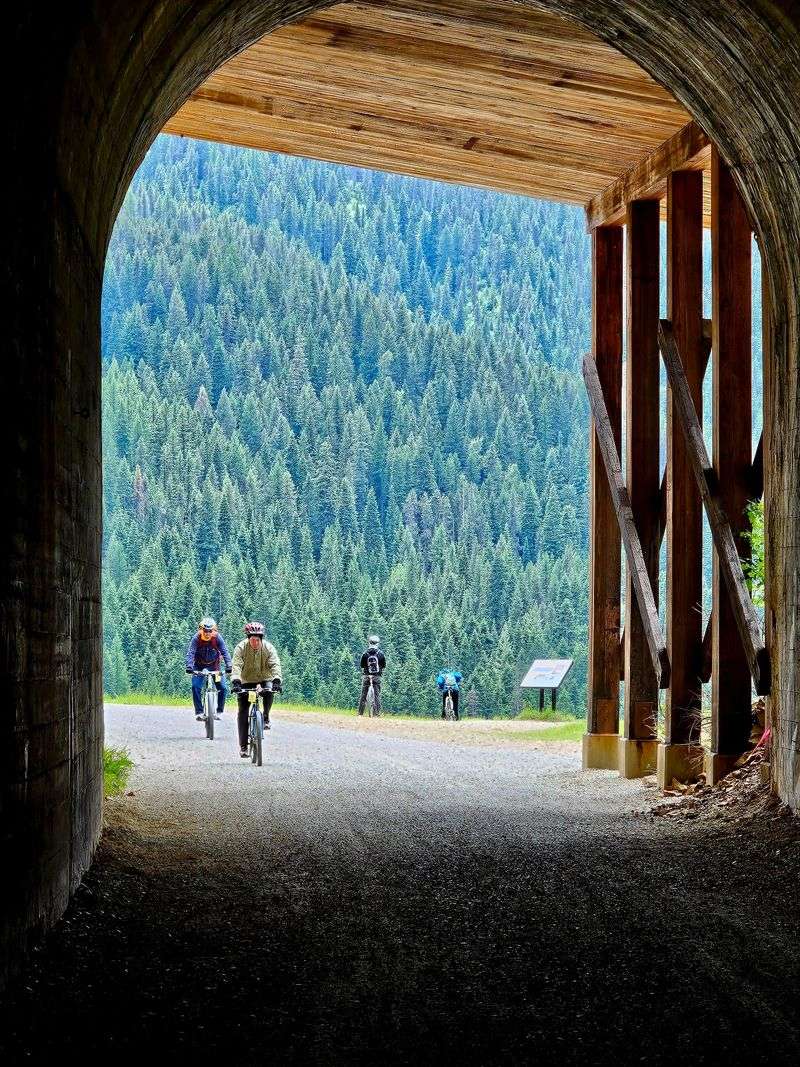
Bring a bike light, because the first big feature is a tunnel that lasts over a mile. The St. Paul Pass Tunnel stretches 1.66 miles under the Idaho and Montana line.
The Route of the Hiawatha follows an old Milwaukee Road rail line for about 15 miles. Riders pass through 10 tunnels and cross seven tall trestles.
The grade is a gentle downhill of roughly 2 percent, so most ages and skill levels can handle it. Shuttle buses carry riders and bikes back to the top at the end.
The trail is seasonal, usually open from late May through September. Reserve passes and rentals ahead of time, and pack a jacket since the tunnels stay cool.
4. Climb the Dunes and Stargaze at Bruneau Dunes State Park, Bruneau, Idaho
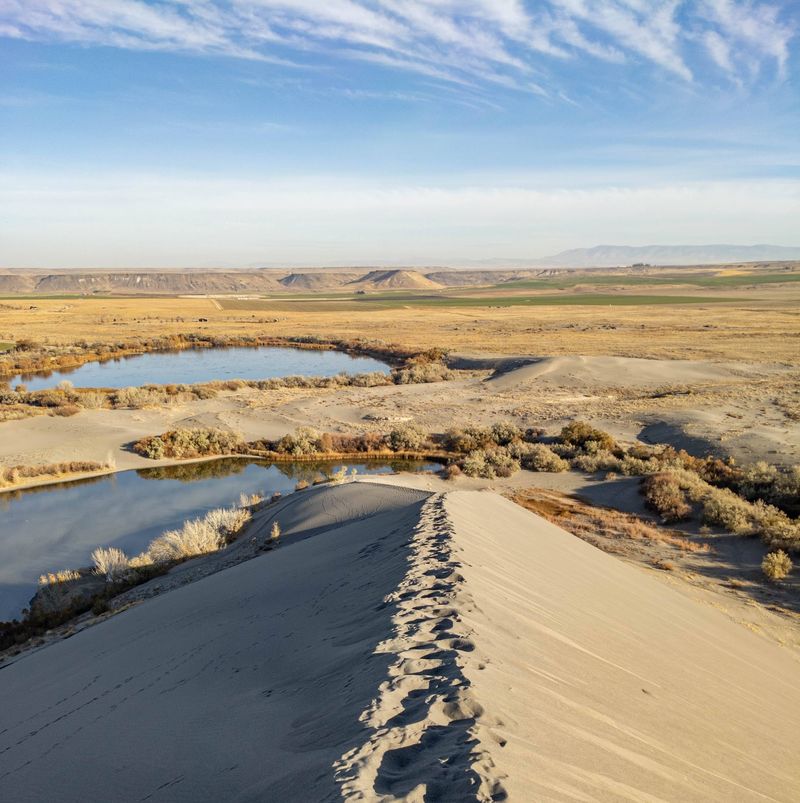
Sand in Idaho sounds like a typo, yet here it is. Bruneau Dunes holds the tallest single-structured sand dune in North America, at about 470 feet.
Hikers can climb to the top, and sandboarders can ride back down. Rentals are available at the visitor center.
The park also has two small lakes for fishing, hiking trails, and horse trails. Plan extra time, since every step up the dune slides back a little.
After dark, the park switches to astronomy. It is an International Dark Sky Park, and the Bruneau Observatory hosts public programs on scheduled Friday and Saturday evenings from spring through October.
Telescopes include a 25-inch Newtonian reflector and a CDK 700. Check the schedule online before you visit.
5. Celebrate the Potato at the Idaho Potato Museum, Blackfoot, Idaho
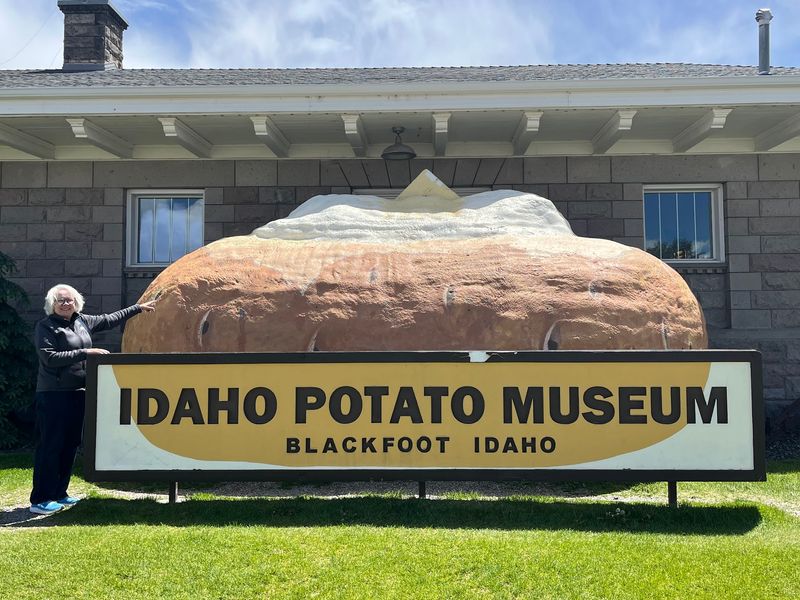
A potato the size of a car greets visitors at the door. The giant baked potato out front is the unofficial photo spot of Blackfoot.
The museum sits inside the Oregon Short Line Railroad Depot, built in 1912 and 1913. Exhibits trace the potato from ancient origins to modern farming and harvesting.
Odd artifacts steal the show. One is a 25-inch Pringle chip from 1991, billed as the largest potato chip ever made.
Another is a set of Peruvian vessels about 1,600 years old.
Kids can use the build-your-own Mr. Potato Head station. When hunger hits, the Potato Station Cafe serves baked potatoes, fries, potato bread, and chocolate-dipped potato chips.
6. Watch the Soda Springs Geyser Erupt, Soda Springs, Idaho
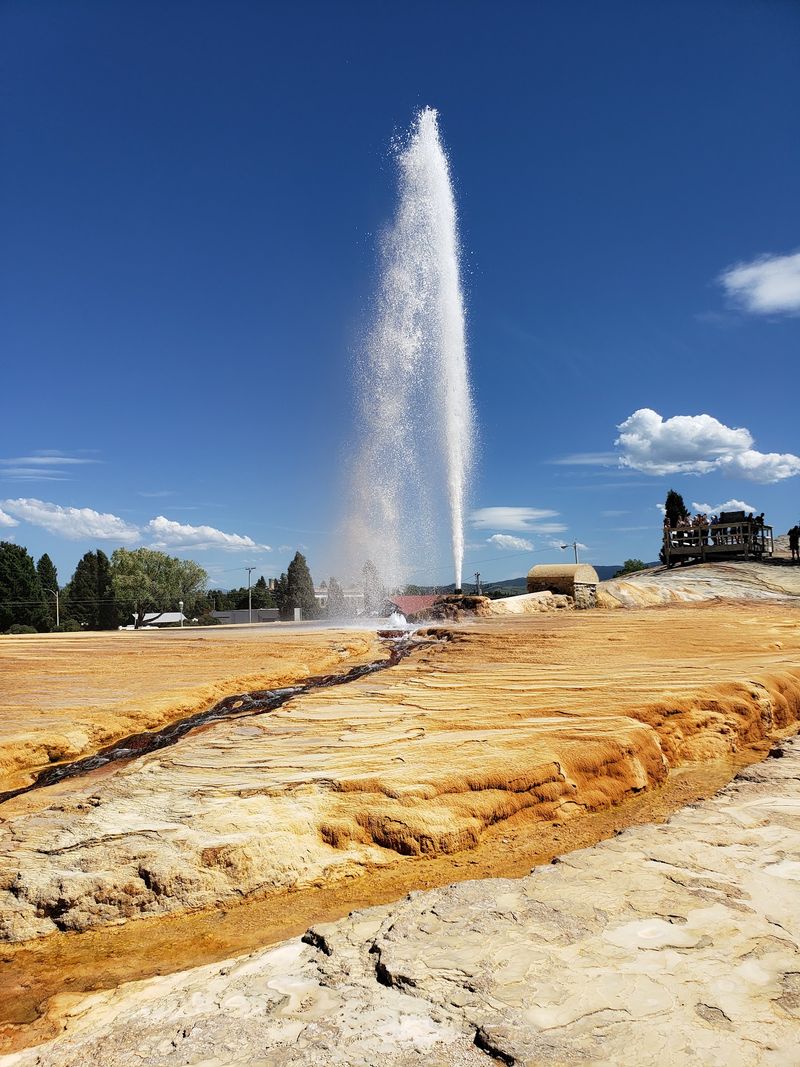
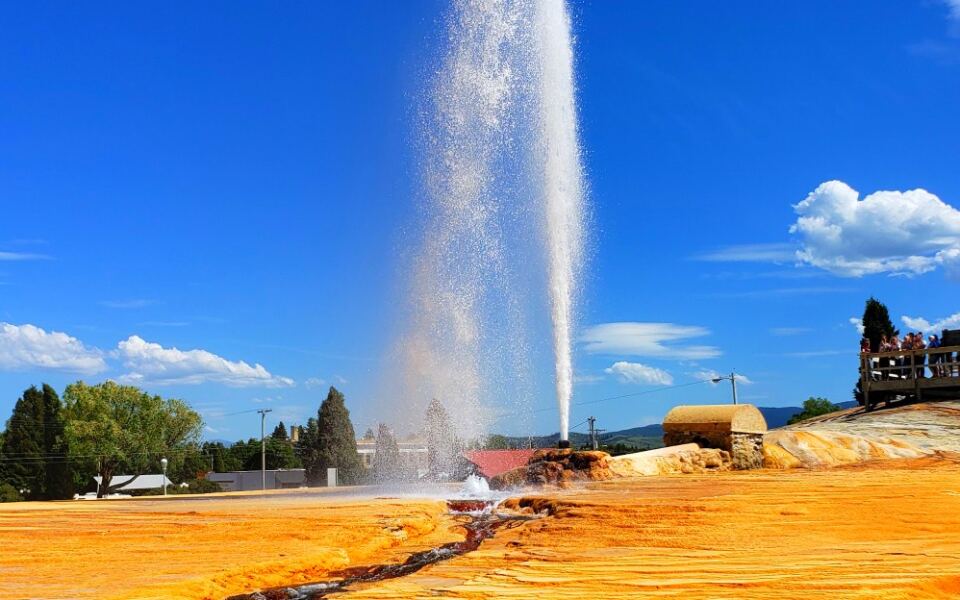
Drillers wanted a hot swimming pool and got a geyser instead. On November 30, 1937, they hit a pressurized chamber of carbonated water at 315 feet.
The first eruption was out of control, so engineers capped the well. Today a timer and valve manage it, which is why it is called the world’s only captive geyser.
It erupts every hour on the hour, shooting water up to 100 feet. Carbon dioxide gas mixed with water drives the blast.
A short drive away, Hooper Spring offers naturally carbonated water that bubbles from the ground. Oregon Trail pioneers stopped here and even used the water in baking.
Arrive a few minutes early to claim a good spot.
7. Soak in the Hot Pools at Lava Hot Springs, Lava Hot Springs, Idaho
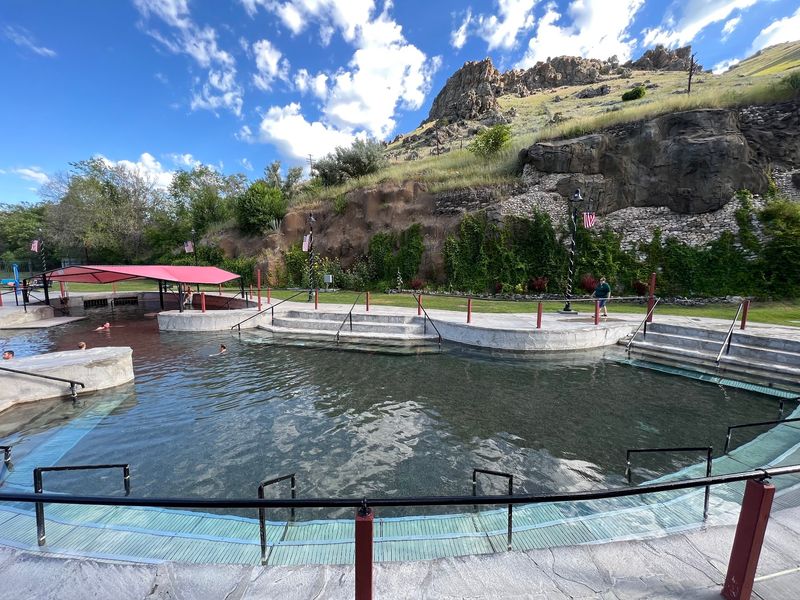
Winter visitors get the best bragging rights here. Cold mountain air meets pools that run from about 102 to 112 degrees Fahrenheit.
Lava Hot Springs sits in the Portneuf River valley in southeastern Idaho and welcomes guests all year. The mineral water is known for having no sulfur odor, which is a nice bonus.
More than 2.5 million gallons of fresh mineral water flow through the pools each day. Minerals include bicarbonate and sodium, and many people soak to ease sore muscles.
The facility has several outdoor pools, dressing rooms, showers, and coin-operated lockers. A snowmelt system keeps the decks clear in winter.
Bring a towel and a pair of sandals.
8. Wander Among Giant Granite Formations at City of Rocks, Almo, Idaho
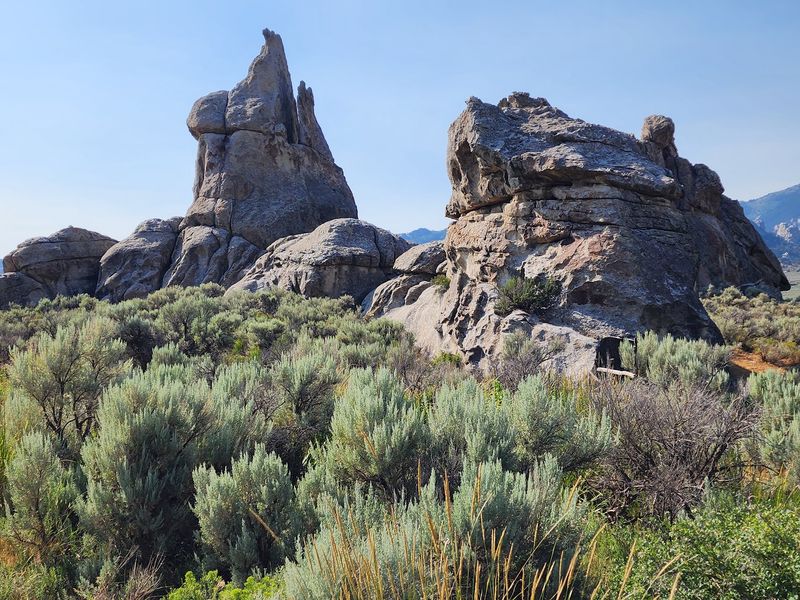
Climbers call it a playground, but you do not need a rope to enjoy it. City of Rocks National Reserve is packed with huge granite monoliths in southern Idaho.
Some of the rock here is extremely old, and erosion has carved each formation into its own shape. Many have nicknames, so a trail map turns into a fun scavenger hunt.
Easy trails weave between and around the stones. It is simple to spend a few hours wandering without ever picking up a harness.
Pioneers on the California Trail passed through this area too. Bring plenty of water, since shade is limited, and plan for sunrise or late afternoon for cooler hiking.
9. Go Underground on a Silver Mine Tour, Wallace, Idaho
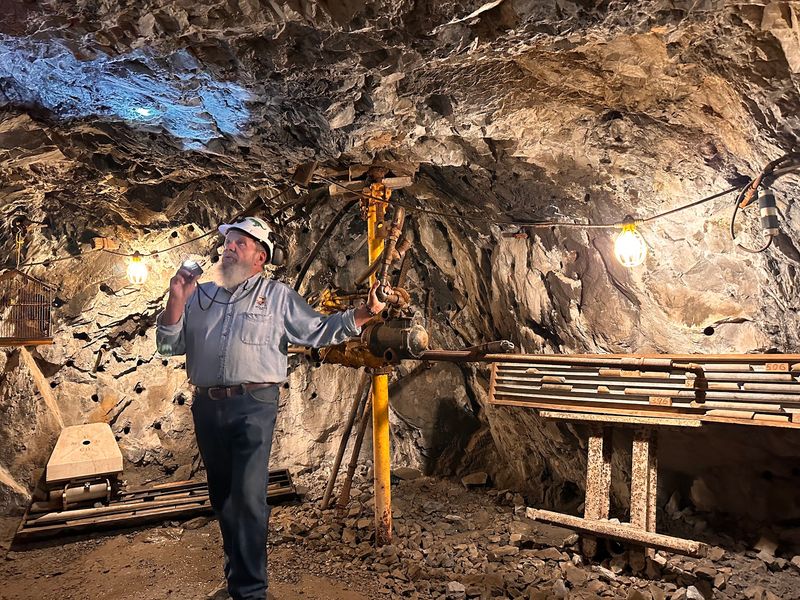
Silver built Wallace, and the best way to understand that is to go inside the mountain. Sierra Silver Mine Tour takes guests into a real former working mine.
The Silver Valley has produced more than 1.2 billion ounces of silver since 1884. That makes it one of the richest silver districts on Earth.
Guides are often retired miners who share stories from their own careers. Along the way, guests see original equipment and demonstrations of old and new mining methods.
The mine stays around 50 degrees all year, so a light jacket helps. The tour lasts about an hour and 15 minutes, and a narrated trolley ride through downtown Wallace starts and ends the trip.
10. Stand at the Center of the Universe, Wallace, Idaho
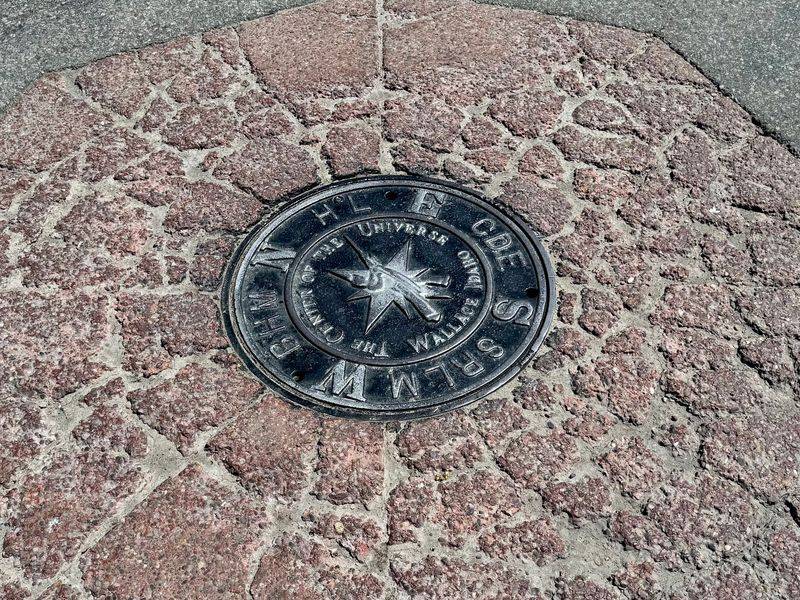
Astronomers may disagree, but Wallace has made its announcement. The town claims the Center of the Universe, and a marker on Sixth Street proves it.
The spot is a manhole cover set in the pavement. It came from a lighthearted local proclamation, not a science lab.
That is the charm. The whole thing shows off the town’s humor and confidence.
A visit takes only a few minutes, so pair it with a stroll through the historic downtown or a mine tour. Snap a photo standing right on the cover, and consider asking a friend to take it from above for the best angle.
It may be the funniest photo of your Idaho road trip.
11. Discover Idaho’s Connection to Television in Rigby, Idaho
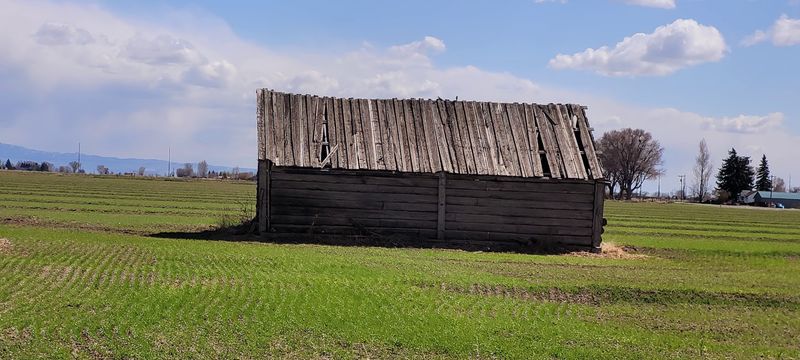
Television has roots in a potato field. Philo T.
Farnsworth, the inventor of the first fully electronic television system, grew up near Rigby.
He is said to have pictured electronic scanning lines while looking at rows of crops. His high school science teacher, Justin Tolman, later kept a 1922 diagram that helped in patent disputes.
The Farnsworth TV and Pioneer Museum fills 14,000 square feet in the former Bond Motel building. It displays Farnsworth’s original television tubes, plus vintage electronics and pioneer artifacts.
The Jefferson County Historical Society manages it, and volunteers run the place. Look for the local history rooms too, which include Native American items and even a few ancient Egyptian pieces.
12. Visit a Museum Devoted Entirely to Cleanliness, Pocatello, Idaho
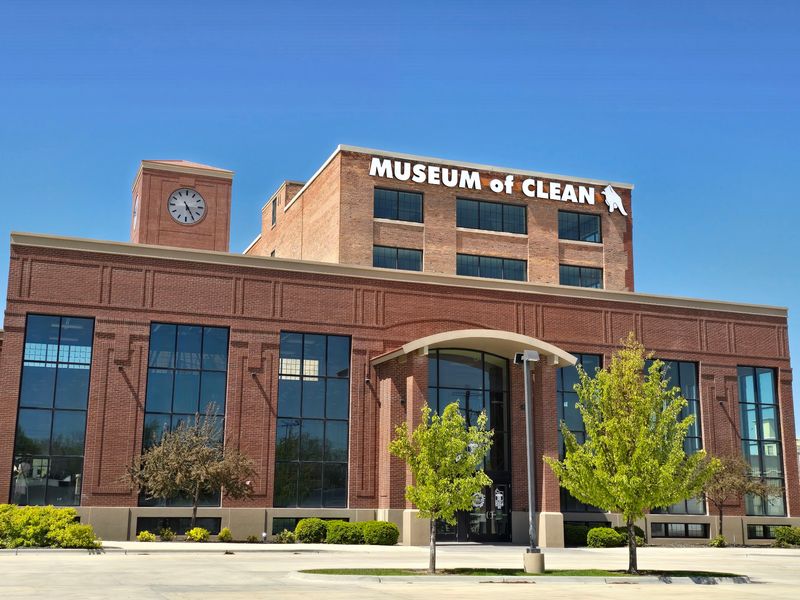
Yes, there is a museum about cleaning, and it is bigger than you would guess. The Museum of Clean in Pocatello bills itself as the only one of its kind in the world.
Exhibits cover sanitation, household equipment, and environmental responsibility. Interactive displays keep younger visitors busy.
Every item connects to one theme, which makes the visit surprisingly focused. You can follow the history of cleaning tools from simple brushes to modern machines.
Plan on at least an hour, since the collection is large. It makes a great stop for families who want something different from the usual mountain scenery.
Expect a few laughs and a few facts that make you look at your mop in a new way.
13. Walk Through the Old Idaho Penitentiary, Boise, Idaho
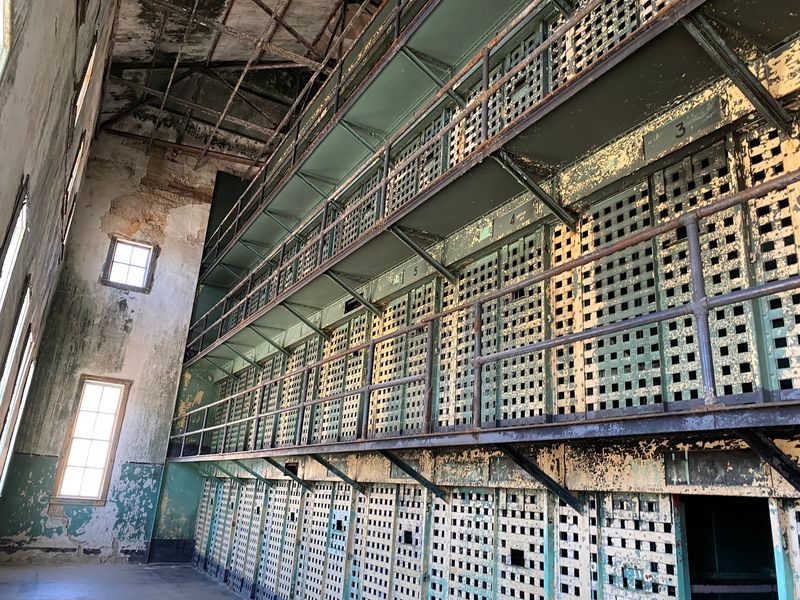
Boise has parks and restaurants, but it also has a sandstone prison. The Old Idaho Penitentiary operated from 1872 to 1973 and now serves as a historic site.
Visitors can walk through cell blocks, solitary confinement cells, the infirmary, and administrative buildings. Thousands of inmates once lived inside these walls.
The stone architecture and narrow rows of cells give a clear picture of daily routines in early Idaho. It is a more hands-on history lesson than a typical museum display.
Wear comfortable shoes, since the grounds cover a lot of space. Guided tours add stories you will not find on the signs, and the site sits close to downtown, so it fits easily into a day in Boise.
14. See Rare Raptors at the World Center for Birds of Prey, Boise, Idaho
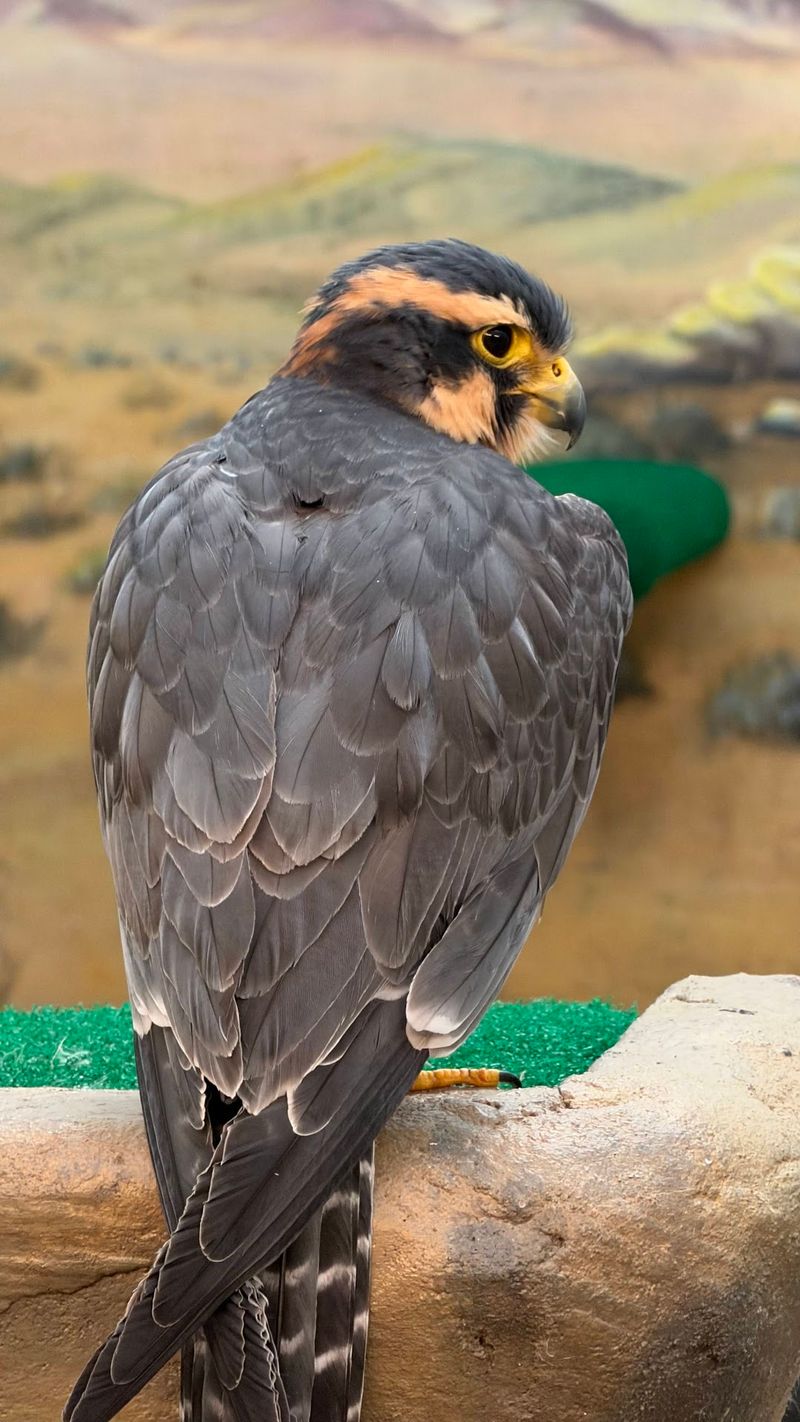
Eagles do not usually pose for photos, but here they come close. The World Center for Birds of Prey near Boise lets visitors see eagles, falcons, owls, and other raptors at short range.
The center focuses on conservation work around the globe. Exhibits explain the threats these birds face and how people are helping them recover.
Outdoor displays pair with indoor exhibits. The Archives of Falconry preserves the history of that ancient practice.
Scheduled presentations let experts share facts and show off birds up close. The location fits well, because the nearby Snake River region has a high concentration of wild raptors.
Check the schedule ahead of time and bring binoculars to spot wild birds on the way.
15. Walk Behind Perrine Coulee Falls, Twin Falls, Idaho
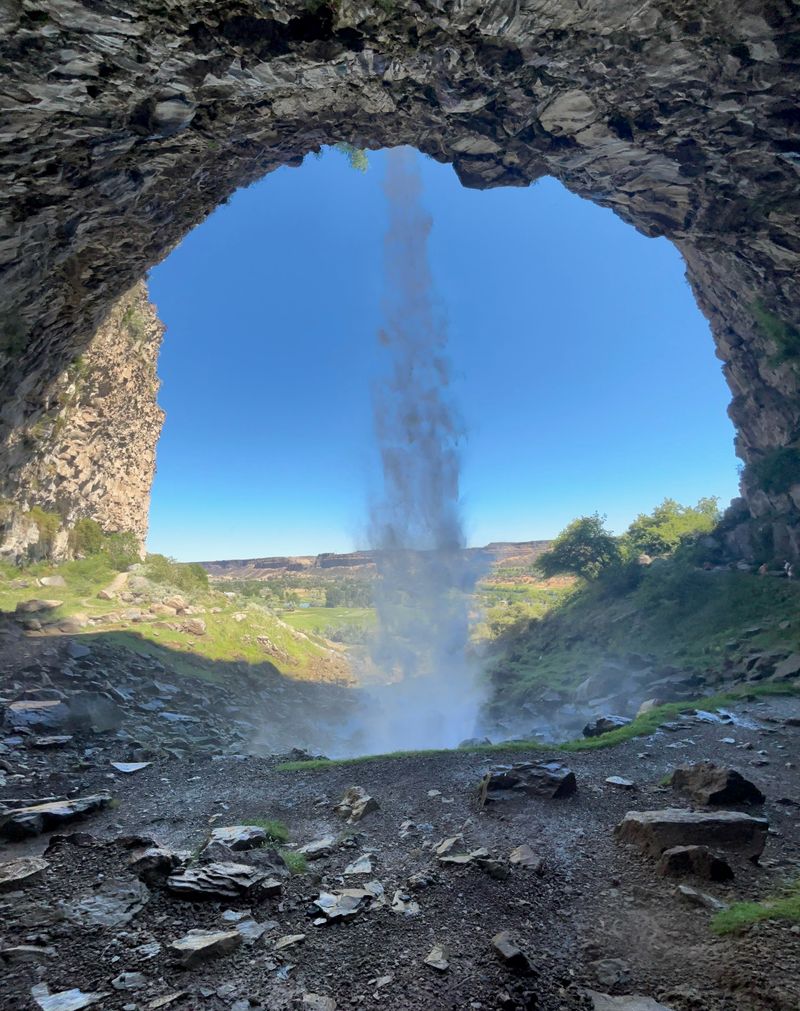
A waterfall hides a trail behind it, and Twin Falls has the proof. Perrine Coulee Falls spills over the edge of the Snake River Canyon, not far from the Perrine Memorial Bridge.
A trail leads right up to the water. When conditions allow, visitors can walk behind the falling curtain for a rare view.
Canyon walls rise on all sides, so the spot feels wild even though the city is close. Mist drifts across the path, which makes a rain jacket a smart pack-along.
Rocks can be slick, so wear shoes with good grip. Flow depends on the season, so check local conditions first.
It is a short outing that delivers a big photo.
Share this story