An ordinary-looking stop in New Jersey can turn into an afternoon of discoveries. Behind the museum label are preserved workrooms, machines, and inventions that make a familiar name much more interesting.
The surprise is how much there is beyond the lightbulb. A little curiosity goes a long way here, especially when the rooms themselves help explain how ideas became real things.
A Working Legacy in West Orange
A famous name gets a much fuller story at Thomas Edison National Historical Park, at 211 Main St, West Orange, NJ 07052, in New Jersey. The destination preserves the American inventor and manufacturer’s laboratory and home, with historical artifacts, exhibits, and archives.
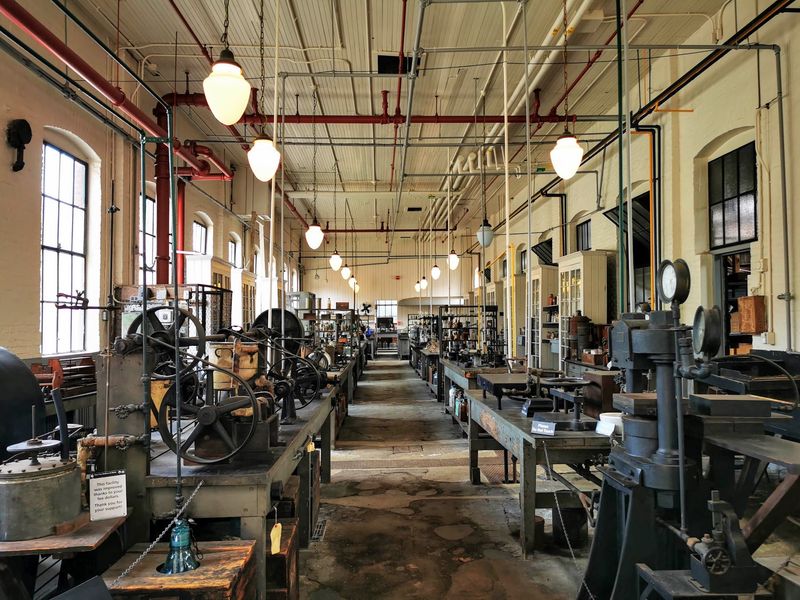
The laboratory complex is the central starting point for understanding what happened here. Rather than presenting inventions without context, the park places them alongside the rooms and equipment involved in developing them.
That distinction gives the outing its purpose: the workplace matters as much as the finished invention. A machine shop, library, and specialized rooms reveal different parts of a broad working operation.
For local residents, the address offers a chance to connect a familiar historical figure with a place close to home. The appeal rests on something specific, not simply on name recognition: much of the story remains attached to its original setting.
The Preserved Laboratory Rooms
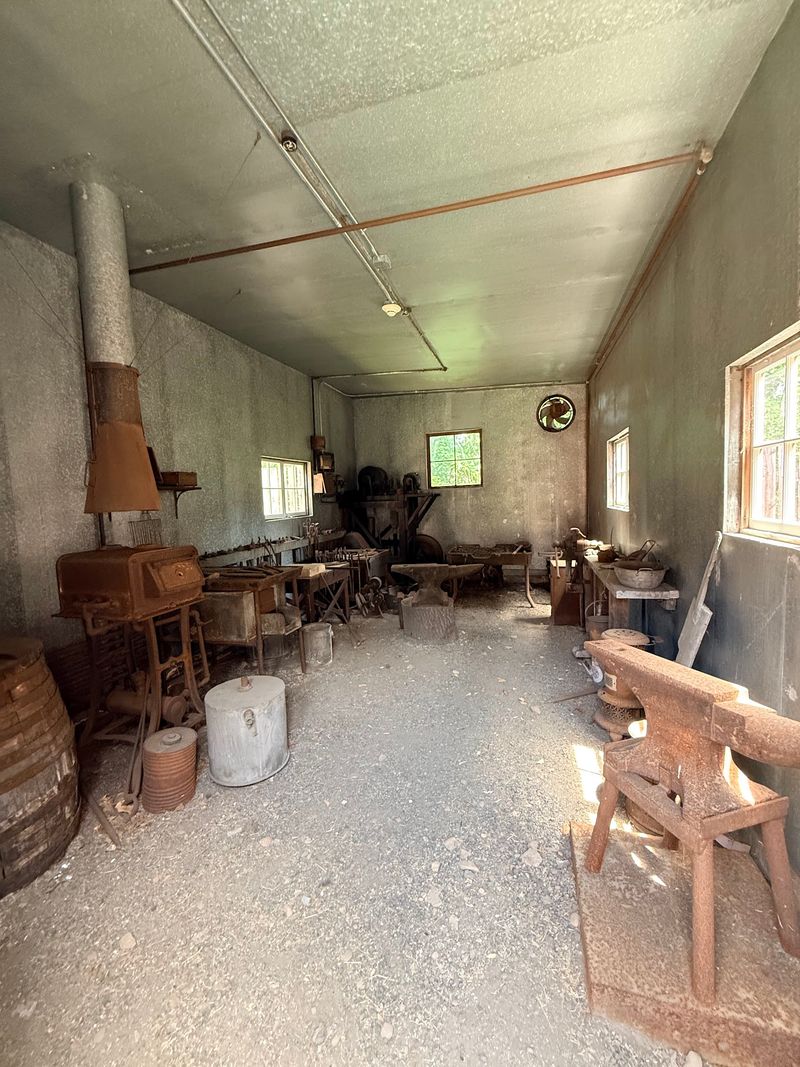
The real attraction is not a single invention behind a display case. It is the collection of preserved laboratory spaces that connects Edison’s work to a setting where experiments and practical tasks took place.
Multiple rooms help explain why a laboratory could support so many different interests. Engineering, manufacturing, and chemistry appear as connected activities rather than separate subjects in a school schedule.
A self-guided visit allows time to follow whichever area raises the most questions. Someone interested in equipment can linger over machinery, while another person may give more attention to the exhibits about inventions.
Preservation gives those choices substance because the spaces retain their historical identity. The result is an opportunity to consider the effort behind an invention, not just its eventual success.
Keep a couple of hours available for the laboratory complex, since a quick circuit can leave plenty of interesting details unexplored.
Machinery Behind the Ideas
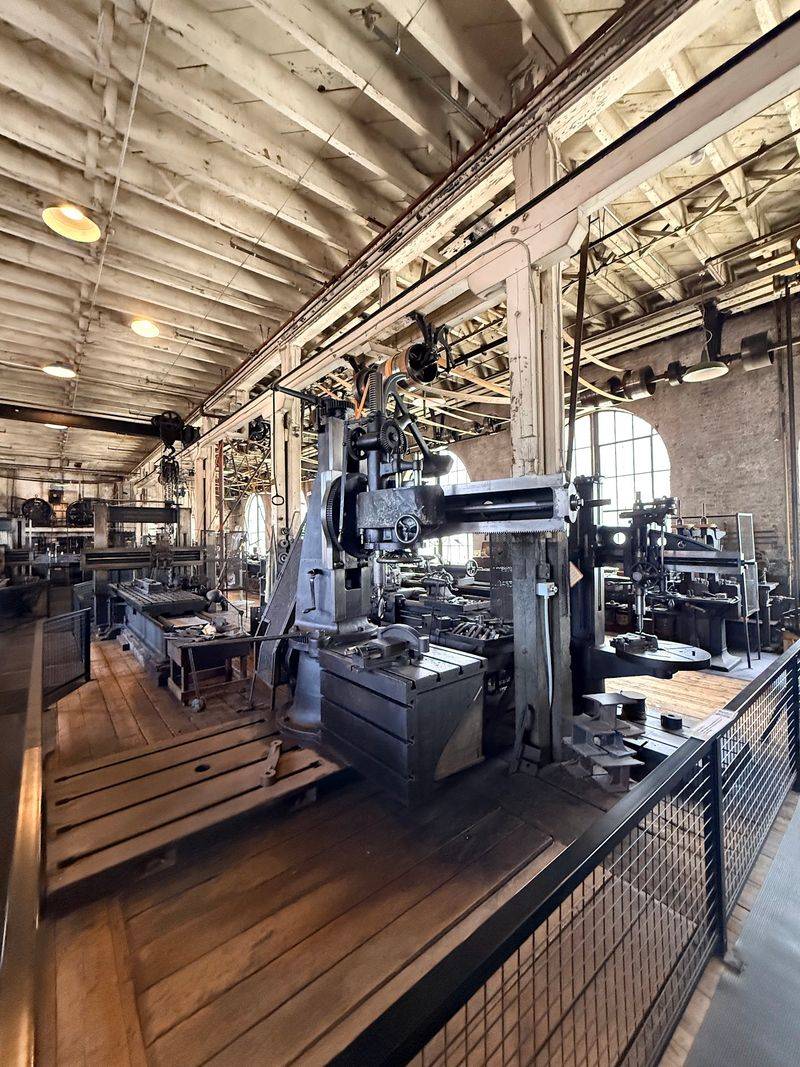
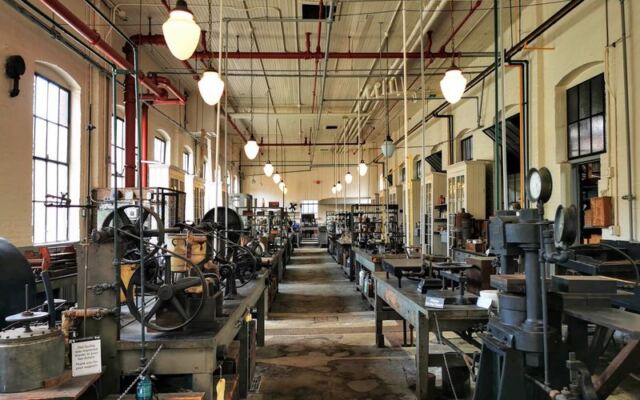
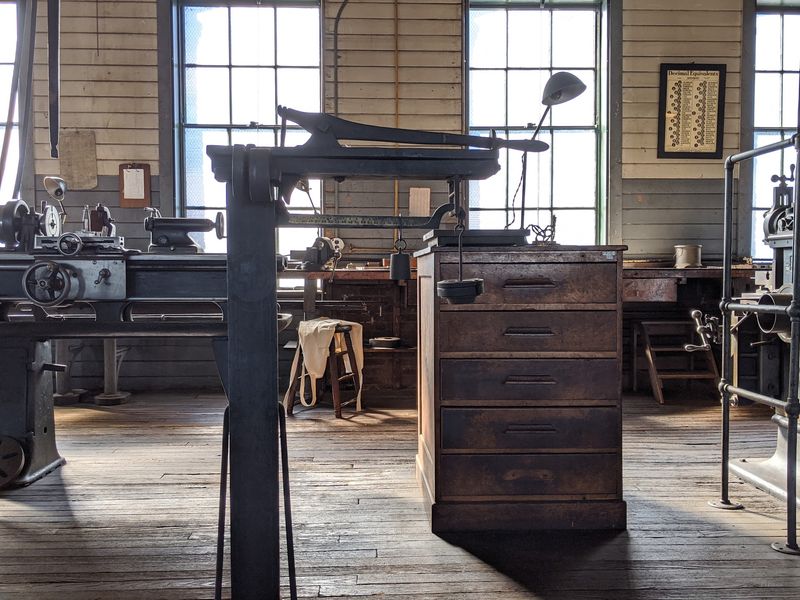
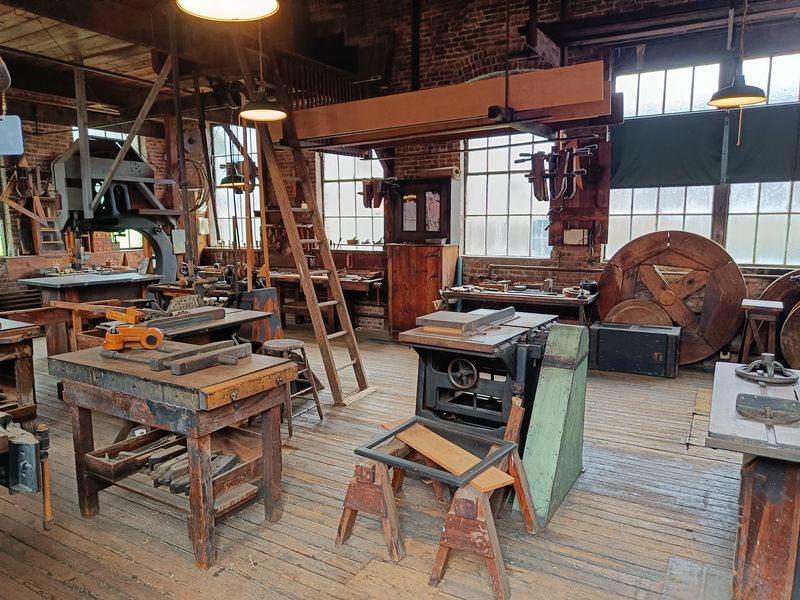
Big ideas still needed equipment, and the machine shop gives that practical side of invention its own space. Preserved machinery makes manufacturing a central part of the park’s story rather than a detail added afterward.
The workshop includes belt-driven equipment, offering a useful starting point for questions about how work was organized. Instead of focusing only on what Edison created, the room encourages attention to how physical parts could be made.
Technical enthusiasts have plenty to investigate here, but specialized knowledge is not required. A simple question about what a machine did can lead to a better understanding of the wider laboratory operation.
Nearby workshop spaces also reinforce the range of practical work represented in the complex. The machines deserve more than a passing glance because they explain a basic truth about innovation: an idea needed a way to become something that could actually be built and tested.
Drafting and Photography Workspaces
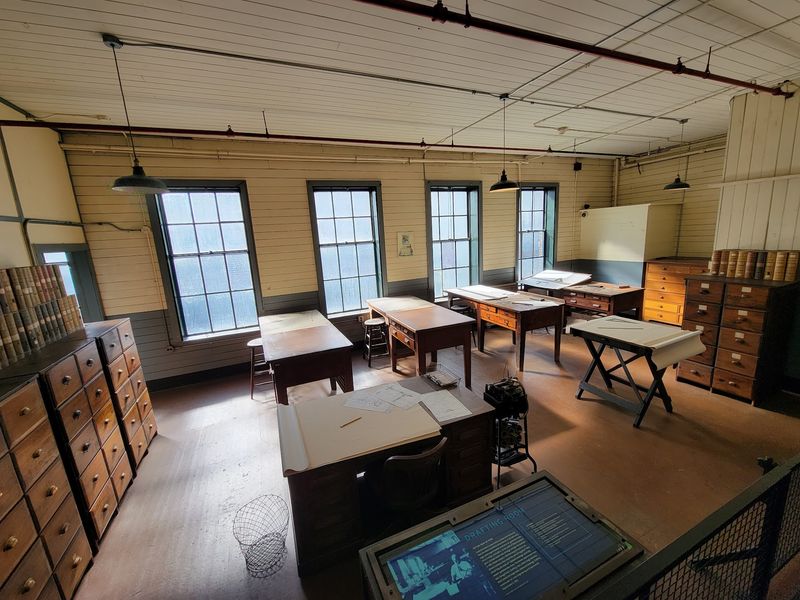
Not every important room contains a large machine. The drafting and photography spaces add another layer to the story, showing that planning and image-related work belonged within the laboratory’s broader activities.
The drafting room is a useful counterpoint to the workshops. Its presence invites attention to the preparation behind a physical object, even without knowing the purpose of every item on display.
Photography receives its own treatment, including an area associated with developing photographs. That detail expands the outing beyond the inventions most people already connect with Edison.
Give these rooms a fair share of your time rather than treating them as passages between larger exhibits. Their importance lies in how they broaden the definition of laboratory work.
Across the complex, different tasks needed different spaces, and these less obvious rooms help explain why the destination offers more than a collection of celebrated objects.
Chemistry as Part of the Process
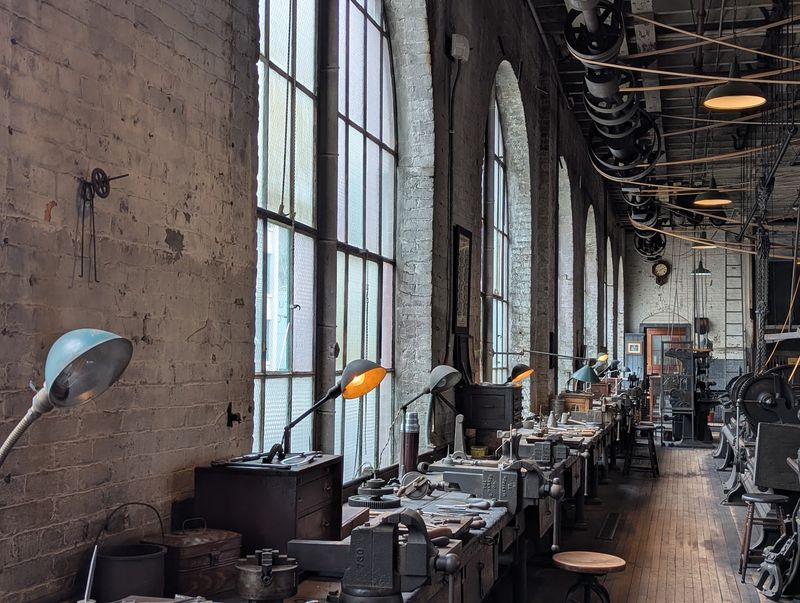
Materials mattered alongside machines, which makes the chemistry laboratory an important part of the wider story. It adds another field of work to a complex already associated with engineering and manufacturing.
Access deserves a little caution here. The supplied accounts describe the chemistry space as available on some occasions and closed on another, so it should not be treated as a guaranteed part of every visit.
When access is offered, follow the viewing arrangements provided by park staff. One account describes observing the laboratory from an end position rather than freely exploring every part of it.
A temporary closure need not undo the outing, since the main complex contains several other distinct rooms and exhibits. Still, anyone especially interested in chemistry should check current conditions before traveling.
A brief question at the entrance can help set expectations and leave more time for the areas available that day.
A Library Within the Laboratory
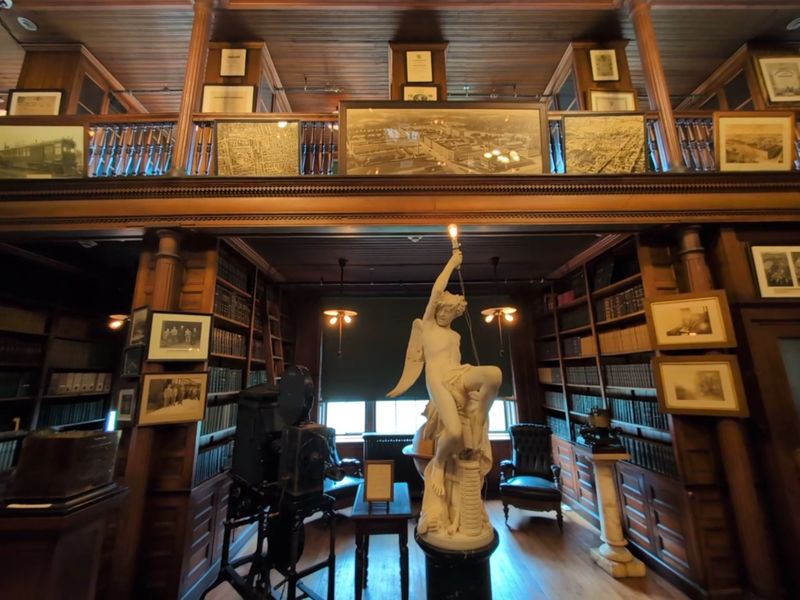
Books have a place in this story, too. Edison’s library offers a different kind of workspace within a destination whose machinery often gets the first share of attention.
The room helps connect research with the practical activities represented elsewhere in the complex. It is worth considering alongside the workshops, rather than treating it as an unrelated stop between technical exhibits.
A projector and large drop-down screen are also described within the library setting. Those features introduce another connection between the inventor’s interests and the spaces used in daily work.
There is no need to accept grand claims about being first to appreciate that detail. The combination of books and projection equipment is interesting on its own.
Allow time to understand the room’s role through the interpretation available on site, and resist rushing back toward the machines. A laboratory’s less mechanical spaces can be just as revealing about its purpose.
Phonographs and the Music Room
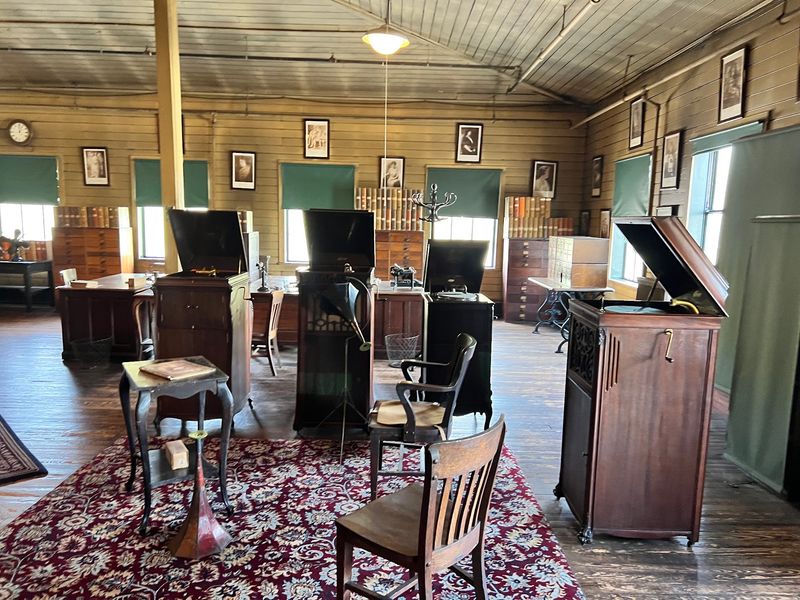
A phonograph becomes more interesting when its operation receives an explanation. The park’s phonograph exhibits and music room provide an opportunity to move beyond recognizing an old device and consider what it actually does.
Ranger and volunteer presentations have included demonstrations of the phonograph. Since the supplied information does not establish a fixed schedule, ask about that day’s opportunities rather than assuming a demonstration will happen at a particular hour.
The gallery remains a worthwhile focus for anyone interested in the history of recorded music and related technology. It also offers families a specific subject to discuss together without needing to cover every invention in the complex.
Questions about operation can make the exhibit easier to understand, especially for younger learners. A presentation, when available, adds context that static displays cannot supply by themselves.
Leave room in the day’s plan for this stop; it deserves attention beyond a quick glance.
The Black Maria Replica
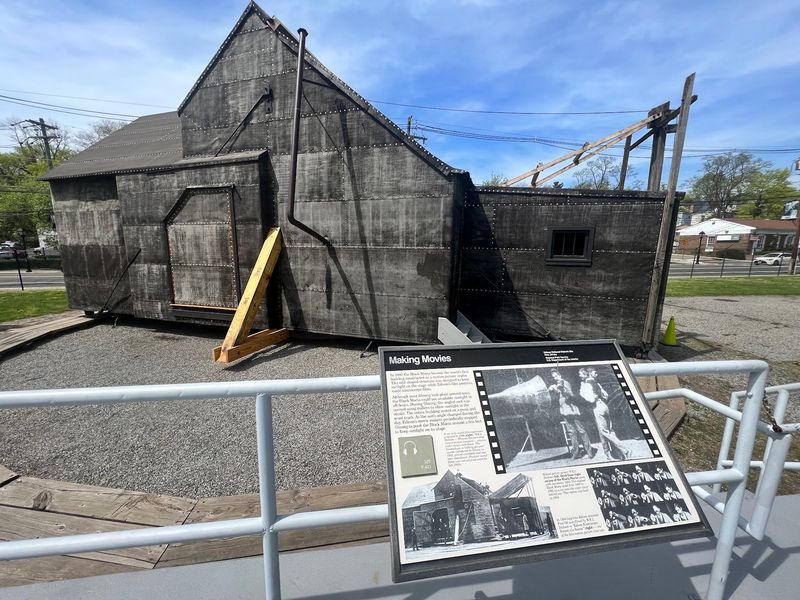
Early filmmaking gives the park another subject that may surprise people arriving with lightbulbs in mind. A replica of the Black Maria movie studio connects the laboratory visit with Edison’s involvement in motion pictures.
The distinction between an original building and a replica matters. Here, the structure is best understood as a way to interpret the early studio, not as an untouched room from the laboratory’s working years.
Films offered through the visitor center can provide additional context about Edison and his work. Their usefulness is practical: a short presentation can help connect several separate exhibits before or after exploring the rooms.
Anyone especially interested in film history should give this part of the destination deliberate attention. It broadens the story without requiring a second outing elsewhere.
Check which films and presentations are available that day, then use them to add context rather than allowing the laboratory exhibits to become disconnected facts.
The Home Beyond the Workshops
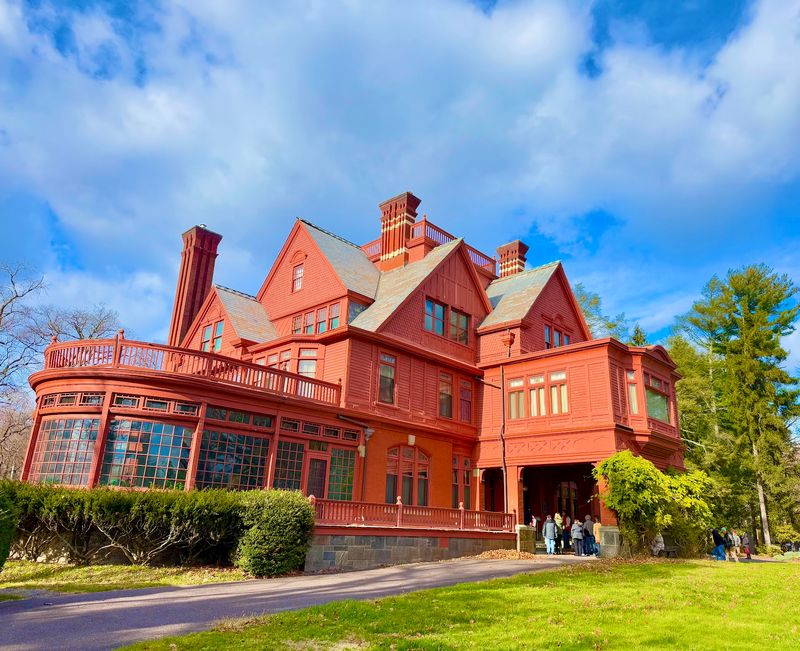
Edison’s home adds a domestic side to a destination centered on work. The park includes the house and its property, allowing the broader story to extend beyond laboratory rooms and museum exhibits.
Access is not something to assume, however. The supplied accounts describe both unavailable house access and opportunities to reserve a Glenmont house tour, so current arrangements need confirmation before making plans around it.
The residence is within a gated community, which makes arrival procedures particularly relevant. Start at the visitor center and ask about required passes and the correct approach before heading toward the house.
A film about the home has also been offered at the visitor center when an in-person visit was not possible. That option can add context, but it should not be promised as a permanent substitute.
Treat the house as a potential addition to the laboratory outing, with its own access requirements to check.
Ranger Guidance and Curious Families
A well-timed question can change how an exhibit makes sense. Knowledgeable rangers, staff, and volunteers are an important part of the experience, especially when unfamiliar equipment needs a straightforward explanation.
The park suits families, students, history enthusiasts, and people interested in older technology. Interactive exhibits and demonstrations add opportunities for learning, although the available activities should be confirmed on the day.
Children do not need to understand every technical detail for the outing to be worthwhile. A focused conversation about one invention or one machine can be more useful than trying to cover the entire complex equally.
The setting also accommodates adults who prefer to follow their own interests through a self-guided visit. Its strongest match is curiosity rather than a particular age group.
Let questions guide the pace, and give staff a chance to explain the details that labels alone may not fully answer.
Hours and Access Checks
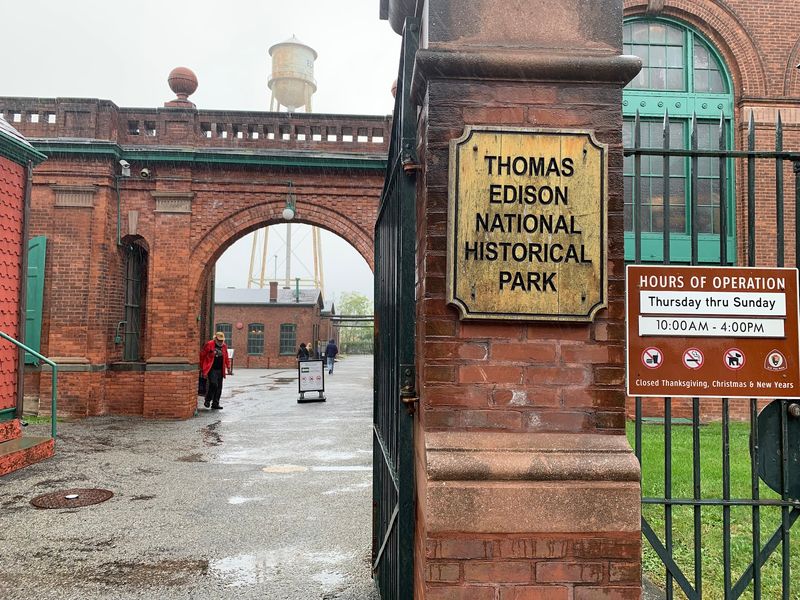
The calendar deserves a check before the trip. Supplied operating hours list 9:30 a.m. to 4:30 p.m. on Monday and Thursday through Sunday, with Tuesday and Wednesday closed.
Monday access needs special care because the accounts mention seasonal differences and conflicting listings. The official National Park Service website, nps.gov/edis, is the best place to confirm current hours before setting out.
Room access can also vary independently of the overall schedule. The chemistry laboratory and the house have not been available on every reported outing, so an open park does not necessarily mean every area is accessible.
Mobility planning deserves equal attention. An elevator serves the second and third floors of the main building, but an outage is documented in the supplied information.
Ask about its current operation if upper-floor access matters to your group. A few advance checks can prevent an otherwise manageable outing from becoming unexpectedly limited.
Admission and the Right Starting Point
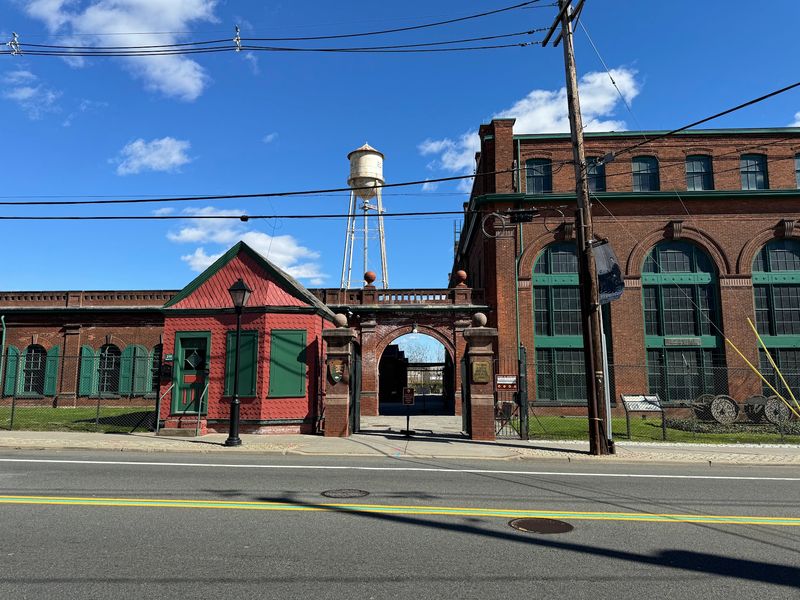
A navigation app should not decide the entire arrival plan. The supplied accounts warn that directions can lead toward Edison’s residence when the visitor center should be the first stop.
Follow the park’s signs and confirm the correct entrance before approaching the house. Staff can explain the day’s access arrangements and whether a vehicle pass is needed for that portion of the property.
Several accounts report a $15 admission charge, and one reports free admission for children under 16. Another mentions annual-pass admission, but current fees, age rules, and accepted passes should be confirmed through the official website.
Conflicting descriptions of which areas require payment make that check especially useful. Avoid planning around an assumption that the laboratory is free or that a ticket guarantees house access.
Reserve roughly two to three hours for the main outing, then leave additional flexibility if a house tour is available.
A Day Trip With Real Substance
The strongest reason to go is the chance to connect inventions with their working environment. Preserved rooms, historical equipment, and knowledgeable interpretation give the destination more substance than a brief stop devoted to a famous name.
It is especially rewarding for people who enjoy asking how things work. Those seeking a fast outing with little reading or historical context may want to consider whether that focus matches their interests.
Give the laboratory enough time, ask about demonstrations, and treat the house as an addition whose availability needs checking. Those simple choices make the visit easier to organize without expecting every space or activity to be offered.
New Jersey’s connection to this history is concrete: the work is represented through a preserved place, not merely a commemorative label. The park’s lasting appeal is that it makes room for curiosity, then gives that curiosity something substantial to investigate before the afternoon is over.
Share this story