You know that feeling when you follow a drumbeat down a street and end up somewhere you never planned to be? Across North Carolina, some of the most memorable afternoons start with music and the smell of something delicious drifting through the air.
In 2026, the Raleigh area had two separate Lebanese cultural festivals, each with food and dabke dancing. Here is how they compare, and what to do now that both weekends are behind us.
The Triangle Lebanese-American Center’s March festival
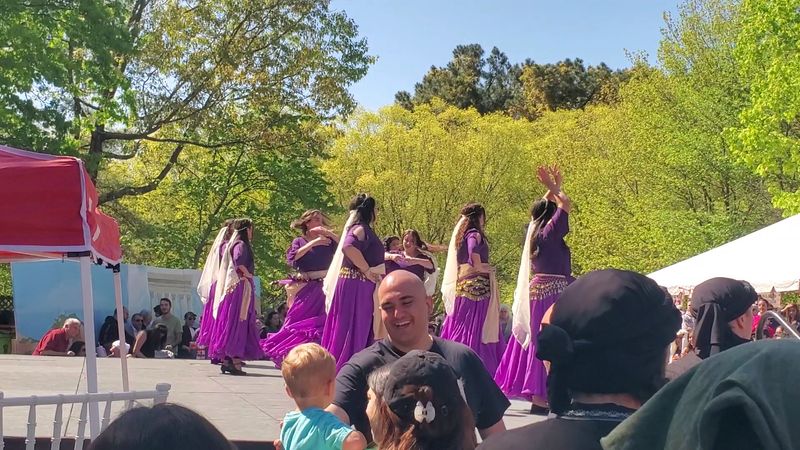
Raleigh’s main example of Lebanese cultural programming in 2026 was the Triangle Lebanese-American Center’s 26th Annual Lebanese Festival. It took place March 21-22 at 241 Horizon Drive.
The organizer advertised free admission, along with food, music, and performances by its dabke team. Family activities were part of the lineup too, so the event was pitched as something for all ages rather than just a meal out.
Spring weekends in the Piedmont are a natural fit for a gathering like this. Since the March dates have passed, think of this festival as a snapshot of what the center put together in 2026.
The center’s own festival page is the place where those details were published.
Dabke brings people into the celebration
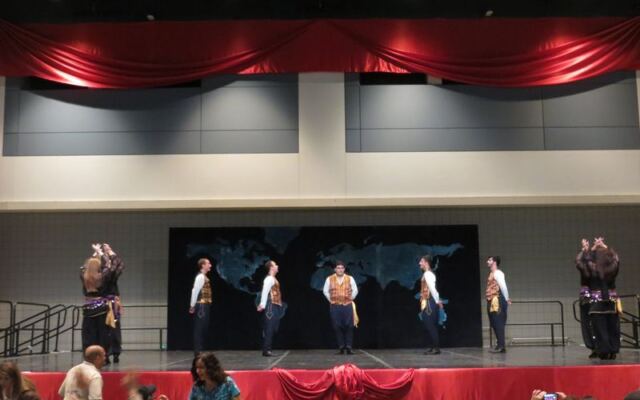
Picture a row of dancers linked together, stepping in time, with the beat getting stronger as the line moves. That is the heart of dabke, a group dance usually performed in lines or circles with synchronized steps.
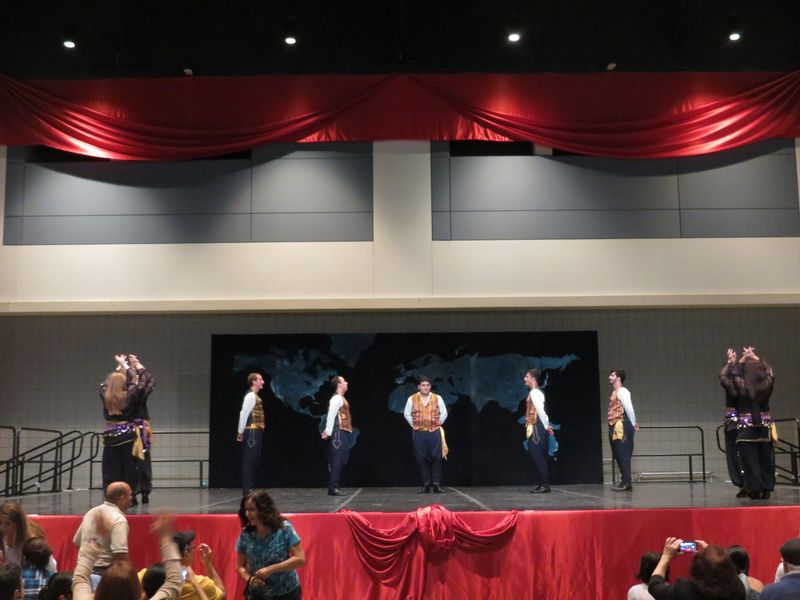
At the March festival, the organizer advertised live performances by its dabke team. That makes it Lebanese dabke presented by the Triangle Lebanese-American Center.
Still, dabke does not belong only to Lebanon. UNESCO describes Palestinian dabkeh as a social dance seen at festivals and celebrations, and a peer-reviewed study notes variations across the Levant, including Lebanese, Palestinian, Syrian, Jordanian, and Iraqi communities.
The March festival advertised Lebanese favorites
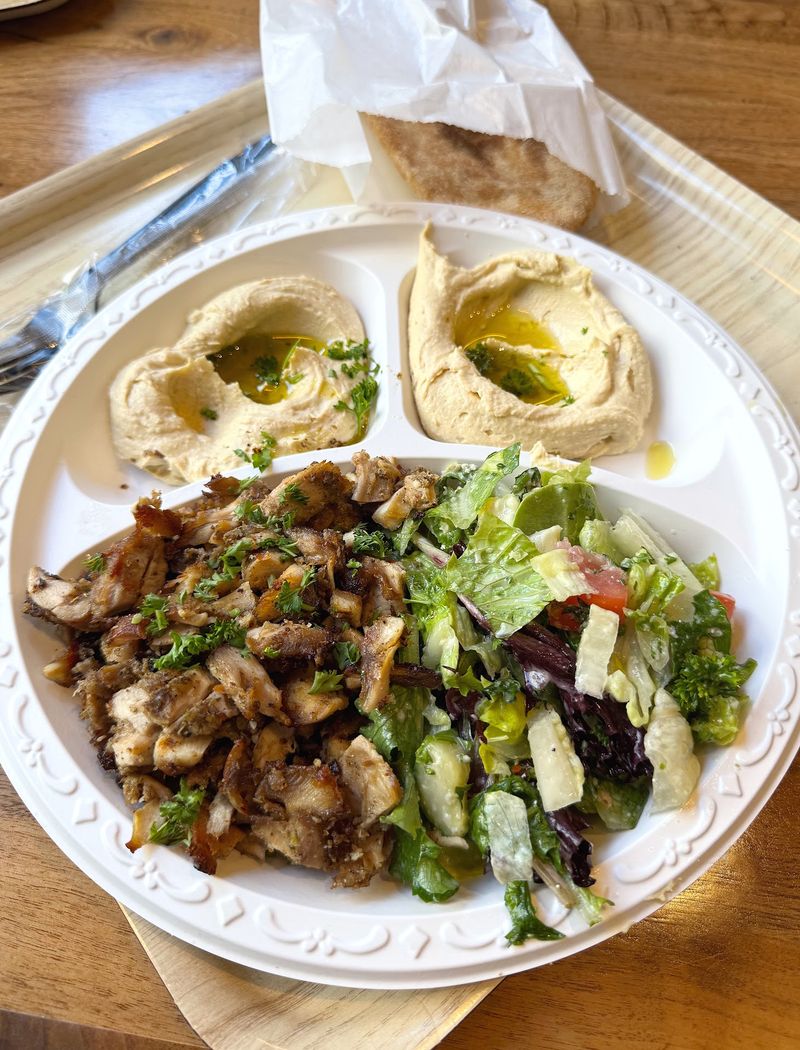
Bring an appetite, the saying goes, and the March menu gave visitors plenty to look forward to. The organizer’s listing named kibbeh, shawarma, tabbouleh, hummus, and baklava.
Those were advertised offerings, so it would be unfair to say every item was available at every moment of the weekend. The listing also did not share prices or portion details.
Along with the food, the organizer’s page promised music and performances. That mix of savory plates, sweets, and live entertainment is what made the event feel like a cultural celebration and not only a place to eat.
Free entry and food costs are different questions
Free admission is a welcome detail, but it only covers getting through the gate. The March organizer advertised free admission, yet its listing did not say food was included or give any prices.
For a comparison, look at the September event. According to Visit Raleigh’s listing, Saturday and Sunday admission to Taste of Lebanon were free, Friday’s kickoff required a ticket, and food and vendor purchases cost extra.
Those September terms belong only to that event and do not apply to the March festival. A good habit for any festival is to budget for food separately from admission.
Taste of Lebanon was a separate September event
Raleigh’s Lebanese celebrations did not share one weekend. Months after the March festival, a different event took over a different location.
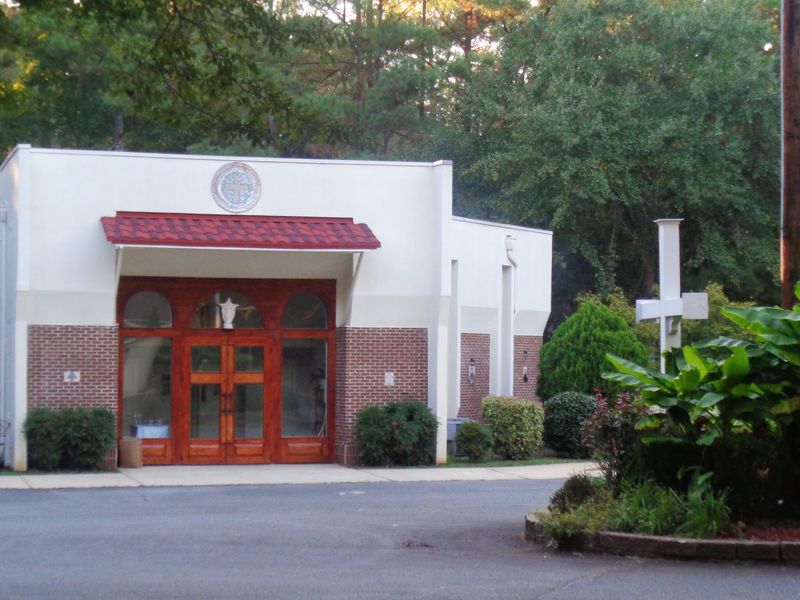
Taste of Lebanon ran September 18-20 at Saint Sharbel Maronite Catholic Church, 600 Mount Vernon Church Road. It had its own organizer and its own admission terms.
The Visit Raleigh listing mentioned Lebanese food, sweets, music, dabke and other cultural dance performances, and children’s activities. Keeping the two festivals separate helps avoid mixing up dates, venues, and details.
Both 2026 weekends have passed
Both documented festivals have already taken place, so there is nothing to attend right now. No new dates have been announced in the sources reviewed here.
If you want to catch a future celebration, check with the Triangle Lebanese-American Center and with Saint Sharbel Maronite Catholic Church. Ask about dates, venues, admission terms, and food details, since each can change from year to year.
The music was the invitation, and the plates were the reason to stay.
Share this story