The Middle Ages can seem very far away from phones, highways, and online shopping. Most people picture castles and knights, then move on.
Yet plenty of ordinary habits we follow each week took shape between roughly 500 and 1500. Some started as fixes for practical problems, like crowded villages, growing towns, or a lack of clocks.
Others grew out of church rules, new schools, and busy trading centers. A few have older roots in Rome or Greece, but medieval Europe reshaped them into the forms we know.
That is the surprising part. Many things that feel modern are really centuries old with a fresh coat of paint.
The way you sign your name, the way couples marry, and even the way students sit through class all carry medieval fingerprints. So do certain snacks, shop signs, and holiday habits.
In the sections below, you will find fifteen customs with clear links to medieval life. Each one includes real dates, documented changes, and a few fun details you can share at dinner.
By the end, you may notice the Middle Ages hiding in places you never expected, from your wallet to your weekend plans.
1. Using Surnames
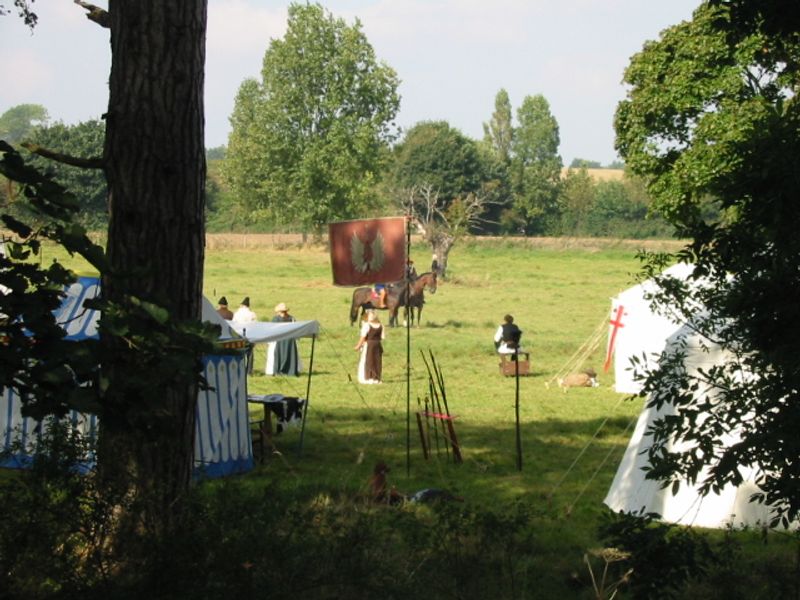
Picture a village with six men named John and one very confused tax collector. Medieval communities faced exactly this headache as populations grew after about 1000.
Records for land, church, and taxes needed clearer labels. So people picked up extra names tied to jobs, places, fathers, or looks.
A smith became John Smith. A man near a slope became John Hill.
The son of William might turn into Williamson, while a redhead could end up as Reed.
At first, these extra names often changed from one generation to the next. Over time, many became fixed and passed from parents to children.
In England, the shift picked up speed after the Norman Conquest of 1066. Different regions moved at different speeds, but by the late Middle Ages, hereditary surnames were common across much of Europe.
Your last name may be a tiny job title from 700 years ago.
2. Gathering at Weekly Markets
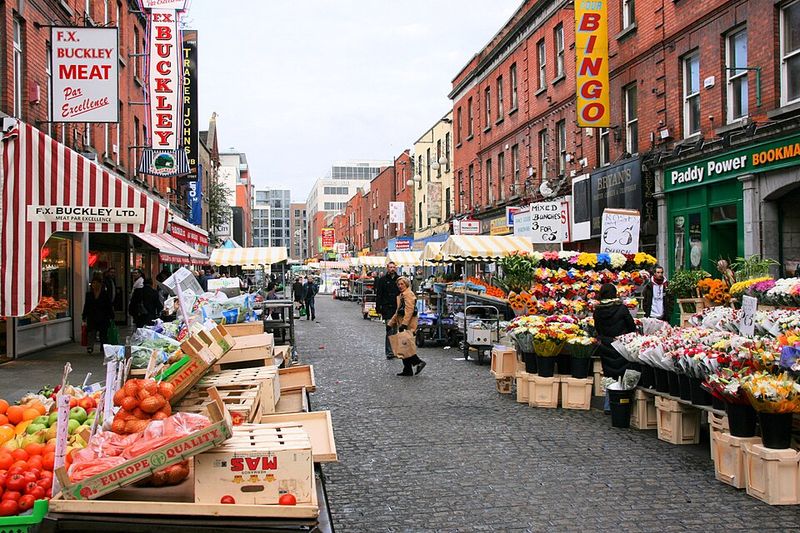
Saturday shopping at the farmers market is not a new trend. A medieval shopper would know exactly what to do.
Markets sat at the center of medieval European economic life. Towns held them on fixed days, often once or twice a week.
The right to host a market usually came from a king, lord, or bishop. In England, thousands of market charters were granted between 1200 and 1350.
Those charters mattered. A steady crowd of buyers brought money, visitors, and growth, so towns competed to win them.
Farmers brought eggs and grain. Merchants sold cloth, tools, and pots.
Neighbors swapped news while they shopped.
Many English towns still carry the history in their names. Market Harborough and Chipping Norton both point to trade, since chipping comes from an old word for market.
Some still hold markets on the same weekday.
3. Identifying Businesses With Hanging Signs
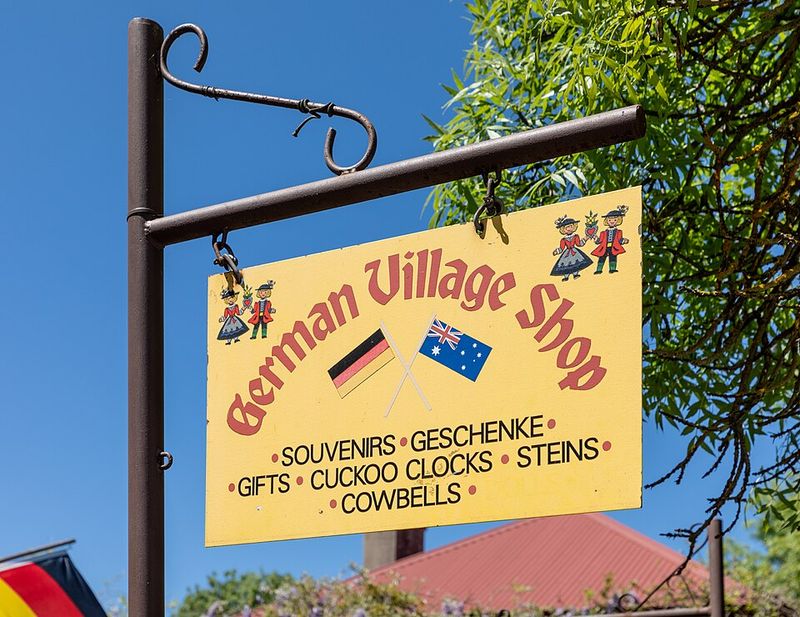
Reading a shop name requires reading, which most medieval people could not do. Pictures handled the job instead.
Tradespeople hung signs showing simple images. A cobbler displayed a shoe.
A baker showed a loaf. A barber-surgeon used a striped pole or a painted arm.
Inns leaned on bold symbols such as animals, crowns, and coats of arms. In 1393, King Richard II made signs required for alehouses in England so officials could find and inspect them.
Many British pub names come straight from that rule. The Red Lion, White Hart, King’s Head, and Rose and Crown all began as easy-to-spot pictures.
The White Hart even links to Richard II himself, since it was his personal badge.
Modern logos follow the same logic. Make a business recognizable in one quick look, no reading needed.
4. Attending a University Lecture
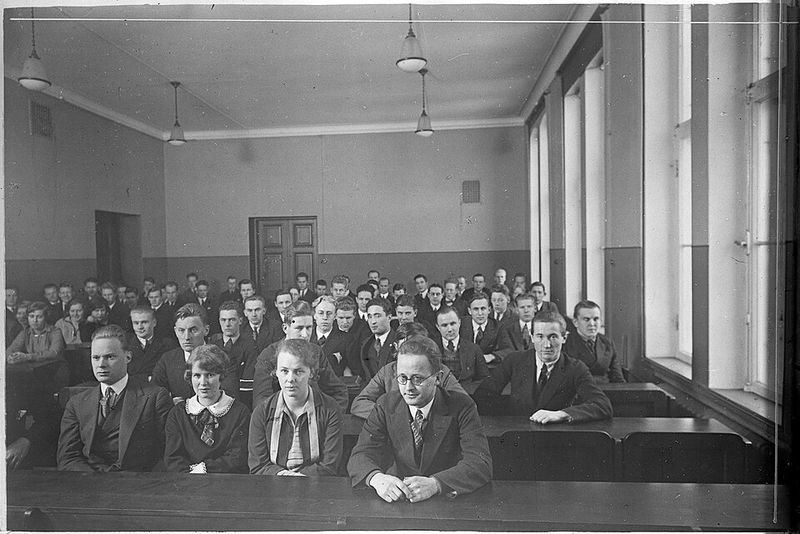
Students yawning through a morning lecture are following a tradition roughly 900 years old.
Europe’s first universities appeared during the Middle Ages. Bologna dates to 1088, Paris grew in the late 1100s, and Oxford was teaching by around 1200.
The word lecture comes from the Latin lectura, meaning a reading. That name describes the method perfectly.
Books were copied by hand and cost a fortune. A single volume could be worth as much as a small house.
So the teacher read the text aloud and explained it line by line. Students listened, wrote notes on wax tablets, and argued over questions in formal debates.
Many students started around age 14 or 15, younger than today’s freshmen.
Campus life has changed completely. Still, one person explaining a subject to a crowded room remains the core of higher education.
5. Earning Recognizable University Degrees

Diplomas on office walls owe a lot to medieval scholars. Universities needed a way to show who had truly mastered a subject.
The answer was a set of degrees. A bachelor’s marked an early stage of study, a bit like an advanced trainee.
The master’s came next. It was essentially a license to teach, and the word comes from the Latin magister, meaning teacher.
Doctorates topped the ladder in fields such as law, medicine, and theology. Earning one could take more than a decade.
Graduation clothing has medieval roots too. Many scholars were clerics who wore long robes, and hoods helped in chilly buildings.
Over time, colors and styles began to show a person’s school and level. That is why caps and gowns look so formal.
Those robes are basically 800-year-old school uniforms.
6. Organizing Trades Through Professional Associations
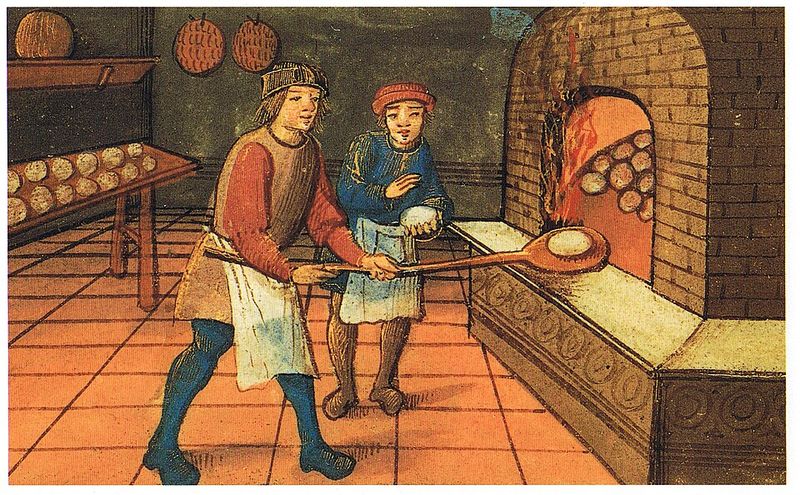
Want to bake bread for money in a medieval town? You probably had to join the bakers’ guild first.
Guilds grew strong across Europe from about the 11th to the 16th centuries. Each one gathered workers from a single trade, such as weavers, goldsmiths, or masons.
They set rules on quality, prices, training, and who could open a shop. Some held near-total control over their trade in a town.
Members also helped one another. Guilds supported sick workers, paid for festivals, and sponsored religious plays.
Advancement had clear steps. A worker began as an apprentice, became a journeyman, and could become a master after proving skill.
That proof was sometimes a special project called a masterpiece. Yes, the word started there.
Today’s licensing boards and trade associations carry the same goal of setting standards for skilled work.
7. Using Apprenticeships to Learn a Trade
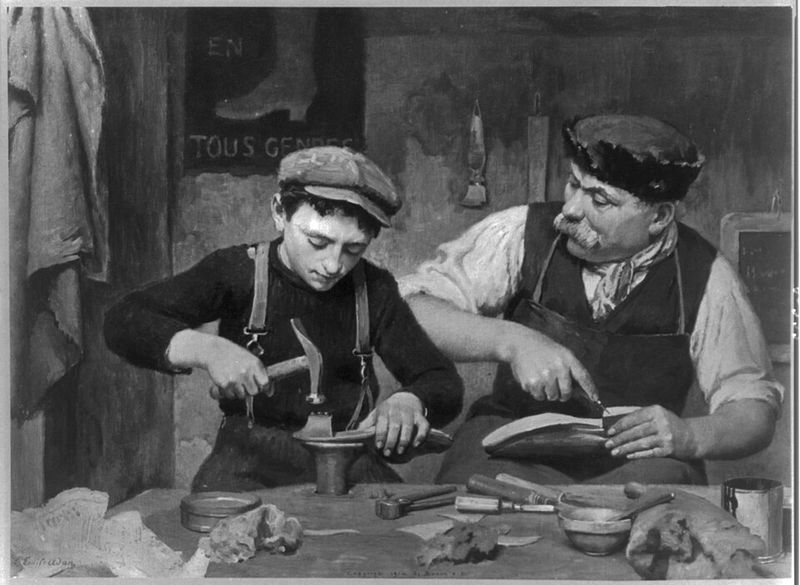
Some skills simply cannot be learned from a book. Medieval craftspeople built an entire training system around that idea.
Young apprentices, often around 12 to 14 years old, moved into a master’s home or workshop. Many stayed for seven years.
The deal was spelled out in a written contract called an indenture. The master gave food, housing, and training, while the apprentice worked for little or no pay.
Days started with simple chores. Over time, the apprentice moved on to real tasks, learning by watching, helping, and repeating.
Rules could be strict. Some contracts banned apprentices from gambling, marrying, or leaving without permission.
Modern apprenticeships look friendlier, with wages and set hours. Electricians, plumbers, and welders still train this way in many countries.
The core lesson has not changed at all. Skilled work is best learned beside someone who already knows it well.
8. Letting Bells Organize the Day
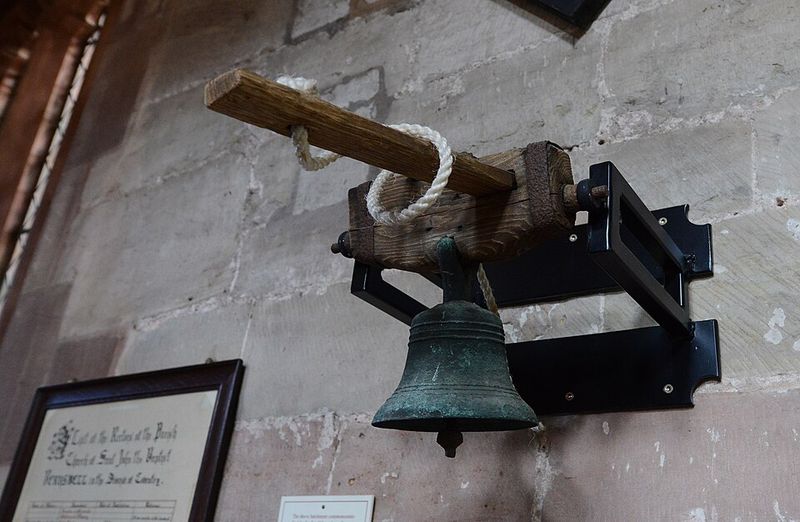
Long before phone alarms, a whole town ran on a single schedule. Church bells set that schedule.
Monasteries rang bells for prayer times known as the canonical hours. Towns soon used them for daily life as well.
Bells announced when markets opened, when work ended, and when evening curfew began. They also marked feast days, weddings, and emergencies.
Mechanical clocks arrived in European towers in the late 1200s and early 1300s. Many early versions had no face at all and simply struck a bell each hour.
The word clock may even trace back to old words for bell, such as the Latin clocca.
Personal watches did not become common until much later. Before then, time was shared by everyone in earshot.
School bells and factory whistles kept that idea going. A single signal still tells many people what to do next.
9. Celebrating With Elaborately Decorated Cakes
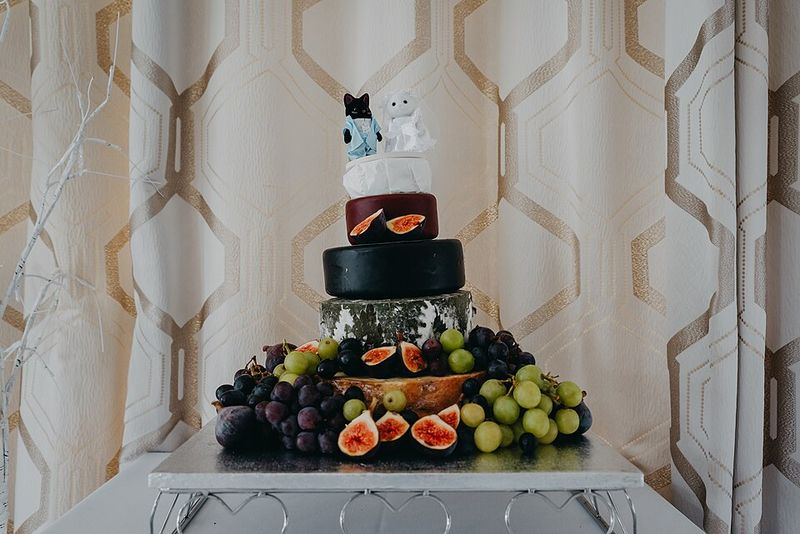
Medieval wedding guests did not get frosted layer cakes. They got something stranger and more fun.
In medieval England, guests sometimes piled spiced buns into a tall stack. The couple tried to share a kiss over the top without knocking it down.
Success supposedly meant good fortune. A tumble probably meant a lot of laughing.
Wealthy feasts also featured showpiece foods called subtleties. These were sculpted displays made of sugar, marzipan, or pastry, sometimes shaped like castles or animals.
Sugar was rare and very costly. Many people treated it like a spice or even a medicine, so sweet decorations showed off serious wealth.
Tiered cakes with white icing developed centuries later, once sugar became cheaper.
The medieval habit still holds, though. Big occasions call for special food that looks different from an ordinary meal.
10. Eating Pretzels

Few snacks come with as many legends as the humble twisted pretzel.
One popular story says European monks invented it around the 600s. They supposedly shaped dough to look like arms crossed in prayer and handed the treats to children who learned their lessons.
Historians treat that tale with caution, since early records are thin. The possible Latin roots, bracellae meaning little arms, fit the story nicely, though.
The firmer facts are still impressive. Pretzel-shaped breads appear in European art and records by the 12th century.
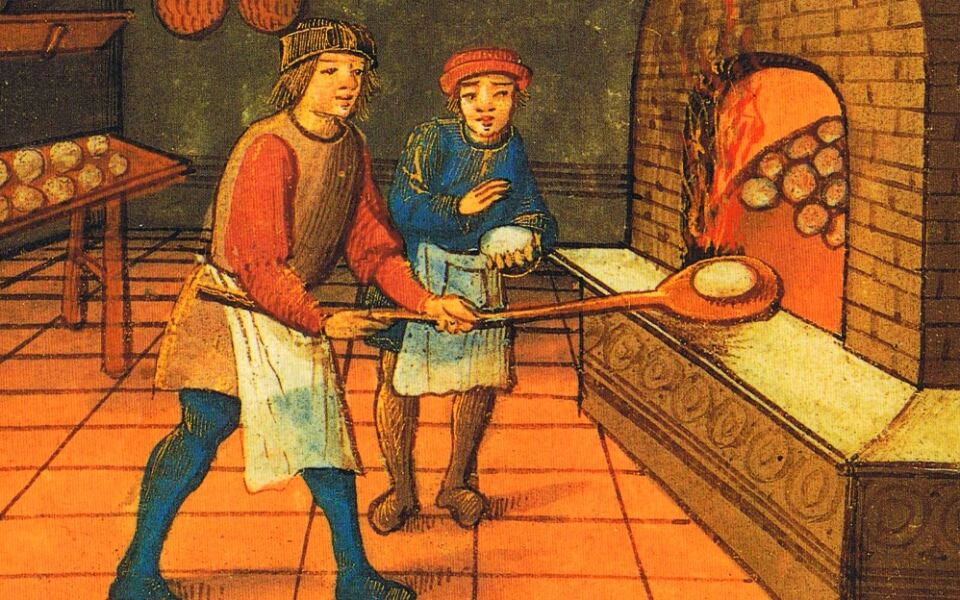
German-speaking bakers adopted the shape as a symbol, and some bakers’ guilds used it on their signs.
Simple ingredients helped too. Made from flour, water, and salt, pretzels fit the strict fasting rules of Lent.
German immigrants later brought them to America, where Pennsylvania became a pretzel capital.
11. Giving Gifts at Christmas
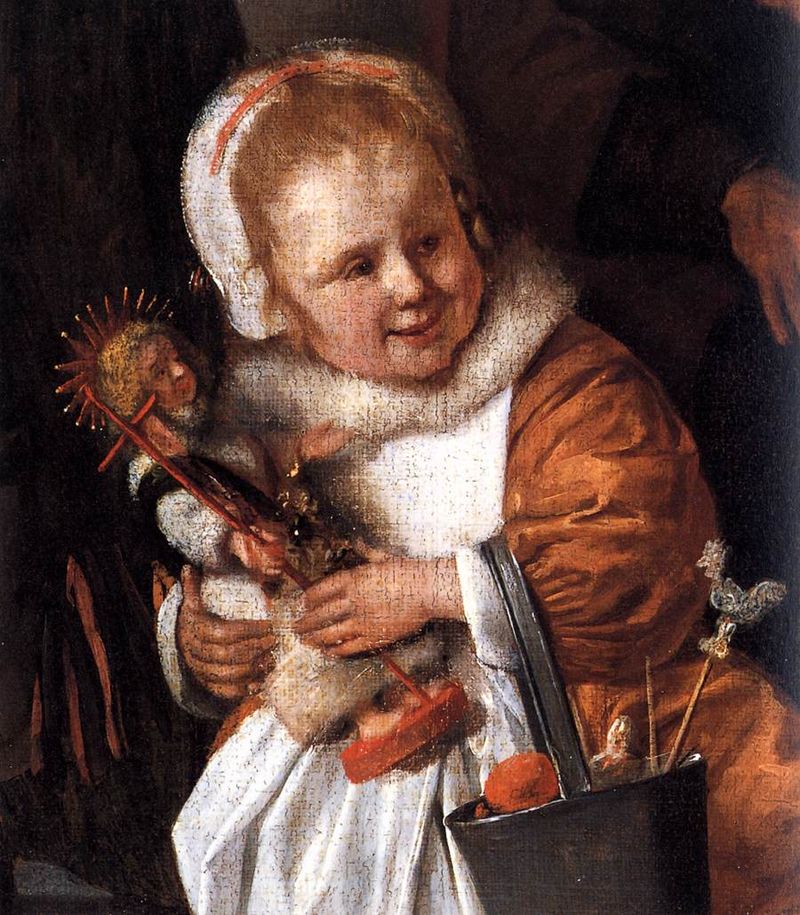
Ancient Romans swapped presents during Saturnalia, a December festival, centuries before Christmas existed. Medieval Europe took that older winter habit and gave it new meaning.
Gift giving in the Middle Ages followed several paths. Churches stressed charity to the poor during the holy season.
Kings handed out rewards to loyal followers. In England, royal New Year gifts became a major tradition at court.
Saint Nicholas played a big part. Stories of his secret generosity made December 6, his feast day, a gift day in many regions.
So December 25 was not always the main event. Depending on the place, presents arrived on Saint Nicholas Day, New Year’s, or Epiphany in January.
Wrapped boxes under a tree came much later. Still, the idea that the season means generosity and shared meals would make perfect sense to a medieval family.
12. Shaking Hands to Seal an Agreement

Long before contracts filled entire folders, a pair of hands could close a deal.
The gesture is ancient. Assyrian carvings from the 9th century BC and Greek art from the 5th century BC both show hand-clasping.
Medieval Europe gave hands huge meaning. In a ceremony called homage, a vassal placed his hands between his lord’s hands to pledge loyalty.
Merchants used a clasp to finish sales. Rival parties joined hands to show peace after a dispute.
A popular theory says an open right hand proved no one held a weapon. Historians cannot confirm it, but the idea of trust fits.
The casual greeting came later. In the 1600s, Quakers favored handshakes over bows because they treated everyone as equals.
Today, a firm shake still closes interviews, games, and business deals.
13. Saying the Banns Before a Wedding
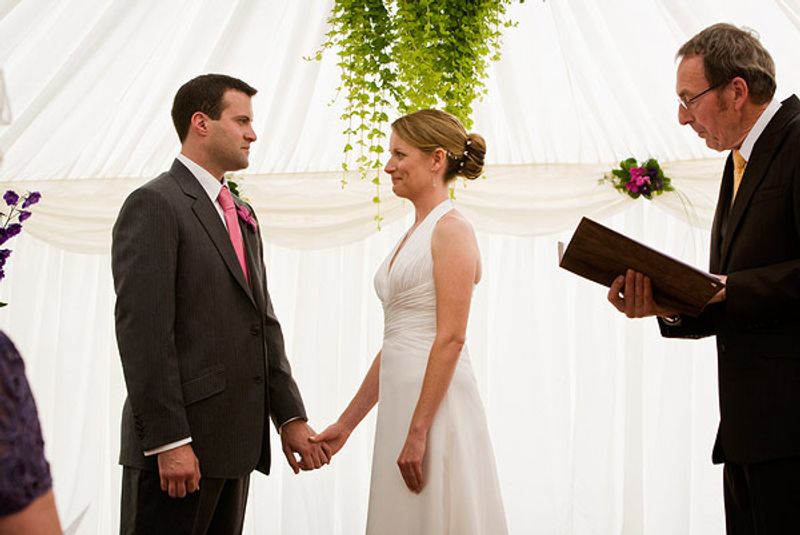
Secret weddings caused real trouble in medieval Europe. Couples sometimes married quietly, and later nobody could prove what had happened.
The Church wanted order. At the Fourth Lateran Council in 1215, leaders formalized a rule that upcoming marriages had to be announced in public.
These announcements were called banns. A priest usually read the couple’s names in church on three Sundays in a row before the wedding.
Anyone who knew a valid reason the marriage should not happen had time to speak up. Common reasons included close family ties or an existing spouse somewhere else.
Some Christian churches still read banns today, especially in England. Couples there can even see their names posted on a church notice board.
That famous movie moment, when the officiant asks if anyone objects, comes from the same idea. Marriage was meant to be a public promise.
14. Wearing a Wedding Ring on the Ring Finger
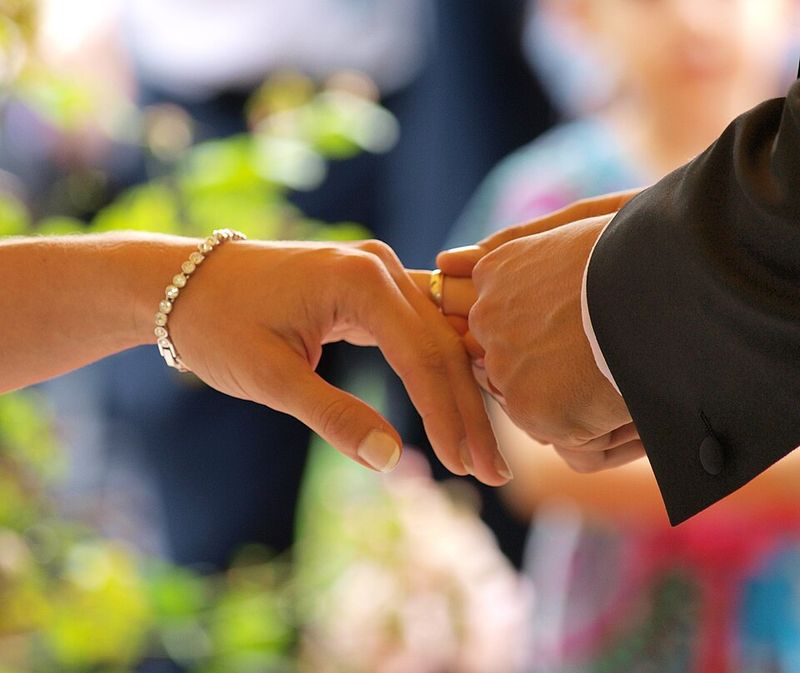
Credit for the wedding ring belongs to several cultures, not just one. Ancient Egyptians and Romans used rings tied to marriage long before any castle was built.
Medieval Christianity, however, made the ring a central part of the European wedding ceremony. After the Church treated marriage as a sacrament in the 12th century, ring giving became a standard ritual in many places.
The circle carried a clear message. With no start and no end, it stood for a lasting bond.
The fourth finger choice traces back to a Roman idea called the vena amoris, or vein of love. People believed it ran straight to the heart.
Science later disagreed, but the custom stuck.
Hands still vary today. Many Americans wear rings on the left, while couples in Germany, Norway, and India often choose the right.
15. Calling Someone Mr. or Mrs.
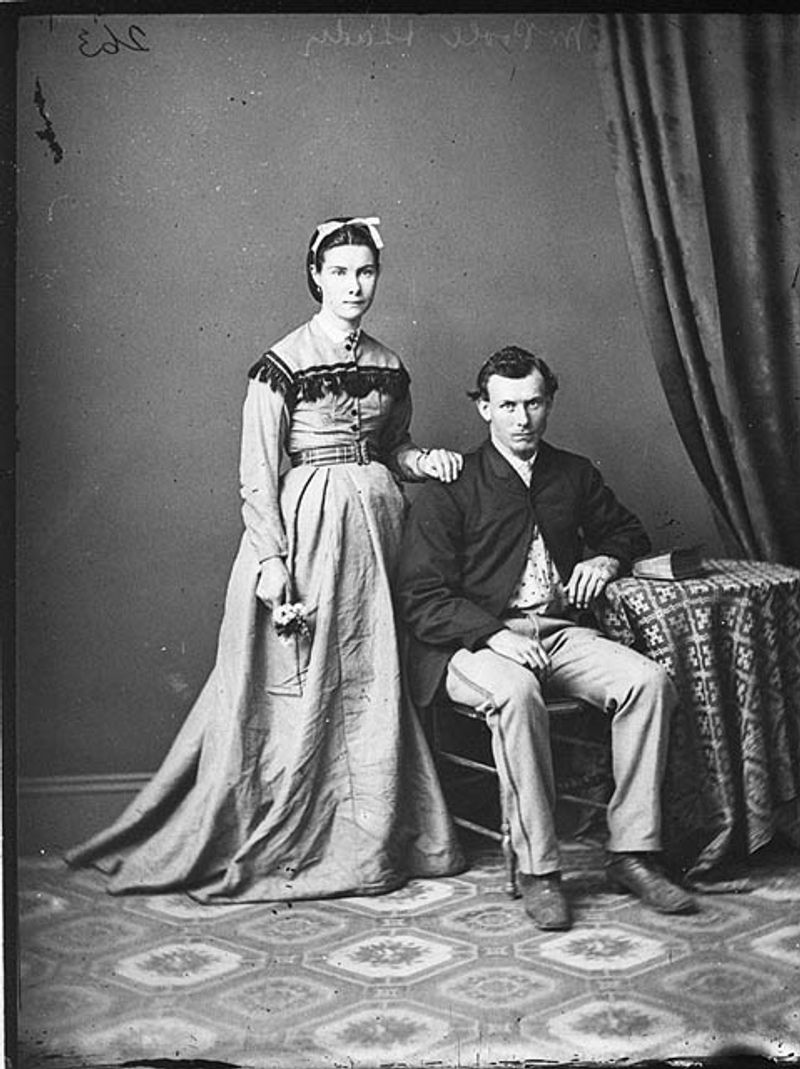
Two tiny abbreviations carry a surprising amount of history. Mr. comes from master, and Mrs. comes from mistress.
In medieval England, both words meant much more than they do now. A master might head a household, run a workshop, or hold a recognized skill.
Mistress described a woman with authority. She could manage a large home, oversee servants, run a business, or teach.
Over the centuries, these long titles shrank into short forms placed before names. Pronunciation changed too, which is why Mrs. sounds nothing like its spelling suggests.
Meanings drifted as well. Mistress later picked up other uses, while Mrs. became tied to married women.
Miss and Ms. branched off even later.
Fun fact: master also survives in university degrees. A master’s degree once meant you were qualified to teach, the same respect the old title implied.
Share this story