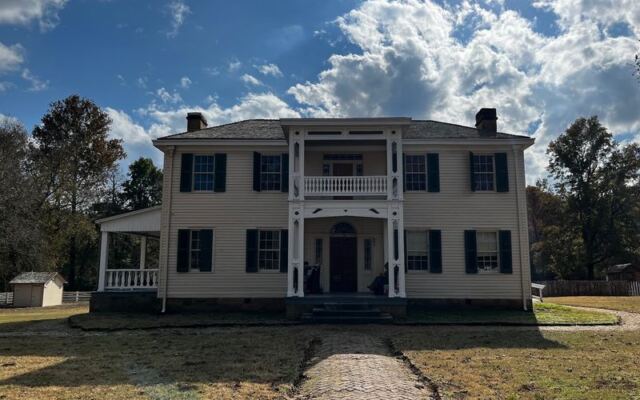
Some of the best surprises in Oklahoma show up at the end of a quiet country road you almost skipped. I came looking for a quick stop and a little history, and I left two hours later with my head full of stories, sheep, and old walnut trees.
Tucked into the green hills of northeast Oklahoma sits a white-columned house that has no twin anywhere else in the state. If you love places that feel hidden, honest, and full of surprises, this one deserves a spot on your next road trip.
A White-Columned Mansion off Murrell Road
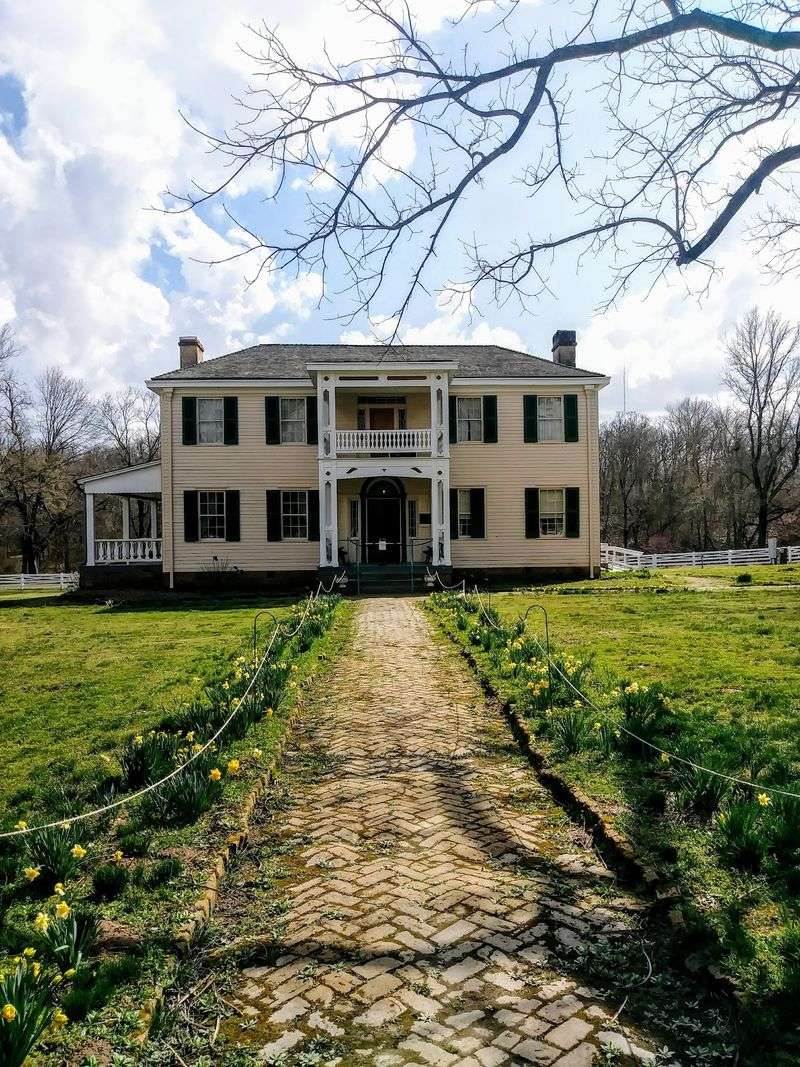
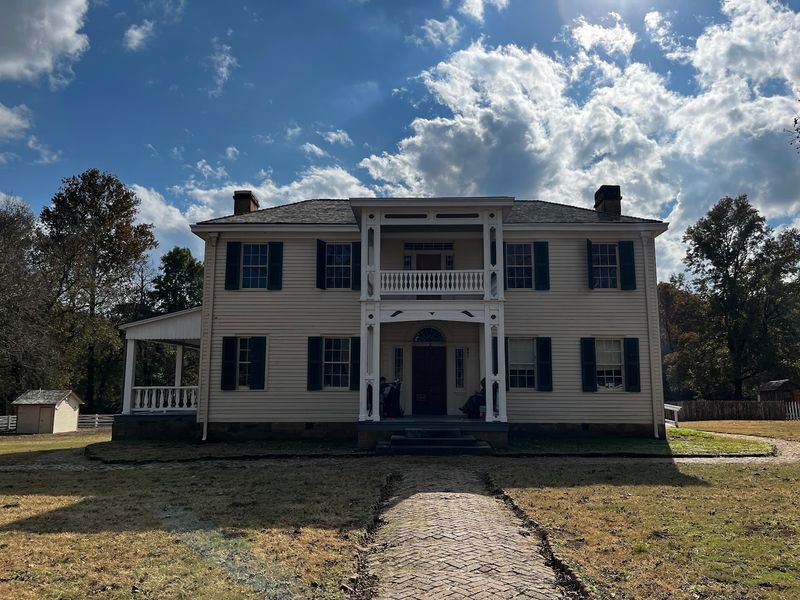
Picture a stately white house rising out of the rolling countryside near Tahlequah, and you have Hunter’s Home. It sits at 19479 E Murrell Rd in Park Hill, a short drive from town, on grounds that feel more like a peaceful park than a museum lot.
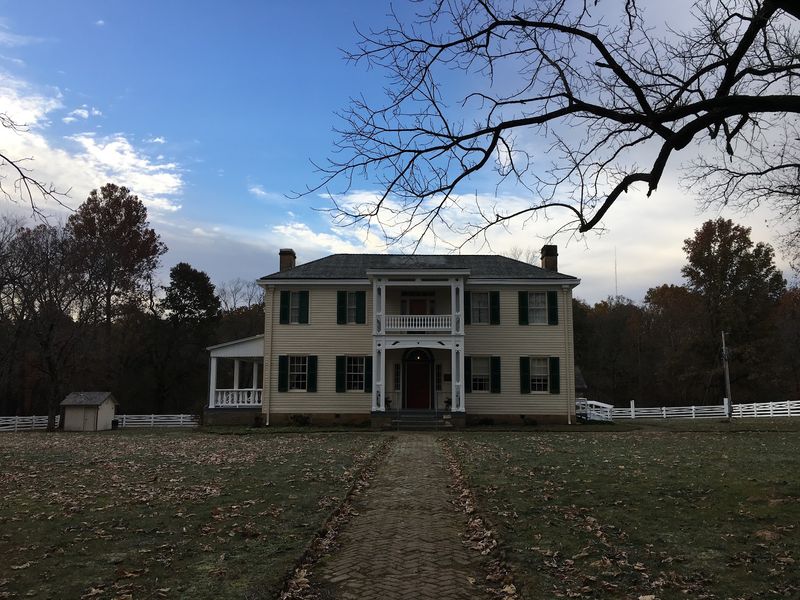
The house is a 19th-century Greek Revival plantation mansion, and it carries a title no other building in the state can claim. Hunter’s Home is widely recognized as the only remaining antebellum home in Oklahoma.
That alone makes it a rare stop for anyone curious about the state’s early days before the Civil War.
Run as a historical museum, the property includes the main house, period exhibits, several outbuildings, and wide grassy grounds. Visitors often compare the setting to the grand plantation homes of Louisiana, which is a surprising thing to find tucked into the Oklahoma hills.
First impressions tend to be strong. The columns, the quiet lawn, and the old trees create a scene that feels frozen in another century.
Even before you step inside, the place has a way of slowing your pace and making you want to look a little closer at every window and porch board.
Roots in the Cherokee Nation
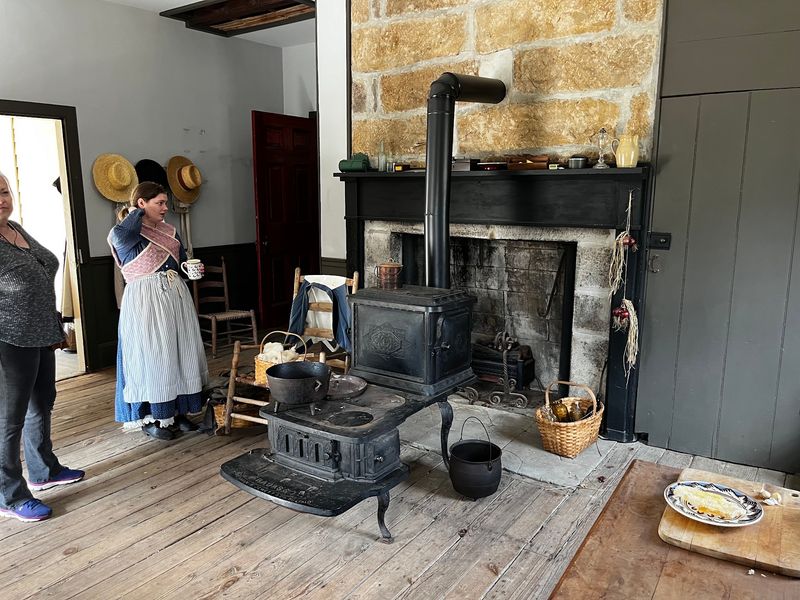
History buffs, take note: the story here is about much more than pretty architecture. Hunter’s Home is closely tied to the Cherokee Nation and to important moments in U.S. history, and guides weave those threads together during every tour.
Many guests describe the visit as a tour of a Cherokee plantation, which gives it a very different feel from antebellum sites in other states. You learn how the family lived, who owned the home, and how the property fit into the wider world of the 1800s in what is now northeast Oklahoma.
The tours also make room for harder chapters. Visitors mention hearing the stories of the enslaved people who lived and worked on the plantation, an honest part of the history that helps explain how the household actually ran.
It is told with care, and it adds real weight to the visit.
One college student even chose the home as the subject of a history project and found the staff eager to send sources and share interviews. That kind of generosity says a lot about how seriously the team treats the past.
You walk away understanding the house as a living record of a complicated time, not just a museum piece.
Original Furniture You Can Get Close To
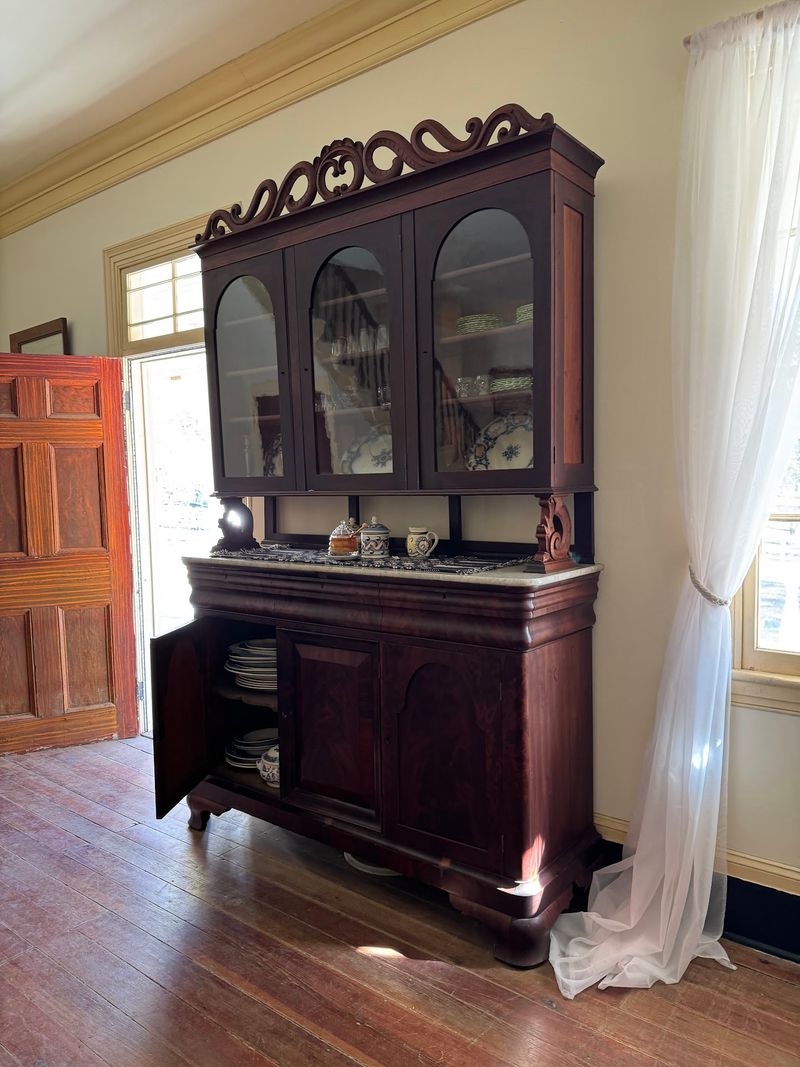
Velvet ropes? Not much of that here.
One of the most talked-about surprises inside Hunter’s Home is how close you can get to the past.
Guests who have toured plenty of old homes say this one stands apart because you can walk around rooms without barriers. In some cases you can even open cabinets and peek at the items set out on nightstands.
It feels less like viewing a display and more like visiting a family who just stepped out for the afternoon.
Then there is the furniture itself. According to one guide, about 90 percent of the furnishings are original to the home, and staff can explain who each piece belonged to and where it came from.
Hearing the history behind a dresser or a bed frame turns ordinary objects into personal clues about the people who once lived here.
Many original features of the house remain as well, so the rooms hold onto their 19th-century character. Light falls through old windows, floors creak in the right places, and the details make it easy to imagine daily life in the 1800s.
For anyone who loves antiques or simply enjoys a good story, these rooms are the heart of the tour.
Guides Who Bring the Past to Life
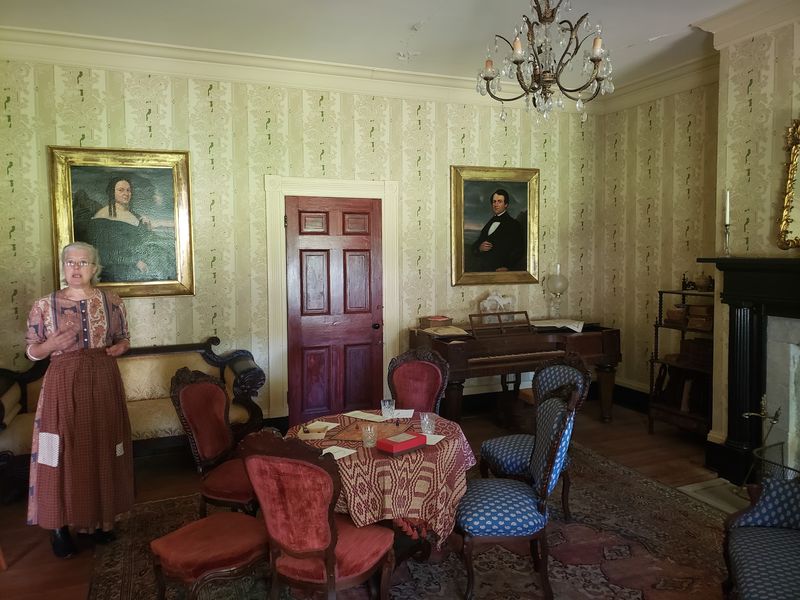
Ask almost anyone who has visited, and the guides come up within the first sentence. Knowledgeable staff and the guided tour are easily the most praised parts of a trip to Hunter’s Home.
Tours are led by people who clearly love the place. Visitors mention guides by name, like Jody, Kim, Alaina, and Seth, and describe them as warm, friendly, and packed with local history.
One guest said the knowledge ran so deep it felt like you could ask anything and get a rich answer back.
Jody in particular gets a lot of affection. Guests say he explains not only the house but how a plantation actually ran in the 1800s, and he has even worked with walnuts from the property to make bread from an original recipe belonging to a former occupant.
That hands-on approach makes the stories stick.
Pacing gets good marks too. People say tours are informative without feeling rushed or dragging.
Some families showed up not realizing it was a guided tour and ended up glad it was, since they got loads of historical notes and every question answered. You can hear the passion in the way staff talk, and it is contagious.
Living History Days and Old-Time Skills
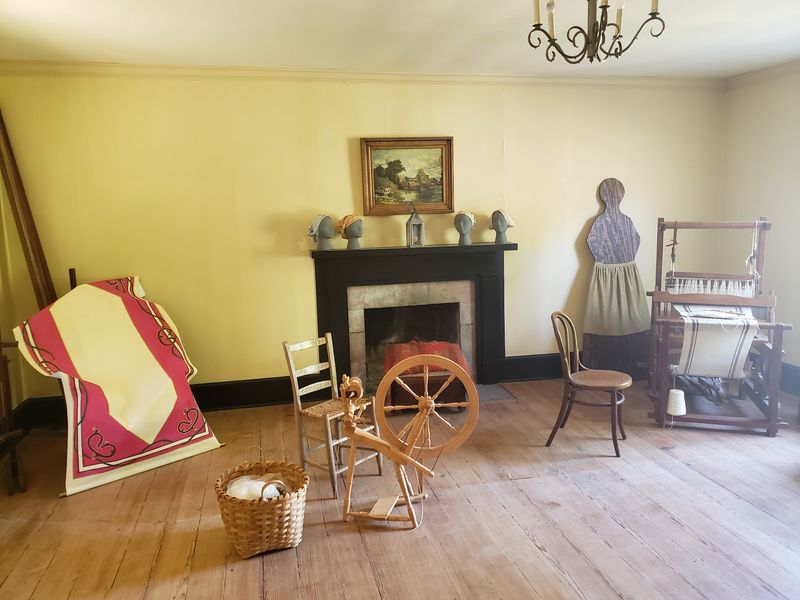
Imagine watching a sheep get sheared the old-fashioned way while standing beside a house built before the Civil War. That is the kind of moment guests describe from the Living History Days at Hunter’s Home.
During these events, people demonstrate 19th-century skills both inside and outside the house. Volunteers sometimes wear period clothing, which helps the scene feel even more real.
One visitor caught a sheep shearing and also received a personalized tour from a volunteer, which made the day feel special.
Out back, there is a little cabin where a guide explains even more about how everyday life worked back then. It is a nice contrast to the grand main house, showing a simpler side of frontier living.
Guests say the living history portion is both interesting and entertaining. One group planned on spending an hour and stayed for two, which tells you how easy it is to get pulled in.
If you can time your visit with one of these special days, it is well worth it.
Kids especially seem to light up when history moves, talks, and works with its hands right in front of them.
Heritage Turkeys, Merino Sheep, and Catalpa Trees
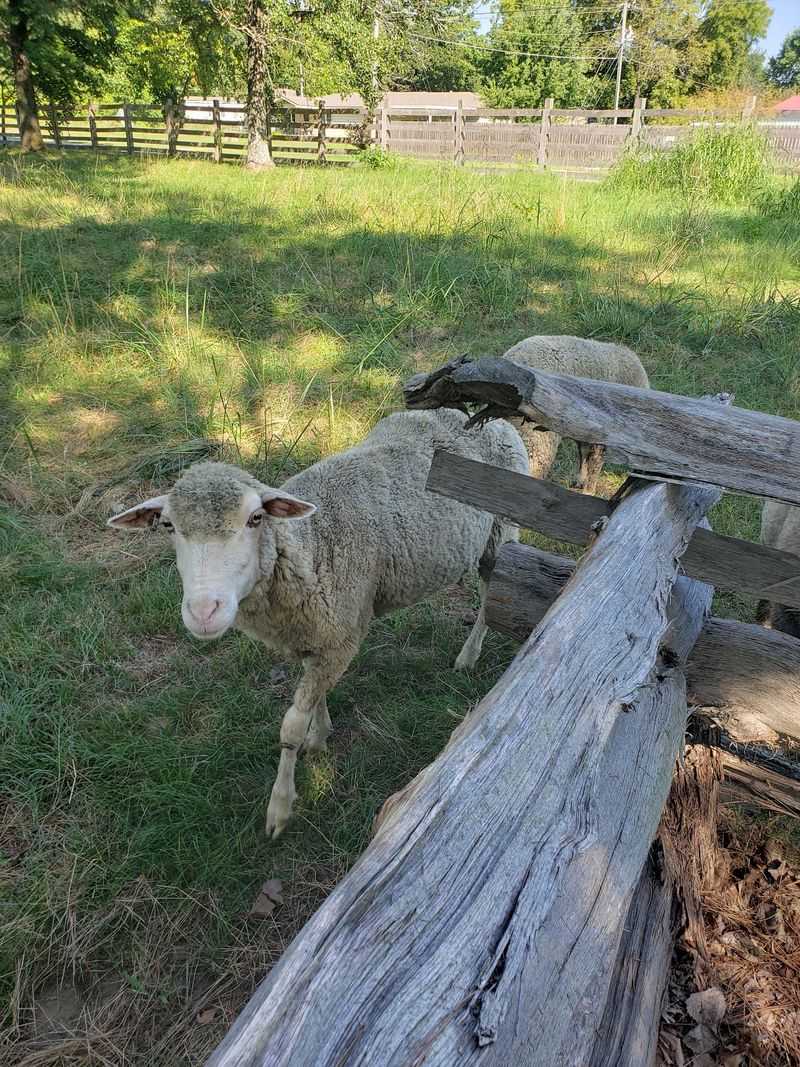
Here is a fun twist most people do not expect at a historic house museum: barnyard residents with a backstory. Hunter’s Home has been bringing in heritage breeds of farm animals to match the history of the site.
Visitors have spotted rare heritage turkeys, hens, and merino sheep roaming the grounds. These are not random petting-zoo picks.
The goal is to show animals with real historical significance, the kind a 19th-century plantation might actually have kept.
Guides sometimes take time to point out the catalpa trees on the property too. With their big, broad leaves, they are easy to remember once you know to look for them.
Little details like these make the visit feel personal and immersive rather than a quick walk-through.
Guests say it is fascinating to see these breeds return to the property, and it adds a sense of life to the grounds. You hear the hens, watch the sheep graze, and suddenly the old farm feels busy again.
Did you know? Merino sheep are famous for their fine wool, which makes those shearing demonstrations on Living History Days even more fitting.
It is a small connection that ties the animals right back to the stories inside.
The Spring House, Gardens, and Grounds
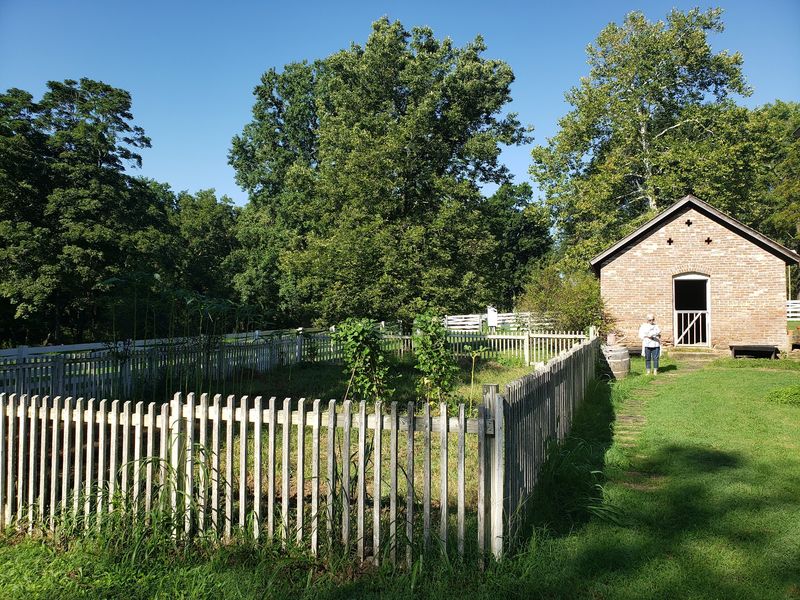
Step off the porch and keep exploring, because the land around Hunter’s Home is a big part of its charm. Beautiful grounds come up again and again when people describe their visits.
After the house tour, you are free to stroll the property and check out the spring house and the gardens. The spring house is a favorite stop and a neat reminder of how families kept things cool long before refrigerators.
Several historic outbuildings dot the landscape too.
A nice walking trail winds through the property, making it easy to stretch your legs and soak in the quiet. On hot days, some visitors tour the house first and come back another time just to wander the grounds at an easier pace.
Exciting changes are underway as well. Staff have shared plans to make the site even better, including an apple orchard, heirloom plants in the garden, and more historically significant animals.
Returning guests say the restoration work is grand and wonderful to see.
That sense of growth gives the place an energy many museums lack. Each visit may look a little different, which is a good reason to come back more than once.
Room to Roam for Families and Curious Minds
Got little ones who usually groan at the word museum? Hunter’s Home might change their minds.
Parents say it is a great place to show kids a real historic site and teach a bit of history along the way.
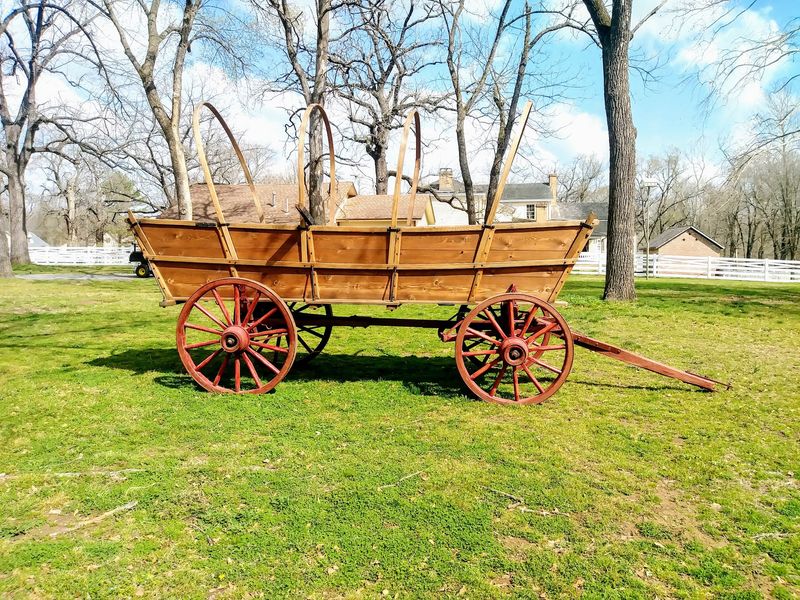
The grounds include areas to picnic and a play area for children, so you can turn the trip into a relaxed half day. Pack a lunch, let the kids burn off energy, then head over for the tour.
Outdoor signs help too. One visitor shared that her 4-year-old nephew pointed at the pictures on the signs, explored, and asked questions, even on a day when the inside of the house was closed.
That is a solid sign the grounds alone can hold young attention.
Adults get plenty out of it as well. History lovers, antique fans, and road-trippers chasing Oklahoma’s lesser-known corners will all find something to enjoy.
The atmosphere is calm, welcoming, and unhurried.
Moms bringing daughters, couples on a day out, and students working on projects have all found the staff happy to answer questions. It is the kind of stop where every age group leaves with a story to share in the car.
Hours, Contact Info, and Planning Tips
Before you load up the car, a little planning goes a long way. Hunter’s Home is open Tuesday through Saturday from 9 AM to 4:30 PM, and it is closed on Sundays and Mondays.
You will find it at 19479 E Murrell Rd, Park Hill, OK 74451, close to Tahlequah in northeast Oklahoma. For questions about tours or special events, call 918-456-2751.
The site is managed through the Oklahoma Historical Society, and its page at okhistory.org/sites/huntershome is the best spot to check for updates like Living History Days.
Give yourself more time than you think. Guests often expect to finish in about an hour and end up staying two, especially once they start exploring outbuildings and the cabin out back.
Weather matters too. Summer afternoons can get hot, so plan your grounds walk for a cooler part of the day or save it for a return trip.
Comfortable shoes are a smart choice for the walking trail.
Arriving earlier in the day leaves room for the full house tour, a stroll to the spring house, and maybe a picnic. Since tours are guided, coming with a few questions ready makes the experience even richer.
Why This Oklahoma Gem Earns a Detour
Plenty of road trip stops fade from memory by the next exit. Hunter’s Home tends to stick around a lot longer than that.
Part of the magic is its rarity, since it is the only remaining antebellum home in Oklahoma. Yet the real reason people leave smiling is the mix of everything else: original furniture you can see up close, guides who share stories with real warmth, heritage animals on the lawn, and grounds that invite a slow afternoon.
Visitors call it a historical gem, a must-see in the Tahlequah area, and in some cases the highlight of their whole trip. Many say they would happily come back, especially as the orchard, gardens, and restoration projects keep growing.
It also tells a fuller, more honest version of the past, connecting the house to the Cherokee Nation and to the lives of everyone who lived and worked there. That depth makes it more than a pretty building.
If you find yourself in northeast Oklahoma on a weekday or Saturday, set aside a couple of hours and follow Murrell Road. You might arrive expecting a quick look and leave feeling like you stepped through a doorway into another century.
Share this story