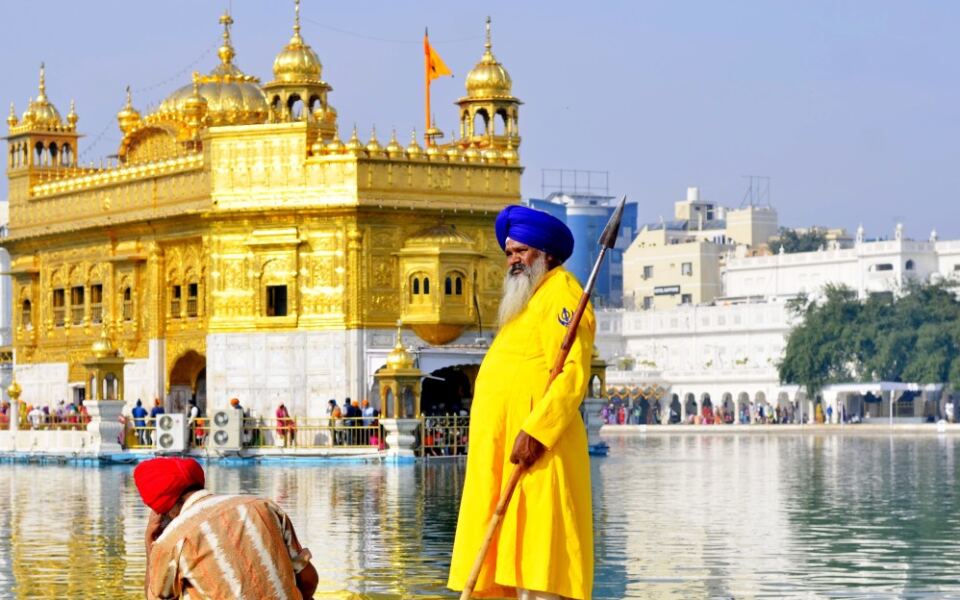
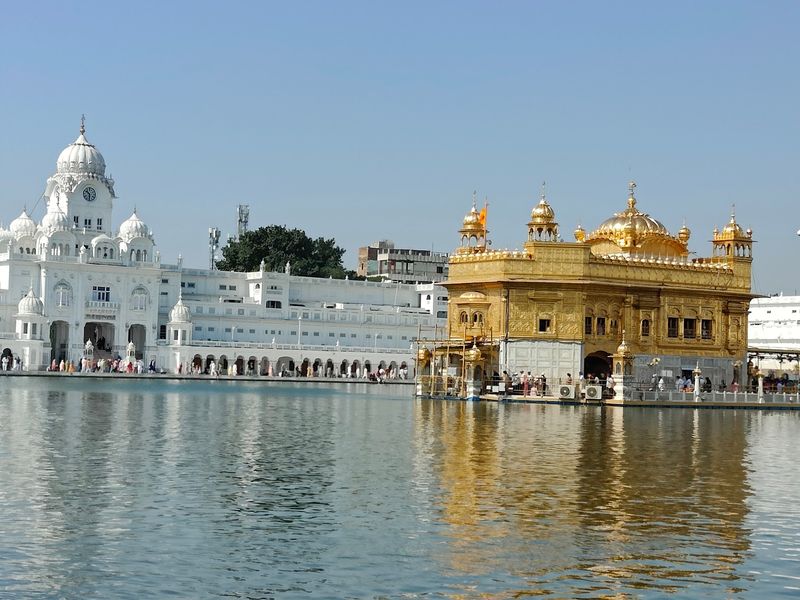
Sri Harmandir Sahib in Amritsar is the holiest shrine in Sikhism, and millions of people visit it every year. Its gold-covered walls glow above a calm pool of water, and the place never feels rushed.
Behind the shine are stories, customs, and clever design choices that most visitors never hear about. Here are fifteen details that make this temple so special.
The Gold That Makes the Whole Place Glow
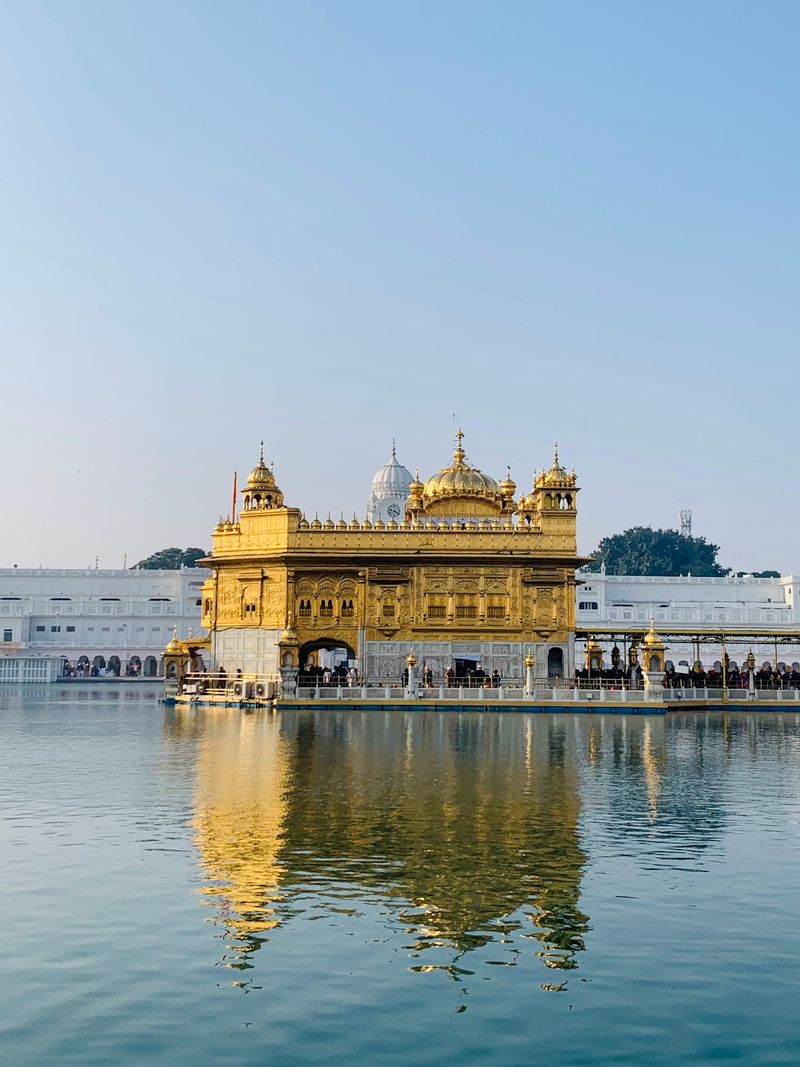
Sunlight hits the upper floors and the whole building seems to switch on. The gold-covered dome and walls explain why the world calls this place the Golden Temple.
Locals simply say Harmandir Sahib, which means House of God.
The gold work was added in the early 1800s under Maharaja Ranjit Singh. Skilled craftsmen fixed thin sheets of gold over copper.
Two centuries later, the shine still pulls cameras out of every pocket.
Many visitors say the golden reflection in the water is the first thing that stops them in their tracks. The image shakes and shimmers whenever a breeze touches the surface.
Stand still for a minute and let your eyes adjust.
Want a great photo? Walk slowly along the marble path and pause at a few spots.
The light changes by the hour, so the same view looks new each time. Keep your voice low, since many people nearby are praying.
Planning tip: come once in daylight and once after dark. The gold burns warm in the sun and glows softer under the lamps.
Two visits give you two very different moods.
Four Doors for Everyone
Most holy buildings have one grand entrance. Harmandir Sahib has four, one on each side.
That layout was a deliberate message from the Sikh Gurus.
The open doors say that anyone is welcome, no matter their religion, caste, or background. Guru Arjan Dev Ji planned the temple this way when it was built.
A visitor from any country can walk in and be treated the same as the person ahead of them.
Reviewers often mention this feeling of equality. They describe being welcomed warmly by strangers who never asked where they came from.
It is a simple idea, and it still works beautifully today.
Which door should you pick? Any of them will do, though the main entrance near the clock tower is the busiest.
Side entrances can feel calmer, especially on weekends and festival days.
Before you step through, cover your head and remove your shoes. Wash your feet in the shallow channel at the gate.
After that, the doors are yours to walk through.
The Sacred Pool Named Amrit Sarovar
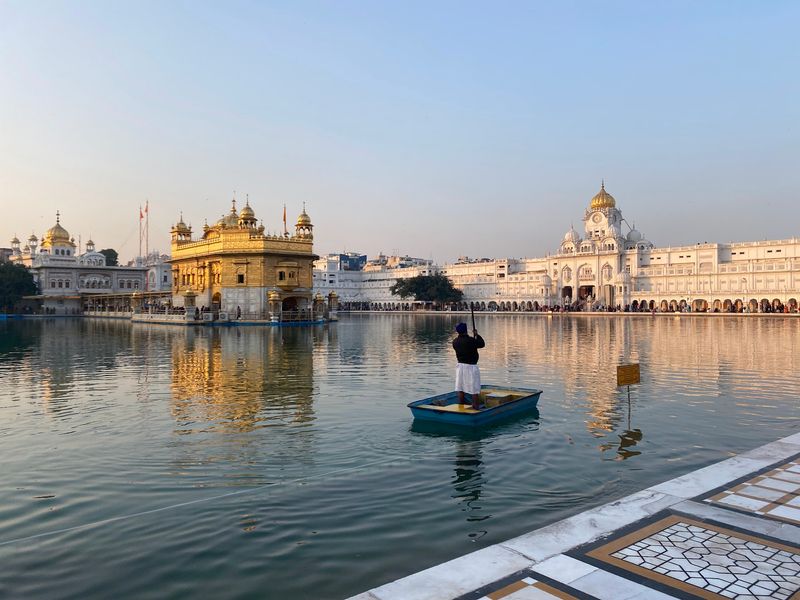
Amritsar literally means Pool of Nectar. The city took its name from the sacred water that surrounds the temple.
That water is called the Amrit Sarovar.
Guru Ram Das Ji had the pool dug in the 1500s, and the city grew around it. Today the water is kept clean and clear, which surprises many first-time visitors.
Colorful fish glide just below the surface.
Pilgrims often take a dip in the holy water, and some simply sit on the marble edge. Rules are clear about modesty and respect, and volunteers are nearby to guide you.
Photos of the pool are fine, but selfies with your back to the temple are discouraged in some spots.
One reviewer said you can sit for hours and lose track of time. That sounds like an exaggeration until you try it.
The quiet ripple of water is oddly hard to leave.
Bring a light shawl in winter, since the breeze off the pool bites. In summer, the marble can get hot, so walk on the wet strips.
Small steps, big comfort.
Built Lower, On Purpose
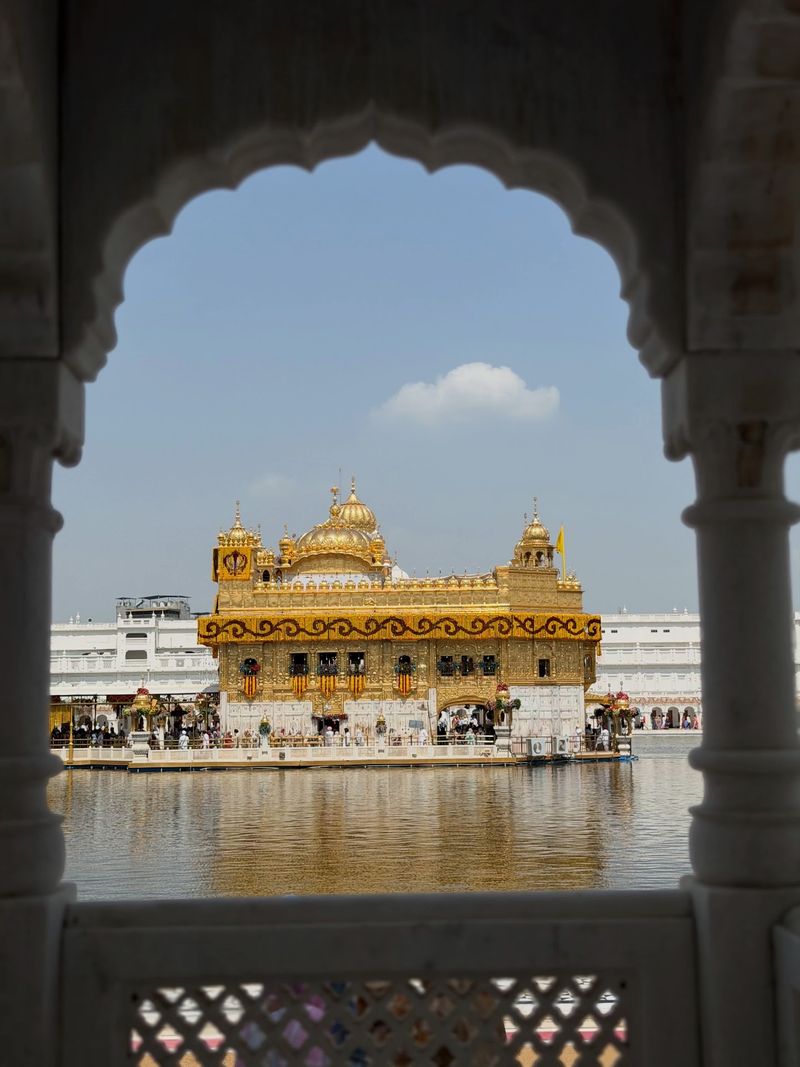
Here is a quirky fact for your next trivia night. Harmandir Sahib sits lower than the land around it.
You walk down steps to reach the water and the shrine.
Most temples and palaces rise up on hills or high platforms. Guru Arjan Dev Ji chose the opposite.
The design asks visitors to bow, even before they step inside.
The message is humility. Nobody enters from above, and everyone goes down together.
Whether you are a king or a student on a school trip, the path is the same.
This also changes how the temple feels from a distance. You cannot see the whole building from the street, so the first view comes as a surprise.
Many people gasp when they reach the top of the stairs.
Take that moment slowly. Stop at the top, take a breath, and then walk down.
It is a small habit that makes the first look much more memorable.
A Kitchen That Never Closes
Picture a kitchen that runs all day, all night, every day of the year. That is the langar at Harmandir Sahib.
It serves free vegetarian meals to anyone who walks in.
Tens of thousands of people eat here daily, and far more on festival days. Everyone sits on the floor in rows, side by side.
The idea of equality is served right along with the dal and roti.
Reviewers praise how fast, hot, and clean the meals are. One visitor called it a humbling experience, and that fits.
Nobody asks for payment, and nobody is turned away.
Machines help with the huge amount of flatbread, but many hands still roll dough by hand. Volunteers chop vegetables, wash steel plates, and serve with cheerful speed.
You can join them if you feel like helping.
Eat what you take, and avoid wasting food. Keep your head covered in the hall and follow the volunteers directions.
A quick meal here can easily become the highlight of the day.
After Dark, the Temple Turns Dreamy

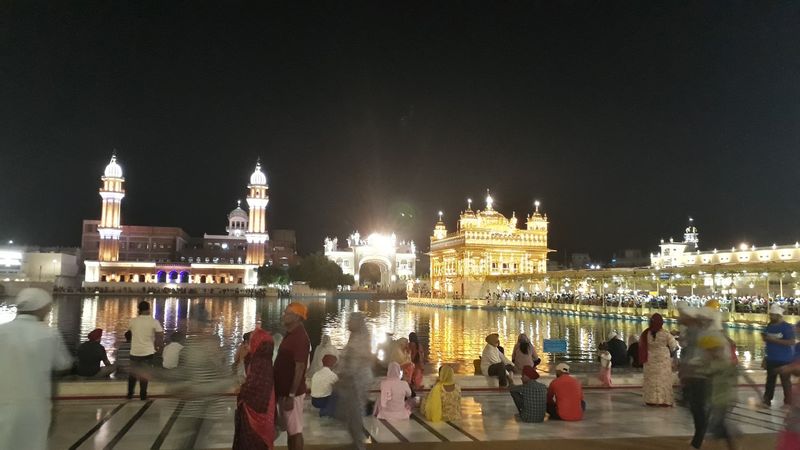
Ask ten visitors about their favorite hour, and many will say night. When the lights come on, the golden walls look like they are lit from within.
The reflection in the pool doubles the effect.
Reviewers talk about sitting for hours in the calm. One suggested coming around 11 PM for fewer people and a quieter mood.
The air feels cooler, and the footsteps around you become soft and slow.
The temple complex stays open around the clock, though the inner shrine has set opening hours. Check with the information desk for current timings.
Plans can change during festivals.
Night visits are easy on the eyes and easy on the nerves. There is less pushing and less noise, so you can notice small things.
A single singer, a drifting leaf, a glowing wall.
Wear something warm in winter, since marble holds the cold. Bring a small bag to keep things simple, because baggage counters may have queues.
And keep your phone on silent, so the quiet stays whole.
Music That Never Fully Stops
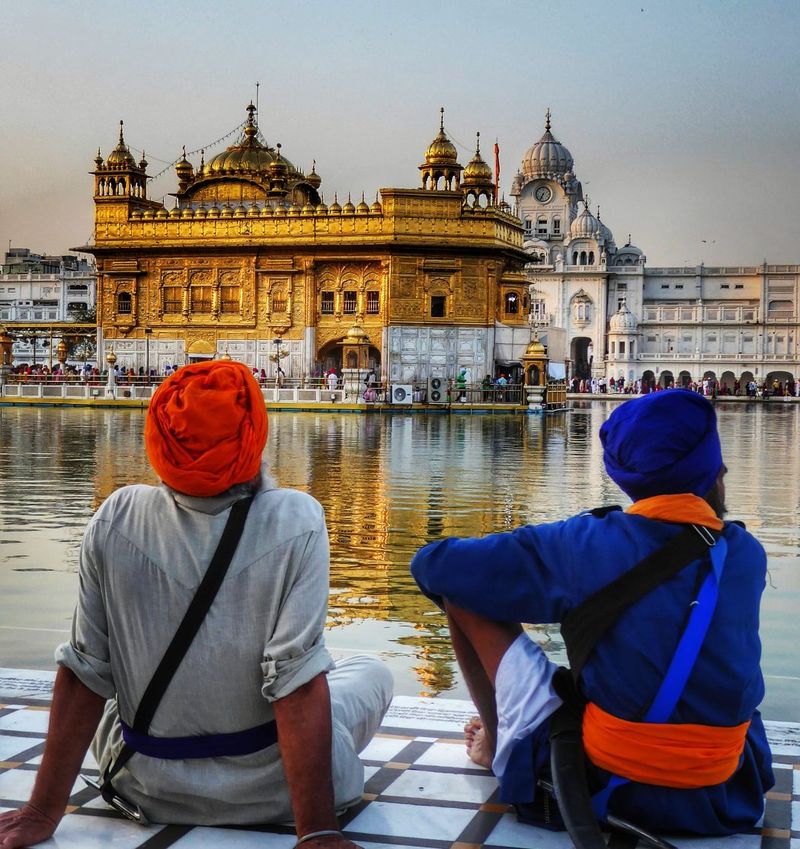
Listen closely and you will hear it almost anywhere in the complex. Gurbani kirtan, the singing of Sikh hymns, flows through the air for most of the day.
It starts before sunrise and continues late into the night.
Musicians called ragis sit inside the shrine with harmoniums and drums. The hymns come from the Guru Granth Sahib, the holy scripture of the Sikhs.
Many of them are set to classical Indian ragas.
You do not need to understand Punjabi to feel the mood. Reviewers describe the sound as soothing and uplifting.
It fills the space and makes conversation feel unnecessary.
The kirtan is also broadcast around the complex, so you can enjoy it from the marble walkway. Many visitors find a quiet corner and simply listen.
Some close their eyes, and others watch the pool.
Look for screens or displays that show the words in different languages. That small help makes the hymns easier to follow.
Even a few lines can change how the visit feels.
The Shoe Check and Foot Wash Ritual
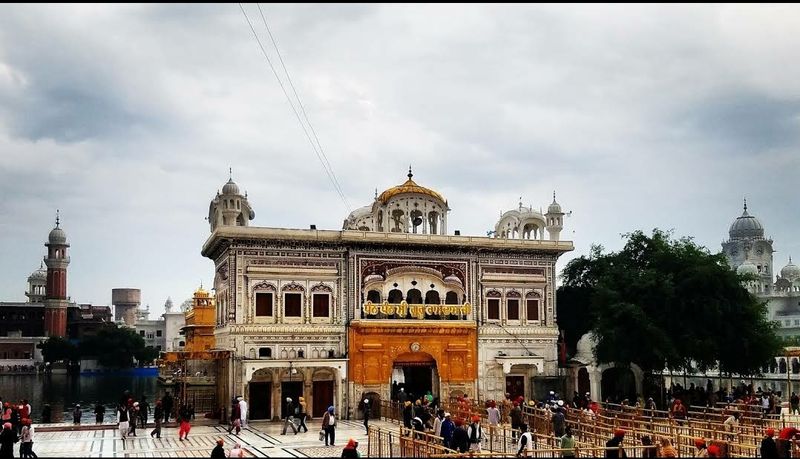
Your first stop is not the temple, but the shoe counter. The Joda Ghar looks after thousands of pairs each day.
Volunteers hand you a token and take care of the rest.
Walking barefoot is a sign of respect inside the complex. After leaving your shoes, you walk through a shallow channel of water to rinse your feet.
It is cold, quick, and surprisingly refreshing on a hot day.
You also need to cover your head. Scarves are available if you forget one, and many visitors buy colorful ones outside.
Men and women both follow this custom.
One reviewer said each step felt meaningful, from checking the shoes to washing the feet. That is a fair way to see it.
The routine slows you down before you even reach the water.
Keep your token safe, and remember which counter you used. Socks are also not allowed in some areas.
In winter, the marble can be chilly, so walk steadily and enjoy the wake-up call.
Karah Prasad: The Sweet Gift
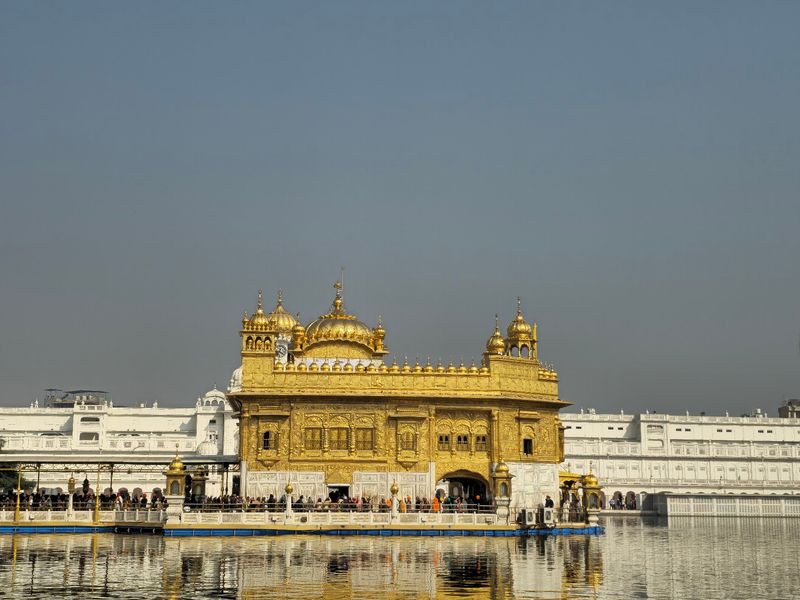
Cupped hands, a warm scoop, and a sweet smell. That is how many visits to Harmandir Sahib end.
The treat is called karah prasad.
It is made from whole wheat flour, ghee, and sugar, cooked together with prayer. Everyone receives the same portion, no matter who they are.
A reviewer called it divine, and plenty of people agree.
The prasad is first offered at the shrine and then shared with visitors. You may spot a counter near the exit where people line up with open hands.
Hold your hands together and receive it with respect.
The taste is rich, a little grainy, and gently sweet. It can feel heavy if you have just eaten at the langar.
Many people save it to enjoy slowly while they sit by the water.
You can also take some home. Packed boxes are often sold at counters on site, and they make thoughtful gifts.
Eat with your right hand, and keep your fingers clean afterward.
Marble Walkway Across the Water

To reach the shrine, you cross a long marble causeway over the water. It starts at an ornate gateway called Darshani Deori.
From there, the golden building draws closer with every step.
The bridge is narrow and the line moves slowly. A reviewer said to expect about an hour of waiting before entering the main shrine.
Treat the wait as part of the experience.
While you shuffle forward, look around. Fish glide in the pool, and the pattern of the marble repeats beneath your feet.
Volunteers keep the line orderly and respectful.
The shrine itself is decorated with inlaid stone work and painted floral patterns. Look at the walls and ceiling once you step in.
Tiny details hide in every corner.
Go early on weekdays if you want shorter lines. Festival days bring huge crowds, so patience is your best friend.
Keep your valuables close, and let the line carry you gently along.
Akal Takht, the Seat of Authority
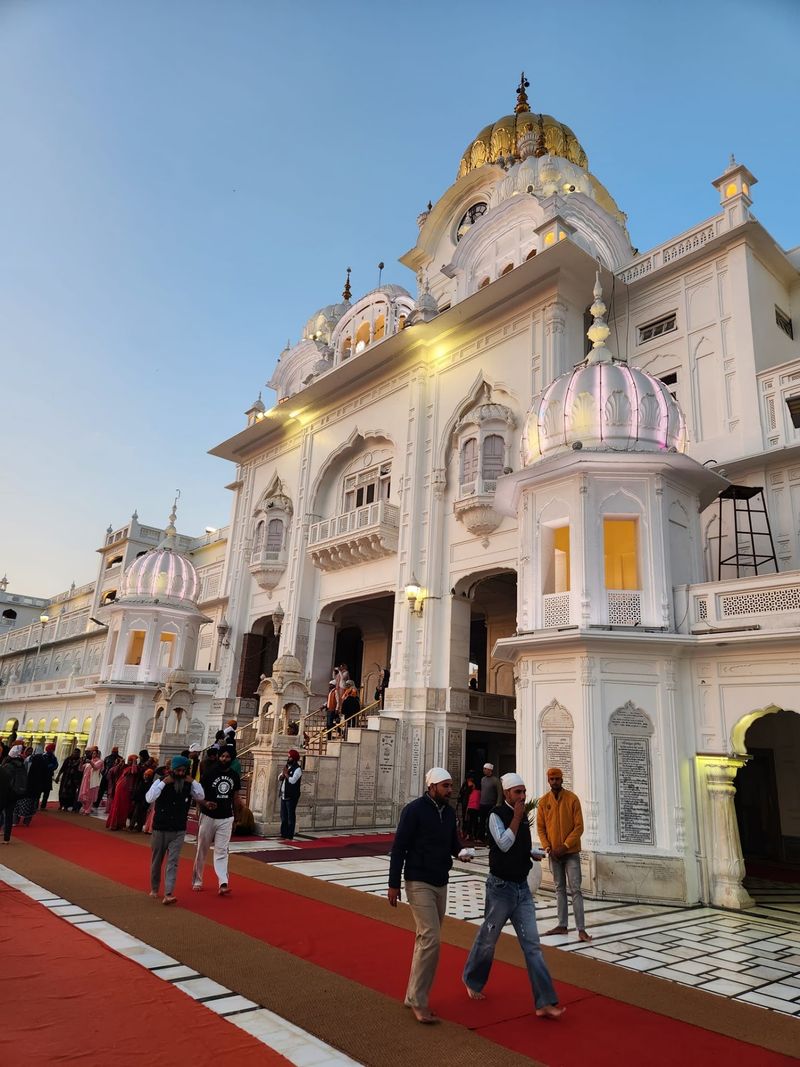
Just across from the golden shrine stands another important building. It is the Akal Takht, the highest seat of Sikh authority.
Guru Hargobind Ji founded it in 1606.
If Harmandir Sahib stands for spiritual peace, the Akal Takht stands for worldly justice. Guru Hargobind Ji wanted Sikhs to care about both.
That idea is still part of Sikh identity today.
The building has been damaged and rebuilt over the centuries. What you see now is a restored structure with several stories and a gold-topped dome.
It faces the main temple, so the two make a striking pair.
Inside, important decisions for the Sikh community are discussed. Visitors can look from the outside and, when open, step in to pay respects.
Dress and etiquette rules are the same as for the main shrine.
Take a minute to stand between the two buildings and look from one to the other. The contrast of peaceful gold and stately cream is easy to notice.
It adds depth to the story of the place.
Early Mornings and the Palki Ceremony
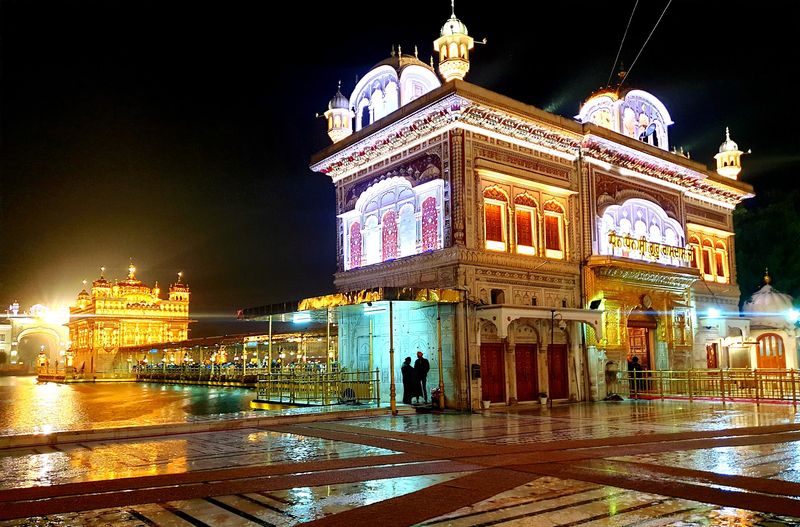
Few things beat the quiet before sunrise at Harmandir Sahib. The sky turns pink, the gold warms up, and the pool is nearly silent.
Visitors who wake early often say it was worth every yawn.
At dawn, the Guru Granth Sahib is carried in a ceremonial procession from the Akal Takht to the shrine. The scripture rests in a decorated palanquin called the Palki Sahib.
Devotees sing, and the air feels charged with calm.
In the evening, the scripture is brought back in a similar ceremony. Timings vary, so ask at the information desk.
One reviewer mentioned the gurudwara hall opens very early and closes at night.
Reaching the procession takes planning. Arrive well before it begins, since the best viewing spots fill fast.
Keep to the sides so the route stays clear.
If mornings are not your thing, the evening ceremony is gentler. Either way, you witness a tradition that has continued for centuries.
Bring patience and an open mind.
Seva: Service With a Smile
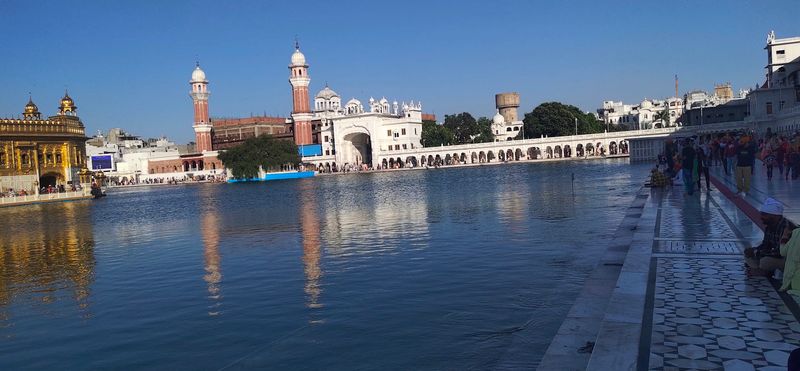
Look around and you will notice something unusual. Many of the people cleaning, cooking, and guiding are volunteers.
The Sikh word for this is seva, or selfless service.
Teenagers wash plates beside grandparents. Business owners sweep floors next to students.
Nobody gets paid, and the mood is surprisingly cheerful.
Reviewers praise the cleanliness and warm help they received. One said the discipline and devotion of the people serving reflect the true spirit of Sikhism.
The marble is mopped constantly, so it stays spotless even with huge crowds.
You can try seva yourself. Common jobs include polishing steel dishes, cutting vegetables, or helping at the shoe counter.
A short stint is welcome, and no special skill is needed.
Ask a volunteer or visit the help desk to find where hands are needed. Wear modest clothes you do not mind getting wet.
You might leave with sore fingers and a very light heart.
The Ancient Ber Tree by the Water
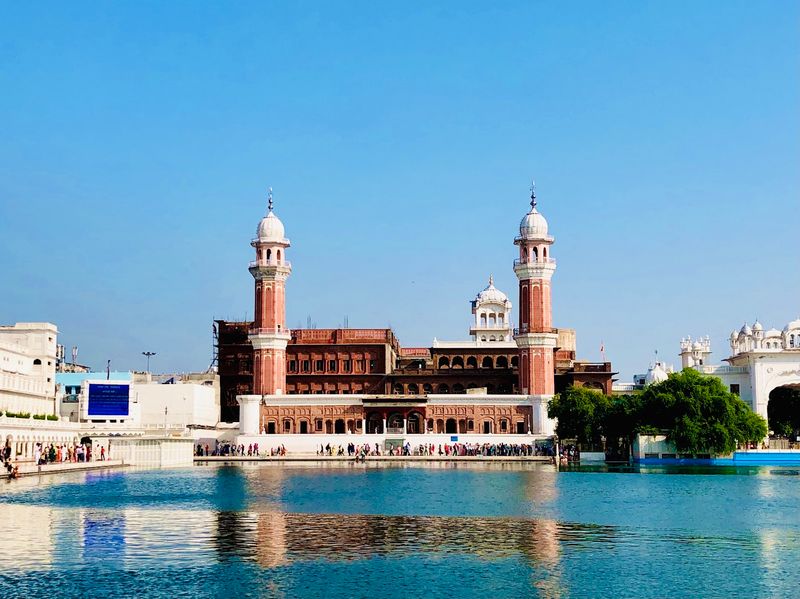
Not every landmark here is made of gold. One of the most loved is a gnarled old tree beside the pool.
It is called Dukh Bhanjani Ber, a jujube tree.
The story goes that a sick man was healed after bathing in the water near this spot. The name means remover of suffering.
Many devotees still come to pray under its branches.
Another reviewer described the joy of sitting under trees that the Gurus themselves once sat beneath. The shade is cool, and the mood is gentle.
It is a great place to rest after the long line.
Several smaller shrines sit around the complex too, each with its own history. You may find quiet corners that most visitors miss.
Wander a little and see what appears.
Do not pick leaves or fruit from the tree. Keep the area tidy for others, and respect those praying.
A few quiet minutes here can be the calmest of your day.
Museums That Tell the Hard Parts

History is not hidden here. Within the complex, a museum shares the story of the Sikh community, including its struggles.
Paintings and portraits show Gurus, warriors, and ordinary people who stood up for their beliefs.
A reviewer called the museums a reminder of how resilient Sikhs have had to be. That is a strong summary.
The exhibits are serious, and some images are hard to look at.
The museum is a good way to understand why the temple matters so deeply. You learn about attacks, rebuilding, and the faith that carried people through.
Afterward, the shrine feels even more meaningful.
Set aside at least thirty minutes if you want to read the labels. Pictures are often not allowed, so check the signs.
Phones should be kept away in quiet halls.
Go after your darshan, when you are calm and reflective. A cool, quiet room also gives your feet a break.
Leave with a bigger picture of what the temple represents.
Visiting With Respect and Ease
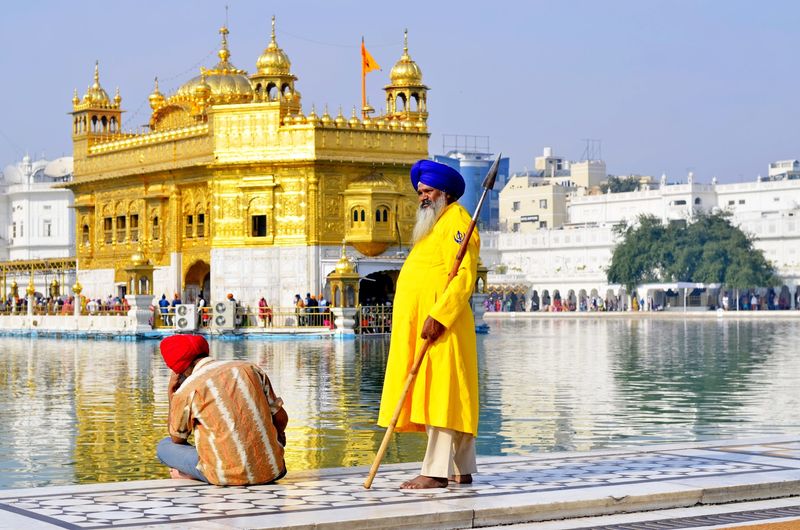
A little preparation makes the visit smoother. The golden temple is a place of worship first and a tourist stop second.
As one reviewer put it, go for darshan and not for sightseeing.
Dress modestly, cover your head, and take off your shoes. Tobacco, alcohol, and meat are not allowed in the complex.
Speak softly and move patiently.
Bring only what you need. Baggage counters are available, but lines can form.
A small bag and a light scarf are usually enough.
The best times depend on your goal. Early morning and late night bring calm, while midday has the biggest crowds.
Winter is cooler, but the marble can feel icy underfoot.
The temple is easy to reach by road and rail, and parking is a short walk away. Stay hydrated, since free water points are plentiful.
Most of all, give yourself time to sit, listen, and simply be there.
Share this story