Your first big trip abroad should feel exciting, not stressful. Some places make it easy with simple transit, friendly signs, and sights close together.
Pick the right spot and you spend less time worrying and more time eating pastries. Here are 15 places that welcome beginners with open arms.
Lisbon, Portugal
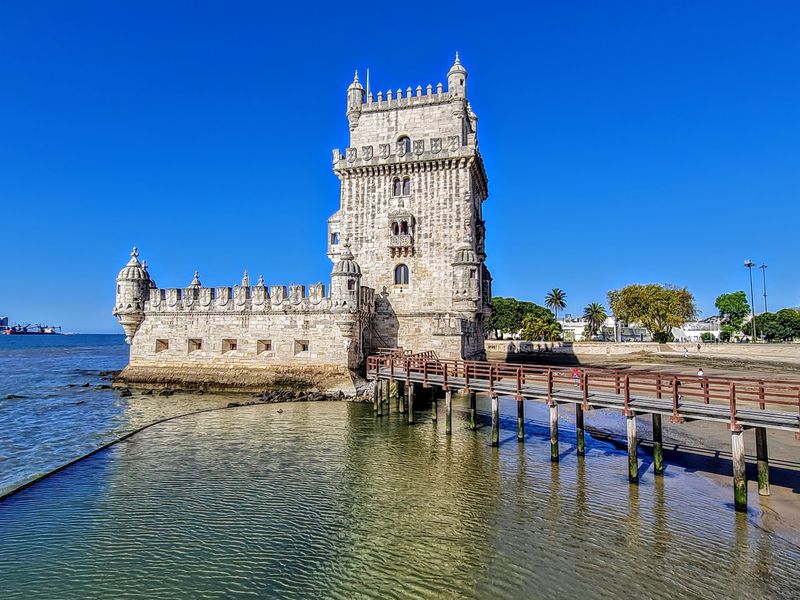
Warm custard tarts, still crackling from the oven, are a fine welcome to Lisbon. Belém is where many visitors meet them, right next to Jerónimos Monastery and the waterfront.
It is an easy outing that needs no complicated plans.
Most of the old neighborhoods sit close together. Alfama, Baixa and Chiado are all great for wandering on foot.
The hills are real, though, so your legs will be glad when you hop on a tram or the metro.
English is common in hotels, cafés and tour offices, which takes a lot of pressure off. You can order lunch without rehearsing phrases in the mirror.
A little Portuguese like obrigado still earns smiles.
Day trips are simple too. Trains run to Sintra, with its fairy-tale palaces, and to Cascais, a breezy seaside town.
You can be back in the city for dinner and still feel like you did it all.
Lisbon gives you old-world charm without the giant crowds and distances of London or Paris. It is a gentle first step into Europe, and the tarts do not hurt either.
Tokyo, Japan
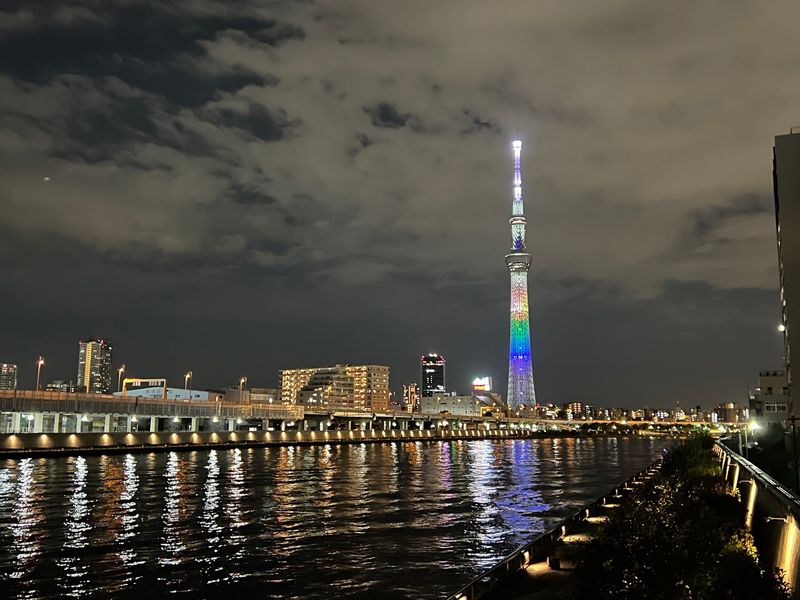
On a map, Tokyo looks like a giant puzzle. In real life, it runs like a well-oiled clock.
Trains arrive on time, signs often include English, and station staff are helpful.
Grab a prepaid IC card and tap it on trains, subways and buses. No need to figure out fares each time.
Just tap, ride and keep going.
The trick is to slice the city into neighborhoods. Spend one morning in Asakusa for temples and old-style streets.
Save an evening for Shibuya, where neon lights and busy crossings show off modern Tokyo.
Ginza is the place for shopping and polished restaurants. Convenience stores sell surprisingly tasty snacks, which is handy when you are tired and hungry.
Even a rice ball can feel like a small adventure.
The first day may feel like a lot, since the rail maps look like colorful spaghetti. Give it a day, and the system starts to make sense.
After that, getting around feels wonderfully efficient.
Singapore
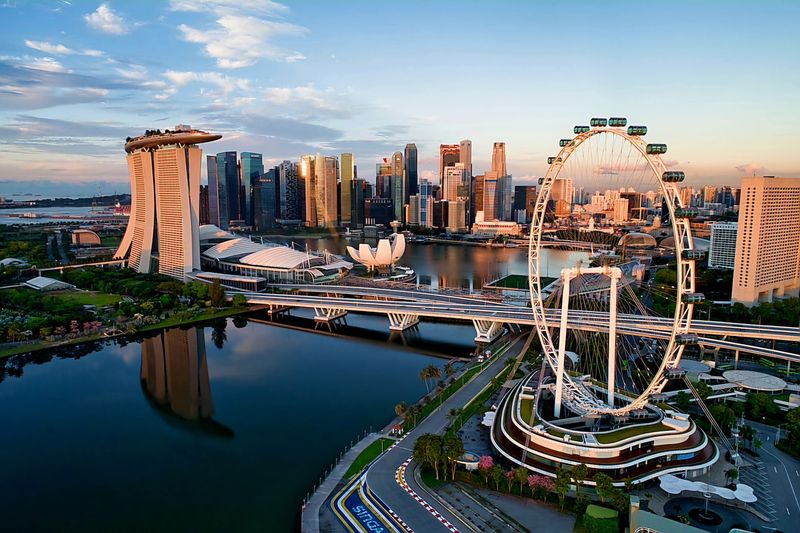
Worried about getting lost? Singapore is a small island city that is hard to get lost in.
The MRT subway links most major districts, and trains are clean and frequent.
English is one of the official languages, so menus, signs and conversations are easy to follow. That removes a big worry for many new travelers.
You can focus on exploring instead of translating.
Marina Bay, Chinatown, Little India and the waterfront fit nicely into a few days. Each area has its own look, smells and snacks.
Walking from one to the next feels like changing countries in an afternoon.
Hawker centers are the secret weapon for nervous eaters. Dozens of stalls gather in one spot, so you can point, taste and try something new.
Prices are friendly, and the food is seriously good.
Hotels can cost a lot, so book early and compare. The upside is that everything works smoothly.
Planning here is far easier than in many bigger destinations.
Vienna, Austria
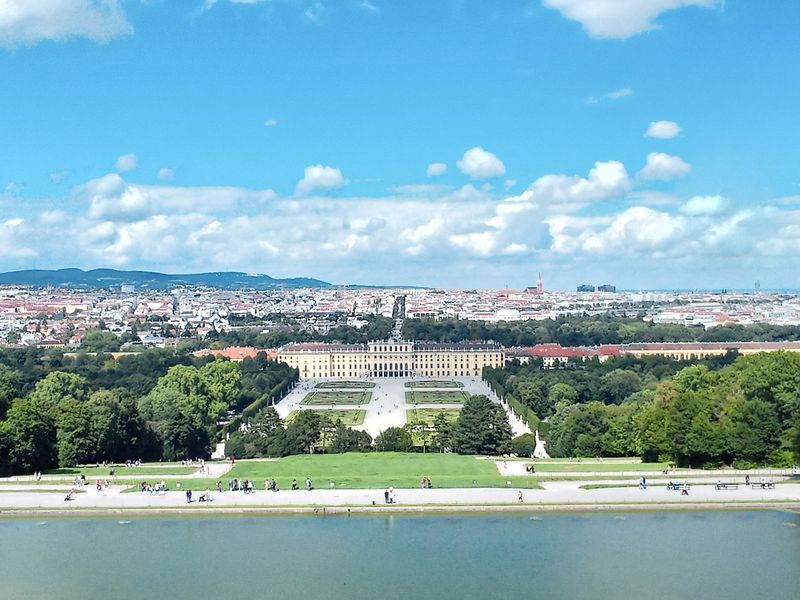
Few cities pair grand history with such easy transit as Vienna. Subways, trams, buses and S-Bahn trains all work together.
Integrated tickets mean you do not need a different pass for each ride.
Big sights are simple to reach. Schönbrunn Palace, St. Stephen’s Cathedral and the Prater amusement park all connect by public transit.
The historic center is also great for strolling.
Picture an afternoon in an imperial palace, followed by coffee and cake in a classic café. Add a museum or a classical music evening, and you have a full trip.
No rental car or tricky regional planning is required.
Vienna has enough to fill several days. Yet it is organized so well that you rarely waste time on logistics.
Signs are clear, and maps are easy to read.
If you like your first European adventure polished and calm, this city delivers. Bring comfortable shoes and a sweet tooth.
Strudel is practically a sightseeing stop.
Copenhagen, Denmark
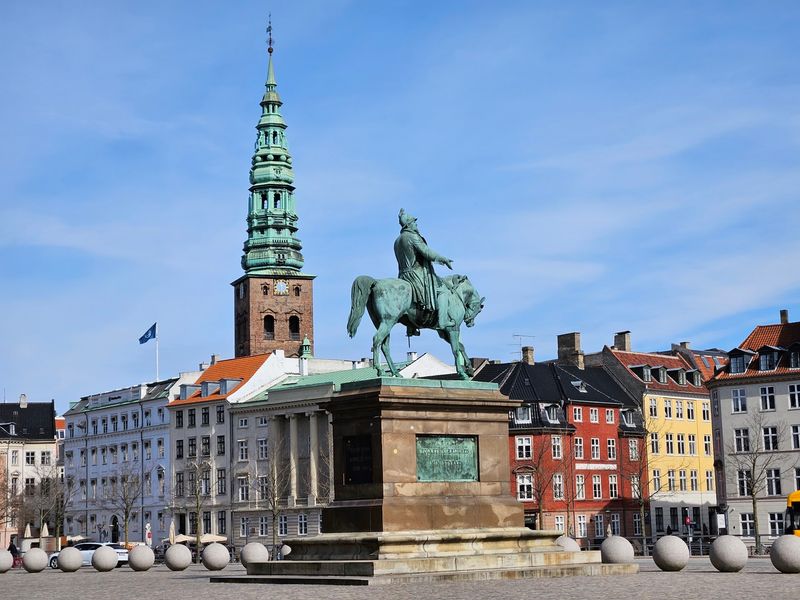
Here is a handy fact: the Copenhagen metro runs around the clock. That means late flights and early starts rarely cause trouble.
The tourism board itself calls getting around straightforward.
Many top sights are close enough to walk between. Nyhavn, Rosenborg Castle, Tivoli Gardens and the old center make a perfect first itinerary.
Buses, trains and harbor buses cover anything farther.
Once you settle in, add Christianshavn or Vesterbro. Both have cozy streets, cafés and local flavor.
They feel like a reward for finishing the classic list.
Cycling is huge here, and you can join in if you feel brave. Beginners can happily stick to walking and transit instead.
Nobody will judge you, though you might get a few ringing bells.
The city is a manageable size, so sightseeing never turns into a marathon. You can see plenty and still have energy left for dinner.
That balance is exactly what a first trip needs.
Dublin, Ireland
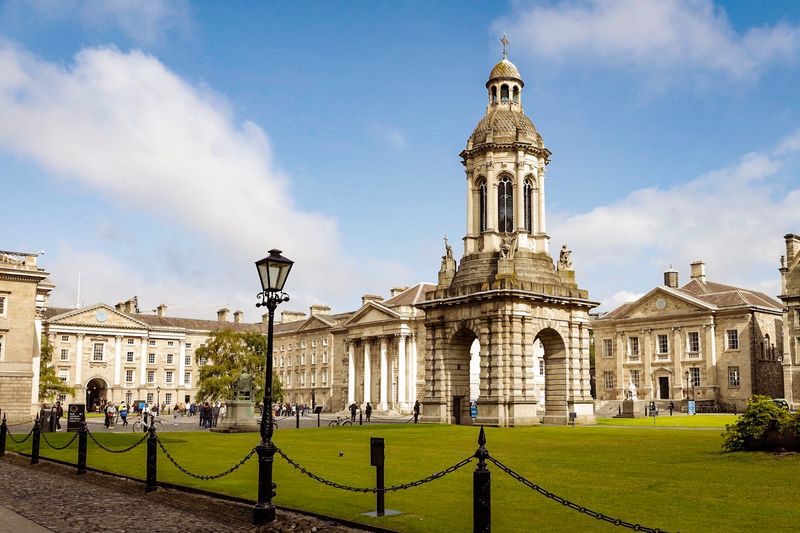
Fiddle music spilling out of a pub door is a very Dublin way to say hello. Language is rarely a worry here, so English speakers can relax.
Locals are famously chatty, and directions often come with a bonus story.
The center is compact, so you can walk to most main sights. Visit Dublin notes that most travelers do not need a car.
Buses, DART trains and the Luas tram handle farther spots.
Trinity College, Dublin Castle and St. Stephen’s Green can fill a couple of days. Add a historic pub or two for dinner and music.
Many serve hearty meals, not just drinks.
Dublin also makes a smart launch pad for the rest of Ireland. Organized day tours head out to cliffs, castles and green countryside.
You get the scenery without worrying about narrow roads.
That mix of easy city time and simple excursions suits beginners. You will feel comfortable fast.
Pack a rain jacket just in case.
Amsterdam, Netherlands
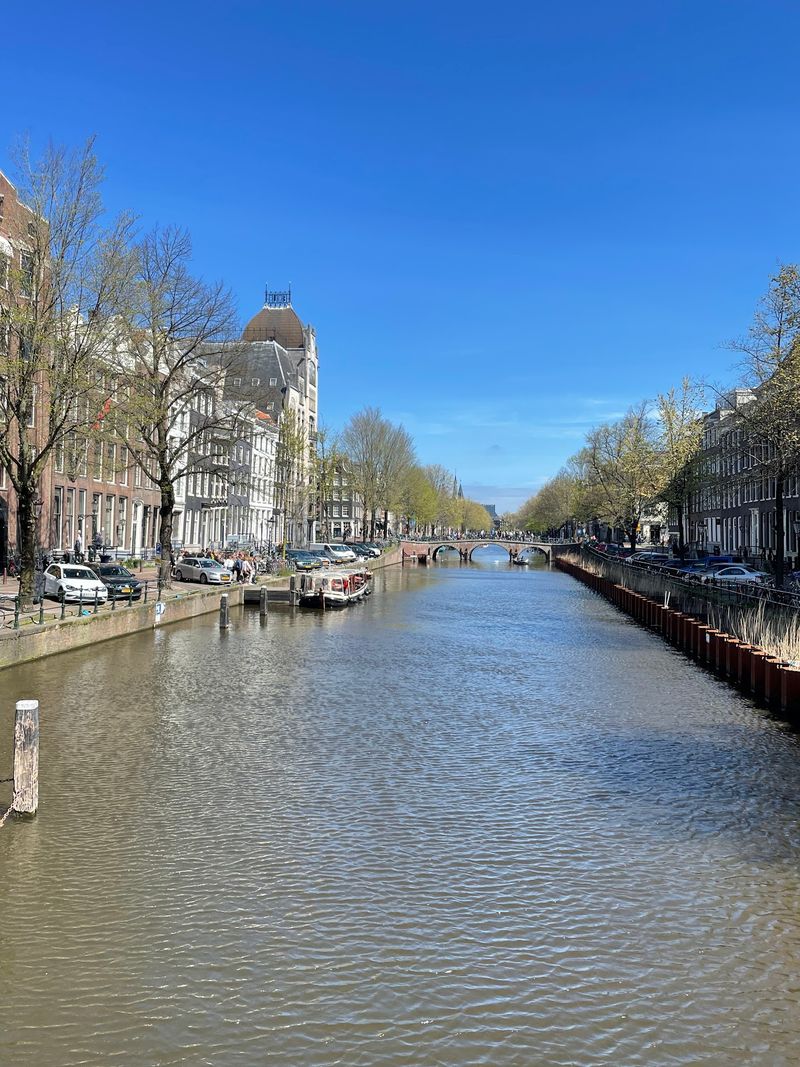
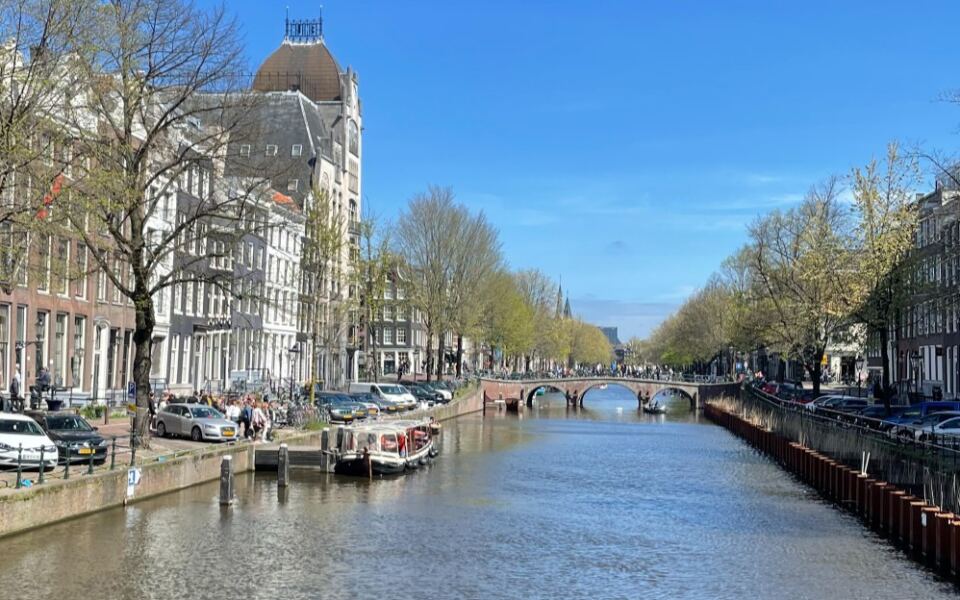
Ring after ring of canals makes Amsterdam hard to get lost in. Those curved waterways act like natural landmarks.
Look for one, and you can usually find your way back.
Museums, neighborhoods and old streets sit close together. Plenty of travelers cover them mostly on foot.
When your feet complain, trams, metro lines, buses and ferries step in.
Paying for transit is easy too. Use a contactless bank card to check in and out, with no separate transit card needed.
Trains also link Schiphol Airport directly with the city.
Bicycles rule the streets, so stay out of the red bike lanes. After a day or so, you will read the traffic rhythm.
Then the city feels friendly and simple.
It can be busy and pricey, so book ahead for popular museums. Even so, the planning stays light.
For a first European trip, that is a big win.
Vancouver, Canada
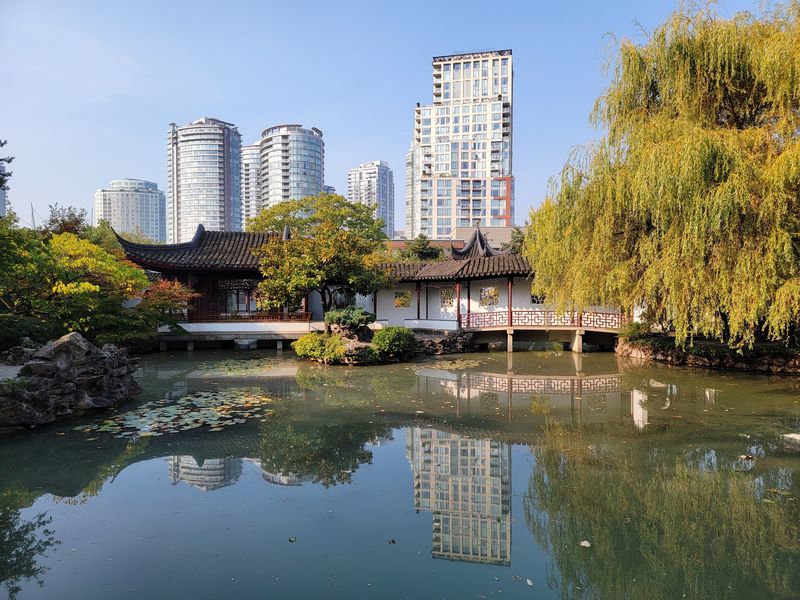
Mountains, ocean and skyscrapers all fit into one postcard in Vancouver. You can spend the morning in a busy downtown and the afternoon under tall trees.
No wilderness skills required.
Downtown is compact, and many neighborhoods are good for walking. Public transit reaches the big attractions, so a rental car is optional.
Destination Vancouver notes that many top sights are reachable this way.
The SeaBus is a fun ride, linking downtown and North Vancouver in about 12 minutes. It doubles as a mini harbor cruise.
Bring a camera for the skyline.
Stanley Park, Granville Island and the waterfront give you easy sightseeing options. Bike paths and seawalls keep things relaxed.
Snacks at the public market are a bonus.
If you want your first major trip to include nature, this is a smart pick. The outdoors comes to you.
Planning stays gentle.
Sydney, Australia
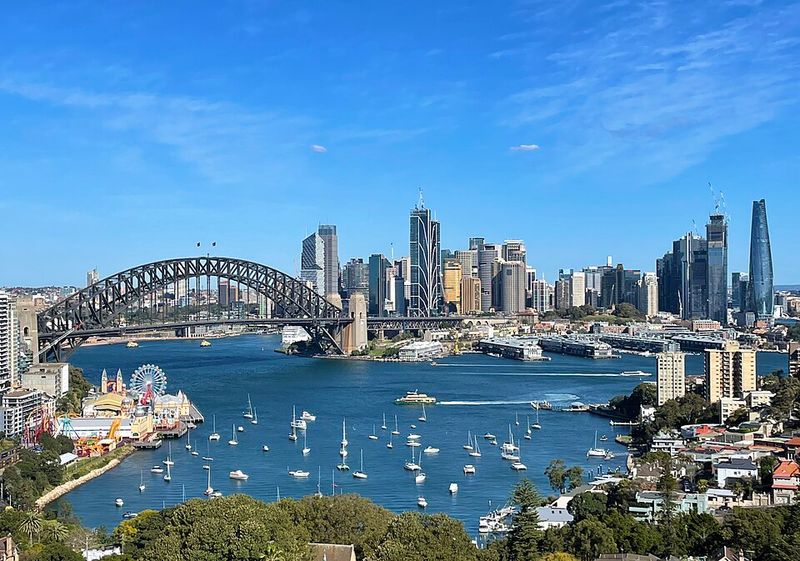
Few cities hand you a postcard view the moment you step outside. In Sydney, the Opera House, Circular Quay, Harbour Bridge and The Rocks sit in one waterfront zone.
You can tick off icons in a single walk.
Ferries are the star of local transport. A ride to Manly or across the harbor counts as sightseeing and commuting at once.
The salty breeze is free.
Beaches like Bondi offer a totally different mood. Surfers, sunbathers and cliff walks are all within the metro area.
You do not need a long trip to find sand.
English helps many visitors feel at home. Hotels, tours and visitor services are plentiful and easy to book.
Questions get quick, friendly answers.
The flight to Sydney can be long from Europe or North America. Pack patience and a neck pillow.
After landing, the trip is wonderfully simple.
Ljubljana, Slovenia
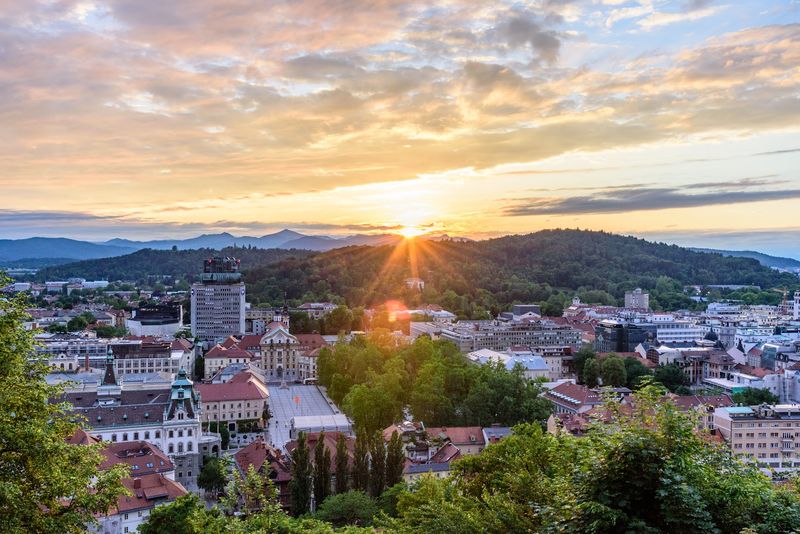
Big capitals can feel like too much for a beginner. Ljubljana is the relaxed answer.
Slovenia’s capital is small, mostly flat and easy on tired legs.
You can walk or bike almost everywhere. Ljubljana Tourism says the city has over 230 kilometers of designated cycling paths.
The Ljubljanica River runs through the center and works like a built-in compass.
Ljubljana Castle, Central Market, Triple Bridge and riverside cafés are all close together. No complicated transit is needed.
Grab a coffee by the water and watch the city drift by.
The city is also a great base for wider adventures. Lake Bled, caves and castles are all within reach.
Short trips let you mix city time with countryside.
Newcomers get a calm, charming first taste of Europe here. Nothing feels rushed.
You may leave wishing you had more days.
Seoul, South Korea
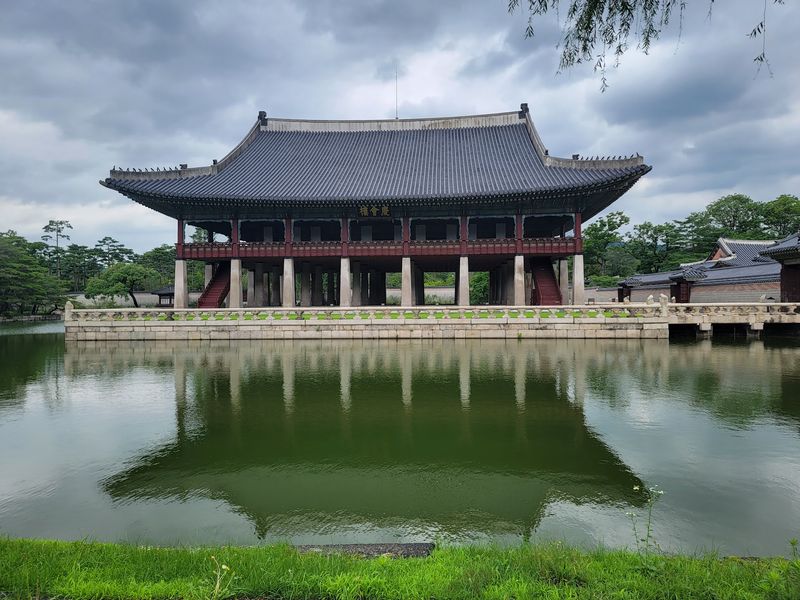
Seoul is huge, but it hands you a great map: its subway. Stations commonly have English signs, and phone navigation does the heavy lifting.
Moving between districts is easier than most visitors expect.
Try planning one neighborhood at a time. Start with Gyeongbokgung Palace and Bukchon for history.
Then head south of the Han River for shopping, markets and modern streets.
Food can be an easy win here. Markets and convenience stores offer low-pressure ways to taste Korean cuisine.
Pointing and smiling works wonders.
Tech is everywhere, from fast Wi-Fi to slick payment systems. That makes small tasks feel simple.
You will not waste time hunting for basics.
If Asia is calling, this city is a strong first stop. It is modern and well prepared for visitors.
The culture feels distinct from Europe or North America, which is part of the thrill.
Edinburgh, Scotland
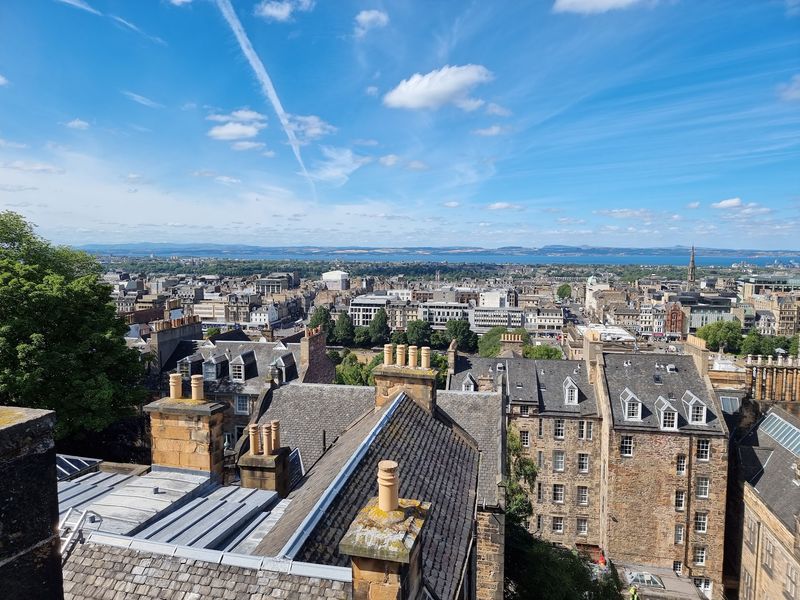
A castle on a volcanic rock is a bold way to greet visitors. Edinburgh Castle sits at one end of the Royal Mile, with Holyrood Palace at the other.
Walk the stretch between them and you have crossed the Old Town.
New Town and Princes Street are right nearby. That makes planning simple.
Many travelers spend days mostly on foot.
There is no rush to learn a new transit system. English-language services and strong tourism support smooth out little problems.
Ask a local for tips, and you will likely get several.
Edinburgh is also a gentle start for Scotland. Later, you can head toward the Highlands.
Day tours handle the roads for anyone not ready to drive on the left.
Bring layers, since the weather likes surprises. Hills and cobblestones can tire feet.
The reward is a city that feels like a storybook.
Barcelona, Spain
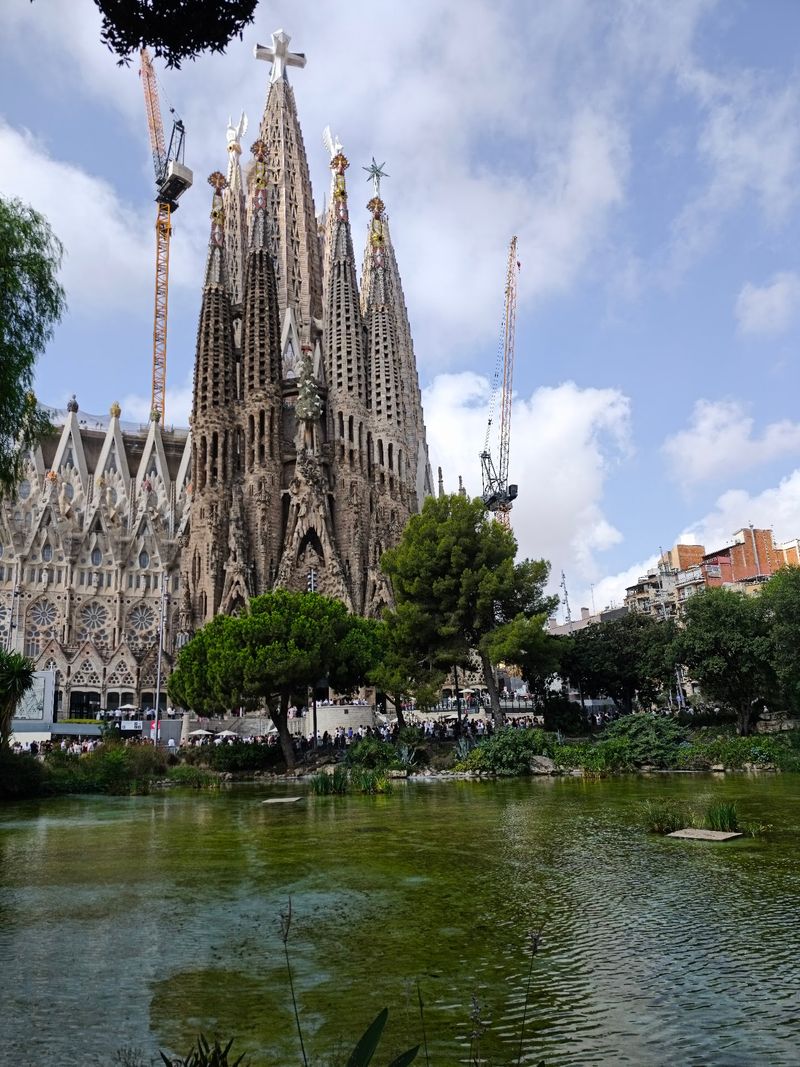
Dinner at ten o’clock? Welcome to Barcelona.
Restaurants often open later than first-timers expect. Adjusting to that rhythm is part of the fun.
One city offers many moods. You can admire Gaudí buildings, wander medieval lanes, browse markets and relax by the Mediterranean.
The metro connects major districts without fuss.
The Eixample grid makes central areas simple to read. Streets run in neat lines, so it is hard to lose your bearings.
The Gothic Quarter rewards slower, curious walking.
Crowds can be heavy around top sights. Reserve tickets in advance for places like the Sagrada Família.
You will skip long lines and keep your energy.
Tapas make ordering easy, since you can sample many small plates. Share a few and see what you like.
For a first European vacation, Barcelona packs in a lot.
Reykjavík, Iceland
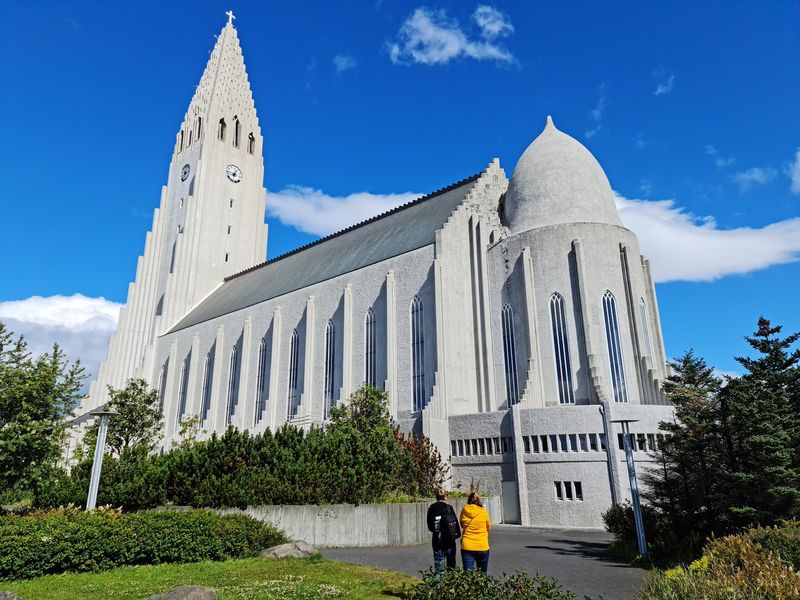
Steam rising from the ground is normal in Iceland. Reykjavík is the doorway to all of it.
The compact center holds restaurants, museums, Hallgrímskirkja and the waterfront within an easy stroll.
The real beginner-friendly bonus is the tour industry. If driving feels scary, book a ride instead.
Excursions cover the Golden Circle, the South Coast, geothermal lagoons and Northern Lights outings.
English is widely spoken in tourism settings. Booking tours and asking questions is simple.
Guides are usually happy to share local stories.
Iceland is expensive, and weather can change plans fast. Budget carefully and leave some flexibility.
Waterproof layers are your best friend.
The payoff is huge. You can see waterfalls, volcanoes, glaciers and hot springs without being an expert hiker.
Reykjavík keeps the logistics light so the landscape can steal the show.
Auckland, New Zealand
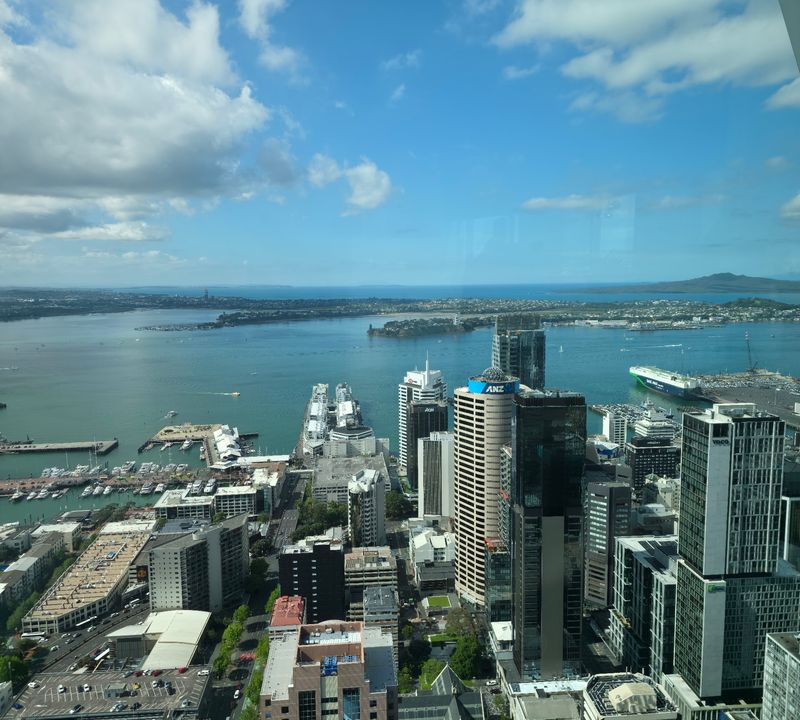
Ease into long-haul travel with a city that does not ask for much. Auckland speaks English, has a solid tourism scene and offers familiar city comforts.
You can settle in before chasing bigger scenery.
The waterfront is a good first stop. Volcanic viewpoints give wide views over the harbor.
Nearby islands add variety without long drives.
Ferries make simple excursions. Hop aboard, watch the skyline shrink and step out on a quiet island.
It feels like a mini getaway inside your getaway.
Organized tours connect Auckland with other North Island highlights. Skip the rental car if you are nervous about driving on the left.
Let a guide handle the roads.
Think of Auckland as a launch pad. Spend a few days getting comfortable.
Then head to Rotorua, Hobbiton, the coast or the South Island.
Share this story