Public punishment was a normal part of life in medieval Europe. Between the 1100s and the late 1400s, rulers used it on purpose, in town squares and on busy bridges, so crowds would understand what happened to people who defied the crown or the Church.
Most of these cases were quickly forgotten. A handful were not.
Some involved archbishops, grand masters, and royal brothers. Others involved preachers whose ideas spread faster than any king could stop them.
A few were so unusual that people still argue about the details more than 600 years later. Here is the twist that keeps surfacing.
Again and again, the people in power expected a sentence to end a problem, and instead it created a hero, a saint, or a legend. Chroniclers of the time often added colorful details to make a story more dramatic, so separating fact from rumor is part of the fun.
In the list below, you will meet rebels, reformers, royals, and rivals from England, Scotland, France, Italy, and Bohemia. You will also see how each case changed reputations, religions, and sometimes whole countries in ways nobody at the time predicted.
1. Thomas Becket, 1170
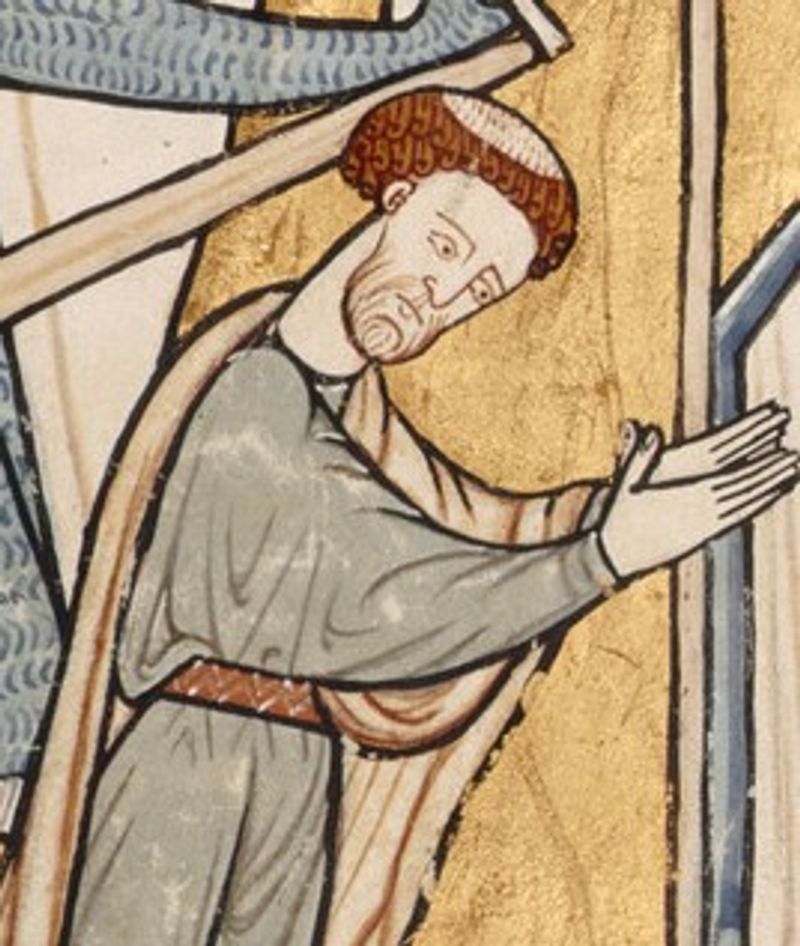
Friendship with a king can turn complicated fast. Thomas Becket learned that lesson the hard way.
Becket started as King Henry II’s trusted chancellor and close companion. Henry then made him Archbishop of Canterbury in 1162, expecting a loyal partner in charge of the English Church.
Becket had other plans. He defended Church rights so firmly that the two former friends became bitter rivals.
Henry reportedly vented his anger in front of his court. Four knights took his words as an order and confronted Becket inside Canterbury Cathedral on December 29, 1170.
The attack in such a holy place stunned all of Europe. Pope Alexander III declared Becket a saint in 1173.
Henry walked to Canterbury as a public act of penance in 1174. His shrine became one of the most visited pilgrimage spots of the Middle Ages, later inspiring Chaucer’s Canterbury Tales.
2. Jacques de Molay, 1314
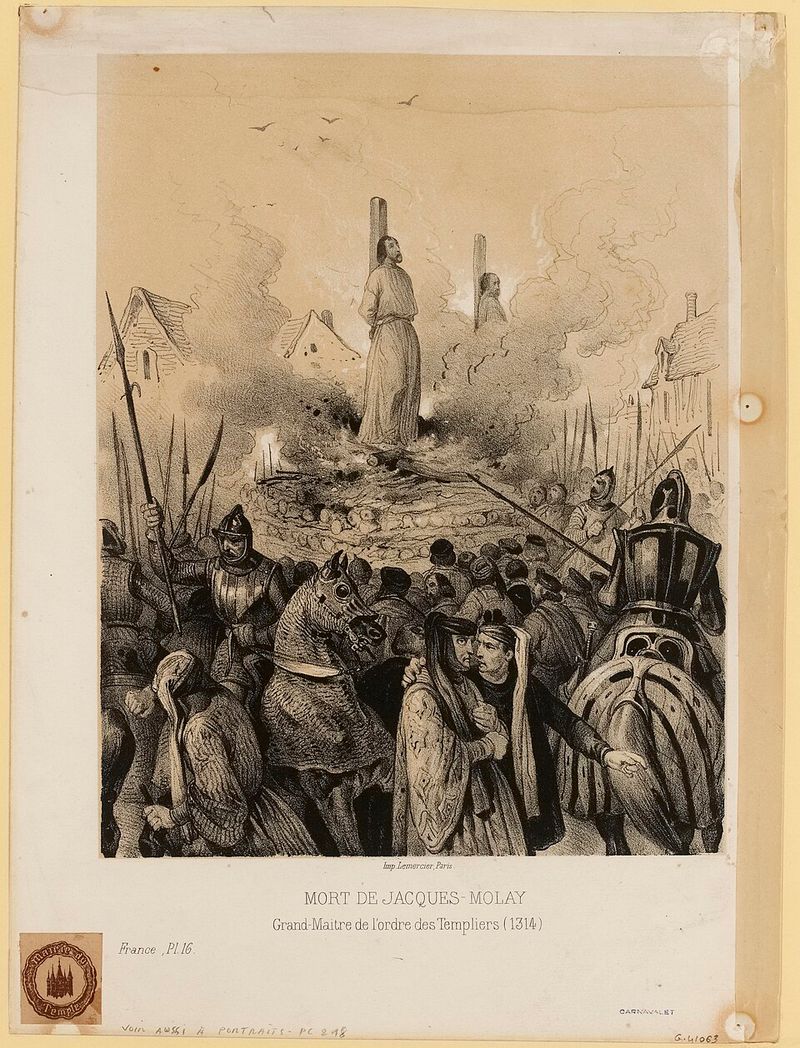
Few organizations have fallen from the top as quickly as the Knights Templar. Their last Grand Master watched it happen.
The Templars were a wealthy religious military order with branches across Europe. In 1307, King Philip IV of France, who owed them money, ordered mass arrests throughout his kingdom.
Templars were accused of heresy. Many confessed under heavy pressure, including Jacques de Molay.
After seven years in prison, de Molay and fellow knight Geoffroi de Charney were sentenced to life imprisonment in 1314. Then both men publicly took back their confessions.
That move made them relapsed heretics. They were condemned on a small island in the Seine, near Notre Dame, in March 1314.
Legend says de Molay called on Philip and Pope Clement V to answer to God within the year. Both did pass away within months, which kept the story alive for centuries.
3. Hugh Despenser the Younger, 1326
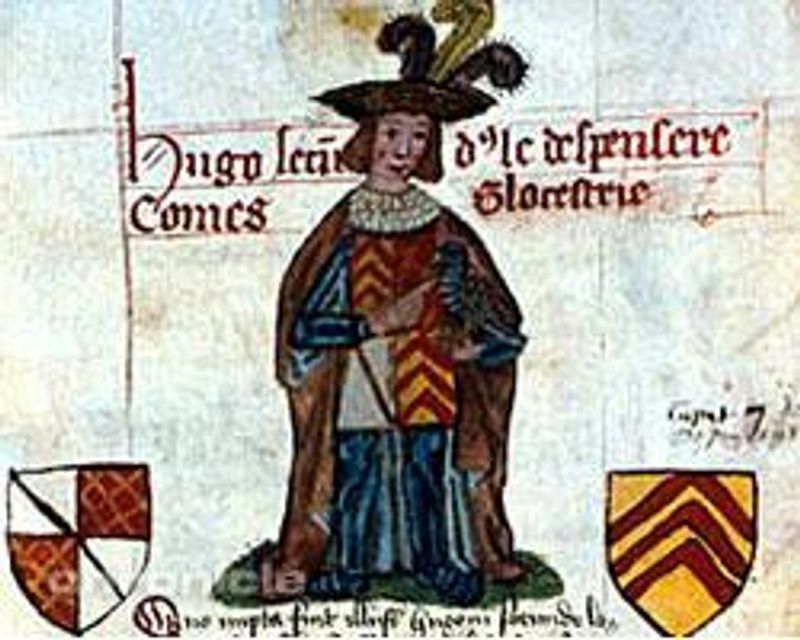
Being the king’s favorite was a great job until the king lost power. Hugh Despenser the Younger found that out in 1326.
As chamberlain to Edward II, Despenser controlled who could see the king. He also gathered huge amounts of land, often by pressuring other nobles to give up their property.
Plenty of barons grew to resent him. So did Queen Isabella, who blamed him for driving a wedge between her and her husband.
In 1326, Isabella and her ally Roger Mortimer landed in England with an army. Edward’s government crumbled within weeks.
Despenser was captured and charged with treason, theft, and stirring up conflict between the king and queen. His sentence was carried out in Hereford on November 24, 1326, using an extra-tall gallows built just for him.
The message was clear. Power gathered too quickly could vanish even faster.
4. William Wallace, 1305
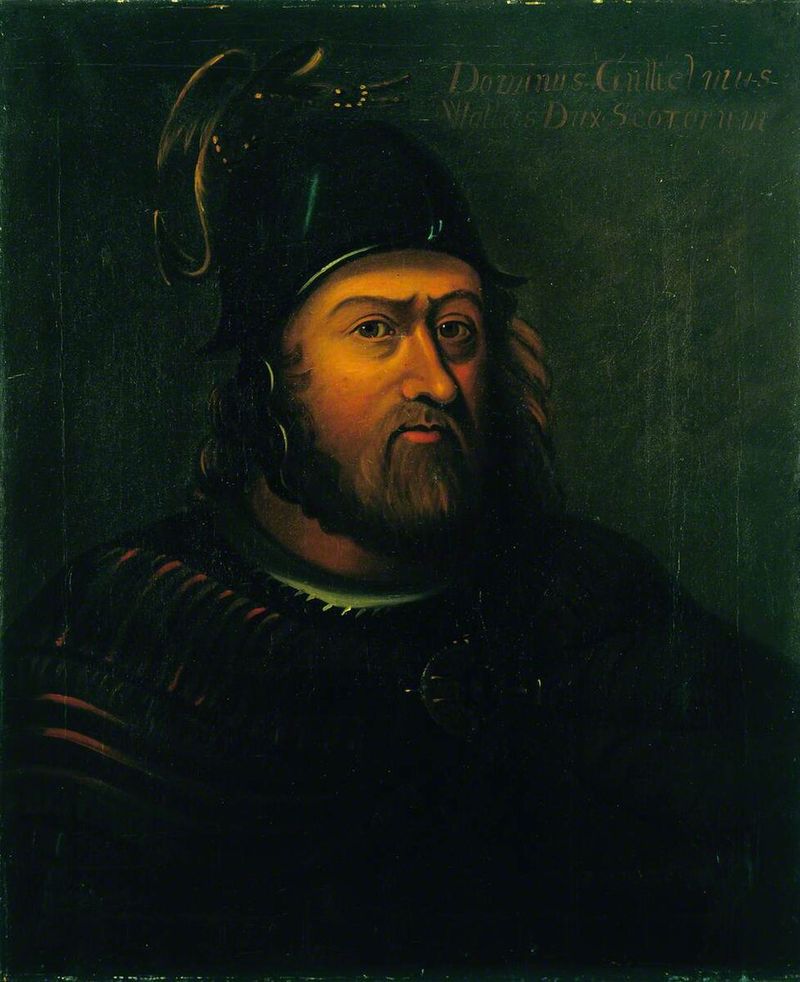
King Edward I wanted to make an example of one man. He ended up giving Scotland a national hero.
William Wallace rose to fame in 1297 when Scottish forces beat a larger English army at the Battle of Stirling Bridge. For years afterward, he stood as a symbol of Scottish resistance.
English forces finally captured him near Glasgow in 1305. He was taken to London and charged with treason.
His famous reply was clever and simple. He said he could not betray Edward because he had never promised loyalty to him in the first place.
The court was not persuaded. On August 23, 1305, Wallace received the harshest sentence English law allowed, carried out at Smithfield.
Edward hoped the case would scare Scots into obedience. Instead, Wallace’s name grew larger every century, from old ballads to the 1995 film Braveheart.
5. Edward II, 1327
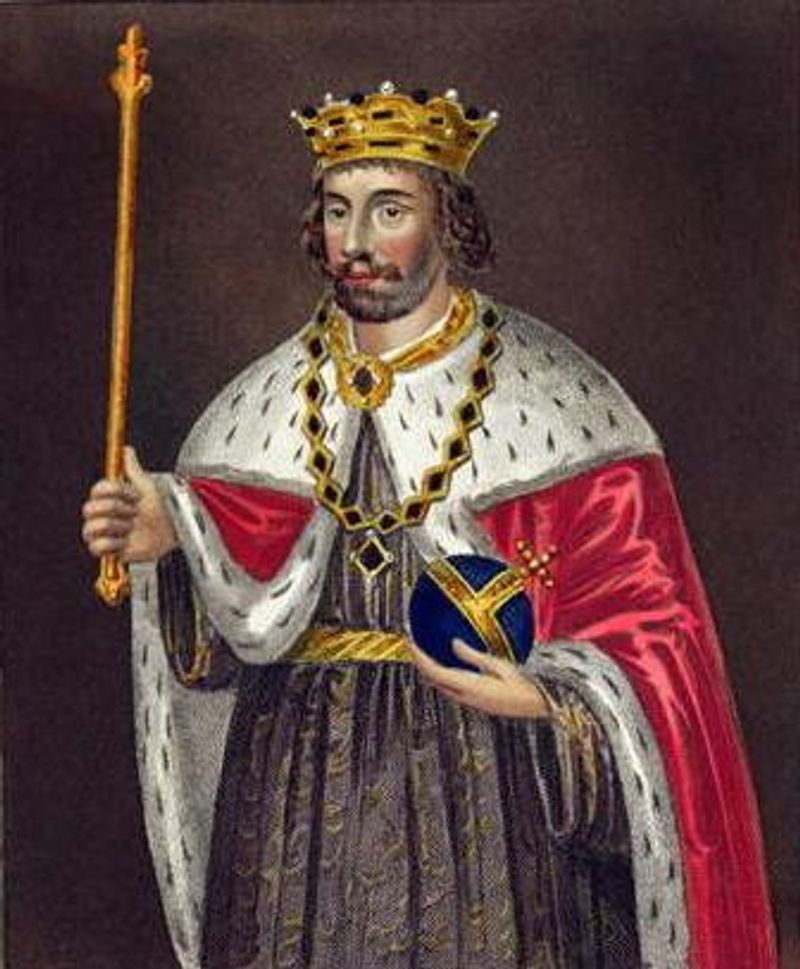
Kings were not supposed to lose their crowns. Edward II became one of the first English monarchs to be formally removed.
After Isabella and Mortimer took control, Parliament pushed Edward aside in January 1327. His teenage son became Edward III.
The former king was moved to Berkeley Castle in Gloucestershire. By September 1327, officials announced that he was gone.
That created a real puzzle. A removed king was still a possible rallying point for anyone unhappy with the new rulers, so many people suspected foul play.
Later writers spread a gruesome tale about how it happened. Modern historians consider that story poorly supported.
Some researchers even point to a letter suggesting Edward escaped and lived quietly in Italy. Most scholars still accept the traditional date and place.
Either way, the mystery at Berkeley remains one of England’s longest-running royal riddles.
6. Cola di Rienzo, 1354
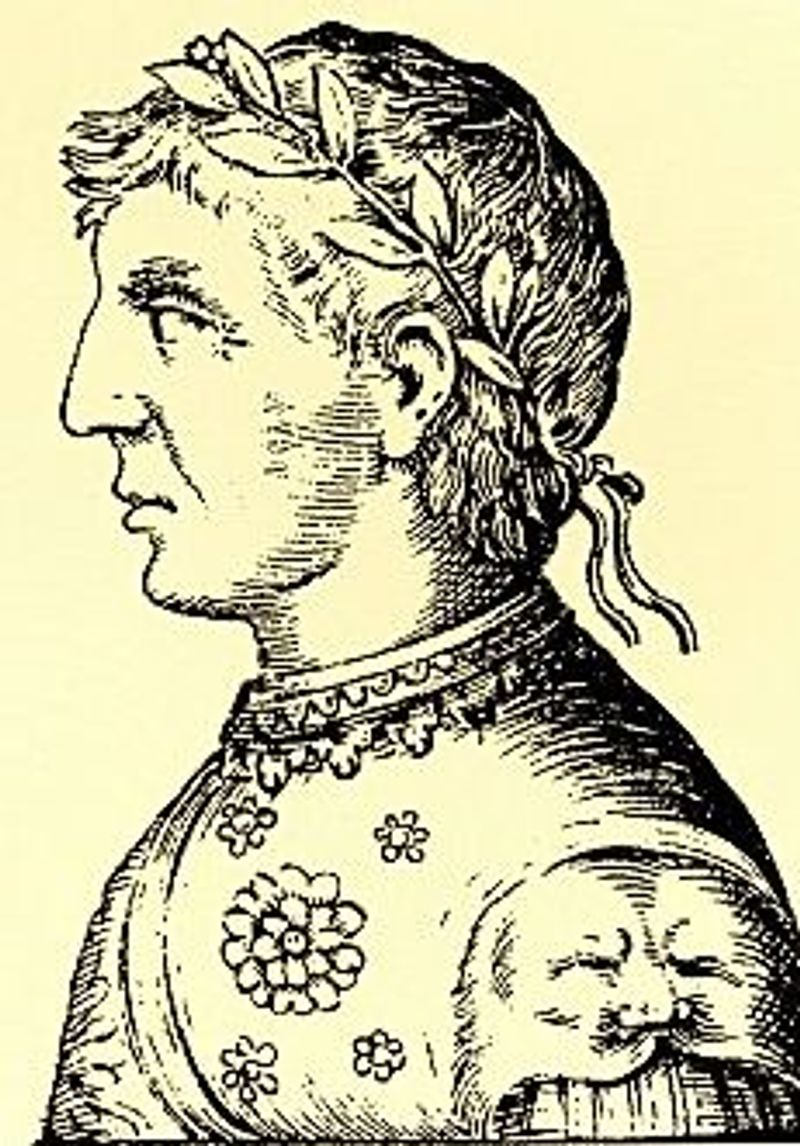
Dreaming big can win a crowd. Keeping that crowd happy is another matter entirely.
Cola di Rienzo was the son of a Roman innkeeper. He became a brilliant speaker who loved ancient Roman history and believed his city could be great again.
At the time, the popes lived in Avignon, France, and Rome was run by feuding noble families. In 1347, Rienzo seized power and named himself tribune, an old Roman title.
His rule started strong. Then came fancy ceremonies, unpopular taxes, and unpaid soldiers, and he was forced out.
Surprisingly, he returned in 1354 with the pope’s backing. His second chance lasted only months.
On October 8, 1354, an angry crowd gathered at his palace. He tried to slip away in disguise but was recognized.
Centuries later, Richard Wagner wrote an opera about him called Rienzi.
7. Wat Tyler, 1381
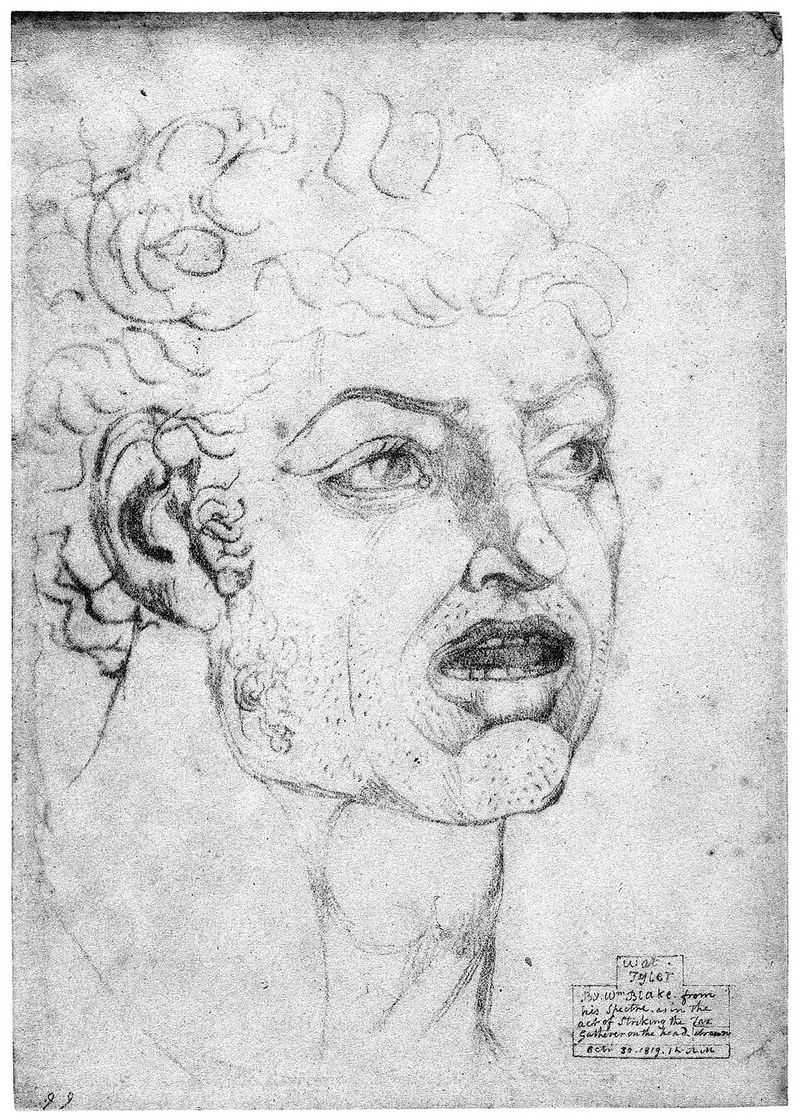
Negotiating with a king in the 1300s came with serious risks. Wat Tyler’s meeting at Smithfield proves it.
Tyler led the Peasants’ Revolt of 1381. Thousands of ordinary people marched on London to protest a harsh poll tax and demand freedom from serfdom.
The rebels took over parts of the city. The government of 14-year-old Richard II had to respond.
On June 15, 1381, Tyler met the young king at Smithfield. Chroniclers disagree about the details, but an argument broke out.
William Walworth, the mayor of London, struck Tyler with his sword. Tyler was later brought back to Smithfield and executed in public.
Richard then rode toward the rebels and declared himself their leader. The bold move calmed the crowd.
Sadly for the peasants, the king’s promises were soon canceled. Still, serfdom in England slowly faded over the following century.
8. Jan Hus, 1415
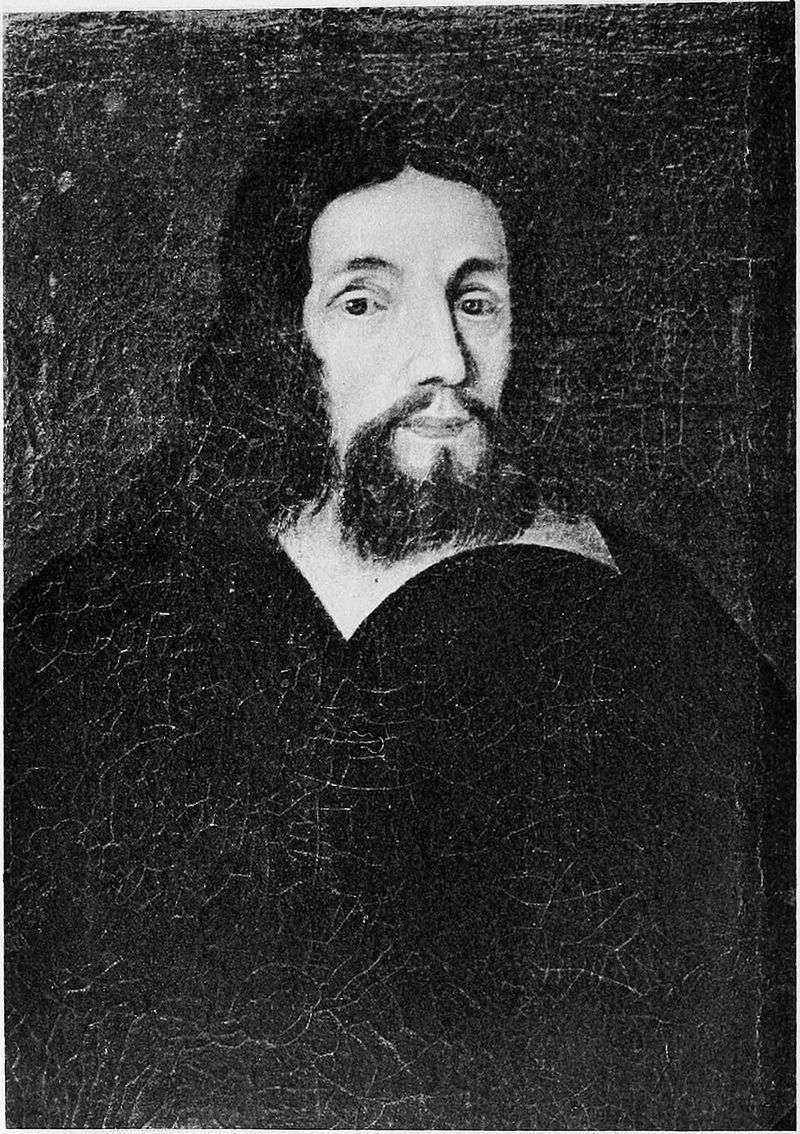
A travel pass from an emperor should mean something. For Jan Hus, it did not.
Hus was a popular preacher in Prague. He criticized wealthy church leaders and the sale of indulgences, and he was inspired by English thinker John Wycliffe.
In 1414, he traveled to the Council of Constance to explain his views. King Sigismund promised him safe conduct.
Within weeks, Hus was arrested anyway. He was tried for heresy and asked to take back his teachings.
Hus refused, saying many of the charges twisted his words. On July 6, 1415, he was condemned at the stake.
The decision backfired badly. Outrage swept Bohemia and led to the Hussite Wars, which lasted until the 1430s.
About a century later, Martin Luther read Hus and reportedly said, “We are all Hussites.” Today July 6 is a public holiday in the Czech Republic.
9. Jerome of Prague, 1416
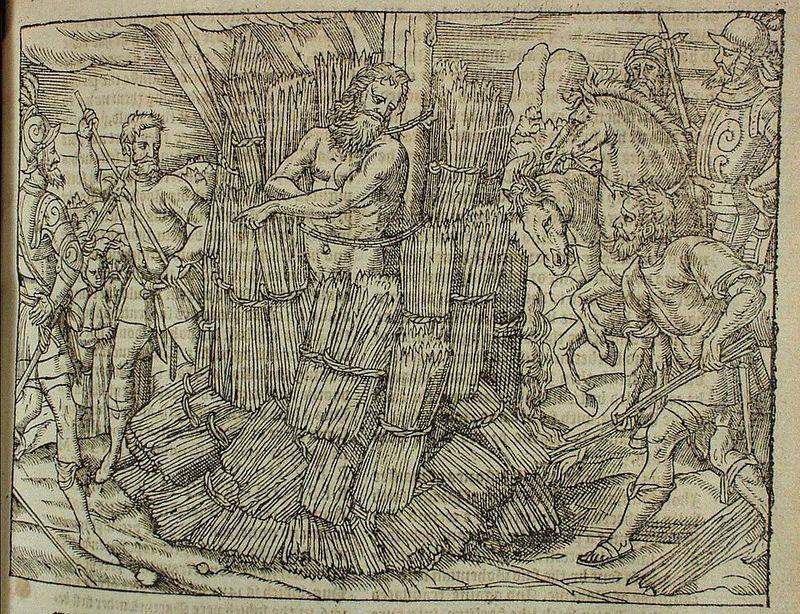
Changing your mind once is common. Jerome of Prague changed his twice, and the second time made history.
Jerome was a well-traveled scholar who had studied at Oxford, Paris, and other universities. He was also one of Jan Hus’s strongest supporters.
When Hus was jailed, Jerome headed toward Constance to help. He quickly realized the danger and fled.
He did not get far. Officials captured him and brought him back in chains.
After months in a cell, Jerome agreed to reject some of his earlier views. It looked like he would be spared.
Then, at his final hearing, he stood up and praised Hus. He took back his recantation in front of the whole council.
He was condemned in May 1416. Italian scholar Poggio Bracciolini watched the hearing and wrote admiringly about Jerome’s courage and speaking skill.
10. Joan of Arc, 1431
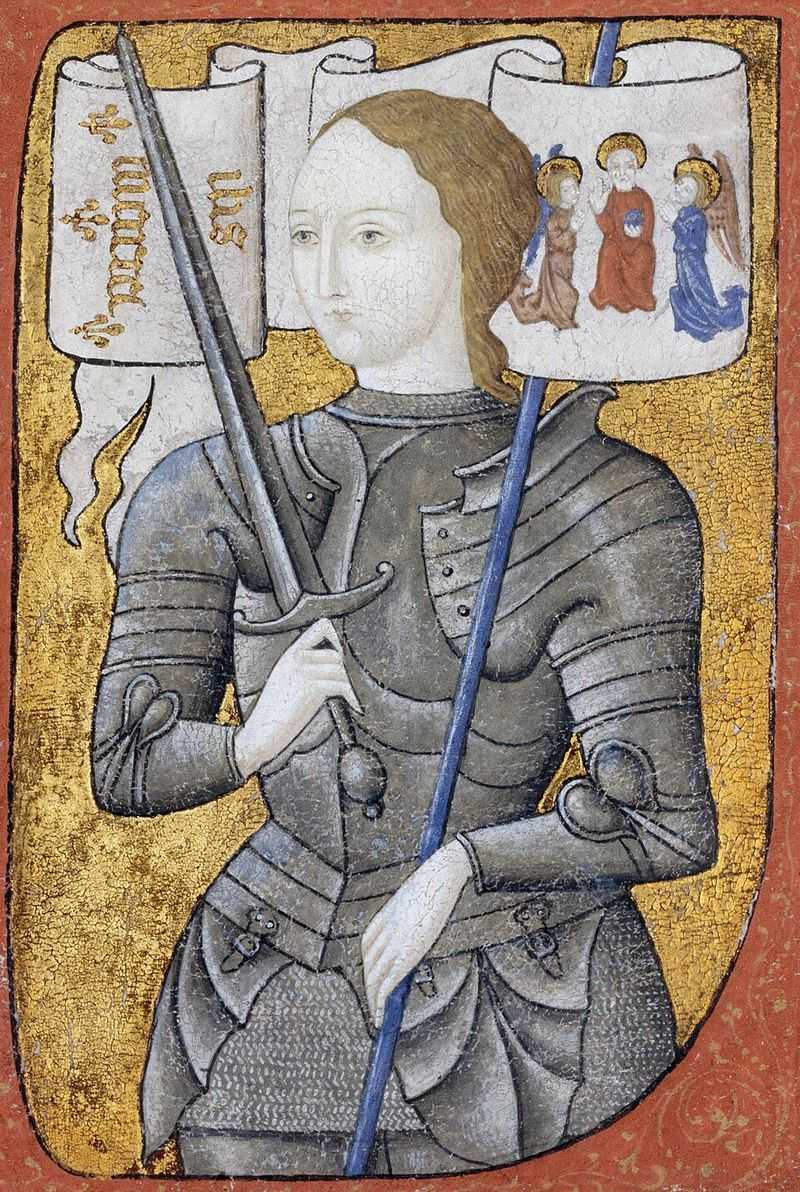
At just 17, a farm girl from Domrémy convinced a future king to trust her with an army. Few stories in history top that.
Joan of Arc said she heard saints telling her to help Charles VII during the Hundred Years’ War. In 1429, she helped end the English siege of Orléans.
Months later, Charles was crowned at Reims with Joan standing nearby. Her fame spread across France.
Then Burgundian soldiers captured her in 1430. They handed her over to the English.
A church court in Rouen tried her for heresy. One charge focused on her habit of wearing men’s clothing.
She was condemned on May 30, 1431, at about 19 years old.
In 1456, a new church trial cleared her name. She became a saint in 1920 and is now one of France’s patron saints.
11. Gilles de Rais, 1440
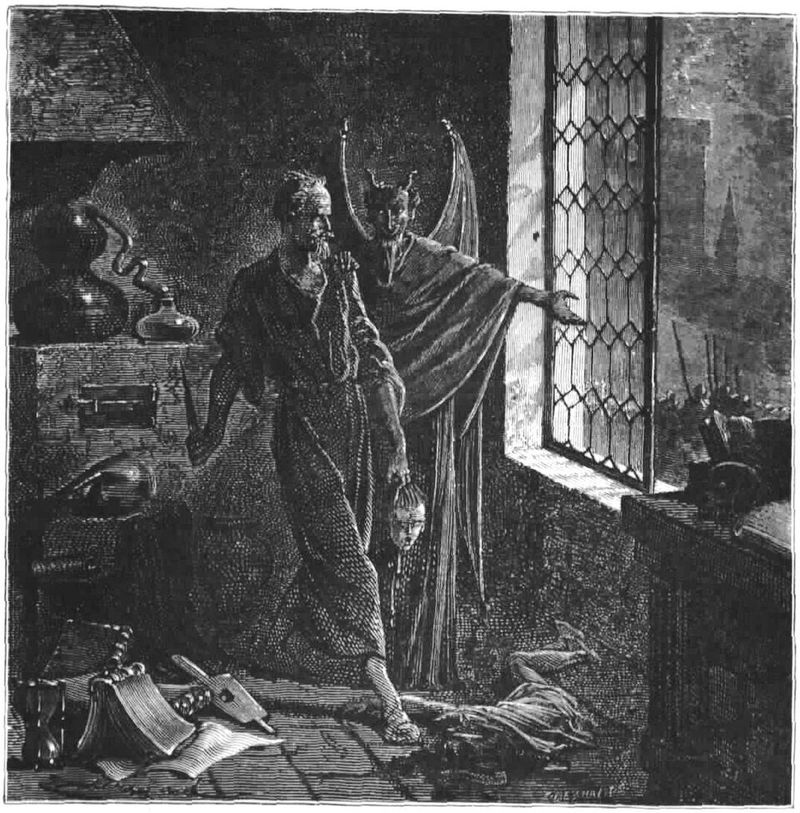
Some reputations flip in shocking ways. Gilles de Rais went from celebrated war hero to one of France’s most notorious defendants.
He was a rich nobleman from Brittany. He fought beside Joan of Arc at Orléans and was named a Marshal of France in 1429.
After the war, he spent wildly on luxuries, theater shows, and even alchemy. His fortune shrank quickly.
In 1440, he was arrested and accused of terrible crimes against children from the region. Both church and regional courts heard the case.
He confessed, though some modern writers question confessions made under threat of torture. Most historians still believe the evidence against him was strong.
He was condemned at Nantes in October 1440.
His story later blended with the fairy tale of Bluebeard. Telling the real records apart from that legend remains a challenge for historians.
12. Richard, Duke of York, 1460
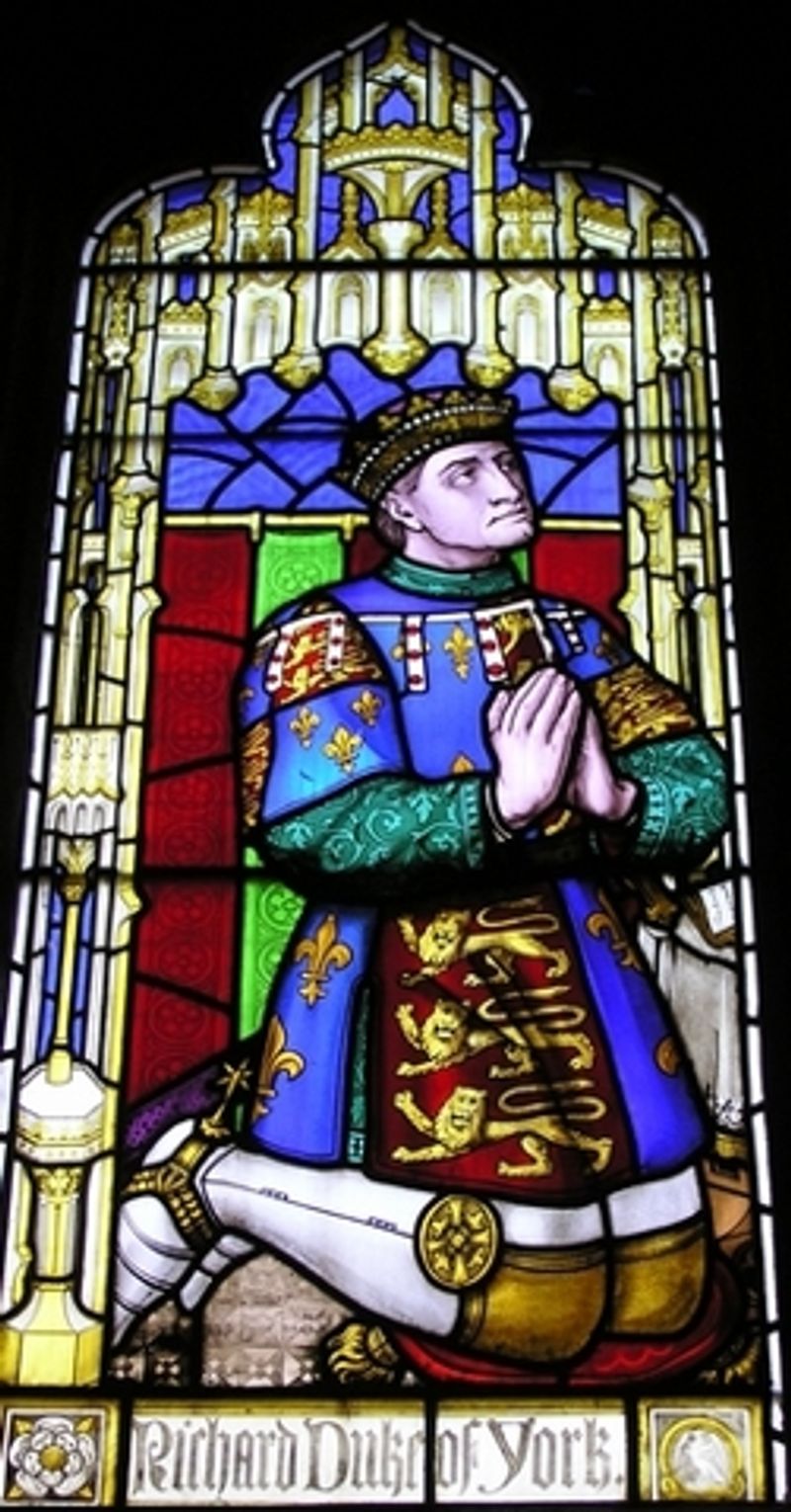
Being named heir to the throne sounds like a win. For Richard, Duke of York, it lasted barely two months.
During the Wars of the Roses, York led the opposition to King Henry VI. In October 1460, Parliament passed the Act of Accord.
That law named York and his sons as the next kings. It pushed aside Henry’s own son, Edward of Westminster.
Queen Margaret of Anjou refused to accept it. Her Lancastrian forces gathered in the north.
York left Sandal Castle and met them at the Battle of Wakefield in late December 1460. He was defeated and did not survive.
His enemies placed his head above Micklegate Bar in York, crowned with paper as a mockery.
The insult did not last long. In 1461, his son became King Edward IV.
13. George, Duke of Clarence, 1478
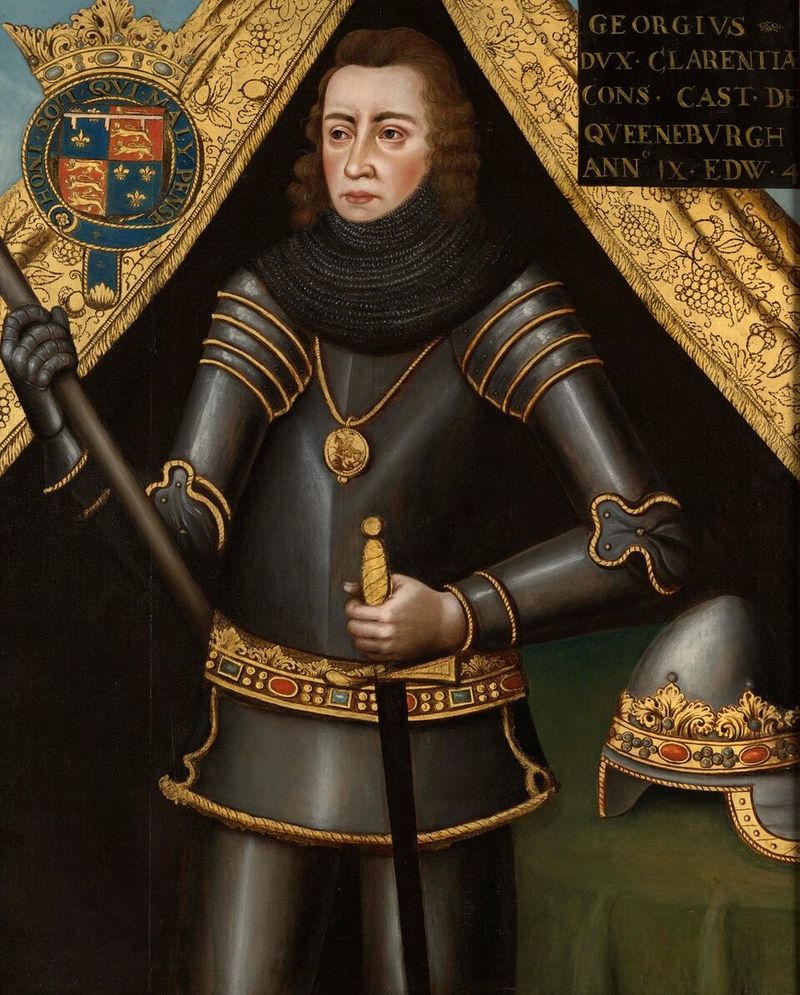
Sibling rivalry rarely gets as serious as it did in the House of York.
George, Duke of Clarence, was the younger brother of King Edward IV and the future Richard III. He also had a habit of switching sides.
In 1469, he joined a rebellion against Edward. He later returned to his brother, but the trust never fully came back.
By 1477, George was in trouble again. Edward had him arrested, and Parliament found him guilty of treason.
He was executed privately in the Tower of London on February 18, 1478. Nobody recorded exactly how.
A rumor spread that he was drowned in a large barrel of Malmsey, a sweet drink from Greece. Shakespeare used the tale in Richard III.
Historians cannot confirm it. Still, it remains one of the oddest stories in English royal history.
14. Edward of Westminster, 1471
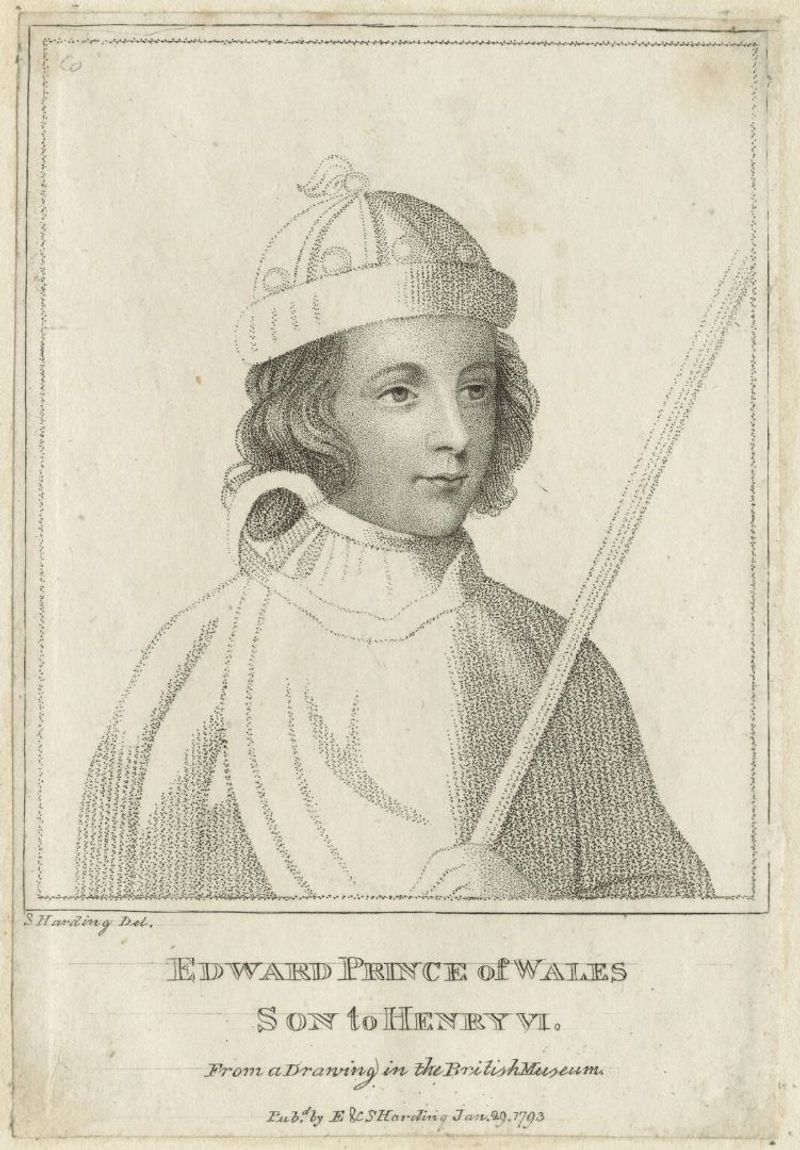
Only one English Prince of Wales has fallen in battle. Edward of Westminster holds that unusual record.
He was the only son of Henry VI and Margaret of Anjou. By 1471, the 17-year-old was the main hope of the Lancastrian side.
On May 4, 1471, his army faced Edward IV at the Battle of Tewkesbury. The Yorkists won decisively.
How the prince met his end is still debated. Most early sources say he fell during the fighting or while fleeing.
Later Tudor writers told a more dramatic version. In it, he was brought before Edward IV, answered boldly, and was struck down by Yorkist lords.
Either way, the result changed English politics. Within weeks, Henry VI also passed away in the Tower of London.
The direct Lancastrian royal line was finished. He is buried inside Tewkesbury Abbey.
15. Girolamo Savonarola, 1498
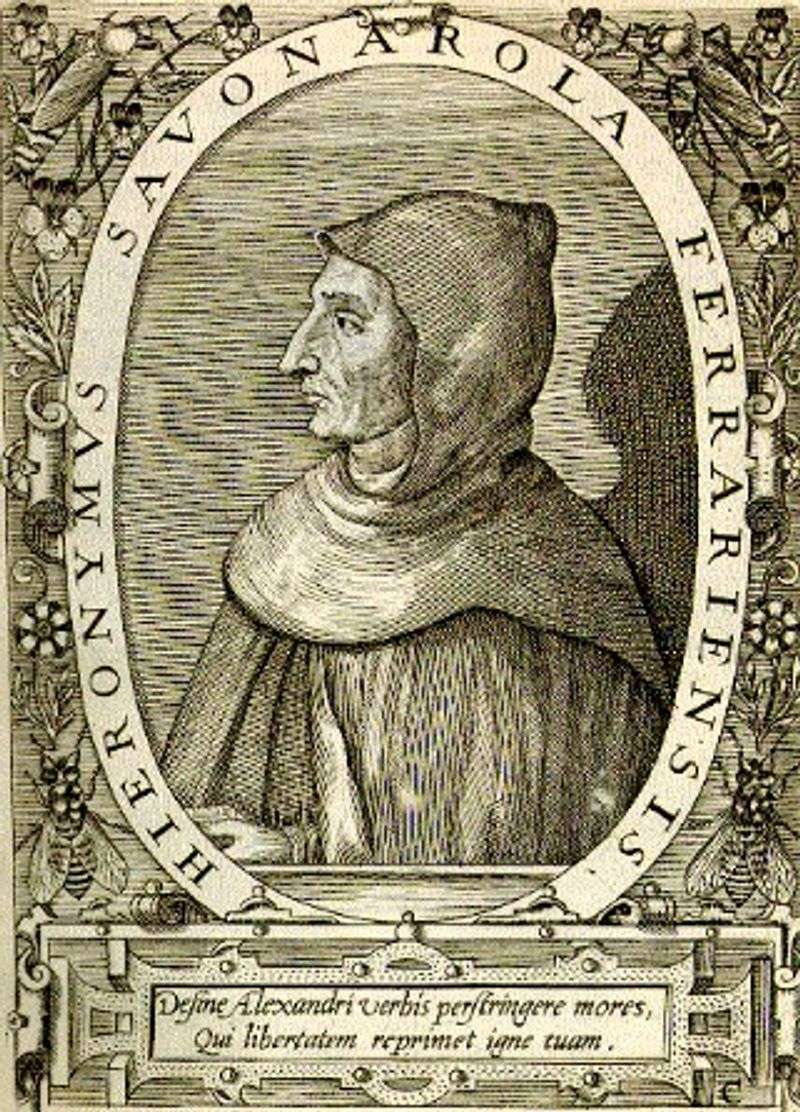
Florence, home of Renaissance art, once handed its moral rules to a strict friar. The arrangement did not end well for him.
Girolamo Savonarola preached against luxury, corruption, and greed. After the Medici family was pushed out in 1494, he became the most influential voice in the city.
His followers collected mirrors, fancy clothes, playing cards, and paintings. In 1497, they burned piles of them in the Bonfire of the Vanities.
Savonarola also criticized Pope Alexander VI. The pope excommunicated him that same year.
Public support soon faded. In 1498, he was arrested along with two fellow friars.
On May 23, 1498, all three were condemned in the Piazza della Signoria, the same square as his famous bonfire.
A round plaque in the pavement still marks the spot. Visitors in Florence can find it today.
Share this story