Public executions once drew crowds and shaped the course of nations. Some of them ended the lives of kings, queens, scholars, and rebels whose stories still matter today.
This list looks at fifteen well-known cases from ancient times to the twentieth century. Each one shows how law, politics, and religion collided in dramatic ways.
1. Jesus Christ (c. AD 30-33)
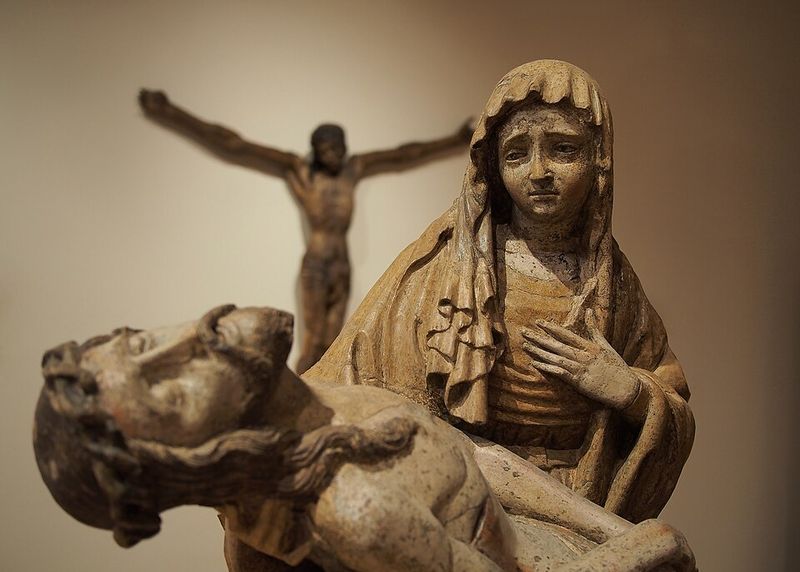
Few events in history have shaped as many lives as the crucifixion in Jerusalem. Roman authorities carried it out sometime between AD 30 and 33.
Jesus of Nazareth, a teacher from Galilee, was condemned under the governor Pontius Pilate.
Crucifixion was a harsh Roman punishment, often used on rebels and people seen as threats to order. It was done in public so that passersby would see the result and think twice about challenging Rome.
The Gospels say Jesus was charged with claiming to be a king.
For Christians, this event is the center of their faith and is remembered each year at Easter. Historians outside the religion, such as the Roman writer Tacitus, also mention the execution.
Because of that, it is one of the most widely discussed events of the ancient world, and its impact on art, law, and culture is still easy to see today.
2. Joan of Arc (1431)
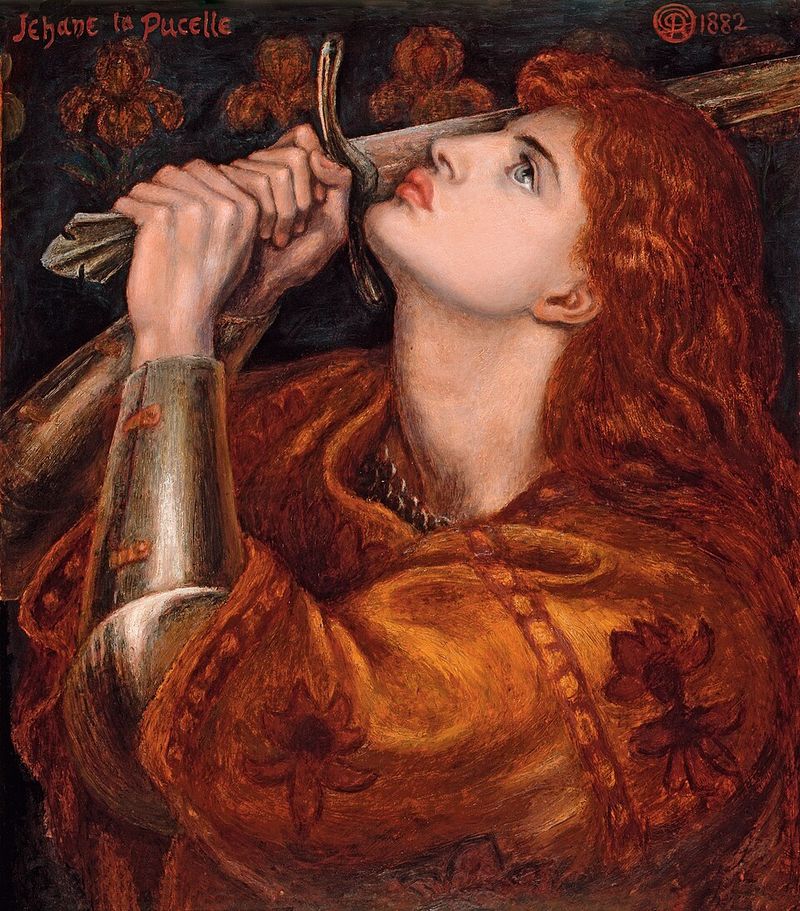
She was a farm girl who led armies, and she was gone before her twentieth birthday. Joan of Arc rose to fame during the Hundred Years’ War after saying she had received visions that told her to help France.
Her leadership helped lift the siege of Orleans in 1429.
Later, she was captured by Burgundian forces and handed over to English-aligned church judges. A trial in Rouen found her guilty of heresy, partly because she wore men’s clothing and claimed direct guidance from saints.
On May 30, 1431, she was burned at the stake in the public marketplace of Rouen. She was about 19 years old.
Years later, a new inquiry cleared her name, and the Catholic Church made her a saint in 1920. Today she is a national symbol of courage in France.
3. William Wallace (1305)
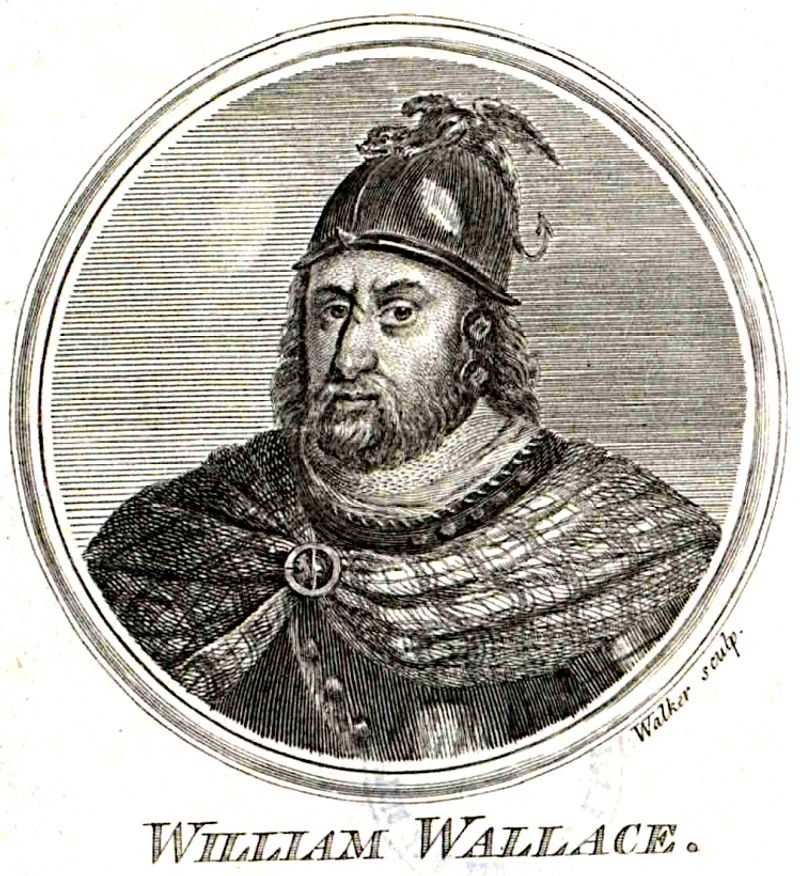
Long before movies made him famous, William Wallace was a real fighter who stood up to a powerful king. He helped lead Scottish forces to victory at Stirling Bridge in 1297.
That win made him a hero to many Scots.
After a later defeat at Falkirk, Wallace spent years evading capture. English forces finally took him near Glasgow in 1305 and brought him to London.
He was tried at Westminster Hall and convicted of treason, though he argued he had never sworn loyalty to Edward I. On August 23, 1305, he was executed at Smithfield in front of a crowd.
The punishment was meant to warn others against rebellion. Instead, his death helped turn him into a lasting symbol of Scottish independence, and Scotland later won its freedom under Robert the Bruce.
4. Anne Boleyn (1536)
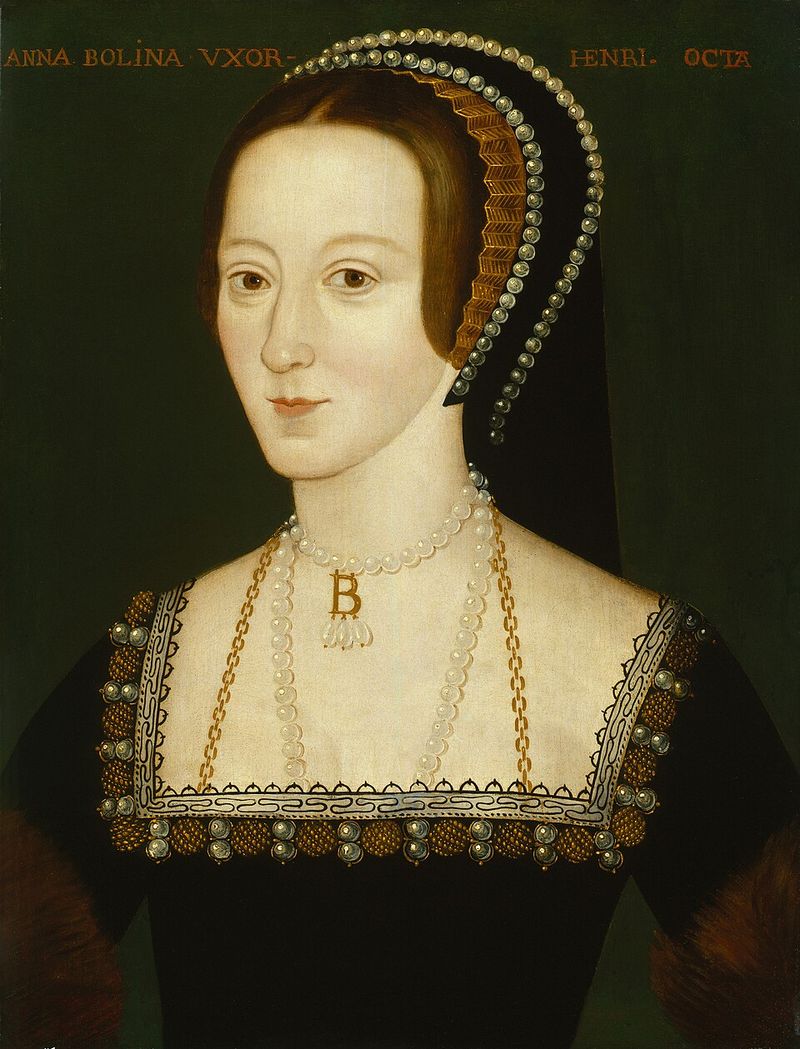
Anne Boleyn went from queen to prisoner in just a few weeks. She married Henry VIII in 1533, after he broke from the Catholic Church to end his first marriage.
Their daughter, the future Elizabeth I, was born that same year.
By 1536, Henry wanted a male heir and had grown tired of the marriage. Anne was arrested and charged with adultery, incest, and plotting against the king.
Most historians today believe the charges were false.
On May 19, 1536, she was beheaded inside the Tower of London before a limited group of witnesses. Rather than an axe, a skilled swordsman from France was brought in for the task.
Her death was quick, and she was about 35 years old. Her story remains one of the best-known tales from the Tudor court.
5. Thomas More (1535)
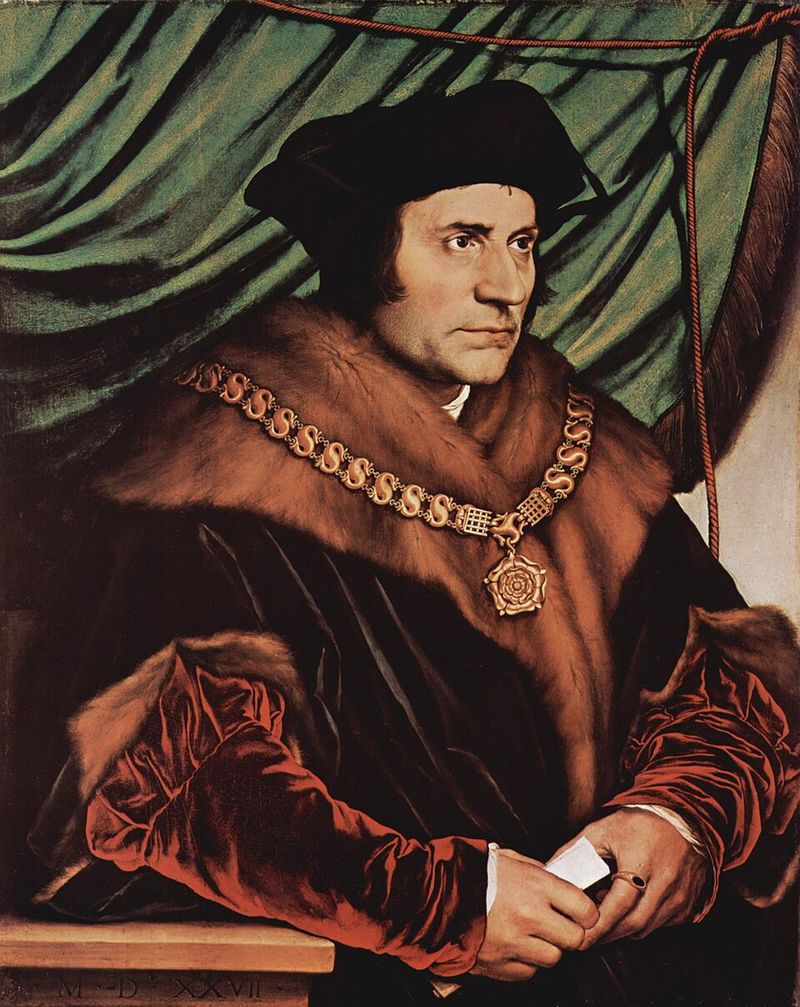
“I die the king’s good servant, but God’s first.” Those words are often linked to Thomas More as he faced his final moments. He was a lawyer, writer, and the author of the book Utopia.
More served as Lord Chancellor of England under Henry VIII. When the king broke from Rome and declared himself head of the Church of England, More refused to accept it.
He stayed silent about the matter, but he would not sign the oath.
He was held in the Tower of London and convicted of treason in 1535. On July 6, he was beheaded on Tower Hill at about age 57.
Witnesses noted his calm manner and even his dry sense of humor. The Catholic Church later named him a saint, and many people still admire his loyalty to his conscience.
6. Charles I of England (1649)
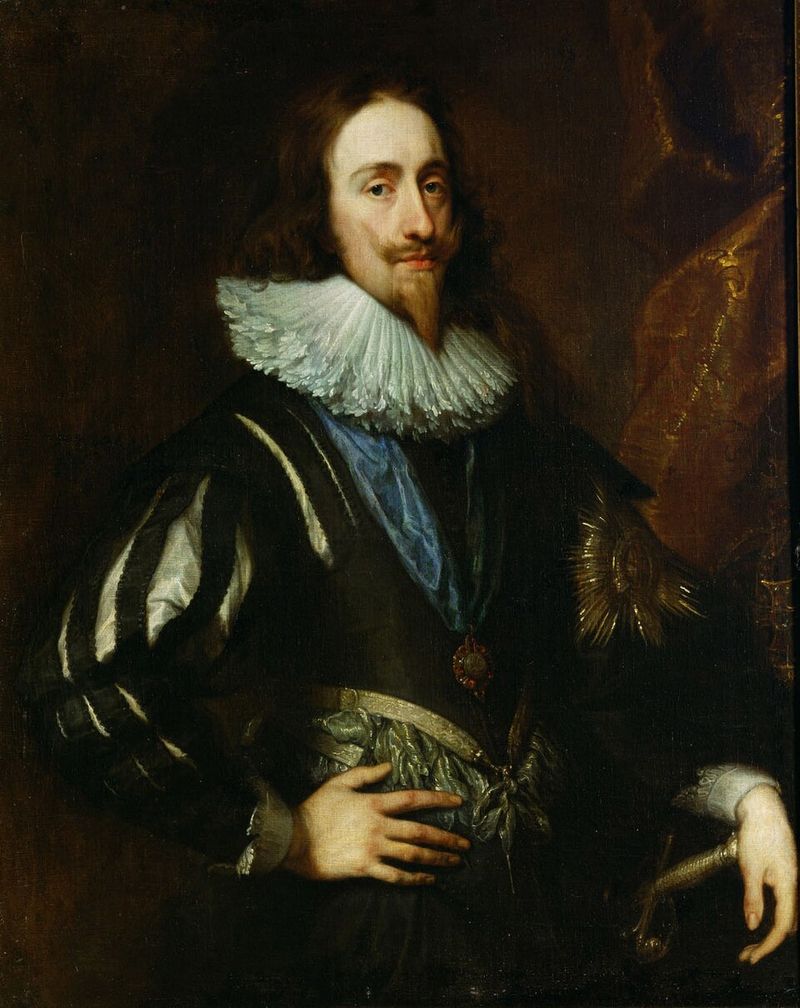
A king on trial by his own people was almost unthinkable in the seventeenth century. Charles I believed his right to rule came from God.
Conflicts with Parliament over money and power led to the English Civil War.
After Parliament’s forces won, Charles was put on trial for treason in January 1649. He refused to recognize the court’s authority, but he was found guilty anyway.
On January 30, 1649, he was beheaded on a scaffold built outside the Banqueting House in Whitehall. He wore extra layers so the crowd would not mistake shivering for fear.
The event stunned monarchies across Europe. England became a republic for a time, though the monarchy returned in 1660 under his son, Charles II.
7. Louis XVI (1793)
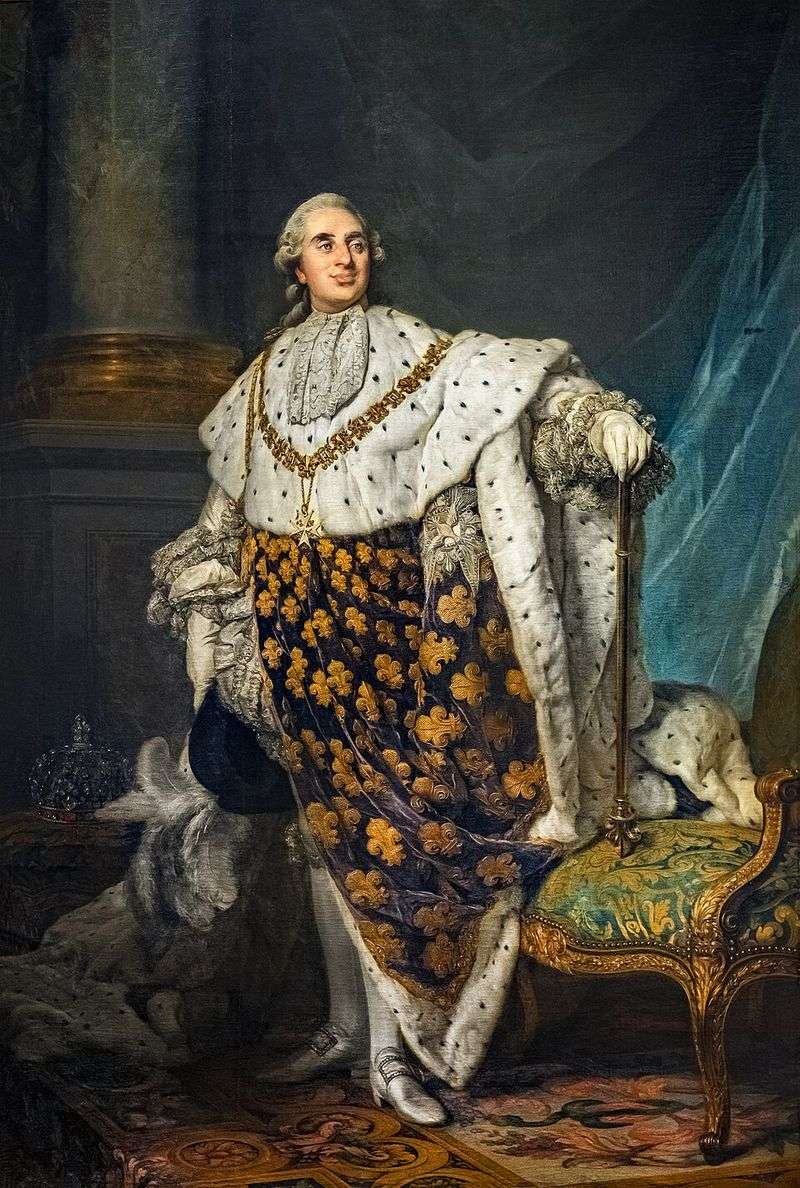
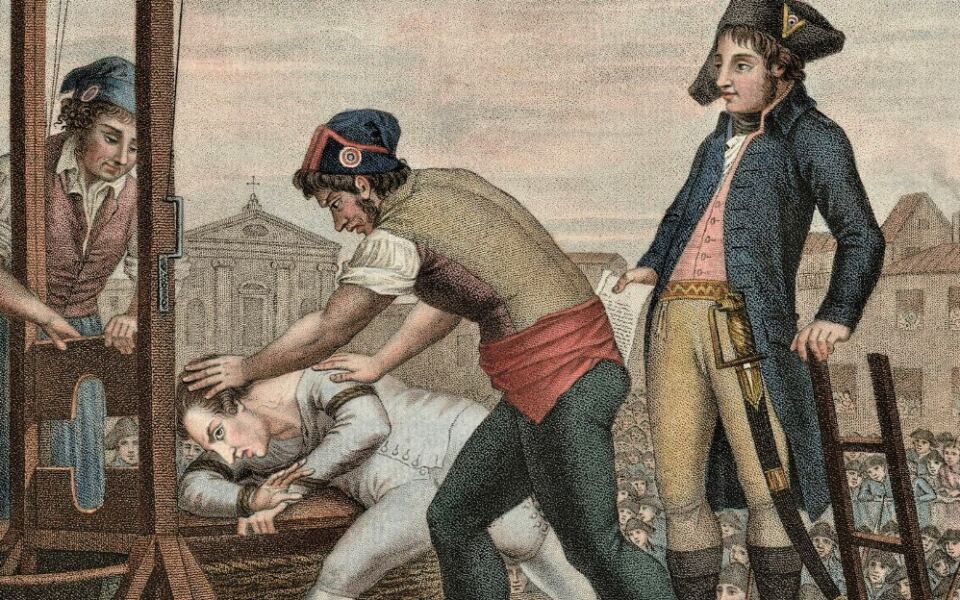
The guillotine had already claimed many lives by January 1793, but none shook Europe like the king’s. Louis XVI had ruled France since 1774, during years of debt and food shortages.
As the French Revolution grew, he lost the trust of the people.
After a failed attempt to flee the country in 1791, he was arrested. The National Convention put him on trial and found him guilty of treason against the nation.
On January 21, 1793, he was guillotined in the Place de la Revolution in Paris. He was 38 years old.
Drums reportedly drowned out his last words to the crowd. His death ended nearly a thousand years of French monarchy in its old form and pushed the Revolution into a harsher phase.
8. Marie Antoinette (1793)
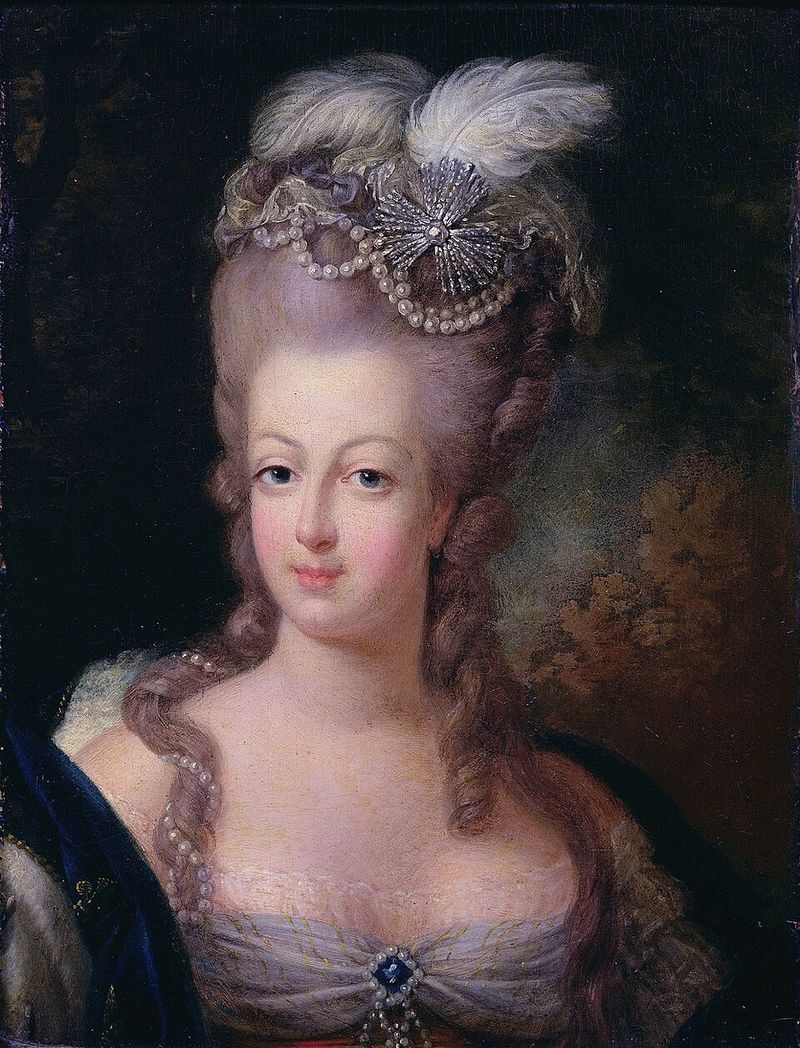
Born an Austrian archduchess, Marie Antoinette became queen of France at just 19. Her taste for luxury and her foreign background made her unpopular, especially while many people struggled to buy bread.
The famous line “Let them eat cake” is often pinned on her, though there is no proof she said it.
After the monarchy fell, she was imprisoned and later tried by the Revolutionary Tribunal. The charges included treason and harming the republic.
On October 16, 1793, nine months after her husband, she was taken by open cart through Paris and guillotined in public. She was 37.
Witnesses recorded that she remained composed. Her story is still studied as an example of how quickly public opinion can turn during a revolution.
9. Maximilien Robespierre (1794)
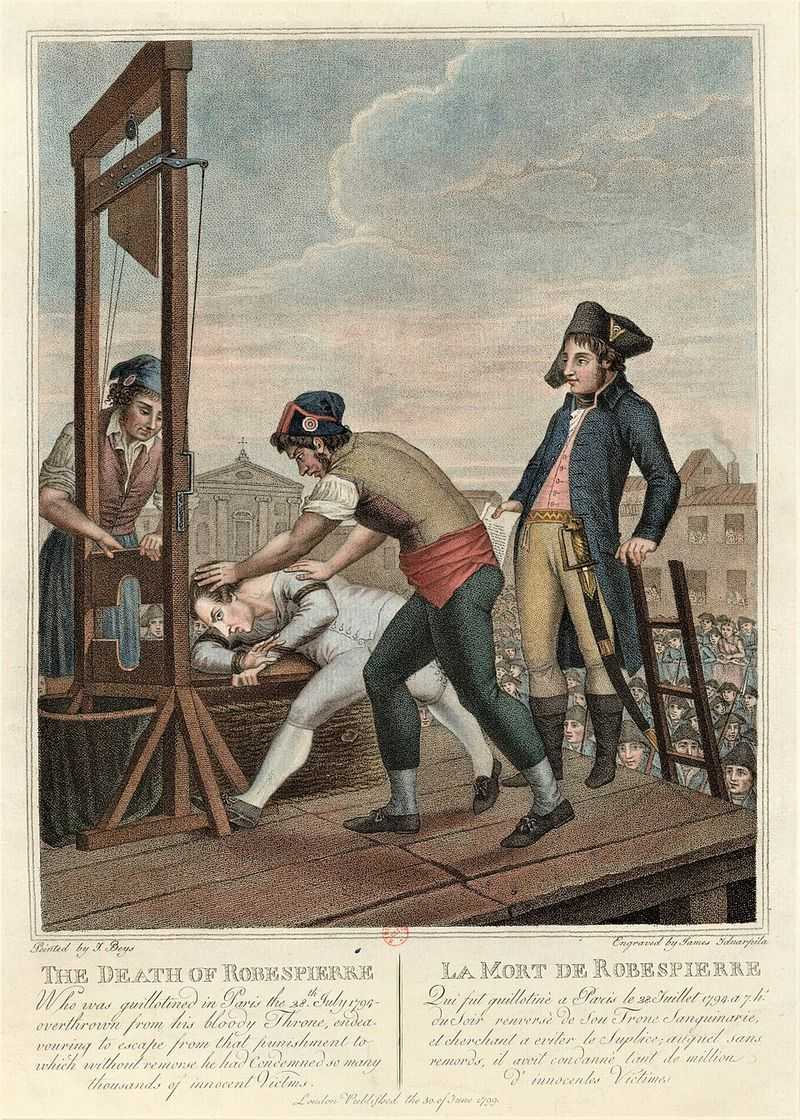
The man who helped send so many people to the guillotine eventually met the same fate. Maximilien Robespierre was a lawyer who became a leading voice of the French Revolution.
He later guided the Committee of Public Safety during the period known as the Reign of Terror.
Thousands were executed during those months. By mid-1794, many officials feared they might be next, and support for Robespierre faded.
On July 27, he was arrested in a sudden turn of events inside the National Convention. The following day, he and a number of allies were guillotined in Paris before a large crowd.
He was 36. His fall brought the Terror to an end and opened a new chapter in French politics.
10. Giordano Bruno (1600)
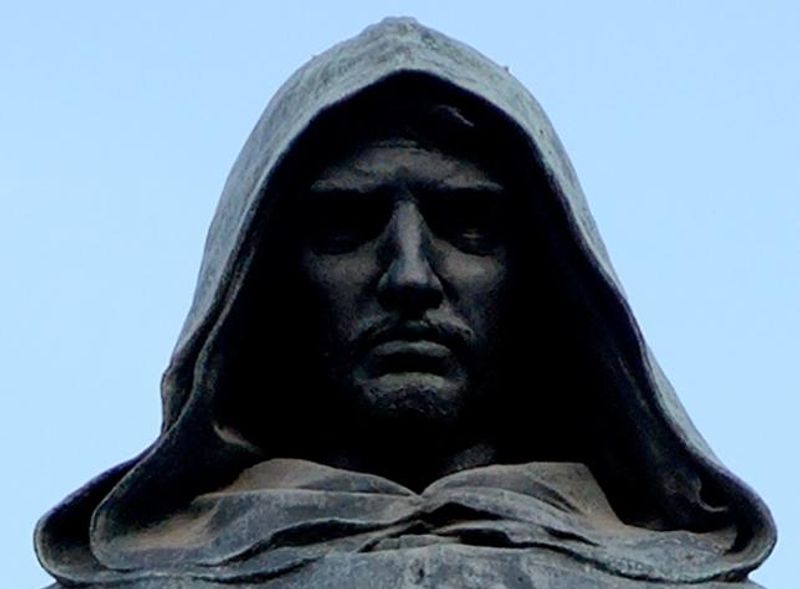
Imagine being punished for ideas about the stars. Giordano Bruno was an Italian philosopher and former Dominican friar who wrote boldly about the universe.
He suggested that space was infinite and that other suns might have their own worlds.
Those views, along with his challenges to church teaching, brought him to the attention of the Roman Inquisition. He spent about seven years in prison while officials questioned him.
He refused to take back his core ideas. On February 17, 1600, he was burned at the stake in the Campo de’ Fiori in Rome.
He was around 52. Historians still debate how much his death was about science and how much was about theology.
Either way, he is often remembered as a symbol of free thought.
11. Guy Fawkes (1606)
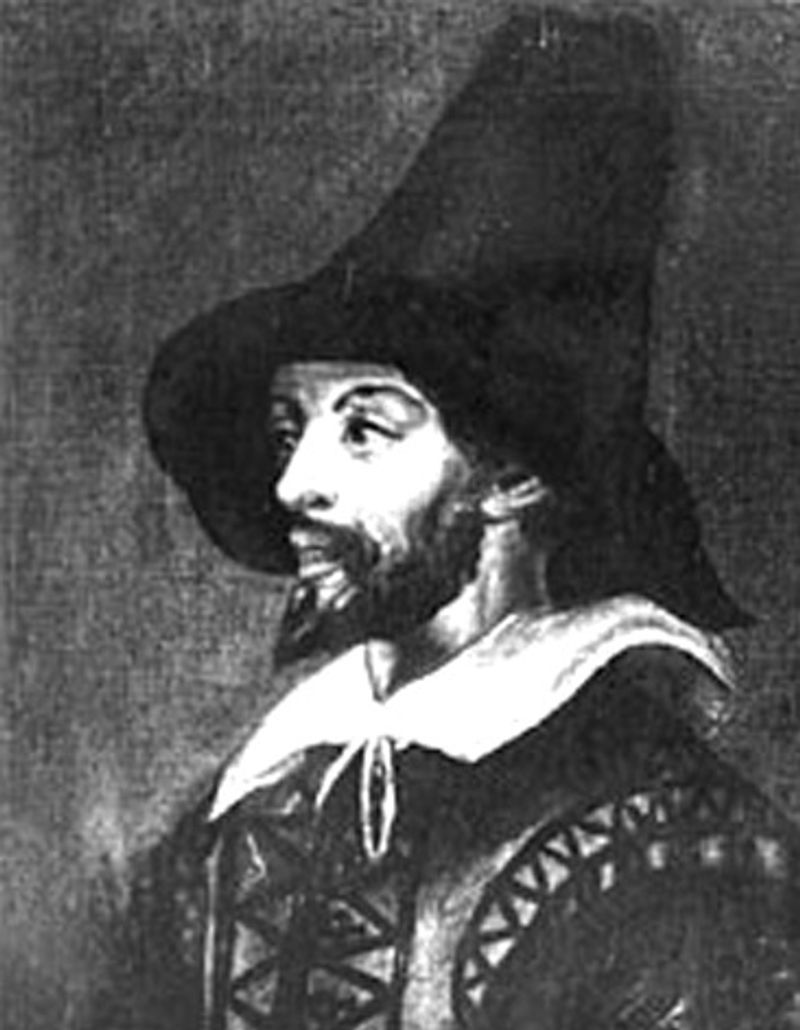
Every November, bonfires in Britain trace back to one plot that failed. Guy Fawkes was a soldier who joined a group of Catholic conspirators in 1605.
Their plan was to blow up the House of Lords during the opening of Parliament and kill King James I.
Fawkes was found guarding barrels of gunpowder in a cellar on November 5. After questioning at the Tower of London, he named his fellow plotters.
On January 31, 1606, he was brought to the scaffold near Westminster. He was meant to be hanged, drawn, and quartered, but he jumped from the ladder and broke his neck, dying before the harsher parts of the sentence.
Bonfire Night, with its fireworks and effigies, has kept his name alive for over four centuries.
12. Mary, Queen of Scots (1587)
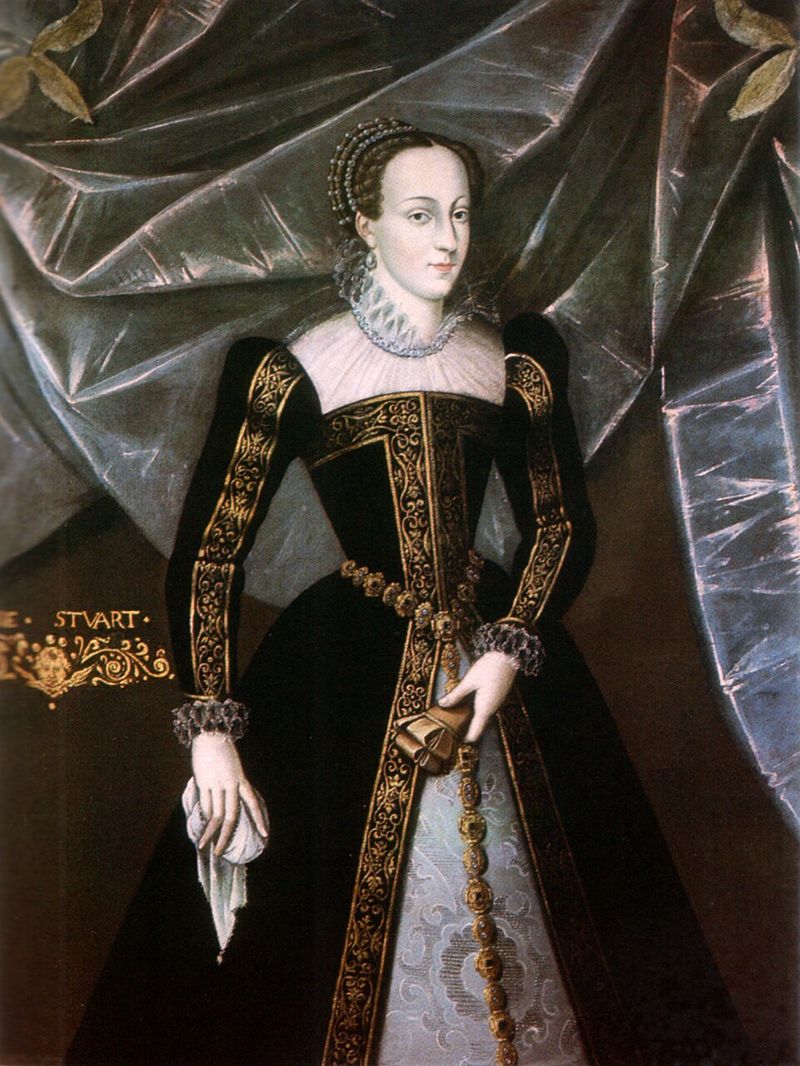
Nineteen years in captivity ended in one cold February morning. Mary, Queen of Scots, had fled to England in 1568 after losing her throne.
Her cousin, Elizabeth I, kept her under guard because Mary had a strong claim to the English crown.
Catholic supporters repeatedly plotted to place Mary on the throne. In 1586, letters tied to the Babington Plot linked her to a scheme against Elizabeth, and she was convicted of treason.
On February 8, 1587, she was beheaded in the Great Hall of Fotheringhay Castle. Invited witnesses watched.
She was 44 and reportedly wore a red petticoat beneath her black dress. It took more than one blow.
Her son, James VI of Scotland, later inherited the English throne as well.
13. Nathan Hale (1776)
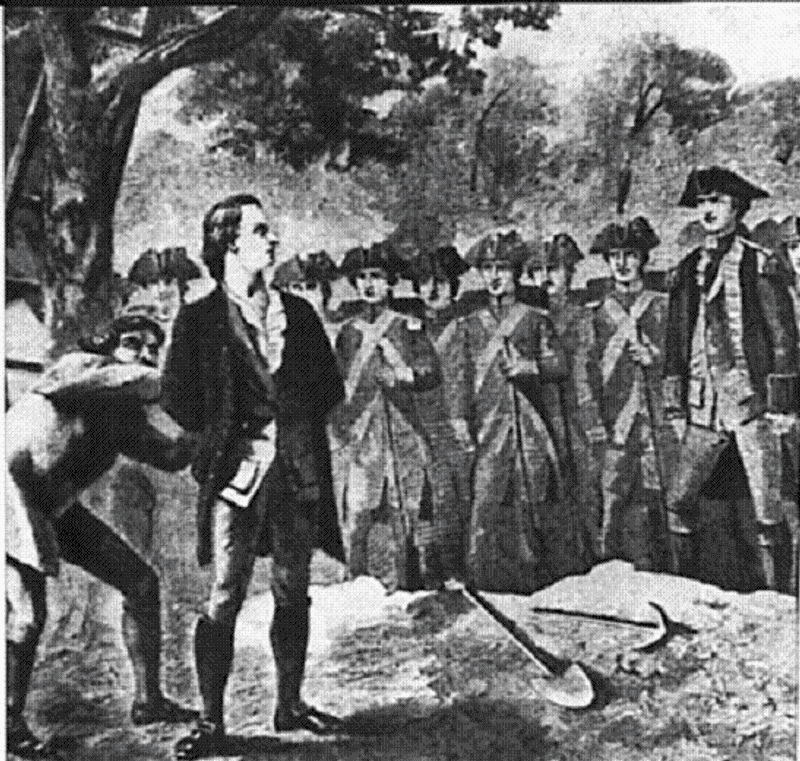
“I only regret that I have but one life to lose for my country.” That line, tied to Nathan Hale, is one of the best-known quotes of the American Revolution. Hale was a young schoolteacher from Connecticut who joined the Continental Army.
In September 1776, George Washington needed information about British troop positions on Long Island. Hale volunteered to go behind enemy lines, posing as a Dutch schoolteacher.
He was caught, and British officers found notes that gave him away. He was hanged in New York on September 22, 1776, when he was only 21.
No one knows the exact spot, and the famous words come from secondhand accounts. Even so, Hale is honored with statues, including one at the Connecticut State Capitol.
14. John Brown (1859)
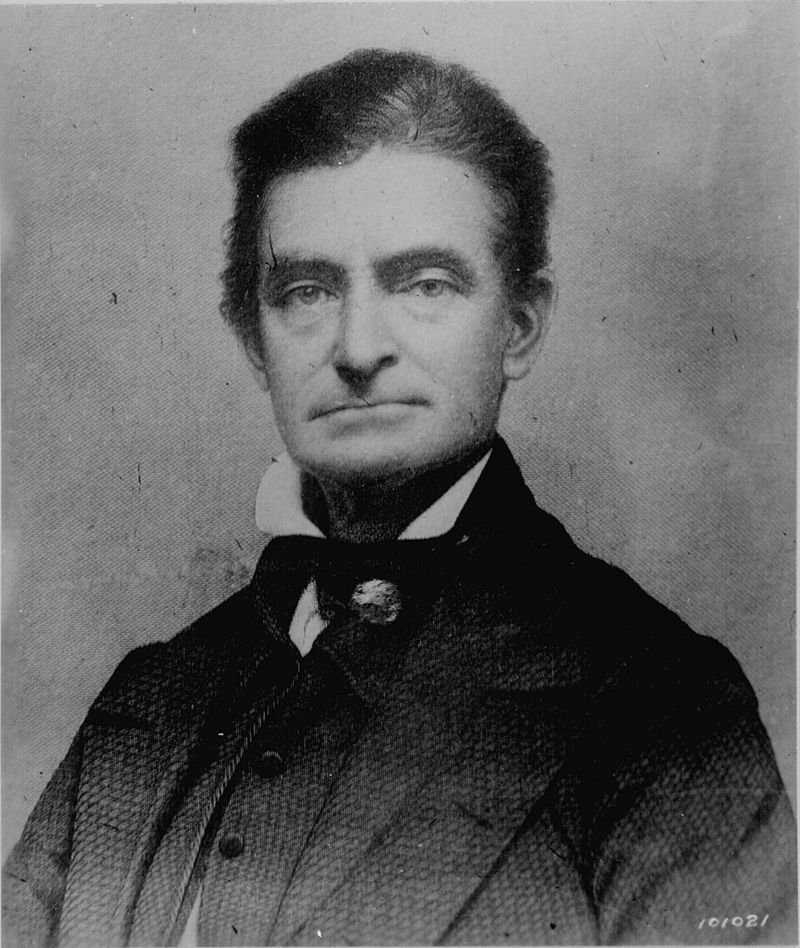
Some people see John Brown as a hero, while others see a dangerous radical. Either way, his actions pushed the country closer to civil war.
Brown was a fierce abolitionist who believed slavery could only end through force.
In October 1859, he led a small group in a raid on the federal arsenal at Harpers Ferry, Virginia. He hoped to arm enslaved people and start a revolt.
United States Marines, led by Robert E. Lee, stopped the raid within about two days.
Brown was convicted of treason against Virginia, murder, and conspiracy. He was hanged in Charles Town on December 2, 1859, at age 59.
Soldiers and selected observers were present. His final written message predicted that the land would only be cleansed with blood.
Share this story