From 1947 to 1991, the United States and the Soviet Union competed in a standoff that shaped schools, science, travel, and even family vacations. Kids practiced duck-and-cover drills in classrooms, families read pamphlets about fallout shelters, and both nations raced to build better rockets, satellites, and computers.
Much of the real action, though, happened far from the headlines. Some of the scariest moments were kept secret for decades and only came out after the Soviet Union dissolved and old files were opened.
A glitchy satellite, a wrong computer tape, or a tired crew could matter as much as any general. In the pages ahead, you will meet calm officers who doubted their machines, spies who played dangerous double games, families who got clever at a heavily guarded border, and engineers who built hidden cities and bunkers.
Each story is grounded in documented history, with dates, names, and the reasons it still matters today. By the end, you will understand why the Cold War is remembered as a time when careful human judgment sometimes made all the difference.
1. The Nuclear Submarine That Nearly Launched a Torpedo, 1962
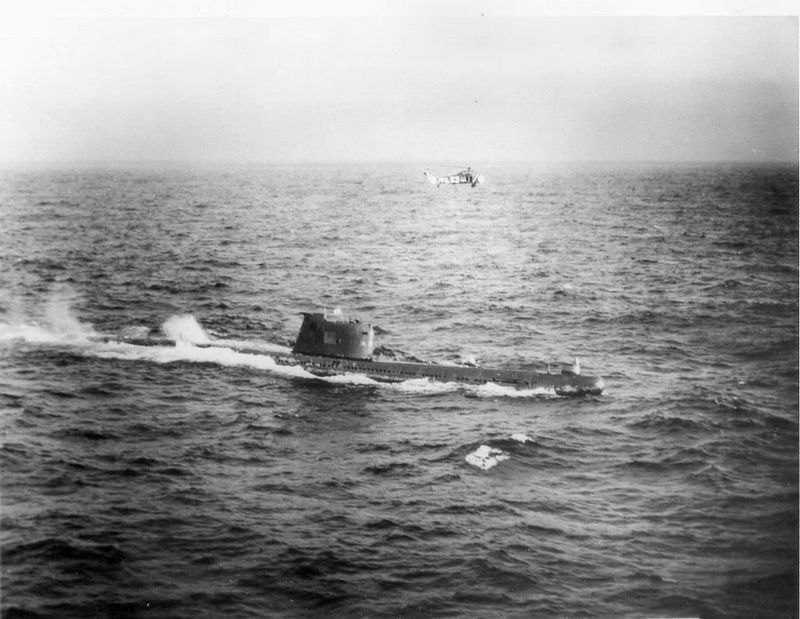
October 27, 1962, is sometimes called the most dangerous day in history. A big reason sits at the bottom of the Atlantic, inside a cramped Soviet submarine called B-59.
U.S. Navy destroyers enforcing the blockade around Cuba found the sub and dropped practice depth charges.
Those signals were meant to say surface now. The crew below had no idea.
Cut off from Moscow for days, the sailors could not tell whether war had already started. Temperatures inside climbed past 100 degrees Fahrenheit, and fresh air ran low.
B-59 carried a torpedo with a nuclear warhead. Crew accounts say Captain Valentin Savitsky considered using it.
Vasily Arkhipov, the flotilla commander on board, disagreed. Launch rules reportedly required agreement among senior officers, so his objection carried real weight.
The submarine came up peacefully and turned for home. Americans on the destroyers had no clue how close things got.
Details only surfaced in 2002, at a conference marking the crisis anniversary.
2. The Spy Who Was Executed After His Own Government Betrayed Him, 1963
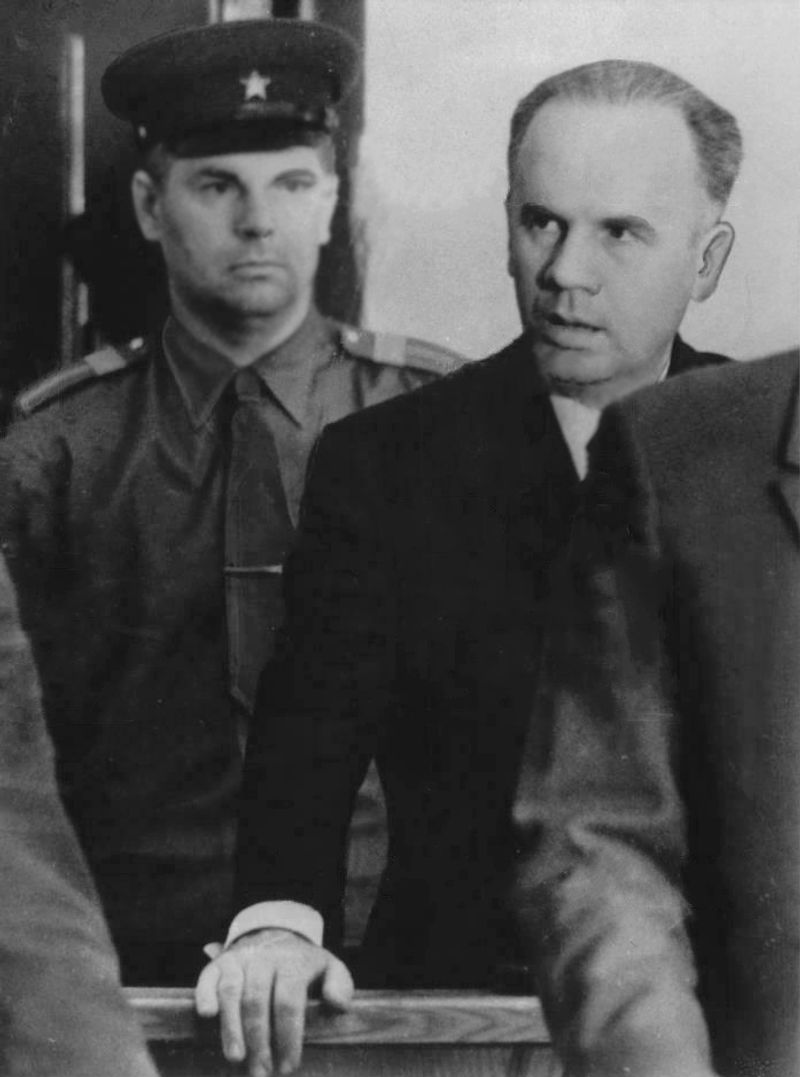
Few spies in history handed over as many secrets as Colonel Oleg Penkovsky. Between 1961 and 1962, this officer in Soviet military intelligence, the GRU, passed thousands of photographed documents to British and American agents.
He used a tiny Minox camera, dead drops, and quiet meetings during official trips to London and Paris. Frustration with Soviet leadership reportedly drove his choices.
His timing proved remarkable. Manuals and technical details he supplied helped Western analysts identify Soviet missile sites in Cuba during October 1962.
Moscow was not an easy place for a double agent, though. The KGB grew suspicious and placed him under watch.
Penkovsky was arrested in October 1962 and given a public trial for treason in May 1963. He received the harshest sentence available.
Wild rumors later spread about his final days, but historians find no reliable proof for them. The documented facts are dramatic enough.
His files remain some of the most valuable intelligence of the entire Cold War.
3. The American Spy Plane Shot Down Over the Soviet Union, 1960
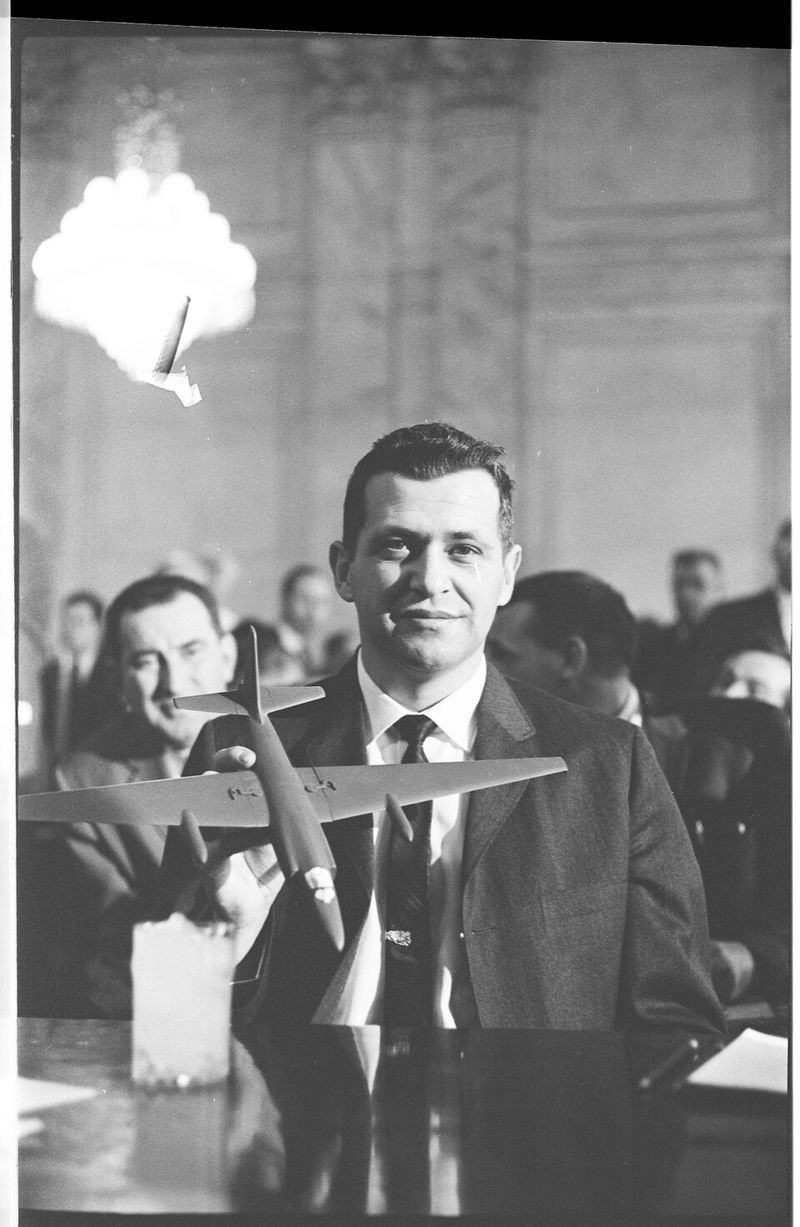
Cover stories work best when the other side has not already caught your pilot. The U.S. government learned that lesson the hard way in May 1960.
On May 1, pilot Francis Gary Powers, age 30, was flying a U-2 spy plane across the Soviet Union. The aircraft cruised around 70,000 feet, a height American planners believed Soviet defenses could not reach.
They were wrong. A surface-to-air missile damaged the plane near Sverdlovsk, now called Yekaterinburg, and Powers parachuted out and was captured.
Washington announced that a weather research plane had drifted off course. Days later, Soviet leader Nikita Khrushchev revealed he had the pilot, the camera, and plenty of wreckage.
The embarrassment sank a Paris summit with President Dwight D. Eisenhower.
Powers was convicted of espionage in Moscow and sentenced to ten years.
He served less than two. In February 1962, he was traded for Soviet spy Rudolf Abel on Berlin’s Glienicke Bridge, later nicknamed the Bridge of Spies.
4. The Berlin Tunnel That Was Secretly Known to the Soviets, 1955
Imagine digging a secret tunnel for months, only to learn your target knew about it before the first shovel moved. That is the story of Operation Gold.
In the mid-1950s, the CIA and Britain’s MI6 built a tunnel about 1,500 feet long from West Berlin into the Soviet sector. Their goal was to tap telephone cables used by Soviet military headquarters.
The taps went live in 1955. Over roughly eleven months, analysts recorded hundreds of thousands of phone calls and teleprinter messages.
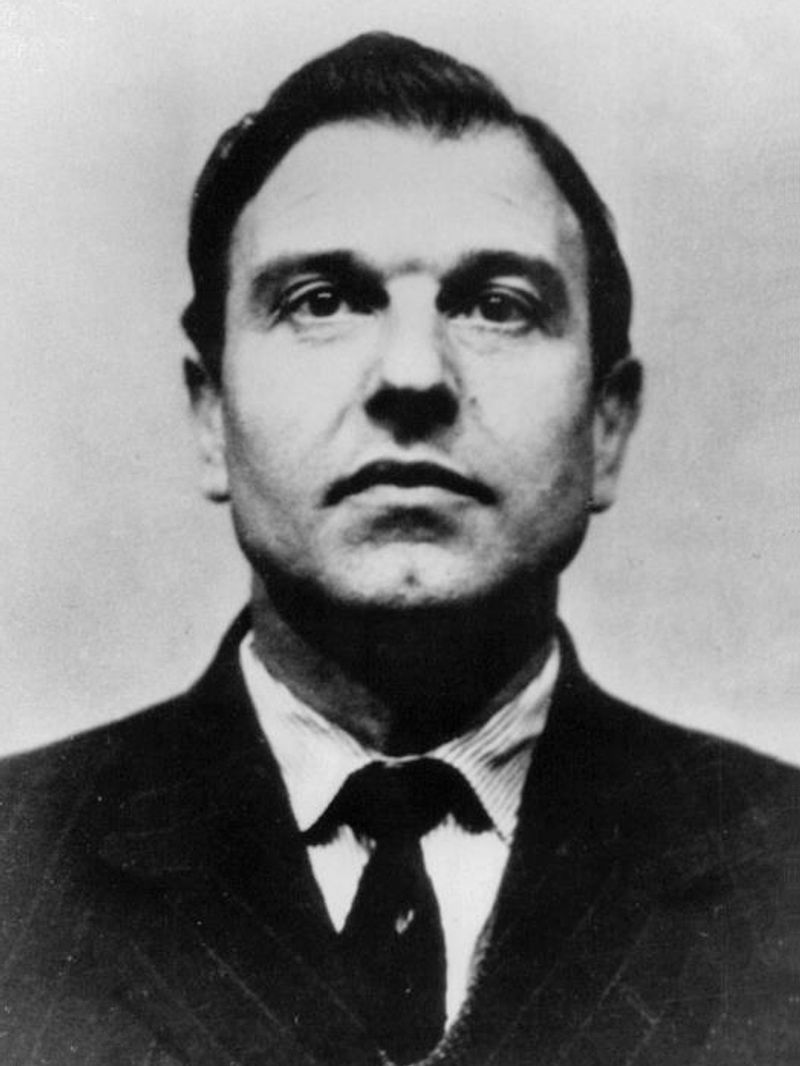
Here comes the twist. George Blake, a British intelligence officer, had been secretly working for the KGB and shared the plan during early meetings in 1953.
Moscow let the tunnel run anyway, mainly to keep Blake’s cover safe. In April 1956, Soviet and East German crews staged a big public discovery and invited reporters to tour it.
Western agencies still gained useful information from the recordings. Blake was finally exposed in 1961, sentenced in Britain, and later escaped to Moscow.
5. The Children Sent Through a Divided Berlin, 1961
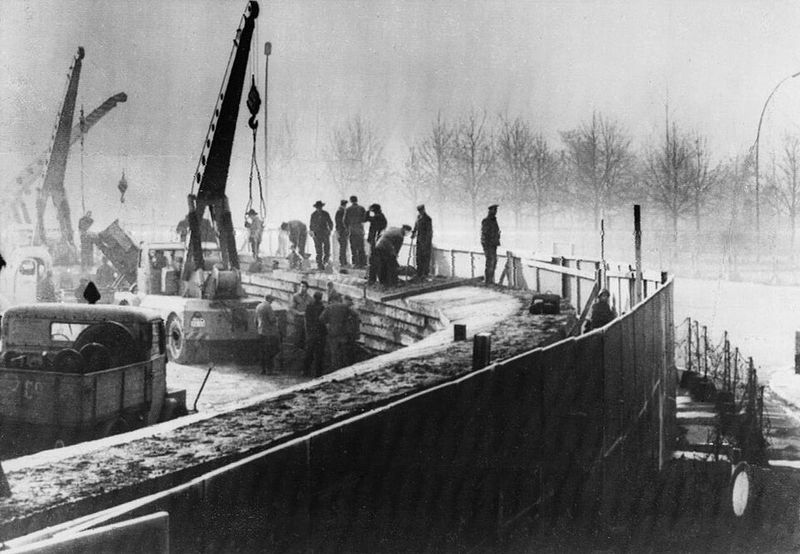
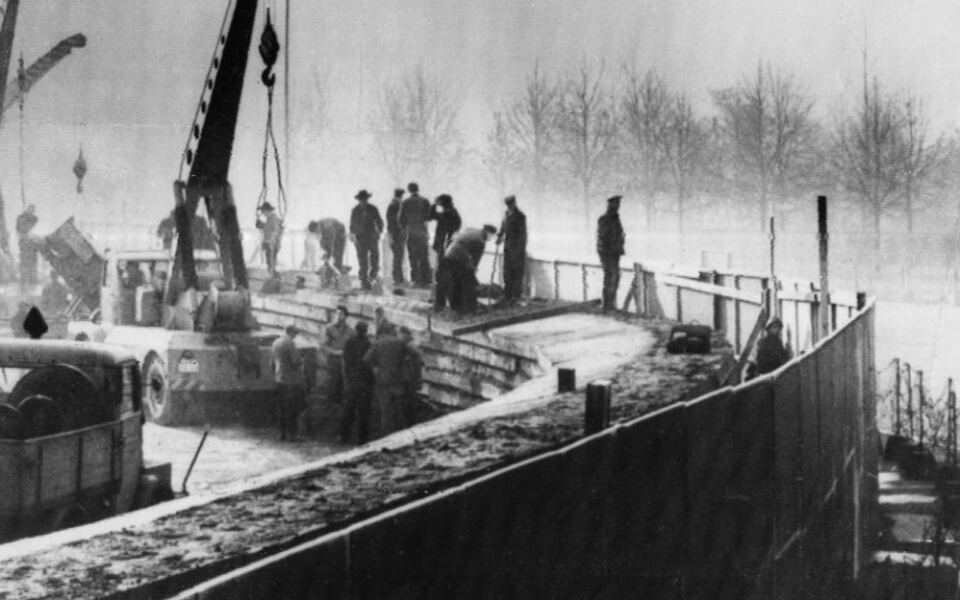
Overnight on August 13, 1961, Berliners woke up to find their city split by barbed wire. Streets, subway lines, and even apartment buildings suddenly sat on a border.
Families were caught off guard. A grandmother might live in the East while her grandchildren lived in the West, and visits stopped almost immediately.
In those first chaotic days, some parents passed children over fences or through windows to relatives waiting on the other side. Bernauer Strasse became famous because building fronts sat in the East while the sidewalk below belonged to the West.
Two days later, 19-year-old guard Conrad Schumann jumped over a low coil of wire into West Berlin. Photographer Peter Leibing caught the moment, and the image traveled around the world.
Schumann’s later years were not easy. He felt pulled between two worlds and stayed apart from his family for decades.
Temporary wire soon turned into concrete. The Wall stood for 28 years before opening in November 1989.
6. The Soviet Submarine That Disappeared With Nuclear Weapons, 1968
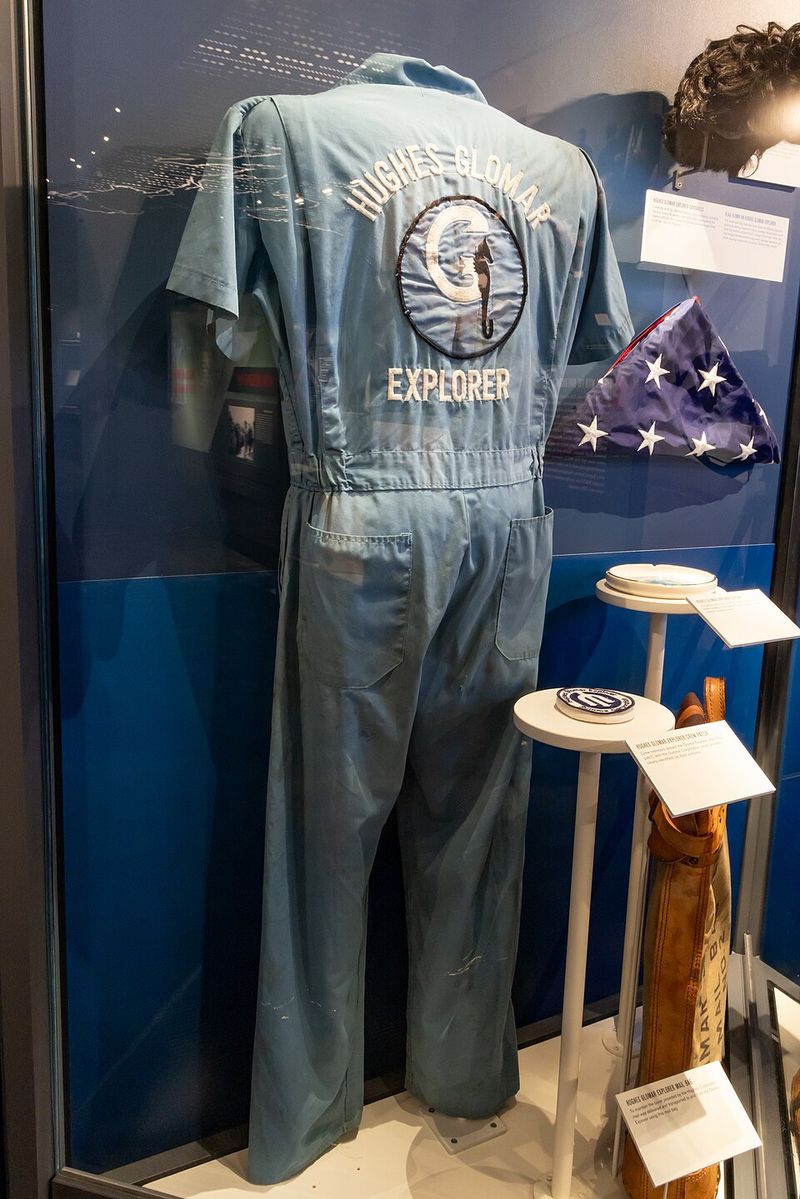
Howard Hughes was famous for movies, airplanes, and odd habits. In the 1970s, his name also became the cover for one of the CIA’s boldest secrets.
It started in March 1968, when the Soviet submarine K-129 vanished in the Pacific. Its crew of 98 never came home, and the boat carried nuclear missiles and torpedoes.
Soviet searches came up empty. American listening systems, however, helped pinpoint the wreck about 16,500 feet down, northwest of Hawaii.
The CIA launched Project Azorian. Engineers built the giant Hughes Glomar Explorer, publicly described as a ship for mining metal-rich nodules from the seafloor.
In the summer of 1974, a massive claw lifted part of the submarine. A large section broke off and sank, but one piece reached the ship.
Remains of six Soviet sailors were recovered and honored in a respectful burial at sea. Journalists exposed the project in 1975.
The CIA still answered questions with a famous phrase: it could neither confirm nor deny.
7. The Soviet Officer Who Questioned a Nuclear Attack Warning, 1983
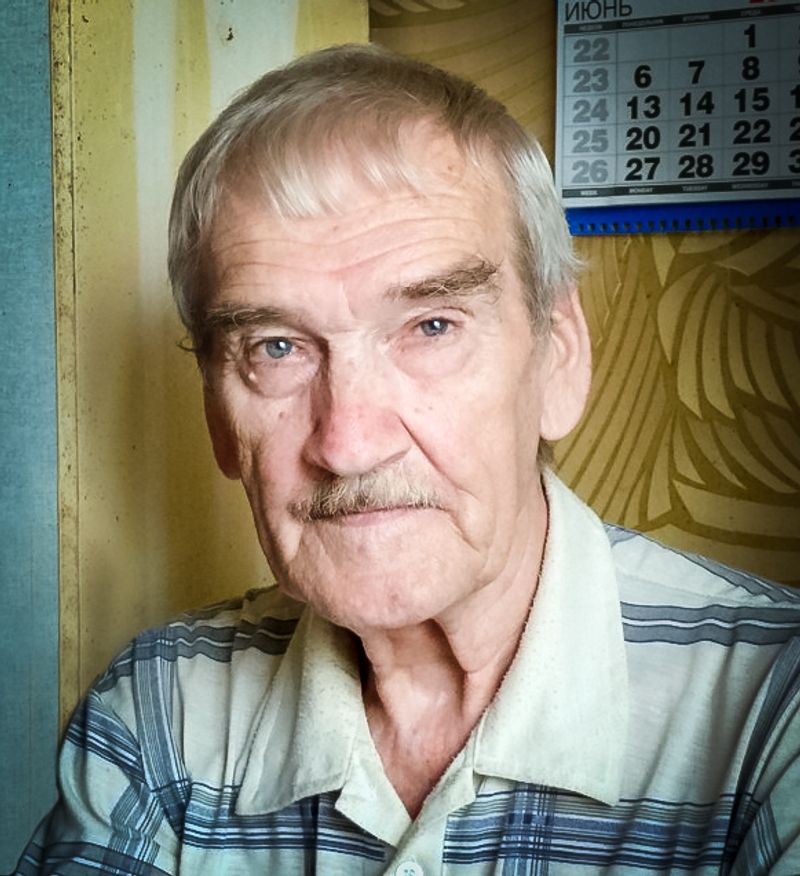
Computers are supposed to be the calm ones in a crisis. On September 26, 1983, one decided to announce a nuclear attack instead.
Lieutenant Colonel Stanislav Petrov was on duty at the Serpukhov-15 bunker near Moscow. The new Oko satellite system reported one American missile launch, then four more, all marked as highly reliable.
Soviet rules said such warnings should move up the chain of command quickly. Petrov paused to think first.
His logic was simple. A real American first strike would likely involve hundreds of missiles, not five.
He also knew the satellite network was new and had a history of glitches.
He reported a false alarm, and he turned out to be right. Sunlight bouncing off high-altitude clouds had fooled the sensors.
Historians note that other checks existed, so calling him the lone hero of Earth is a stretch. Still, his steady thinking mattered a great deal.
The wider public did not learn about the incident until the 1990s.
8. The Woman Who Escaped East Germany Inside a Suitcase, 1964
Most people worry about fitting shoes into their luggage. In 1964, one young East German woman fit herself.
Her name has been recorded as Renate. Her boyfriend held a foreign passport that let him travel between East and West Berlin.
Together, they used a specially prepared suitcase to hide her. He carried it through the checkpoint, and the plan worked.
She was far from the only creative escapee. Over the Wall’s 28 years, people crossed through tunnels, inside car seats, by zip line, and in one famous 1979 case, by homemade hot-air balloon.
Border controls kept getting tougher in response. Guards began checking trunks, measuring dashboards, and using mirrors to look under vehicles.
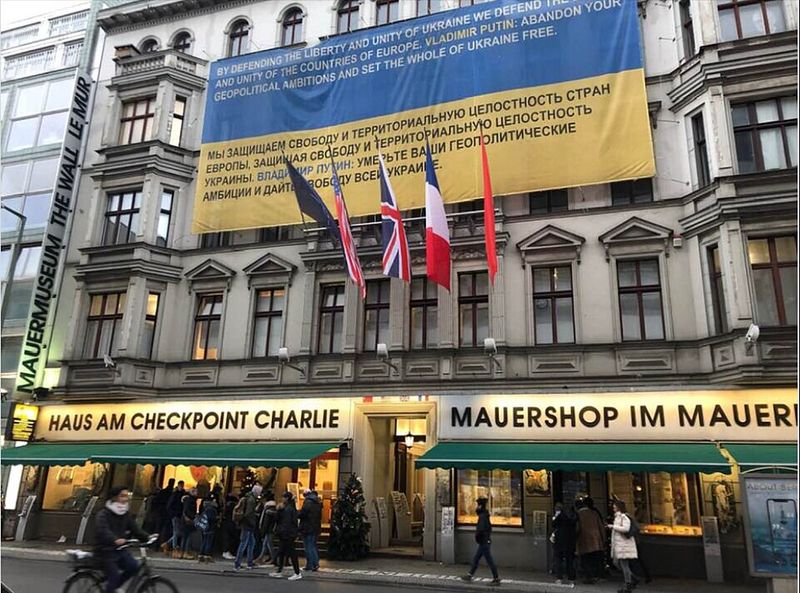
The Checkpoint Charlie Museum in Berlin now displays many of these clever devices. Visitors can see modified cars and tiny hiding spaces up close.
Each object tells a personal story. Most escapees were simply trying to reach family, a partner, or a chance at a different future.
9. The Nuclear Bombs That Fell on North Carolina, 1961
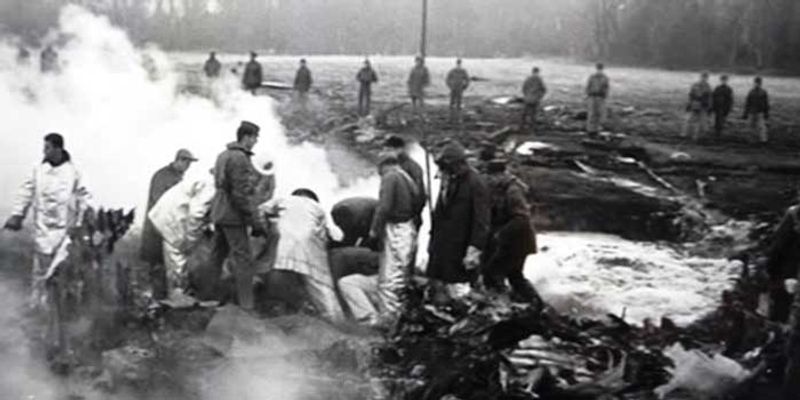
Farmers near Goldsboro, North Carolina, expected a quiet January. Instead, two hydrogen bombs landed in their fields.
Just after midnight on January 24, 1961, a B-52G bomber developed a fuel leak and broke apart in the air. On board were two Mark 39 thermonuclear bombs.
One bomb’s parachute opened, and it settled into a tree with the chute caught in branches. The other hit a muddy field at high speed and buried itself deep.
Neither one exploded. That outcome, though, came closer to luck than anyone liked.
A document released in 2013 described how the parachute bomb completed several arming steps. A single remaining switch kept it from going further, according to one government engineer’s later report.
Experts still debate how near the danger really was. Crews dug for days and never fully recovered parts of the second bomb.
The Air Force eventually bought an easement on that land. Today a roadside marker in Eureka tells the story to passing drivers.
10. The Secret City Built for Nuclear Weapons, 1940s to 1980s
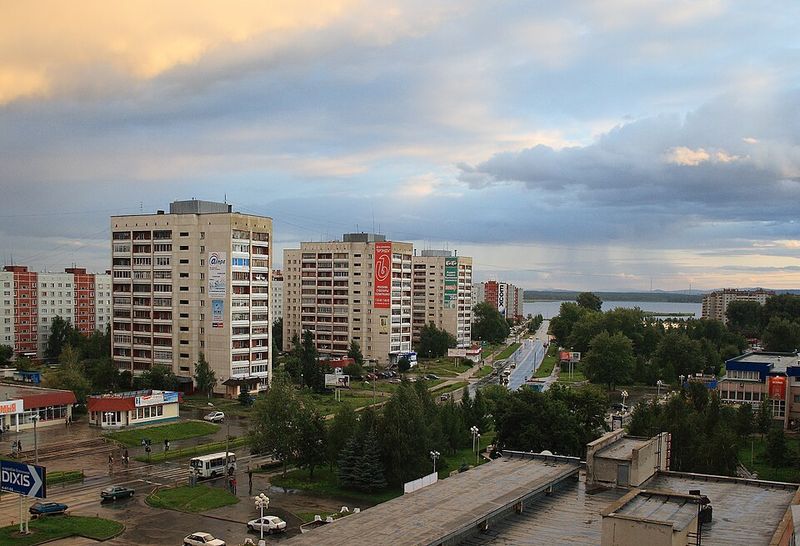
Try finding a city of tens of thousands on a map and getting nowhere. For decades, that was the situation with Soviet closed cities.
Officials called them ZATO, short for closed administrative-territorial formations. They were built around secret military, science, and nuclear sites, and they used only post office box numbers as names.
Chelyabinsk-40, now Ozyorsk, grew up around the Mayak plant, which produced plutonium for Soviet bombs. Residents enjoyed better housing, stocked stores, and good schools.
The trade-off was freedom. Fences and guards surrounded the town, relatives needed special permission to visit, and workers could not share where they lived.
In September 1957, a waste storage tank at Mayak exploded. Radioactive material spread across a wide area, and nearby villages were relocated.
Officials kept the Kyshtym accident quiet for over thirty years. The government did not fully confirm it until 1989.
Ozyorsk still exists as a closed city. Outsiders must obtain permits even today.
11. The American City That Prepared to Survive Nuclear War Underground, 1950s
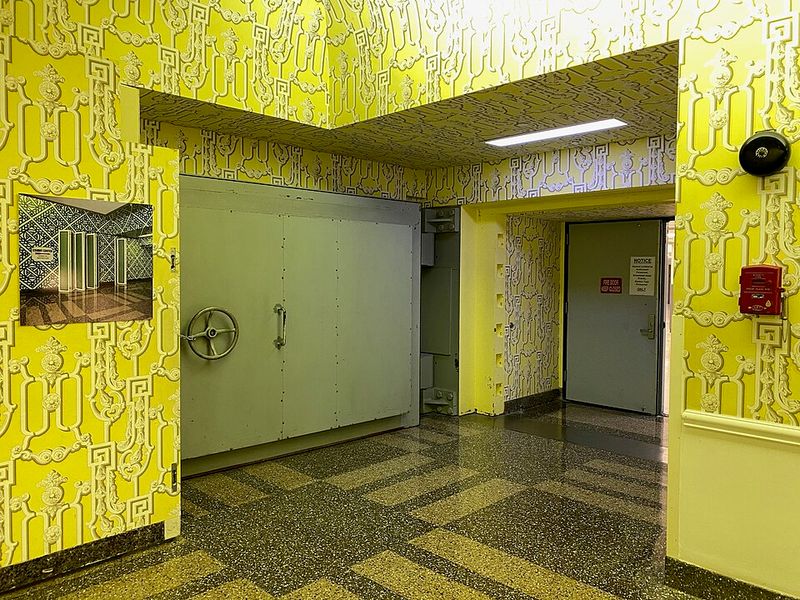
Guests at the Greenbrier came for golf, fancy dinners, and mountain views. Few suspected that Congress had a backup home right under their feet.
Construction on the bunker, code-named Project Greek Island, began in 1958 beneath a new wing of the White Sulphur Springs, West Virginia, resort. Work finished in 1961.
The hidden space covered about 112,000 square feet. Planners included dormitories for over 1,000 people, a clinic, a cafeteria, a TV studio, and two chambers for the House and Senate.
One blast door weighed around 25 tons. Yet it sat behind a wall in what guests thought was an ordinary exhibit hall.
Government workers posed as TV repair technicians for a fake company to maintain everything. They kept the secret for more than thirty years.
In 1992, the Washington Post revealed the bunker. The government ended the program in 1995.
Today, visitors can book a tour, though cameras stay outside.
12. The NATO Exercise That Frightened Soviet Leaders, 1983
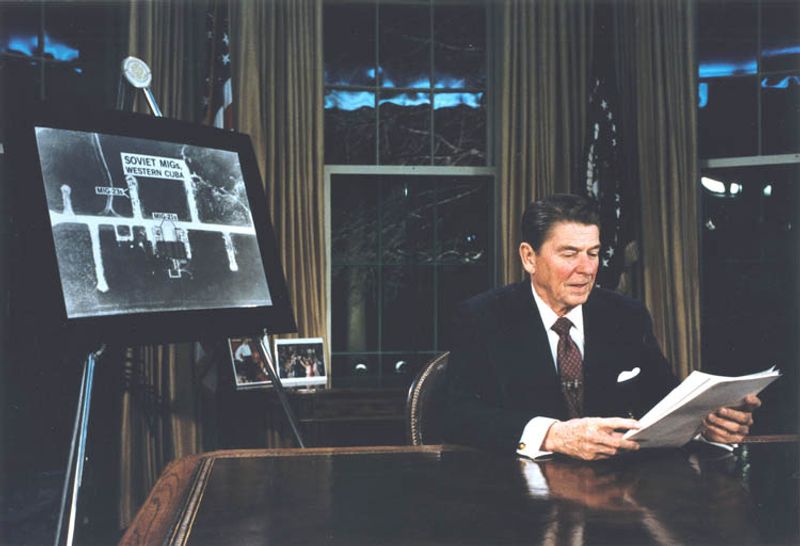
Rehearsals usually lower the stakes. Able Archer 83 had the opposite effect on the other side of the Iron Curtain.
In November 1983, NATO held a command exercise that practiced moving from a regular conflict to nuclear war. It added new message formats and long stretches of radio silence.
Moscow was already on edge. Since 1981, the KGB had run Operation RYaN, a program watching for signs of a surprise Western strike.
The year had been tense. President Ronald Reagan used the phrase evil empire, a Korean passenger jet was shot down in September, and new U.S. missiles were headed to Europe.
Some Soviet units in East Germany and Poland reportedly raised their readiness during the exercise. Western leaders mostly did not notice at the time.
Spy reports from Oleg Gordievsky later showed how worried Moscow had been. Reagan reportedly found that eye-opening.
A declassified 1990 study argued the danger was real, and historians still debate the details.
Share this story