Noodles show up on tables in almost every part of the world, from street stalls to family kitchens. Each country has its own way of shaping, seasoning, and serving them.
Some bowls are brothy and warm, while others are stir-fried or tossed with rich sauces. Here are thirteen noodle dishes worth knowing, along with what makes each one special.
1. Ramen – Japan
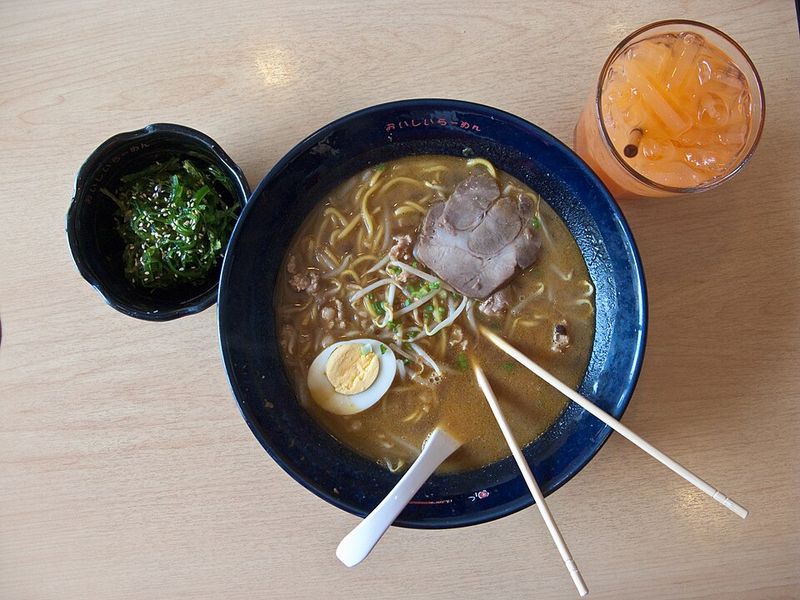
Slurping is not just allowed in a Japanese ramen shop, it is practically a compliment. A good bowl is built from four parts: broth, tare seasoning, noodles, and toppings.
Together they create a meal that feels both simple and deeply layered.
Regional styles are easy to spot. Tonkotsu from Fukuoka uses a creamy pork bone broth, while shoyu ramen from Tokyo relies on a clear soy sauce base.
Miso ramen, which grew popular in Sapporo, is hearty and perfect for cold weather.
Common toppings include sliced pork, a marinated soft-boiled egg, bamboo shoots, and seaweed. Ramen arrived in Japan from Chinese cooks in the late 1800s, then developed into its own art form.
If you try making it at home, give the noodles just a short cooking time so they stay springy in the hot broth.
2. Pad Thai – Thailand
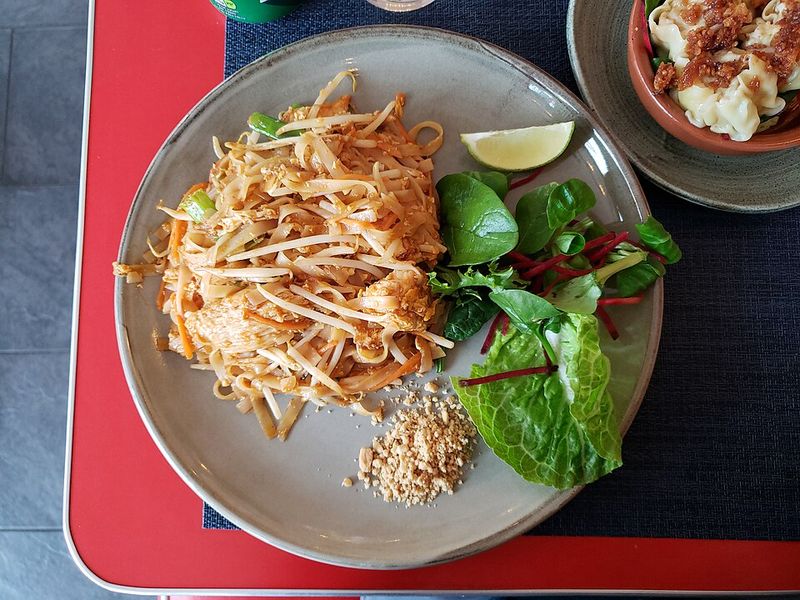
Pad Thai strikes a balance that many cooks chase: sweet, sour, salty, and a little spicy all in one bite. Flat rice noodles are tossed in a hot wok with eggs, tofu or shrimp, and a tangy sauce made with tamarind.
The dish became a national favorite in the 1930s and 1940s, when Thailand encouraged people to eat more noodles and build a shared food identity. Today it is sold from street carts and restaurants across the country.
Crushed peanuts, bean sprouts, and a squeeze of lime finish the plate. Many diners add chili flakes or sugar at the table to adjust the flavor.
At home, cook the noodles until just tender, since they will soften a little more in the pan. A very hot wok helps keep everything lightly crisp.
3. Phở – Vietnam
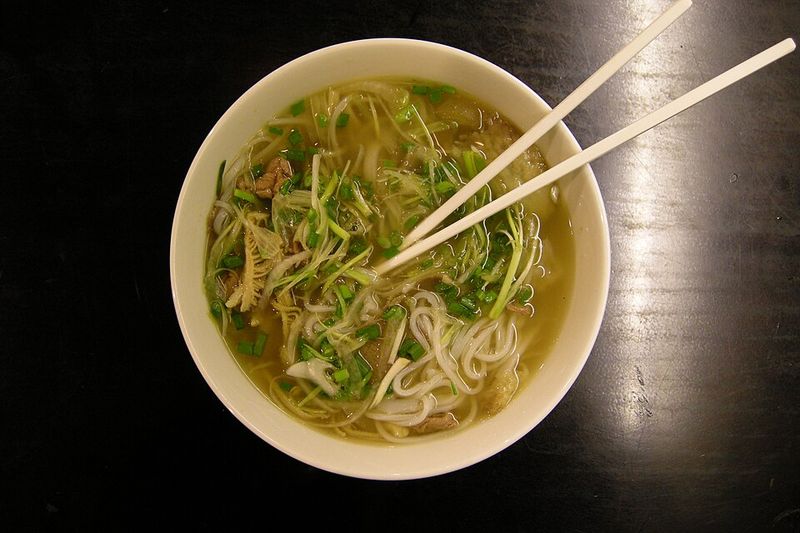
Early morning in Hanoi often smells like star anise, cinnamon, and simmering beef bones. That aroma comes from phở, Vietnam’s best-known noodle soup, which many people eat for breakfast.
The broth is the heart of the dish. Cooks simmer bones for hours with charred ginger and onion, then season it with spices until it turns clear and fragrant.
Soft rice noodles and thin slices of beef or chicken are added just before serving.
Northern phở is usually simple, while southern versions come with a plate of basil, bean sprouts, lime, and chilies so you can customize your bowl.
Phở took shape in northern Vietnam in the early 1900s. Taste the broth first before adding sauces, because a well-made bowl needs very little help.
4. Japchae – South Korea
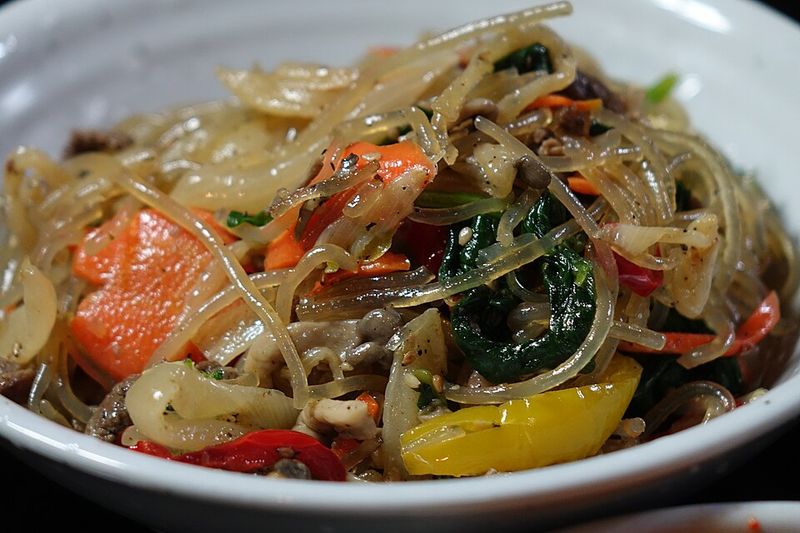
Japchae was once a royal court dish, and it still appears at birthdays, holidays, and family gatherings in South Korea. Its glossy, chewy noodles are made from sweet potato starch, which gives them a bouncy bite unlike wheat noodles.
Each ingredient is usually cooked separately, then combined at the end. Spinach, carrots, onions, and mushrooms keep their own colors, while thin strips of beef add savory depth.
A sauce of soy, sugar, and sesame oil ties everything together.
The first versions in the 1600s had no noodles at all, only vegetables. Noodles joined the dish in the early 1900s and became its signature.
Japchae tastes good warm or at room temperature, which makes it a handy dish to bring to a potluck or pack for lunch.
5. Dan Dan Noodles – China
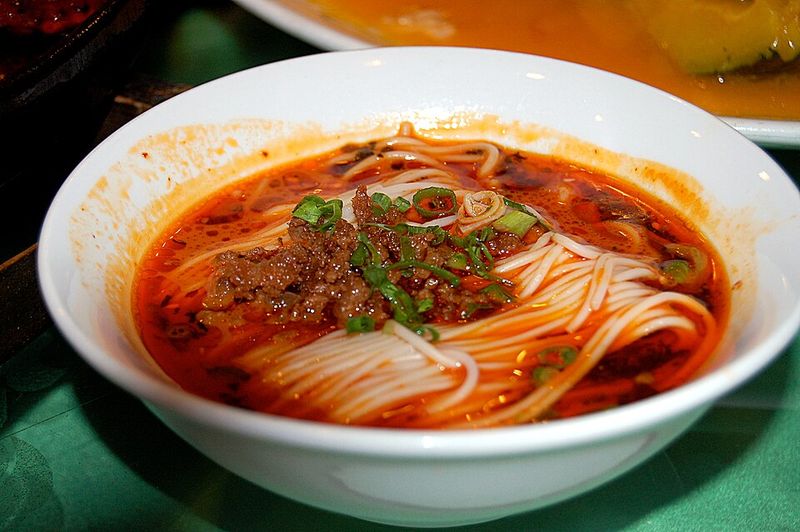
The name comes from the carrying pole, or dan dan, that street vendors in Sichuan once balanced on their shoulders. Baskets on each end held noodles on one side and sauce on the other.
A bowl of dan dan noodles is bold and tingly. The sauce mixes chili oil, sesame paste, soy sauce, and ground Sichuan peppercorns, which create a numbing sensation known as ma la.
Seasoned ground pork and preserved vegetables sit on top.
Traditionally the dish is served with only a little sauce, and you stir everything together before eating. Some modern versions are more brothy.
If you are new to Sichuan flavors, start with a smaller amount of peppercorns. The tingling builds with each bite, and a little goes a long way.
6. Laksa – Malaysia and Singapore
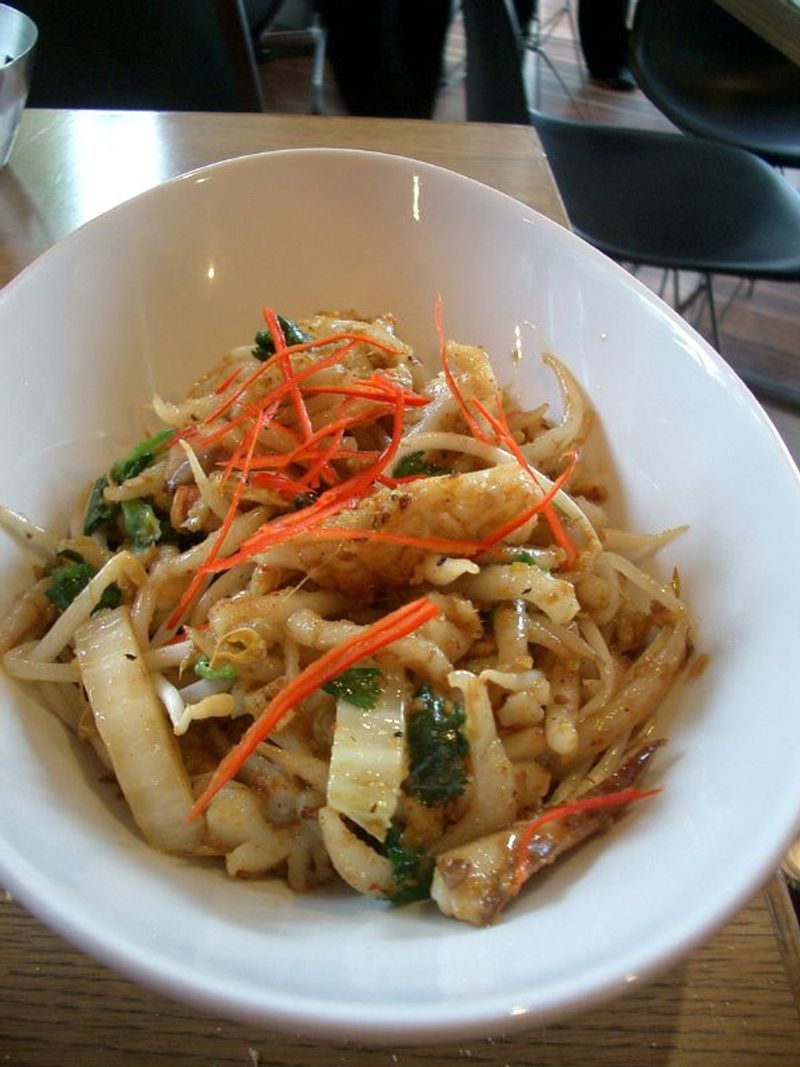
Few dishes show the blending of cultures as well as laksa. It grew from the meeting of Chinese and Malay traditions in Southeast Asia, and every region puts its own spin on it.
Curry laksa has a rich coconut milk broth flavored with chilies, lemongrass, and dried shrimp paste. Thick rice noodles, prawns, tofu puffs, and bean sprouts fill the bowl.
Asam laksa, popular in Penang, is thinner and tangy because of tamarind and fish.
Fresh toppings like mint, cucumber, and pineapple add brightness. In Singapore, the Katong style uses short noodles that can be eaten with just a spoon.
Ask for sambal on the side so you can control the heat. A little spoonful stirred into the broth changes the flavor in a good way.
7. Spaghetti alla Carbonara – Italy
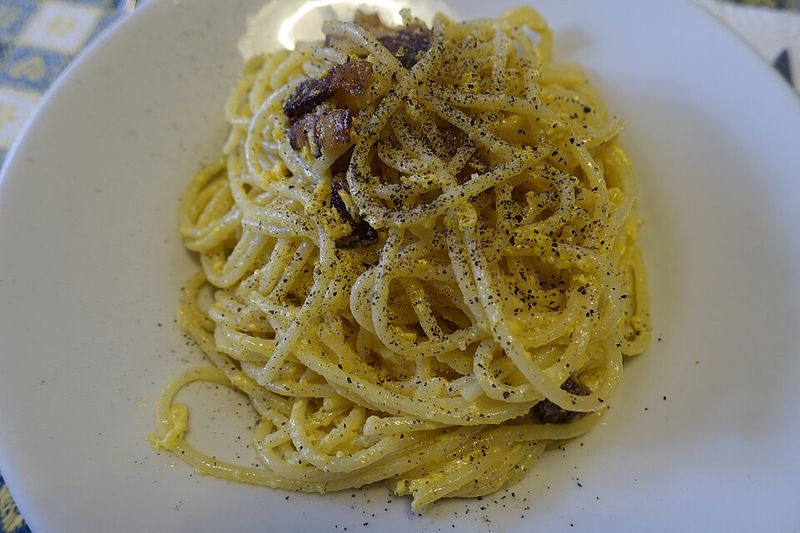
Ask five Romans how to make carbonara and you may hear five strong opinions. The classic recipe, though, is short: spaghetti, guanciale, eggs, Pecorino Romano, and black pepper.
The magic is in the sauce. Hot pasta is tossed with beaten eggs and cheese off the heat, and a splash of starchy pasta water helps it turn silky.
Done right, there is no cream at all.
Guanciale is cured pork cheek, and it gives the dish its rich, savory flavor. Its fat crisps up while the pasta cooks.
The dish is often linked to mid-1900s Rome, though its exact origin is still debated. The biggest tip is to work quickly and keep the pan away from direct heat, so the eggs stay creamy instead of scrambling.
8. Khao Soi – Thailand
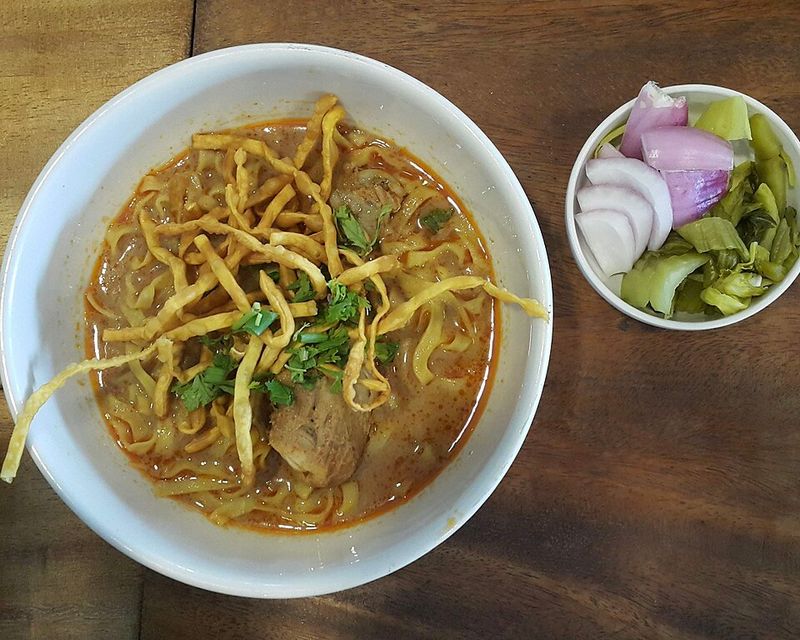
Chiang Mai in northern Thailand is the home of khao soi, a curry noodle soup with two textures in one bowl. Soft egg noodles sit in a creamy coconut curry, while a nest of crispy fried noodles crowns the top.
The broth is fragrant with turmeric, ginger, and dried chilies. Chicken drumsticks or beef are common, and the flavor is mellow, slightly sweet, and gently spicy.
On the side, you will usually find pickled mustard greens, shallots, and lime. Stir them in to add crunch and tang.
The dish is thought to have roots in Burmese and Chinese Muslim traders who traveled through the region. When you eat it, let some of the crispy noodles soften in the broth while keeping a few crunchy for contrast.
9. Chow Mein – China
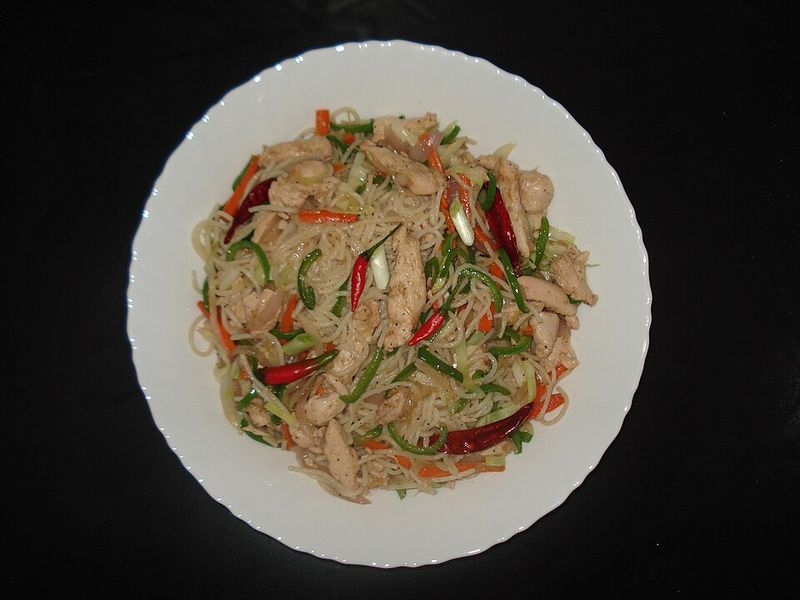
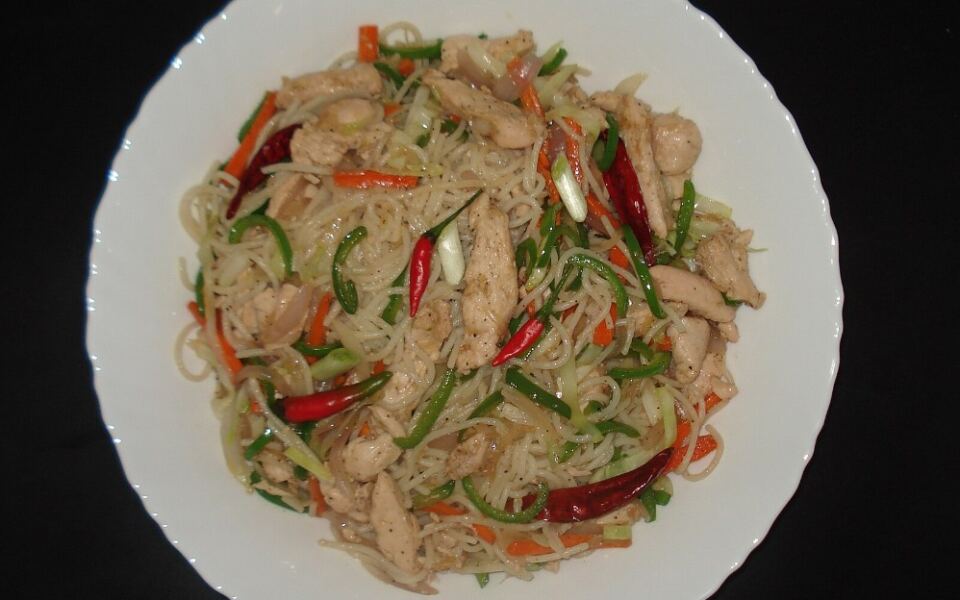
Chow mein simply means stir-fried noodles, and the name hints at how quick and flexible the dish is. Wheat noodles hit a hot wok with vegetables, a protein, and a splash of soy sauce.
Cooks often get a smoky aroma called wok hei, which comes from high heat and fast tossing. Cabbage, carrots, celery, and bean sprouts are common, though almost any vegetable works.
There are two main textures. Soft chow mein is tossed until the noodles are tender, while crispy versions are pan-fried until golden on the outside.
The dish traveled with Chinese immigrants around the world and picked up local twists in places like the United States and India. For better results at home, make sure the noodles are well drained and dry before they go into the pan.
10. Pancit Canton – Philippines
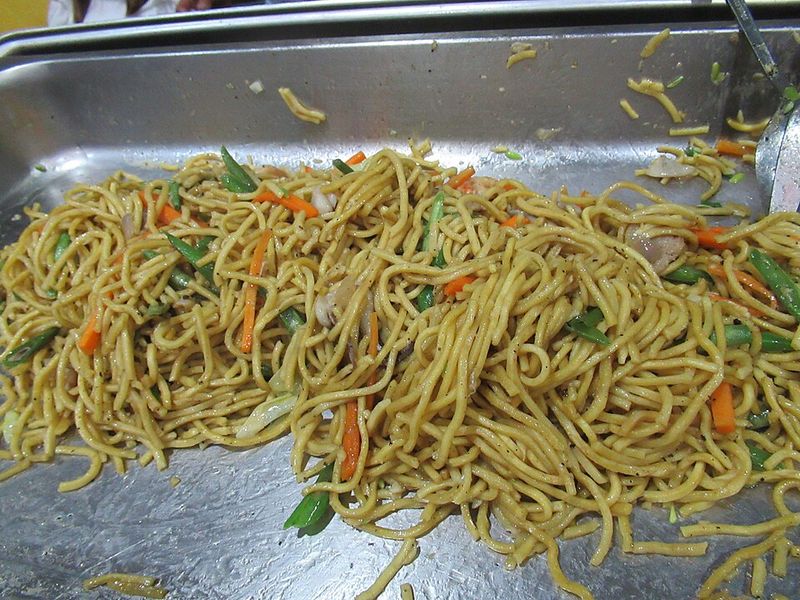
At Filipino birthday parties, you will almost always find a platter of pancit canton. Long noodles stand for long life, so serving them is a way of wishing guests good health.
The dish uses wheat egg noodles stir-fried with chicken, pork, or shrimp and a mix of vegetables like cabbage, carrots, and snow peas. Soy sauce and a bit of oyster sauce give it a savory flavor.
The word pancit comes from a Hokkien phrase meaning something conveniently cooked. Chinese traders introduced noodles to the islands centuries ago, and Filipino cooks made them their own.
A squeeze of calamansi, a small local citrus, brightens everything just before eating. Try cutting the vegetables into thin, even pieces so they cook quickly and blend well with the noodles.
11. Mie Goreng – Indonesia
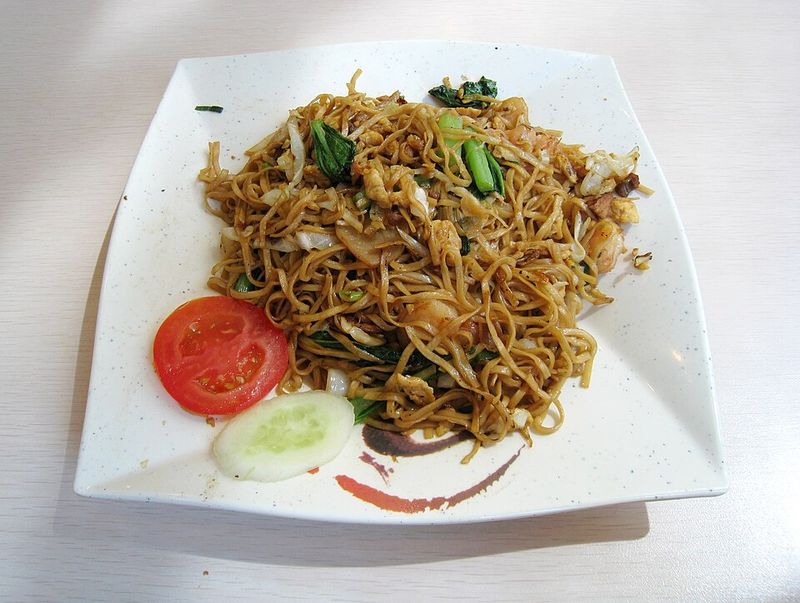
Late-night food carts in Indonesia often send up the sizzle of mie goreng, a dish loved by students, workers, and families alike. Its dark, glossy look comes from kecap manis, a thick sweet soy sauce.
Egg noodles are fried with garlic, shallots, and chilies, then mixed with vegetables, chicken, or shrimp. A fried egg is a popular topping, along with crispy fried shallots and slices of cucumber.
The flavor is sweet, savory, and a little smoky. Some cooks add sambal for extra heat or a splash of lime for freshness.
Instant versions of mie goreng are famous around the world, but a fresh homemade plate tastes quite different. Keep the heat high and stir constantly so the sauce coats the noodles without making them soggy.
12. Lagman – Central Asia
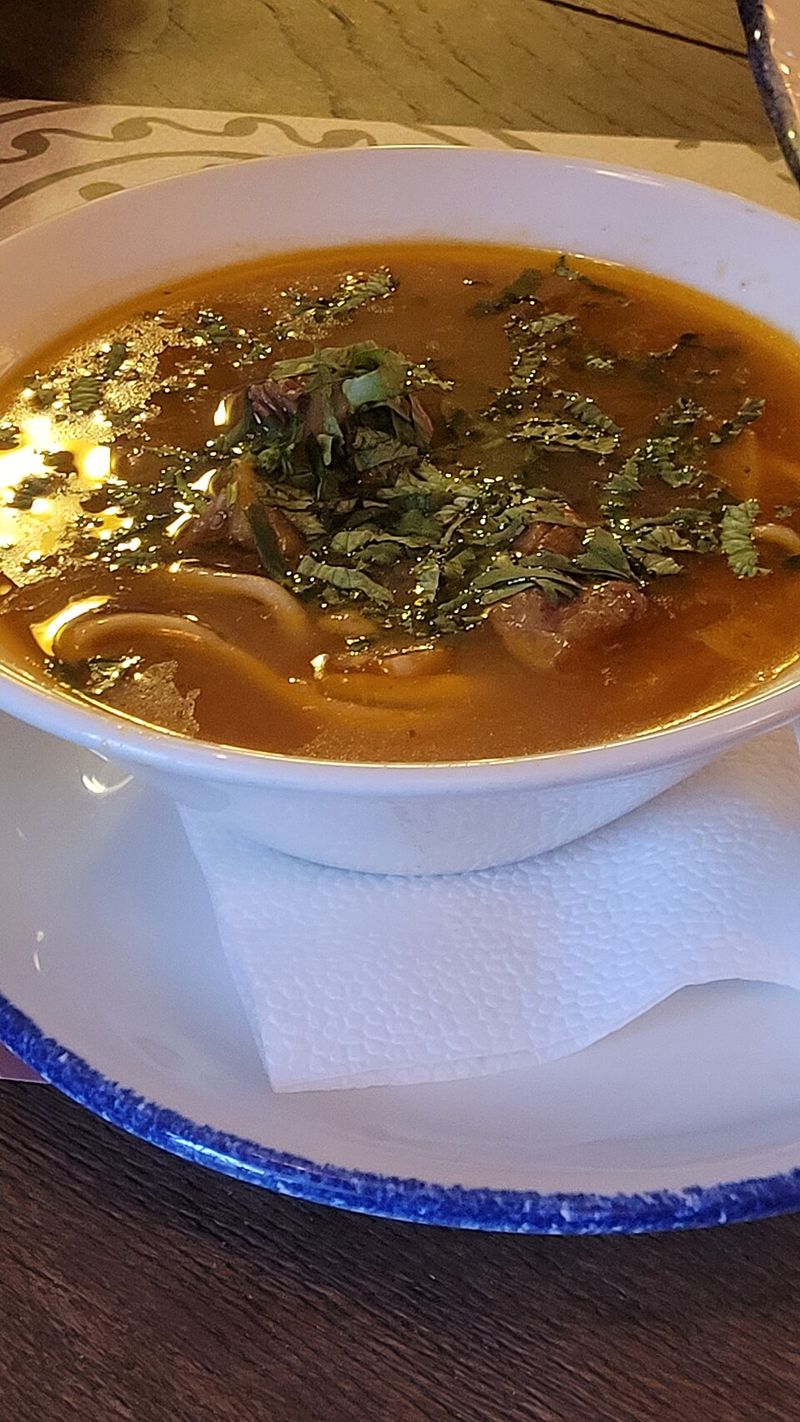
Along the old Silk Road, cooks stretched dough by hand into long, springy strands and created lagman. The dish is popular in Uzbekistan, Kazakhstan, Kyrgyzstan, and among the Uyghur people of western China.
Lagman can be served as a soup or a thicker stew. The sauce usually includes lamb or beef, bell peppers, tomatoes, onions, and garlic, finished with fresh herbs like cilantro or dill.
The noodles are the star. Making them involves pulling and swinging the dough until it forms thin, even ropes, a skill passed down in many families.
The name is believed to come from a Chinese word for pulled noodles. If you cook it at home, use a hearty pasta with some chew, and let the sauce simmer slowly so the flavors deepen.
13. Sopa Seca de Fideo – Mexico
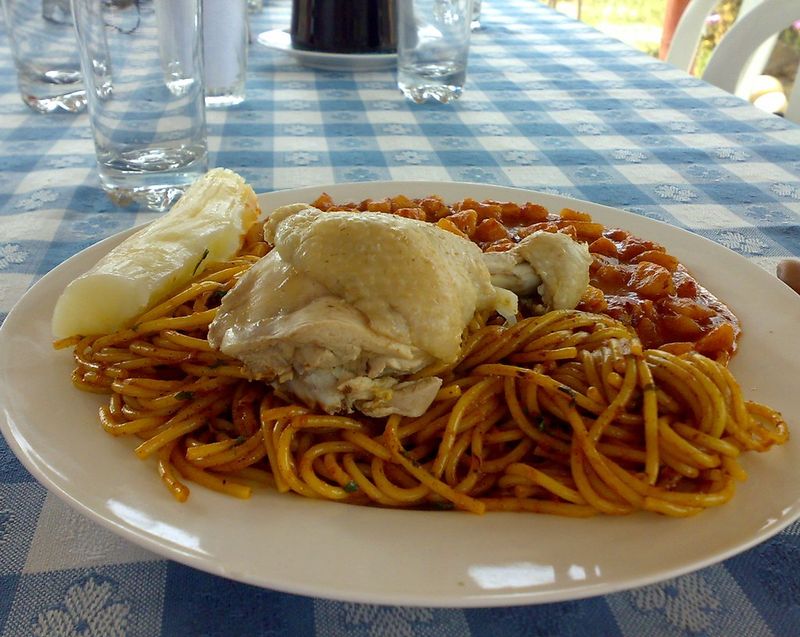
Many Mexican families remember sopa seca de fideo as a comforting weeknight meal. Despite the name, which means dry soup, it is a saucy noodle dish that sits somewhere between pasta and rice.
Thin fideo noodles are first toasted in oil until golden, which adds a nutty flavor. They then simmer in a blended sauce of tomato, garlic, onion, and sometimes chipotle or guajillo chiles until nearly all the liquid is absorbed.
Toppings such as crumbled queso fresco, crema, and sliced avocado make it richer. Some cooks add chicken broth for deeper flavor.
The dish reflects how pasta arrived in Mexico through European influence and was reshaped with local ingredients. Watch the noodles closely while toasting, because they can go from golden to burned in a matter of seconds.
Share this story