Some foods cross oceans without needing a passport. Burgers, wings, cookies, and pies started in American kitchens, diners, and street stands, then ended up on menus from Tokyo to London.
This list looks at twenty favorites and the stories behind them, from clear origin tales to dishes with mixed roots that America made its own. Along the way you will find regional styles, historical details, and a few debates that people still argue about at the table.
Some of these foods came from Indigenous, African, European, and Caribbean traditions, and each one earned its place in the national story. Whether you love a campfire treat or a thick slice of Chicago pizza, there is probably a new fact here for you to share.
Hamburgers
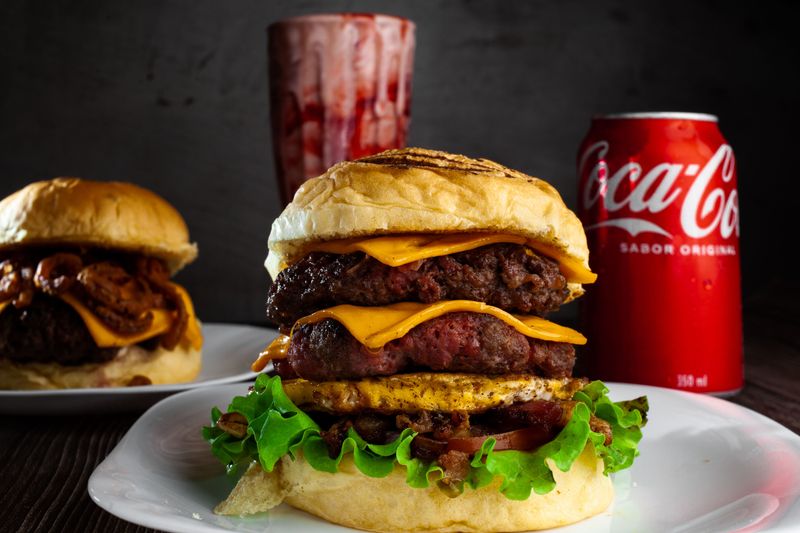
Ground beef existed long before the burger, and Hamburg steak helped set the stage. The big change came in the early 20th century, when a beef patty and a purpose-made bun became a pair.
White Castle, started by Walter Anderson and Billy Ingram, helped bring burgers to a mass audience. Suddenly a quick, cheap meal was available to almost anyone.
Today the burger is a blank canvas. Cheese, bacon, onions, pickles, barbecue sauce, fried eggs, and plant-based patties are all common choices.
Almost every town has an independent spot with its own take.
American fast-food chains carried the burger around the globe, and local cooks have added their own twists along the way. Few American meals adapt as easily to new cultures.
That flexibility is a big reason a simple patty on a bun keeps showing up on menus in so many countries.
Hot Dogs

Sausages have deep European roots, but the hot dog became its own American story. Food historians often point to immigrant vendors and Coney Island, where Charles Feltman sold sausages inside rolls in the 19th century.
From there, the hot dog became tied to baseball games, fairs, boardwalks, and backyard cookouts. It is hard to picture a ballpark without one.
Simplicity is the big draw. A sausage and a bun leave plenty of room for mustard, onions, relish, chili, cheese, sauerkraut, and many regional toppings.
Chicago and New York built especially famous styles.
American-style hot dogs now turn up from Europe to Asia, often dressed with ingredients that match local tastes. That mix of familiar shape and local toppings keeps the hot dog traveling well beyond the stadium.
American Barbecue
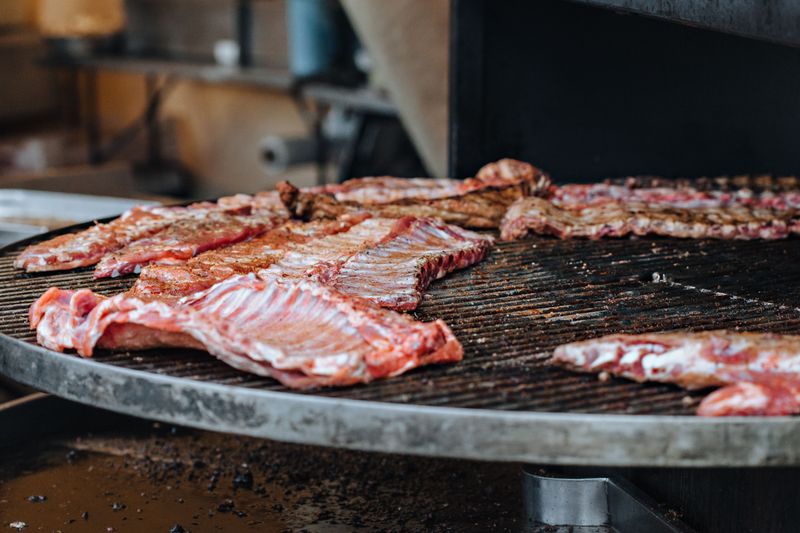
Barbecue is not just meat cooked outside. Traditional barbecue means cooking meat slowly with smoke and indirect heat, and the United States has several major regional styles.
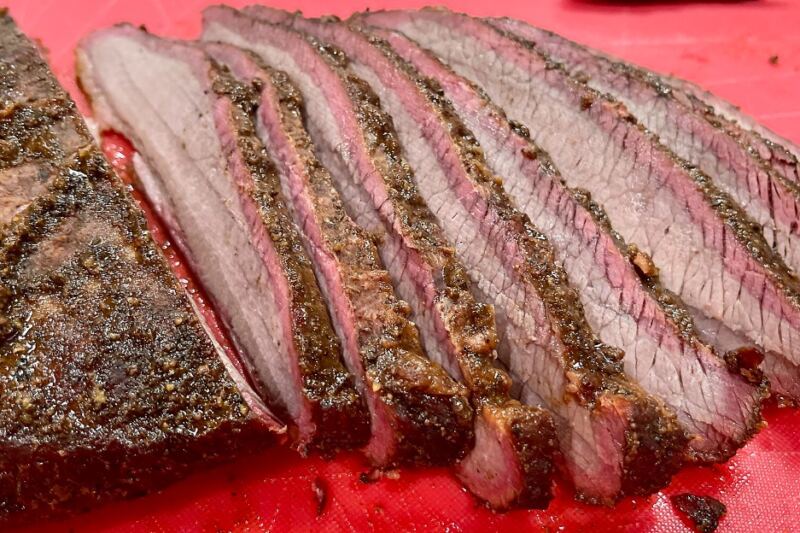
Carolina is known for pork, Texas for beef brisket, Memphis for ribs and pulled pork, and Kansas City for a wide range of smoked meats with thick sauces. Each region has fans who defend its style firmly.
The history behind it is layered, with Indigenous, Caribbean, European, and African influences all playing a part. Over time those traditions grew into the regional styles now linked with the country.
American-style smokehouses now operate far beyond U.S. borders. Brisket, pulled pork, smoked ribs, and barbecue sauces have become some of the most recognizable parts of American food culture overseas.
Southern Fried Chicken
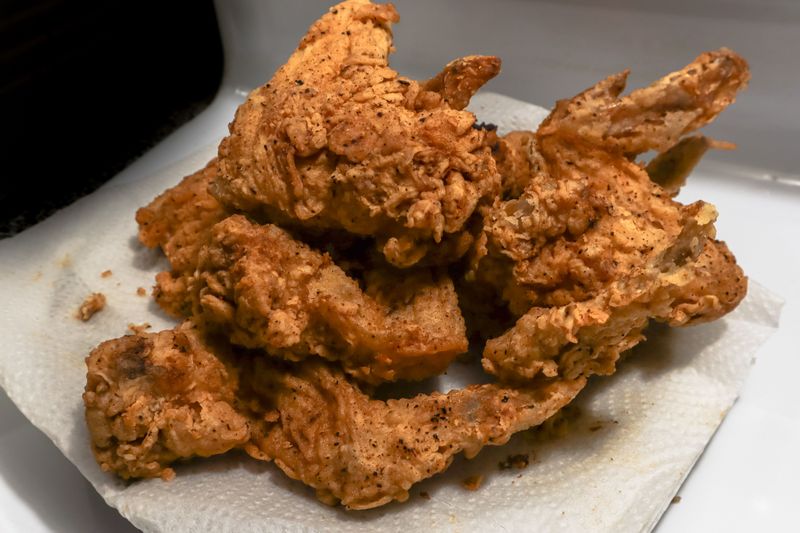
Golden, crunchy fried chicken is one of the best-known foods of the American South. Its history is more complicated than any single invention story.
The dish grew from a mix of cooking traditions, including African culinary expertise and European frying techniques. Enslaved African American cooks were central to developing and refining it in the South.
Fried chicken eventually became a national favorite. Cooks built countless variations using buttermilk marinades, seasoned flour, hot sauce, and different spice blends.
American restaurant chains later sped up its global popularity. KFC alone expanded into thousands of locations around the world, making American-style fried chicken familiar to diners from Asia to Europe.
What started in Southern kitchens now shows up on menus in dozens of countries.
Buffalo Wings
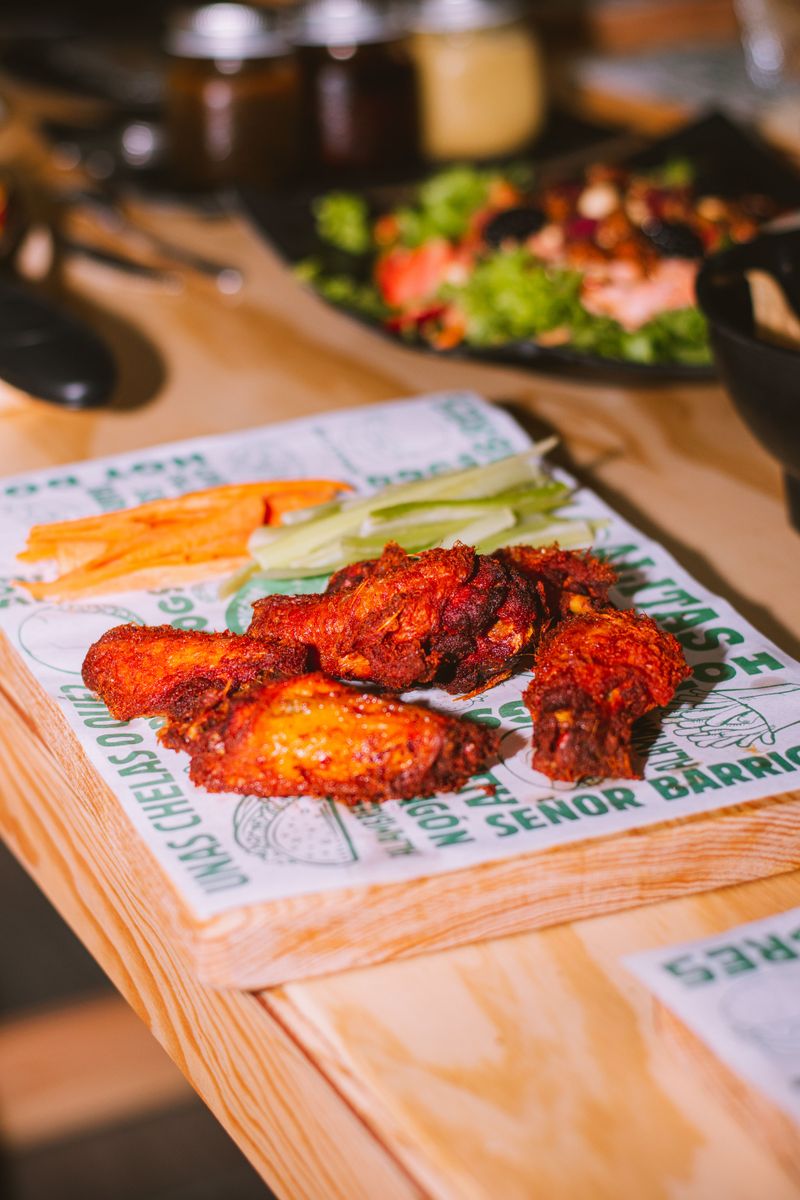
The name gives away the hometown. Buffalo, New York, is where sauced chicken wings became a local specialty during the 1960s.
The exact story is debated. John Young’s Wings and Things and Frank and Teressa Bellissimo’s Anchor Bar both play important roles in the tale.
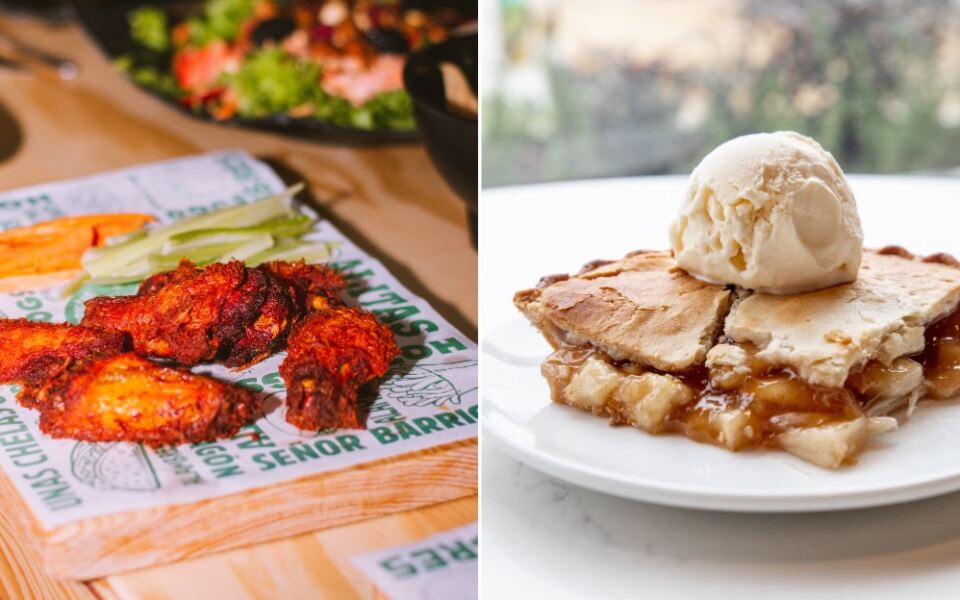
The version most people call a Buffalo wing is fried wing sections tossed in a spicy sauce, traditionally served with celery and blue-cheese dressing. By the 1980s the style was spreading across the country and becoming linked with football and game-day gatherings.
The popularity did not stop at the border. Wings now come in countless flavors worldwide, from classic Buffalo sauce to Korean-inspired glazes, barbecue coatings, garlic parmesan, and extremely spicy options.
Macaroni and Cheese
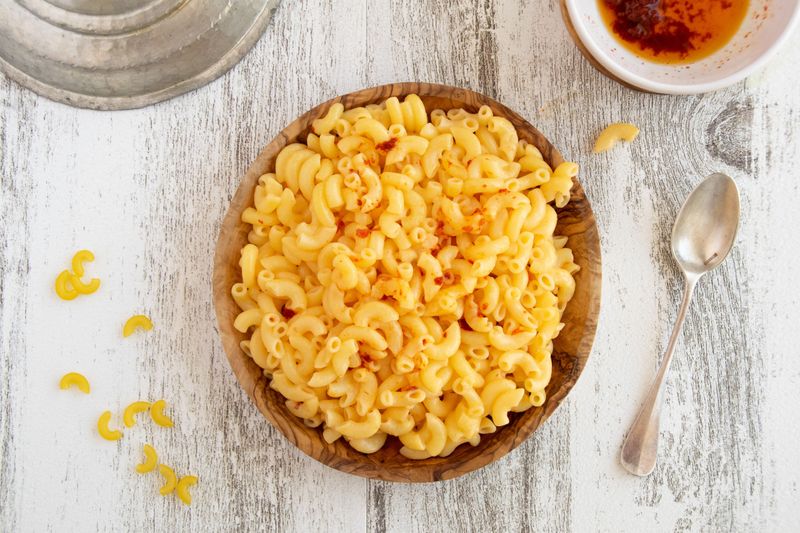
Here is a twist: macaroni and cheese was not invented in America. Pasta combined with cheese existed in Europe centuries earlier.
Even so, few countries have embraced it quite like the United States.
Thomas Jefferson met European pasta dishes while abroad. Historians note that James Hemings, his enslaved and French-trained chef, played an important role in preparing refined versions at Monticello.
Mac and cheese later became deeply connected with Southern and African American cooking traditions.
Kraft introduced boxed macaroni and cheese in 1937, turning the dish into an inexpensive convenience food. Today creamy American-style versions appear on menus around the world, from casual restaurants to upscale steakhouses.
Chocolate Chip Cookies
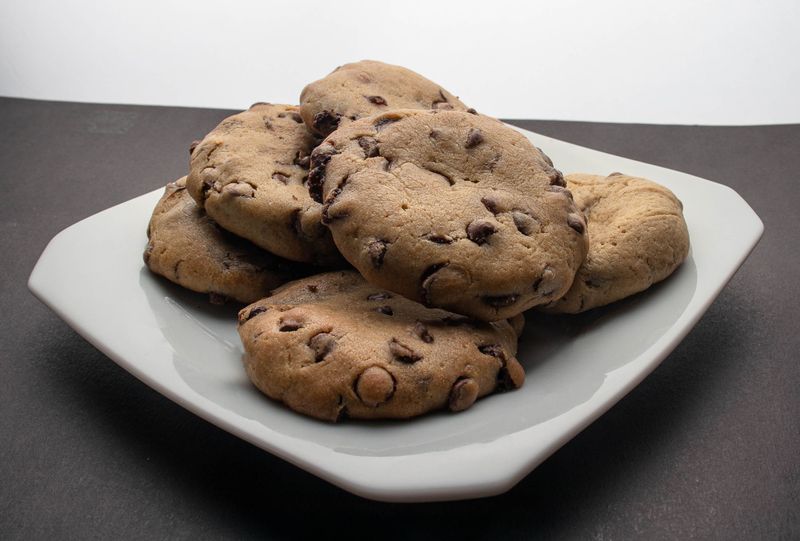
Unlike many dishes on this list, the chocolate chip cookie has a clear American story. Ruth Graves Wakefield developed it at the Toll House restaurant in Massachusetts during the 1930s.
Her recipe appeared in print in 1938, and food historians regard it as the first chocolate chip cookie recipe.
Nestle later helped turn it into a national sensation, eventually selling chocolate pieces made specifically for baking.
World War II spread the cookie’s reputation further, as American soldiers received cookies from home and shared them overseas. Now bakers everywhere make them, from thin and crispy versions to enormous bakery-style cookies packed with chocolate.
It is a rare dessert with such a well-documented beginning.
Peanut Butter

Peanuts come from South America, and people were grinding them into pastes long before the United States existed. Modern commercial peanut butter, though, became strongly tied to American food culture in the late 19th and early 20th centuries.
Several inventors and makers played a role, including John Harvey Kellogg and St. Louis producer George Bayle. Peanut butter gained more exposure at the 1904 World’s Fair in St. Louis, and national brands later made it a pantry staple.
Its creamy texture and mix of salty and slightly sweet flavor help it travel well. Peanut butter now appears in desserts, smoothies, sauces, cookies, candies, and savory dishes far beyond the classic American sandwich.
Peanut Butter and Jelly Sandwiches
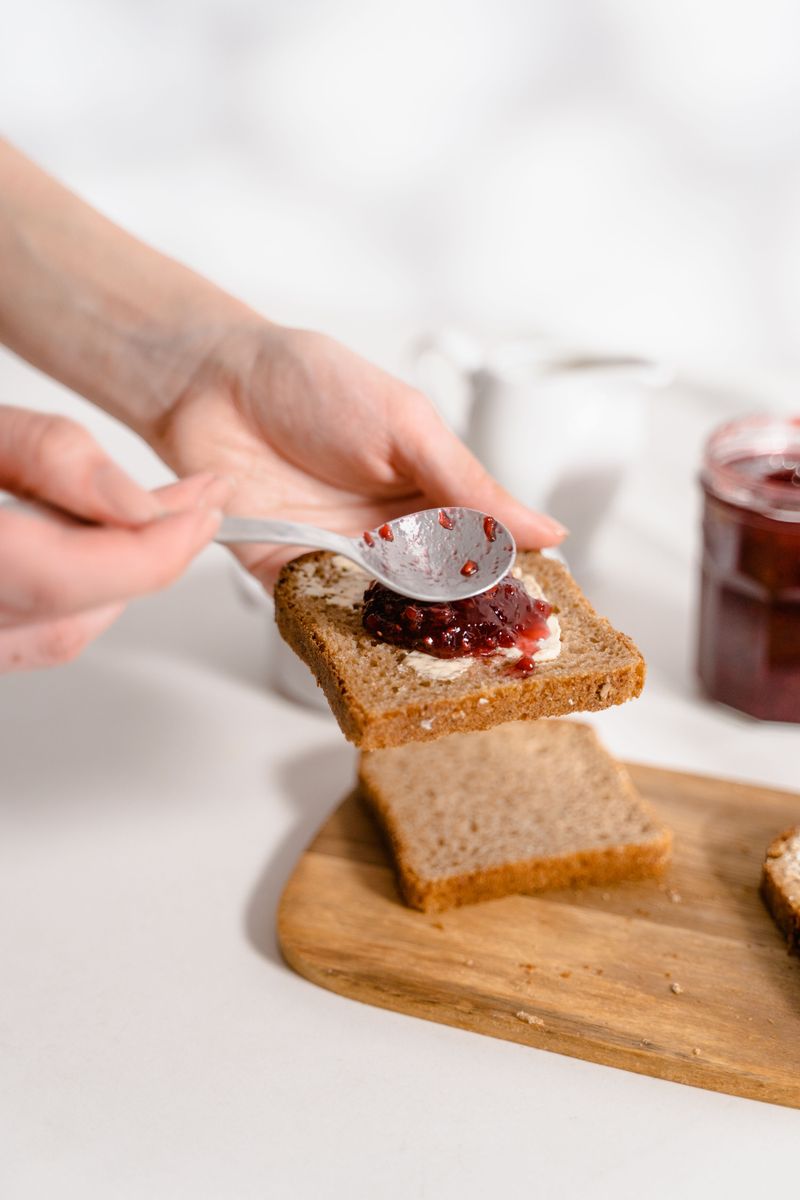
Mention a school lunchbox and this sandwich often comes to mind. The formula is hard to simplify: bread, peanut butter, and fruit jam or jelly.
Peanut butter became cheaper and easier to find in the early 20th century, which set up PB&J as a handy household staple. A long shelf life and no cooking made the combination especially practical.
The sandwich is still most closely linked with the United States, but the flavor pairing has moved well beyond lunchboxes. Doughnuts, milkshakes, cakes, cookies, and other desserts inspired by it now appear internationally.
Part of the appeal is contrast. Salty peanut butter, sweet fruit preserves, and soft bread make a combination that is inexpensive, filling, portable, and nostalgic.
S’mores
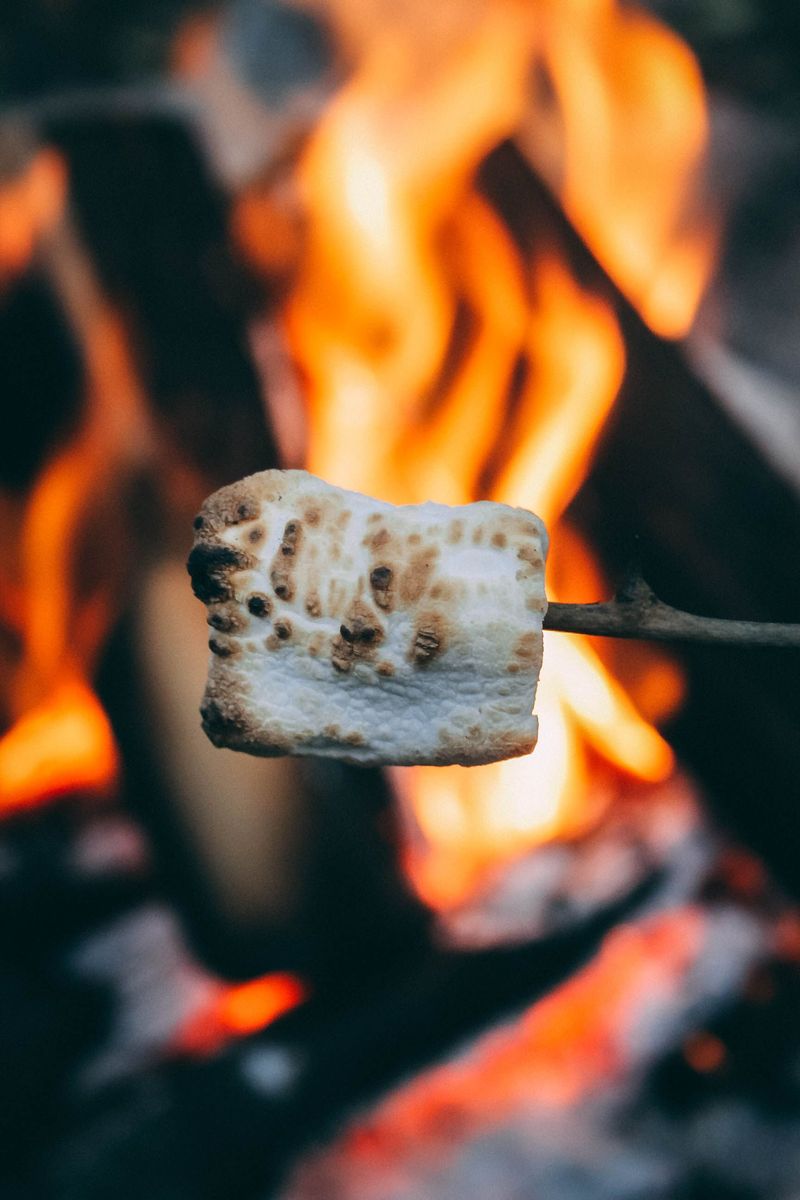
Summer camp and campfires are where s’mores usually shine. The treat layers toasted marshmallow and chocolate between graham crackers.
The earliest known published recipe appeared as “Some More” in the 1927 Girl Scout manual Tramping and Trailing with the Girl Scouts. The shortened word “s’more” showed up in print later.
What began as a campfire snack grew into a whole flavor category. American companies now make s’mores cereal, candy, cookies, ice cream, and pastries.
International awareness has grown through American movies, television, tourism, and social media. Where graham crackers are hard to find, people rebuild the dessert with local biscuits.
Chocolate and toasted marshmallow, it turns out, travel very well.
New York-Style Cheesecake
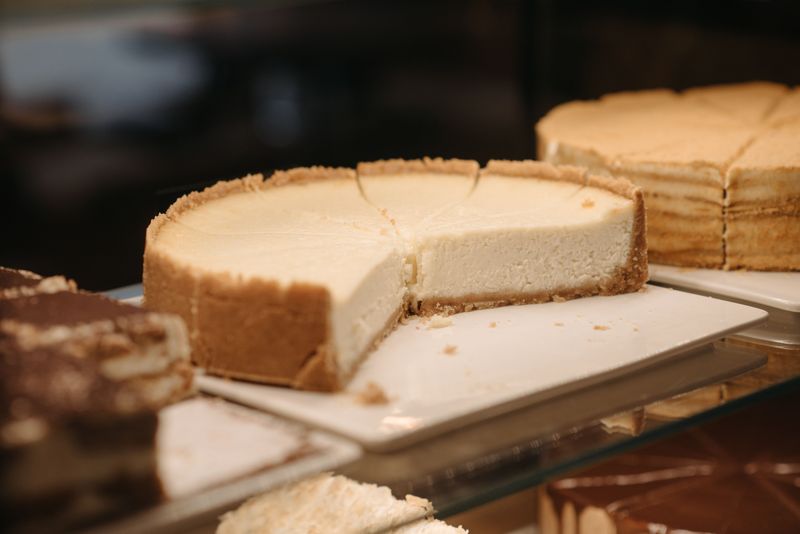
Europe made cheesecake long before New York did, yet the dense, rich New York style earned its own international identity.
It is usually made with generous amounts of cream cheese, eggs, and sugar, which makes it heavier and smoother than many traditional European cheesecakes. Some versions use a graham-cracker crust, while others keep the base very thin.
New York restaurants and bakeries helped turn this style into one of America’s signature desserts. Over time, “New York cheesecake” became a recognizable menu description far outside the city.
It now appears in cafes and dessert shops across Europe, Asia, the Middle East, and beyond. Toppings like fruit, chocolate, caramel, and cookies may change, but the dense cream-cheese filling stays the defining feature.
Brownies
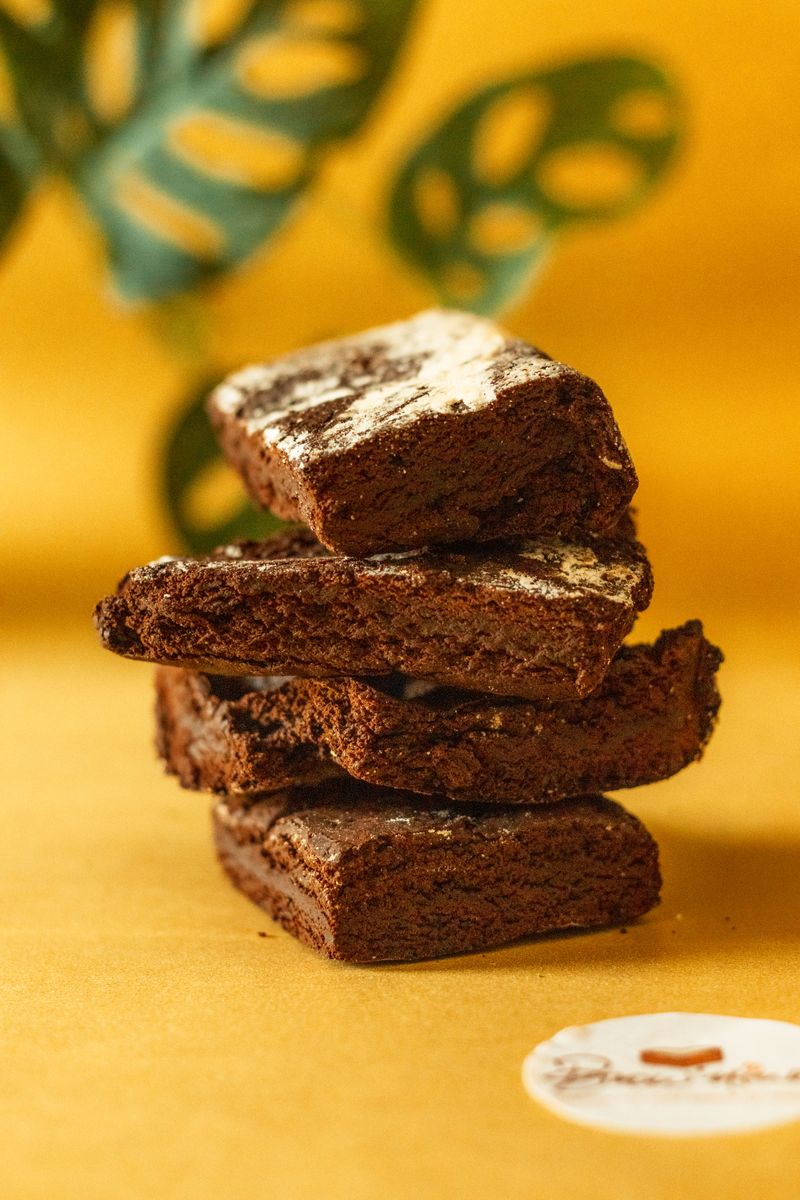
Brownies live in the tasty space between cake and cookie. A dense chocolate flavor, a chewy or fudgy center, and a portable square shape made them an American baking staple.
Where they came from is up for debate. Several competing stories exist, so any claim naming one definite inventor deserves caution.
What is clear is that brownies were appearing in American cookbooks around the turn of the 20th century and soon became a fixture of home baking. Their simplicity made them ideal for bake sales, school events, cafes, and packaged dessert mixes.
Today brownies barely need translation. Bakeries worldwide serve versions topped with walnuts, caramel, peanut butter, chocolate chunks, or ice cream.
The American taste for extra fudgy brownies has become especially influential in modern dessert shops.
Apple Pie
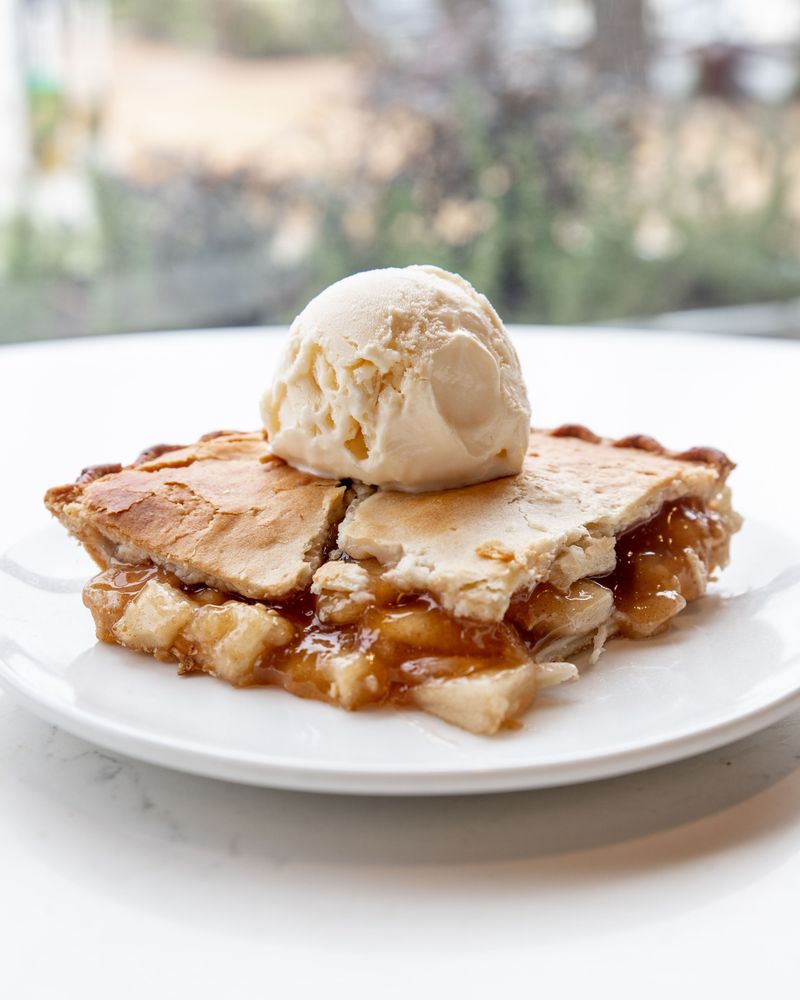
“As American as apple pie” is a famous phrase, but the dessert itself did not begin here. European settlers brought pie-making traditions with them, and apples were introduced to North America from abroad.
America still made the dessert a national symbol. By the turn of the 20th century, apple pie was strongly tied to ideas of home life and national identity.
The classic American version usually has sliced apples flavored with sugar and warming spices inside a pastry crust.
Apple pie is now recognized worldwide, especially when served the American way, with a scoop of vanilla ice cream beside a warm slice. It shows how a dish with foreign roots can become a symbol of a country.
Pecan Pie
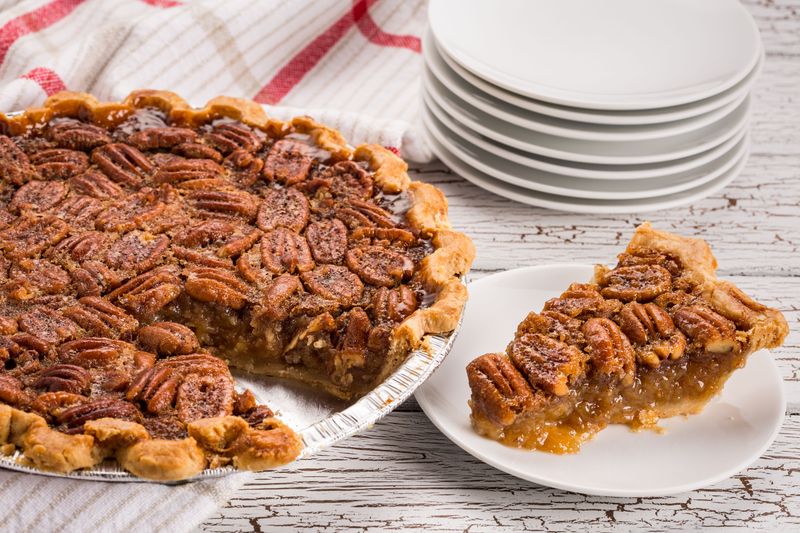
Nutty, sweet, and rich, pecan pie is one of the signature desserts of the American South.
Pecans are native to North America, and Indigenous peoples ate them long before European settlement. The modern pie came later, pairing pecans with a sugary filling inside pastry.
It became especially linked with Southern cooking and holiday tables. Thanksgiving and Christmas remain popular times to serve it in the United States.
The appeal is easy to explain. Toasted nuts balance an intensely sweet, caramel-like filling, and the pastry adds structure and texture.
Pecan pie is less common worldwide than hamburgers or fried chicken, but American-style bakeries and restaurants abroad have helped introduce it. It also shows up in cheesecakes, bars, cookies, and other desserts inspired by it.
Key Lime Pie
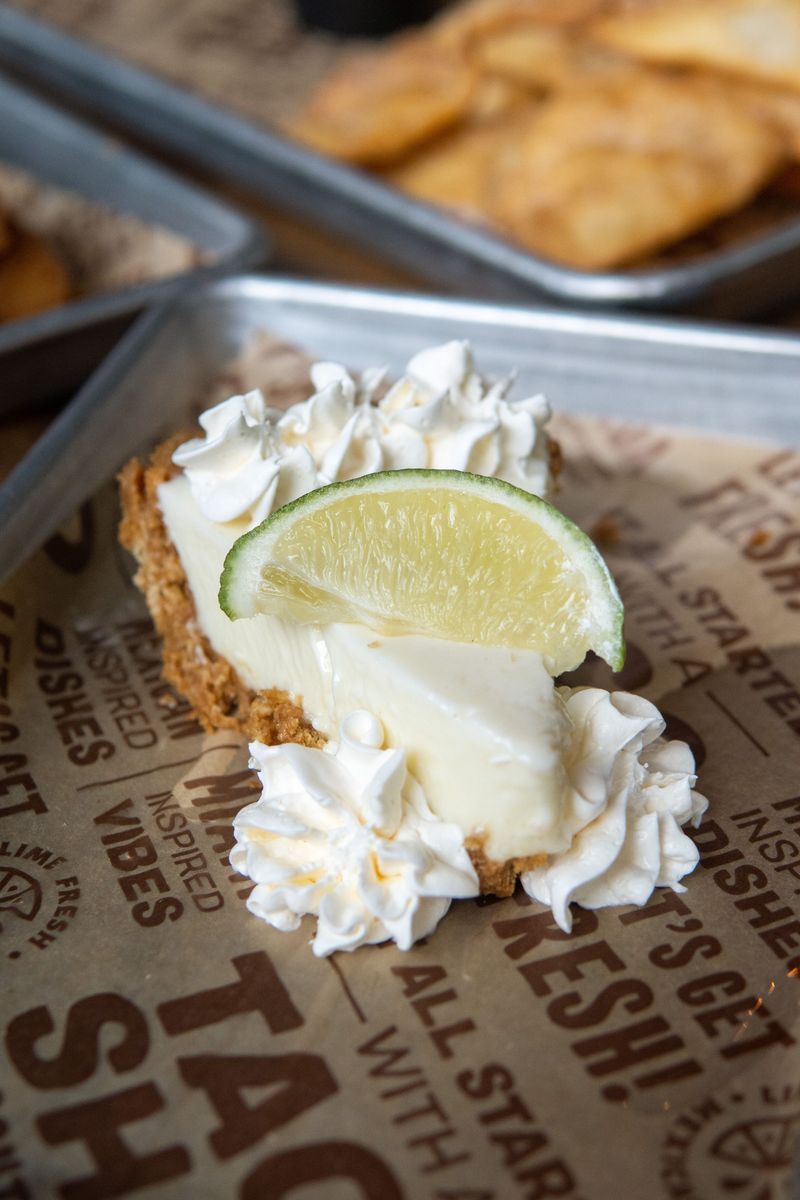
Florida’s Key lime pie ranks among the most recognizable regional desserts in America. It traditionally blends lime juice with sweetened condensed milk and egg yolks, making a filling that is tart yet creamy.
Key limes became an important crop in the Florida Keys during the 19th century. Commercial production later declined after destructive hurricanes, but the fruit stayed permanently tied to the area’s famous pie.
Today versions may use pastry or graham-cracker crusts and can be topped with whipped cream or meringue.
The balance of sweetness and sharp citrus is especially refreshing in warm climates. Restaurants outside Florida, and increasingly outside the country, use “Key lime” as shorthand for desserts with that creamy citrus flavor.
Cornbread
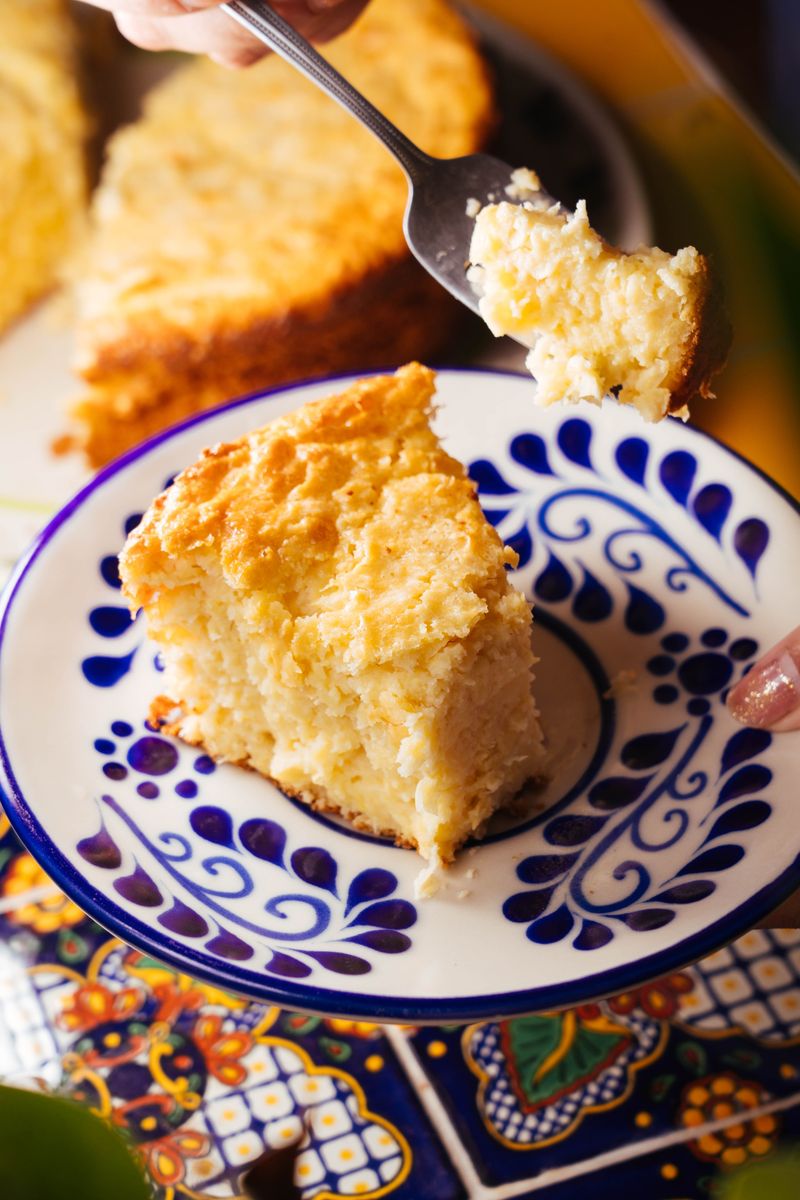
Cornbread ties modern American cooking to traditions that existed here long before European settlement.
Indigenous peoples in the Americas domesticated maize thousands of years ago, and it became essential to diets across large parts of North America.
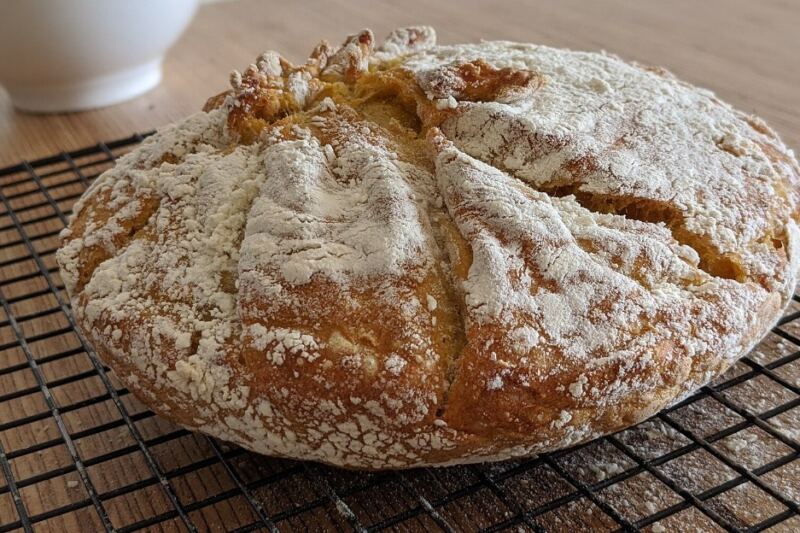
Later cooks developed many regional styles. Southern versions are often baked in cast-iron skillets and can range from crumbly and savory to soft and slightly sweet.
In other regions, sweeter versions became common.
Cornbread remains a natural partner for barbecue, beans, chili, greens, and stews.
Similar corn-based breads exist in many countries, yet American cornbread has its own identity. Southern and soul-food restaurants abroad have helped introduce diners to its browned crust, tender inside, butter, and clear corn flavor.
Gumbo
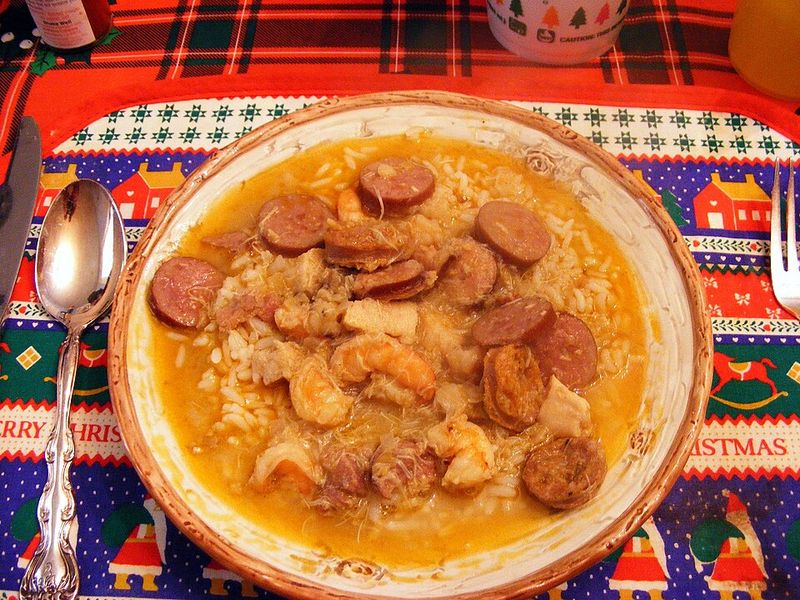
Gumbo is one of the clearest examples of America’s multicultural food heritage.
Closely tied to Louisiana, it reflects African, Indigenous, European, and Caribbean influences. Recipes may use seafood, chicken, sausage, okra, file powder, or a dark roux.
The National Park Service notes the importance of roux, okra, and file in Louisiana Creole cooking.
No single gumbo recipe rules them all, and debates over ingredients can get passionate. That variety is part of the dish’s identity.
What usually unites versions is a richly flavored base served with rice.
Louisiana cooking has an international following, and gumbo is often one of the first dishes adventurous diners try. Its mix of spice, seafood, and slow-cooked depth sets it apart from almost anything else in American cuisine.
Jambalaya
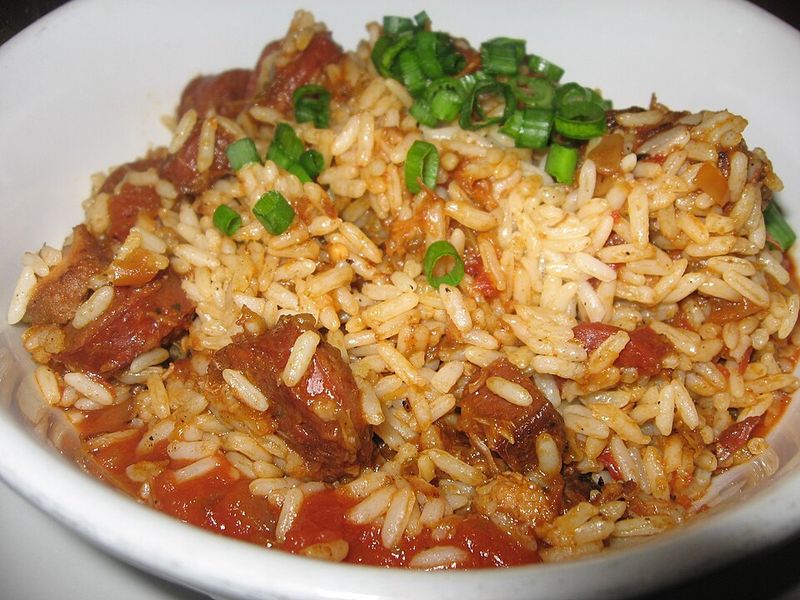
Another Louisiana favorite with international roots, jambalaya shows how American cooking often grew from cultural exchange.
The rice-based dish developed in Louisiana and reflects Spanish, French, African, and Caribbean cooking. Depending on the recipe, it may include sausage, chicken, shrimp, vegetables, tomatoes, and a hearty mix of seasonings.
Creole versions are often linked with tomatoes. Cajun versions commonly rely on browning meat and building deep flavor right in the pot.
It suits big groups well, since everything cooks together in one large pot.
Jambalaya has slowly found fans outside Louisiana and the United States. It uses ingredients familiar to many food cultures while keeping the bold flavor that Louisiana cuisine is known for.
Chicago Deep-Dish Pizza
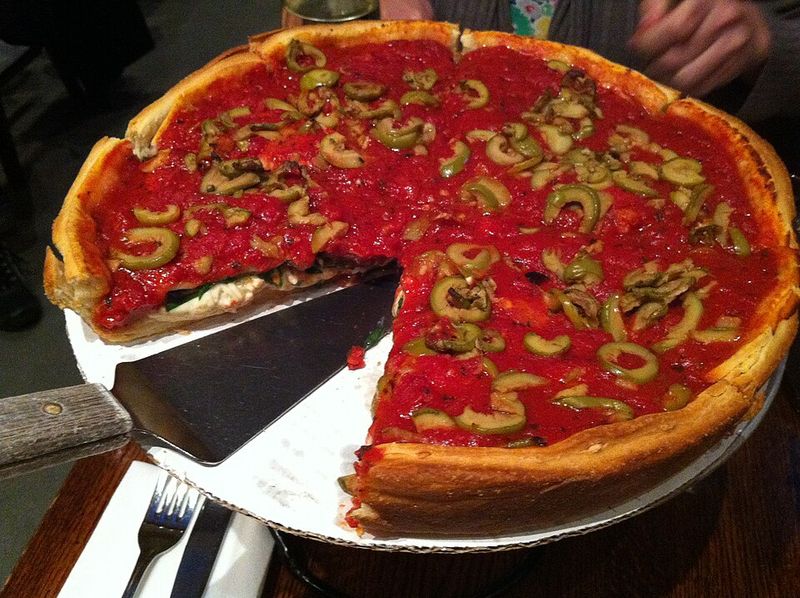
Pizza began in Italy, not America, but Chicago turned it into something dramatically different.
Chicago-style deep dish emerged in the 1940s, with Pizzeria Uno closely linked to its early development. Instead of a thin base, it uses a tall-edged crust that holds generous layers of cheese, toppings, and tomato sauce.
The result is so substantial that eating it can seem closer to tackling a savory pie than grabbing a normal slice.
Deep dish never replaced traditional pizza, and it was never meant to. It became one of America’s best-known regional variations instead.
Chicago-style restaurants have since opened outside the United States, and home cooks around the world regularly try to recreate the famously thick pizza themselves.
Philly Cheesesteak
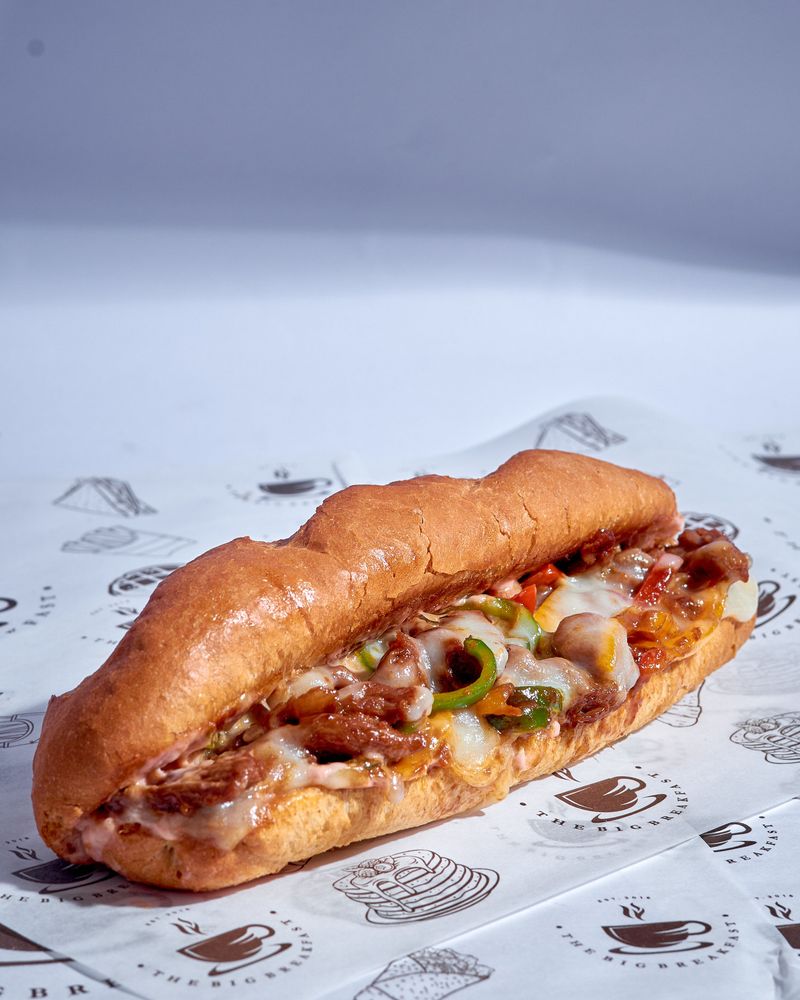
Philadelphia’s cheesesteak is one of America’s most famous regional sandwiches. At its core is thinly sliced beef cooked on a griddle and piled into a long roll.
Cheese goes on top, and onions are another common addition. Arguments over the “correct” cheese, especially provolone versus processed cheese sauce, are practically part of the experience.
What started as Philadelphia street food grew into a nationally recognized symbol of the city.
Restaurants far beyond Pennsylvania now advertise Philly cheesesteaks, though authenticity varies a lot. International versions sometimes add peppers, mushrooms, different sauces, or locally available cheeses.
Even with those changes, the basic formula holds up: hot beef, melted cheese, sauteed onions, and bread sturdy enough to hold it all together.
Share this story