Pierogi, borscht, stuffed cabbage, and potato dumplings all show up on one Pittsburgh menu, and not a single dish contains meat, dairy, or eggs. The whole kitchen runs on plants, yet the food draws straight from Polish and other Central and Eastern European traditions.
The menu changes with the seasons, so the dish you loved last spring might be gone by fall. Something new and built around fresh vegetables usually takes its place.
I like the idea of a restaurant honoring grandma-style cooking while rethinking every ingredient. It feels respectful and bold at the same time, which is a hard balance to strike in Pennsylvania or anywhere else.
People line up on the sidewalk before the doors even open. So what exactly makes a plate of vegan dumplings worth that kind of wait?
A Plant-Based Kitchen on Penn Avenue
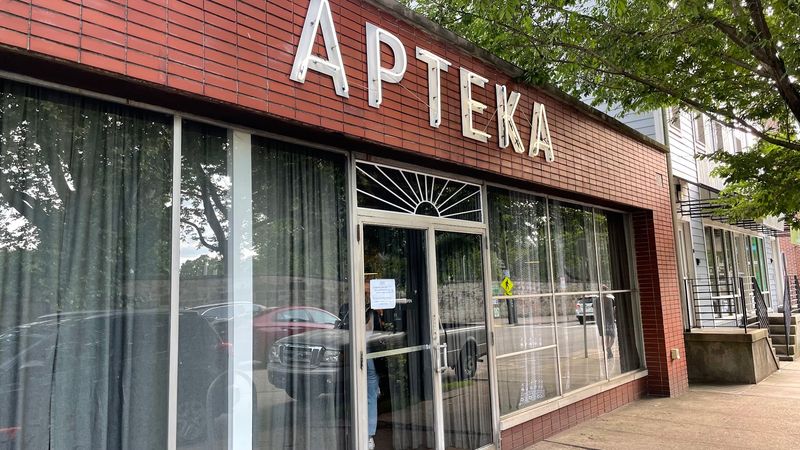
Apteka sits at 4606 Penn Ave, Pittsburgh, PA 15224, in the United States. The building looks modest from the street, but the menu inside has made it a well-known stop for curious eaters across western Pennsylvania.
The restaurant serves Central and Eastern European food, with strong Polish roots. Every dish is vegan, which means no meat, no butter, no cheese, and no eggs.
That might sound like a big challenge for a cuisine known for sour cream and hearty fillings.
Instead of skipping those classic flavors, the kitchen finds new ways to build them. Pickles, fermented vegetables, herbs, mushrooms, and grains do a lot of the heavy lifting.
The goal seems to be honoring old recipes while changing what goes into them.
I find that approach interesting because it does not treat vegan food as a side note. The plant-based menu is the whole point.
Diners who eat meat at home can still find familiar comfort dishes here.
Google lists the spot as an Eastern European restaurant with a 4.7-star rating from nearly 1,900 reviews. That is a strong signal for a place with such a specific focus, and the food explains why.
Pierogi Without the Usual Rules
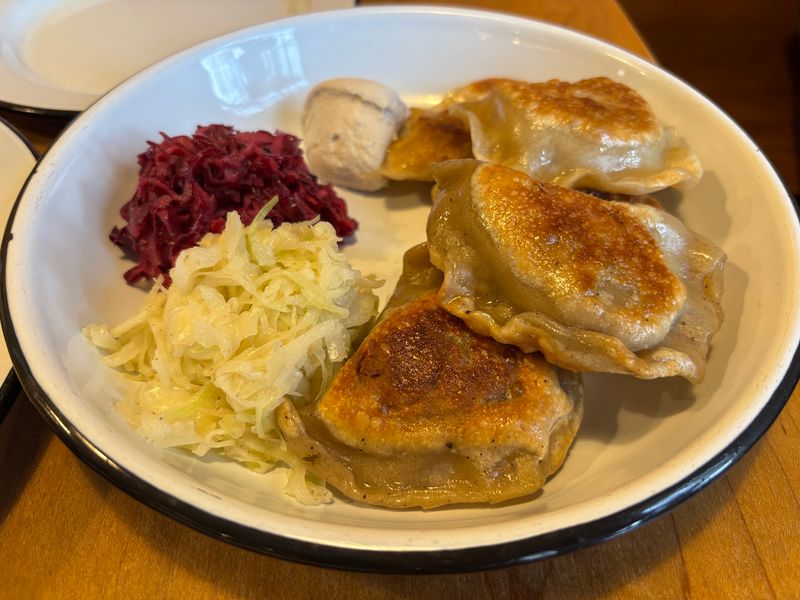
Few foods say Pittsburgh quite like pierogi. The city loves these filled dumplings, so serving a vegan version here takes a bit of confidence.
Apteka offers pierogi in more than one style, including a fried version called smazone pierogi. Diners have mentioned them more than any other dish in online reviews.
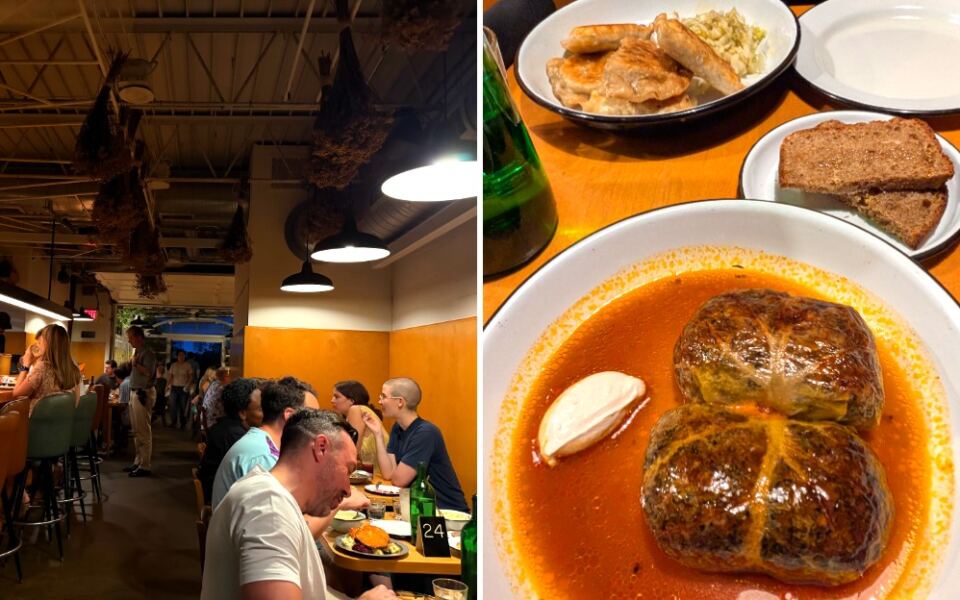
The fried pierogi have been served with a creamy plant-based topping plus cabbage and cucumber salad.
The dough skips eggs, and the fillings change depending on what the kitchen is working with. Potatoes, cabbage, and seasonal vegetables are common building blocks in Polish cooking.
Since the menu shifts, the exact filling on any given night can vary.
My advice is simple. If pierogi are on the menu when you visit, order them, especially on a first trip.
They give you a clear sense of how the kitchen translates a classic into something new.
Plates here are made for sharing, so a table of friends can order pierogi alongside a few other dishes. That way, nobody has to choose just one comfort food.
The next stop on the menu brings something a little more colorful and soupy.
Bright Red Borscht and a Slice of Rye
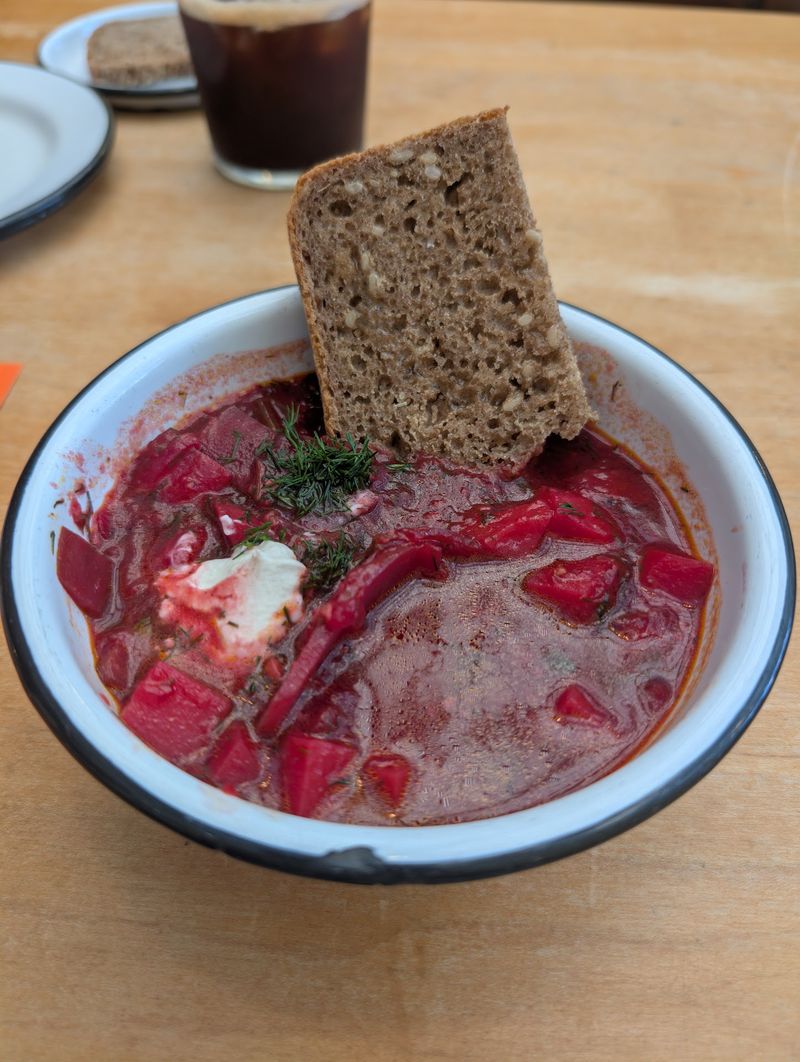
Beets have a reputation problem. Plenty of kids push them around the plate, but borscht shows how good they can be.
Apteka has served Barszcz Ukrainski, a red beet borscht with roots in Ukrainian cooking. Diners have described notes of dill in the bowl, and it has come with a side of rye bread.
That pairing is a classic in many Eastern European homes.
Borscht can be served hot or cold depending on the region and season. Beets give the soup its deep red color, while sour flavors often balance the natural sweetness.
Many versions also include cabbage, carrots, or potatoes.
In a vegan kitchen, borscht makes a lot of sense. The soup never really needed meat to stand on its own.
Still, Apteka’s take shows the kind of care the team puts into even simple dishes.
A bowl works well as a starter while you wait for larger plates. It is also a good way to warm up on a chilly Pittsburgh evening.
Fun fact: the word borscht may come from an old Slavic word for a plant once used in the soup, long before beets took over.
Dumplings, Cabbage Rolls, and Potato Pancakes
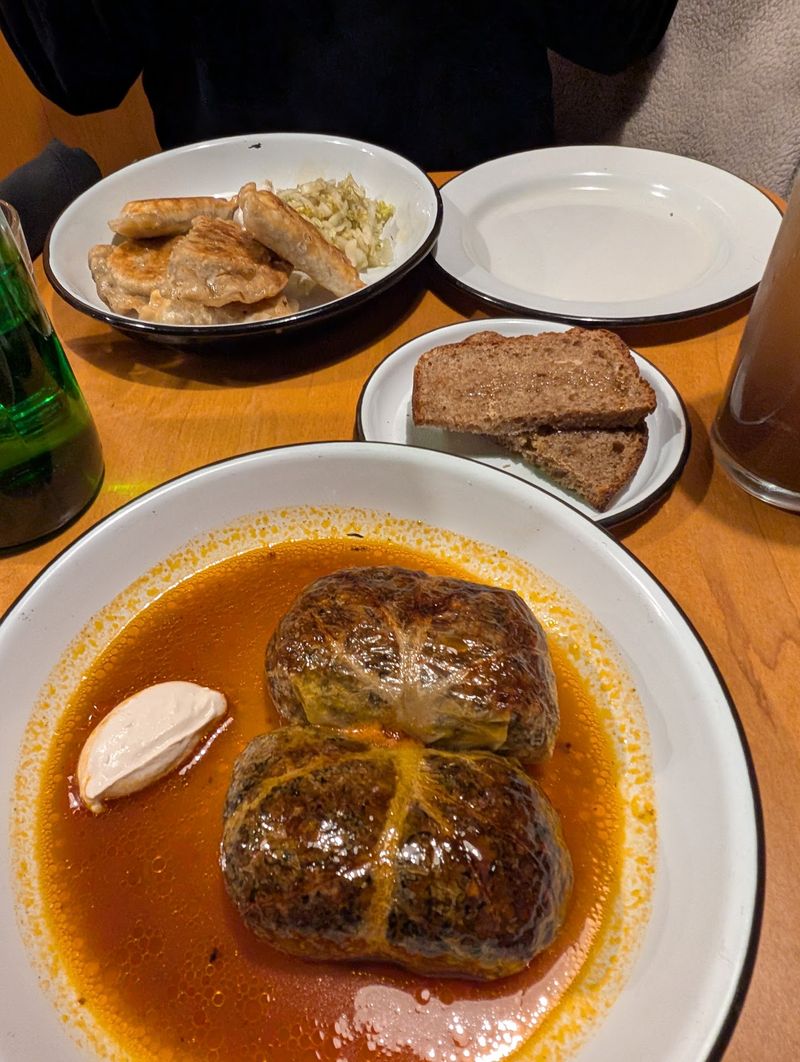
Hearty food is the heart of Central European cooking. Apteka leans into that tradition with dishes that feel filling and homey.
Kluski slaskie, or Silesian potato dumplings, have appeared on the menu. These small, soft dumplings usually have a little dent in the middle that holds sauce.
Golabki, the stuffed cabbage rolls many Polish families make for holidays, have shown up too.
Then there is the potato pancake. One version, placek ziemniaczany po wegiersku, pairs a fried potato pancake with a stew on top.
The name means Hungarian-style, a nod to how recipes travel across borders in this part of Europe.
Halusky, a Slovak-style dumpling dish, has also earned praise from diners. Each of these plates shows off the region’s love of potatoes, cabbage, and flour.
Because the menu changes, you may not see all of these on the same night. That is part of the fun.
I would read the board carefully and pick at least one dish I had never heard of before.
Large plates can be dense, so ordering a mix of big and small plates helps keep the table balanced.
A Menu That Follows the Seasons
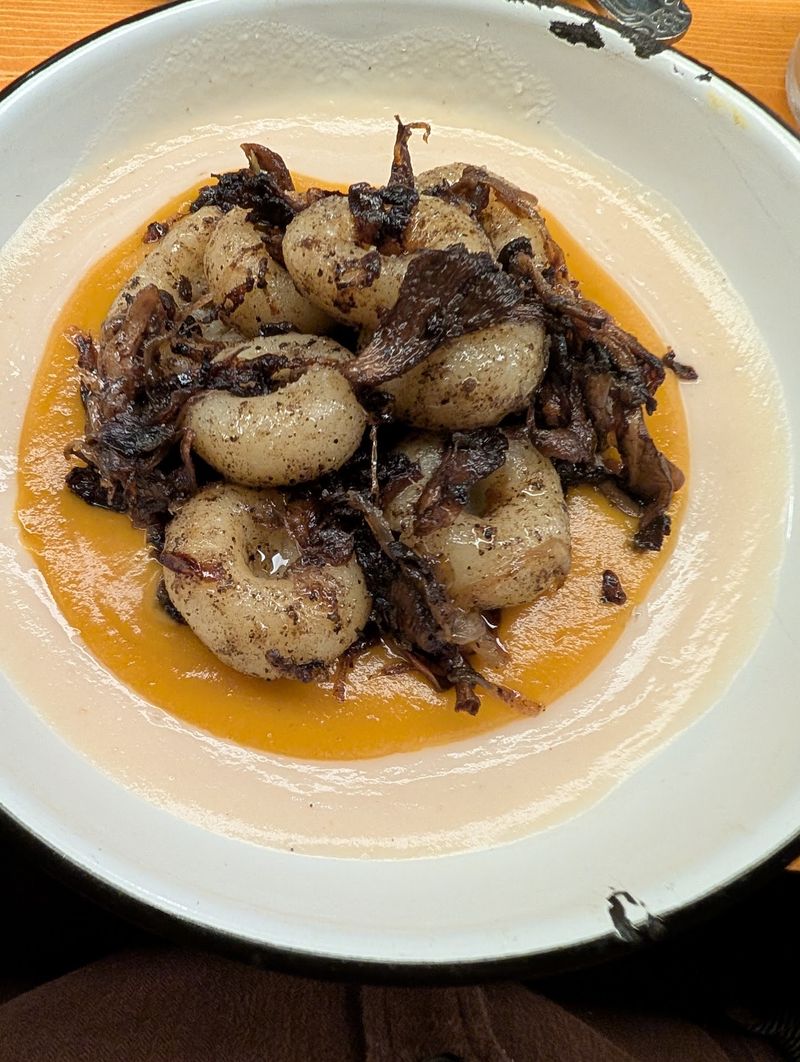
Chanterelle mushrooms once showed up on the menu with a playful note saying they were picked by Marek. Little touches like that hint at how personal the cooking feels.
Apteka’s menu changes often, shaped by seasonal vegetables and kitchen experiments. A dish built around summer zucchini might give way to roots and cabbage once the weather cools.
Diners who follow the restaurant on Instagram get a peek at what the team is working on.
This style of cooking fits Eastern European traditions well. Families in Poland and nearby countries have long cooked with what each season brings.
Pickling, fermenting, and foraging helped stretch the harvest through long winters.
For visitors, the shifting menu has a practical side. You can return several times and still try something new.
On the other hand, a favorite dish might disappear for a while.
I like that tradeoff. It keeps the food tied to real ingredients instead of a fixed list.
If you have allergies, ask questions at the counter. The staff has offered nut-free options for some dishes and has worked with guests who avoid gluten.
That counter, by the way, is where your visit really begins.
Ordering Happens Before You Sit
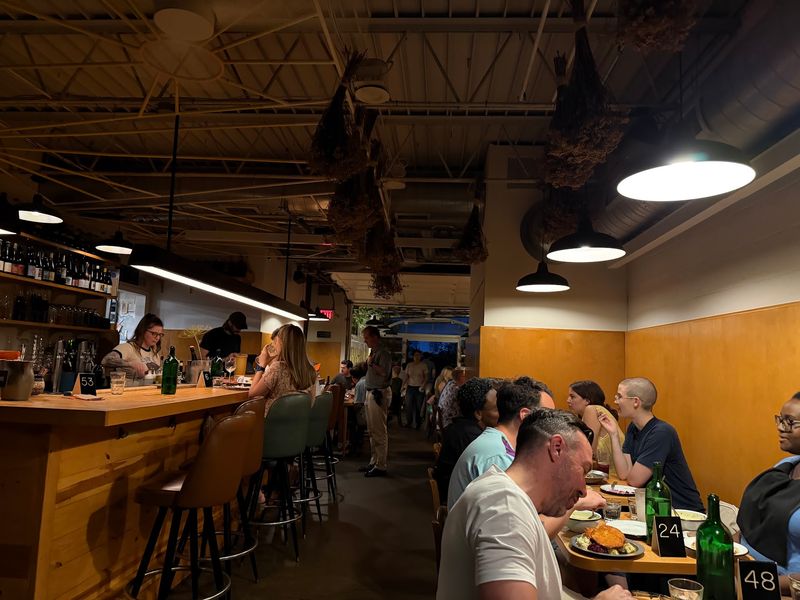
Here is something first-timers should know. At Apteka, you order at a counter near the entrance before you find a seat.
Staff members take each group’s order one at a time. They often explain dishes and give suggestions, which helps a lot when the menu is full of Polish names.
After you order and pay, the food is brought to your table.
This setup can feel a little crowded at the door during busy times. Large groups may find it easier to decide on dishes ahead of time.
Still, the one-on-one chat is a good chance to ask about ingredients or allergies.
I would go in with a rough plan. Try picking one or two small plates and one large plate per pair of diners.
Plates arrive as they are ready, so sharing everything family-style works well.
Do not be shy about asking how to pronounce a dish. Words like kluski or obwarzanek can tongue-tie anybody.
The staff knows the menu well and can point you toward plates that match your tastes.
Once the order is in, the next choice is where to sit, and that decision matters more than you might expect.
Garden Seats Under Vines and Pines
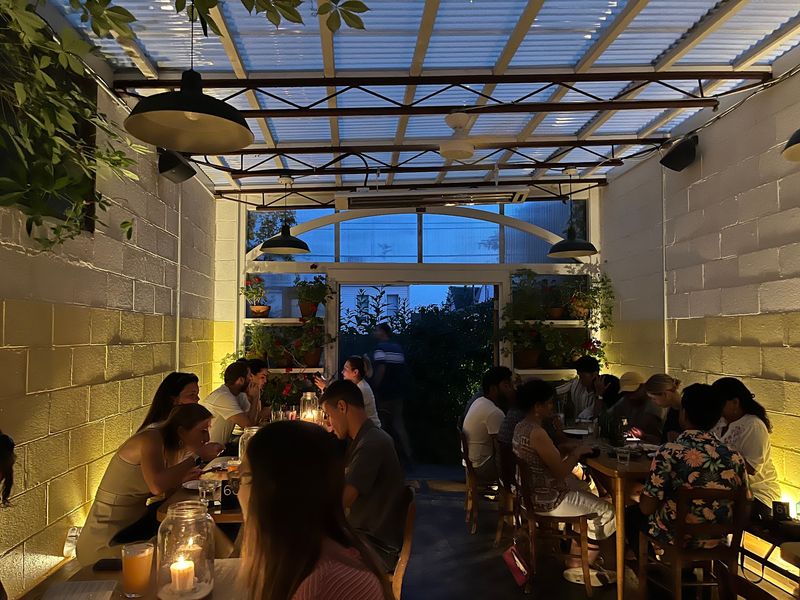
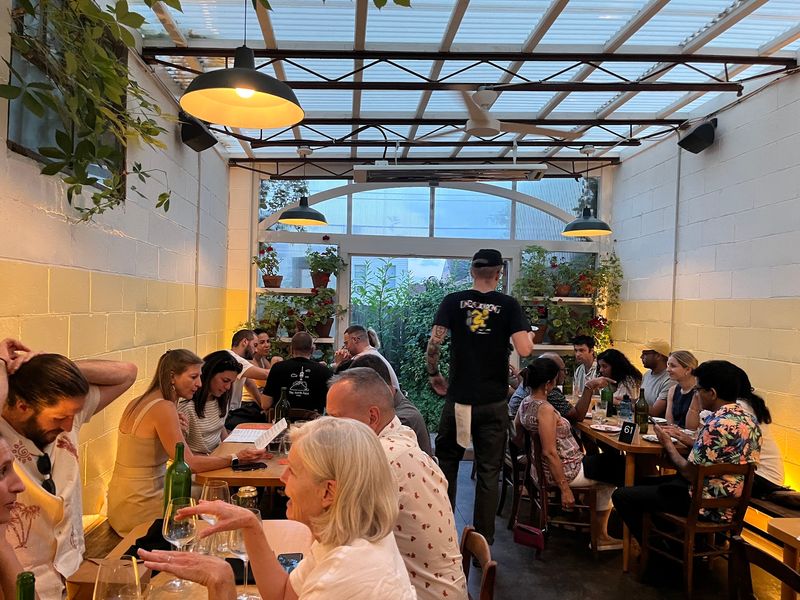
Black-eyed Susans and climbing vines frame the outdoor seating area. Pine trees add to the woodsy feel, and some guests say it feels a little like camping.
The back half of Apteka is semi-outdoor. It works as a larger room with a door that can open when the weather is nice.
Heaters help keep the space comfortable when the air turns chilly.
Inside, the dining room is simple and homey, with lighting and chairs that diners often mention. It can get lively and loud during busy hours.
The garden side tends to feel calmer and more relaxed.
So which should you choose? For a quiet date or celebration, the outdoor area is a smart pick.
For a cozy, buzzy night with friends, the indoor room fits the mood.
Weather in Pittsburgh can swing quickly, so plan with that in mind. A light jacket is a good idea even in late spring or early fall.
The overall look stays low-key rather than fancy. That matches the food, which aims for comfort first.
Speaking of comfort, saving room for something sweet is a very good plan here.
Desserts and Sodas Worth Saving Room For
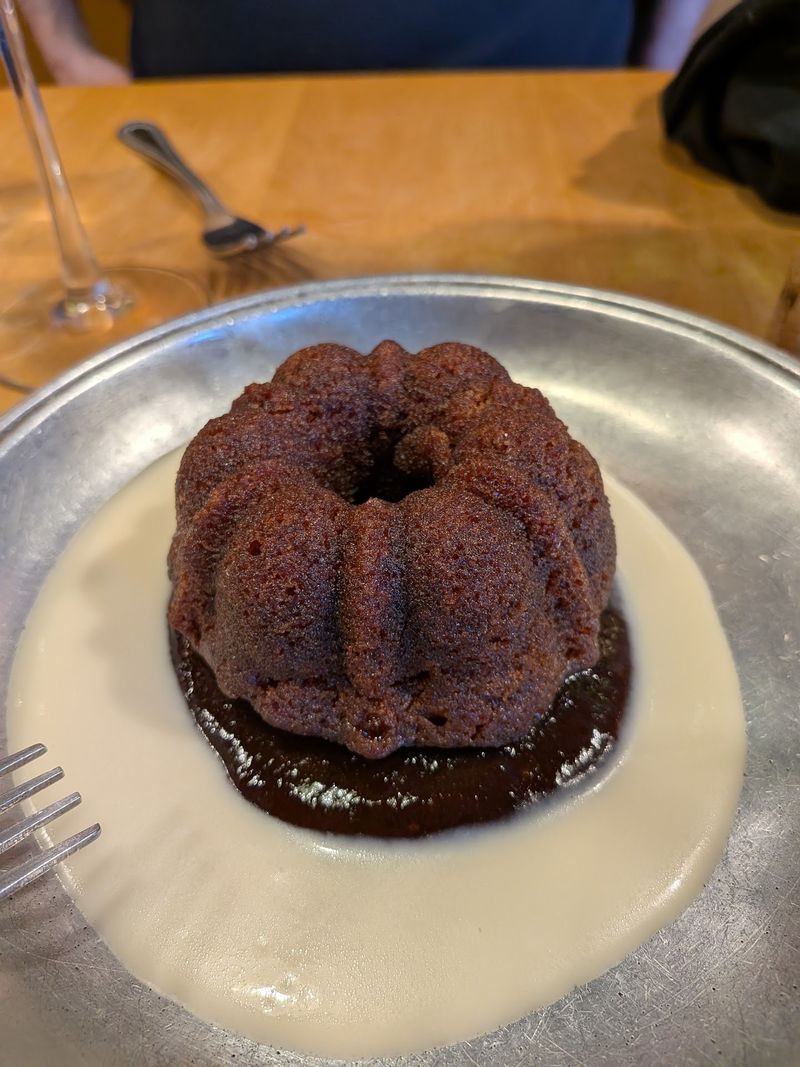
Parsnip cake might sound odd at first. Yet it has been one of the desserts diners talk about most at Apteka.
The sweets menu changes along with everything else. Past options have included rice pudding topped with caramelized baked fruit, chocolate cake with a caramel layer, and walnut ice cream.
Lody, the Polish word for ice cream, has also appeared.
Making these without dairy or eggs takes real skill. Plant-based baking often relies on nuts, oils, and careful technique to get the right texture.
Root vegetables like parsnips add natural sweetness to cakes.
On the drink side, house-made sodas stand out. A poppyseed soda has been a favorite, which fits nicely since poppyseeds are a big part of Polish baking.
Hot tea is another cozy option.
I would order one dessert for the table and share it. That way everyone gets a taste without feeling overly full.
Tastes vary, of course. Some desserts lean dense or sweet, so asking staff for a recommendation helps.
Thursdays bring a different kind of evening, with its own smaller menu.
Plan Around the Weekend Line
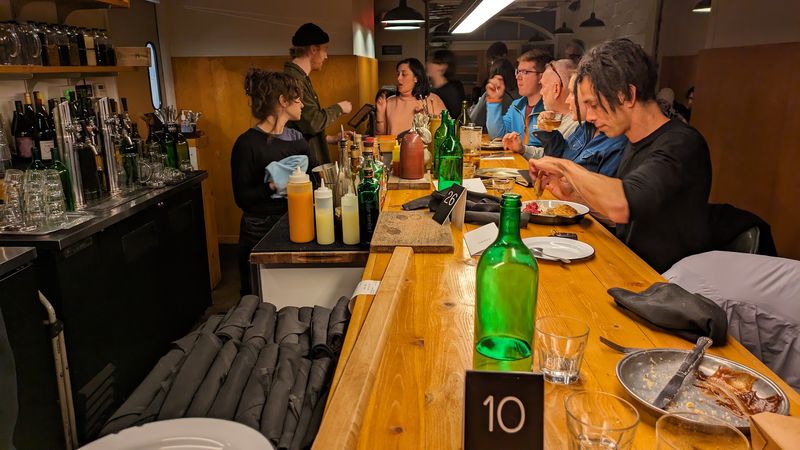
Timing is everything at Apteka. Full dinner service currently runs Friday through Sunday, starting at 5 PM, according to its Google listing.
A line often forms on the sidewalk before the doors open. Diners suggest arriving about 15 to 20 minutes early if you want to avoid a long wait.
Show up later in the evening, and you might wait quite a while for a table.
Since hours can change, check the restaurant’s official channels before heading out. That small step can save a wasted trip across town.
Thursday nights have hosted an event called Vinoteka. It offers a scaled-down menu and a more casual mood than the weekend rush.
Check ahead to confirm whether it is running when you plan to go.
Bringing a group of seven or more? Expect a tight squeeze at the counter and plan your order early.
My practical tip is to treat dinner here like an outing, not a quick bite. Wear comfortable shoes for the wait and bring patient friends.
The reward is a table full of dishes you probably cannot find elsewhere in the city.
Bringing Meat Eaters to the Table
Picky relatives can be the toughest critics. Plenty of diners bring non-vegan parents and friends to Apteka to test the food.
The restaurant is honest about what it serves. Staff may gently remind newcomers that there is no meat on the menu.
That clear message helps people know what to expect before they order.
Familiar dishes make the switch easier. Schnitzel, served with slaws and dill potatoes, has appeared on the menu.
Pierogi and potato pancakes also feel comfortable to people raised on Polish or Slovak cooking.
Flavors here can run bold, with tangy, earthy, smoky, and salty notes. Fans call that exciting, while some prefer milder food.
Ordering a range of plates helps balance the meal.
I can understand the appeal of a restaurant like this for mixed groups. Everyone shares the same dishes, and nobody has to order off a tiny vegan section.
Some diners even say a visit changed how they think about vegan food. That kind of open-minded meal says a lot about Pittsburgh’s food scene, where old family recipes and new ideas can share one table.
Share this story