Al Capone, Lucky Luciano, and other notorious gangsters once visited Hot Springs, Arkansas, a spa town that became an unlikely destination for organized crime. Alongside its famous thermal baths, the city developed a thriving illegal gambling scene that lasted for decades.
Today, the Gangster Museum of America on Central Avenue tells that history through guided tours, vintage photographs, casino artifacts, and stories about the mobsters who spent time here.
The museum also explores surprising connections to baseball, including the major league players who came to Hot Springs for spring training. Visitors can learn how gambling shaped the town and why authorities tolerated it for so long.
Located across from historic Bathhouse Row, this unusual museum offers a different perspective on one of Arkansas’s most famous destinations.
A Museum on Bathhouse Row’s Doorstep
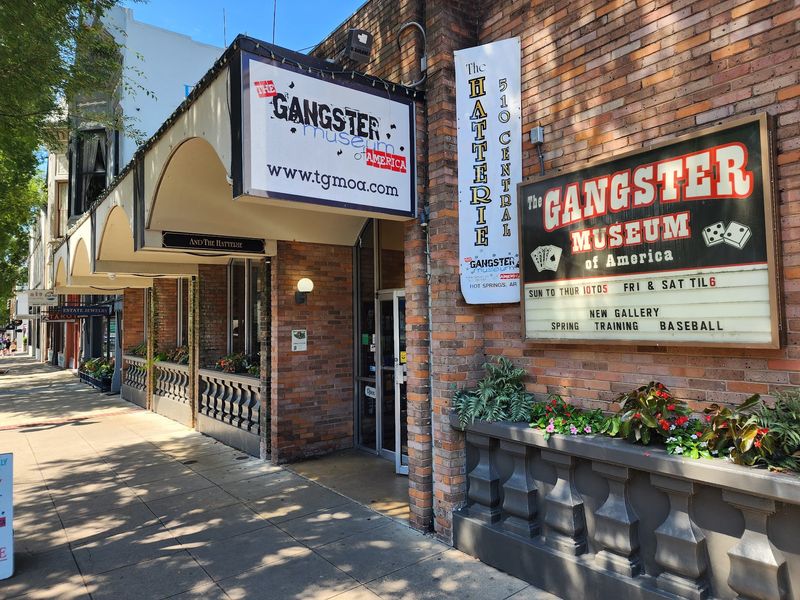
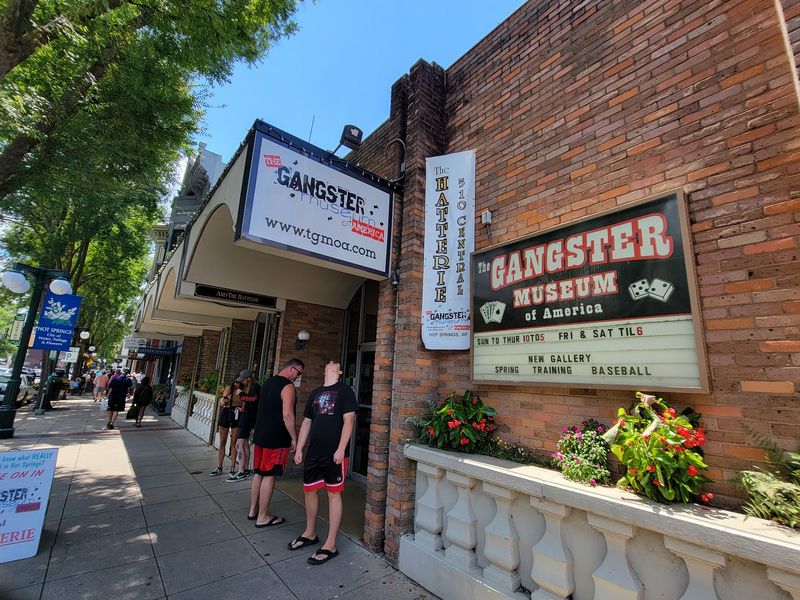
Few small towns can claim a museum devoted entirely to famous mobsters. The Gangster Museum of America sits at 510 Central Ave, Hot Springs, Arkansas 71901, right in the busy downtown strip across from historic Bathhouse Row.
The museum focuses on one big question. Why did so many notorious gangsters choose this quiet spa town as their vacation spot?
The answer involves hot springs, open gambling, and a local system that let illegal activity run in plain sight for decades.
I like that the location itself is part of the lesson. Many of the stories told inside happened just steps from the front door, on the same streets you walk to get there.
The museum covers roughly the late 1800s through the mid-1950s. That span includes the town’s rise as a resort, its gambling boom, and the eventual crackdown that ended the era.
Because it sits on Central Avenue, it’s easy to pair with a stroll past the old bathhouses. Seeing those grand buildings after the tour adds a new layer, since you’ll know who was soaking there.
The tour format, though, surprises many first-time visitors, and it deserves its own explanation.
Guided Tours Instead of Wandering
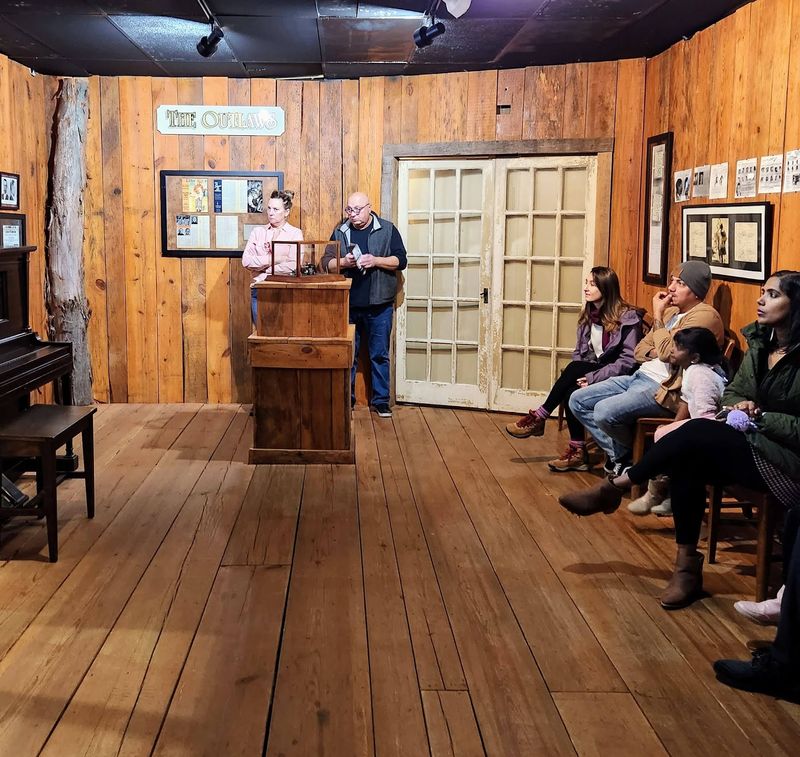
Forget reading plaques alone at your own pace. Every visit here is a guided tour, led by a staff member who walks your group from room to room.
The guide sets the scene in each space, then a short video plays. Afterward, the guide returns to answer questions and moves everyone along to the next chapter of the story.
Guides often dress in period style and lean into the gangster-era character. Some even invite visitors to act out short scenes from mob stories, which turns history into a group activity.
This setup works well for people who learn better from stories than from text. It also keeps the pace moving, since each room covers a different slice of the town’s past.
There is one tradeoff worth planning for. Since self-guided tours aren’t offered, you won’t get much time to linger over every photo on the wall.
If you love studying artifacts closely, ask your guide whether snapping pictures while they talk is okay. That way you can review details later at your own speed.
Speaking of time, the length of the tour catches many people off guard.
Plan for About an Hour and a Half
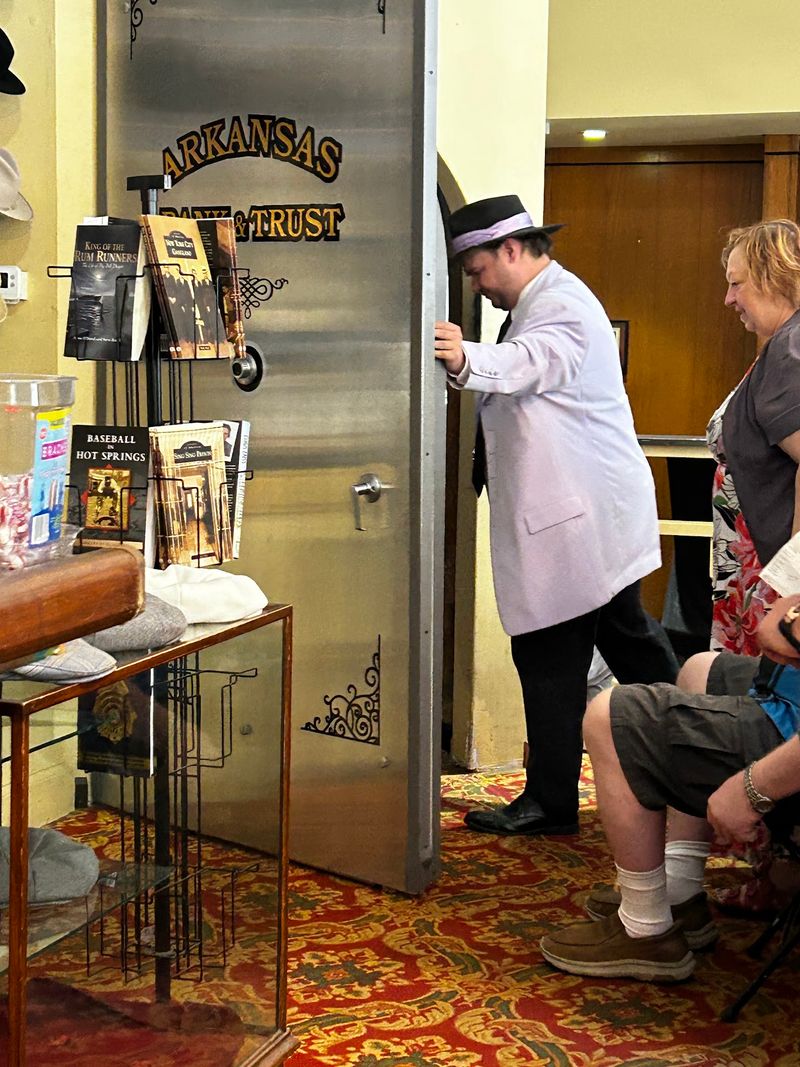
Here’s a practical tip that saves a lot of rushing. The full tour can run around an hour and a half, which is longer than many people expect from a downtown museum.
Much of that time comes from the video presentations. Each room features a film with local historians explaining a different era of Hot Springs, from its early resort days to its gambling heyday.
I’d suggest skipping a tight lunch reservation right after your tour. Give yourself breathing room so you can enjoy the stories without checking your watch.
The videos are packed with names, dates, and local faces. Some people find them a little long, while history fans tend to soak up every minute.
Comfortable shoes help too, since you’ll be standing and walking between rooms. Families with small children may want to plan snacks or a break beforehand.
The museum is open daily, with slightly longer hours on Fridays and Saturdays, though it’s smart to confirm before you go. Once you’re settled in, the very first room explains why gangsters showed up in the first place.
Why Mobsters Chose a Spa Town
Hot water drew them in, but open gambling kept them coming back. For decades, Hot Springs ran illegal casinos with little interference, thanks to cooperation between local leaders and gambling operators.
That made the town a rare kind of neutral ground. Rival gangsters from big cities could relax, gamble, and take the healing baths without as much worry about trouble from authorities.
The museum walks through how this system worked. You’ll learn how money moved around town and why so many people looked the other way.
I find that angle fascinating because it isn’t only about famous criminals. It’s about a whole community that grew rich from an industry that was technically against the law.
The thermal springs gave everything a respectable cover. Visitors could say they came for their health, which was often partly true.
Understanding this background makes the rest of the tour click. Once you know why the town worked as a safe getaway, the guest list starts to make sense.
And that guest list includes some very recognizable names.
Capone, Luciano, and Other Famous Guests
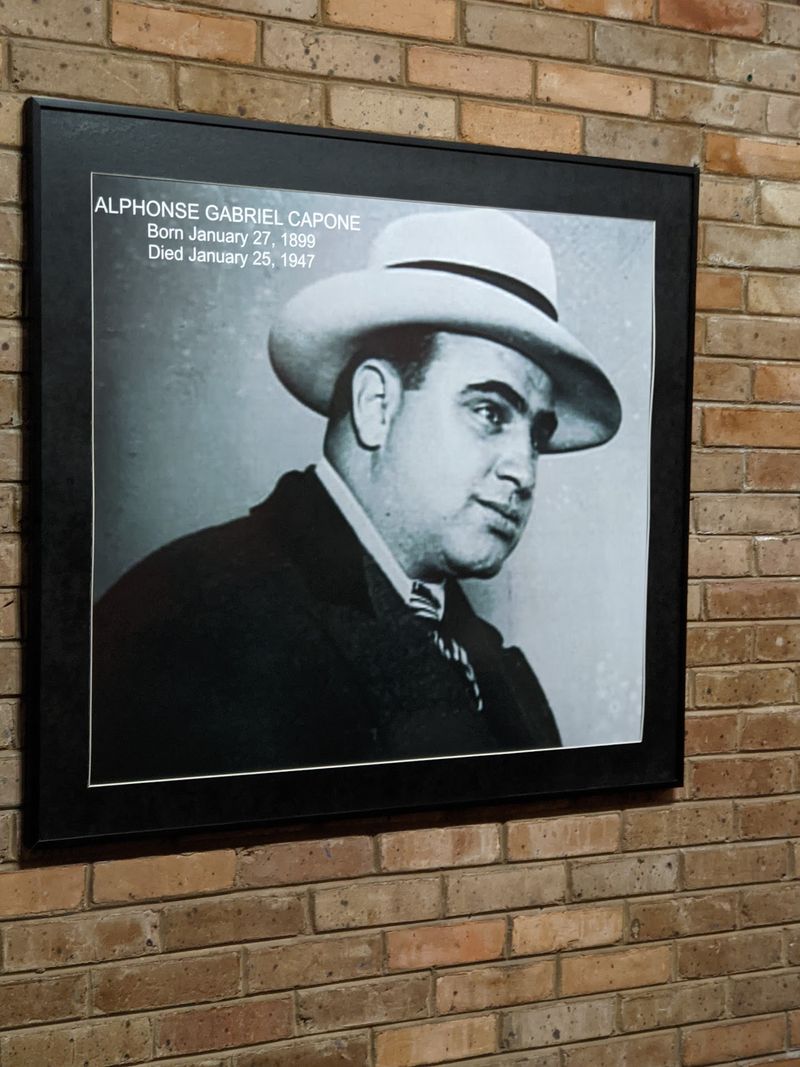
Al Capone is the name most people know, and yes, he’s part of the Hot Springs story. The museum also covers figures like Charles “Lucky” Luciano, Frank Costello, and Owney Madden.
Madden has an especially local connection. After his days as a New York gangster, he settled in Hot Springs and became a major figure in town for years.
Luciano’s story has a dramatic twist. He was arrested in Hot Springs in the 1930s, which shows that the town’s protection had its limits.
Mugshots of notorious mobsters appear among the displays. Seeing their faces up close makes these legends feel like real people rather than movie characters.
The guides tend to bring these personalities to life with colorful stories. It’s a fun way to learn who was who without memorizing a textbook.
Kids and adults alike can pick out names they’ve heard in films. It’s a good conversation starter on the drive home.
Of course, all those famous guests needed somewhere to spend their money, and the gambling exhibits explain exactly where.
Roulette Tables and Casino Relics
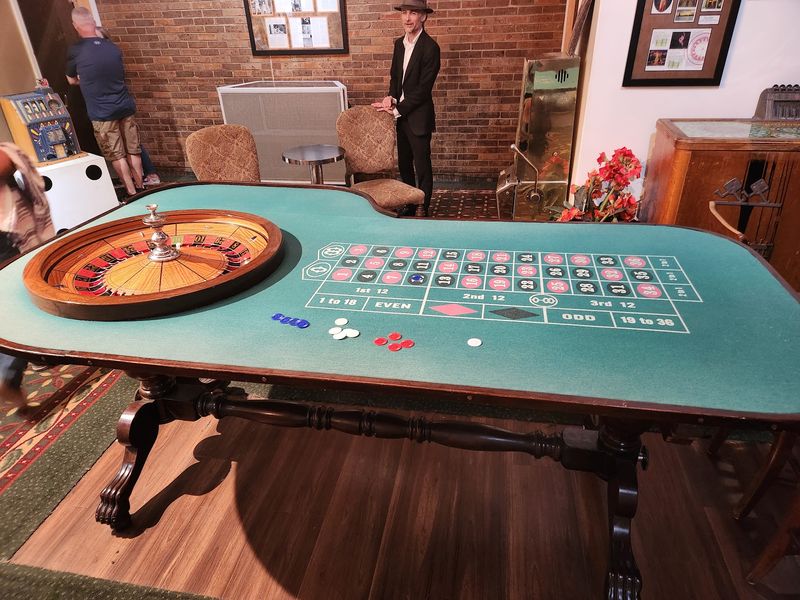
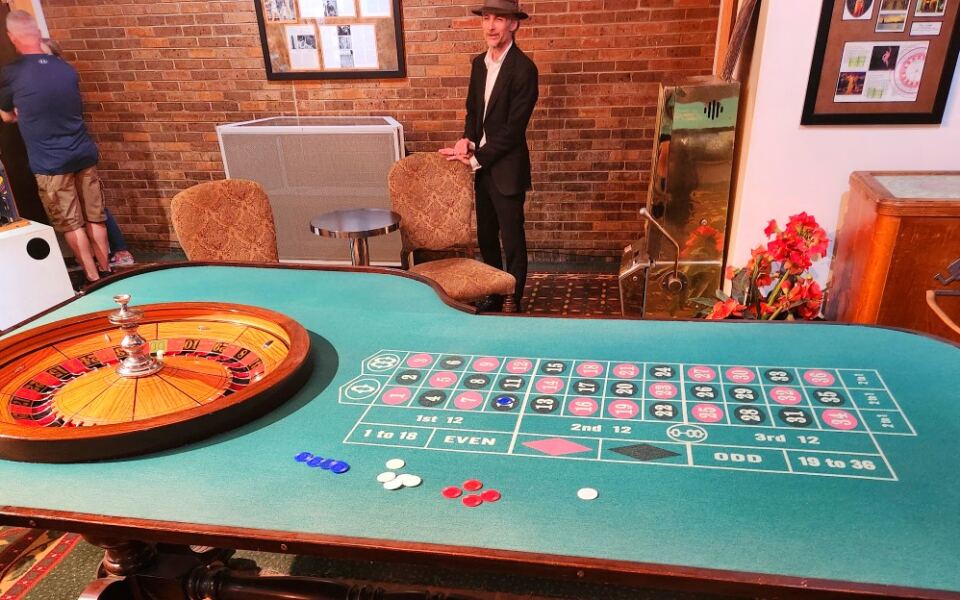
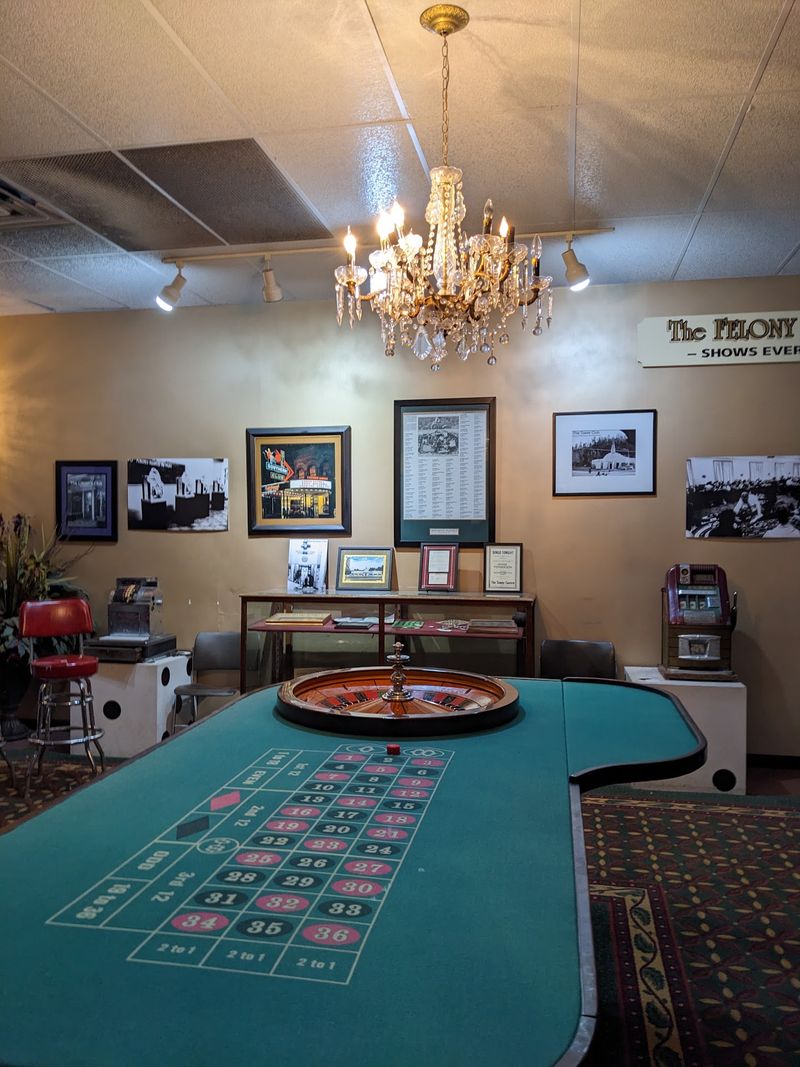
Old roulette tables are among the artifacts that bring the gambling era into focus. These relics come from a time when casinos operated openly along the town’s streets.
The collection also includes vintage photos and period details that show how glamorous the gaming scene could be. Every wall seems to hold another picture from the era.
I’d recommend looking at the small details between video segments. Photos often show the clubs, the crowds, and the fashion of the time.
Hot Springs gambling wasn’t limited to back rooms. Some clubs drew big-name entertainers and wealthy travelers from across the country.
The museum explains how this booming industry shaped the town’s economy. Jobs, hotels, and restaurants all benefited from the steady flow of visitors with money to spend.
Seeing the actual equipment helps you picture the scene better than any description could. It’s history you can stand right beside.
Not every story here is about cards and dice, though. Some of the town’s most surprising visitors came for a completely different reason: baseball.
Spring Training Comes to Town
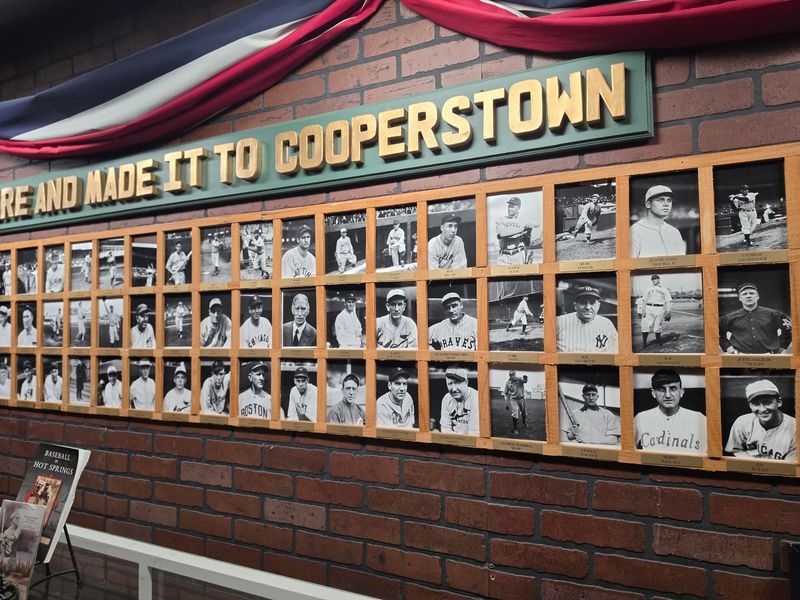
Babe Ruth hitting home runs in Arkansas sounds like a trivia question. It’s actually part of the town’s real history, and the museum gives baseball plenty of attention.
Hot Springs hosted spring training for major league teams in the early 1900s. Players came to get in shape, soak in the thermal baths, and enjoy the nightlife.
Baseball fans often say this part of the tour surprises them most. Many people arrive expecting only gangsters and leave with new baseball facts too.
The overlap makes sense when you think about it. The same town that welcomed gamblers also welcomed athletes looking for relaxation and recovery.
Memorabilia and photographs help tell this side of the story. It’s a nice change of pace if someone in your group cares more about sports than crime.
I’d point this section out to any baseball lover who thinks the tour isn’t for them. It might win them over.
Meanwhile, some of the most whispered-about stories involve what happened beneath the town’s streets.
Secrets Below the Streets
Hidden tunnels under the city make for one of the tour’s more intriguing topics. The museum touches on how parts of Hot Springs had spaces below ground that tied into the town’s past.
Stories like these add a sense of mystery to an ordinary walk downtown. After the tour, you may look at the sidewalks a little differently.
The guides explain these details as part of the bigger picture. They connect them to how the town handled business that people preferred to keep out of view.
I like how the tour encourages you to see the city in a new light. Familiar buildings suddenly feel like they’re holding onto old secrets.
This section also pairs well with a walk afterward. Strolling Central Avenue with fresh knowledge makes the street feel like an outdoor extension of the museum.
Families tend to enjoy this part, since tunnels spark curiosity at any age. Just know the museum shares history and doesn’t take visitors underground.
Fun hands-on moments come later, especially when the cameras come out.
Photo Ops and Family Fun
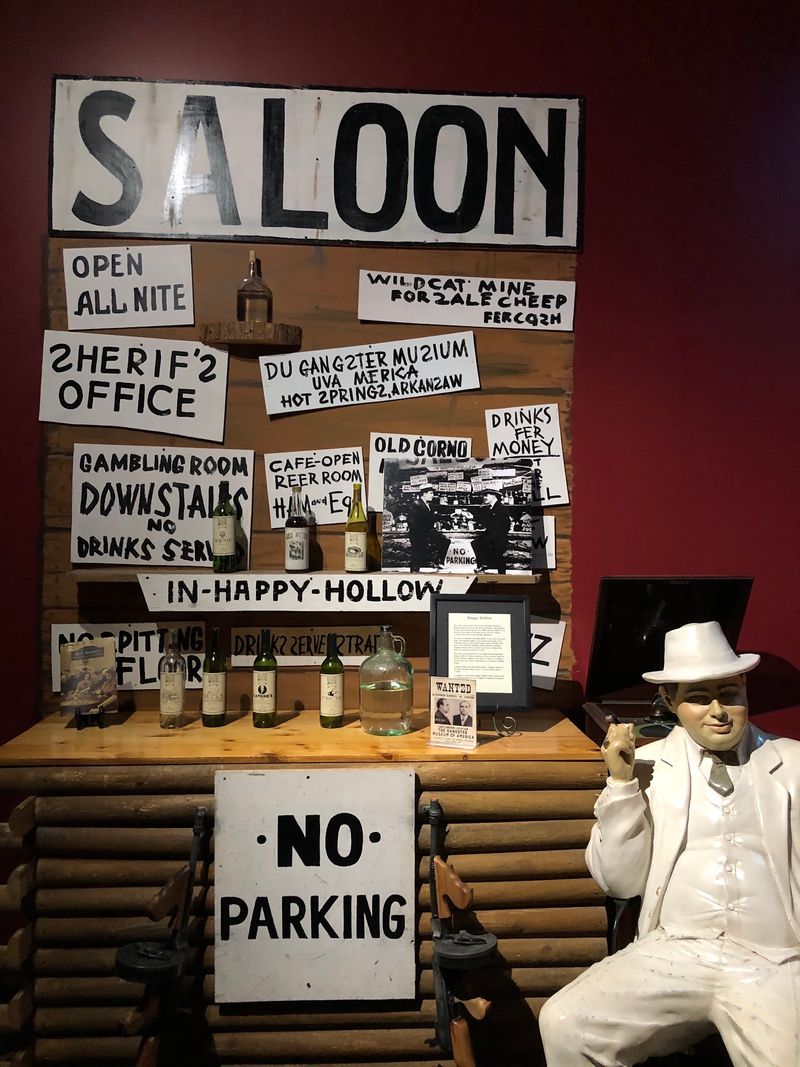
Bring your phone fully charged. The museum includes photo opportunities along the tour, giving groups a chance to pose in the spirit of the gangster era.
Interactive displays add another layer of fun. These hands-on touches help keep younger visitors engaged between video segments.
Parents should know the content is mostly family-friendly. The tour covers the town’s rougher history, with brief and careful mention of more adult topics.
That balance makes it a solid choice for school-age kids who like stories. Teens who enjoy crime dramas often find the real history even more interesting.
Guides sometimes pull visitors into short reenactments, too. It’s a great way to make a shy kid laugh or put a parent on the spot.
I’d suggest talking with younger children before the visit about what gangsters were. A little background helps them follow along and ask better questions.
Group photos from this stop make for fun souvenirs. For something to take home that lasts longer, the gift shop is the next stop.
Books and Souvenirs Before You Go
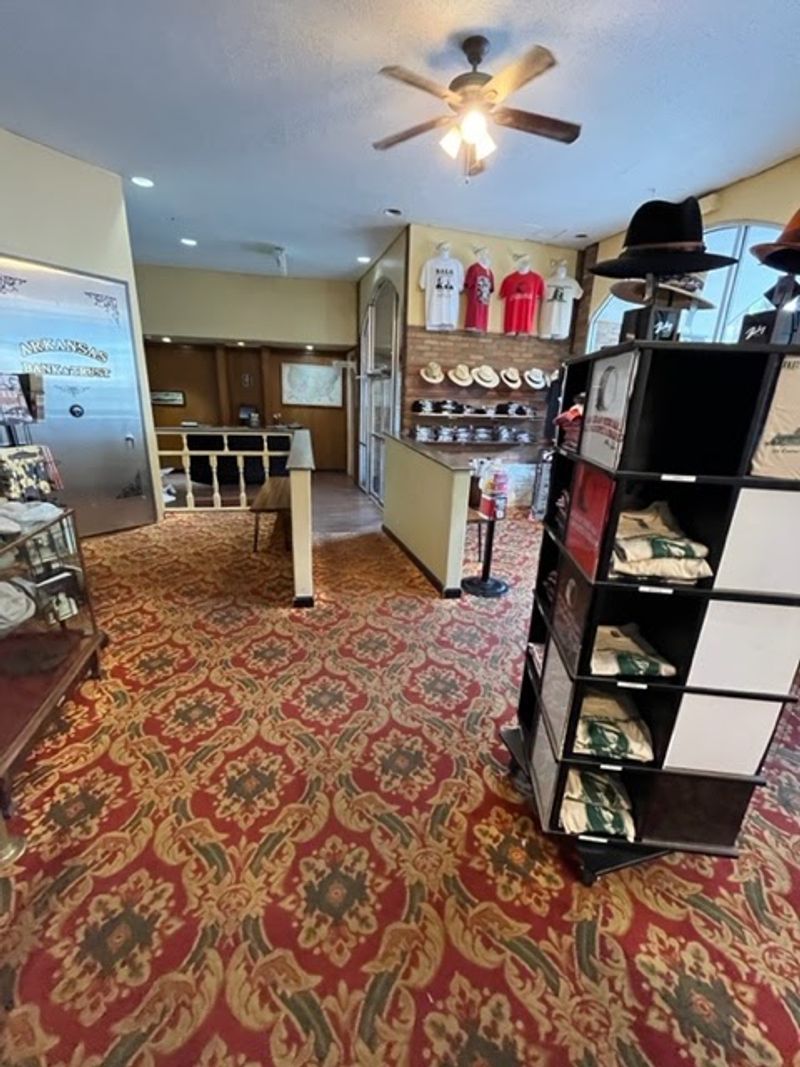
Plenty of visitors leave wanting to learn more. The gift shop helps with that, offering books about Hot Springs history along with themed souvenirs.
Reading after the tour is a smart move. The videos and guide cover a lot of ground quickly, so a book lets you revisit favorite stories at your own pace.
I’d look for titles about the town’s gambling era or its baseball past. Either one makes a good follow-up to what you just heard.
Souvenirs give kids a fun reminder of the trip. They also make easy gifts for friends who love history or old crime stories.
Shopping here takes only a few minutes, so it fits nicely at the end of the tour. You won’t need to plan extra time.
After leaving, the town around you takes on new meaning. Bathhouse Row, Central Avenue, and the old hotels all connect to the stories inside.
That might be the museum’s real gift, a fresh way of seeing Hot Springs that lingers long after the tour wraps up.
Share this story