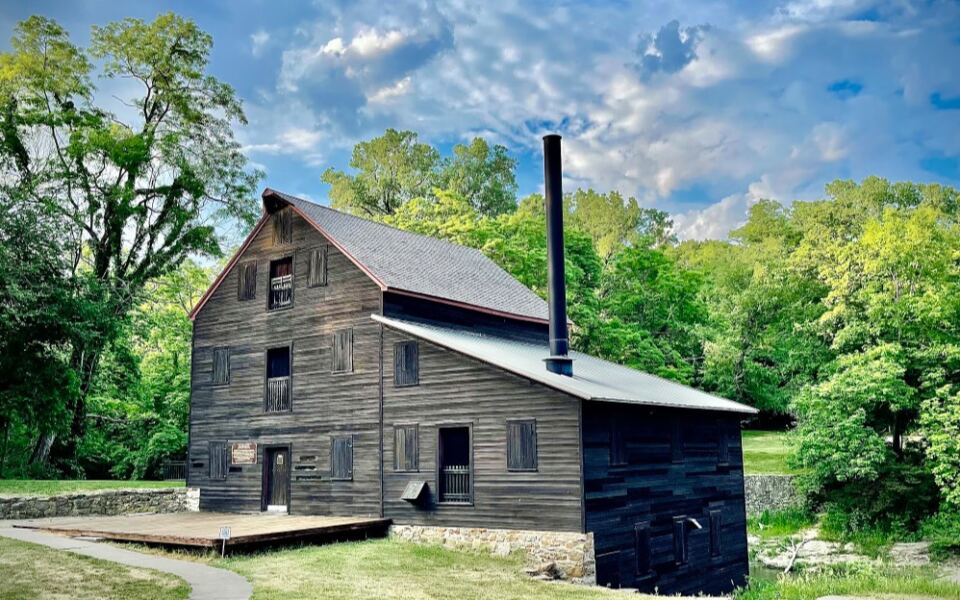
A narrow slot in the rock is called Fat Man’s Squeeze, and it is only one of the odd surprises along a trail in eastern Iowa. Tall sandstone walls rise above a shaded creek, and an old mill from 1848 still stands beside a small waterfall.
Many people expect flat farmland here, but this spot proves otherwise. Stick around to see what makes it so memorable.
Sandstone Cliffs That Surprise Visitors
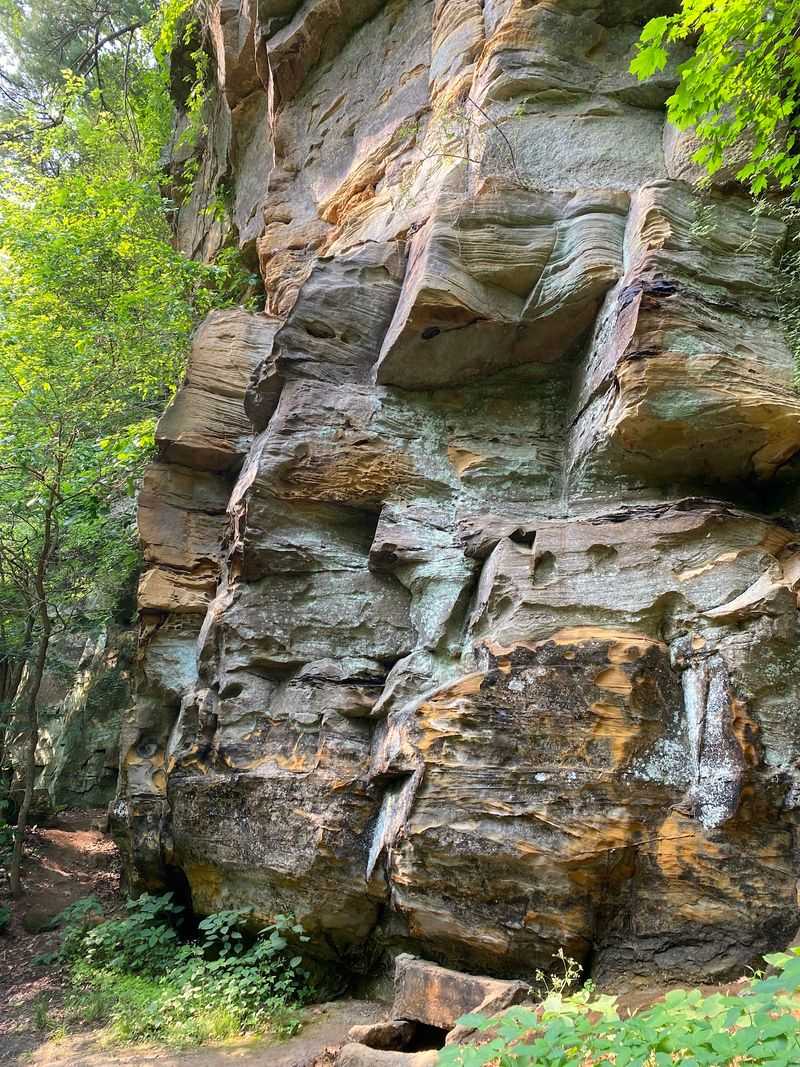
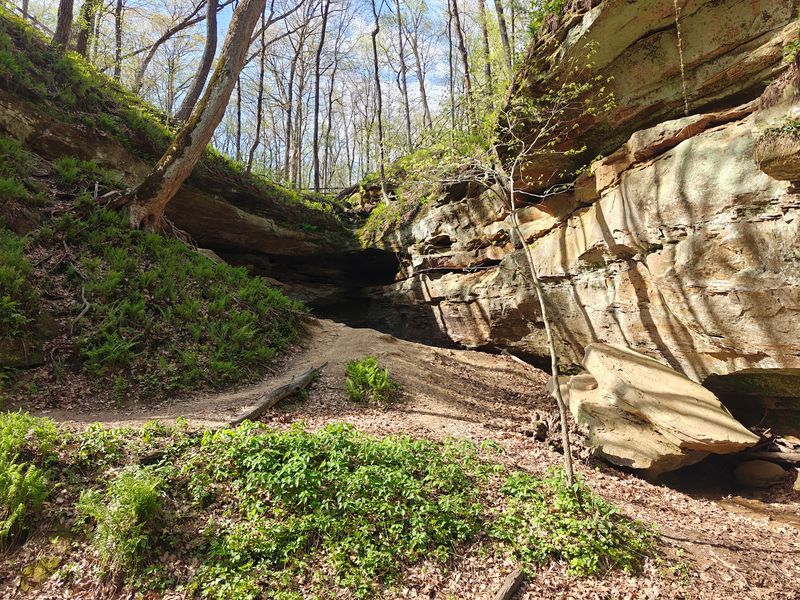
Iowa is not as flat as people think, and the cliffs here prove it. Sandstone walls rise above the trails, with layers of tan and orange rock stained by time and weather.
The stone is soft, so water and wind have carved it into ledges, hollows, and rounded shapes. Ferns and moss cling to the damp spots, which gives the rock a soft green fringe.
Walking beneath these walls feels quite different from a typical Midwest stroll. Bring a camera, because the light shifts across the stone through the day.
Each turn on the trail shows a new angle of the rock. Some formations are close enough to touch, though it is best to admire them without climbing.
Up next, the building that gives this park its historic side.
The Historic Pioneer Mill by the Creek
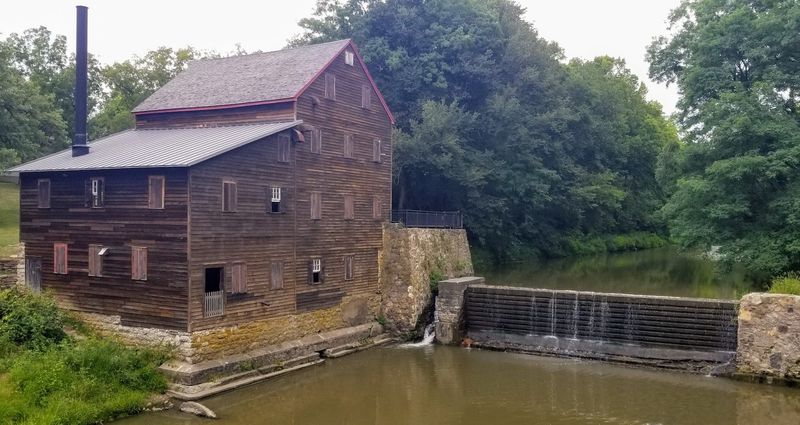
The star of the park is the old grist mill, built in 1848 beside Pine Creek. You will find it at Wildcat Den State Park, 1884 Wildcat Den Rd, Muscatine, Iowa, United States.
Inside, displays explain how grain was ground into flour and meal. Visitors can walk through the building and see how the machinery worked.
Outside, a small waterfall spills near the mill, which makes a pretty photo spot. Entry is free, so it is an easy stop for families.
Many people begin their day here before heading to the trails. The mill can be busy on weekends, so a weekday visit gives you more room to look around.
A short walk away, more old buildings wait.
Punch Bowl Trail and Its Rock Formations
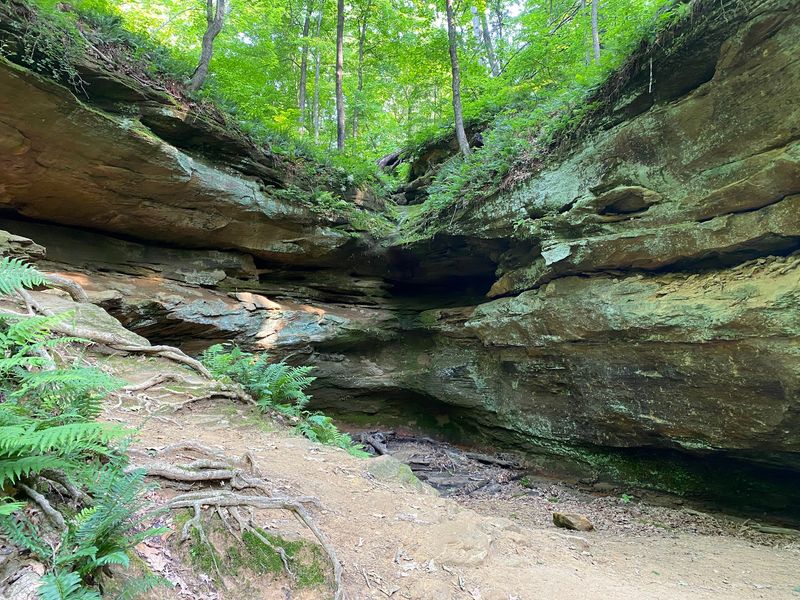
Most hikers point to the Punch Bowl Trail as the best way to see the rocks up close. Stone formations line the path, and the route winds through a bowl-shaped hollow that gives the trail its name.
Steps and bridges help you move through the rugged parts. Some trail ratings say hard because of steep staircases rather than long distance.
Take your time on the stairs, especially when fallen leaves cover the steps. Sturdy shoes make the climb much more comfortable.
The trail is shaded, so summer walks feel cooler than you might expect. Along the way, you will meet some oddly named spots that deserve their own mention.
Fat Man’s Squeeze and Devil’s Alley
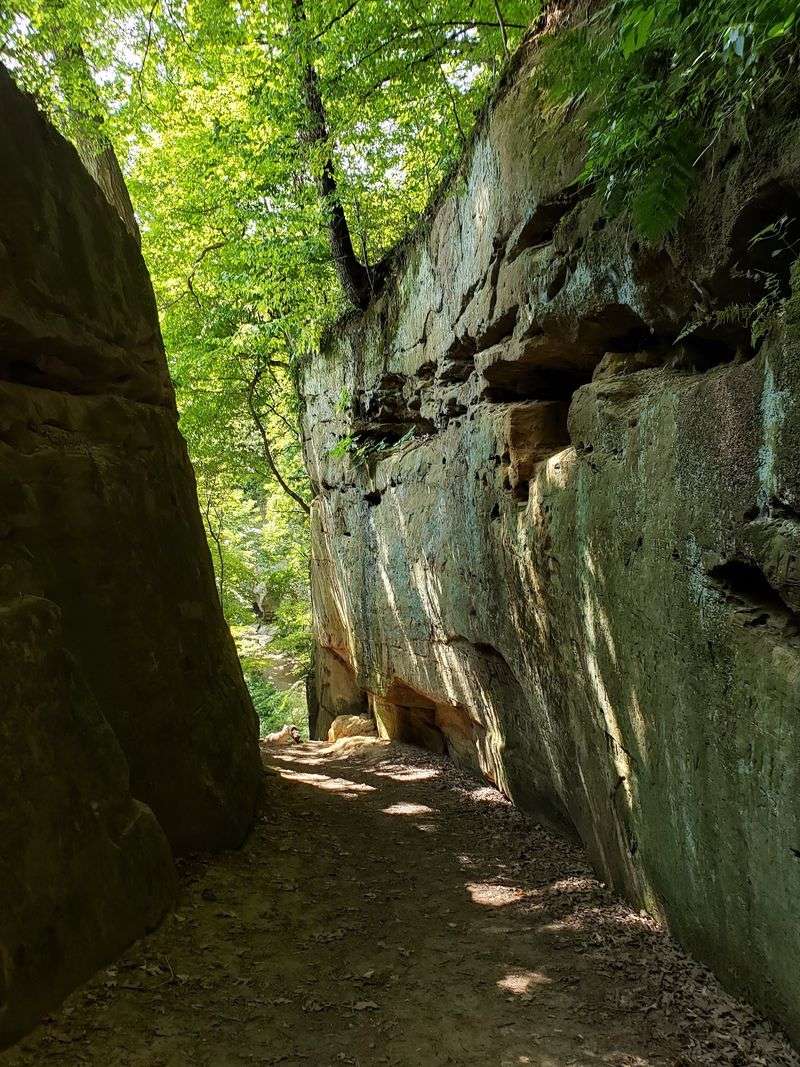
Names on the trail map sound like a campfire tale. Fat Man’s Squeeze is a tight passage between rock walls, and Devil’s Alley is another narrow channel nearby.
Kids tend to love these spots because they feel like a tiny adventure. Adults will enjoy the cool air and the close view of the layered stone.
Watch your step, since stone surfaces can be uneven and damp. Pack light, because a big backpack may brush the walls.
These features sit along the same network of paths as the Punch Bowl, so you can see them in a single outing. After the climbs, you may want to know how long the trails really are.
Trails for Short Strolls and Longer Hikes
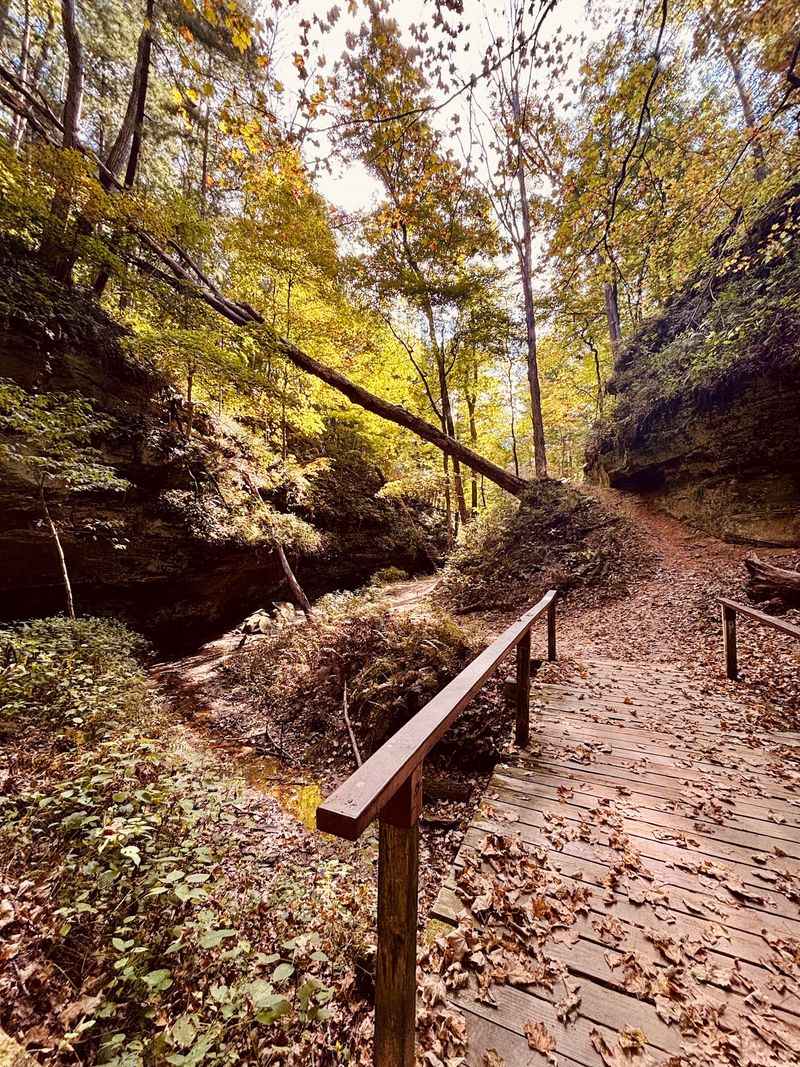
Trail options here fit many energy levels. Some paths are short, while others link together for a hike of more than four miles.
Paths mix gravel and dirt, and muddy patches can show up after rain. Checking the weather before you go saves a lot of slipping.
Wooden bridges cross the creeks, and trees provide shade over much of the route. You can spend an hour or stretch a visit into several hours.
Markers help you stay on track, though a few junctions are less clear. A photo of the trail map on your phone is a smart backup.
The creek itself deserves attention next.
Pine Creek and the Waterfall
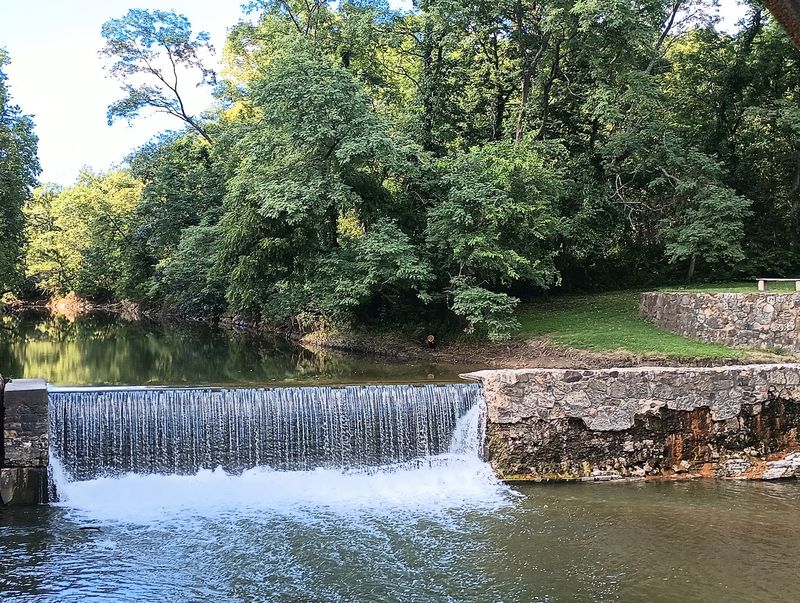
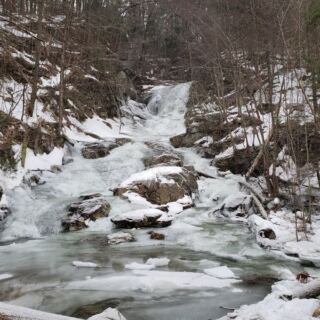
Water adds a soundtrack to the whole park. Pine Creek winds past the mill and tumbles over a small waterfall that kids and photographers both enjoy.
On warm days, visitors wade or splash in the creek near the mill. Water shoes help, since the rocks can be slippery.
The sound of moving water softens the busy feel of a weekend crowd. Early mornings are calmer if you want quiet photos.
Always check conditions before stepping in, because creek levels change after storms. Stay close to children near the falls.
Besides water and stone, the park also holds a few buildings from long ago.
The Old Schoolhouse and Church Nearby
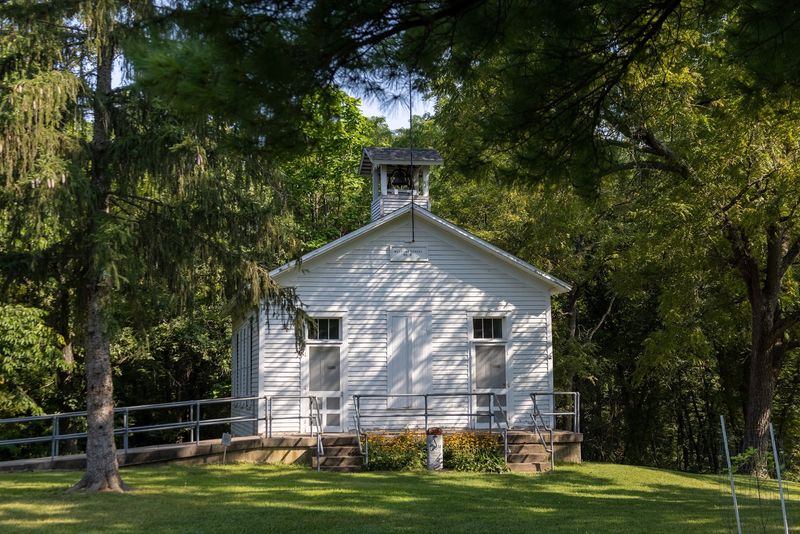
History does not stop at the mill. An old schoolhouse sits within the park, and a historic church stands just outside its edge.
Both buildings show how small farming communities once gathered, learned, and worshiped. They are simple structures, which makes them easy to appreciate from the outside.
Plan a few extra minutes for photos, since the setting among trees is lovely. These stops pair well with a mill visit.
History fans can turn the trip into a small tour without driving far. Check the park website for any updates on access.
After all that walking, a place to sit and eat is a welcome idea.
Picnic Areas for a Slow Afternoon
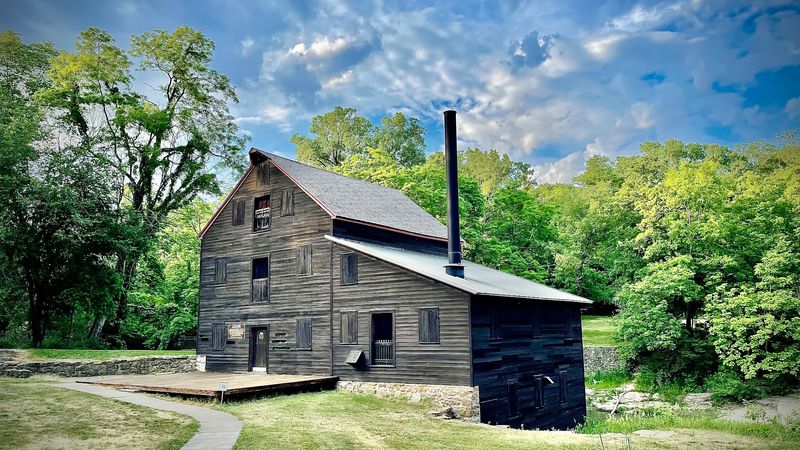
Bring a lunch, because this park has plenty of places to spread out. Picnic areas and shelters sit among tall trees, and the lower area tends to feel quieter.
Families like the open grass and the easy access from the parking spots. It is a handy base for a short walk in the woods.
Tables fill quickly on busy weekends, so arriving early helps. Pack a reusable water bottle, since drinking fountains are limited.
Visitors also find ferns and woodland plants close to the picnic spots, which makes slow wandering enjoyable. Pack out all trash to keep the place tidy.
If one afternoon is not enough, camping is an option.
Camping Under the Trees
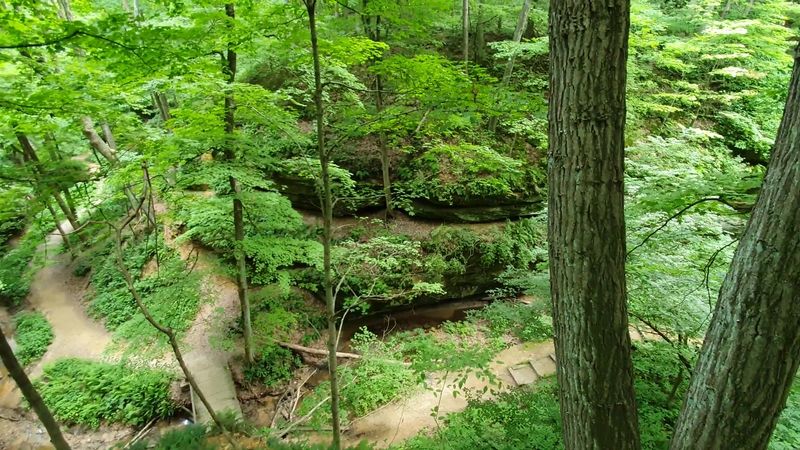
Staying overnight lets you see the park after the day crowds leave. Primitive campgrounds are available, so expect a simple, back-to-basics stay.
Camping was the most talked-about activity among visitors, and it is easy to see why. The forest feels peaceful once evening settles in.
Check the Iowa DNR website for current rules, reservations, and facilities. Bring everything you need, including water and bug spray.
Cool mornings in the woods make a hot drink taste even better. A weekend here gives you time for several trails without rushing.
Before packing the car, a few practical details are worth knowing.
Bug Spray, Shoes, and Other Smart Prep
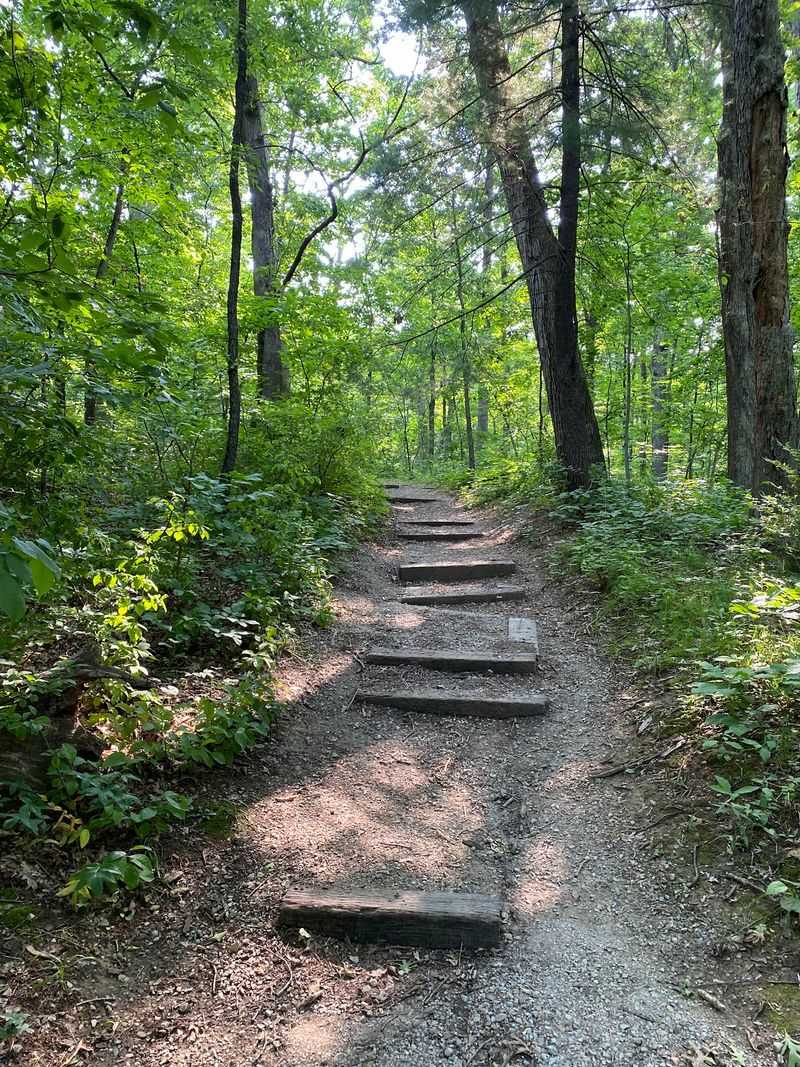
A little planning makes the day smoother. Bring bug spray, since mosquitoes and flies can show up in warm months.
Wear shoes with good grip, because stairs and leaf-covered steps can be slick. Some trail sections are steep, even if they are short.
Modern restrooms are not always available in the colder months, so plan ahead. Water fountains are limited, so carry your own.
A picture of the trail map is useful if paper maps run out. Parking near the modern restrooms is a nice touch when they are open.
Timing your trip matters too, so let us look at the best seasons.
Seasons in the Park
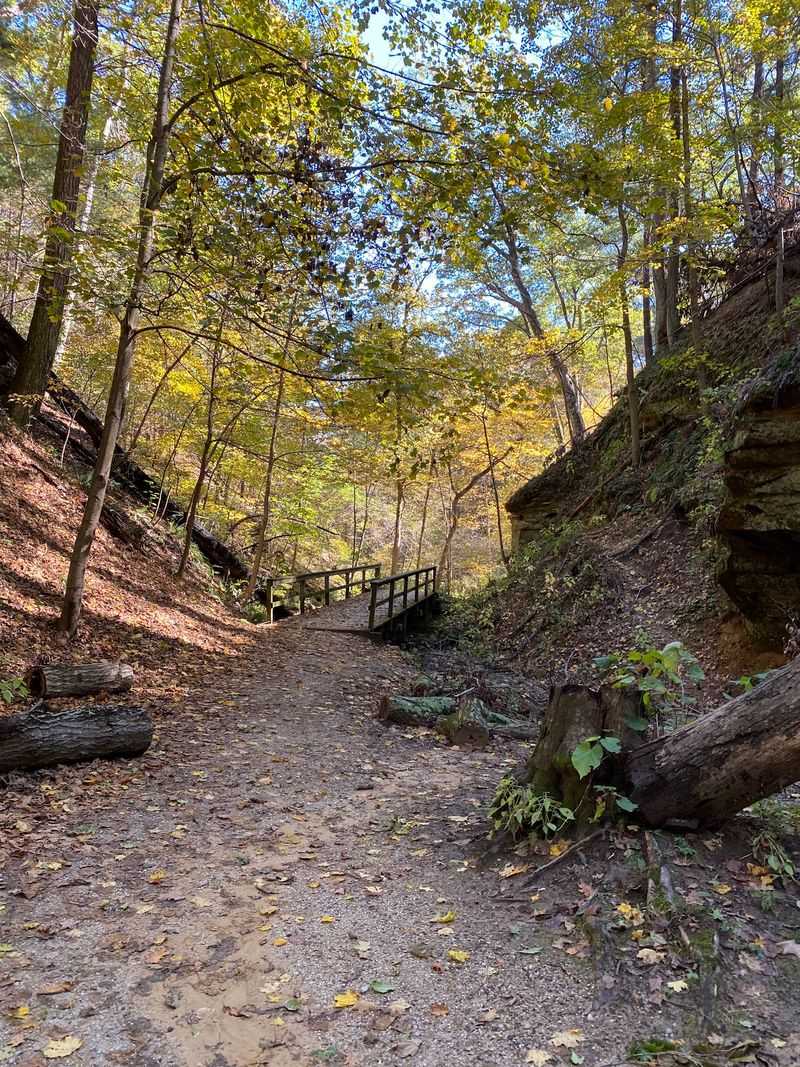
Each season paints the park differently. Fall brings colorful leaves over the stone, and it is a favorite time for a morning hike.
Summer offers deep shade and cool creek time. Spring wakes up the ferns and plants along the paths.
Winter can be quiet and beautiful, though snow and ice make the steps trickier. Dress warmly and move slowly on stairs.
Weekdays bring fewer people in any season, which is helpful if you want a peaceful walk. Sunrise and sunset light make the rock glow.
Once you have seen the park, the surrounding area is worth a look.
Planning the Trip Near Muscatine
The park sits near Muscatine, along a short drive from the Mississippi River. It is also within reach of the Quad Cities, which makes it a handy day trip.
Gates are open from early morning until late evening. Check the Iowa DNR website for current details before you go.
Gravel roads near the park are smooth and easy to drive. Pair your visit with a ride along the scenic river road.
Other Iowa parks with rock formations, like Ledges and Dolliver, are fun to compare. Each shows a different side of the state.
Whichever you choose next, bring your curiosity and a good pair of boots.
Share this story