In 1952, Elvis Presley had not yet set foot in Sun Records, and the Beatles were still schoolkids in Liverpool. Rock and roll was not a household phrase.
Yet the radio dial that year was packed with variety. Smooth crooners ruled the pop charts, country singers reached far beyond the South, and rhythm and blues artists were cutting records that future rock stars would study closely.
Most families listened on radios and 78 rpm record players, though the newer 45 rpm single was quickly taking over jukeboxes and teen bedrooms. Billboard tracked hits through separate charts for store sales, jukebox plays, and radio airplay, so a song could be a giant in one place and modest in another.
Britain launched its very first official singles chart that November, which made 1952 a milestone on both sides of the Atlantic. The year sat right on a hinge between two musical worlds.
Orchestras and ballads still sold millions, while louder and rawer sounds were quietly gathering fans. The songs ahead cover tangos, bayou parties, electric blues, and tearful wedding stories.
Each one shows a different piece of how Americans listened, danced, and spent their money on music, and together they explain where rock and roll really came from.
1. Wheel of Fortune by Kay Starr
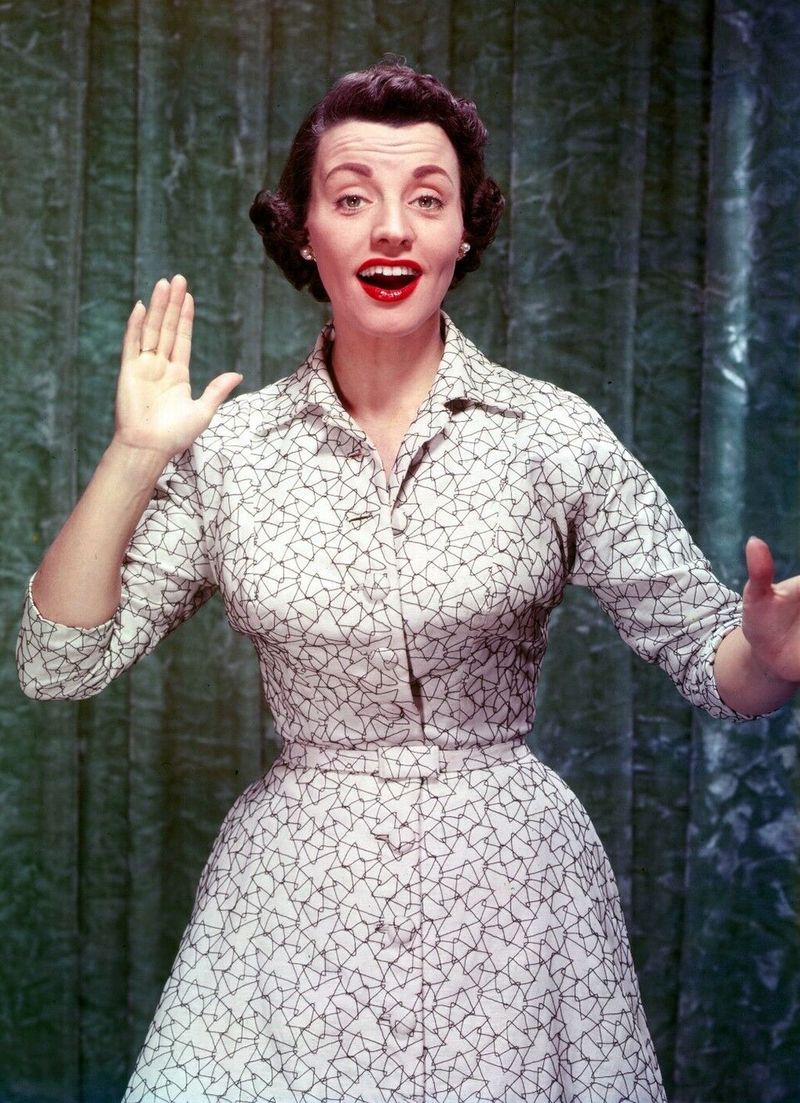
Jukebox operators in 1952 could count on one thing: coins kept dropping for Kay Starr. Wheel of Fortune ruled America’s jukeboxes for ten weeks.
Released on February 11, 1952, the song compares love to a carnival wheel. Will it land on happiness or heartache?
Everyone has wondered something similar.
Starr’s voice had a jazzy, bluesy edge. She had sung with big bands as a teenager, and that background gave her records more punch than softer ballads.
She sounded smooth enough for mainstream radio. Yet she also brought a grit that set her apart from gentler crooners.
The tune was so popular that several versions charted the same year. Dinah Washington, Bobby Wayne, the Cardinals, and the Bell Sisters all took a spin.
Starr’s recording outlasted the competition in memory. In 1998, it was inducted into the Grammy Hall of Fame, a nice reward for a song about luck.
2. Cry by Johnnie Ray and The Four Lads
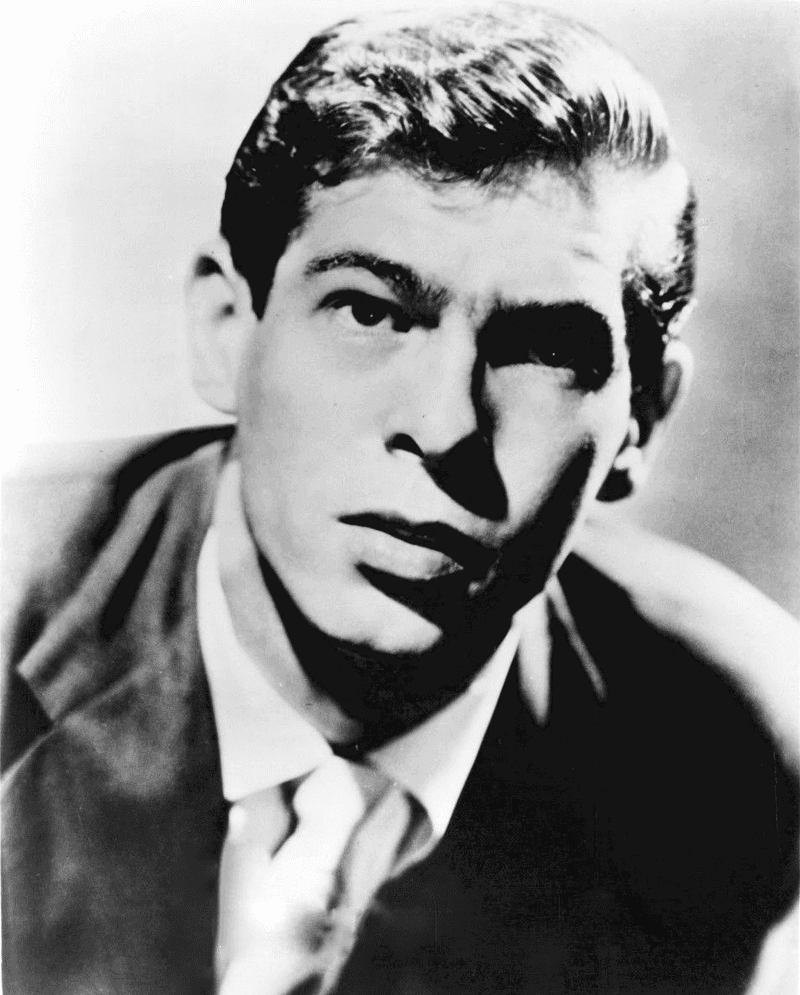
Grown men were not supposed to sob on records in 1951. Johnnie Ray did it anyway, and the public could not get enough.
Cry came out late in 1951, but its run carried deep into 1952. It spent 11 weeks at the top of national best-seller charts.
Even more unusual, it topped both the Billboard pop chart and the R&B best-seller list. Few singers crossed that line so completely.
Ray let his voice shake and rise as if he could barely hold himself together. Most pop singers of the period kept things neat and controlled.
The Four Lads, a Canadian vocal group, added smooth harmonies behind him. Their polish made his raw style stand out even more.
On stage, Ray was just as wild, and teen fans responded with screaming crowds. Historians often point to him as a bridge between traditional pop and rock and roll.
Fun fact: Ray wore a hearing aid during performances, which he never hid.
3. You Belong to Me by Jo Stafford
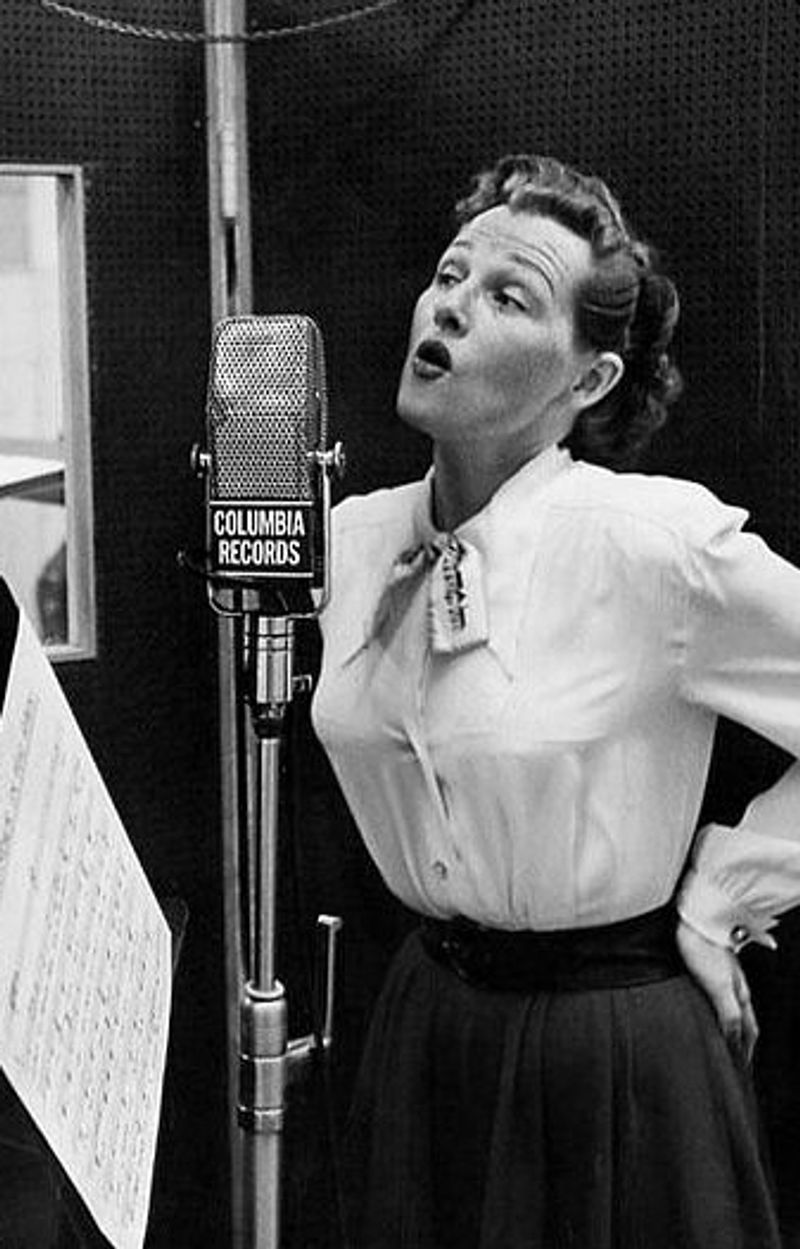
A travel brochure set to music turned into one of the most loved records of the year. The lyrics mention the pyramids, a tropical island, and a marketplace in old Algiers.
Each faraway stop ends with the same reminder that the traveler still has someone waiting at home. Listeners in 1952 related easily, since many families had members serving overseas.
Jo Stafford’s version entered the Billboard chart on August 1, 1952, and stayed there for 24 weeks. Her calm, steady singing carried the feeling without any vocal showing off.
Across the ocean, the song climbed to No. 1 on the brand new UK chart in December. That made Stafford the first female singer to top the British singles list.
Patti Page and Dean Martin recorded their own versions, and Page reached No. 4. Still, Stafford owned the song.
It became the biggest hit of her career. Today it remains a favorite example of how restraint could outsell drama in early 1950s pop.
4. Lawdy Miss Clawdy by Lloyd Price
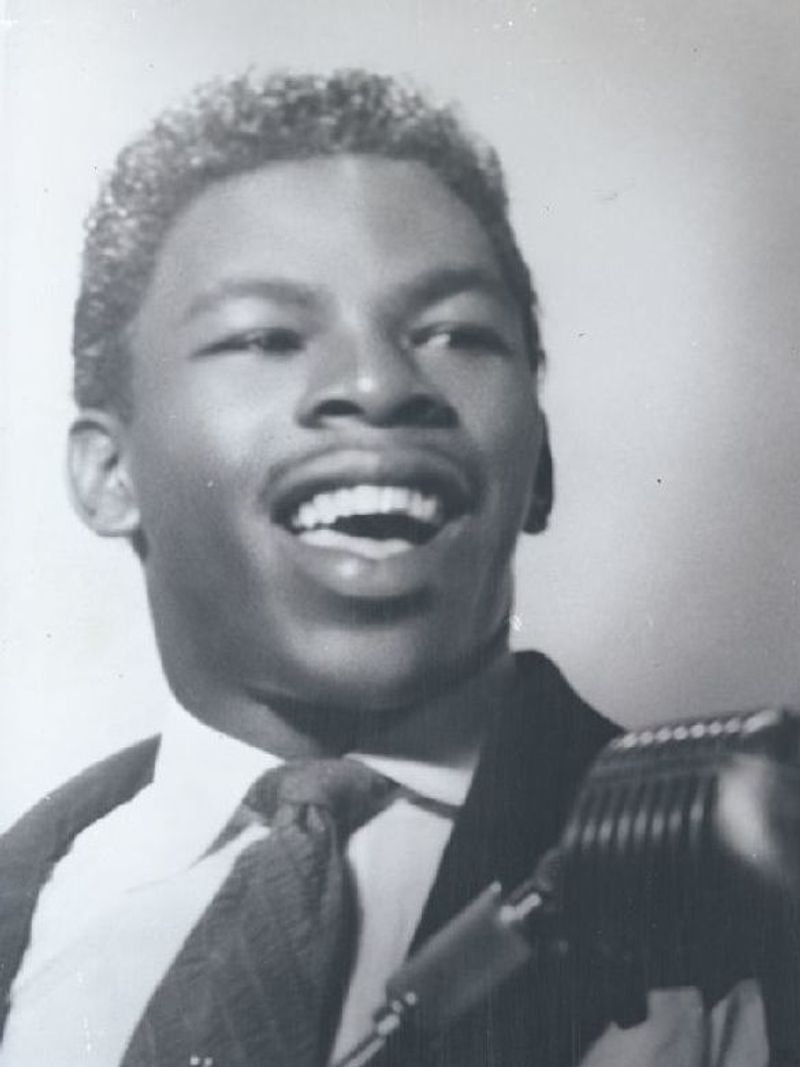
Imagine walking into your first recording session at age 19 and having Fats Domino play piano for you. That happened to Lloyd Price on March 13, 1952, in New Orleans.
Dave Bartholomew’s band backed him, and Domino’s rolling piano gave the track its bounce. Specialty Records released it in April.
The song hit No. 1 on Billboard’s R&B chart and stayed there for seven weeks. Billboard and Cashbox both named it R&B Record of the Year.
Its formula was simple. Blues-style singing, a catchy melody, and a strong beat became the building blocks of rock and roll a few years later.
White teenagers bought the record in surprising numbers too. That was unusual during a time when stores and radio often kept music divided by race.
Elvis Presley recorded it in 1956, giving a new generation a taste. Still, the original captures New Orleans right as its musicians started reshaping American music.
5. Here in My Heart by Al Martino
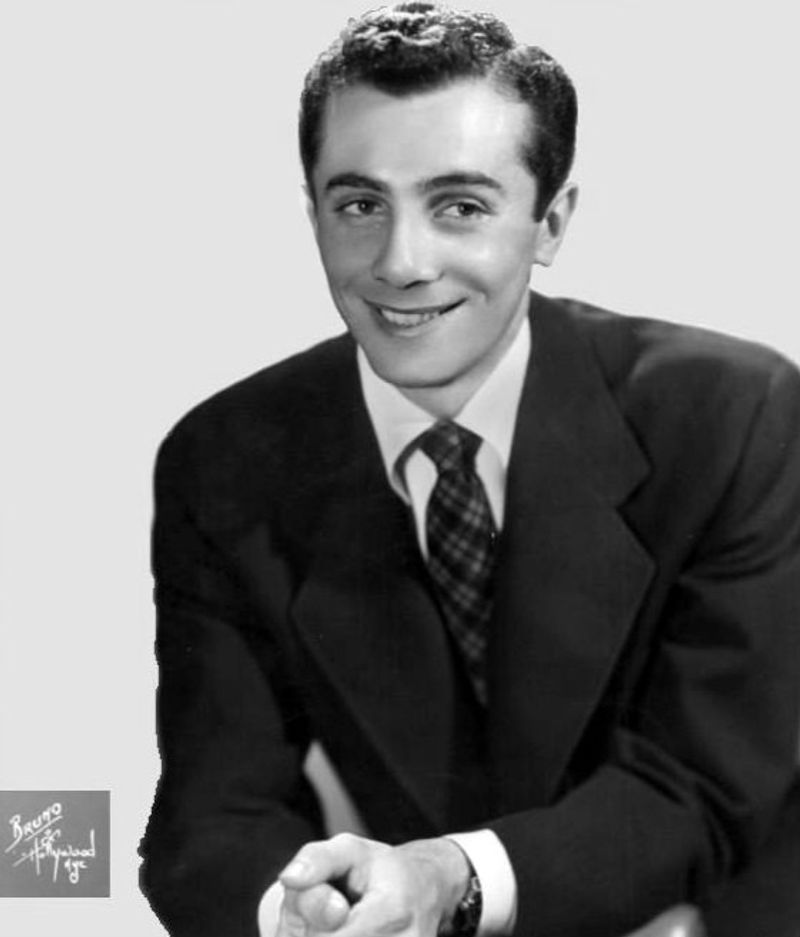
Some singers ease into a love song. Al Martino charged at Here in My Heart with every bit of lung power he had.
He recorded it on April 17, 1952, using the big, Italian-influenced style that several male vocalists favored at the time. By June, it sat at No. 1 on Billboard’s pop chart for three weeks.
The real history lesson came later that year. On November 14, 1952, Britain published its first official singles chart.
Here in My Heart claimed the top spot. It stayed there for nine straight weeks, a record for a debut that still impresses chart fans.
Here is the funny part. Martino reportedly had no idea about this honor until the Guinness Book of Records told him years afterward.
That bit of trivia makes the song a permanent answer to a classic quiz question. For anyone curious about grand ballads of the period, this is the place to start.
6. Auf Wiederseh’n Sweetheart by Vera Lynn
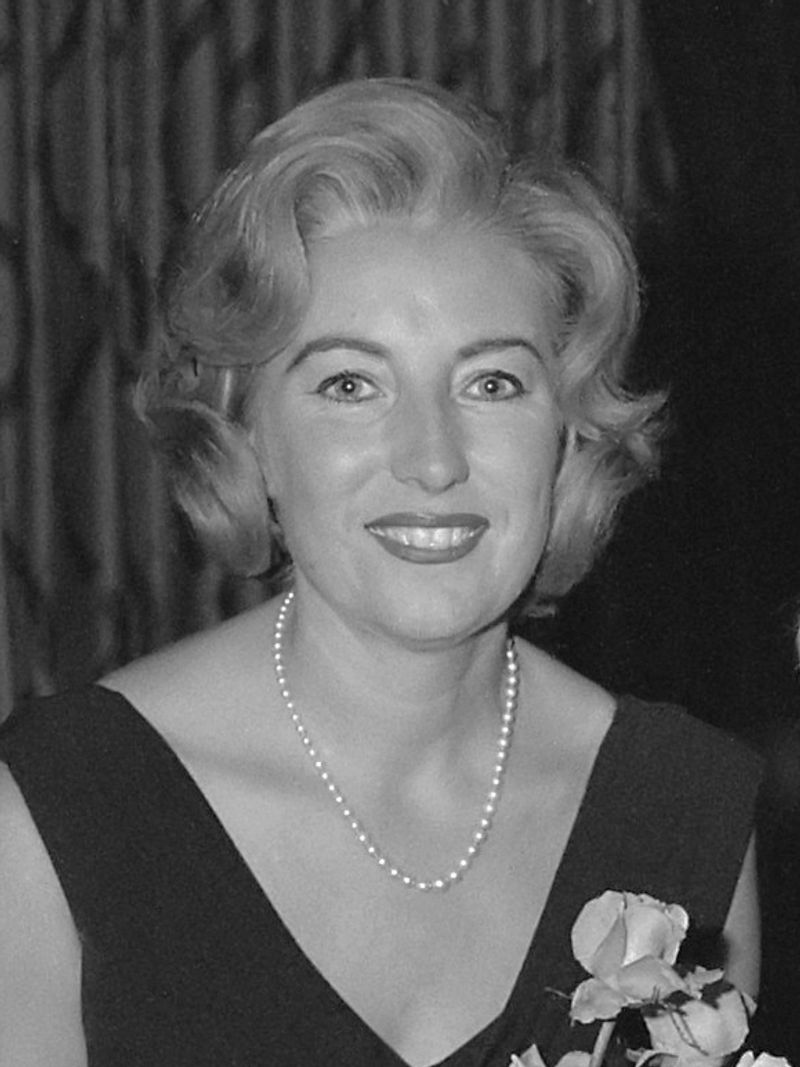
Twelve years before the Beatles landed in New York, a British woman had already conquered American record stores. Her name was Vera Lynn.
Lynn was beloved in Britain as the Forces’ Sweetheart, famous for cheering up troops and families during World War II. Many Americans knew her name from that period.
In 1952, Auf Wiederseh’n Sweetheart spent nine weeks at No. 1 on Billboard’s Best Sellers in Stores chart. She became the first British performer to top a major U.S.
Billboard pop chart.
The title borrows a German phrase meaning until we meet again. The song is a soft farewell between two people hoping to reunite.
Her warm, steady delivery suited the lyrics well. Listeners heard comfort rather than heartbreak.
The hit showed that her fame outlasted the war years. It also hinted at a growing exchange of music across the Atlantic, a trend that would explode during the 1960s British Invasion.
7. Jambalaya (On the Bayou) by Hank Williams
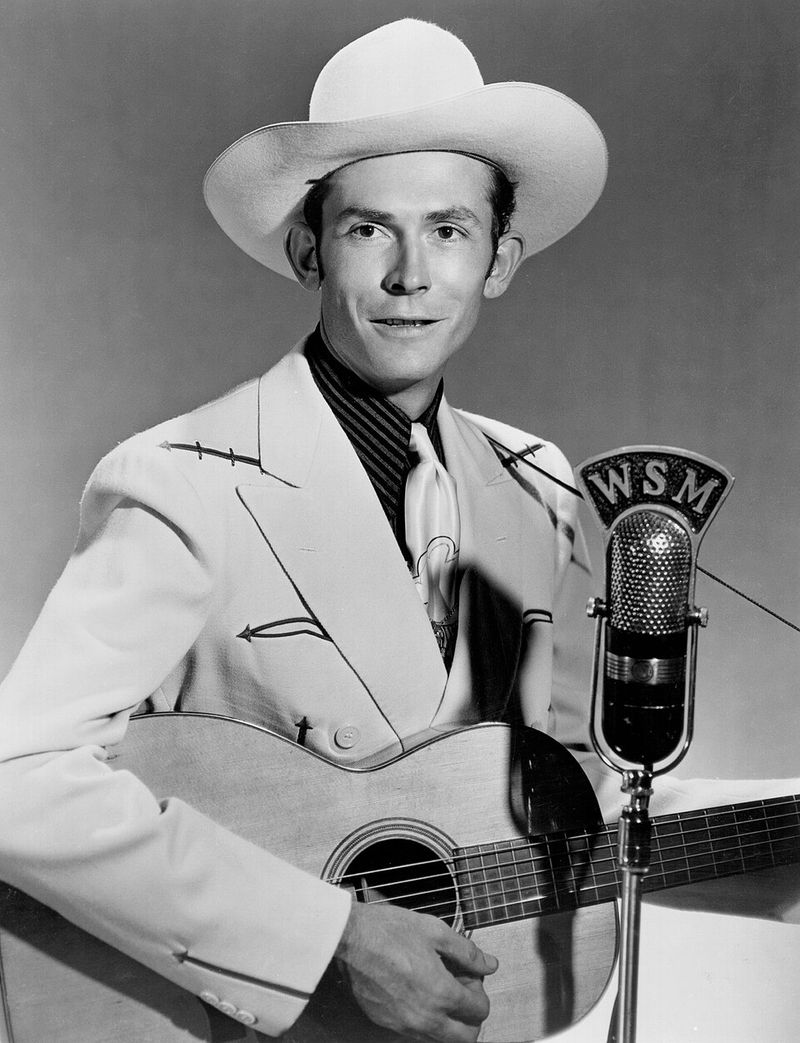
Crawfish pie, filé gumbo, and a big party by the water made for one irresistible hit. Hank Williams packed Louisiana into under three minutes.
He recorded the song on June 13, 1952, and released it that July. The lyrics name Cajun dishes and a lively gathering, painting a cheerful scene.
Country fans embraced it right away. Jambalaya spent fourteen non-consecutive weeks at No. 1 on the U.S. country charts.
The song didn’t stay in one lane. Jo Stafford released a pop version that reached No. 3 on Billboard’s pop chart, bringing bayou flavor to city listeners.
That crossover mattered for country music overall. Record buyers who never called themselves country fans were now singing along.
Williams passed away on January 1, 1953, so this became one of the final big hits released while he was still living.
His recording joined the Grammy Hall of Fame in 2002. Musicians from Fats Domino to the Carpenters later recorded it too.
8. Three O’Clock Blues by B.B. King
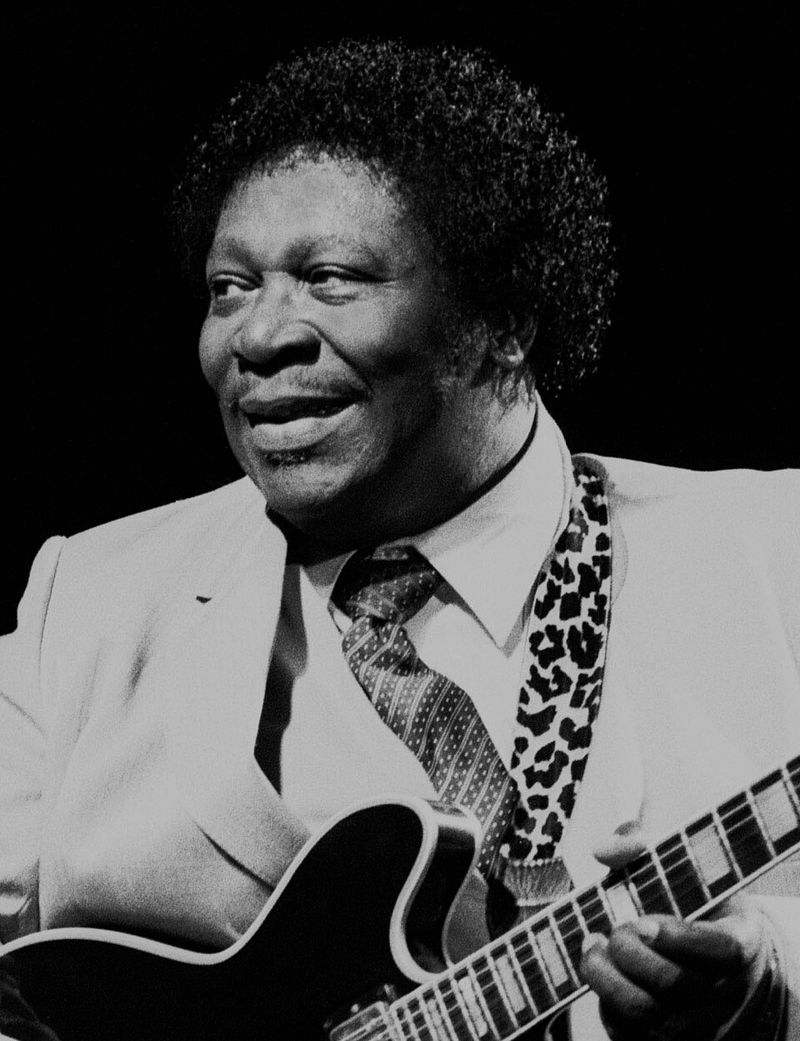
Every legend has a starting line. For B.B.
King, it was a sleepless song about staying up at three in the morning.
Three O’Clock Blues was not new. Lowell Fulson first recorded it in 1946, and his version became a hit in 1948.
King released his take in December 1951. By early 1952, it reached No. 1 on Billboard’s R&B chart, holding the spot for five weeks and charting for 17 total.
The secret was his guitar. Instead of simply backing the vocals, it seemed to answer them, line after line.
That call-and-response style became his trademark. Generations of guitarists later copied it, from Eric Clapton to Stevie Ray Vaughan.
Before this hit, King was a Memphis radio DJ known locally. Afterward, he toured nationally for the first time.
He went on to play hundreds of shows a year for decades. It all traces back to this record.
9. Half as Much by Rosemary Clooney
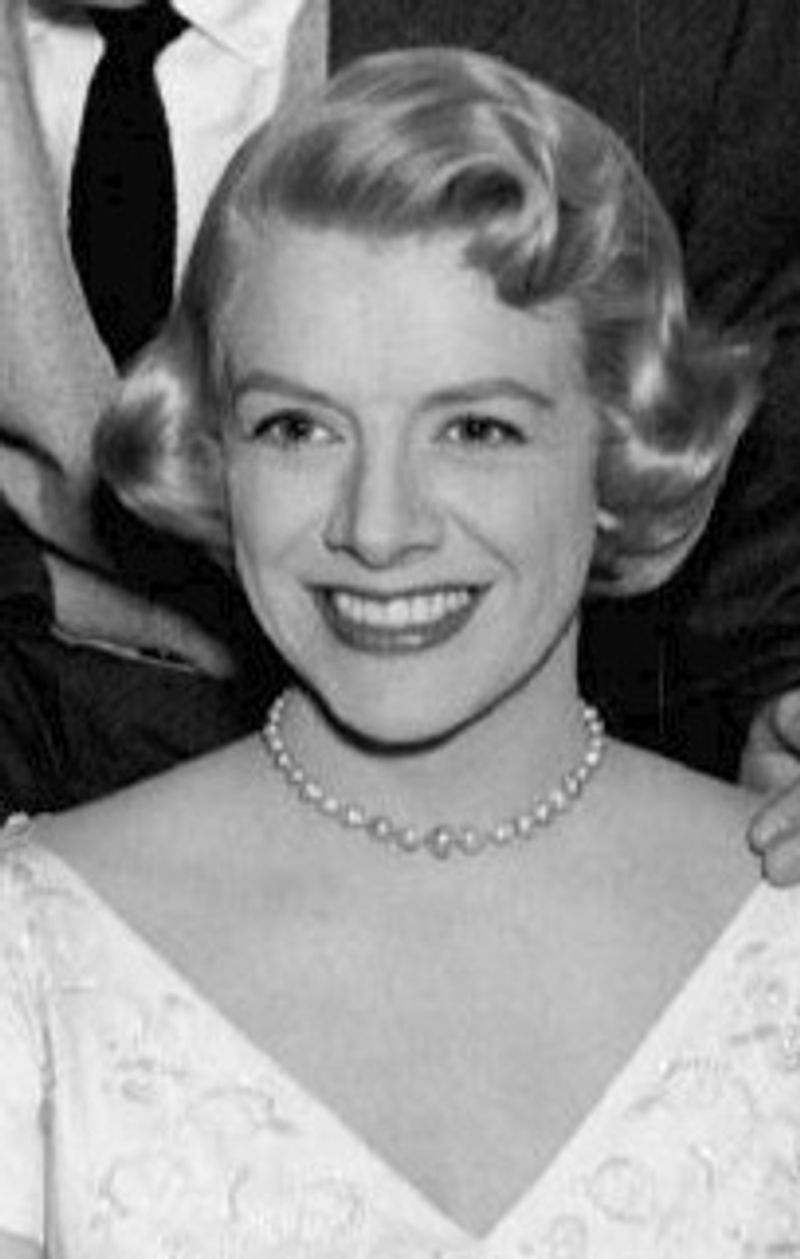
Good songs rarely stay in one genre for long, and Half as Much proves it. Curley Williams wrote it in 1951 for the country market.
Hank Williams recorded it in 1952 and reached No. 2 on the Billboard country singles chart. Then pop music came calling.
Rosemary Clooney released her version on April 4, 1952. It climbed to No. 1 on Billboard’s pop chart and later reached No. 3 in the UK.
She sang it in a relaxed, chatty style. The lyrics felt like a friend confiding about love that only flowed one way.
Wishing someone cared for you as much as you care for them is easy to understand. Audiences connected immediately.
Clooney was only 24 and already riding high after Come On-a My House in 1951. Her name sold records by itself.
Fun fact: her nephew is actor George Clooney, born decades after this hit.
10. Have Mercy Baby by The Dominoes
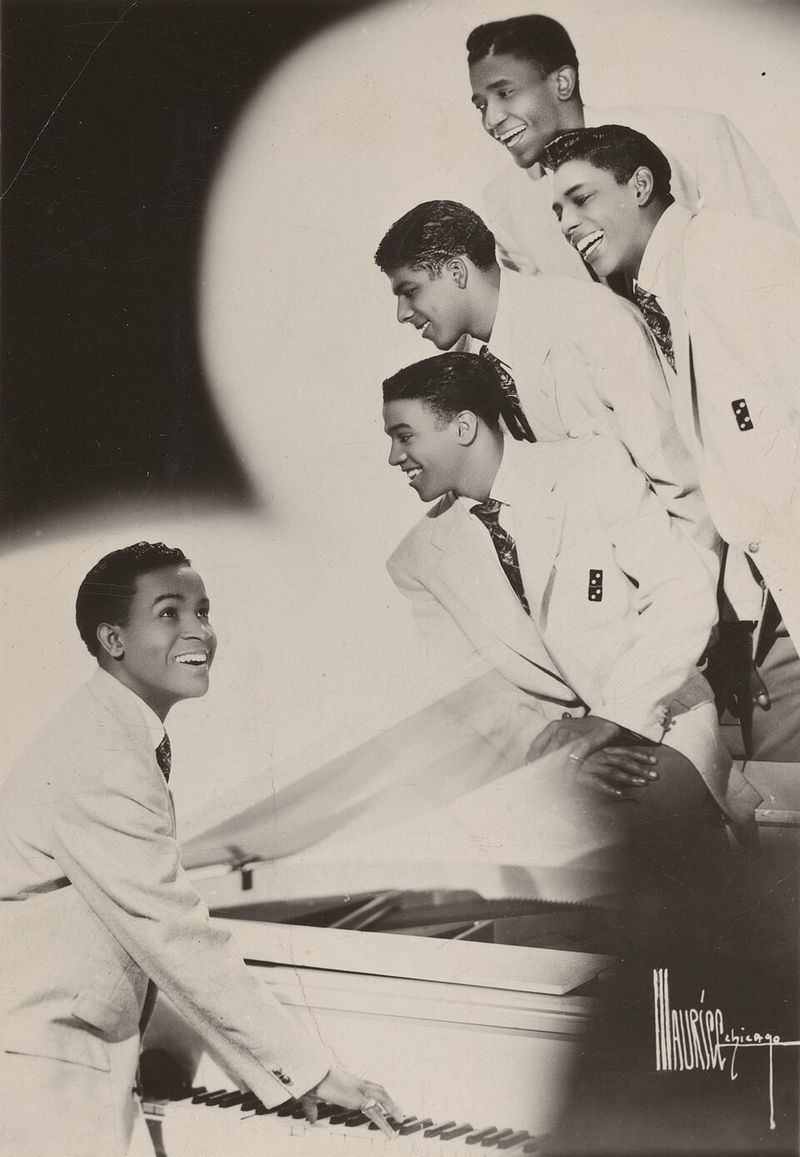
Church-style shouting met dance-floor rhythm, and the R&B chart caught fire. Have Mercy Baby arrived in April 1952.
The Dominoes rode it to No. 1 on the R&B chart for ten non-consecutive weeks. That kind of staying power was rare.
Lead singer Clyde McPhatter carried the record. He jumped from pleading lines to powerful outbursts, borrowing heavily from gospel performance.
Compare it to the smooth harmonies on pop radio and the difference is obvious. This was music meant to make people move.
Group leader Billy Ward ran the act with strict rules, including fines for being late. Members sometimes came and went quickly.
McPhatter left in 1953 and founded The Drifters, who later scored hits like Money Honey. His replacement was a young Jackie Wilson.
Have Mercy Baby still feels energetic today. It belongs to the group of records that prepared listeners for the rock and roll explosion just a few years away.
11. Kiss of Fire by Georgia Gibbs
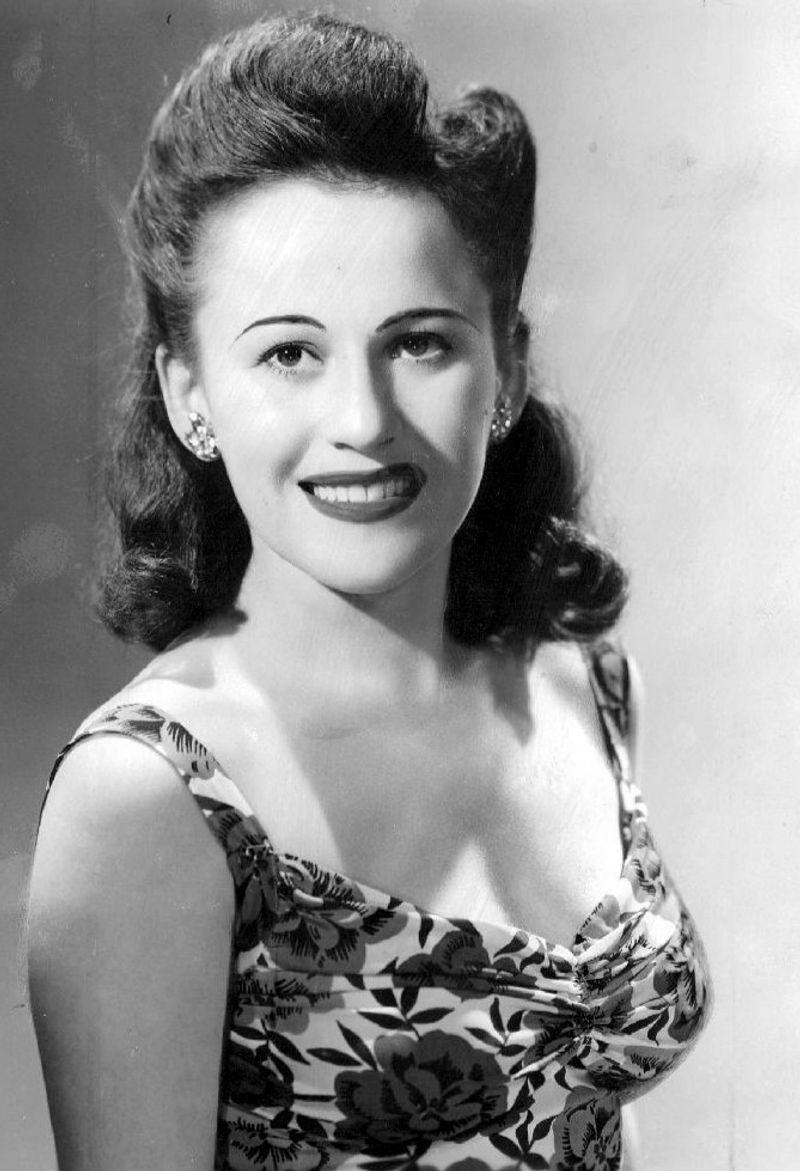
An Argentine dance tune from 1903 became an American chart-topper almost fifty years later. Credit goes to Georgia Gibbs.
The melody came from El Choclo, written by Ángel Villoldo in Buenos Aires. Songwriters added English lyrics about a dangerous, all-consuming romance.
Gibbs released Kiss of Fire in 1952, and it rose to No. 1 on the Billboard chart. She sang with bold confidence rather than quiet sweetness.
That fiery approach stood out against the gentler ballads around it. The tango rhythm gave the record extra drive.
Other stars rushed out versions the same year. Tony Martin, Louis Armstrong, and Billy Eckstine all charted with it.
The craze reflected a wider American interest in Latin music during the early 1950s. Mambo would soon follow.
Kiss of Fire shows that the pop charts were more global than people often assume. A turn-of-the-century tango found a second life on 45 rpm records.
12. I Went to Your Wedding by Patti Page
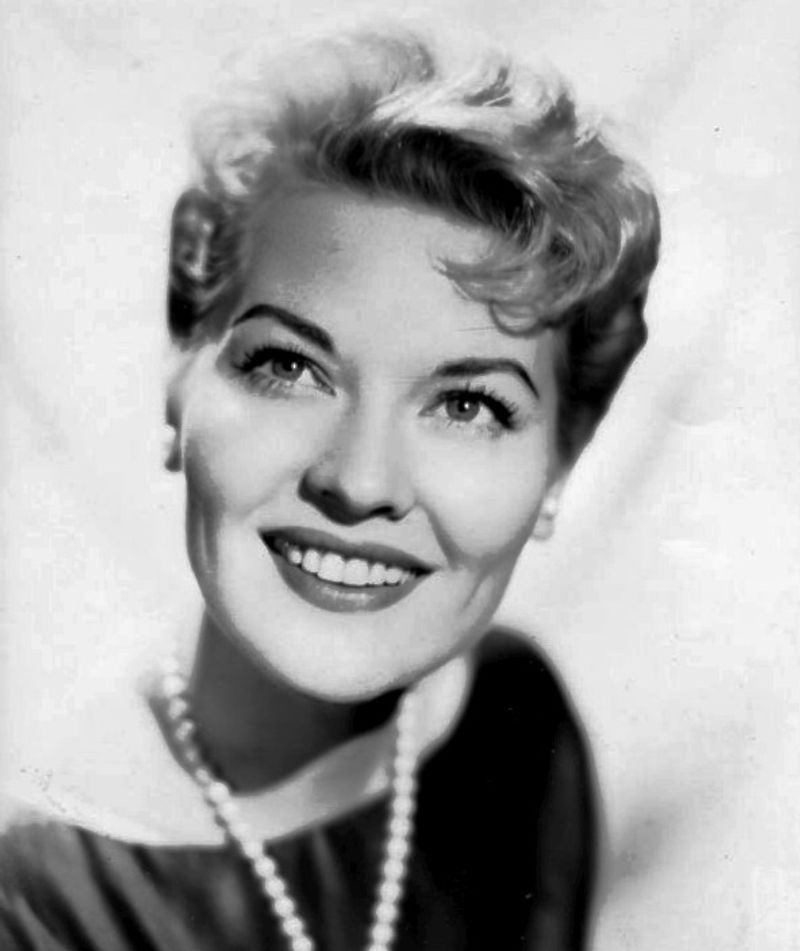
Here is a twist record collectors love: Patti Page’s biggest song of late 1952 started as the B-side to You Belong to Me.
Page recorded I Went to Your Wedding on August 6, 1952. It entered the Billboard chart on August 22 and stayed for 21 weeks, eventually reaching No. 1.
The story is clear from the title. The singer attends a former sweetheart’s wedding and watches quietly from the crowd.
Page did not overplay it. Her calm, smooth voice let the awkward situation speak for itself.
Story songs were popular at the time. Listeners enjoyed records with a beginning, middle, and end about love and hard choices.
The single became her seventh million-seller, a huge number in that era. It also reached No. 1 in Australia.
Page had already scored with Tennessee Waltz in 1950. This hit cemented her status as one of the best-selling female singers of the decade, and a fitting final stop for 1952.
Share this story