Picture a school gym with streamers on the walls, a disco ball overhead, and the DJ finally slowing things down. That moment is what many ’70s prom kids still remember most.
The decade gave teenagers a huge stack of romantic songs, from smooth soul to soft rock and tender piano ballads. Some of them topped the charts, and a few started out in surprising places, like a bank commercial.
This list brings together fifteen slow dance favorites, with real chart facts and the stories behind them. See how many ones you can hum, and which ones you would have saved a dance for.
Always and Forever – Heatwave
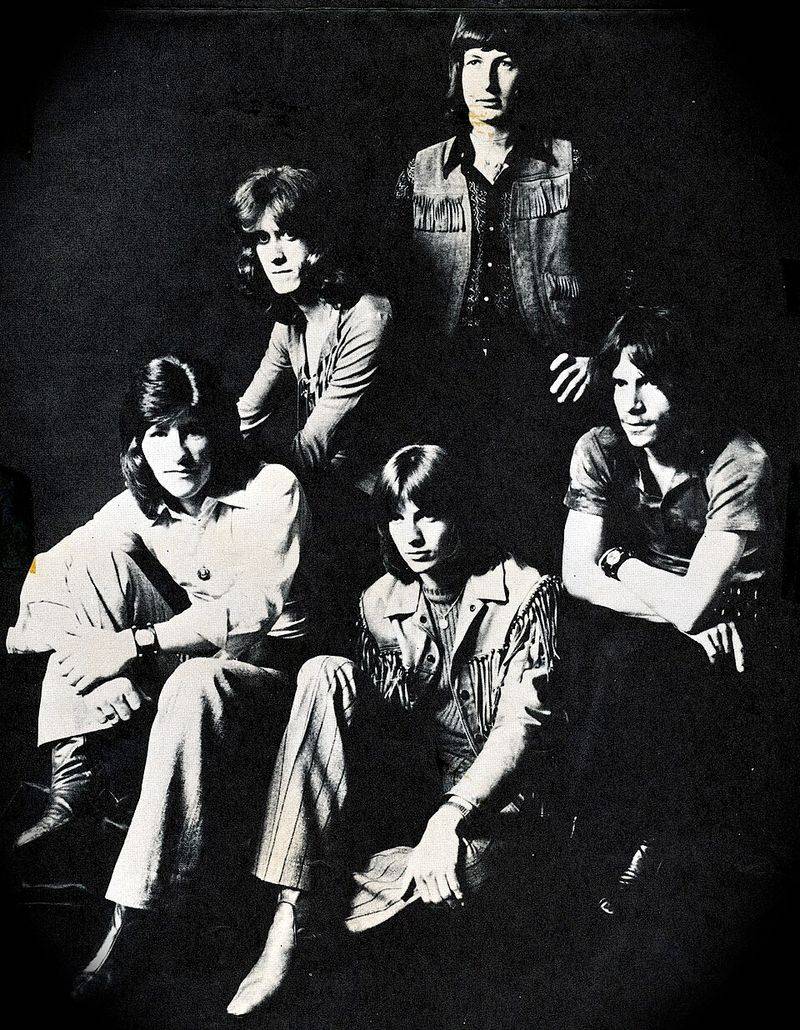
Few songs fit the picture of a 1970s prom slow dance better than this one. Rod Temperton wrote it, and Heatwave recorded the romantic ballad, which came out as a single in late 1977.
It climbed to No. 18 on the Billboard Hot 100 and reached No. 2 on the R&B chart. Those numbers tell only part of the story, because the song’s real fame came from the dance floor.
Over the late 1970s and into the next decade, it became tied to proms, slow dances, and weddings. Johnnie Wilder Jr. sings the lead with a tender touch, and the lyrics promise love that lasts.
That promise was just what couples wanted when the lights dimmed and the DJ switched to something slower. If a song could make a nervous teenager walk across the gym and ask for a dance, this was a strong candidate.
It still turns up at reunions and anniversary parties today.
Wonderful Tonight – Eric Clapton

Here is a love song built on one simple idea: looking at someone you love and realizing how beautiful they are. Eric Clapton wrote it about Pattie Boyd, and it appeared on his 1977 album Slowhand.
It was released as a single in 1978 and eventually reached No. 16 on the Billboard Hot 100.
The guitar melody is understated, and Clapton’s vocal is relaxed and easy. Some of the decade’s love songs were big and dramatic, but this one stays quiet and personal.
It sounds almost like the singer is speaking to just one person in the room.
That is why it worked so well for slow dancing. Couples did not need fancy steps, just a slow sway and a shared moment.
Decades later, it remains a dance floor favorite, and many people still know the opening guitar notes right away.
Three Times a Lady – Commodores
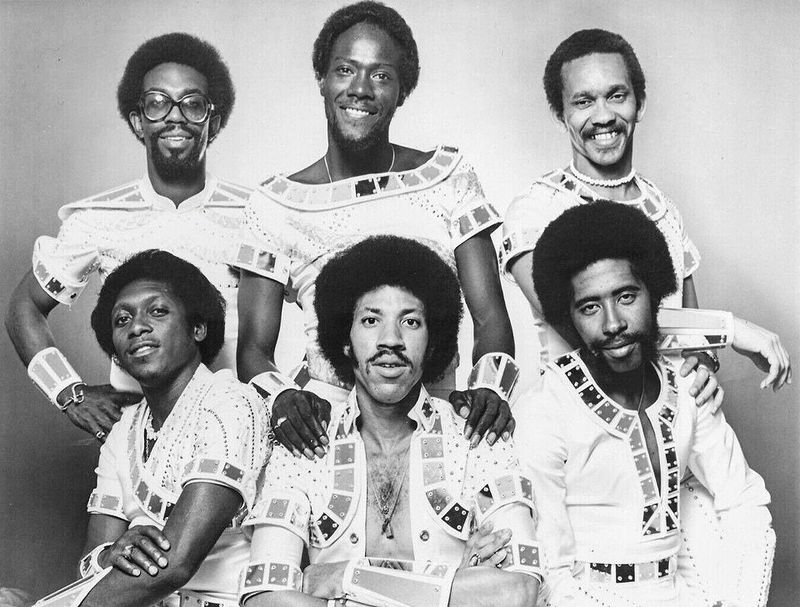
Lionel Richie wrote this ballad after being inspired by words his father used while honoring his mother at a wedding anniversary celebration. That family origin gives the song a sincere, heartfelt start.
The Commodores released it in 1978, and it became the group’s first No. 1 hit on the Billboard Hot 100. It also topped the soul and Adult Contemporary charts, and it spent five weeks at No. 1 in Britain.
The arrangement is led by piano, and the lyrics focus on gratitude and lasting love. When teenagers wanted something slower and more sentimental, it was an obvious pick for the dance floor.
The decade was packed with unforgettable love songs, yet this one stood out as one of the biggest romantic hits of its era.
It also showed a gentler side of a group many fans knew for upbeat funk. That contrast made the ballad feel even more special.
How Deep Is Your Love – Bee Gees
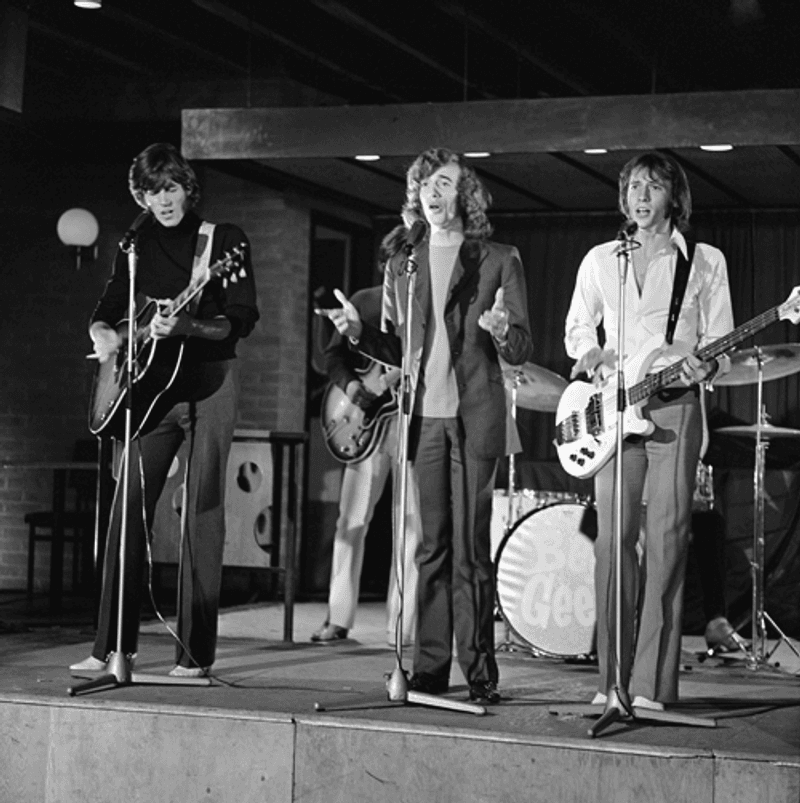
Mention the Bee Gees and many people think of disco right away. This song proved the brothers could be just as effective with a gentle romantic ballad.
It was released in 1977 and later featured on the Saturday Night Fever soundtrack. It reached No. 1 on the Billboard Hot 100 and stayed in the U.S.
Top 10 for 17 weeks. It also topped the Adult Contemporary chart for six weeks.
Barry, Robin, and Maurice Gibb blended their harmonies into a soft, dreamy sound that practically invited couples onto the floor. Slow dance time at a prom is a bit of a break from the flashing lights, and this was a perfect fit.
For teenagers experiencing first love, the emotional uncertainty in the lyrics could feel surprisingly personal. The question in the title is one many young couples were quietly asking each other, even if they never said it out loud.
If You Leave Me Now – Chicago
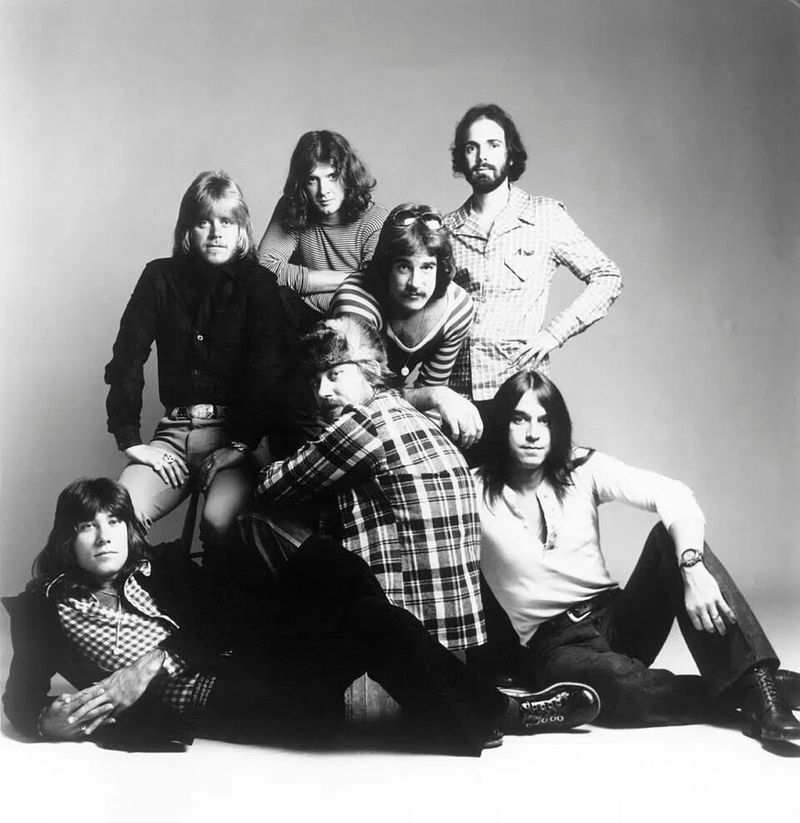
Chicago was already known for a horn-driven rock sound before this ballad showed a much softer side of the band. Peter Cetera wrote and sang it in 1976.
The song climbed all the way to No. 1 on the Billboard Hot 100, becoming Chicago’s first chart-topper. It also hit No. 1 in Britain, Canada, Australia, and several other markets.
Strings and acoustic guitar set the scene, and Cetera’s high vocal turns the song into a vulnerable plea for a relationship not to end.
That kind of emotion suited a slow dance, especially for teenagers who were sure their high school romance might last forever. Even a couple who had only been together since homecoming could feel the weight of those lyrics.
It remains one of the best examples of a rock band stepping out of its usual style and landing a huge hit. Plenty of prom dates likely heard it while holding on a little tighter.
Just the Way You Are – Billy Joel
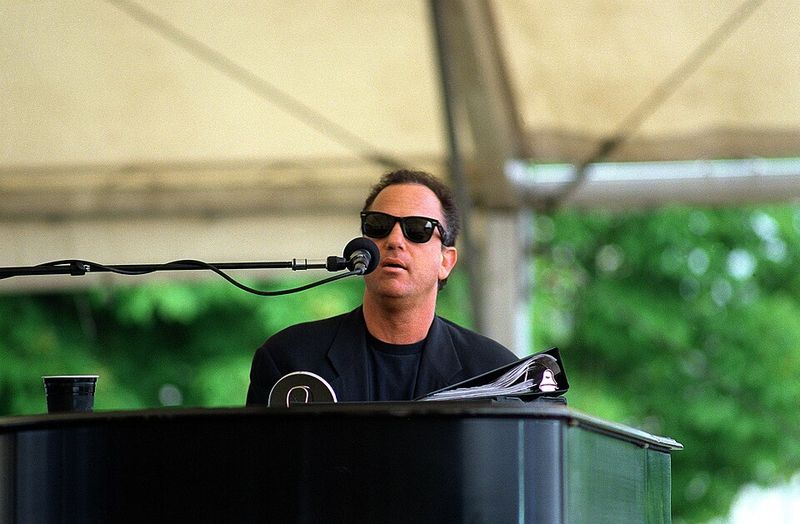
Here is a refreshingly direct romantic message: you do not need to change for someone to love you. Billy Joel put that idea into a song that fit right in on a crowded dance floor.
It was released from The Stranger in 1977 and became his first U.S. Top 10 hit, reaching No. 3 on the Billboard Hot 100.
It also topped the Easy Listening chart and won Grammy Awards for both Record of the Year and Song of the Year.
Soft electric piano, a saxophone solo, and a restrained vocal made it ideal for a slow dance. Nothing about it feels rushed.
The message was simple enough for teenagers to understand, yet timeless enough to stay relevant long after graduation. Plenty of couples who first heard it at a school dance later chose it for weddings and anniversaries.
That staying power is a big part of why it still plays today.
You Are So Beautiful – Joe Cocker
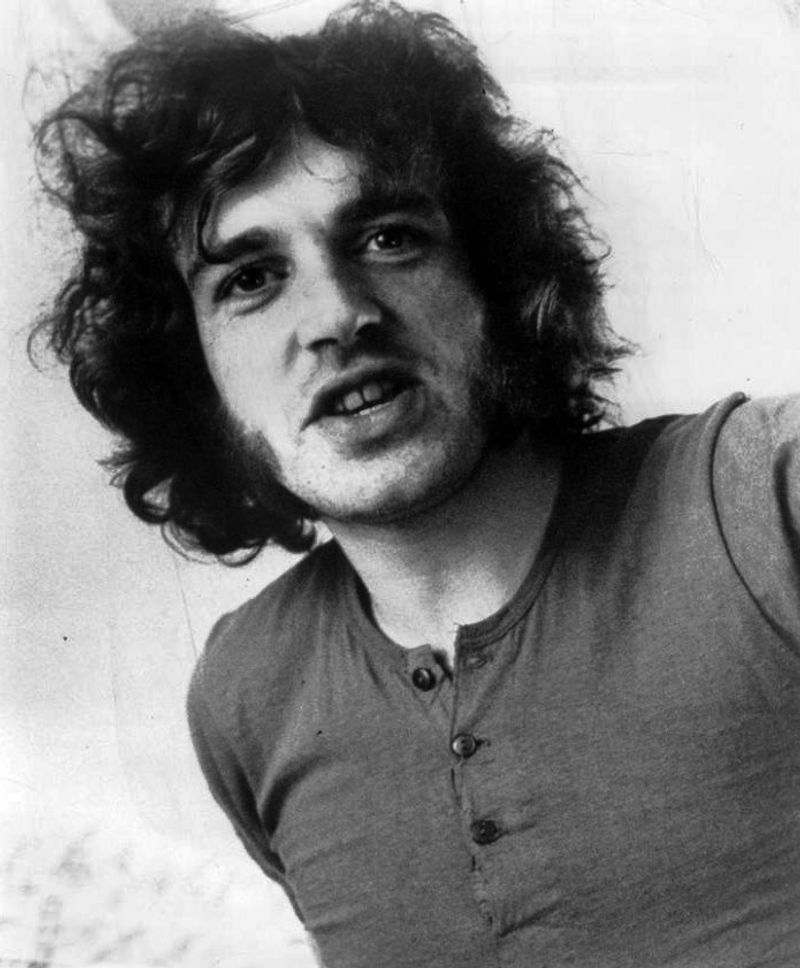
Joe Cocker could turn even a simple lyric into something deeply emotional, and this song is one of the best examples.
Billy Preston and Bruce Fisher wrote it, and Preston recorded it first. Cocker released his slower take in 1974, and it climbed to No. 5 on the Billboard Hot 100.
The arrangement is unusually sparse, which leaves plenty of room for Cocker’s expressive voice. There are no complicated declarations or long stories here.
The song stays focused on one romantic sentiment and says it plainly.
That simplicity made it especially effective when the gym lights went down and couples moved closer together. Nobody needed to follow a plot or catch clever wordplay, because the feeling was right there from the first line.
Fans of raw, gravelly soul vocals still point to it as one of Cocker’s finest moments. For a school dance, it offered a short, honest, and unforgettable pause.
Let’s Stay Together – Al Green
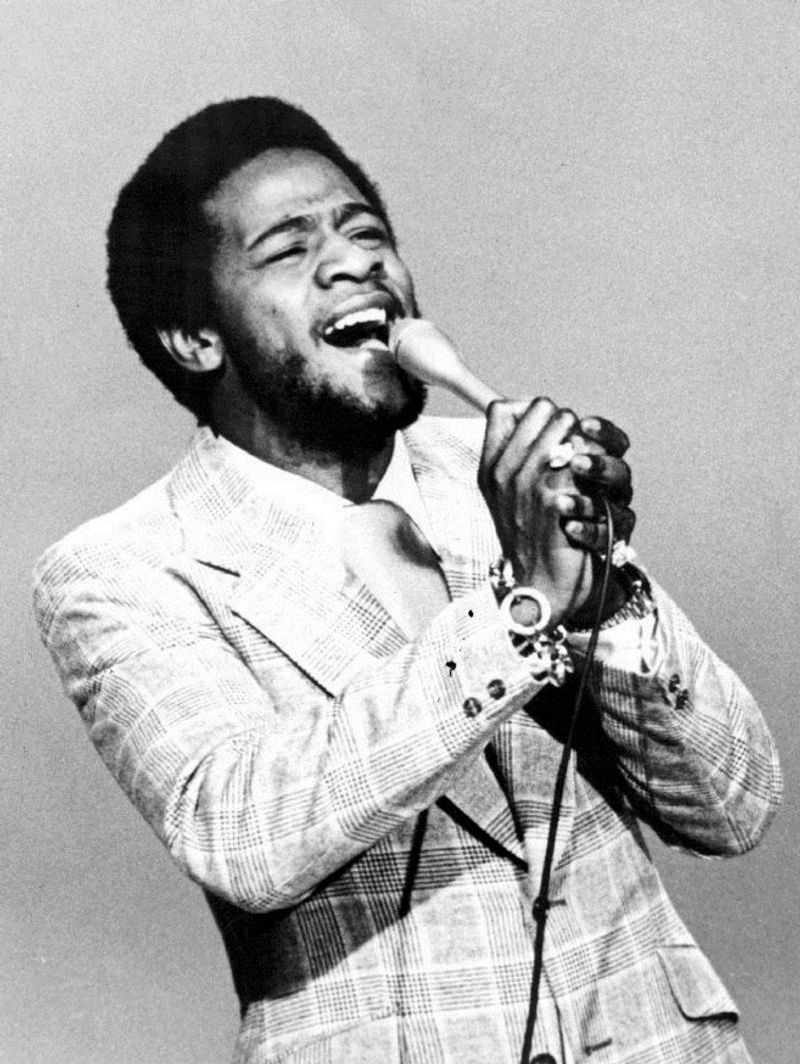
Few voices sounded better during a slow dance than Al Green’s.
This single arrived in late 1971 and became a major hit in 1972. It reached No. 1 on the Billboard Hot 100 and held the top spot on the R&B chart for nine weeks.
The lyrics celebrate commitment through good times and difficult ones. Willie Mitchell’s smooth production gives Green plenty of room to move between his gentle lower register and that unmistakable falsetto.
It was romantic without being overly sentimental, and soulful without becoming too heavy. For a crowded school dance, that balance made it almost impossible not to step a little closer to your date.
The song also helped make Green one of the defining soul singers of the decade. Even people who never attended a ’70s prom can recognize the opening notes right away, which says a lot about how well it has lasted over the years.
If – Bread
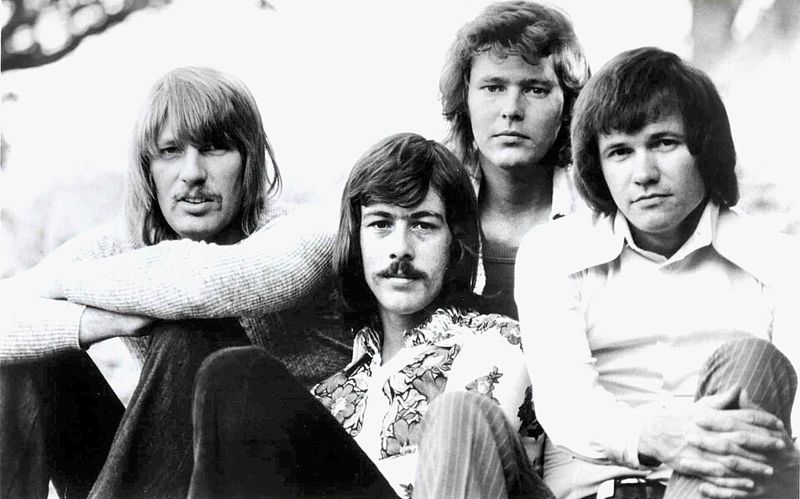
At just over two and a half minutes, this is one of the shortest slow dance songs on the list, and one of the softest.
Bread became a defining soft-rock group of the early 1970s. David Gates wrote this ballad, which was released in 1971.
It reached No. 4 on the Billboard Hot 100 and spent three weeks at No. 1 on the Easy Listening chart.
The song is brief and delicate, with Gates delivering an intensely romantic lyric over a restrained arrangement. It does not need a dramatic drumbeat or a giant chorus to make an impact.
For teenagers looking for an excuse to stay on the floor a little longer, it offered a small but perfect window of slow dance time.
The quiet approach set it apart from louder hits on the radio. Sometimes a short and simple song is all a nervous couple needs to get through that first dance together.
You Are Everything – The Stylistics
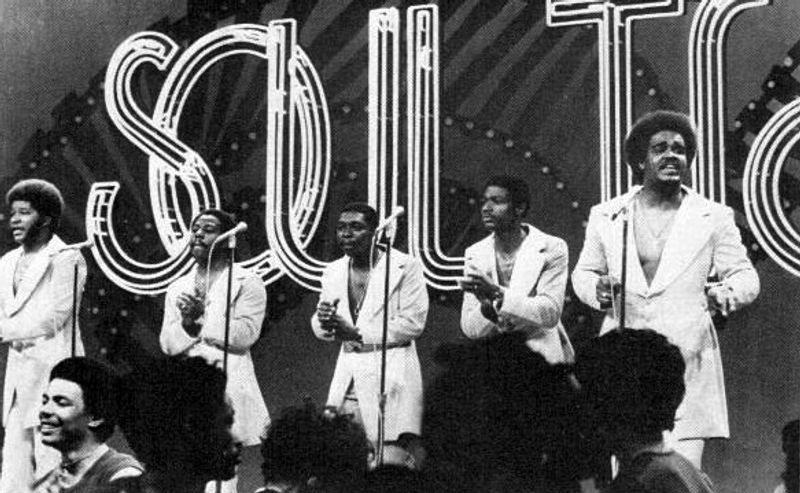
Philadelphia soul gave the early 1970s a lush, orchestrated sound, and the Stylistics were one of the groups that defined it.
Thom Bell and Linda Creed wrote this 1971 ballad, which reached No. 9 on the Billboard Hot 100. Russell Thompkins Jr. sings in a distinctive falsetto over strings and smooth production.
The lyrics follow someone who sees reminders of a former love everywhere, which adds a bittersweet quality beneath the beautiful arrangement.
At a high school dance, that mix could work for everyone. Couples in love could sway together, while teenagers quietly thinking about someone they wished they were dancing with could feel understood.
The Stylistics became known for this kind of tender, polished sound, and this recording remains one of their most memorable. If a slow dance song needs to feel romantic right from the first few seconds, this one delivers it with ease.
Make It with You – Bread
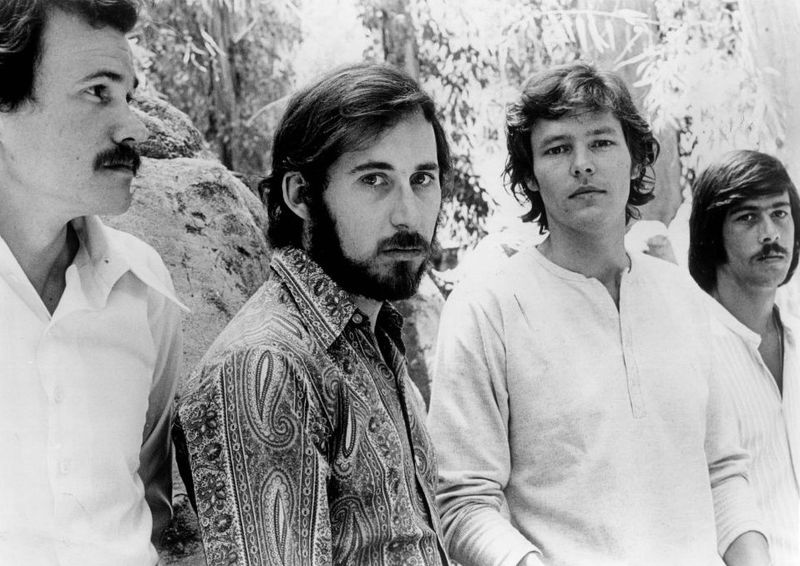
Released in 1970, this was Bread’s first major pop breakthrough, and it set the tone for the decade’s soft-rock love songs.
It became the group’s only No. 1 hit on the Billboard Hot 100. It also reached No. 5 in Britain.
David Gates wrote and sang it, and the track relies on acoustic guitar and gentle orchestration instead of a big dramatic arrangement. The relaxed tempo suited couples who wanted to sway together without showing off complicated moves.
That made it a friendly choice for shy dancers, who could simply hold on and take their time. Not every teen was confident on the floor, and this song asked for very little.
By the time the decade was underway, Bread had become synonymous with romantic soft rock. This hit helped establish the formula that produced many of their later songs, and it still holds up as an easygoing slow dance classic.
We’ve Only Just Begun – Carpenters
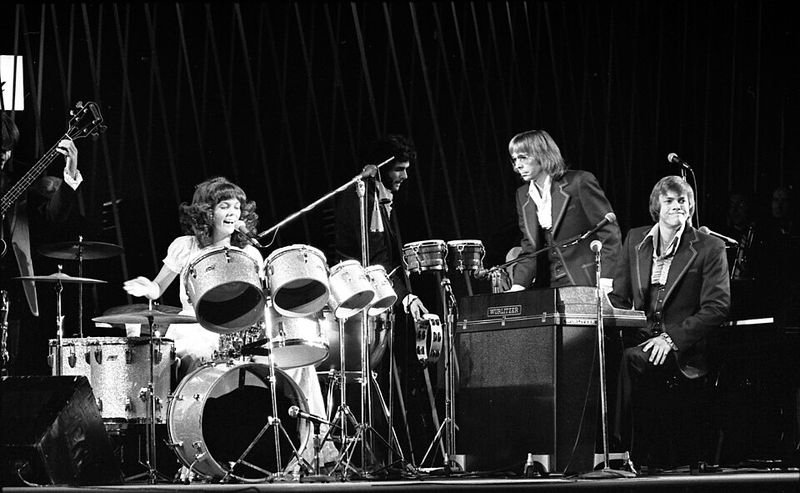
Songwriters Roger Nichols and Paul Williams originally developed this song for a bank commercial, which is an unusual start for a future pop standard.
Richard Carpenter heard the material and recognized its potential. The Carpenters recorded their own version and released it in 1970.
It reached No. 2 on the Billboard Hot 100 and earned Grammy nominations.
Karen Carpenter’s warm, unmistakable voice made the hopeful lyrics about starting a life together sound sincere.
While the song became strongly linked with weddings, its gentle tempo and youthful sense of possibility also made it right at home at school dances and proms. Teens about to graduate and head into a new chapter could easily see themselves in the words.
The song proves that great music can come from unexpected places. A tune written for an advertisement ended up on dance floors across the country and remains a favorite for new beginnings.
Best of My Love – Eagles
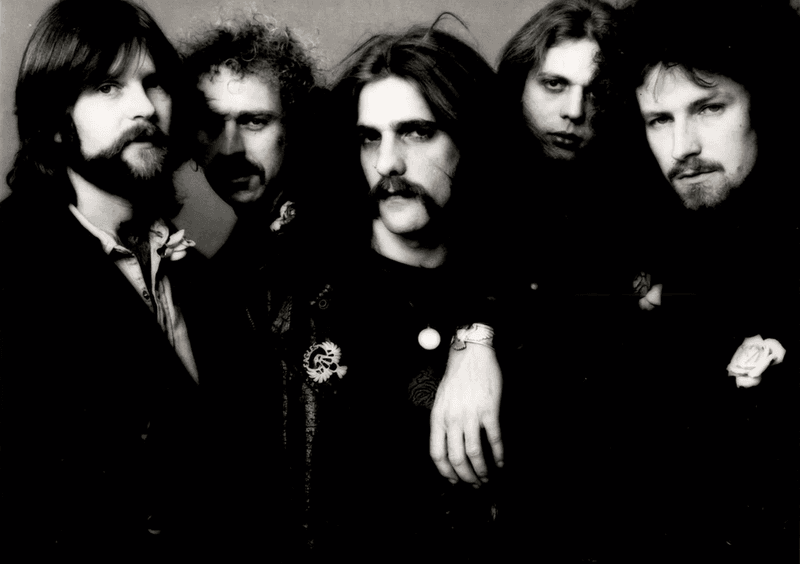
This was the Eagles’ first Billboard Hot 100 No. 1, and it came with a twist that many dancers never noticed.
Don Henley, Glenn Frey, and J.D. Souther wrote the soft-rock ballad, which appeared on the 1974 album On the Border.
It was released as a single late that year, reached No. 1 in March 1975, and also topped the Adult Contemporary chart.
Acoustic guitars and Henley’s restrained vocal give it the relaxed quality of a classic slow dance. The lyrics, however, are more complicated than the title suggests.
Rather than celebrating a perfect relationship, the song looks back at one that is struggling. That gave it a touch of romantic melancholy that filled countless teenage playlists.
On the dance floor, most couples simply enjoyed the mellow rhythm. Listening again years later, the words reveal a deeper story behind the soft sound.
Reunited – Peaches & Herb
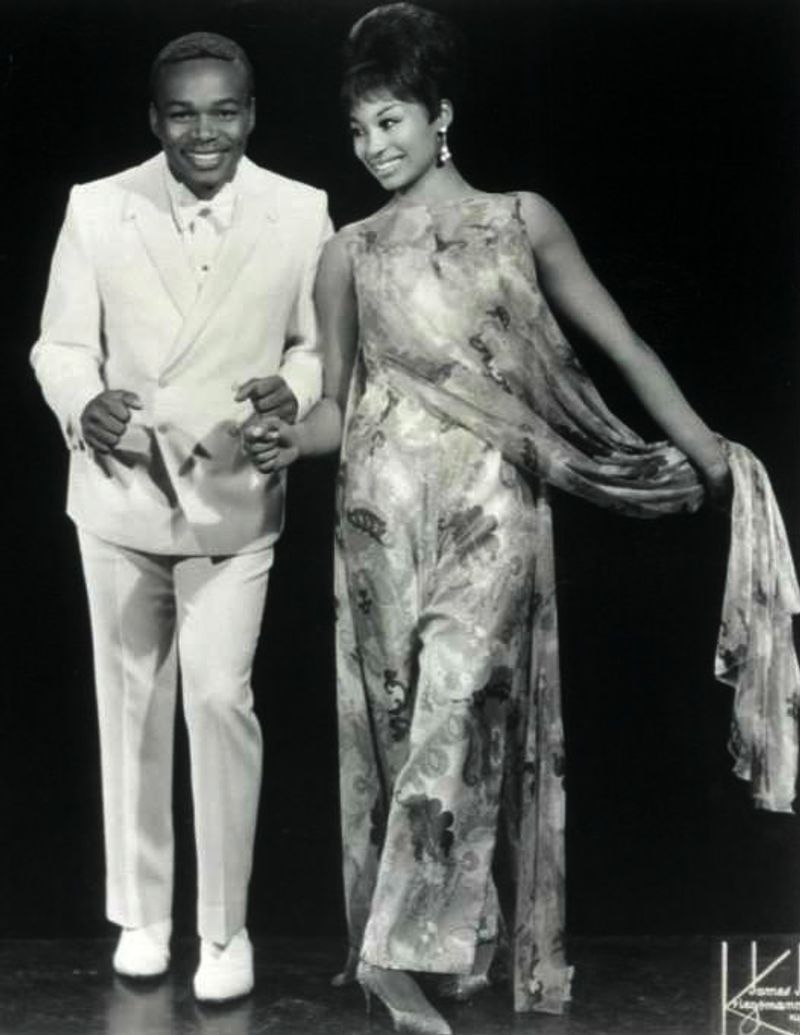
Sometimes the best slow dance songs came with a little heartbreak before the happy ending.
Peaches & Herb released this romantic duet in 1979, and it became a huge crossover success. It spent four weeks at No. 1 on both the Billboard Hot 100 and the R&B chart.
The story follows two people who realize how much they missed each other after separating. That theme, along with the leisurely tempo and the back-and-forth between male and female voices, made it a natural pick for couples.
It was also one of the biggest songs of 1979, finishing among Billboard’s top-performing singles of the year.
That success gave the decade one last major slow dance classic right before the 1980s began. For a prom crowd, the duet format made it feel like a conversation between two people, which fit a night full of nervous smiles and new romances.
Just My Imagination (Running Away with Me) – The Temptations
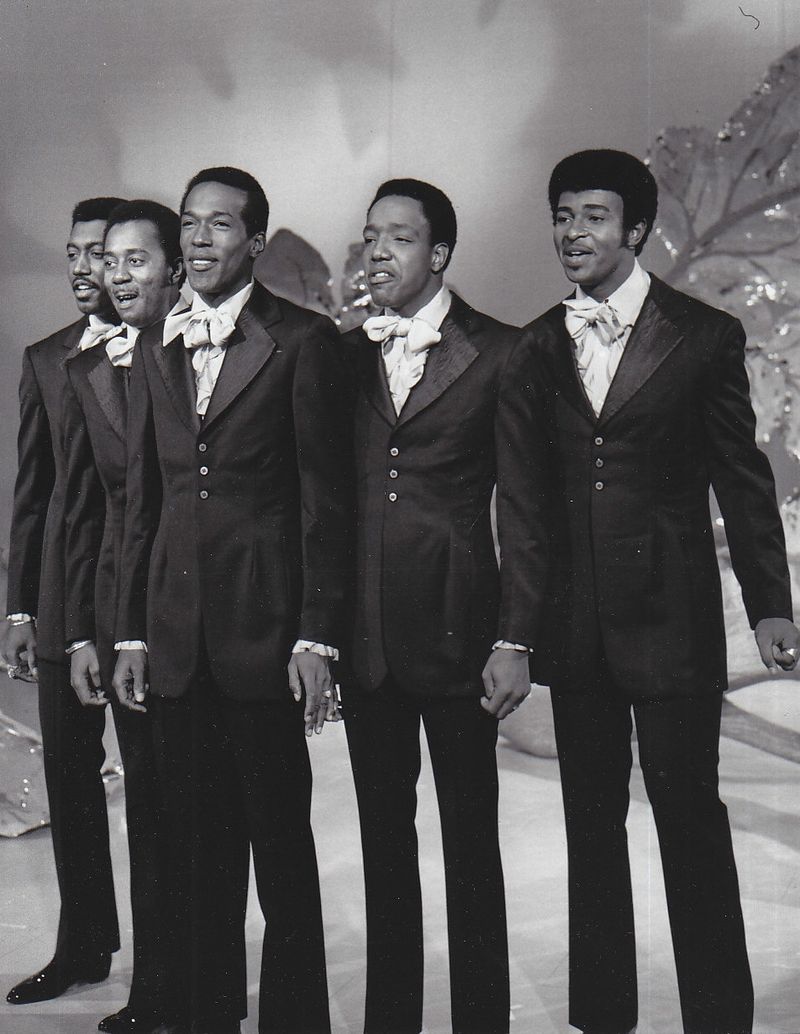
It may sound like a beautiful love song at first, but the story inside is much sadder.
The Temptations released it in 1971, and it spent two weeks at No. 1 on the Billboard Hot 100 and three weeks atop the R&B chart. Eddie Kendricks sings the lead as a man imagines an entire romantic future with a woman who does not actually belong to him.
Gentle orchestration and a dreamy melody make that reality easy to overlook while dancing.
Yet the bittersweet story is part of what gives the song its lasting emotional power. It was romantic, wistful, and well suited to the intense feelings of a high school dance.
Kendricks’ smooth falsetto carried the longing, and listeners could easily get lost in the daydream. Maybe that is why so many prom kids remember it, since teenage crushes often live partly in the imagination too.
Share this story