Some places in Oregon look small enough to skip, and that is exactly how they sneak up on you. I pulled off the highway expecting a quick look and a trinket, and ended up losing an afternoon.
If you think you know every corner of this state, there is a humble building waiting to prove you wrong. Locals tend to keep quiet about it, and after one visit you will see why.
A Small Building With a Big Reach
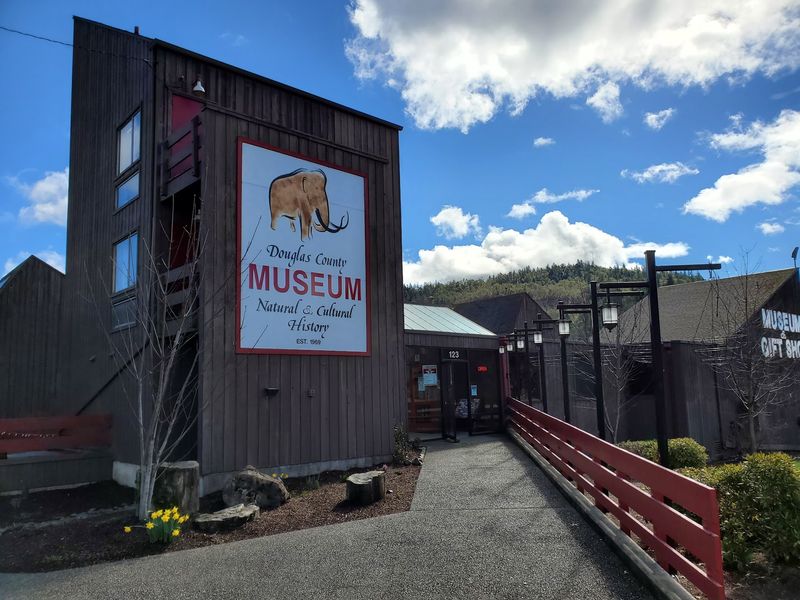
Here is a plot twist for your road trip: the Douglas County Museum looks modest from the parking lot and then keeps unfolding once you step inside. It sits at 123 Museum Dr in Roseburg, just off Interstate 5 on the east side.
The collection covers natural history and local history, all with a hometown focus. Visitors say it rivals museums in much bigger cities, and plenty of them admit they only meant to pop in briefly.
Free parking makes the stop easy, which is a gift when you are mid-drive and need a break that actually refreshes you. Think of it as an Oregon side quest that pays off.
Few tourists ever plan for it, so it tends to feel pleasantly uncrowded and easygoing.
How the Museum Came to Be
Founded in 1969, this museum has been growing for decades. Additions arrived in 1979 and again in 1989, and the layered building shows it.
That steady growth explains why the place holds more than its outside suggests. Each expansion made room for more artifacts, more stories, and more reasons to linger.
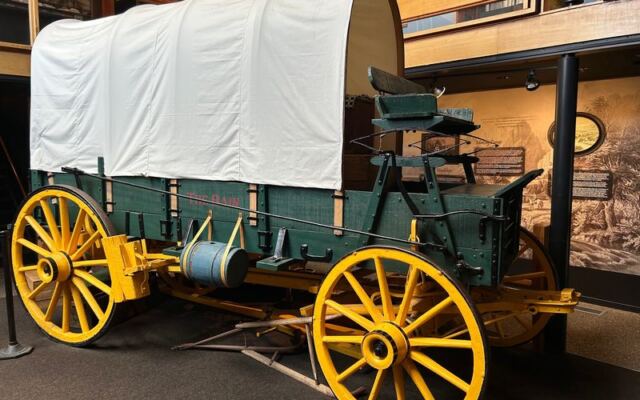
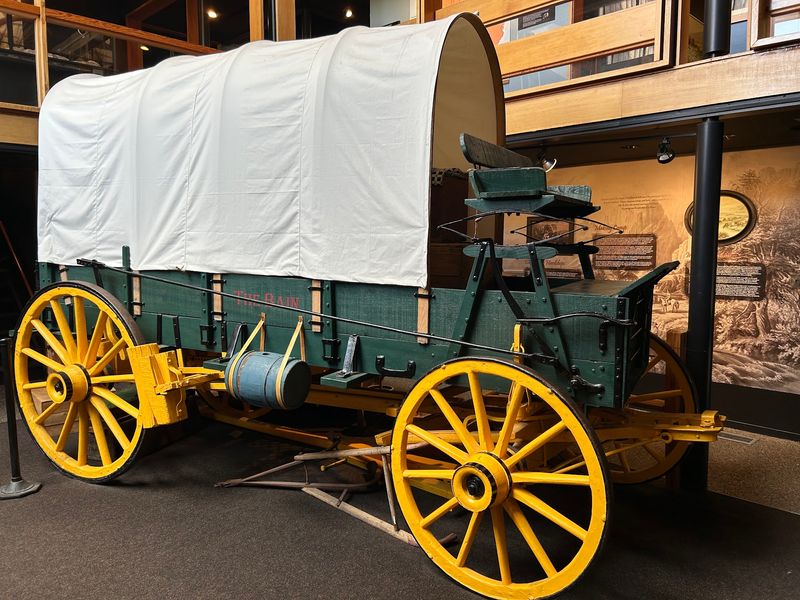
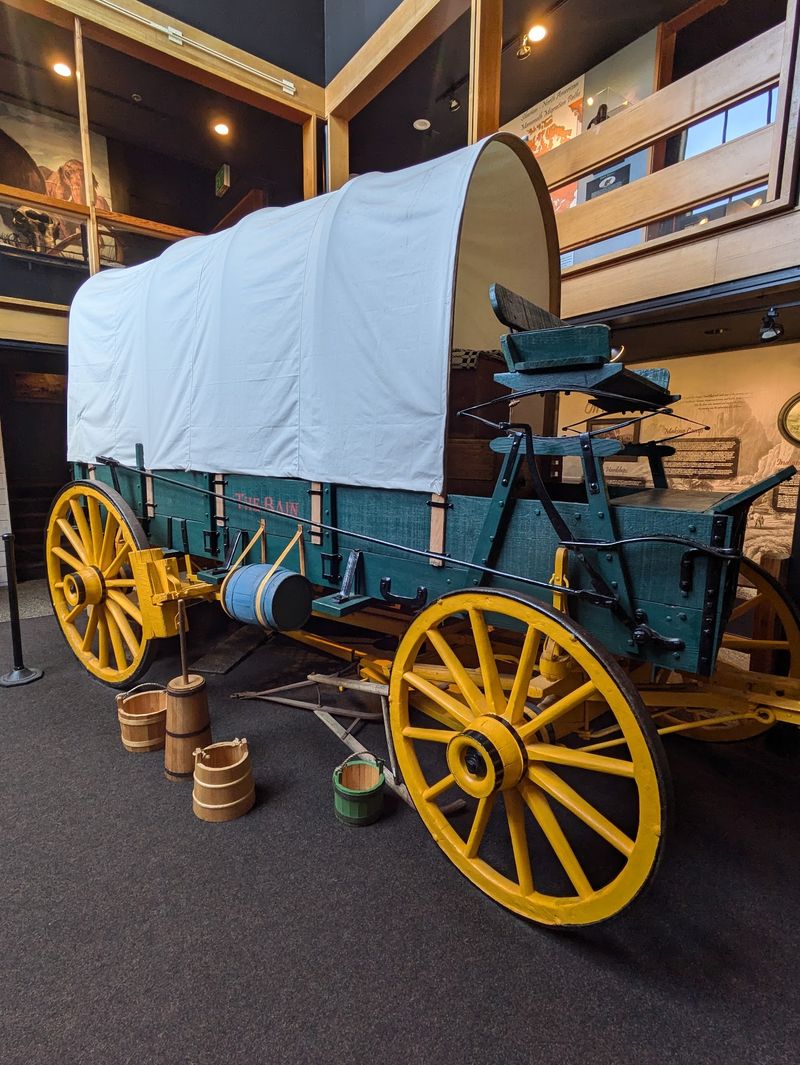
Visitors who know the area say the displays make Douglas County feel personal rather than distant. Some even trace their own family trails back to the 1890s and find wagons and trains from that era waiting for them.
It is a quiet reminder that a community museum can be built one careful step at a time, and still surprise everyone who walks in.
Taxidermy That Steals the Show
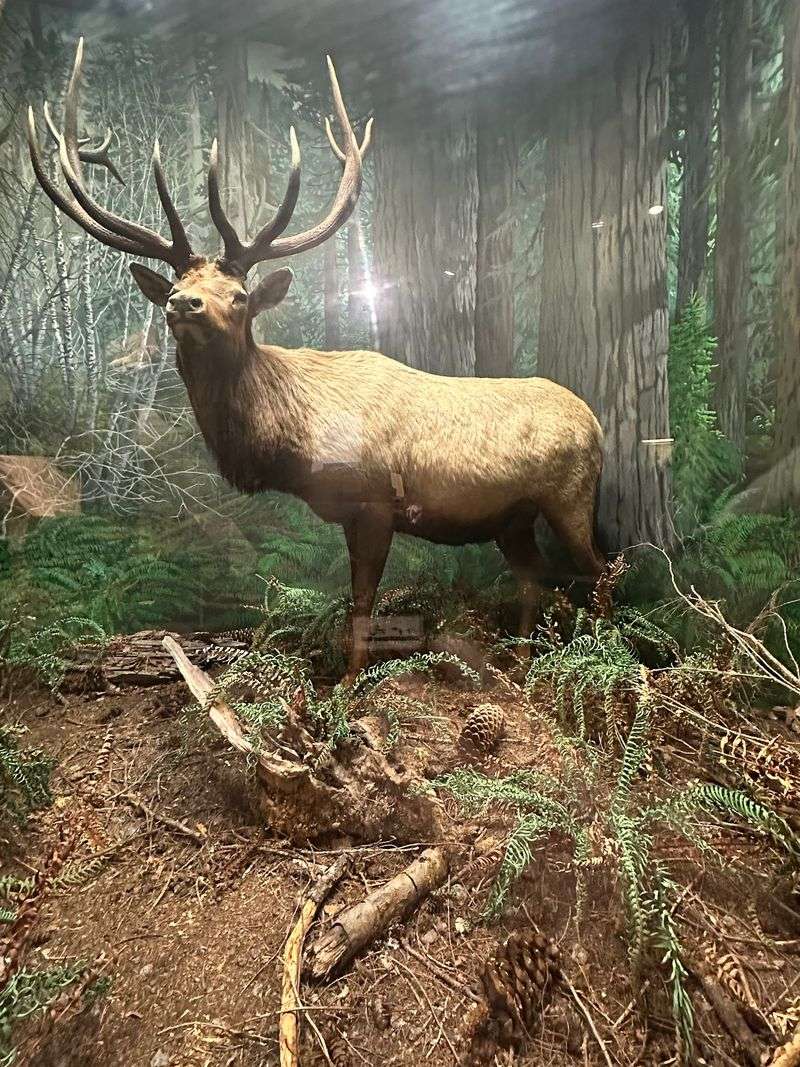
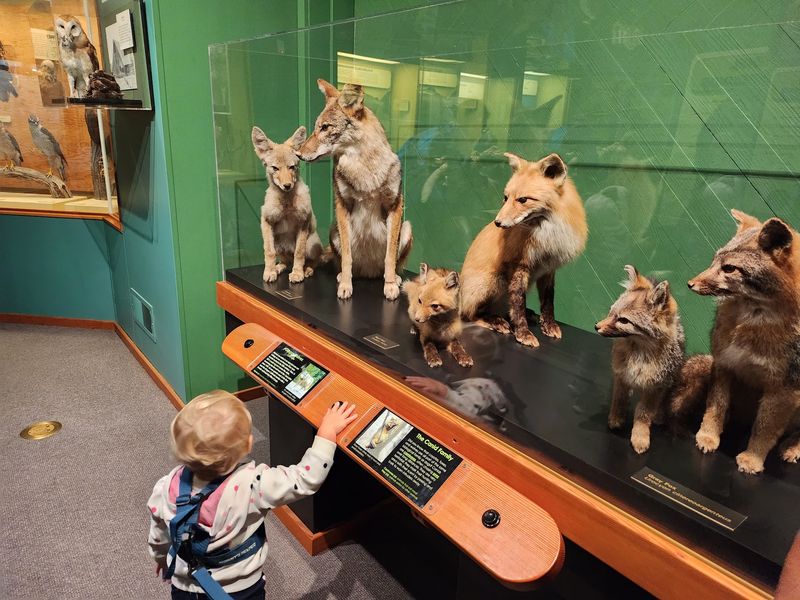
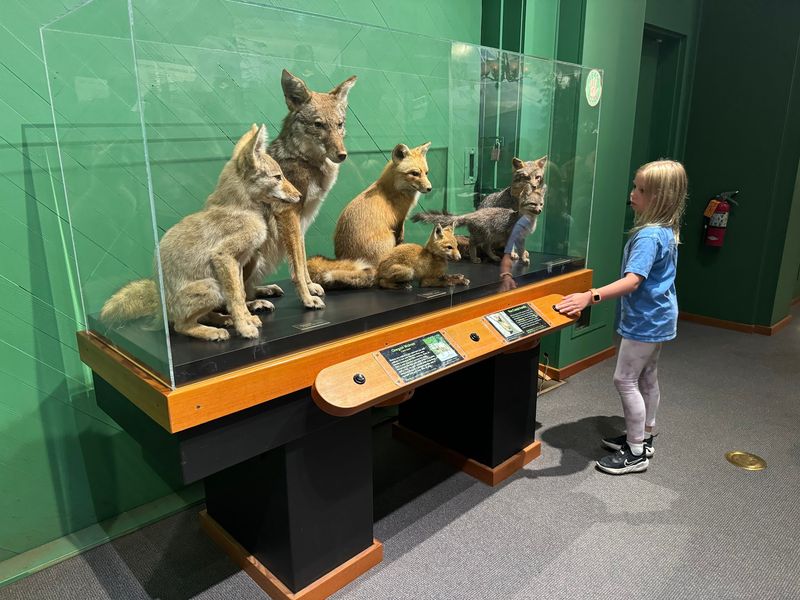
Eyes follow you in the wildlife hall, and that is half the fun. Visitors rave about the surprisingly huge taxidermy collection, especially for a museum this size.
Animals and skeletons appear in habitat scenes that show both past and present wildlife of the region. Bird exhibits and dioramas add extra detail for anyone who likes to look closely.
Better yet, some items are meant for touching. Guests mention real hides and animal pellets that kids can handle, which turns a quick look into a hands-on science lesson.
Many people name this room as their favorite, so give yourself time to wander slowly and spot the details you missed on the first lap.
Ancient Animals of the Umpqua Region
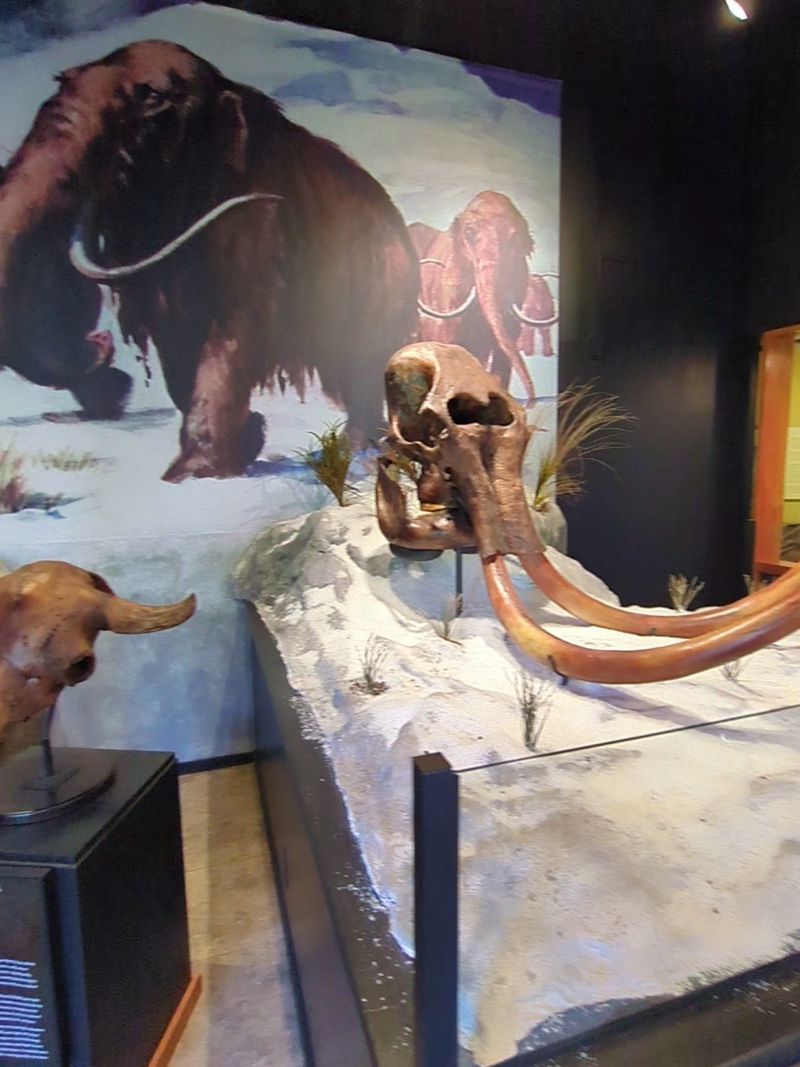
Giant prehistoric beavers once roamed here, and the museum introduces them with a grin. Visitors mention an exhibit showing which animals lived in the area thousands of years ago.
Fossils and natural history displays stretch the story far beyond pioneer days. It is a handy way to see how old the land really is.
Kids tend to love picturing creatures that make today’s beavers look tiny. Adults get a fresh sense of the landscape they drive through every day.
The botanical display rounds out the picture with local plant life, so the whole ecosystem gets a turn in the spotlight.
Indigenous Stories and Early Artifacts
Long before wagons rolled in, people lived on this land, and the museum makes room for their story. Visitors say they appreciated the indigenous information woven into the exhibits.
Artifacts fill cases throughout the galleries, and guests call them meaningful and well explained. One reviewer noted that the museum shows actual items rather than just copies.
That authenticity gives the walk-through a grounded feeling. You are looking at real objects tied to real lives.
Take your time here. The signs reward patient readers, and the quiet pace of the rooms makes reading feel like a pleasure instead of a chore.
The Train Depot and Running Model Train
Choo choo! A model train starts up in one room, and one visitor admits it made them jump.
It is a charming surprise, so consider yourself warned.
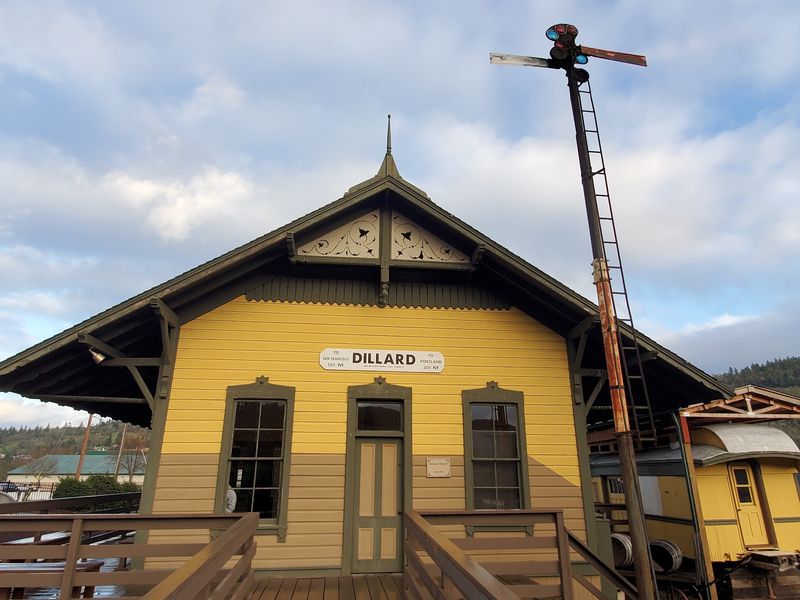
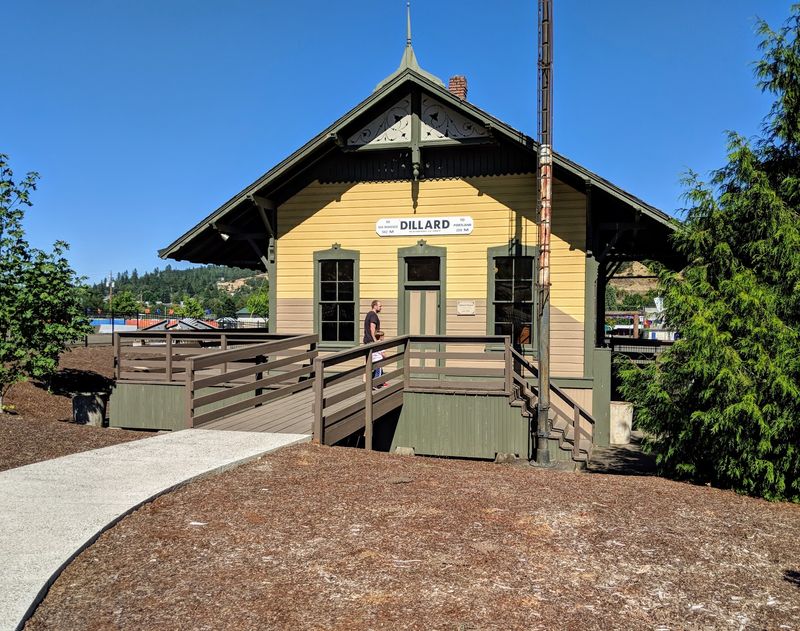
The detached train station outside is filled with timeless charm and exhibits. Guests list the depot among their favorite spots on the grounds.
Railroads shaped communities across Oregon, and seeing the setting up close helps you understand why. The details feel lived in rather than staged.
Make sure you explore outside as well as in. As one visitor put it, you will miss a lot if you stay indoors.
Loggers Quarters and Pioneer Life
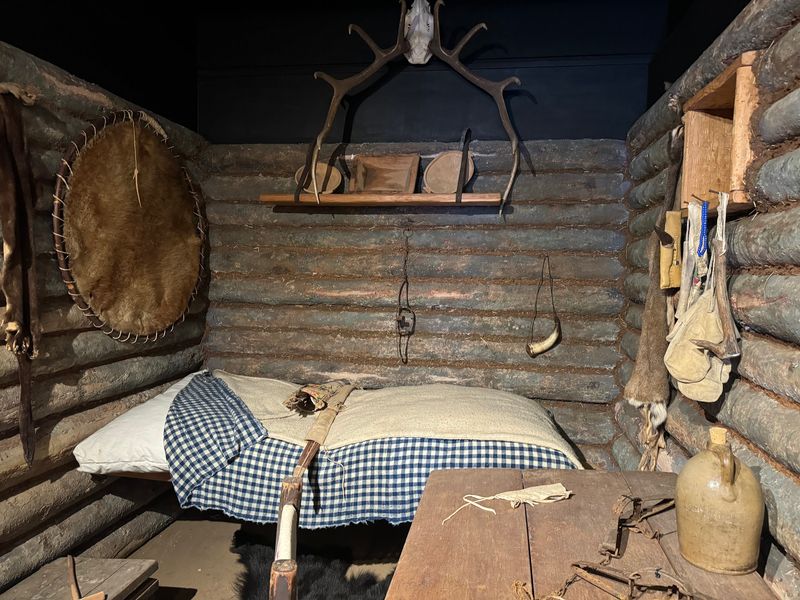
Step into the loggers quarters and the timber era feels close enough to touch. Visitors count this outdoor building among their favorites.
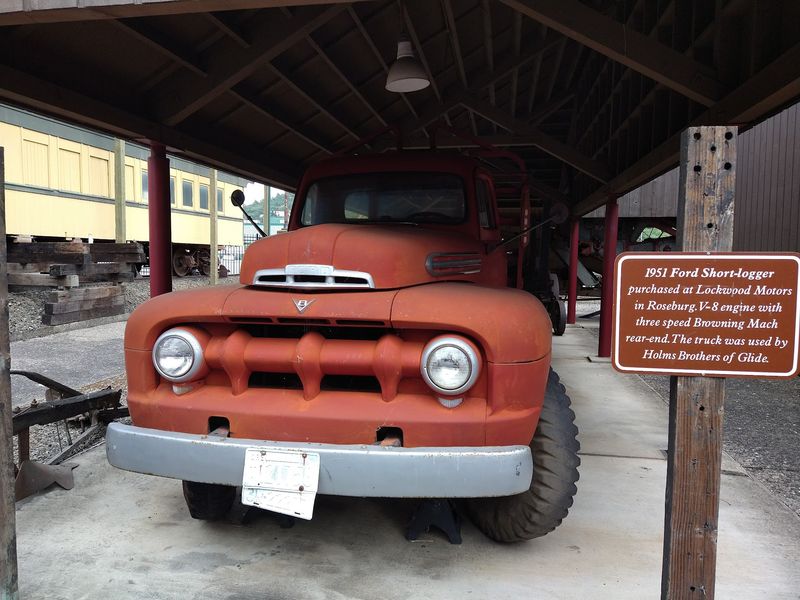
Downstairs, exhibits cover pioneers, farming equipment, and a train car. Topics such as the history of chainsaws and local winemaking history also pop up for curious readers.
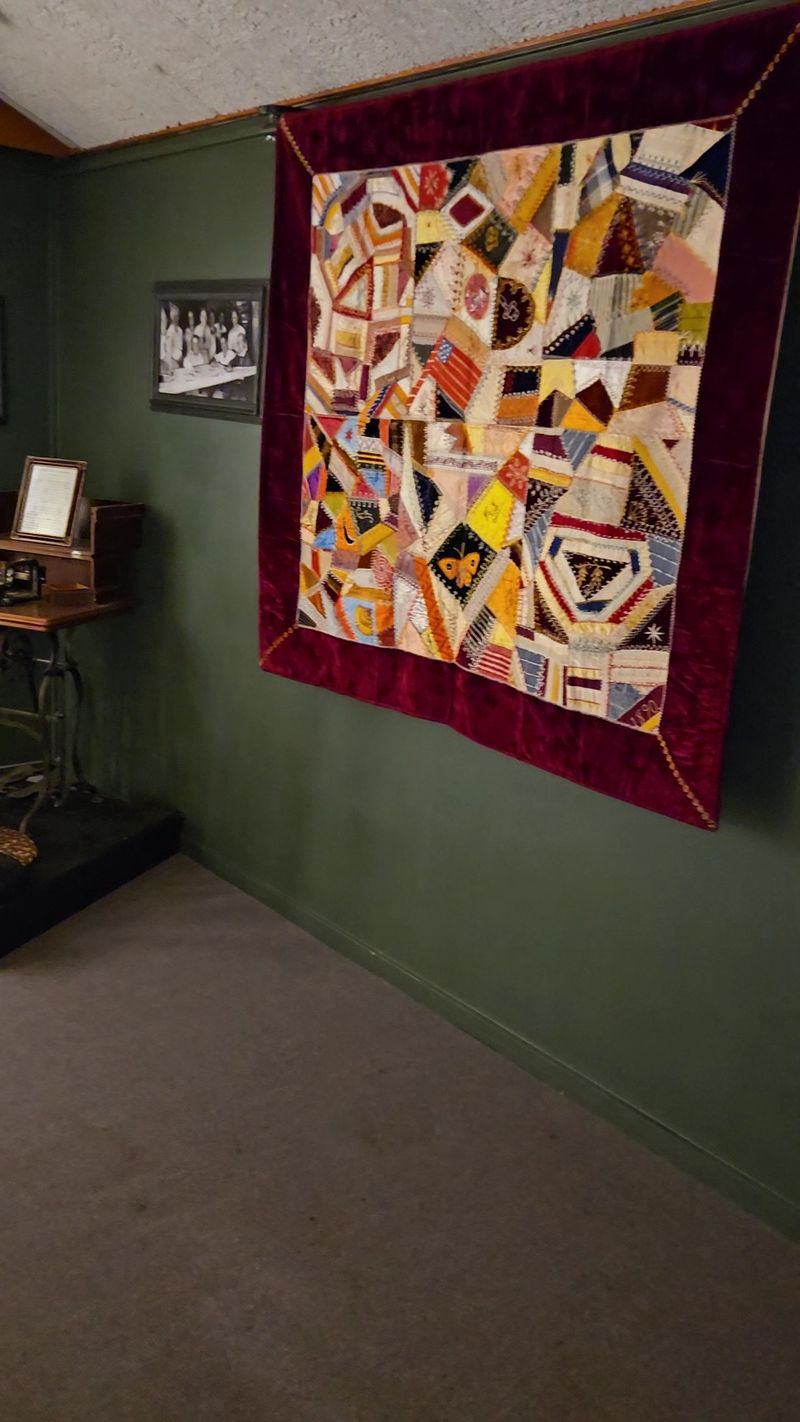
Pioneer quilts add a softer note to all the heavy machinery. They show the everyday craft behind hard work.
One guest said the displays made them admire a time that valued effort. You may leave with the same respect for those who built the county.
Remembering the Archie Creek Fire and the 1959 Explosion
Some rooms ask you to slow down and look. The exhibit on the 2020 Archie Creek Fire features photographs that visitors call mind blowing.
One guest found the wildfire room heartbreaking and incredible at once. It tells a recent chapter that many Oregonians lived through.
Downstairs, you will also find an exhibit on the 1959 Roseburg explosion, another moment that shaped the community.
These displays add depth to the museum’s cheerful side. They show that local history is not only about old tools, but also about resilience and neighbors.
Play Spaces for Young Explorers
Wiggles are welcome here. Kid friendly is the most mentioned topic among visitors, and the play areas show why.
Downstairs there is a Lincoln log station and a kids archaeology dig. Guests also mention indoor and outdoor play areas and a kids zone.
One visitor without children still loved the idea of wiggle approved spaces helping younger learners. Interactive exhibits mean small hands get to do more than hold a parent’s.
Parents can relax a little too. Visitors describe the museum as clean, affordable, and well maintained.
The Nostalgic Gift Shop
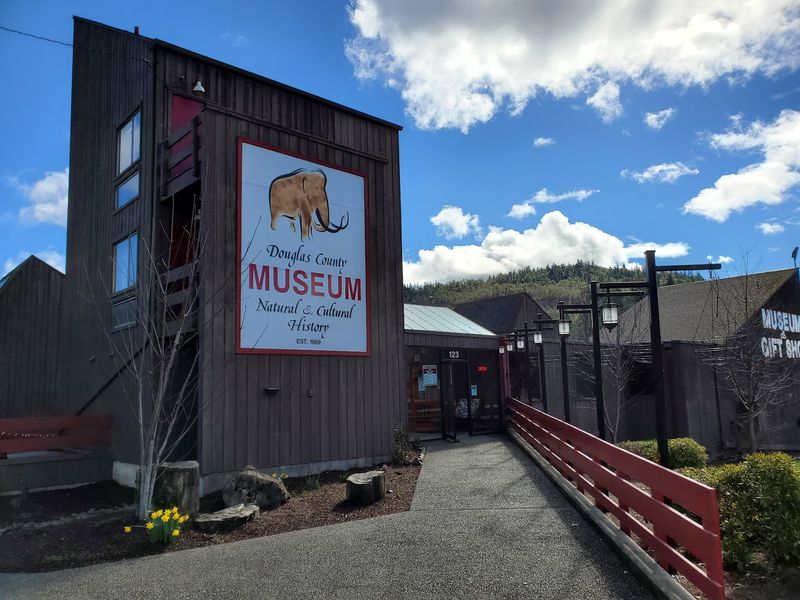
Trinket lovers, take note. The gift shop sits near the front door, and one guest admits they first stopped in just for it.
Visitors call it nice and nostalgic, with drinks and snacks available as well. Another guest wished for more items from local artists, so it is worth knowing what to expect.
Near the entrance you will also spot an antique scale. Read the signs carefully and ask staff how to use it respectfully.
Small souvenirs make a sweet reminder of the visit, especially if you are buying for young explorers back home.
Stairs, Slopes, and Accessibility Notes
Plan ahead and the visit goes smoothly. The museum has a downstairs level, but visitors note there is no elevator.
Guests with mobility needs or strollers can go outside and around the side of the building through a gate. That route involves a hill, so allow extra time.
One visitor pointed out that no marked disabled parking sits at the lower entrance. That may matter if the lot is busy.
Accessible restrooms are on the lower level too. A quick call to the museum before you go can help you map out the best route.
Who Will Love It Most
Families top the list, but they are far from alone. Visitors include history fans, solo wanderers, and people tracing family roots.
The atmosphere is relaxed, and guests say you can explore at your own pace and stay as long as you like. A self-guided map helps you chart your route.
Teachers and parents may like it as a companion to Oregon state history lessons. One visitor believes every child should come while studying it.
Quiet days feel especially calm, so consider an off-peak weekday when the galleries are yours to enjoy.
Hours, Prices, and Planning Your Time
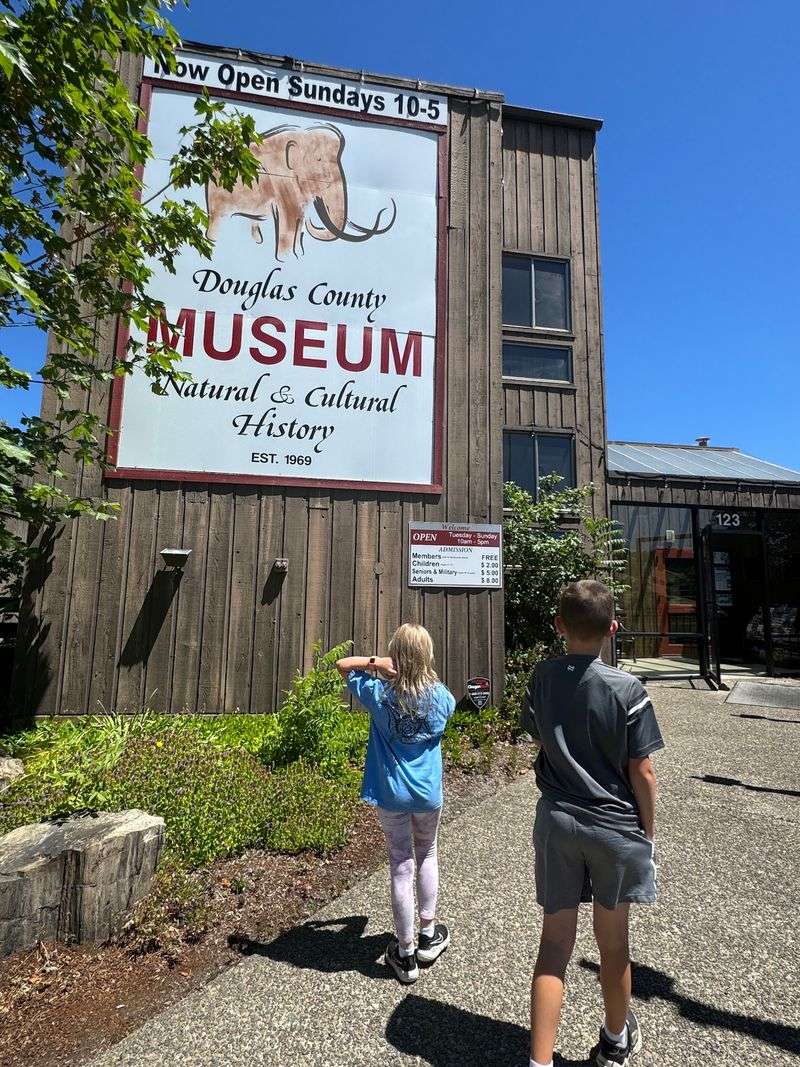
The museum opens daily from 10 am to 5 pm, Sundays included. That makes it easy to fit into almost any itinerary.
Visitors report admission at $8 for adults, $2 for ages 4 to 17, and free for ages 0 to 4. Prices may change, so confirm before you go.
One guest suggests arriving before 2 pm to enjoy everything, since two hours can fly by. Others finished in about an hour.
One recent visitor found the water off and restrooms unavailable on their trip, so a quick call to 541-957-7007 can help.
A Soft Verdict for Curious Oregonians
Visitors rate this place highly, and the reasons are easy to spot. It is affordable, hands-on, and full of real objects from Oregon’s past.
Not everything is perfect. A few guests mention staff interactions or limited local souvenirs, but most leave happy and surprised.
Fall and winter offer a cozy reason to duck indoors while crowds thin elsewhere. Any season works if you want a break from the highway.
Next time you pass Roseburg, take the exit. You may leave planning a return trip with friends and family.
Share this story