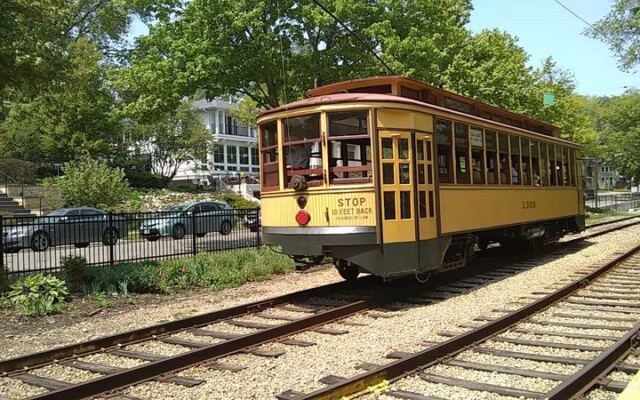
Some of the best surprises in Minnesota hide behind a small wooden station you could easily stroll right past. I went looking for a quick weekend outing and found a clanging, gleaming piece of history rolling between two lakes.
For the price of a snack, you can sit on polished benches, hear a real bell ring, and feel the city slow down to the pace of another century. Curious yet?
Climb aboard and see why this little ride sticks with people long after it ends.
A Lakeside Station in Southwest Minneapolis
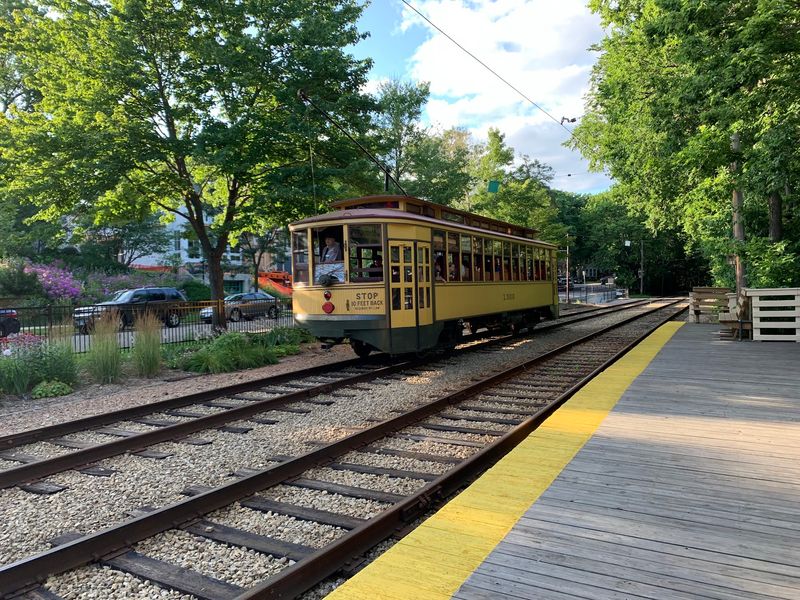
Tucked near the shores of Lake Harriet, at 2330 W 42nd St in Minneapolis, sits one of the most charming time machines in the state. The Minnesota Streetcar Museum runs the Como-Harriet Streetcar Line, a short stretch of track where restored trolleys still carry passengers.
Calling it a museum might make you think of glass cases and quiet hallways. Here, the main exhibit actually moves.
Visitors buy a ticket, step aboard a vintage car, and ride through a green corridor between Lake Harriet and the Linden Hills neighborhood toward Bde Maka Ska.
The station itself is small and cozy, with a gift shop and displays that explain how streetcars once shaped the city. It is the kind of place that rewards anyone who enjoys local history served with a side of fresh air.
Minneapolis has plenty of big attractions, but few feel this personal or this proudly homegrown.
Rails That Once Belonged to a Citywide Network
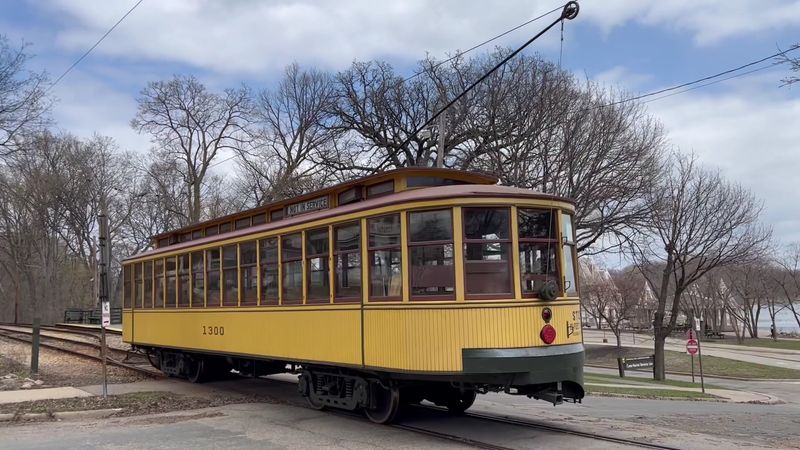
Long before traffic jams and parking ramps, Minneapolis moved on rails. Streetcars once crisscrossed the city, linking neighborhoods, lakes, and downtown in a web that defined daily life in the late 1800s and early 1900s.
The track used today was part of that original Minneapolis streetcar system. Riders who know their history often point out that you are rolling over the same route families once used for weekend trips to the lakes.
That connection gives the ride a weight that a modern replica simply could not match.
Eventually, cars and buses took over, and the old network faded away. Some visitors leave thinking about how different the city might look if those lines had survived.
Thanks to dedicated preservation work, at least one slice of the past still hums along, letting new generations feel what getting around town was like a century ago.
Brass, Wood, and a Gleaming Restoration
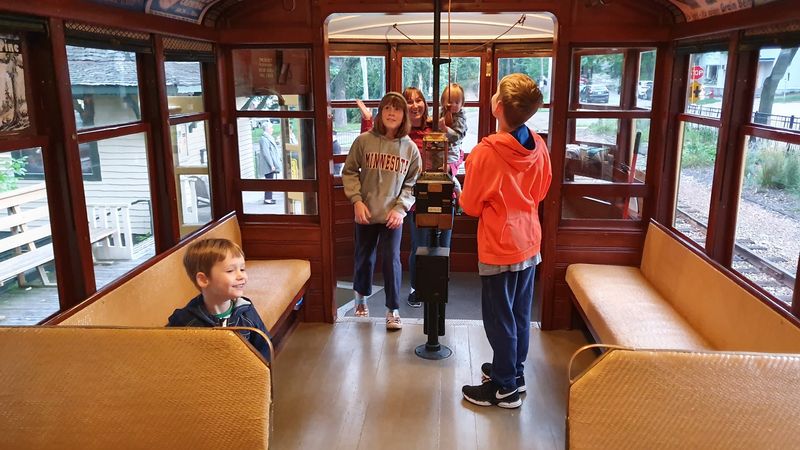
Run a hand along the woodwork and you will understand why people rave about the craftsmanship. The restored cars carry that warm, polished glow that only careful hands and countless hours can produce.
Visitors frequently describe the restoration as high quality and remarkably faithful to the originals. Brass details shine, benches feel sturdy, and the whole car looks as if it rolled out of the shop in its heyday.
On some days, the trolley in service is one that actually ran on this line back in the day.
Here is a fun bit of trivia for history buffs. The museum has kept several streetcars over the years, with at least one undergoing restoration at a time.
That means the collection keeps growing and improving. For anyone who loves old machines, seeing this level of care is a reward all on its own.
Scenery Between Two Famous Lakes
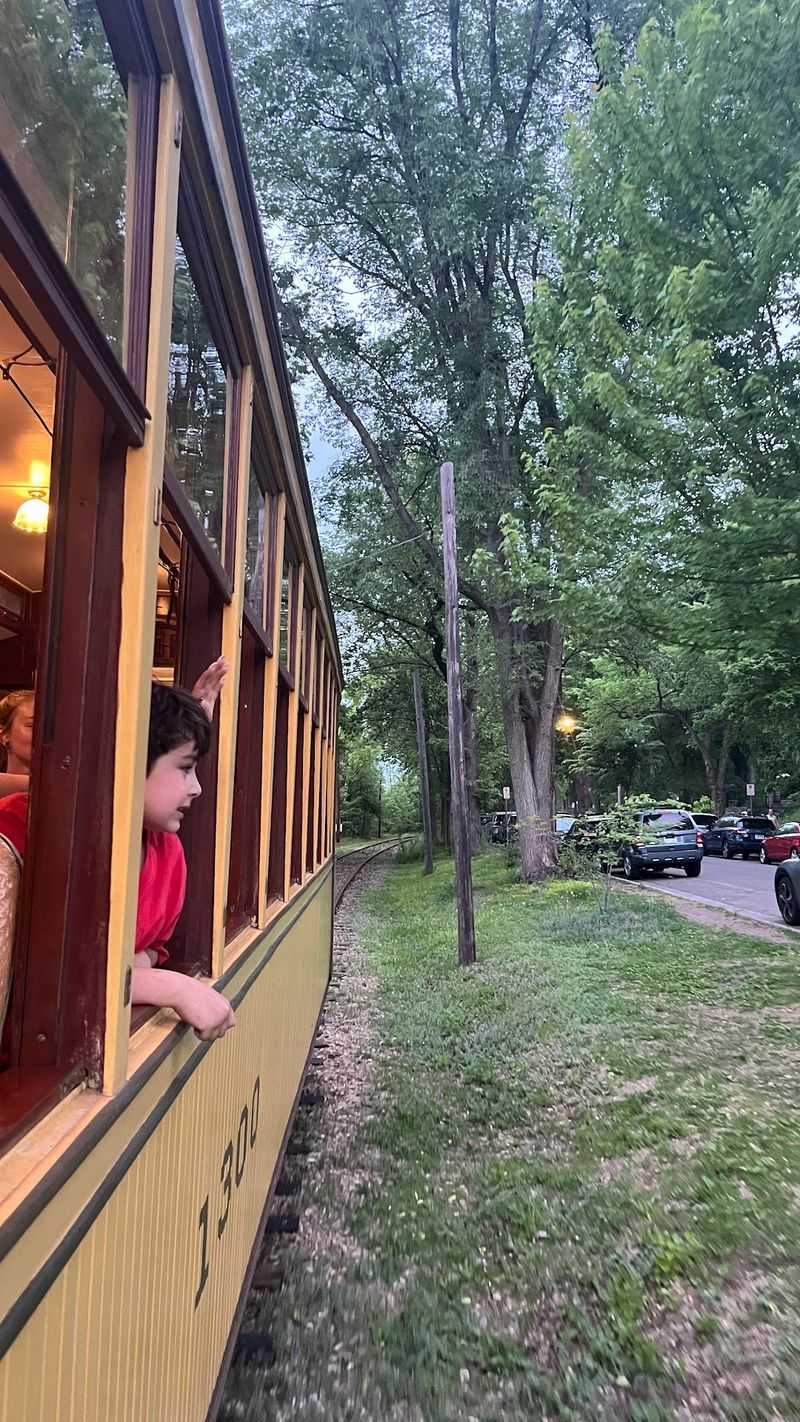
Green leaves brush past the windows almost as soon as the bell rings. The route winds through shady woods, past a peaceful cemetery, and offers glimpses of the lakes that make this corner of Minneapolis so beloved.
Views of the lakes come up again and again when people talk about the ride. Lake Harriet anchors one end, while the other end sits near Bde Maka Ska, once known as Lake Calhoun.
Between them, the scenery shifts from open water to tree tunnels and quiet neighborhood edges.
A sweet bonus is how friendly the trip feels. Walkers and cyclists along the way often wave, and riders tend to wave right back.
It turns a simple trolley ride into a rolling neighborhood greeting. For a few minutes, the city feels like a small town where everyone knows each other, and that is a very Minnesota kind of magic.
Volunteers Who Keep the Wheels Turning
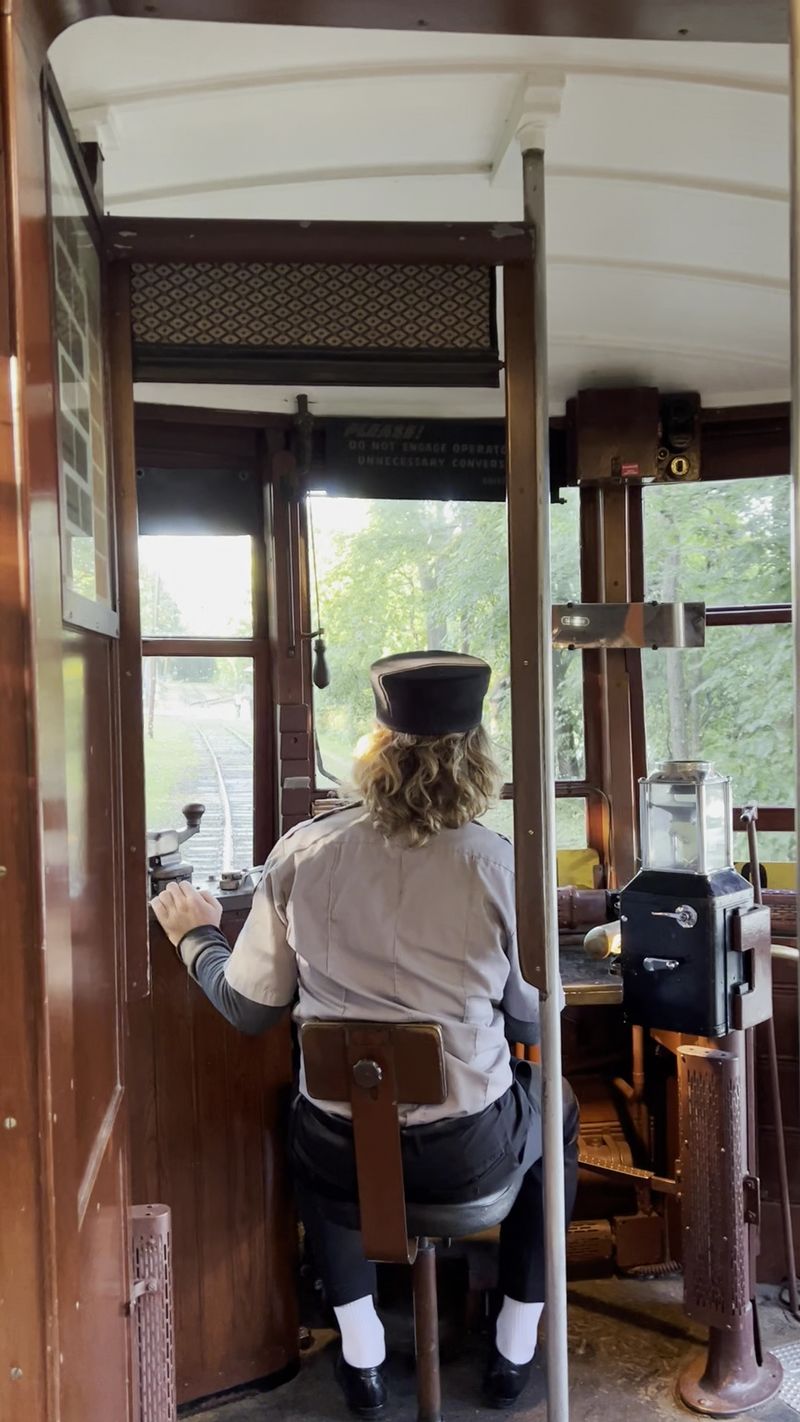
Every bell, every brake, every polished bench depends on people who show up because they love it. The Como-Harriet line is run entirely by volunteers, from motormen to building and grounds crews to the folks who maintain the track.
Guests consistently describe the team as kind, informative, and genuinely passionate. Conductors share stories about Minneapolis streetcar history during the ride, turning a short trip into a mini lesson that never feels like school.
Questions are welcome, and the answers usually come with a smile.
Keeping a century-old system running is no small task. Track repairs, car restoration, and daily operations all take serious effort, yet the crew makes it look easy.
Many regulars say the volunteers are the true heart of the place. Their enthusiasm is contagious, and it explains why so many riders leave feeling like they just met neighbors rather than staff.
Short Ride, Big Charm
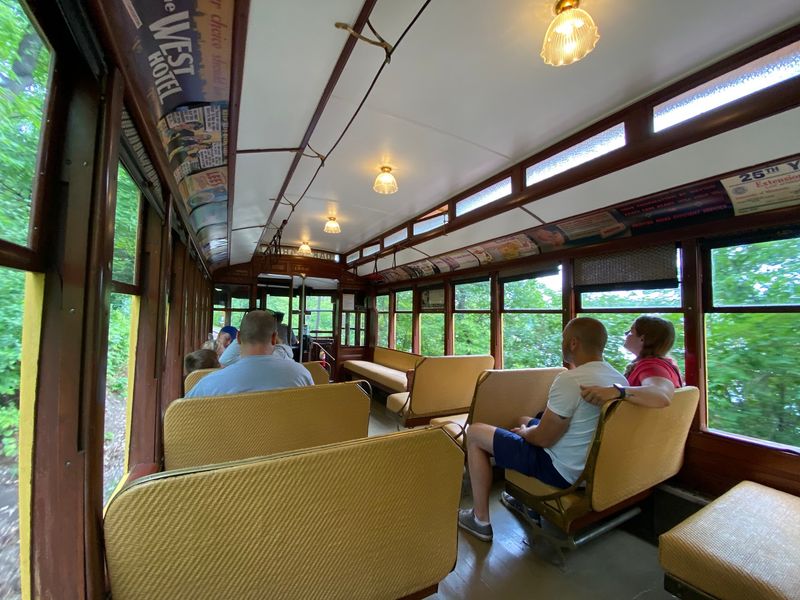
Got half an hour? That is often all you need.
The round trip typically takes around 15 to 20 minutes, with roughly seven minutes heading one way and a bit less coming back.
The line covers about a mile of track. Riders travel out, hear a brief history talk, and then the car heads back to the station.
Some visitors wish the track were longer, which says a lot about how much fun the ride turns out to be.
One handy detail is that there is no rigid timetable. Cars usually leave every 15 to 20 minutes, so missing one is no big deal.
Pairing the ride with a peek around the station museum makes a tidy outing of about 30 minutes. It fits neatly into a lake walk, a picnic, or any lazy weekend afternoon without eating up the whole day.
A Kid-Approved Adventure
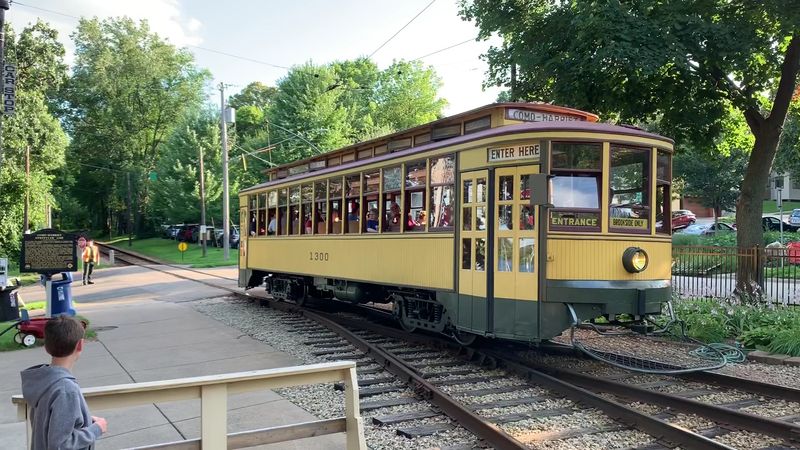
Ask any little rider what the best part was, and the answer might be the horn. Families mention that kids sometimes get the chance to toot it, which instantly makes the trip legendary in young eyes.
Parents appreciate that the ride is simple, slow paced, and short enough for wiggly attention spans. Being family friendly is one of the most common themes people bring up, and visitors describe the outing as fun for all ages.
Some families have even celebrated birthdays with a streetcar ride.
One fan remembered visiting with grandparents every other weekend as a child, even dressing up as the conductor. Returning years later, everything felt wonderfully the same.
That kind of multi-generational memory is what makes this spot special. Fair warning, though.
Some kids may beg for a second ride, so planning ahead for an extra ticket could save a few pleading faces.
Linden Hills Stop and Sweet Detours
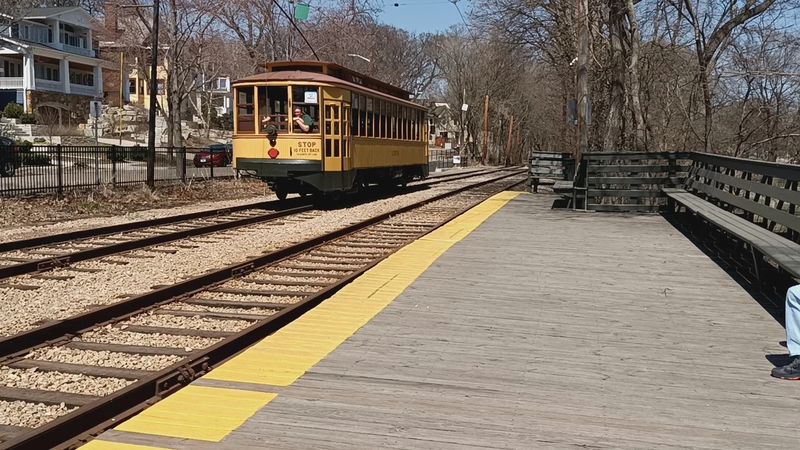
Here is a clever trick some families use. Instead of riding straight out and back, they hop off near Linden Hills, explore a bit, then catch a later car to return.
One family started near Bde Maka Ska, stepped off in Linden Hills, walked over to grab ice cream at Sebastian Joe’s, and then reboarded for the ride back. It turned a short trolley trip into a full neighborhood adventure, and both kids and adults loved it.
Not everyone realizes this is possible, and the standard trip simply heads out and returns with a short history story along the way. Asking the volunteers about getting off may help you plan a stop.
Either way, the surrounding area of Lake Harriet and Linden Hills makes a lovely place to stretch your legs. A sweet treat after a century-old ride feels just right.
Gift Shop Treasures and Station Displays
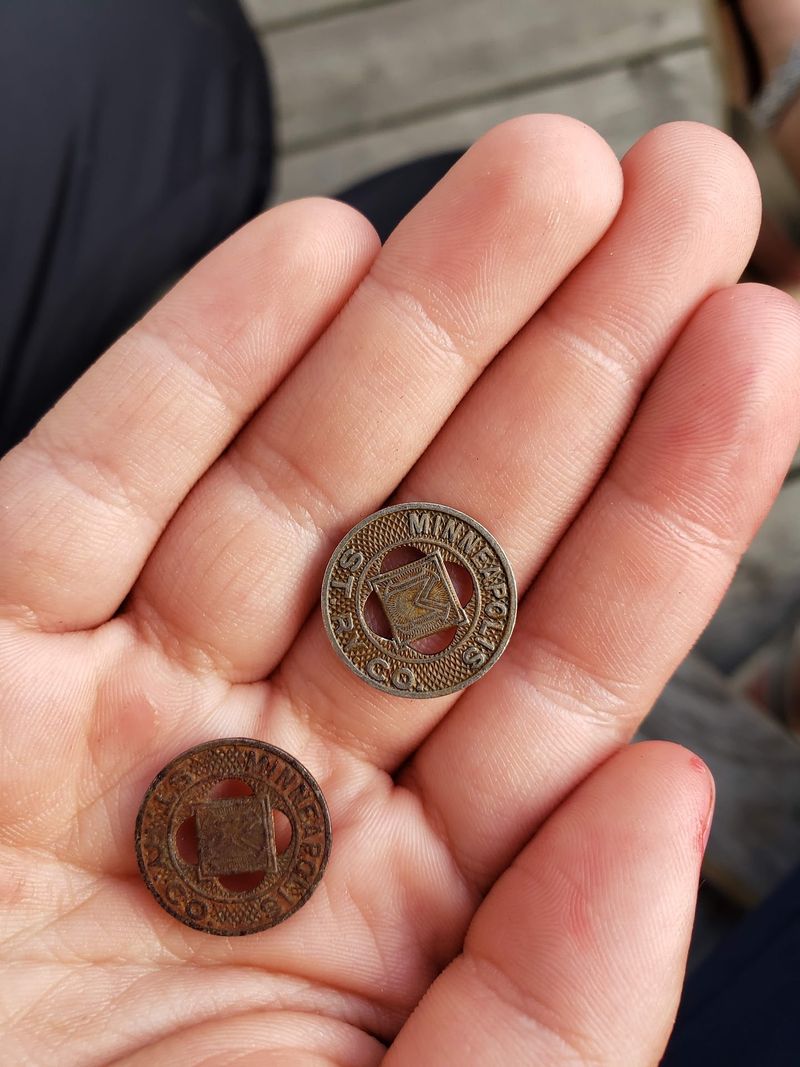
Souvenir hunters, take note. The station houses a cute little gift shop stocked with trolley-themed merchandise and keepsakes.
Beyond the shelves, visitors find extra information about the streetcars and their place in Minneapolis history. The museum portion is small but well loved, giving riders a quick dose of background before or after their trip.
Many folks enjoy browsing while waiting for the next car to pull in.
Some lucky guests have even gotten a peek at the car barns, where the streetcars are stored and restored. Such tours appear to be occasional rather than guaranteed, so treat it as a happy surprise if it happens.
Still, the station alone offers plenty to enjoy. Picking up a little souvenir is a nice way to support the volunteer effort, too, helping keep these beloved cars gliding along for future riders.
Weekend Hours and Wallet-Friendly Fares
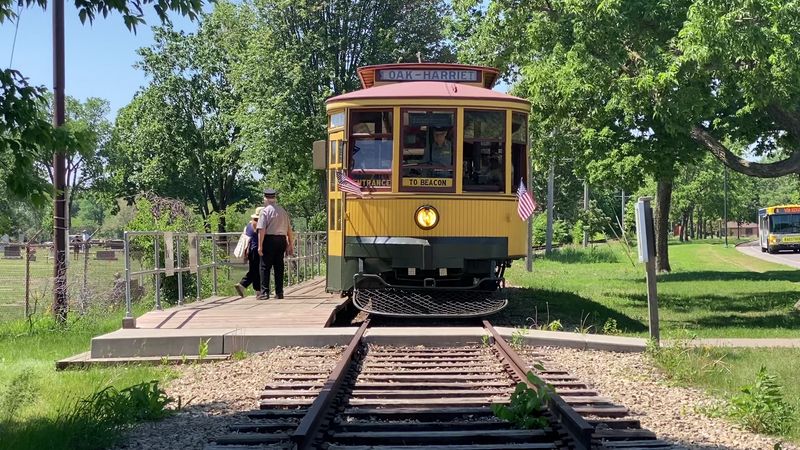
Good news for budget-minded families. A round trip ride has typically cost around $3 per person, and visitors call it one of the best deals in town.
Paying is simple, though there is one key detail. Recent visitors report that cash is not accepted, so bring a card.
Fares for kids may be lower, and very young children have sometimes ridden free, but checking the official website at trolleyride.org before visiting is a smart move.
Current listed hours show the line operating Saturday and Sunday from 1 to 7 pm, with weekdays closed. Schedules can shift with the seasons, so confirming ahead of time helps avoid disappointment.
Compared to pricey big-city attractions, finding real history, lake views, and friendly volunteers for a few dollars feels like a true Minnesota win.
Parking, Access, and Getting There
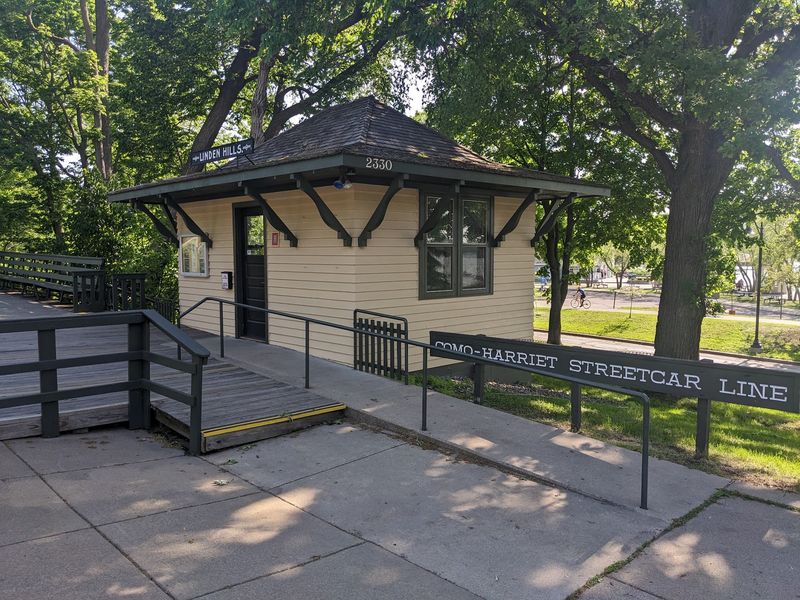
Finding the station is easier than many expect. Visitors recommend parking near the Lake Harriet Bandshell, which sits close by and makes for a short, pleasant walk to the trolley.
Accessibility is worth planning around. The station museum is wheelchair accessible, but the streetcar itself is not, according to recent visitors.
Families with strollers or guests with mobility needs may want to keep that in mind when deciding how to spend their time.
Since the station sits right in the Lake Harriet area, it pairs nicely with other outings. A walk around the lake, a picnic on the grass, or a stop at the bandshell can round out the day.
From anywhere in the Twin Cities, the drive is quick, and for folks coming from farther across the state, the lakes make the trip feel like a mini getaway.
Why the Ride Deserves a Spot on Your List
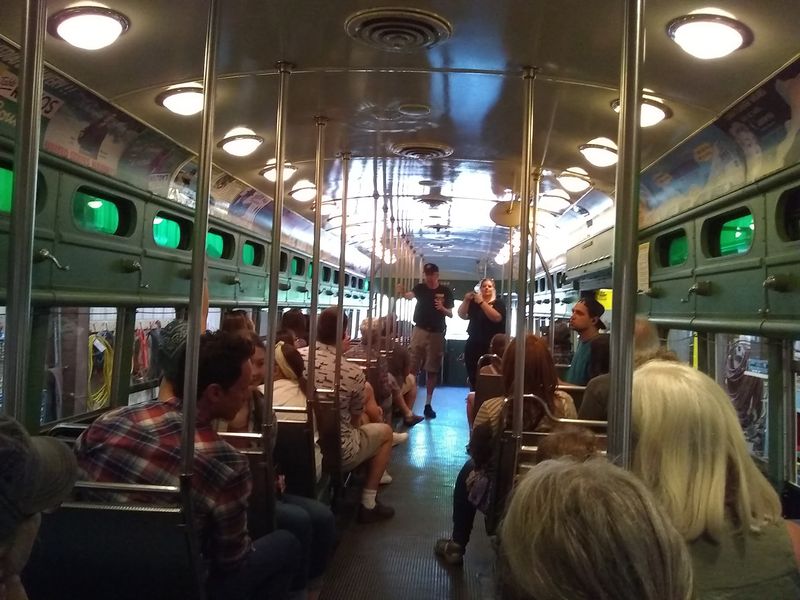
Few outings pack so much heart into such a short trip. Between the clang of the bell, the creak of wooden benches, and the green blur outside the windows, the Como-Harriet line delivers a genuine taste of old Minneapolis.
Value shines here, with a low fare and an experience that feels far richer than the price. Families find it easygoing and memorable, history lovers appreciate the authenticity, and casual visitors simply enjoy the scenery and friendly crew.
Is it a full-day adventure? Not quite.
Yet that is part of the appeal, since it slides easily into a lakeside weekend without any fuss. Proof that Minnesota treasures do not need flashy marketing, this volunteer-powered gem keeps a century of stories rolling.
Tag a friend, plan a Saturday or Sunday afternoon, and let a little streetcar remind you how sweet slowing down can be.
Share this story