Love stories that broke the rules have shaped kingdoms, laws, and families. Some couples faced royal anger, social shame, or even violence for following their hearts.
Others changed history without meaning to. Here are twelve real romances that were once considered off limits, and what happened to the people involved.
1. Peter Abelard and Héloïse d’Argenteuil
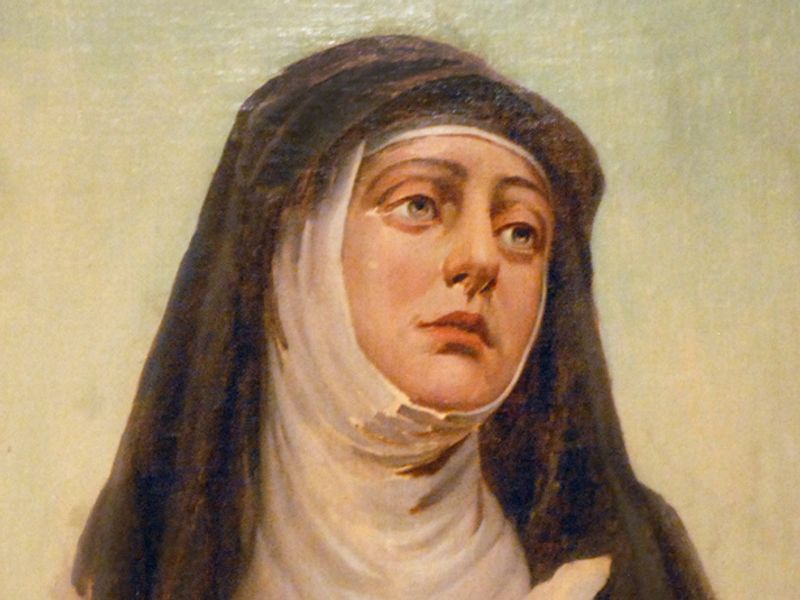
Few teacher and student pairs have become as famous as this one. In Paris in the early 1100s, the philosopher Peter Abelard was hired to tutor Héloïse, a brilliant young woman living with her uncle Fulbert.
Lessons soon turned into love.
The two married in secret, hoping to protect Abelard’s career. Fulbert felt betrayed and believed the marriage was being hidden to shame his family.
He sent men to attack Abelard, who was badly injured.
Afterward, Abelard became a monk and Héloïse entered a convent. They never lived together again, yet they kept writing letters for years.
Those letters, still read today, show deep intelligence, honesty, and sorrow. Their story reminds us that ideas and feelings can survive even when people are forced apart by powerful family members and strict church rules in a medieval world.
2. Pedro I of Portugal and Inês de Castro
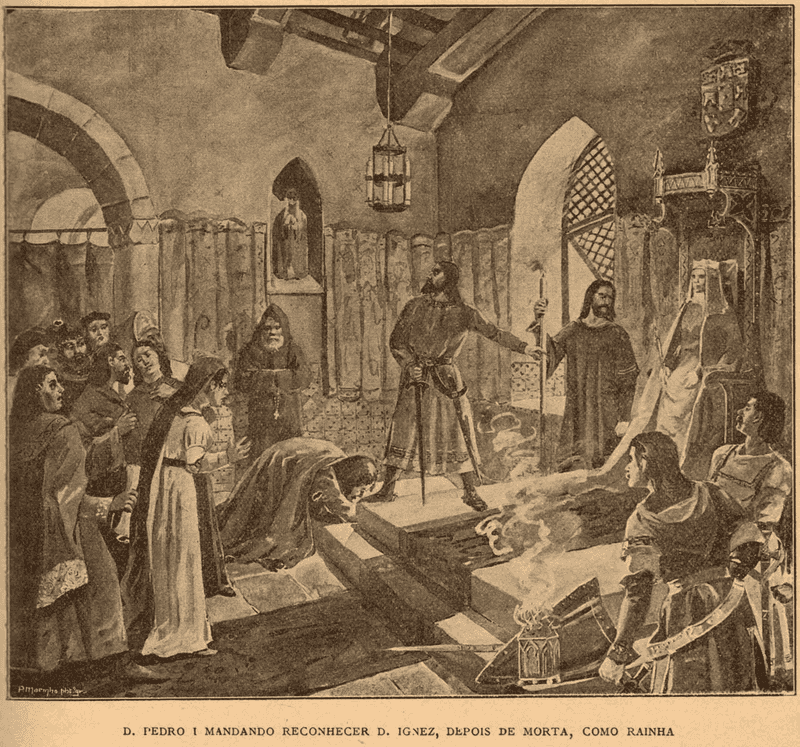
A crown placed on a dead queen is one of the strangest scenes in Portuguese history. Prince Pedro loved Inês de Castro, a noblewoman from Galicia, even though his father, King Afonso IV, wanted him to stay away from her.
The king feared her family’s growing influence in Portugal.
In 1355, Inês was killed on the king’s orders while Pedro was away. The prince was furious and rebelled against his father for a time.
After Pedro became king in 1357, he punished those responsible. Tradition says he also declared that he had secretly married Inês, and he honored her as queen after death.
Their matching tombs at Alcobaça Monastery still face each other, and visitors can see them today. The tale remains one of the best known tragic romances in Europe.
3. Edward VIII and Wallis Simpson
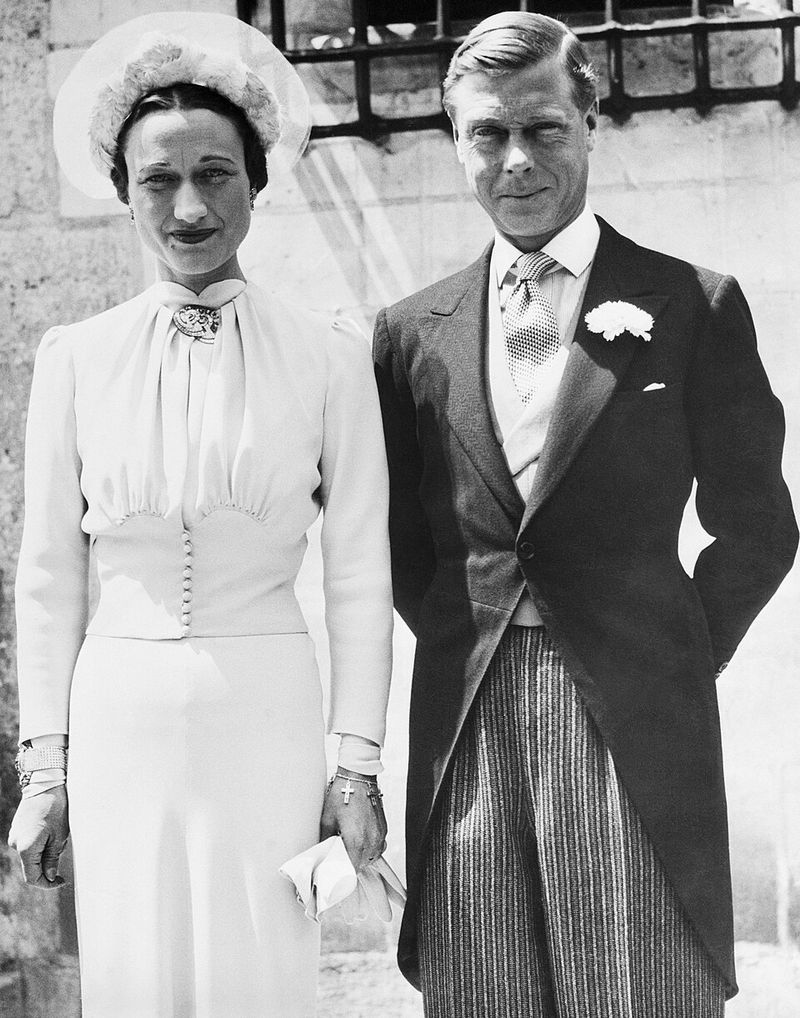
On December 11, 1936, a king explained to his people that he could not carry his duties without the woman he loved. Edward VIII had been on the throne for less than a year.
He wanted to marry Wallis Simpson, an American who had been divorced twice.
Government leaders and the Church of England objected. At that time, the church did not accept remarriage after divorce while a former spouse was alive, and the king led the church.
Edward chose to abdicate, and his brother became King George VI. Edward became the Duke of Windsor and married Wallis in 1937 in France.
The decision shook the monarchy and still serves as a major example of how personal choices can collide with public duty for those born into royal life.
4. Archduke Franz Ferdinand and Sophie Chotek
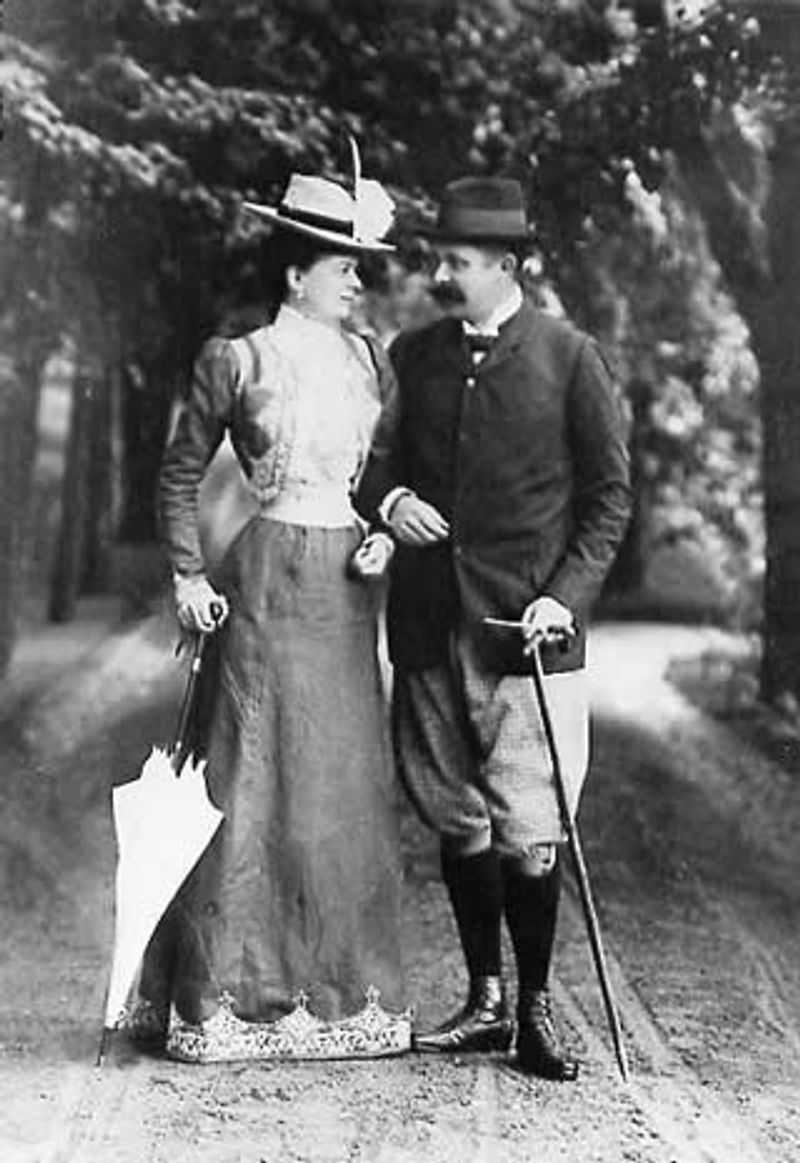
Love was not supposed to outrank rank in the Habsburg court. Franz Ferdinand, heir to the Austro-Hungarian throne, fell for Sophie Chotek, a Bohemian countess who was considered too low in status for him.
Emperor Franz Joseph resisted the match for years.
In 1900, the emperor agreed to a morganatic marriage. Under that rule, Sophie could not share his royal titles, and their children could not inherit the throne.
The couple still built a close family life. Sophie was often left out of official ceremonies, but she was allowed to travel beside her husband on certain trips.
In 1914, they visited Sarajevo, where both were assassinated, an event that helped start World War I. Their marriage stayed devoted until the end of their lives.
5. Richard Wagner and Cosima von Bülow
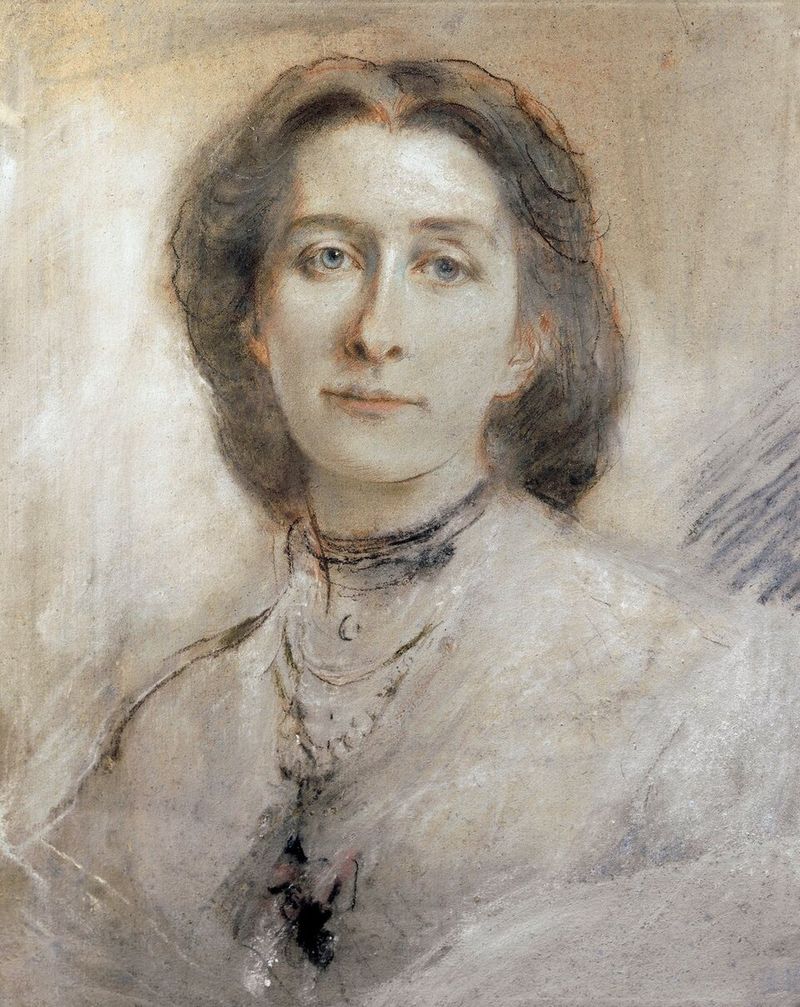
Music brought them together, but gossip followed them everywhere. Cosima was the daughter of composer Franz Liszt and the wife of conductor Hans von Bülow, a loyal supporter of Richard Wagner’s work.
In the 1860s, she and Wagner grew close.
Their affair became known as Cosima had children with Wagner while still legally married. Hans eventually agreed to a divorce, though the situation caused hurt and public talk in the music world.
Cosima and Wagner married in 1870. She then became his devoted partner, helping with his writing, business matters, and the creation of the Bayreuth Festival.
After his death in 1883, she directed the festival for many years. Few relationships mixed art and scandal so tightly.
6. Henry VIII and Anne Boleyn
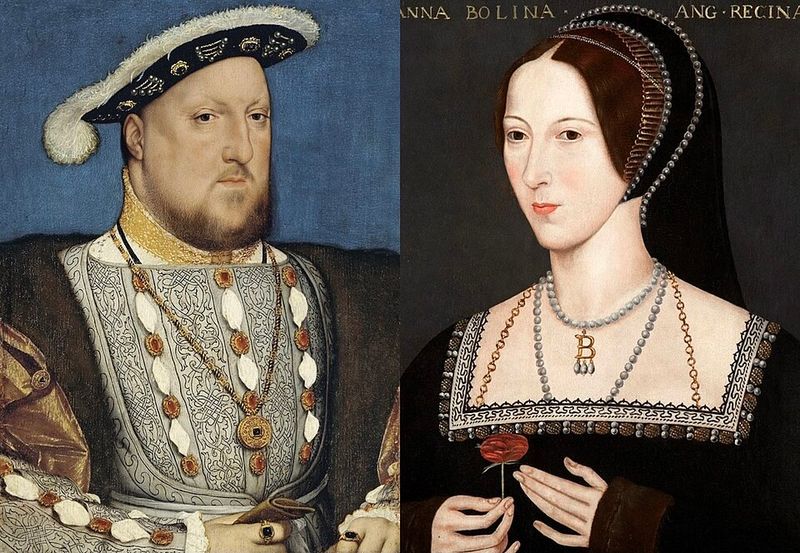
Few love affairs changed a country’s religion, but this one did. By the late 1520s, Henry VIII wanted to end his marriage to Catherine of Aragon and marry Anne Boleyn, a lady at court.
The Pope refused to approve an annulment.
Henry’s answer was bold. He broke from Rome, and Parliament later made him head of the Church of England.
Henry and Anne married in 1533, and their daughter Elizabeth was born that September. Anne’s time as queen was short, though.
She was arrested on charges of adultery and treason in 1536 and executed. Many historians doubt the charges.
Her daughter would later rule as Elizabeth I, one of England’s most famous monarchs.
7. Napoleon Bonaparte and Marie Walewska
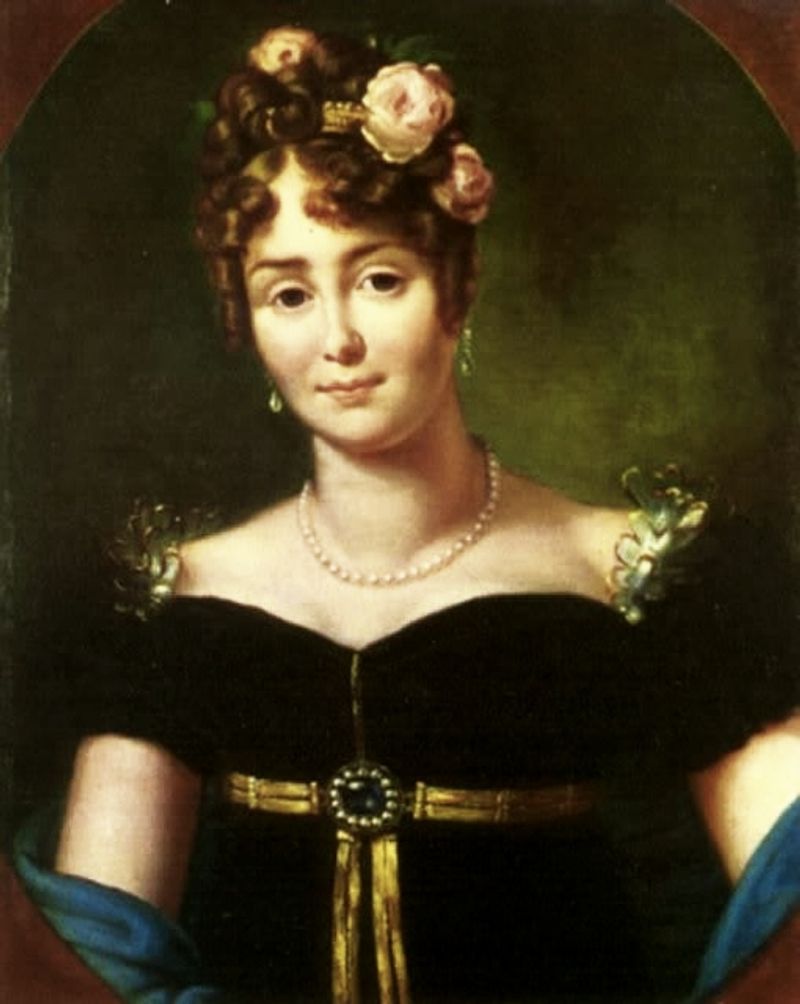
Winter 1807 found Napoleon in Poland, where many hoped he would help restore their nation. At a ball, he noticed Marie Walewska, a young Polish noblewoman married to a much older count.
He pursued her with letters and persistent invitations.
Polish leaders urged her to meet him, believing it might help their cause. Marie finally gave in, and a relationship began even though both were married.
She later followed him to Paris and gave birth to his son, Alexandre, in 1810. Napoleon looked after the boy’s future, and Marie remained loyal to him.
She even visited him in exile on Elba. Her story shows how personal feelings and political hopes were tangled together during the Napoleonic era.
8. Lord Byron and Lady Caroline Lamb
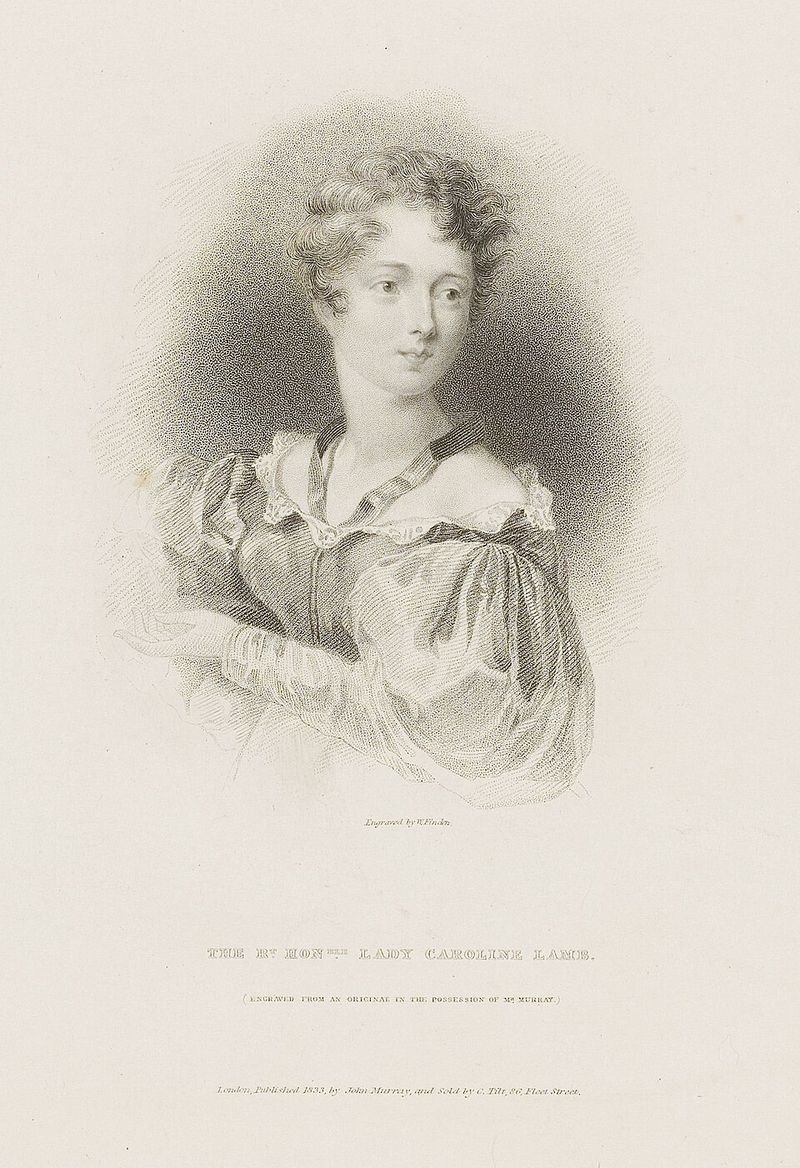
“Mad, bad, and dangerous to know” is the line Caroline Lamb wrote about Lord Byron after meeting him. At the time, he was the most talked-about poet in London.
She was married to William Lamb, who later became prime minister.
Their affair in 1812 was hard to hide. Caroline sent him gifts, visited him often, and even dressed as a page boy to see him.
When Byron ended things, she responded with dramatic acts that fed the gossip. She later wrote a novel, Glenarvon, that mocked high society and portrayed a character much like Byron.
It was a bestseller, but it also damaged her reputation. Their story became a lasting symbol of Regency scandal.
9. John of Gaunt and Katherine Swynford
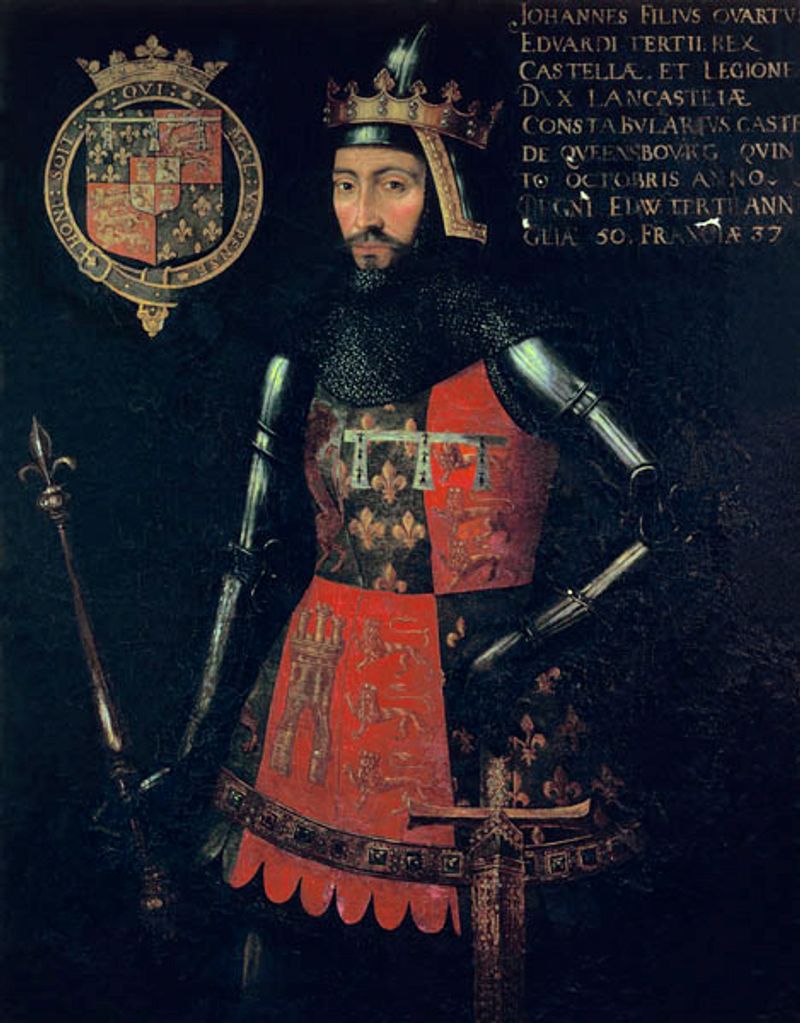
Some romances take decades to be accepted. John of Gaunt, a powerful duke and son of King Edward III, met Katherine Swynford while she served his household as a governess.
Over time, they grew close.
Their relationship began while John was married to Constance of Castile. Katherine had children by John, who were given the surname Beaufort.
After Constance died, John married Katherine in 1396. The Church and king later legitimized the Beaufort children, though they were barred from the throne in a later change.
Even so, their descendants mattered a great deal. Henry VII, the first Tudor king, traced his claim through the Beaufort line, so this long affair helped shape English royal history.
10. Mildred and Richard Loving
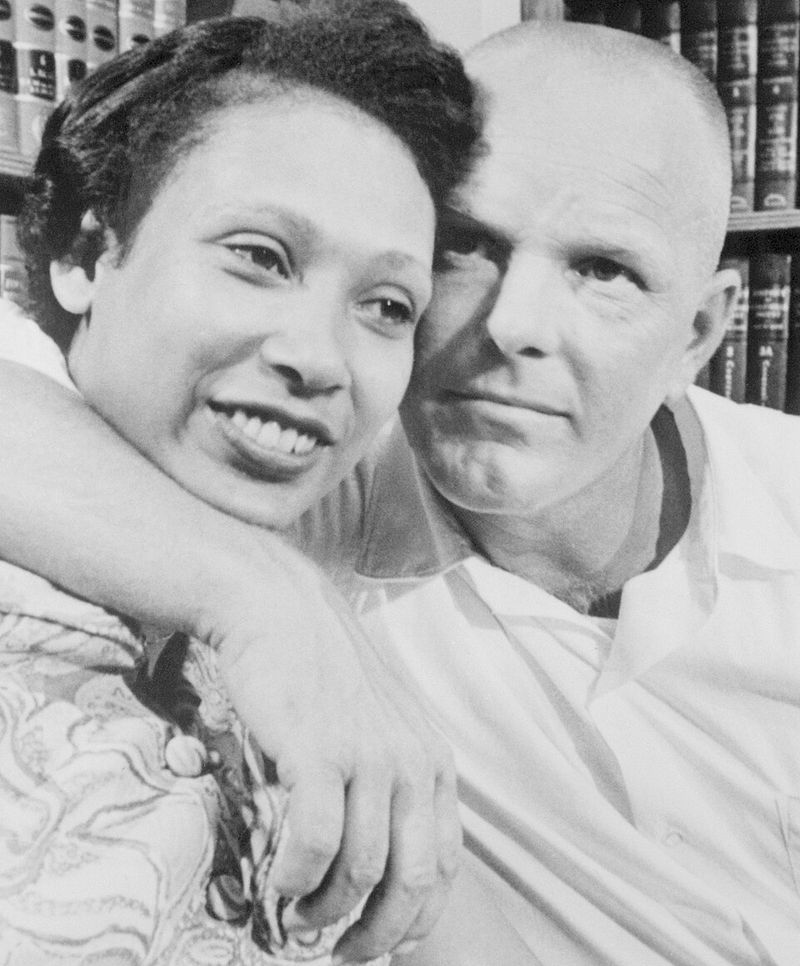
In 1958, Mildred Jeter and Richard Loving drove to Washington, D.C., to marry. They lived in Virginia, where a law banned marriages between white and Black people.
Weeks after returning home, police entered their bedroom in the night.
The couple pleaded guilty and were told to leave Virginia for 25 years or face jail. They moved away but wanted to come home to family.
With help from the ACLU, they took their case to the courts. In 1967, the U.S.
Supreme Court ruled in Loving v. Virginia that laws banning interracial marriage were unconstitutional.
The decision struck down such bans nationwide. Their simple wish to live together as husband and wife changed American law forever.
11. Louis XIV and Madame de Montespan
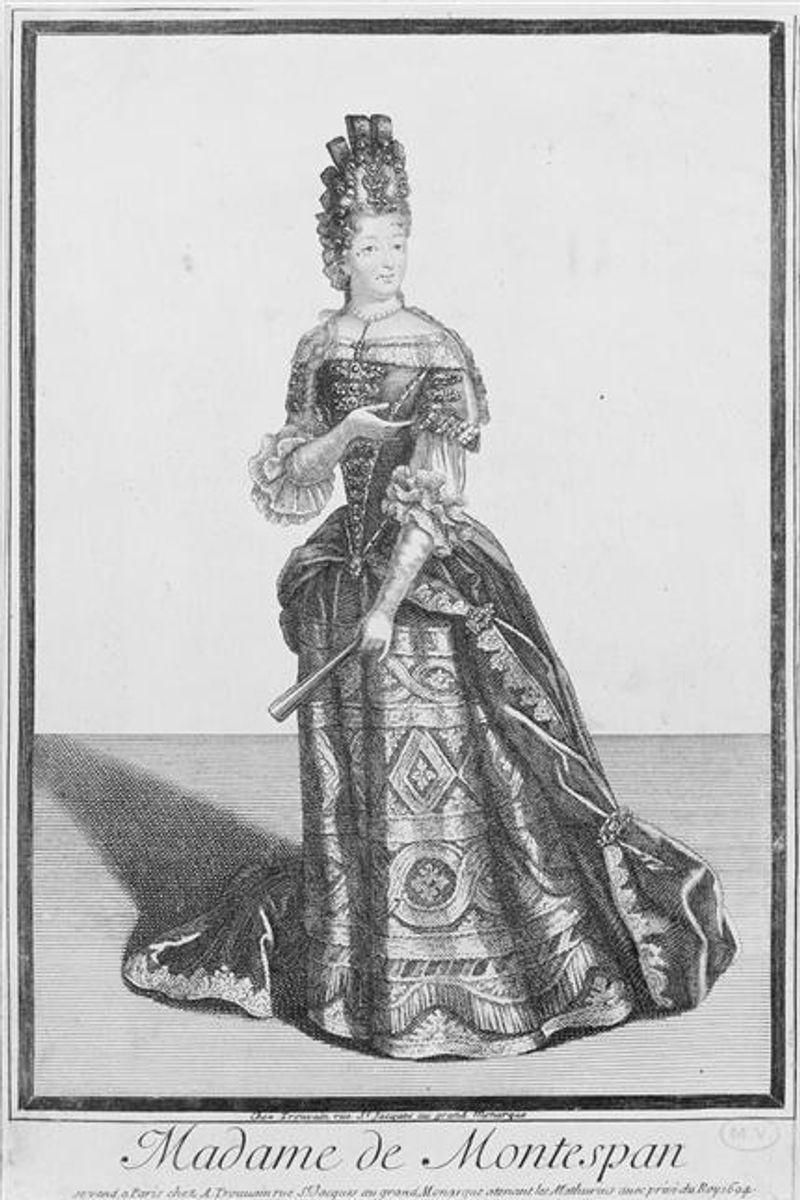
At Versailles, nothing stayed private for long. Louis XIV, the Sun King, began a relationship with Madame de Montespan in the late 1660s.
Both were married at the time, which made the affair a topic of whispers across court.
Françoise-Athénaïs, as she was also known, gained huge influence. She hosted lavish events and had several children with the king, who later legitimized them.
Her position weakened in the late 1670s as the king turned to other companions. Later, her name was linked to a poison scandal known as the Affair of the Poisons, though historians still debate how deeply she was involved.
She eventually left court. Her story shows how closely favor, power, and reputation were tied in royal France.
12. Prince Bertil of Sweden and Lilian Craig
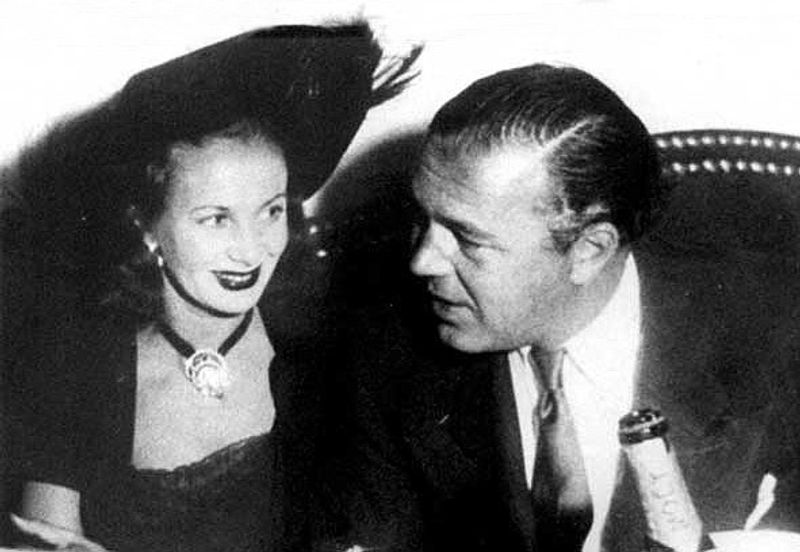
Patience defined this couple. Prince Bertil of Sweden met Lilian Craig, a Welsh-born former model, in London during the 1940s.
She was not of royal blood, and Bertil’s role in the royal family made marriage complicated.
For decades, they lived together quietly. Lilian was often kept out of official events, and she accepted a life without public recognition.
Things changed when Bertil’s nephew, King Carl XVI Gustaf, took the throne in 1973. The couple was finally able to marry on December 7, 1976, at Drottningholm Palace Church.
Lilian became Princess Lilian and was widely admired in Sweden. They stayed together until Bertil died in 1997, after a love story that lasted more than fifty years.
Share this story