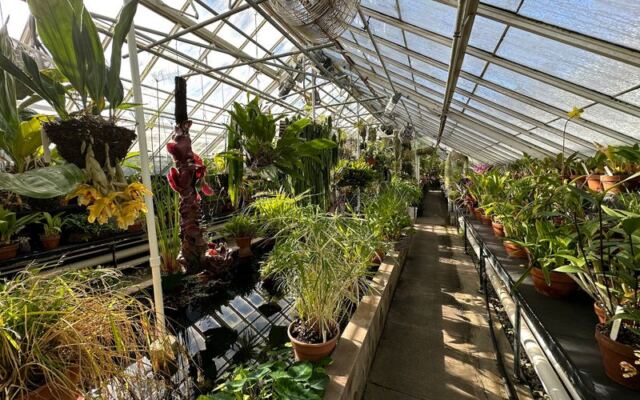
Some of the best finds in Massachusetts hide in plain sight, behind brick buildings and tree-lined college paths. Most people would never guess that a short stroll across a campus could lead to a room packed with cacti and a warm world of tropical leaves.
Entry costs nothing, though a small donation is welcome, and the doors open every single day of the week. Keep reading to learn where these greenhouses are, what grows inside, and how to plan an easy, budget-friendly visit.
A Campus Oasis on College Lane
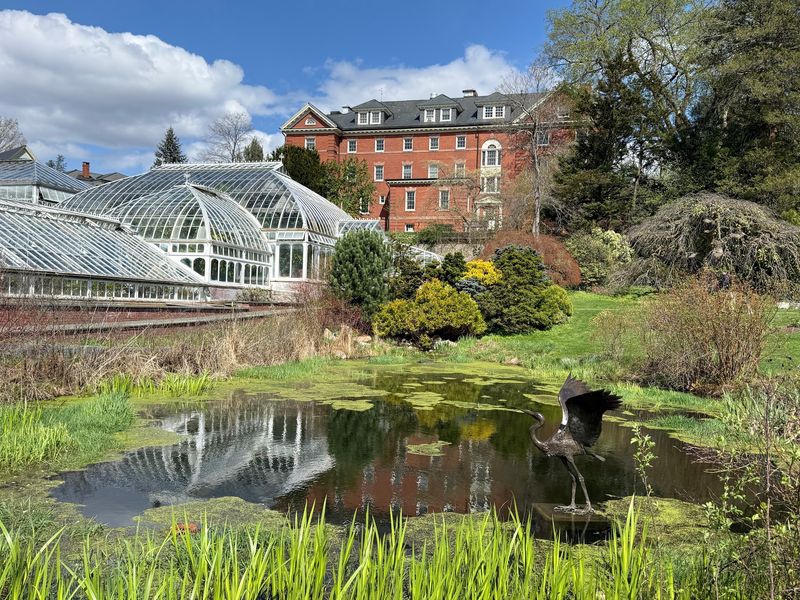
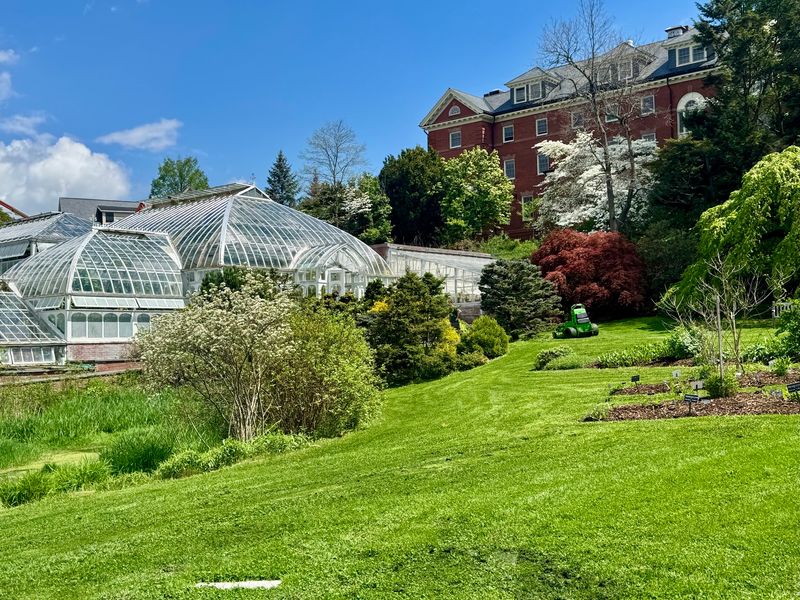
Few college campuses hand out a free trip to the tropics, yet that is exactly what happens at The Botanic Garden of Smith College. The address is 16 College Ln, Northampton, MA 01063, right in the heart of the Pioneer Valley in western Massachusetts.
The garden combines two worlds in one stop. Outside, native New England trees, shrubs, and herbs fill the grounds.
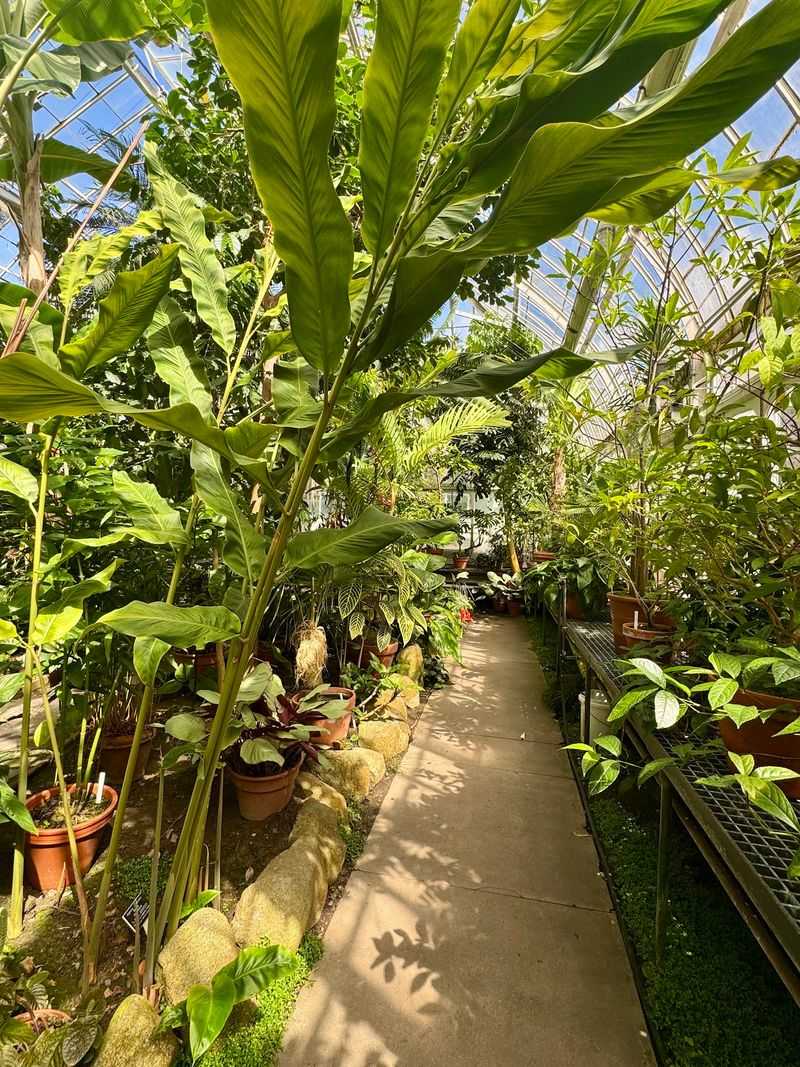
Inside, a conservatory and a series of greenhouses hold plants from far warmer corners of the planet.
Many locals call it a treasure for the greater Northampton community, and the free admission explains a big part of that affection. A suggested donation of about $2 per person helps support the collections, which feels like a fair trade for what waits inside.
Best of all, the setting sits close to downtown, so a visit can slide easily into a day of exploring shops and restaurants nearby.
Old Glass, Living Classroom
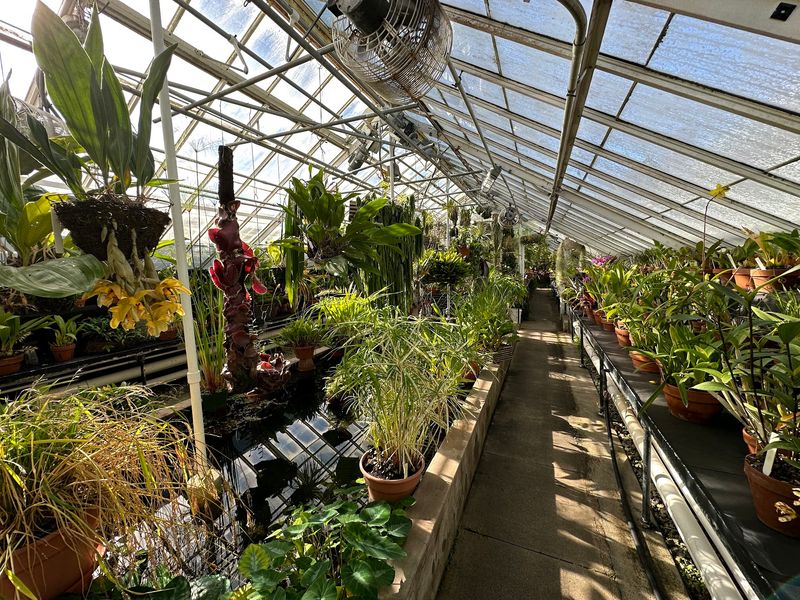
Old greenhouses carry a certain charm, and the set at Smith College has plenty of it. The structures are often described as a beautiful old collection of glass houses, paired with an outdoor landscape garden.
As part of a college, the garden doubles as a learning space. Plants are mostly tagged, so anyone can tell which species they are viewing without guesswork.
Curious minds get an extra bonus. QR codes are tucked around the collections, linking to fun facts that make the walk feel a bit like a scavenger hunt.
That mix of history and education gives the place a personality all its own. It is a working garden, a teaching tool, and a public retreat at the same time.
Many first-timers leave asking the same thing: how did they not know about this sooner? That reaction says a lot about how quietly the garden keeps its gifts.
The Cactus Room Steals the Show
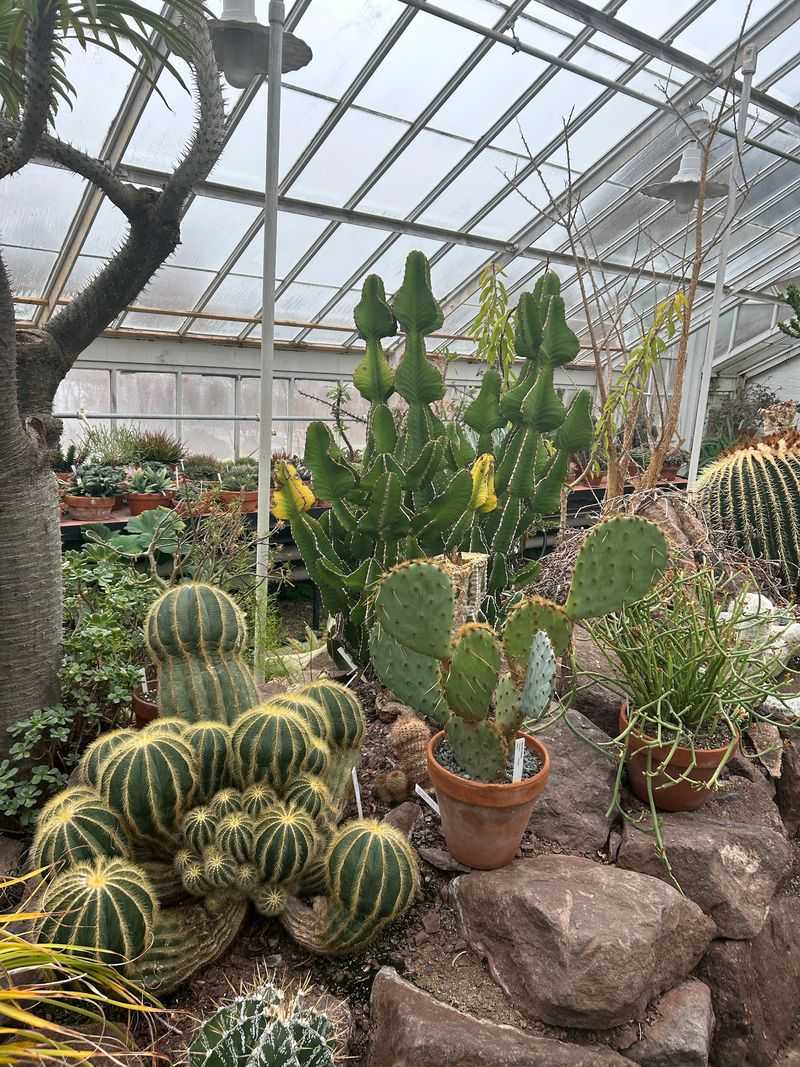
Prickly, strange, and endlessly varied, the cactus collection is one of the most talked-about spots in the whole garden.
A dedicated greenhouse holds cacti and succulents in so many forms that even longtime plant fans spot varieties they have never seen before. Some are tall and columnar, while others stay low and round.
Desert plants feel especially surprising in western Massachusetts, a region better known for maples and stone walls. That contrast is part of the fun.
Fans of succulents often linger here longer than planned. The room rewards slow looking, since small details are easy to miss on a quick pass.
It is also a great stop for home growers hunting for ideas. Seeing how these plants are arranged and labeled can spark plans for a sunny windowsill back home.
Just remember the golden rule of cactus country: admire with your eyes, not your fingertips.
Tropical Leaves and Orchid Corners
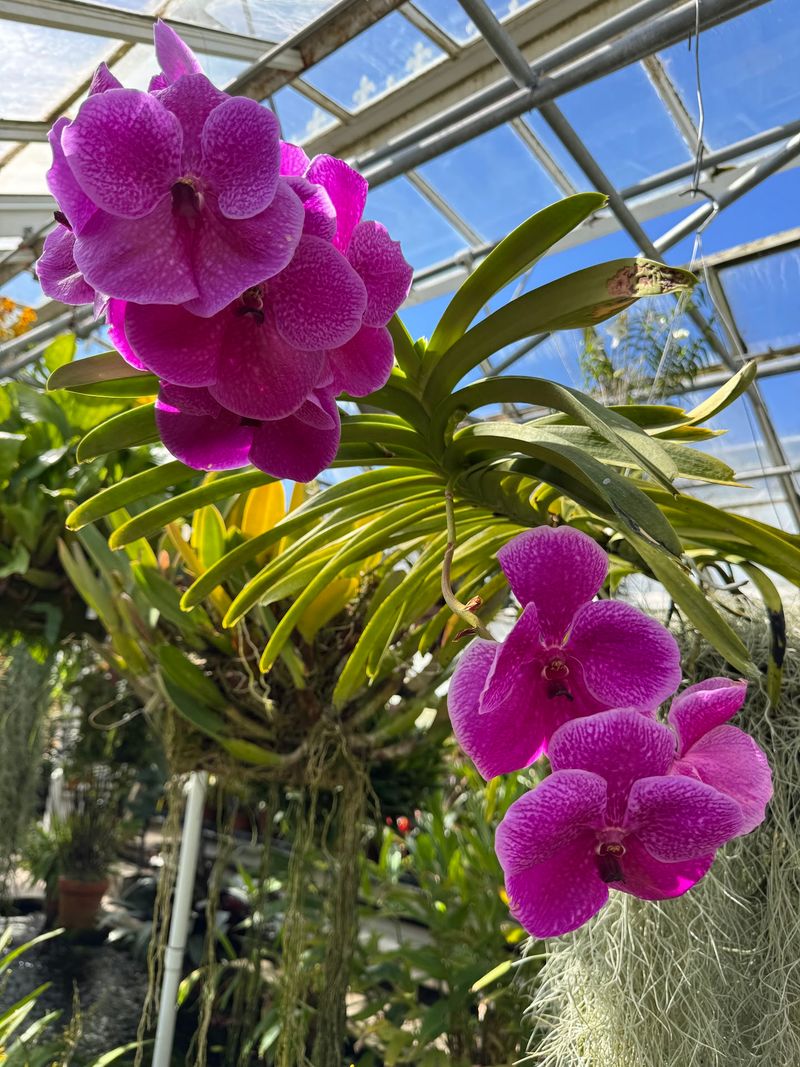
Houseplant lovers, brace yourselves. The tropical greenhouses here read like a wish list from a fancy plant shop.
Alocasia, maranta, philodendron, and anthurium all make appearances, along with a collection of orchids that earns its own room. The variety is big enough that some guests loop through twice and still find something new.
One delightful detail gets a lot of attention: plants growing under other plants. Tucked beneath tables and benches, smaller species thrive in spots most people would never think to look.
That is a humbling sight for anyone who has struggled to keep a fern alive at home.
The warm, humid rooms also make a strong case for visiting in the colder months. Many people treat these greenhouses as a free break from New England winter.
A camera helps, though plenty of guests insist that photos never quite capture how full and layered these rooms really are.
Spring Bulb Show Crowds
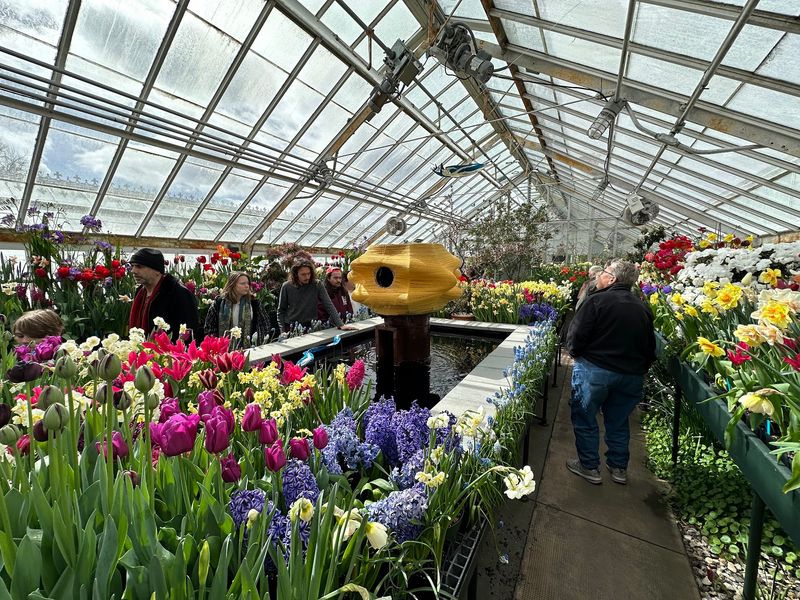
Each year, one event draws people from across New England: the spring bulb show.
Tulips and other bulbs burst into bloom inside the greenhouses, and folks travel from Rhode Island, Connecticut, and the Berkshires to see them. Camellias have also been spotted in full bloom during this season.
Popularity comes with a catch. Lines can form outside, with waits of around 20 minutes, and crowds may move slowly through the greenhouses in single file.
Staff keep things organized, and the line tends to move steadily. Arriving early is the most common piece of advice for avoiding the biggest rush.
Here is a local secret worth sharing, though. The permanent collections are just as impressive as the bulb display, and a visit before the show offers plenty to see with far less company.
Either way, few things chase off late-winter gloom quite like rows of fresh spring color.
Changing Displays Through the Year
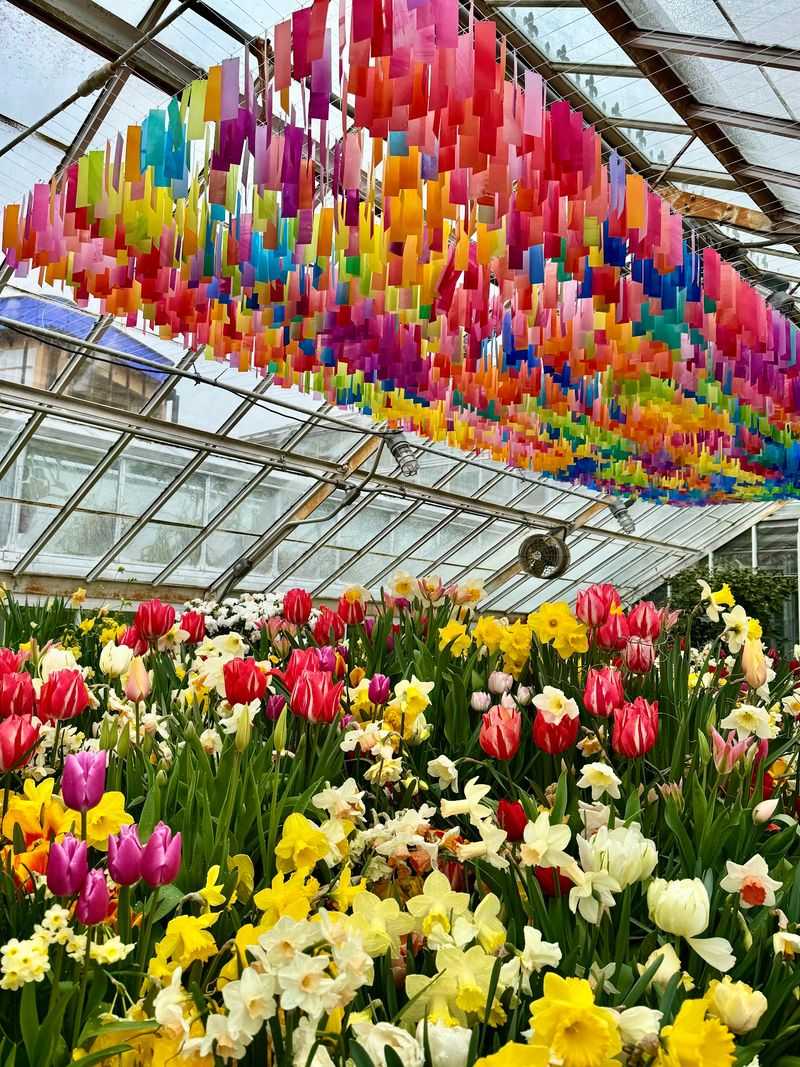
Repeat visits rarely feel repetitive here, because the displays shift with the seasons.
Chrysanthemums have made impressive appearances, while spring brings its famous wave of bulbs. Regulars mention finding something different every time they return.
Exhibits go beyond plants alone, too. One winter featured a display by local Indigenous communities and farms, adding a cultural layer to the visit.
Outdoors, the grounds change on their own schedule. Trees with labels dot the campus, and many people plan return trips for when the outdoor gardens begin to bloom.
Autumn makes a fine time to stop by as well. Pairing a greenhouse visit with a fall drive through the Pioneer Valley turns a simple errand into a full day out.
Checking the garden website before heading over is a smart move, since it can help match a visit with whatever is currently on display.
Room to Slow Down
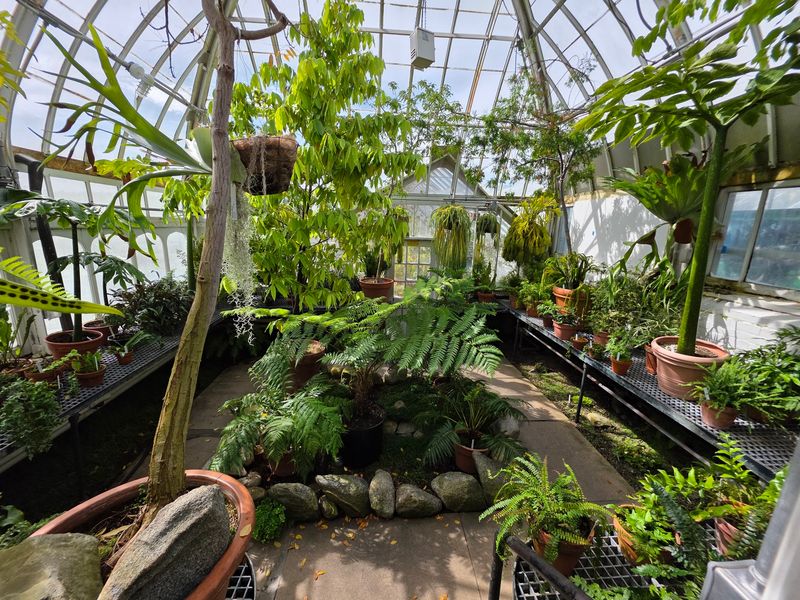
Quiet days at the garden have a relaxed rhythm that suits many kinds of visitors.
On less busy days, such as some holidays or school breaks, the greenhouses can feel calm and uncrowded. Plenty of spots invite people to sit, rest, or read for a while.
Families do well here too. The QR code facts keep kids engaged, and a little explorer backpack program has been offered to young guests.
Comfort details matter, and the garden covers the basics. Restrooms are available, and there is a place to hang a coat in the warm rooms.
A small selection of postcards is for sale, making for an easy keepsake.
Plant collectors, curious kids, students, and anyone craving warmth on a gray afternoon all seem to find something to enjoy. A couple of peaceful hours here can reset a hectic week without costing much at all.
Hours, Donations, and Parking Tips
Planning is refreshingly simple. The garden opens daily from 9 AM to 4 PM, Monday through Sunday.
Admission is free, with a suggested donation of $2 per person. Friendly staff at the reception desk can answer questions, and the greenhouses connect easily from that area.
Parking is the one tricky part. Street spots can be hard to find, and some guests end up walking up to 20 minutes across campus.
That walk has perks, since labeled trees line the paths along the way. Construction on campus has also required some extra maneuvering at times, so allow a little cushion.
A full tour of the greenhouses may take around 50 minutes, though plant fans can easily stretch that longer.
Because the indoor space is smaller than some expect, it pairs nicely with other plans in Northampton rather than serving as the only reason for a long drive.
Worth the Short Detour
Sometimes the best outings cost a couple of dollars and fit neatly into an afternoon. The Botanic Garden of Smith College is one of those rare finds.
Free greenhouses, a standout cactus room, orchids, and rich tropical collections add up to far more than most people expect from a college campus.
The spring bulb show draws big crowds, but the everyday collections hold their own all year. Quieter days offer the most room to wander.
For Massachusetts residents, the real reward is knowing this warm, green escape sits right in the Pioneer Valley. No plane ticket needed to see plants from places most people will never travel.
Combine it with a stroll downtown, a fall foliage drive, or a winter pick-me-up. Then tell a friend or two, because a spot this generous deserves a little local pride.
Just maybe save the best parking tips for yourself.
Share this story