I pulled over expecting a quick stretch of the legs and maybe a few old photos on a wall. What I found instead was a quiet brick building in Oklahoma that swallowed my whole afternoon and sent me home hungry for more stories.
Inside, the wild days of the land run, the birth of a state, and a gorgeous old library all wait for anyone curious enough to step through the door. If you love a place that turns out much bigger than it looks, keep reading.
A Brick Landmark on East Oklahoma Avenue
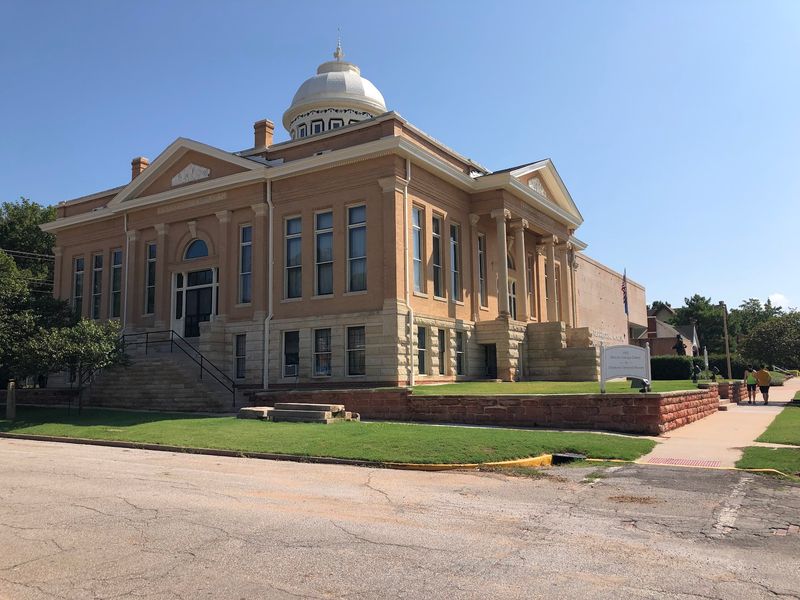
Tucked into the historic heart of Guthrie, the Oklahoma Territorial Museum sits at 406 E Oklahoma Ave. From the curb, it looks like a tidy civic building you might drive right past. That would be a mistake.
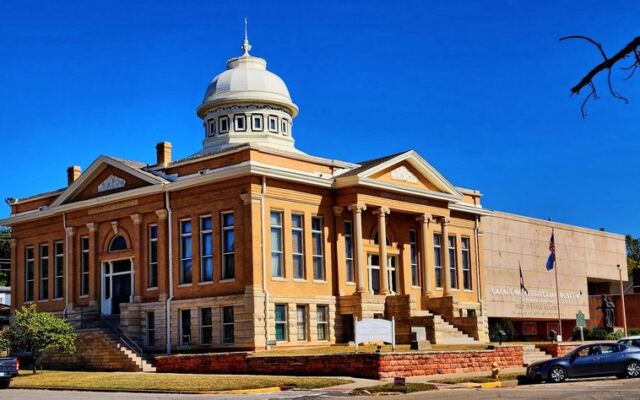
Run under the Oklahoma Historical Society, the museum traces local history and heritage from the territorial years all the way to statehood. It is attached to something extra special, too: a stately 1902 Renaissance Revival Carnegie library that many visitors call the highlight of the whole trip.
Two floors of exhibits and that grand old library make for a surprisingly full visit.
Guthrie itself is part of the story. Long before Oklahoma City held the title, this town served as the capital of Oklahoma Territory and then the new state.
Walking around the neighborhood gives you a feel for why the museum belongs exactly here and nowhere else.
Visitors from Texas, Chicago, and all over Oklahoma have wandered in and left impressed. Some arrived as fairly new transplants hoping to learn about their adopted home.
Others were simply road-tripping history fans looking for a solid stop between towns, and they found far more than a quick detour.
Guthrie’s Years as the Capital
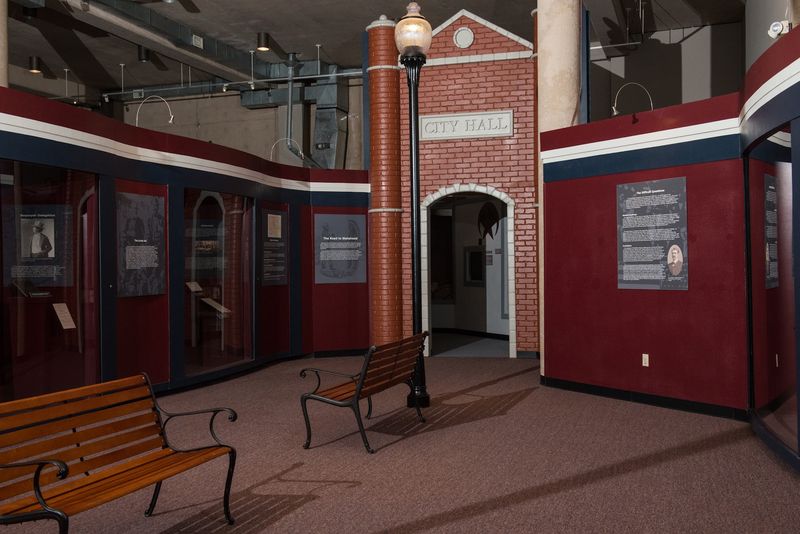
Here is a fun bit of trivia to spring on friends. Guthrie, not Oklahoma City, was the first capital of Oklahoma.
Plenty of visitors admit they had no idea until they walked through these doors.
Before Oklahoma became the 46th state, it existed as a territory, and Guthrie was its seat of government. The museum focuses heavily on that era, showing how a patch of prairie turned into a functioning capital almost overnight.
Exhibits cover pioneer life, the development of government, and the roads, buildings, and systems that followed.
What makes the setting so powerful is that you are standing in the very town where those decisions were made. The museum does not ask you to imagine some far-off place.
Step outside afterward and you are on the same streets territorial leaders once walked.
Guests often say the layout feels organized, guiding you through the history of the state in a natural order. You start with the earliest chapters and move forward step by step.
By the time you reach statehood, the idea of Guthrie as a capital feels obvious, which makes its later loss of that title sting a little more.
The Rush of 1889 Brought to Life
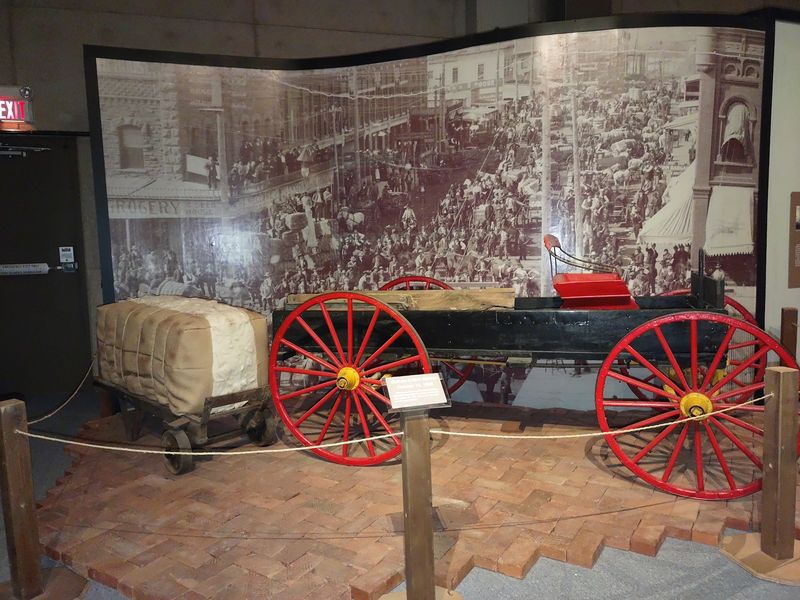
Picture thousands of settlers lined up at the edge of open land, waiting for a signal to race off and claim a homestead. That scramble, known as the land run, is where Guthrie’s story really kicks off.
The museum puts it front and center.
The Eighty Niners, as those early settlers were called, carved out a huge home for themselves in the territory. One visitor praised the museum for giving an honest portrayal of their lives.
You get a sense of the hope, the hustle, and the plain hard work it took to build a town from scratch.
Land runs come up again and again when people talk about this place. The exhibits explain how they worked and why they mattered, covering the beginning of the land run through the changes that came after.
For anyone who only knows the event from a textbook paragraph, the details here fill in the picture beautifully.
Kids especially seem to connect with this chapter. A race for land is easy to understand and exciting to imagine.
It is also a great starting point for bigger conversations about who lived on this land before and how the region changed so quickly.
How a Territory Became a State
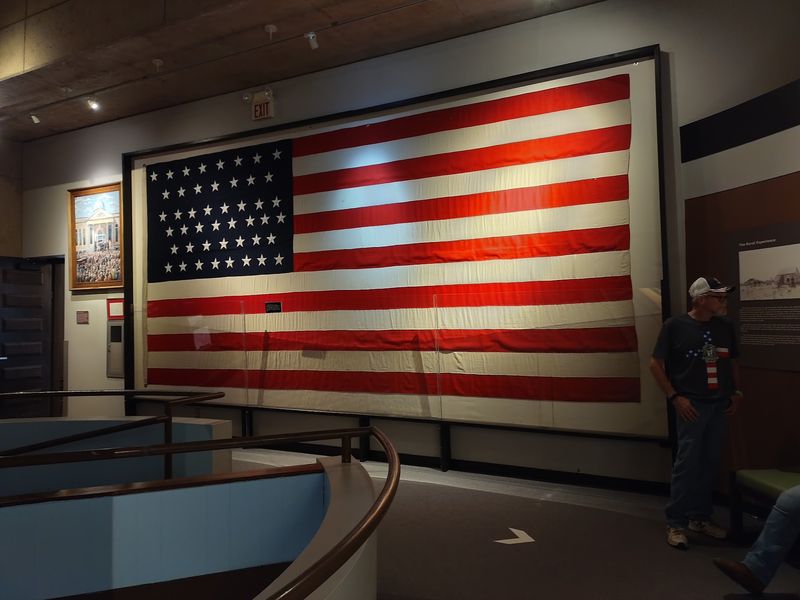
Ever wondered how Oklahoma actually became a state? One visitor summed it up neatly: if you want to know about statehood, the state constitution, and the land run, this is the place to go.
That is a strong recommendation, and the exhibits back it up.
The museum walks you from the settlement of landowners all the way to statehood. Documents, photographs, artifacts, and plenty of written information explain each step.
People who have toured several Oklahoma museums say this one ranks among the best they have seen.
Fair warning for speed readers: there is a lot of text. Guests recommend setting aside at least two hours if you want to read everything, and history enthusiasts may want even longer.
The good news is that the information is well put together, so the time flies.
One honest note from visitors is that the first floor leans more on explanations than original objects. A few wished for more genuine artifacts downstairs.
Still, the panels give a clear, solid foundation, and the second floor makes up for it with real pieces of the past, so the experience balances out nicely by the end.
Marshals, Outlaws, and a Jail Cell Surprise
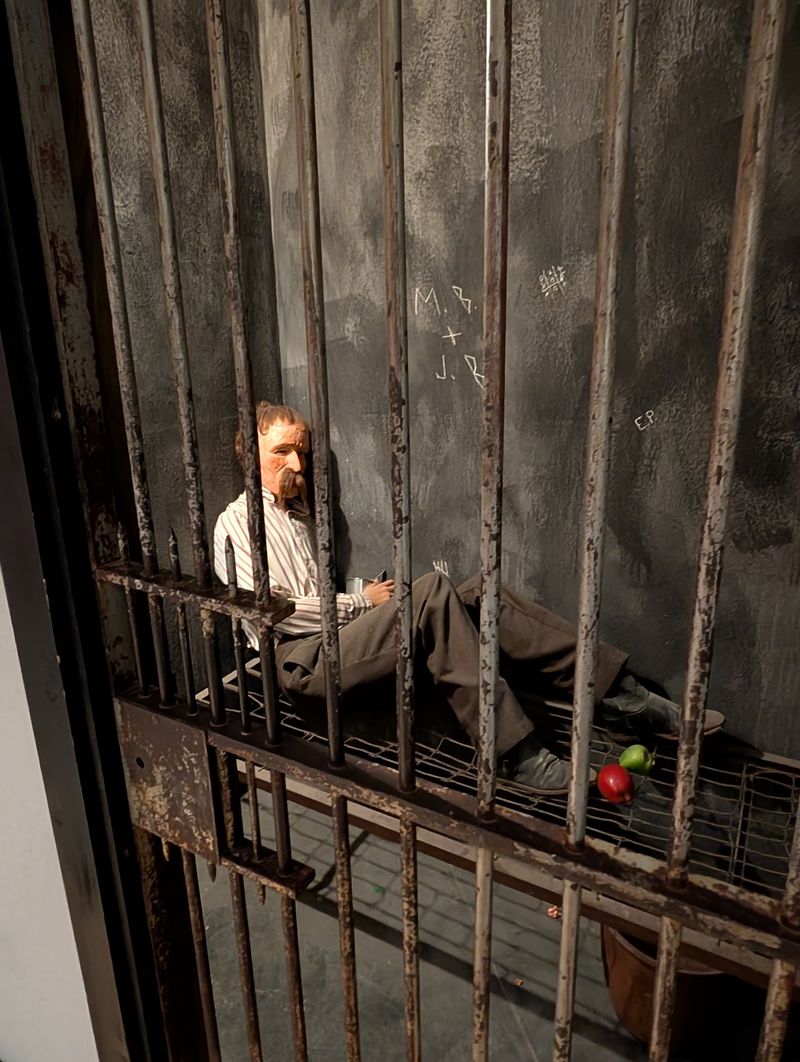
Consider yourself warned about the jail. One guest admitted the mannequin sitting in the cell gave them a serious jump.
It is the kind of surprise that turns into a laugh and a story you tell all the way home.
That jail display ties into one of the most popular exhibits in the building: the story of the US Marshals service in the territory. Lawmen worked hard to keep order on a frontier that was growing faster than anyone could manage.
Visitors who enjoy Old West tales say this section is a favorite.
Chasing outlaws across wide-open country was no small job. The exhibit explains how marshals operated and why their work mattered so much as the territory moved toward statehood.
It adds a dash of adventure to a museum that otherwise focuses on government and settlement.
For families, this is often the room where younger visitors perk up. Badges, bars, and tales of lawmen are easy to love.
Just give the little ones a heads up about the figure in the cell, or let them discover it themselves if they like a good startle.
The Capital That Slipped Away
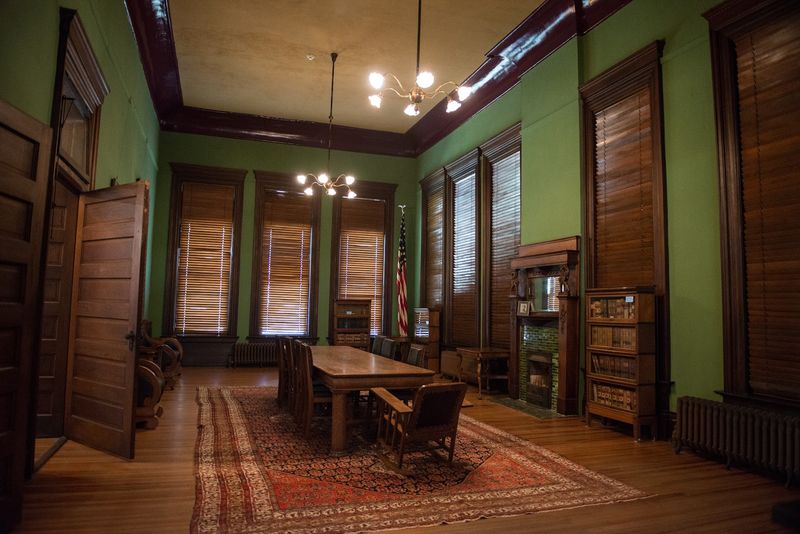
Every good story needs a twist, and Guthrie’s comes near the end. After serving as capital through the territorial years and into statehood, the town lost that role to Oklahoma City.
The museum tells the tale in detail.
Visitors often mention this exhibit as one of the most interesting parts of the tour. Some describe the move with a bit of local spice, hinting that Guthrie was not exactly happy to see the capital go.
It is a story full of politics, pride, and big decisions.
Learning about the move changes how you see the whole town. Guthrie’s grand buildings and wide streets suddenly make sense.
They were built for a capital city, and many of them still stand as reminders of what the town once was.
Here is where the museum shines as a storyteller. It does not just list dates.
It explains why people cared so deeply and how the shift shaped both cities. Once you finish this section, you will probably want to stroll downtown and look at the old architecture with fresh eyes, imagining the bustle of a capital that briefly called these blocks home.
Upstairs Splendor in the 1902 Carnegie Library
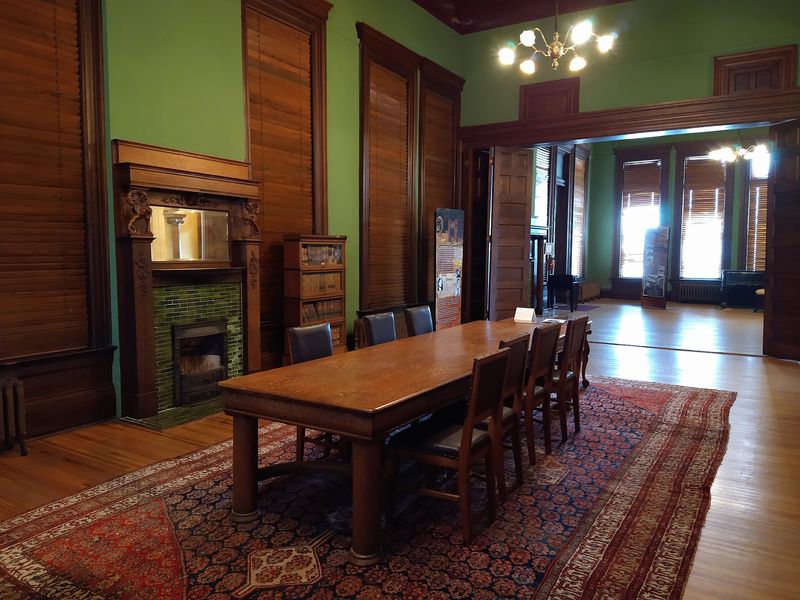
Save some energy for the second floor. Nearly everyone who visits says the same thing: do not leave without walking through the Carnegie Library.
It is mentioned more than any other feature, and for good reason.
Built in 1902 in the Renaissance Revival style, it was the first Carnegie library in Oklahoma Territory and is one of the oldest libraries in the state. Guests rave about the high ceilings and wood floors, calling the space absolutely stunning.
The building is beautifully cared for and packed with interesting details.
Many visitors say the upstairs is the true jewel of the museum because it holds more genuine artifacts with explanations. You get the architecture and the objects together in one gorgeous room.
It feels like stepping back into another century.
Expect the floors to creak as you walk, which only adds to the charm. One practical tip matters here, though.
The library portion is not air conditioned, so a scorching summer afternoon can make it uncomfortable. Plan a cooler morning or a mild season if you want to linger and soak in every carved detail without wilting.
Judge Frank Dale and a Bonus Stop
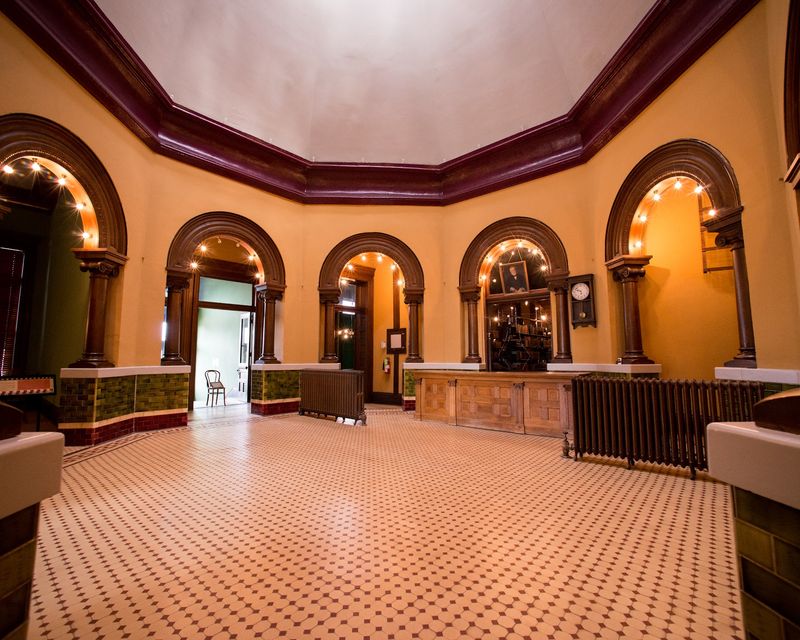
Some of the best travel moments happen by accident. One couple read about Judge Frank Dale inside the museum, then drove past his home afterward and got invited in for a tour.
Talk about a lucky afternoon.
The museum includes information on Judge Dale, a notable figure from the territorial era. Visitors suggest taking time to read his story before you leave.
It adds a personal face to the bigger history of courts and government in early Oklahoma.
Keep an eye out for The Judges Chambers, too. Guests specifically recommend looking for it while you explore.
It is a small detail that makes the legal side of territorial life feel more real.
Better yet, Judge Dale’s home still stands about a mile away and now operates as a bed and breakfast. That makes it an easy add-on for anyone building a full Guthrie day trip.
You can learn the history in the morning, then see a piece of it standing right there in the neighborhood. Moments like that turn a museum visit into a little adventure through town.
Unexpected Finds Among the Collections
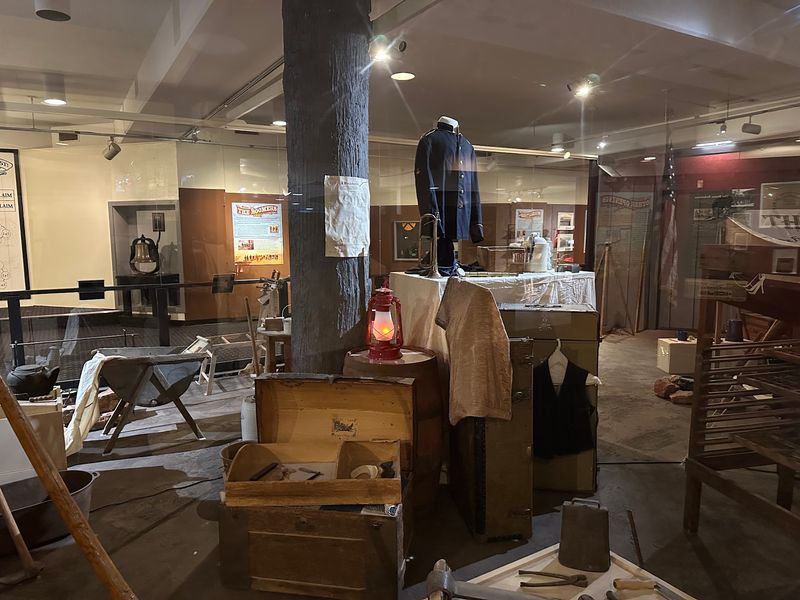
A visitor once found a Sears book that described the very Sears building they grew up near in Chicago. Hundreds of miles from home, inside a small Oklahoma museum, a piece of their own childhood popped up.
Surprises like that keep people talking.
The collections here include artifacts, documents, photographs, and other items that offer glimpses into early Oklahoma life. Exhibits are well laid out and cover interesting corners of the area’s history.
You never quite know what will catch your eye around the next case.
Guests describe everything as being done with obvious care. Labels give plenty of information on each topic, so curious readers can dig deep.
History buffs especially appreciate how much detail is packed into each display.
That said, a couple of practical notes come up. Some areas could use brighter lighting, and the first floor leans on panels more than objects.
On quiet weekdays, a few cases might look a little dusty. None of that seems to dampen the fun for most visitors, who leave feeling they discovered more treasures than expected in such a compact space.
Warm Welcomes and a Gift Shop Guest Book
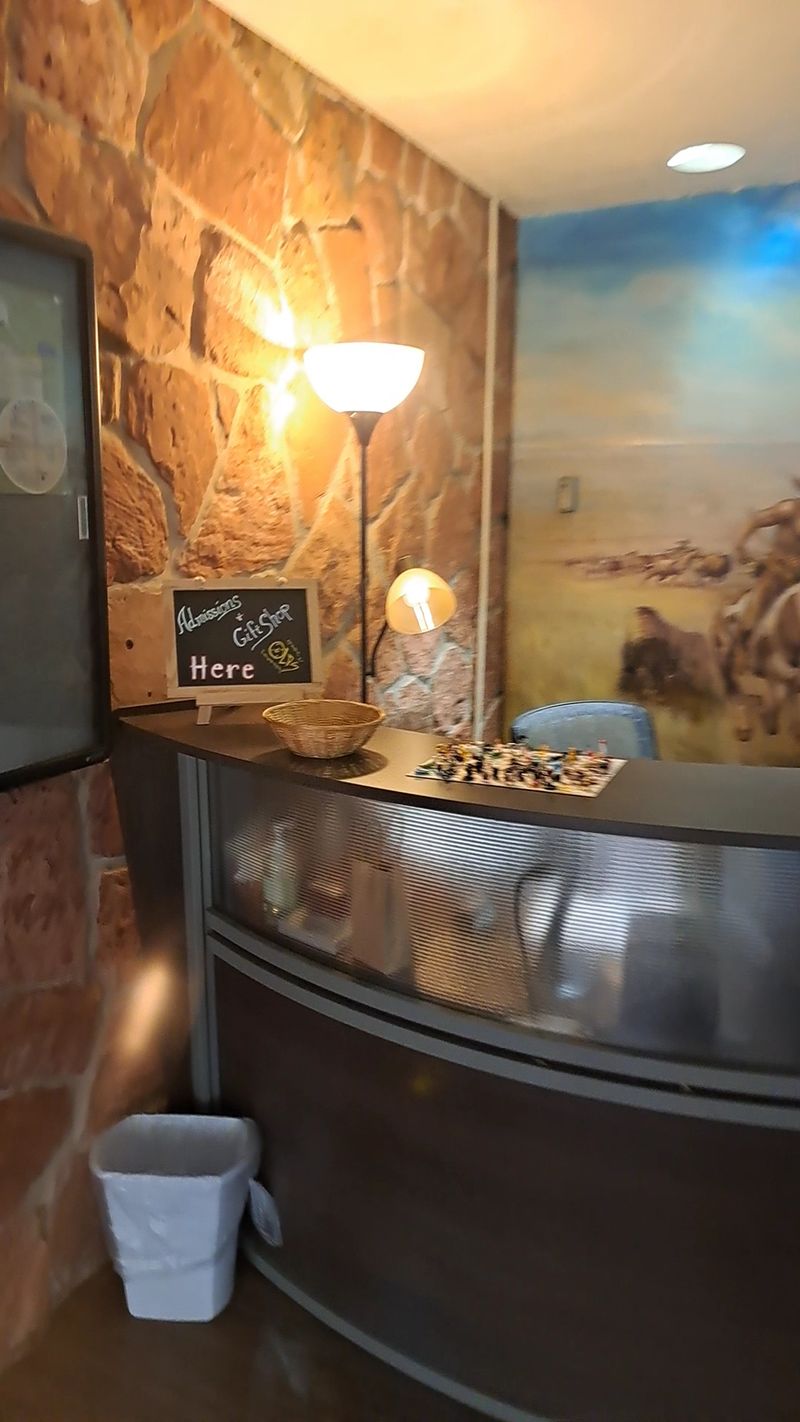
Friendly staff might be the museum’s secret weapon. It is one of the most common things visitors mention, right after the library.
People leave remembering faces as much as exhibits.
Guests describe the front desk team as pleasant, full of smiles, and packed with information about the museum. The curator has been praised as super nice and happy to help with questions.
Docents also earn kind words for making history feel approachable.
The gift shop is small but well stocked with good gifts for families. Look for the guest book and sign your name before you go.
It is a sweet little tradition that makes you feel like part of the museum’s ongoing story.
Small comforts count, too. One family from Texas made a point of mentioning the very clean restrooms, which any road-tripper can appreciate.
Combine that with helpful people at the counter and you get a stop that feels welcoming from start to finish. Even if you only planned a quick look, chatting with the staff may stretch your visit, and you will probably walk away with a few local tips for exploring the rest of Guthrie.
Quiet Halls for History Lovers and Field Trips
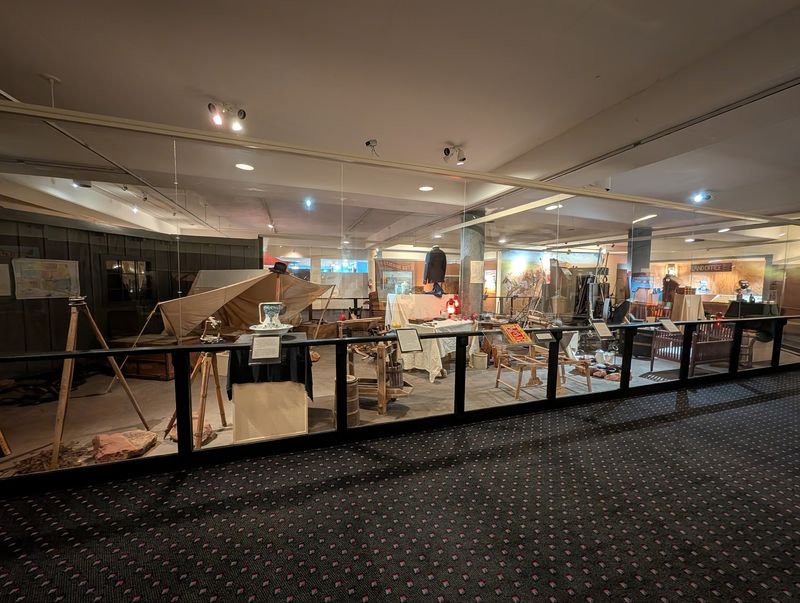
Crowds are rarely a problem here. Visitors describe the museum as quiet and peaceful, and weekdays can feel almost private.
If you like to read at your own pace without anyone hovering, you will feel right at home.
History enthusiasts are the obvious fans, but they are not the only ones. Families, new Oklahoma residents, and out-of-state guests all seem to enjoy it.
One visitor noted it would make a great spot for an educational field trip, and the museum offers programs and resources for school groups and learners of all ages.
Events pop up throughout the year as well, including living history demonstrations, lectures, and special exhibits. Checking the official website before you go is the best way to catch one.
A live demonstration can make the territorial era feel wonderfully vivid.
Who might find it less exciting? Anyone hoping for flashy interactive displays may find the text-heavy panels a bit slow.
Visitors who soak up stories, though, call it informative and deeply rewarding. Think of it as a calm, thoughtful stop, ideal for slowing down on a road trip and letting the past unfold one room at a time.
Hours, Admission, and Smart Planning
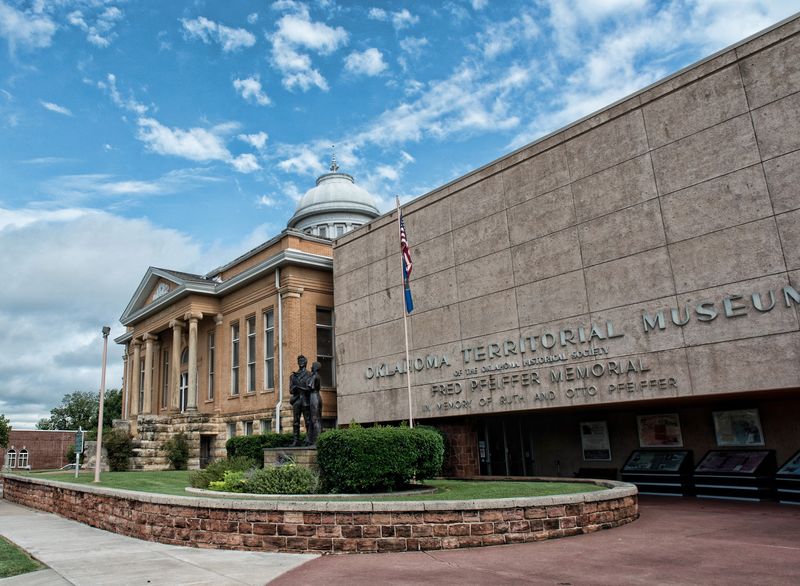
Good news for weekday wanderers: the museum is open Tuesday through Saturday from 9 AM to 5 PM. It closes on Sundays and Mondays, so plan your Guthrie trip around that.
Arriving in the morning gives you plenty of time for the full experience.
Admission has been reported at about $7 for adults and $5 for seniors, with visitors calling it a very low price for so much history. One more recent guest mentioned free entry with donations highly encouraged, so check current pricing before you go.
Military members get in free, and seniors have mentioned receiving a discount.
Budget at least two hours, longer if you love reading every panel. The museum sits at 406 E Oklahoma Ave in Guthrie.
You can call ahead at 405-282-1889 or visit the Oklahoma Historical Society website for updates on exhibits and events.
Weather matters more than you might think. The upstairs library is not air conditioned, and a recent visitor noted the cooling was struggling downstairs too.
On hot summer days, aim for an early start and bring water. Spring and fall visits will likely feel far more comfortable for lingering.
A Detour Worth Every Mile
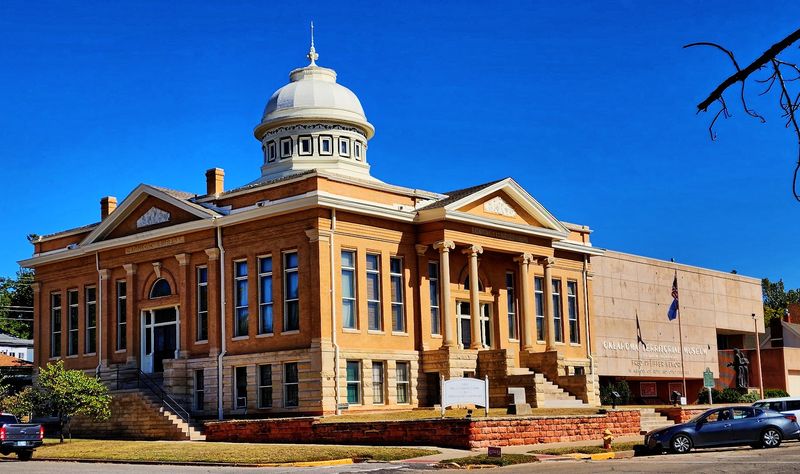
So, is it worth pulling off the highway? Based on what visitors keep saying, the answer leans strongly toward yes.
People who have toured many Oklahoma museums often place this one near the top of their list.
The appeal comes from a mix of things. You get a clear, well-organized walk through the land run, territorial life, and statehood.
Then you climb upstairs into a 1902 Carnegie library so lovely that guests practically insist you see it.
It is not a giant, high-tech attraction. Some lighting could be brighter, the summer heat can creep in, and the first floor relies mostly on reading.
Those small quirks feel minor next to the care, the friendly staff, and the sense of standing where Oklahoma history actually happened.
Pair your visit with a stroll through downtown Guthrie or a drive past Judge Frank Dale’s home, and you have a full, satisfying day. Bring curiosity, comfortable shoes, and a little patience for reading.
You may arrive expecting a quick stop and leave with a whole new appreciation for how this state began, plus a story or two about that jail cell.
Share this story