On Saturday nights, a small dome on a hillside above a Nevada capital opens its sky to anyone who walks up. Volunteers point real telescopes at planets, star clusters, and faraway galaxies, and nobody asks for a ticket.
You can see the rings of Saturn with your own eyes, not on a screen. Here is how this free night sky show works and what to know before you go.
A Free Night Sky Show
Free is the word that surprises people most. Anyone can walk up on a Saturday night and look through telescopes without paying an entry fee.
The place is the Jack C Davis Observatory in Carson City, Nevada. It sits on a hillside near Western Nevada College, and the views of the night sky are the main draw.
Families, couples, and curious teenagers all show up. Some bring questions, and some just bring a jacket and wonder.
Telescopes make the sky feel close. A bright dot that looks plain to the naked eye can turn into a glowing ringed planet in the eyepiece.
That moment is why people come back. It costs nothing, yet it can change how you see the stars overhead.
Before you head out, check the website at wnc.edu/observatory for current access and schedules, since public hours can change.
Saturn Up Close
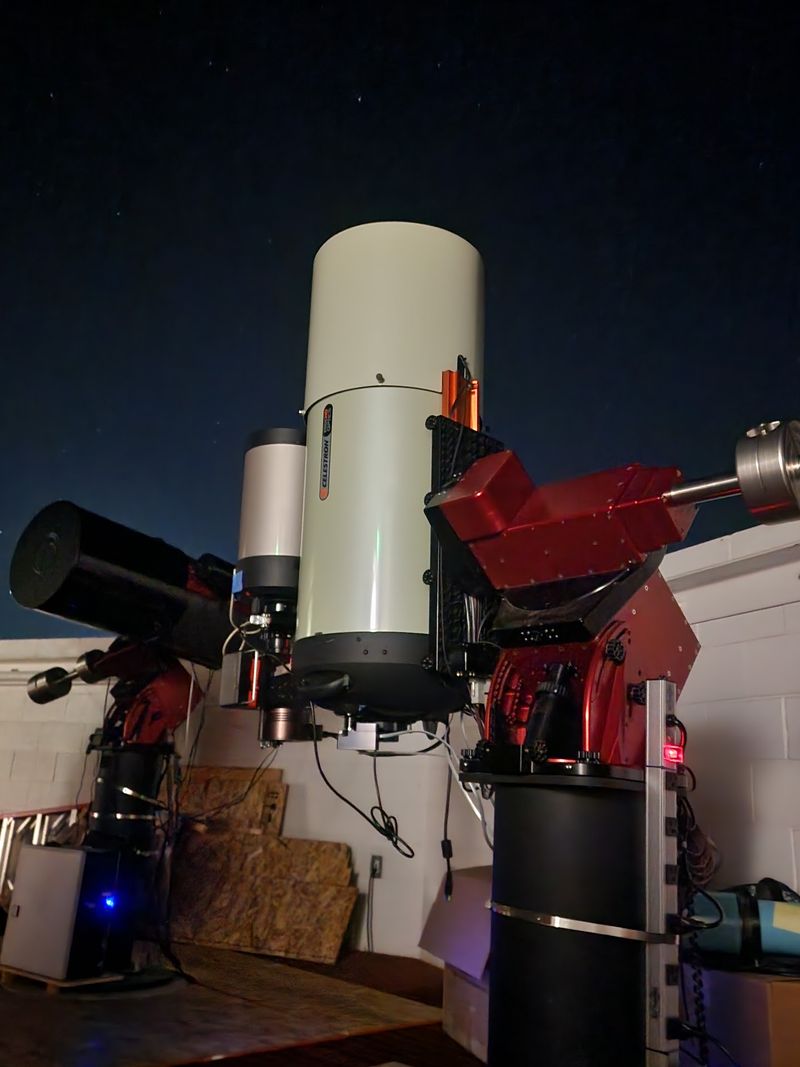
Saturn is the star of many nights here. Seeing its rings through a telescope for the first time makes people gasp, and it is easy to see why.
The planet looks small but sharp, with a clear ring tilted around it. It does not look like a photo from a textbook.
It looks like something floating in the dark right in front of you.
Planets are best when they are above the horizon after dark, so timing matters. Ask the volunteers what is visible that night, because the lineup changes through the year.
Jupiter, the Moon, and other bright targets can also steal the show. The Moon in particular is full of craters and shadows that stand out at the eyepiece.
Expect to wait your turn at the lens. The line moves, and the view is worth the pause.
Distant Galaxies And Star Clusters
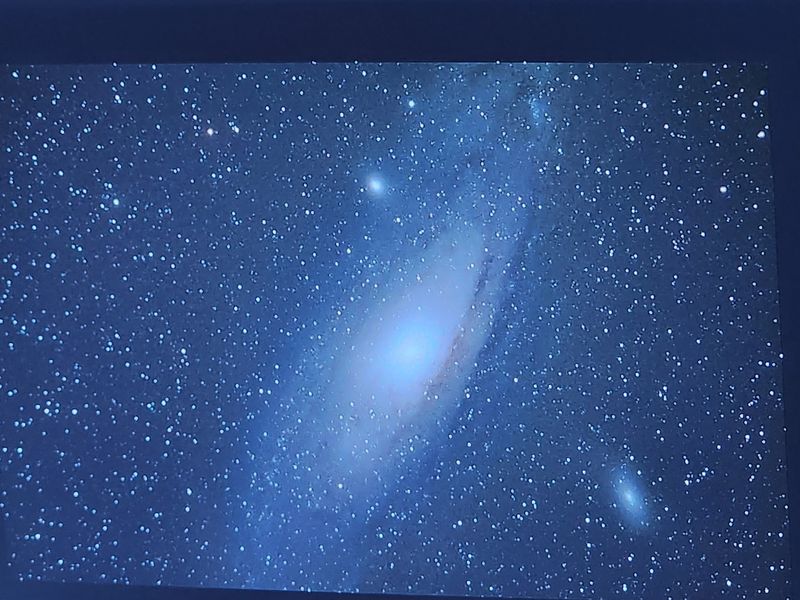
Beyond the planets, the telescopes reach much farther out. Distant galaxies show up as faint, soft smudges of light, and every one of them holds billions of stars.
Those smudges are not as bright as photos suggest, and that is part of the thrill. Your eyes are catching light that has traveled for a very long time.
Star clusters are often easier to enjoy. They look like sparkling piles of tiny diamonds scattered across black velvet.
Darkness helps a lot. Give your eyes about twenty minutes to adjust, and avoid bright phone screens while you wait.
Visitors have noted that a new moon gives the best views of faint objects, so check a moon phase calendar before planning your trip. A bright full moon washes out galaxies but makes craters pop.
Saturday Night Routine
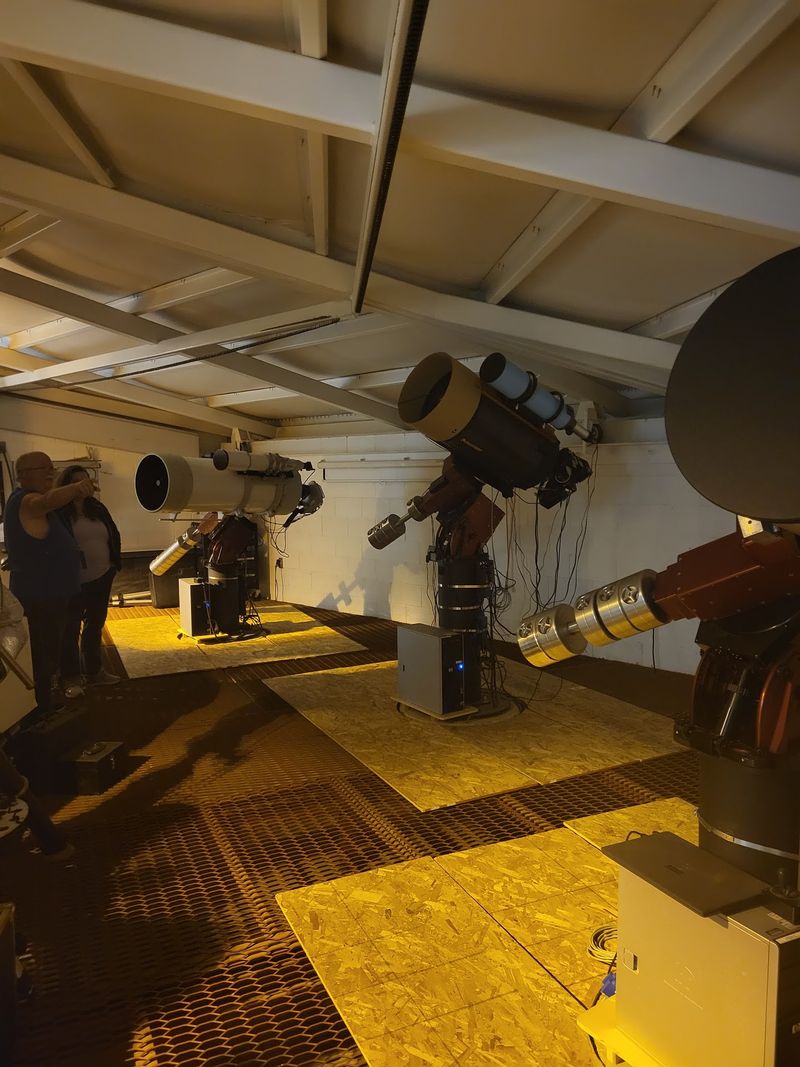
Saturday is the day to remember. Telescope viewing and stargazing are centered on Saturday nights, which makes planning simple.
Arrive as dusk settles in, when the first planets begin to appear. The sky turns from orange to deep blue, and the telescopes get pointed at the first targets.
Nights run best when you stay a while. Different objects rise higher as the evening goes on, so late arrivals get a different show than early ones.
Dress for the Nevada hills. Even on a mild day, the temperature drops fast after sunset, and winter nights can be bitterly cold.
Bring a light jacket in summer and a heavy coat, gloves, and a hat in winter. Warm feet make a long night under the stars much easier.
Monthly Lectures
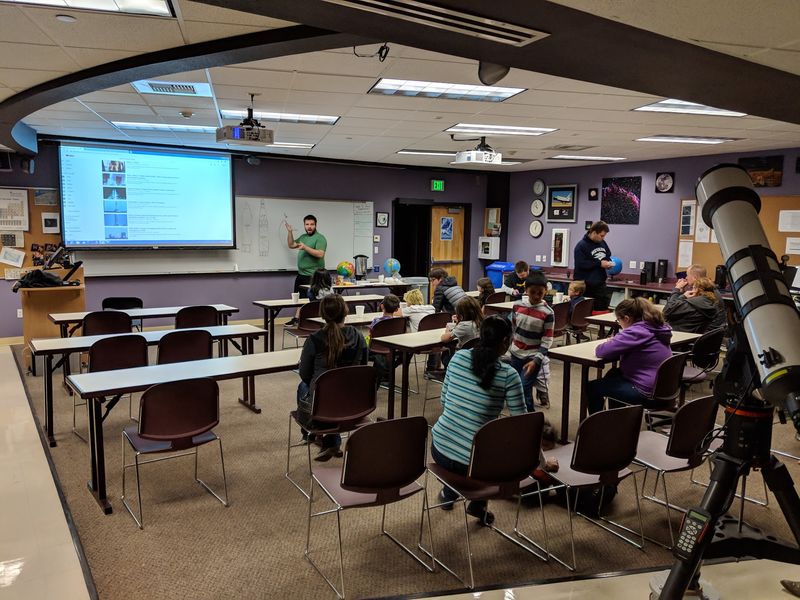
Learning is part of the evening. A lecture program runs on the third Saturday of the month at 6:30 pm, followed by sky viewing when weather allows.
Topics change from month to month and can range across astronomy and related science. One lecture on thermodynamics left an audience entertained and curious, even on a cloudy night.
Talks are friendly and aimed at regular people, not just experts. Kids and adults can both follow along, and questions are welcome.
One tip is to look up the lecture theme in advance, since topics are not always easy to find ahead of time. Check the observatory website before you go.
Clouds can block the telescopes, but a good talk makes the trip worthwhile anyway. Think of the lecture as your backup plan under a gray sky.
Star Parties And Your Own Gear
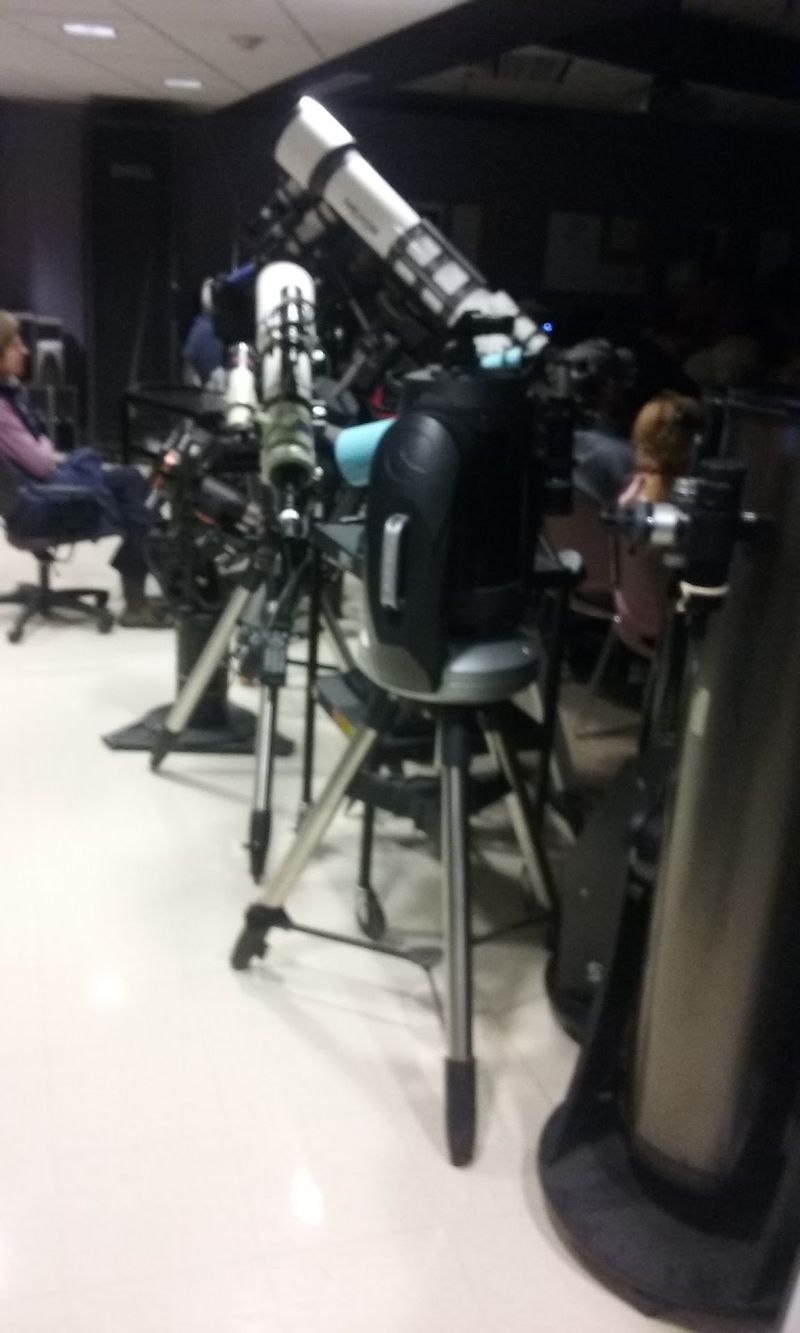
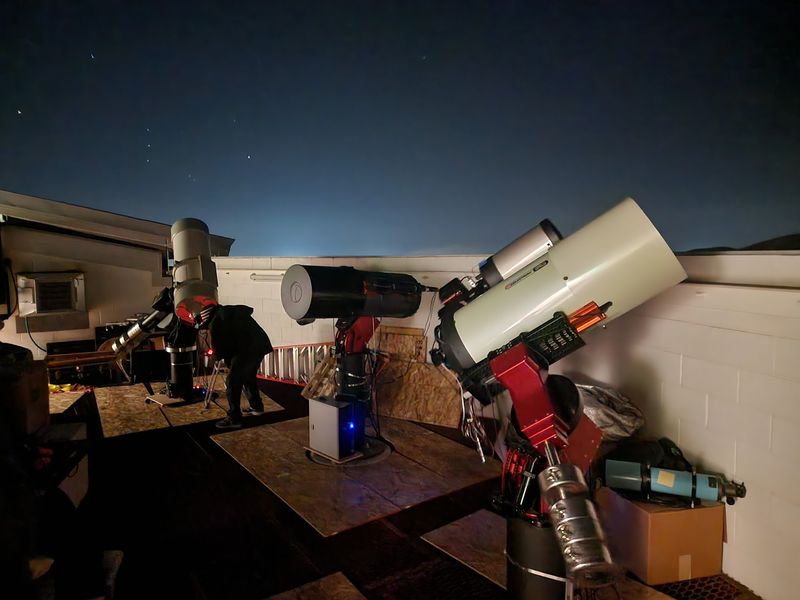
Star parties turn the hillside into a gathering of sky fans. Visitors with their own telescopes can set up and share views with others.
Power outlets are available for equipment, which is handy if your telescope needs a plug. Folks who bring gear often swap tips and let strangers peek through their lenses.
A light shield helps block the glow from Carson City below. It keeps the viewing area darker than you might expect for a spot so close to town.
If you are new to telescopes, these evenings are a great time to learn. Bring your device, ask questions, and let experienced hobbyists help you adjust focus and find targets.
Check the schedule first, because star party dates are set by the observatory and can change.
The Volunteer Astronomers
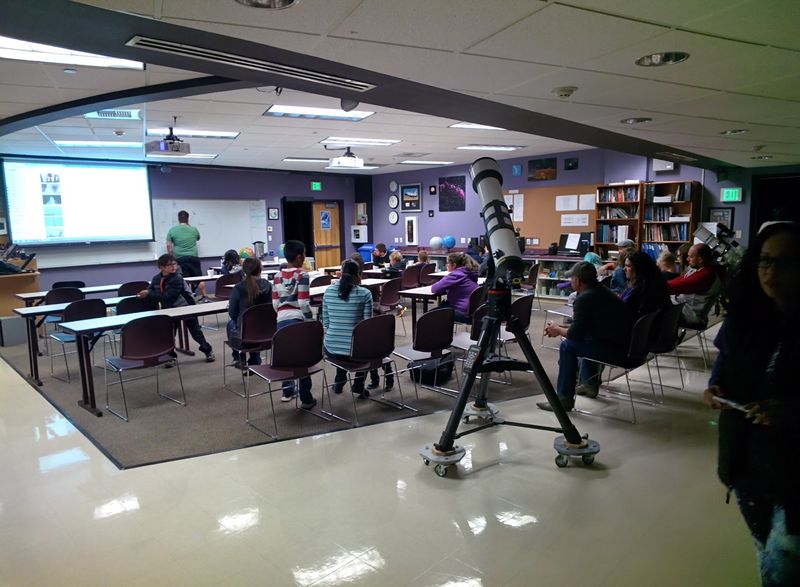
Behind the eyepieces are local volunteers who love the sky. Members of the astronomical society share what they know with anyone curious.
They point the telescopes, explain what you are seeing, and answer questions without rushing. Kids tend to ask the best ones.
Their patience makes the place welcoming for beginners. You do not need to know a single constellation to enjoy the night.
Ask what you are looking at and how far away it is. Answers often include small stories that make the object feel alive.
Bring a teenager who likes science, or a grandparent who likes quiet evenings. Both will find something to enjoy.
Planet Walk Path
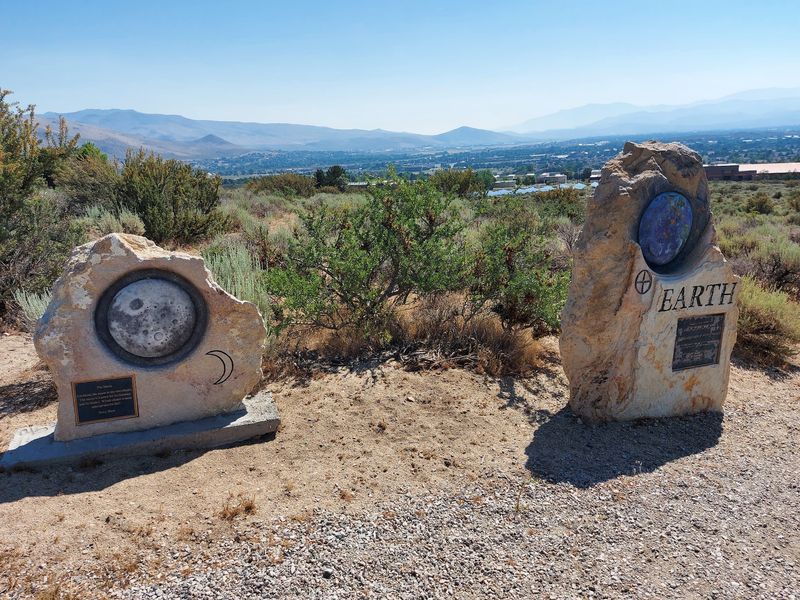
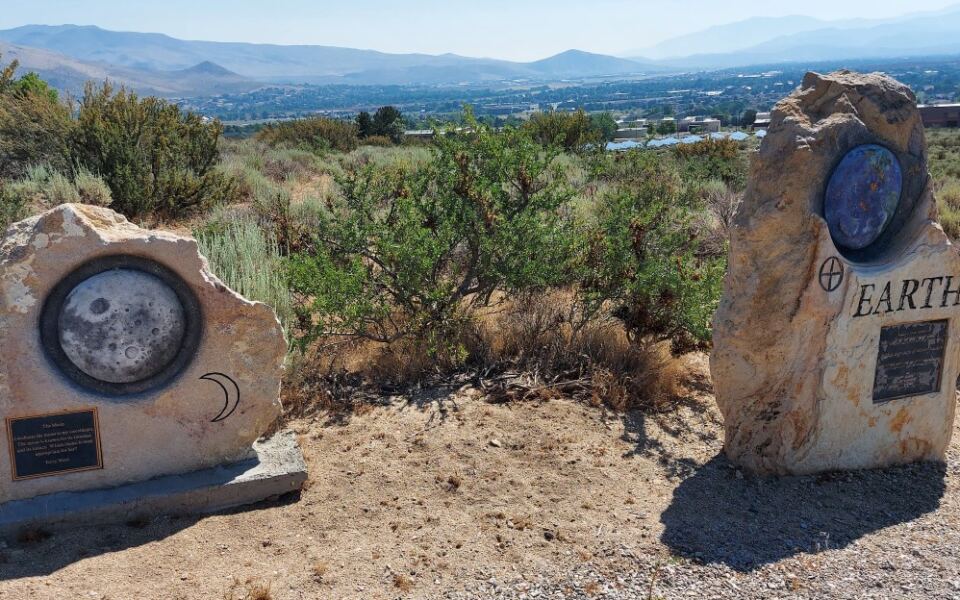
A walking path links the main campus to the observatory, and it doubles as a quiet lesson in space. Plaques along the way describe planets and other objects.
Reading them as you climb gives the hike a purpose. By the time you reach the dome, your head is already full of ideas.
Daylight visits are lovely too. The path gives wide views over Carson City and the surrounding hills.
Wear comfortable shoes, since the slope can tire you out. Bring water in warmer months and a flashlight with a red filter if you plan to walk back after dark.
Walking from campus is a good way to skip parking worries and enjoy the evening air before the telescopes start.
Weather And Moon Tips
Clouds are the one thing nobody controls. Several visitors have shown up to gray skies and had to settle for a talk instead.
Check the forecast on the day of your visit. Clear skies matter more than anything else, and winds can also shake views.
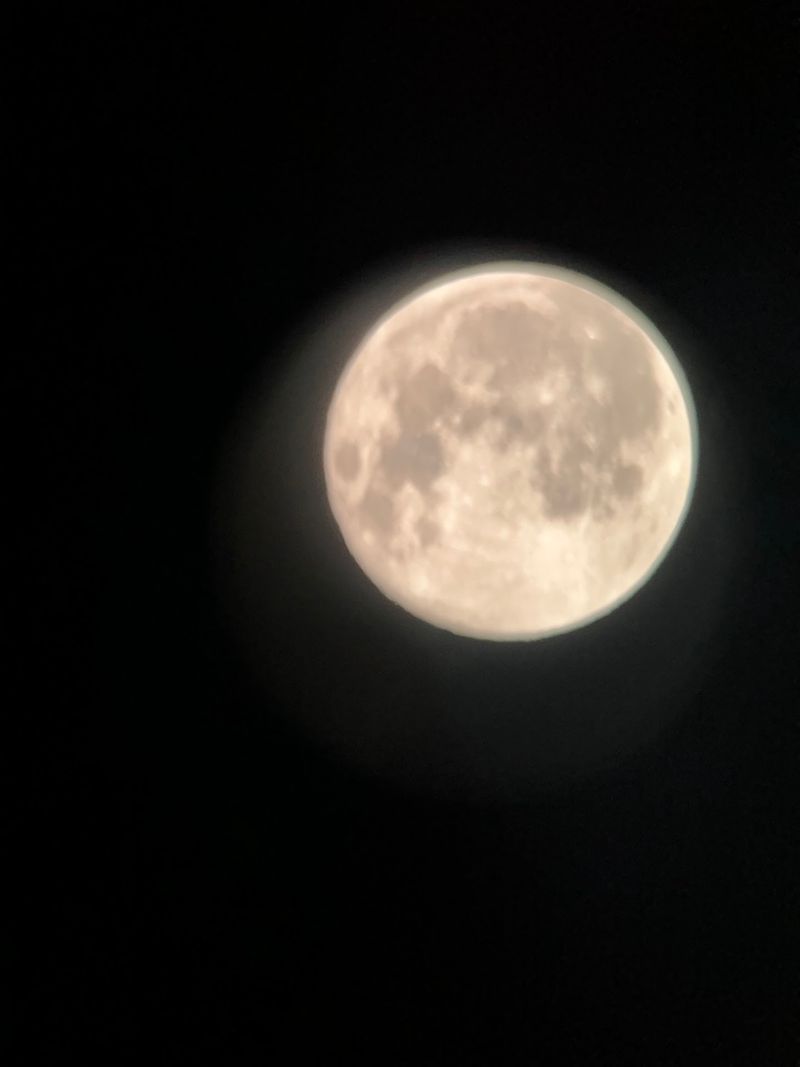
The moon matters too. A new moon gives the darkest sky for galaxies, while a bright moon shows off craters in sharp detail.
One visitor even photographed the moon through a telescope on a full moon night, so there is always something to see.
Plan a backup evening in case weather turns. Coming back a second time is common, and each visit shows a different sky.
Planning Your Visit
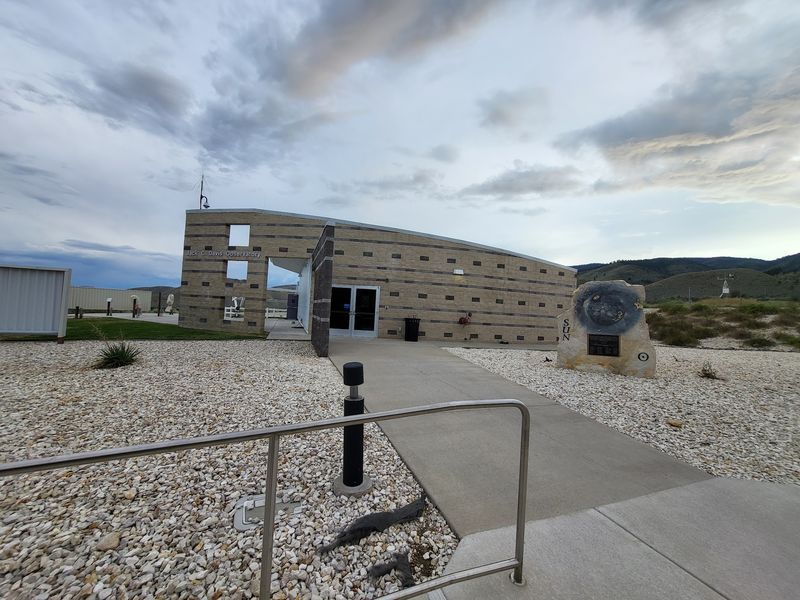
A little planning goes a long way. The observatory is at 2269 Vanpatten Ave, and public access can change, so confirm details on the official website before heading up.
Visitors have found it closed at times, so a quick check saves a wasted trip. The site at wnc.edu/observatory is the best place to look.
Bring layers, snacks, and patience. Evenings can run long, and kids may need a break between turns at the eyepiece.
Solar events can be special too. During one partial eclipse, the crowd was small and visitors still got to look through the telescopes.
Once you have seen Saturn here, you may start looking for other dark sky spots across Nevada. Consider that your next adventure.
Share this story