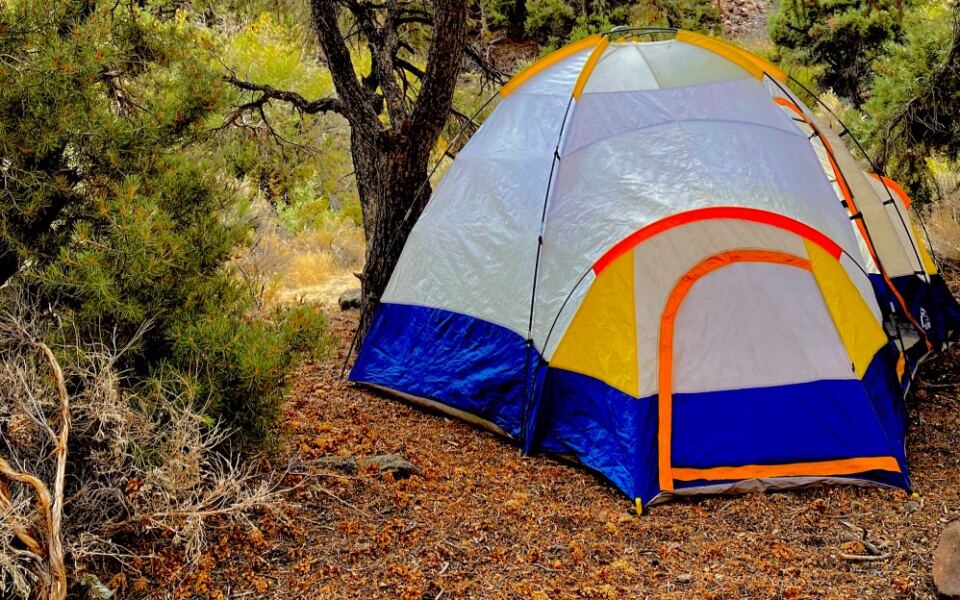
Nevada has a reputation for slot machines and neon, yet the state also holds more than 300 mountain ranges, which is more than any other state in the lower 48. Many of those ranges have campgrounds that work on a simple rule: first come, first served.
No booking website, no countdown clock, no refreshing a screen at midnight. This list covers twelve spots across the eastern and northern parts of the state where you can arrive, pick an open site, and set up camp.
Some sit beside creeks, some sit under tall pines, and one even has a name that sounds like a cowboy movie. Along the way you will find tips about elevation, water, seasons, and the best time of day to roll in so you get a good spot.
Pack a map, bring extra water, and keep a backup plan in your pocket, because the best campsites tend to fill quickly on summer weekends.
1. Sacramento Pass Recreation Area Campgrounds – Baker area
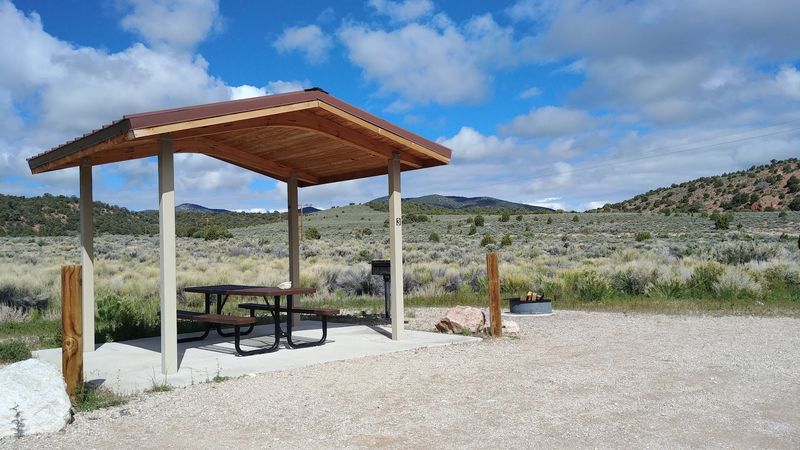
Great Basin National Park is only a short drive away, yet this Bureau of Land Management area often has open sites when the park campgrounds are full. It sits along US Highway 50 at a mountain pass, at roughly 7,000 feet in elevation.
Pinyon pine and juniper trees spread across the area, which gives each site some natural shade. The campground has a small number of sites with tables and fire rings, and a pit toilet serves the loop.
Drinking water is not typically provided, so fill your jugs in Baker before heading up.
Because of the elevation, nights can be cold even in July. Pack a warm sleeping bag and an extra layer.
The site works well as a base camp for visiting Lehman Caves, driving Wheeler Peak Scenic Drive, and spotting stars after dark. Arrive by early afternoon on summer weekends to claim a spot without stress.
2. Kershaw-Ryan State Park Tent Campsites – Caliente
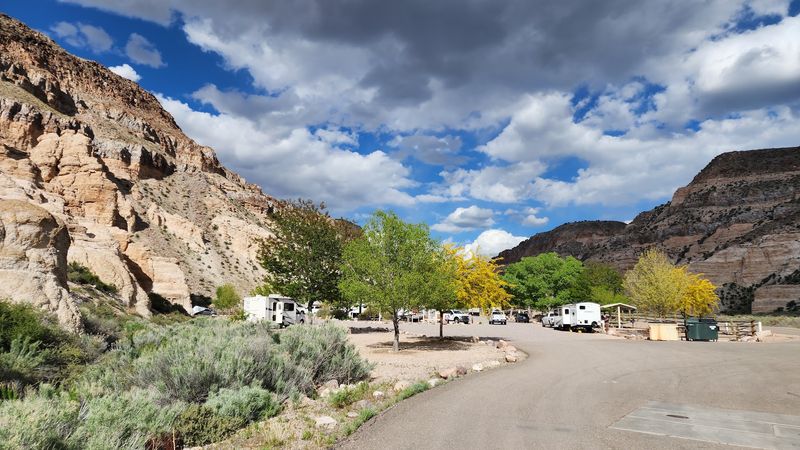
Hardly anyone expects a green oasis tucked inside a canyon of rust-colored rock, but that is exactly what this state park offers. Kershaw-Ryan is one of the oldest parks in the Nevada system, and it opened in the 1920s on land donated by the Kershaw and Ryan families.
The tent sites are walk-in style, meaning you park and carry gear a short way. That keeps the area quiet and car-free.
Tables and grills are provided, and restrooms with showers are nearby.
Fruit trees and shaded picnic areas fill the canyon floor, and short trails climb the walls for views. Birdwatchers often spot canyon wrens and other desert species.
Summer afternoons run hot in Caliente, so spring and fall are the best seasons to visit. Check the park’s current rules before arriving, as conditions can change after storms.
3. Echo Canyon State Park North Campground – Pioche
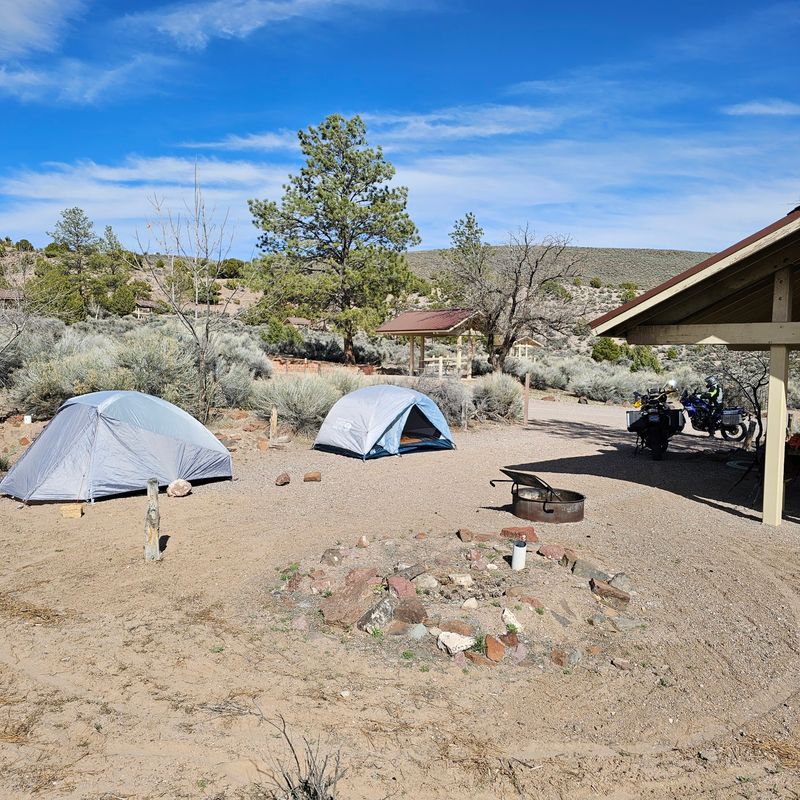
A reservoir in the middle of the high desert sounds like a mirage, yet Echo Canyon Reservoir is real and stocked with fish. The state park sits a few miles from Pioche, a former silver mining town that still has a historic courthouse worth a look.
The north campground offers a modest set of sites with tables and fire rings, and the park lists restrooms and drinking water seasonally. Fees are paid at the entrance, and sites are normally taken as visitors arrive.
Anglers try for rainbow trout, and the calm water suits kayaks and small boats without gas motors. A trail loops along the shoreline for easy walks.
Elevation is about 5,000 feet, so evenings cool off quickly. After setting up camp, drive into Pioche to see old mining buildings and the Boot Hill cemetery.
4. Ward Mountain Campground – Ely
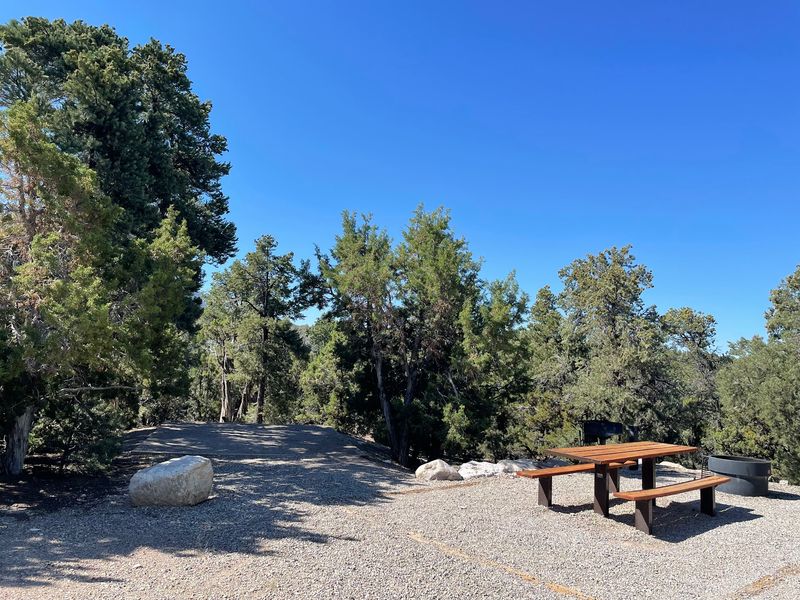
Ely sits in a part of Nevada where pine forests start just minutes from town, and this campground proves the point. Ward Mountain Campground is managed by the Bureau of Land Management and lies about 10 miles south of Ely.
Sites are first come, first served, and each one has a table and fire ring. Restrooms are available, though drinking water can be limited, so bring your own supply.
The campground sits at a high elevation of roughly 7,200 feet. That means cool nights and a shorter camping season, usually late spring through early fall.
Nearby attractions include the Nevada Northern Railway in East Ely, where visitors can ride restored steam trains. Pair a night of camping with a morning train ride and the trip is easy to plan around.
5. Wildhorse Crossing Campground – Mountain City area
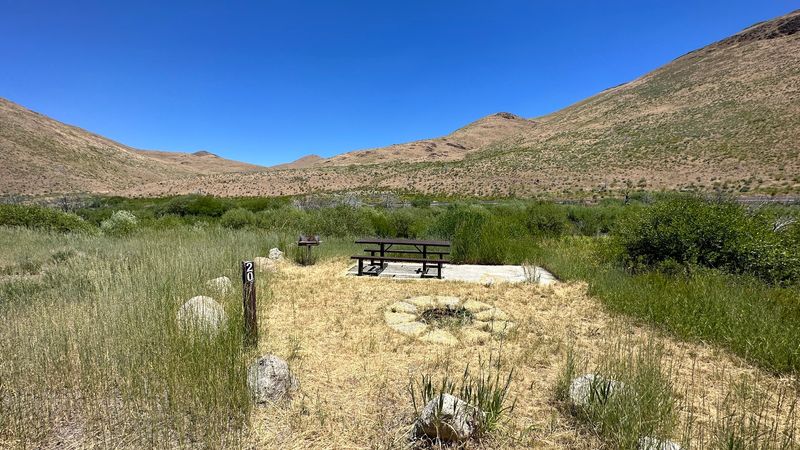
Wildhorse Reservoir sits near the Idaho border, and most Nevadans have never seen it. That makes the surrounding campground a calm pick for anyone willing to drive a long road north.
Wildhorse Crossing is a Bureau of Land Management site near the reservoir, with basic sites, tables, and fire rings. Services are simple, so plan to bring water and pack out your trash.
Fishing is the main draw. The reservoir holds trout and other species, and boaters launch from nearby ramps.
Anglers should check Nevada fishing rules and license needs before casting a line.
Elevation is above 6,000 feet, so nights can dip low even in summer. Services in Mountain City are limited, so fill your gas tank and stock your cooler well before arriving.
6. Kingston Campground – Kingston
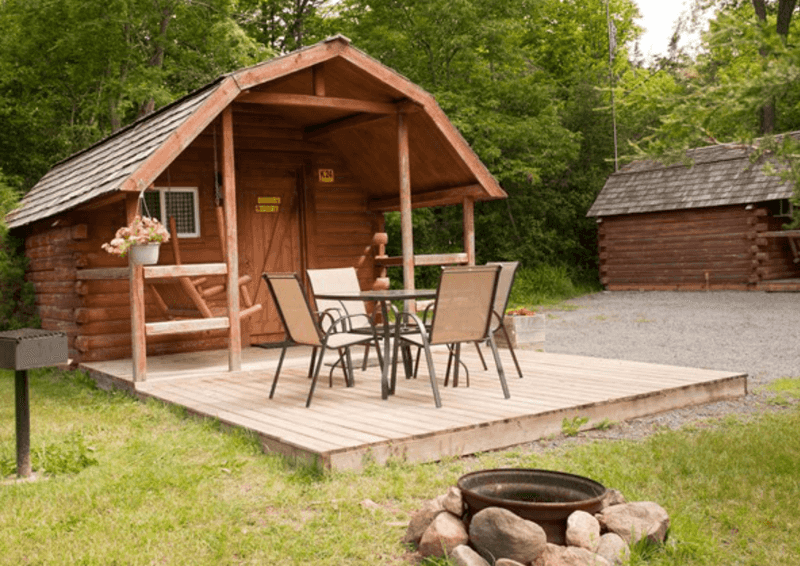
The Toiyabe Range rises sharply over central Nevada, and Kingston Canyon cuts right into it. The campground sits beside Kingston Creek, a stream that gives the canyon its green strip of trees.
Managed by the Forest Service, the campground has individual sites with tables and fire rings. Restrooms are provided, and fees are collected at the site.
Sites are generally filled as people arrive.
Anglers like the creek for small trout, and hikers can find trails leading higher into the range. The town of Kingston is small, so stock up on groceries earlier in Austin or Battle Mountain.
Summer is the busiest season, and fall brings yellow aspen leaves along the canyon road. Check road and weather conditions before you go, since mountain roads can change quickly after heavy rain or snow.
7. Big Creek Campground – Kingston area
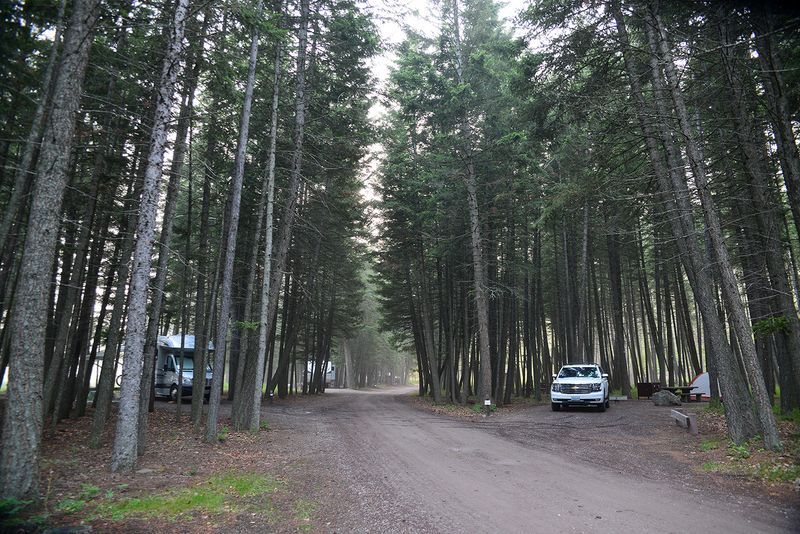
Two creeks, two campgrounds, and one canyon road make this part of the Toiyabes easy to explore. Big Creek Campground lies farther up the canyon road from Kingston, in the Humboldt-Toiyabe National Forest.
The campground offers first-come sites with tables and fire rings. Water and restrooms may be available in season, but visitors should confirm with the Forest Service before relying on them.
Trails from the area lead to higher country, where hikers can see mountain meadows and rocky ridgelines. The creek attracts small fish and plenty of birds.
Because the road is a canyon route, big trailers can struggle with tight spots. Smaller rigs and tents fit best.
Come with a full tank of gas and a paper map, since cell signal tends to vanish once you enter the canyon.
8. Bob Scott Campground – Austin
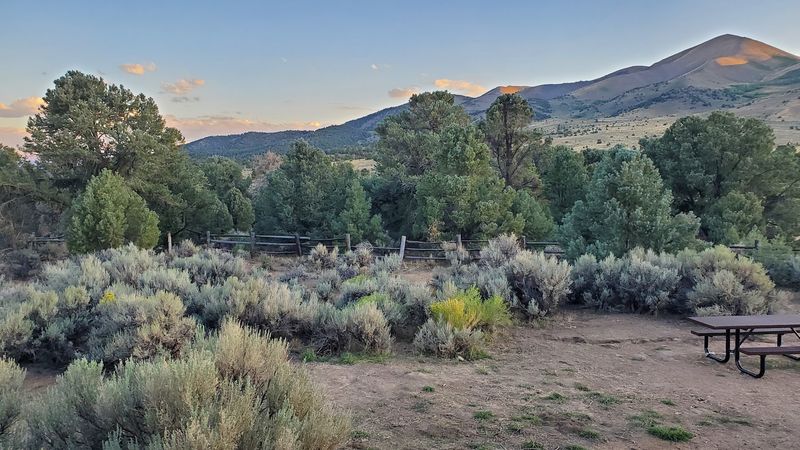
Austin calls itself one of the most historic towns on US Highway 50, once labeled the Loneliest Road in America. Bob Scott Campground sits just south of town in Big Creek Canyon, about 7,000 feet above sea level.
The Forest Service campground has sites with tables and fire rings, plus restrooms. Sites are first come, first served, and visitors pay a small fee.
Weekends in summer see the most visitors, so arrive earlier in the day.
Trees give shade, and the nearby trails make walking easy. Austin itself has historic buildings, including Stokes Castle, a stone tower built in 1897.
Plan on cold nights and bring warm layers. After you set up camp, a short drive into town offers a chance to browse old mining sites and pick up supplies.
9. Columbine Campground – Paradise Valley area
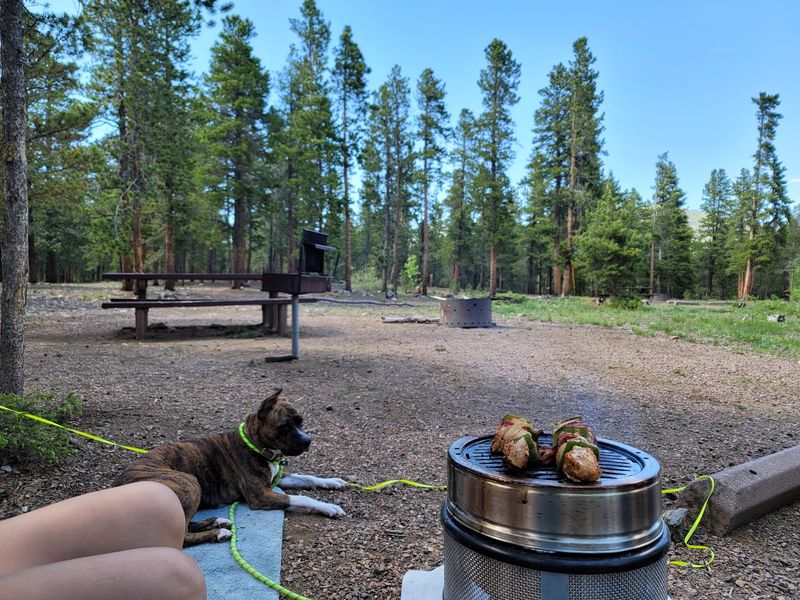
Paradise Valley is a ranching community with a name that sounds like a postcard, and the mountains behind it back up the claim. Columbine Campground lies in the Santa Rosa Range, within the Humboldt-Toiyabe National Forest.
The campground has a handful of sites with tables and fire rings. It sits at a high elevation, so the season is short, usually from early summer to early fall.
Snow can linger late into spring.
Hikers can use nearby trails to reach streams, wildflower meadows, and scenic overlooks. Wildlife sightings may include deer and many bird species.
Roads to the campground are partly gravel, so drive carefully and check conditions first. Services are scarce, so pack food, water, and fuel before you leave Winnemucca or Paradise Valley.
10. Desert Creek Campground – Wellington area
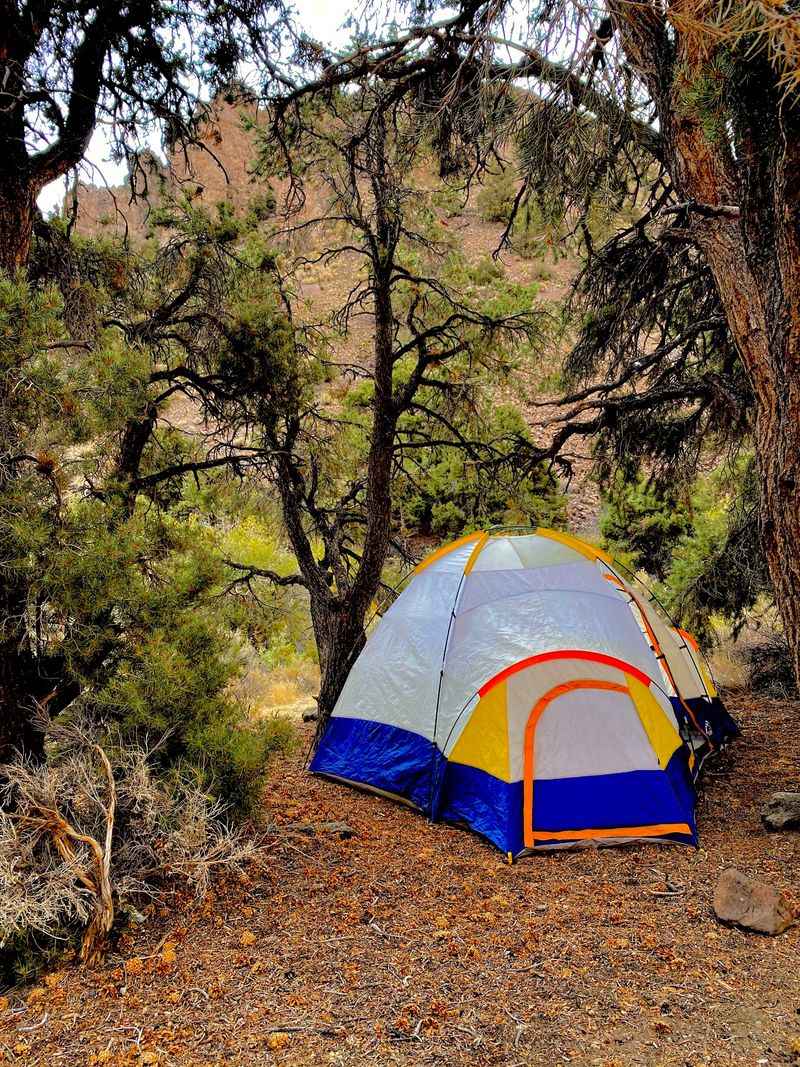
Nevada has a creek named Desert Creek that runs through mountains with plenty of trees, which seems like a contradiction. It flows out of the Sweetwater Mountains near the California border, close to Wellington.
The Forest Service campground has a small number of first-come sites with tables and fire rings. Restrooms are provided, and visitors should bring drinking water to be safe.
Trails in the area lead to high-country scenery, and the creek draws anglers who like small streams. Fall is a lovely season because aspen trees turn gold.
Wellington is a tiny community, so plan on buying supplies in Smith Valley or Minden. The road in can be rough in places, so check conditions before you travel.
Nights are cold at this elevation, even in midsummer.
11. Cleve Creek Campground – Ely area
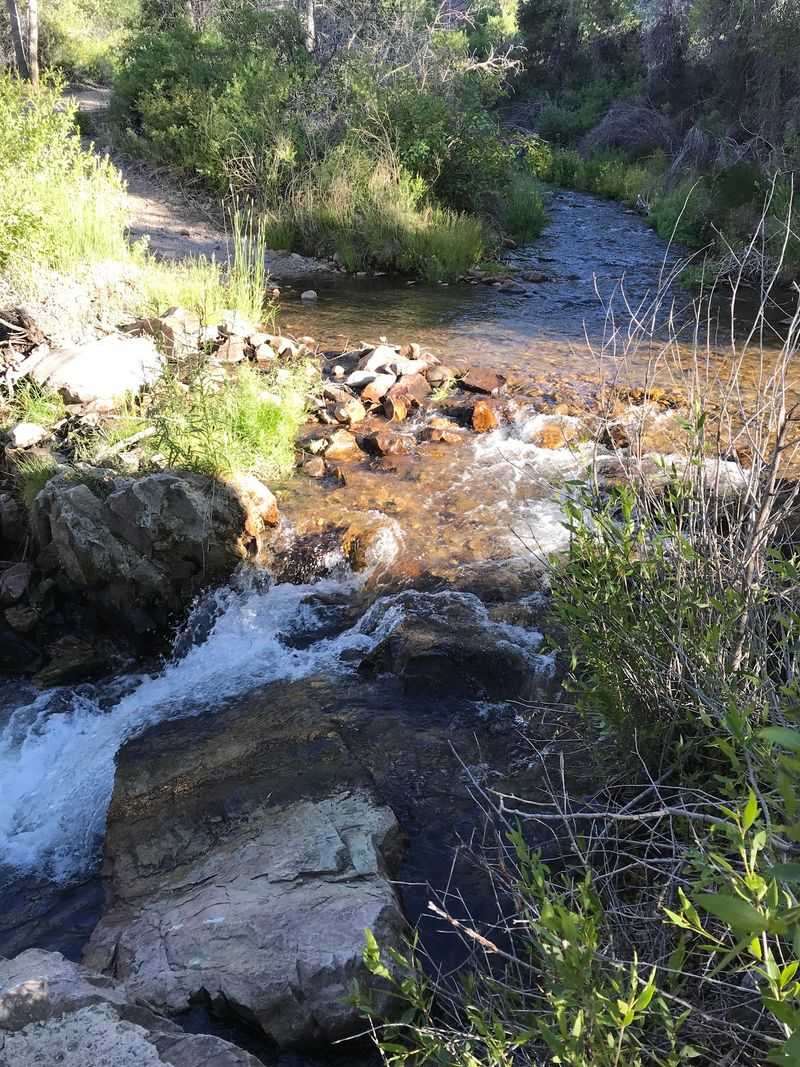
Few campgrounds near Ely have a creek running right through them, but Cleve Creek does. This Bureau of Land Management site sits in the Schell Creek Range, east of Ely at around 7,000 feet.
Sites include tables and fire rings, and restrooms are on site. Water is not always available, so bring your own to be safe.
Camping is first come, first served, and a small fee applies.
The creek supports small trout, and shady trees line the sites. Hiking routes in the area lead up into the range, where mountain views open up.
The road in is mostly gravel, though many vehicles can handle it in dry weather. Snow can block access in winter and early spring, so summer and early fall are the safest seasons for a visit.
12. Pine Creek Campground – Belmont area
Belmont was once a booming silver town, and its old brick courthouse still stands as proof. Pine Creek Campground lies in the Toquima Range, not far from that ghost town, in the Humboldt-Toiyabe National Forest.
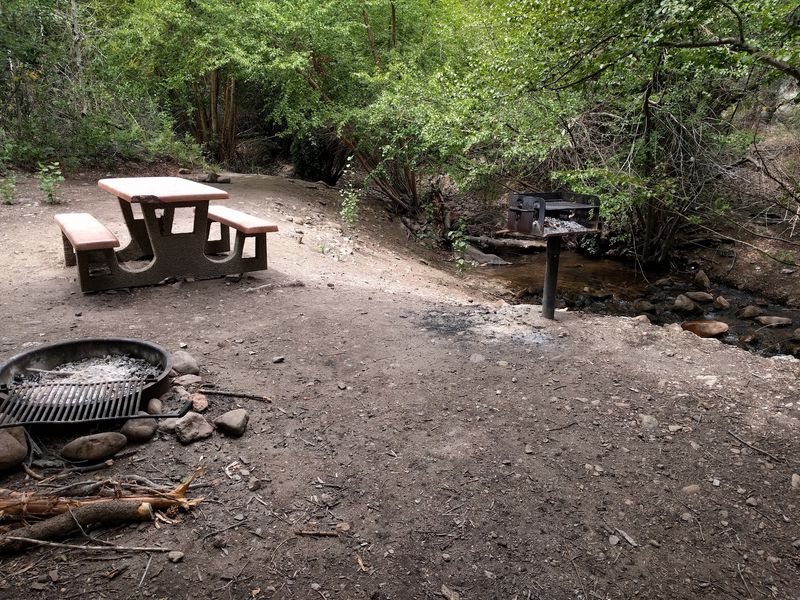
The campground has first-come sites with tables and fire rings. Restrooms are provided, though water may not be available, so bring plenty.
Fees are collected at the site.
The area serves as a trailhead for the Alta Toquima Wilderness, which includes high alpine terrain and an ancient Native American village site on Mount Jefferson. Hikers should be prepared for altitude and changing weather.
Roads to the campground include gravel stretches, so drive slowly. Services are very limited, which makes this a place for planners who pack food, fuel, and a spare tire.
The reward is plenty of quiet space.
Share this story