Family trips do not always need giant crowds, long lines, or a theme park wristband. Across the country, there are parks, seashores, ghost towns, and museums that rarely make the usual vacation lists, yet they hold plenty of reasons to plan a visit.
Some let kids hunt for real dinosaur tracks. Others put families behind a waterfall, on a wild horse beach, or inside a town frozen in the Old West.
This list gathers twenty places with real appeal for parents and kids, from desert goblins to Midwest canyons. Before you pack the car, check each park’s current hours and conditions, since seasons and weather can change plans quickly.
Save this one for your next road trip.
Goblin Valley State Park, Green River, Utah
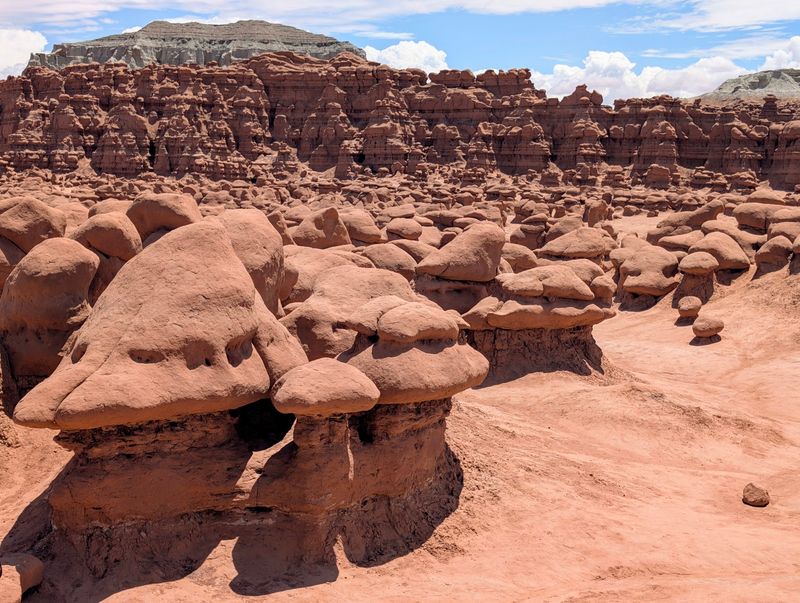
Few places make kids feel like they have landed on another planet quite like this one. Thousands of odd sandstone formations, called goblins, fill the desert floor and turn the whole valley into a giant natural playground.
Unlike many fragile rock attractions, parts of the park let visitors wander among the formations instead of staring from a faraway overlook. Families can explore the Valleys of the Goblins, follow hiking trails, try geocaching, or sign up for the Junior Ranger program.
Beginner to intermediate mountain biking routes give older kids another way to see the landscape. For overnight stays, the park offers a campground and yurts, which is handy for families who want a bed that is not a sleeping bag.
The park is currently open every day from 6 a.m. to 10 p.m. That wide window makes it easy to plan an early morning walk before the desert heat builds, or a later visit when the day cools down.
Dinosaur Valley State Park, Glen Rose, Texas
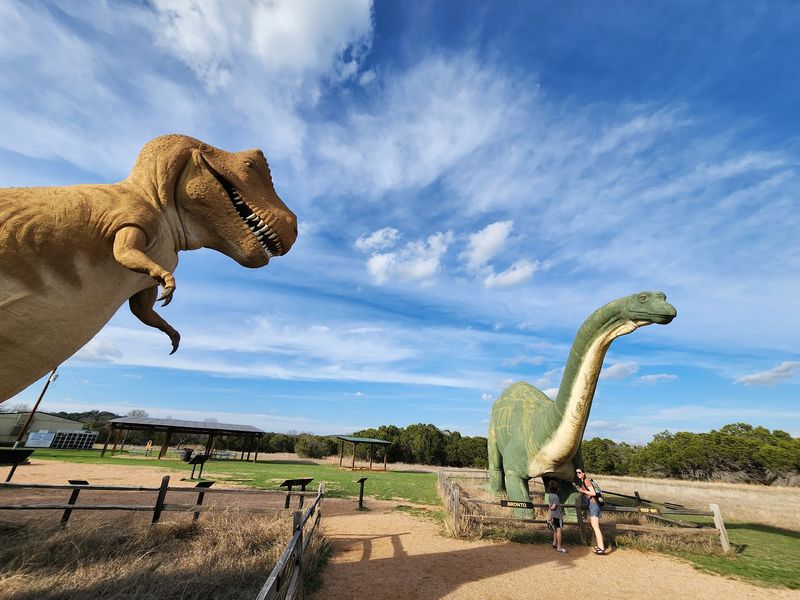
Museums show dinosaur bones behind glass, but this park lets families look for actual dinosaur footprints in the Paluxy River bed. The tracks were left when dinosaurs walked through the area millions of years ago, which makes it one of the most unusual outdoor attractions in Texas.
There is more here than prehistoric history. Families can hike, camp, swim, fish, paddle, and mountain bike, with roughly 20 miles of trails to choose from.
Large dinosaur replicas are a hit with younger visitors and make a fun photo stop. Plan some time for them even if the kids are eager to get straight to the river.
Track visibility changes with river conditions, so it pays to check the park’s latest updates before driving out. High water can cover the prints, and a quick look at current conditions can save a disappointing trip.
Makoshika State Park, Glendive, Montana
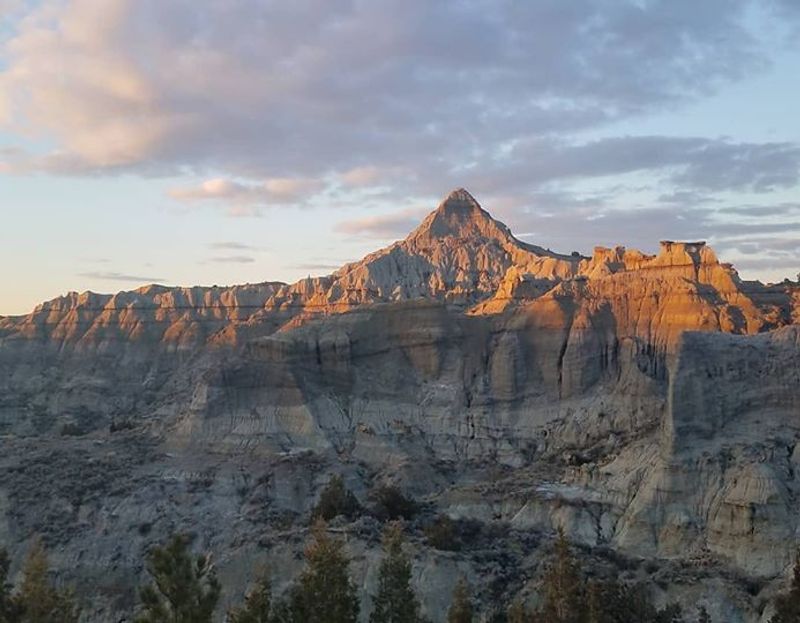
Montana’s largest state park looks like a movie set built for a dinosaur film. Makoshika spreads across more than 11,000 acres of rugged badlands, and fossils from Triceratops, Tyrannosaurus rex, and other prehistoric animals have been found here.
The visitor center displays dinosaur fossils and exhibits that explain the area’s paleontology. That makes it a strong match for kids who can name every dinosaur on the chart.
Outside, families can choose from 11 designated hiking trails, take scenic drives, camp, picnic, or play disc golf. Youth activities and other programs are offered during certain seasons.
The park itself stays open daily, but visitor center hours change between summer and winter. A quick check of the schedule before you go will help you time the indoor exhibits with your time on the trails.
City of Rocks National Reserve, Almo, Idaho
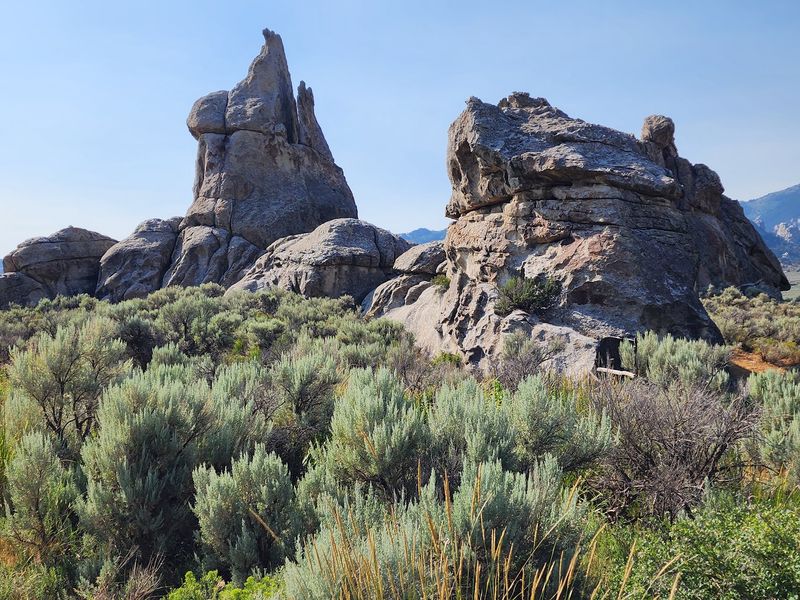
Giant granite formations rise out of southern Idaho here, and some look like walls, towers, and huge stone buildings. That is how the reserve earned its memorable name.
Families do not need to be experienced climbers to enjoy it. Scenic roads, hiking opportunities, picnic areas, wildlife watching, and stargazing all fit into a visit.
Camping is a big part of the draw. The reserve’s campsites are scattered among aspens, junipers, pines, and towering rocks instead of being packed into a standard campground layout.
Plan ahead, because camping reservations are required year-round. Same-day stays are possible when space remains available, but it is smarter to book early if you have your heart set on a specific weekend.
Silver Falls State Park, Sublimity, Oregon
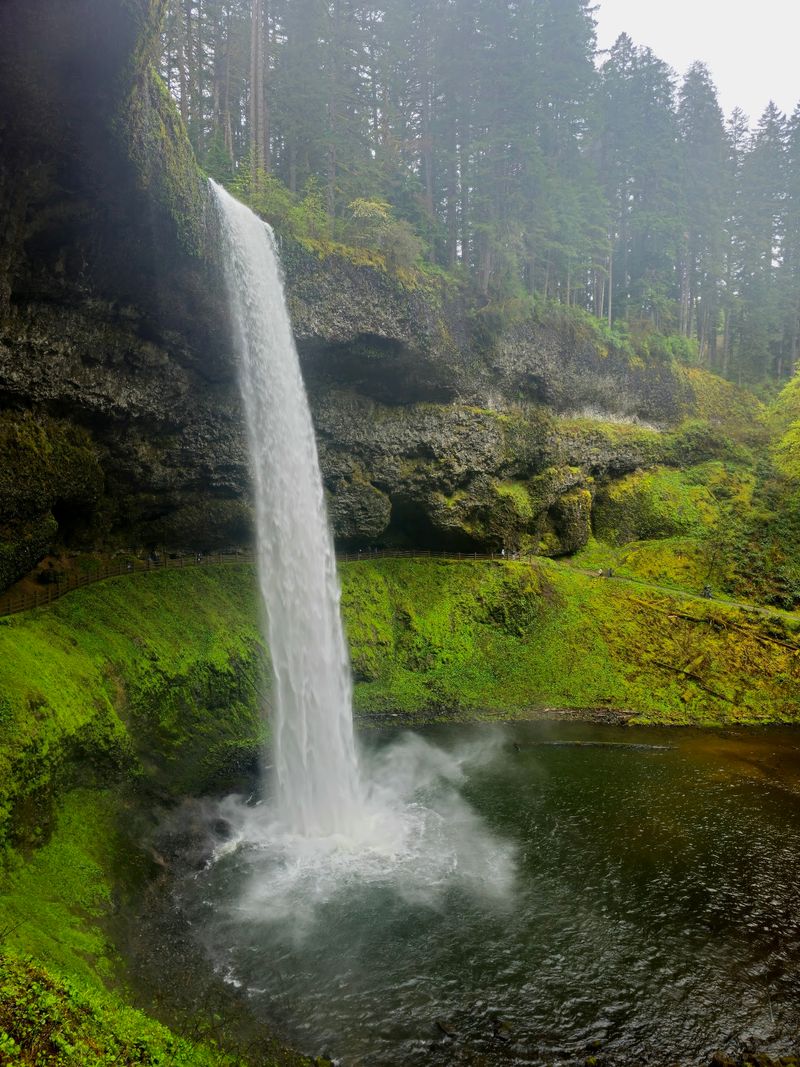
Oregon has plenty of waterfalls, yet Silver Falls packs an impressive number of them into one forest. The famous Trail of Ten Falls winds through a lush canyon filled with ferns and tall Douglas firs.
The big moment comes at South Falls, where the trail passes behind a 177-foot curtain of falling water. Kids tend to remember that part long after the trip ends.
The complete Trail of Ten Falls loop is about 7.2 miles and rated moderate. Families do not have to finish the whole thing, though.
Shorter options make it possible to see strong waterfalls without committing to a full day on the trail. Pick a route that matches your youngest hiker’s energy, and save the longer loop for another visit.
Fort Worden Historical State Park, Port Townsend, Washington
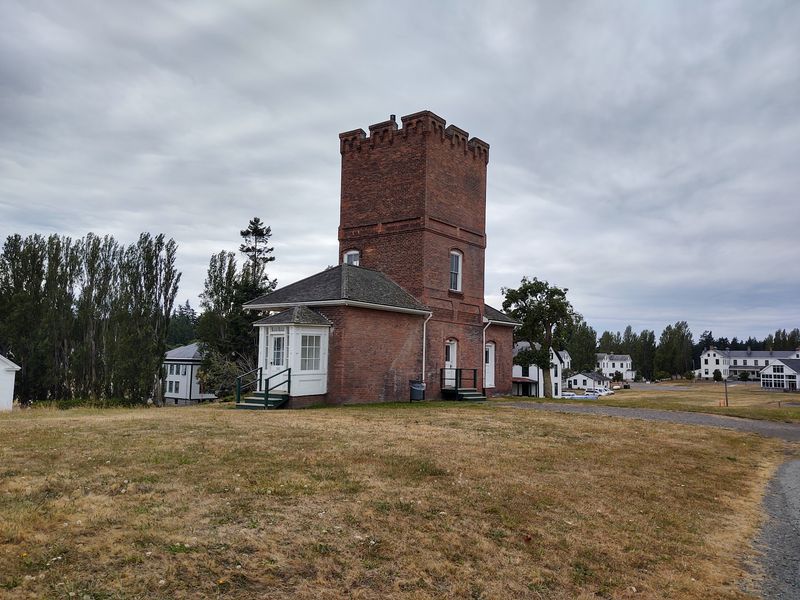
Beaches, military history, forests, and Puget Sound views all share space at Fort Worden. The former military installation has historic gun batteries that visitors can explore, which gives kids a chance to poke around real concrete bunkers.
Trails, picnic areas, and saltwater beaches fill out the grounds, with wide views across Admiralty Inlet. Families can also kayak, swim, bike, or watch for wildlife along the coast.
The Port Townsend Marine Science Center sits within the park and offers a way to learn about marine life up close. It makes a good rainy-day backup, or a calm break between outdoor stops.
Camping is available, and Washington State Parks confirms the campgrounds are operating in 2026. Mixing history with outdoor recreation makes this far more than another beach trip.
Bodie State Historic Park, Bridgeport, California
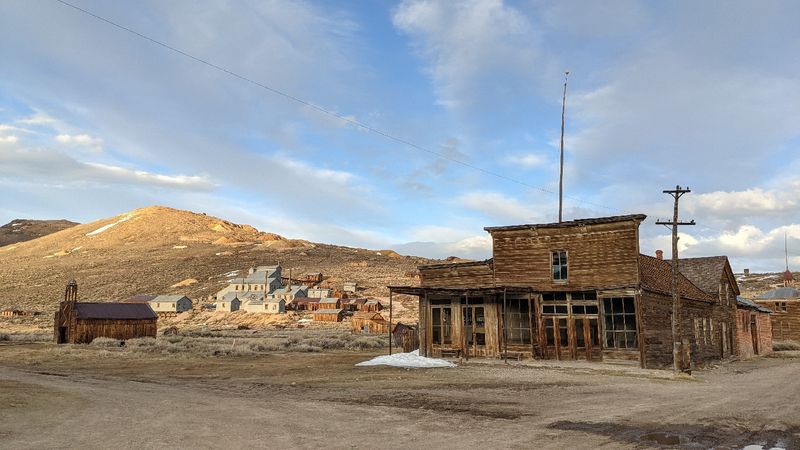
Bodie is about as close as a family can get to walking into a real Old West ghost town without a time machine. It was once a busy gold-mining community with thousands of residents.
California State Parks keeps the town in what it calls a state of arrested decay. That means the buildings are preserved as they are rather than rebuilt.
Visitors wander past weathered homes, businesses, and empty streets, and can peek through windows at objects left behind long ago. School-age children studying mining and Western history often find that authenticity fascinating.
As of October 2026, the park is open daily. Summer hours run from 9 a.m. to 6 p.m., with shorter hours in winter, so check the schedule before heading out.
Bring layers, since the high-country weather can change.
Palo Duro Canyon State Park, Canyon, Texas
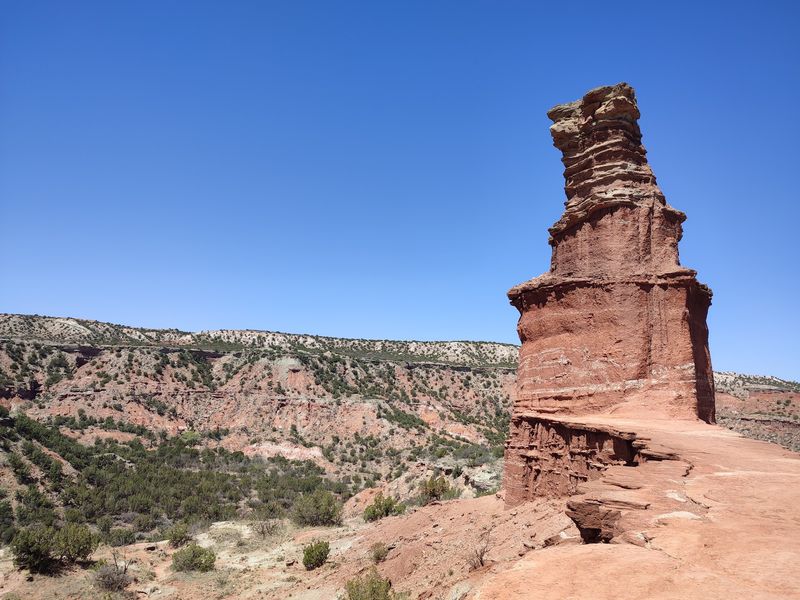
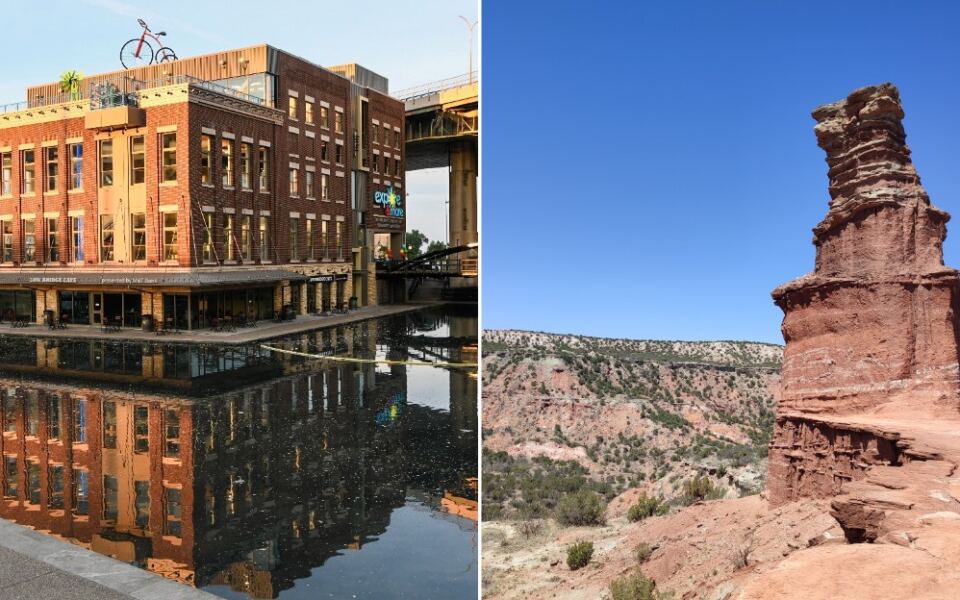
Nicknamed the Grand Canyon of Texas, Palo Duro gives families big scenery without a trip to Arizona. Texas Parks and Wildlife describes it as the country’s second-largest canyon, with colorful cliffs and more than 30 miles of hiking, biking, and equestrian trails.
Families can drive into the canyon, look for wildlife, try geocaching, or camp. Some choose to stay in historic cabins built by the Civilian Conservation Corps.
Summer visitors can also catch the long-running TEXAS Outdoor Musical, which adds an evening activity to a day of exploring.
The park is open daily, though trails sometimes close for extreme heat, wet weather, or poor conditions. Reservations are smart during busy periods because the park can reach capacity, so plan ahead and check current trail status.
Hocking Hills State Park, Logan, Ohio
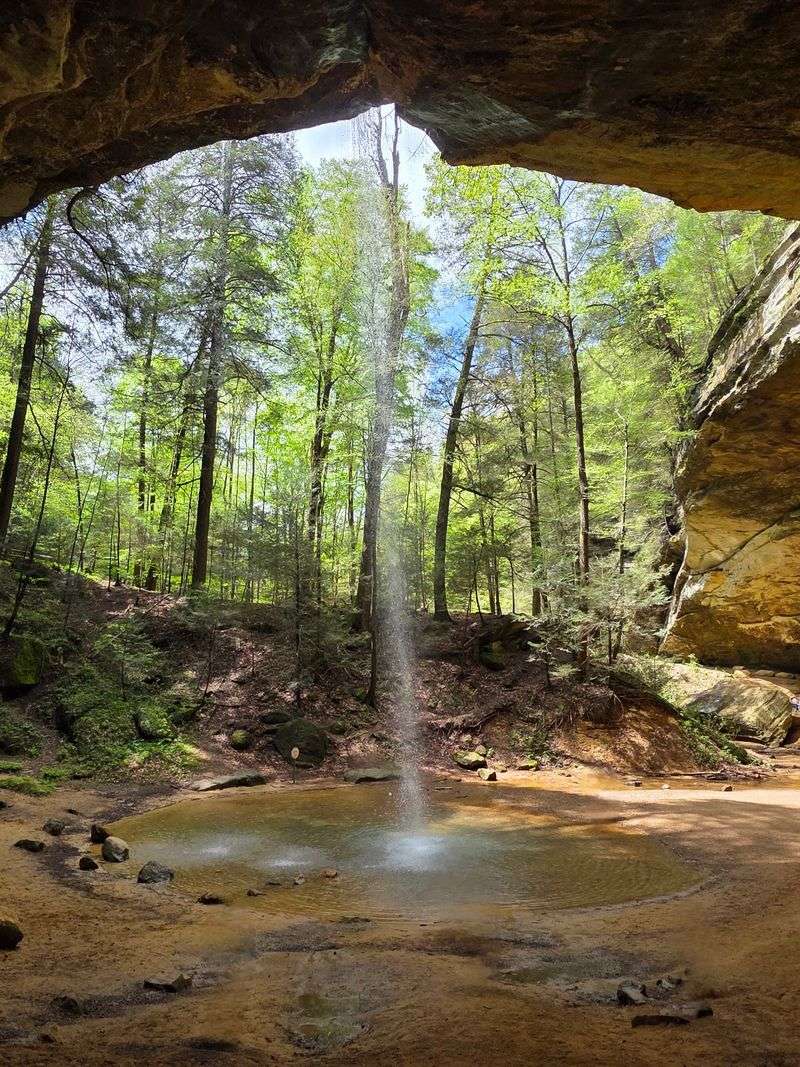
Southeastern Ohio hides a landscape of deep gorges, waterfalls, tall cliffs, caves, and enormous rock shelters. It feels surprisingly wild for the Midwest.
Hocking Hills has several major hiking areas, including Old Man’s Cave, Ash Cave, Cedar Falls, Rock House, Cantwell Cliffs, and Whispering Cave. Families can choose routes based on their kids’ ability instead of facing one huge trail.
Waterfalls look especially good after periods of rain. In autumn, the surrounding forest turns into a showcase of fall color.
The park system is open year-round from dawn until dusk. Visitors must stay on designated trails, which helps protect the cliffs and keeps everyone safe on the steps and edges.
Natural Bridge State Resort Park, Slade, Kentucky
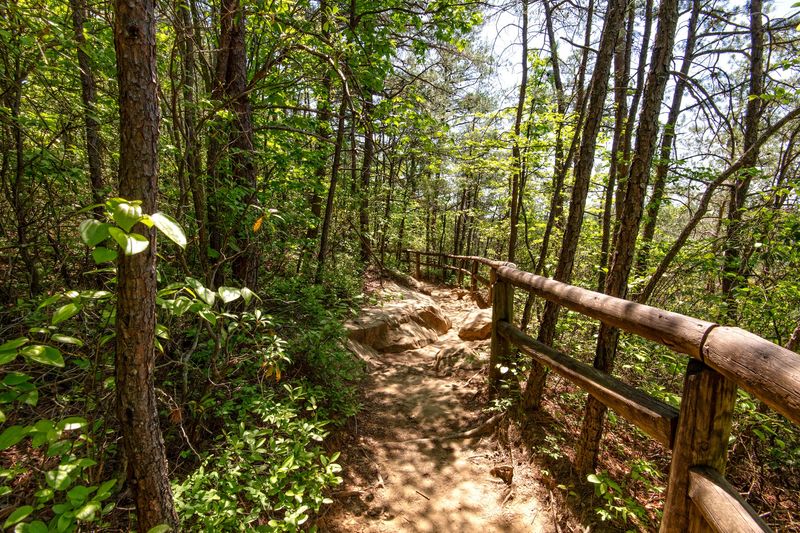
Kentucky’s Natural Bridge rises above a forested landscape near the Red River Gorge. The sandstone arch measures roughly 78 feet across and 65 feet high.
Families can hike up to the bridge or make the trip much easier by riding the seasonal skylift. That choice helps multigenerational groups where not everyone wants a tough climb.
The park also offers more trails, a nature center, lodging, cottages, and a restaurant. That makes an overnight trip simple to organize without hunting for a place to stay nearby.
Nearby Red River Gorge adds even more cliffs, arches, and outdoor adventures for families who want to extend the visit. Treat the arch as the starting point rather than the whole trip.
Congaree National Park, Hopkins, South Carolina
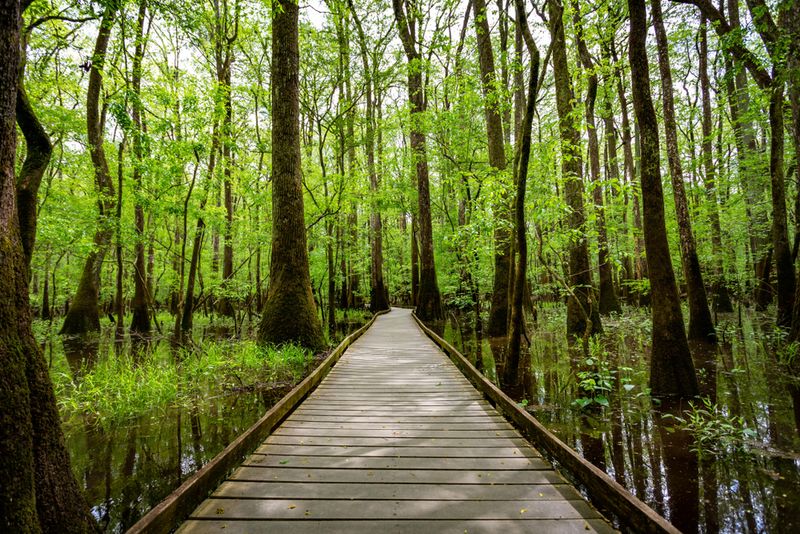
Old-growth bottomland hardwood forest is hard to find in the eastern United States, and Congaree protects a huge stretch of it.
Elevated boardwalks and trails let families walk beneath tall trees while watching for birds and other wildlife. More adventurous visitors can paddle Cedar Creek by canoe or kayak.
Since the scenery comes from the forest itself instead of one famous landmark, the park encourages families to slow down and look around. Kids can turn the walk into a wildlife spotting game.
It is also an easy national park for spontaneous trips. The park is generally open 24 hours a day throughout the year, while the Harry Hampton Visitor Center normally operates from 9 a.m. to 5 p.m.
Cumberland Island National Seashore, St. Marys, Georgia
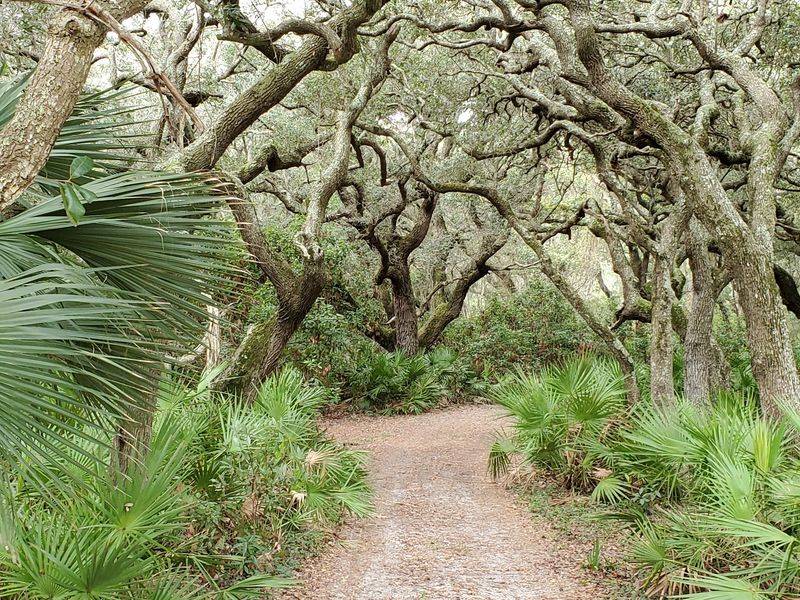
Getting to Cumberland Island requires a boat, which is exactly why this Georgia barrier island feels so removed from daily life. Families find undeveloped beaches, maritime forests, historic ruins, and wildlife instead of arcades and high-rise hotels.
The ferry ride from St. Marys takes roughly 45 minutes, and kids tend to treat the crossing as part of the adventure.
Once on the island, visitors can hike, walk the beaches, picnic, visit historic areas, or camp overnight. Packing food and water is a good idea since the island is not set up like a resort.
The island is reachable only by ferry or private boat. Ferry reservations are strongly recommended because departures regularly sell out, so book before you finalize other travel plans.
Assateague Island National Seashore, Maryland and Virginia

A beach gets a lot more memorable when wild horses wander across the island behind it. Assateague protects a long barrier island along Maryland and Virginia where families can swim, beachcomb, watch wildlife, camp, and paddle.
The famous horses are wild animals, not a petting zoo. Visitors must keep a safe distance and never feed them.
The Maryland district is open year-round, 24 hours a day, while access hours on the Virginia side vary by season.
The visitor center is a handy stop for rainy days or sun breaks. It has marine aquariums, a touch tank, exhibits, and educational information about the island and its horses.
Edward Ball Wakulla Springs State Park, Wakulla Springs, Florida
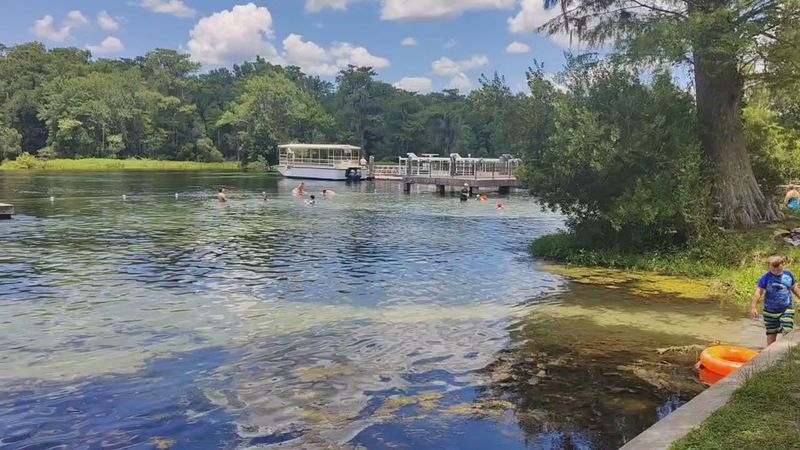
Families who want old Florida instead of theme-park Florida will find a very different scene at Wakulla Springs. The park surrounds one of the world’s largest and deepest freshwater springs.
Cypress forest backs the water, and alligators, manatees, and plenty of birds live in the area. Visitors can swim in the spring when conditions allow and explore the grounds around the historic lodge.
The park is currently open for day use from 8 a.m. until sunset.
Travelers planning a 2026 visit should note a temporary restriction. As of October 14, overnight accommodations are closed and boat tours are unavailable following Hurricane Isaias, so check those services again before you travel.
Porcupine Mountains Wilderness State Park, Ontonagon, Michigan
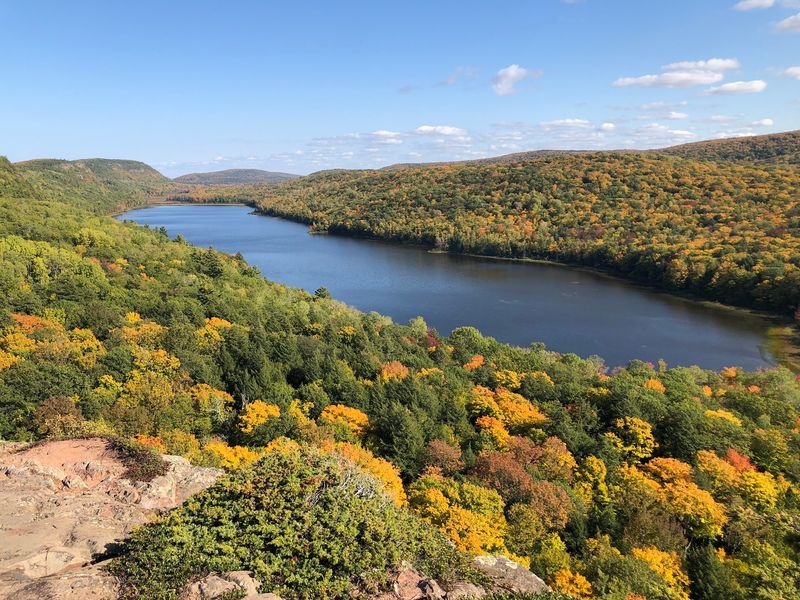
Lake Superior’s Upper Peninsula already feels far from crowded vacation corridors, and the Porcupine Mountains push that sense of distance even further.
Michigan’s largest state park covers roughly 59,000 acres. It protects a vast old-growth forest along with waterfalls, rivers, trails, historic mining sites, campgrounds, and Lake Superior shoreline.
Families can keep it simple with an easy scenic visit or build a much bigger hiking and camping trip. That flexibility suits groups with different energy levels.
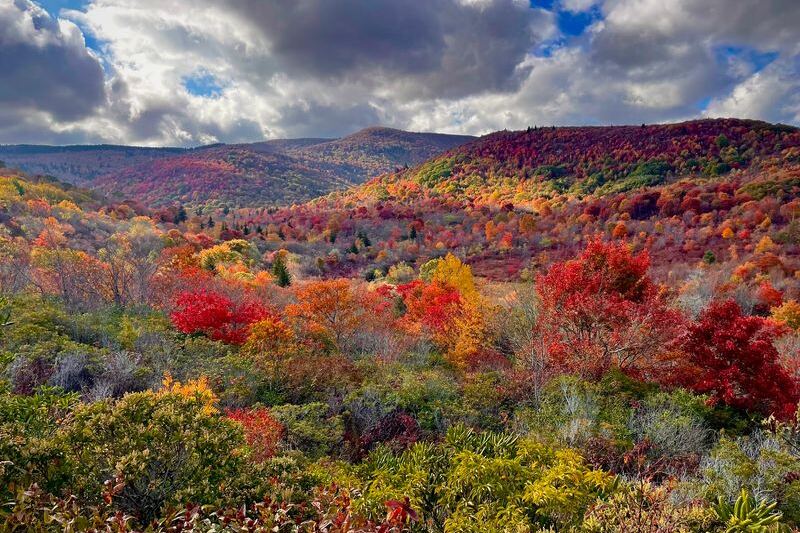
Autumn is especially colorful when the hardwood forests change, and recreation continues into winter. The park is open year-round, although specific visitor facilities operate seasonally, so check what is available for your dates.
Starved Rock State Park, Oglesby, Illinois
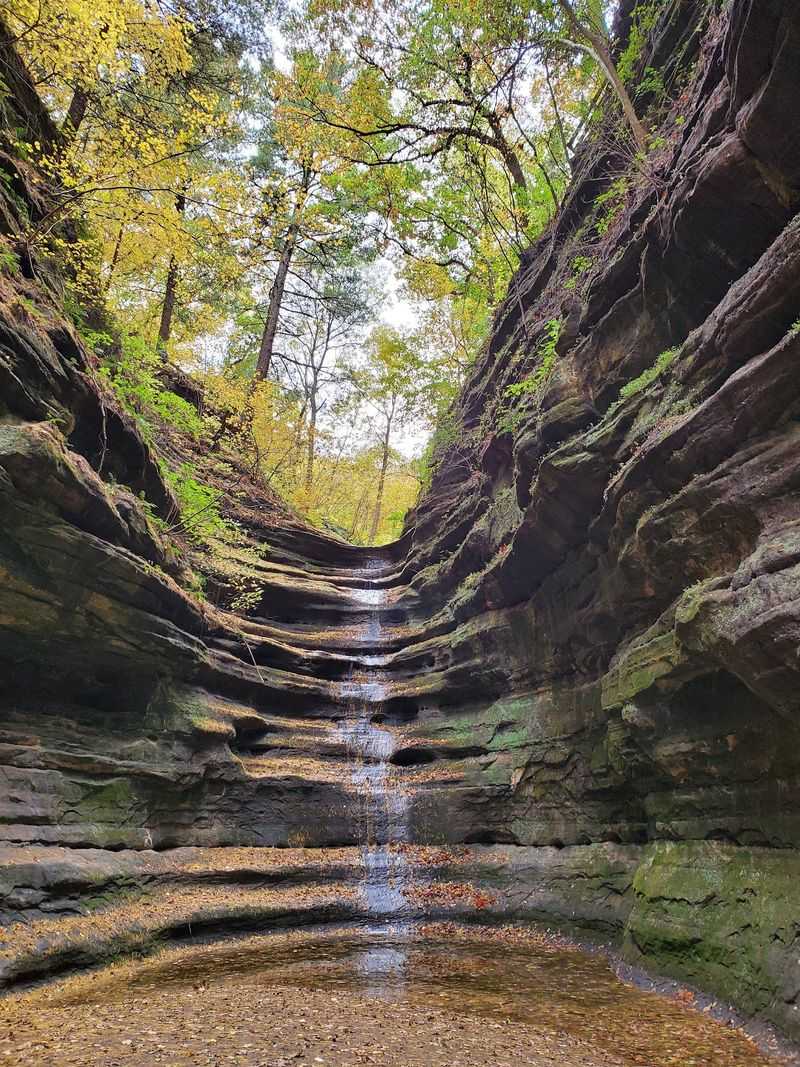
Flat Midwestern scenery suddenly changes at Starved Rock. Sandstone canyons, wooded trails, overlooks, and seasonal waterfalls make it one of the most dramatic outdoor spots in Illinois.
Families can pick from many hiking routes instead of committing to one long trek, which makes it easier to adjust a visit for younger kids.
The Illinois Department of Natural Resources currently lists park trails as open from 7 a.m. until sunset. The visitor center operates daily under its posted schedule.
There is one important 2026 consideration. Trail improvement work means some individual trails may have limited access or closures, although the visitor center, campground, and lodge remain open.
Check trail status before you go.
Rocky Neck State Park, Niantic, Connecticut
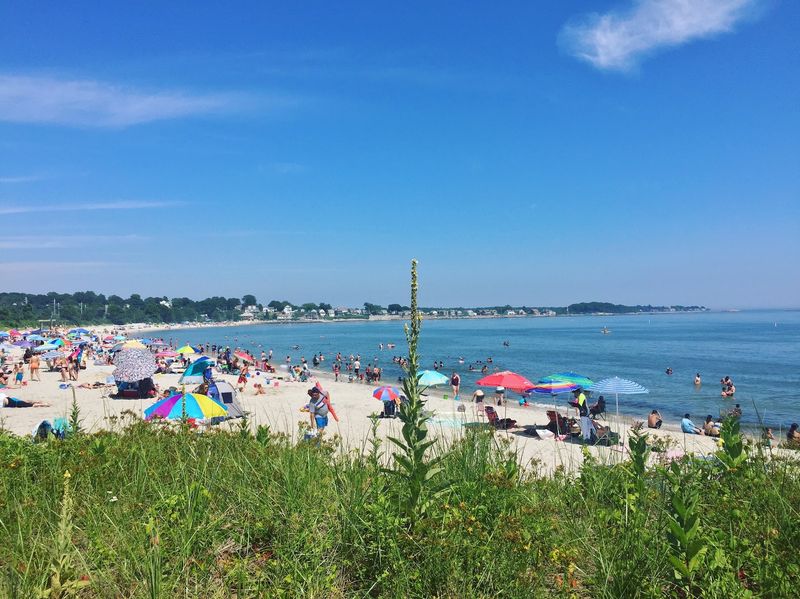
Rocky Neck pairs a gentle Long Island Sound beach with salt marshes, wooded trails, wildlife, and camping.
The crescent-shaped beach suits families who want a classic beach day without traveling to a major East Coast resort.
Away from the sand, visitors can explore tidal environments and watch for birds such as herons and ospreys.
The historic stone Ellie Mitchell Pavilion adds some architectural character to the shoreline. Current 2026 information lists the park as open daily from 8 a.m. until sunset, with camping and several outdoor activities available seasonally.
Backbone State Park, Dundee, Iowa
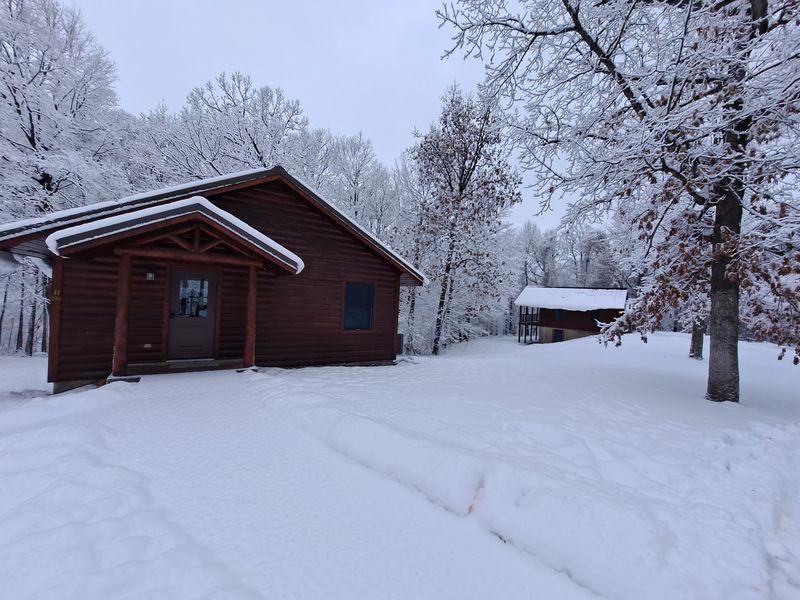
Iowa’s oldest state park rarely shows up on national family vacation lists, and that is part of the appeal. Backbone surrounds a narrow ridge of rock known as the Devil’s Backbone.
The park combines cliffs, forests, lake recreation, caves, trails, and historic structures in one place.
Families can hike, picnic, camp, swim, explore geological features, or spend the day beside the lake.
Cabins give another option for people who like nature but do not want to sleep in a tent. Current park information lists Backbone as operating daily, with a broad mix of camping, hiking, swimming, playground, and nature activities.
French Creek State Park, Elverson, Pennsylvania
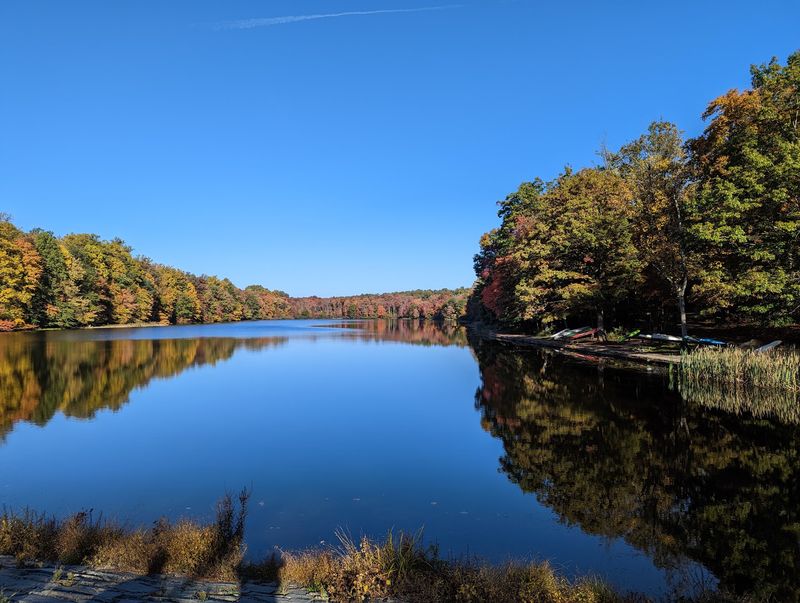
Not far from major population centers in Pennsylvania, more than 7,000 acres of forest make city life feel far away.
French Creek State Park surrounds Hopewell and Scotts Run lakes. It offers hiking, fishing, boating, camping, cabins, yurts, and seasonal recreation.
The location also makes it easy to combine a nature trip with nearby history, including Hopewell Furnace National Historic Site.
For families, that means a weekend can include forest adventures, lake time, and American history without constant driving. The park is currently open daily from sunrise to sunset, and individual facilities follow their own schedules.
Explore & More Children’s Museum, Buffalo, New York
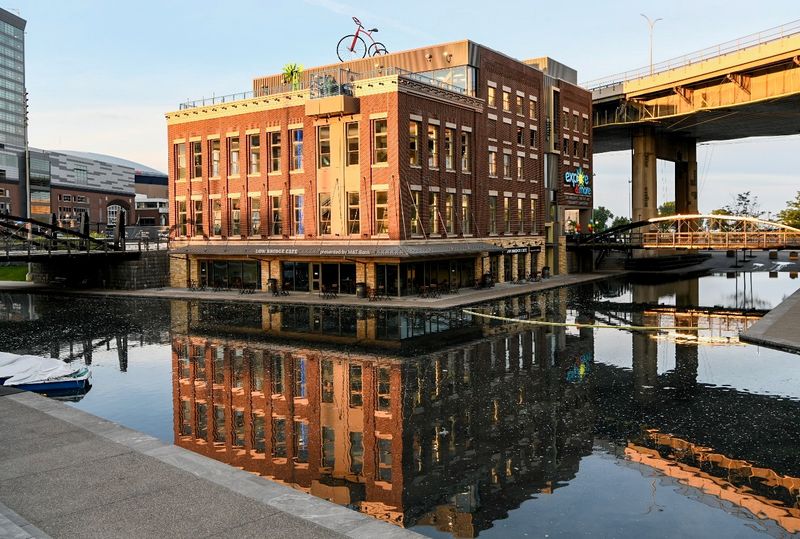
Many travelers rushing toward Niagara Falls never notice the family attraction on Buffalo’s waterfront. Explore & More, officially the Ralph C.
Wilson, Jr. Children’s Museum, fills about 43,000 square feet at Canalside.
Its three floors focus on hands-on, child-led play. Exhibits connect to Buffalo and Western New York, alongside imaginative and educational activities.
The museum says toddlers through roughly third grade tend to get the most from the exhibits. Families with children of different ages can still take part together.
The museum is operating in 2026 and continues to offer regular programs, classes, events, and museum admission. It makes a solid indoor option for a rainy or chilly day.
Share this story