I used to think a starry night meant spotting a few dozen dots over the backyard. Then I drove a couple of hours across North Carolina, switched off the headlights, and looked up at a sky so crowded with light it barely seemed real.
The best part is that most of these places cost little or nothing to visit, and they sit quietly in mountains and on beaches you may have passed a hundred times. Grab a blanket, pack some snacks, and get ready to see the Milky Way the way people saw it long before streetlights.
1. Bare Dark Sky Observatory at Mayland Earth to Sky Park, Burnsville, NC
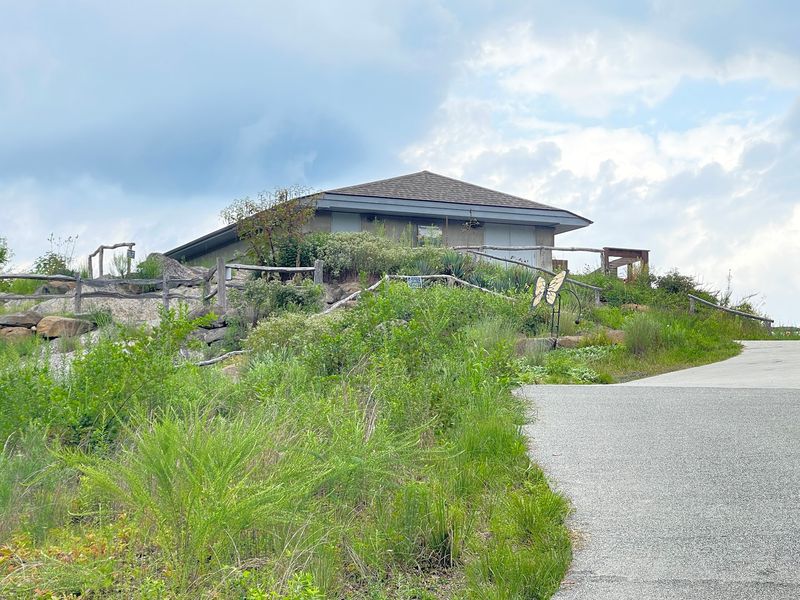
Picture a tiny mountain town in Yancey County holding one of the clearest windows to the galaxy in the Southeast. The park is wrapped by rugged terrain and the Pisgah National Forest, and it carries an official International Dark Sky Park certification.
Public Community Viewing Nights give newcomers a friendly way to start. Astronomy is explained in plain, easy language, so kids and grown-ups leave understanding what they just saw instead of feeling lost.
Private viewings are offered too, and you are welcome to haul in your own telescope or camera gear and set up.
Photographers love it here because the sky stays mostly free of light pollution, making crisp Milky Way shots surprisingly doable even on a first trip. Tickets in advance are a smart move, since events can fill.
Parking is free and right on site, which makes the whole outing pleasantly budget-friendly for a family night out under the stars.
2. Cape Lookout National Seashore, Harkers Island, NC
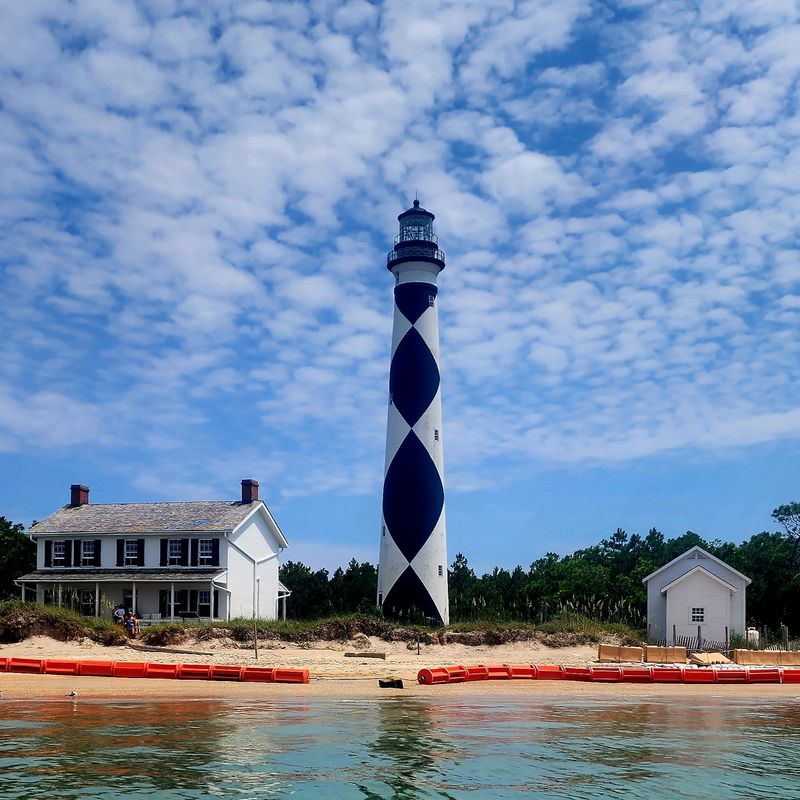
Salt air, crashing surf, and not a single town glow on the horizon. Off the coast of Harkers Island, a little fishing community in Carteret County, these undeveloped barrier islands earned International Dark Sky Park status along the Crystal Coast.
With no municipal lights out on the sand, the ocean horizon turns pitch black after sunset. That inky edge lets the Milky Way rise straight out of the water and arc overhead, a sight that feels almost unfair for a free beach.
Staying overnight makes all the difference. Free camping is allowed on the secluded beach, and rustic cabins with ocean views, full bathrooms, and hot showers are available to rent; bring a generator if you want the air conditioning units running.
Four-wheel-drive vehicles handle the sand best. The historic lighthouse, birding, and fishing fill the daytime hours, while picnic tables and restrooms keep things comfortable for families.
3. Cape Hatteras National Seashore
Bortle Class 2. For stargazers, that rating is basically a gold medal, and it places Cape Hatteras among the darkest skies anywhere east of the Mississippi.
If you have never stood under a truly dark sky, prepare for a jaw-drop moment. The stars pile up so thickly that familiar constellations almost get lost in the crowd.
Weeknights are the quietest time to visit, so a Tuesday or Wednesday evening can feel like having the whole Outer Banks to yourself.
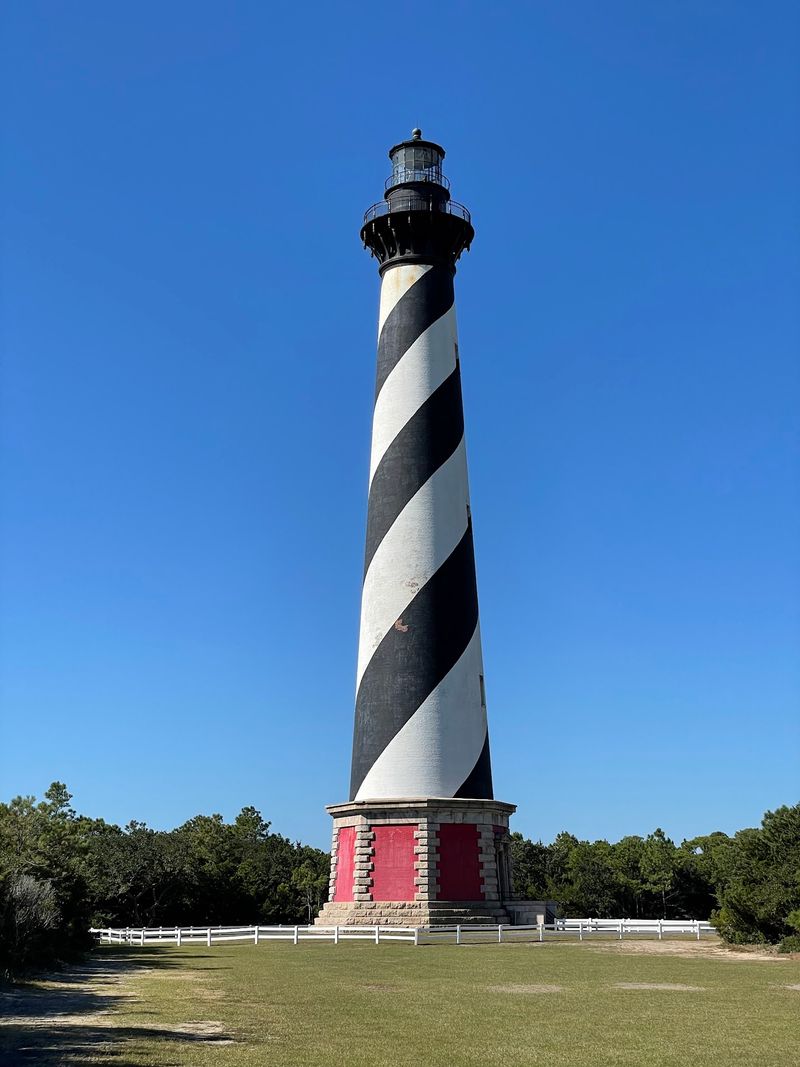
Days here are just as rewarding. Quiet villages like Buxton and Hatteras, wide beaches, shell hunting, world-class fishing, and the iconic lighthouse round out a trip.
Grab an ORV pass to drive toward the inlet at the end of Hatteras. Dogs are allowed, grilling and picnic tables are available, and parking is free, so a sunset cookout followed by a galaxy show costs almost nothing.
4. Pisgah Astronomical Research Institute, Rosman, NC
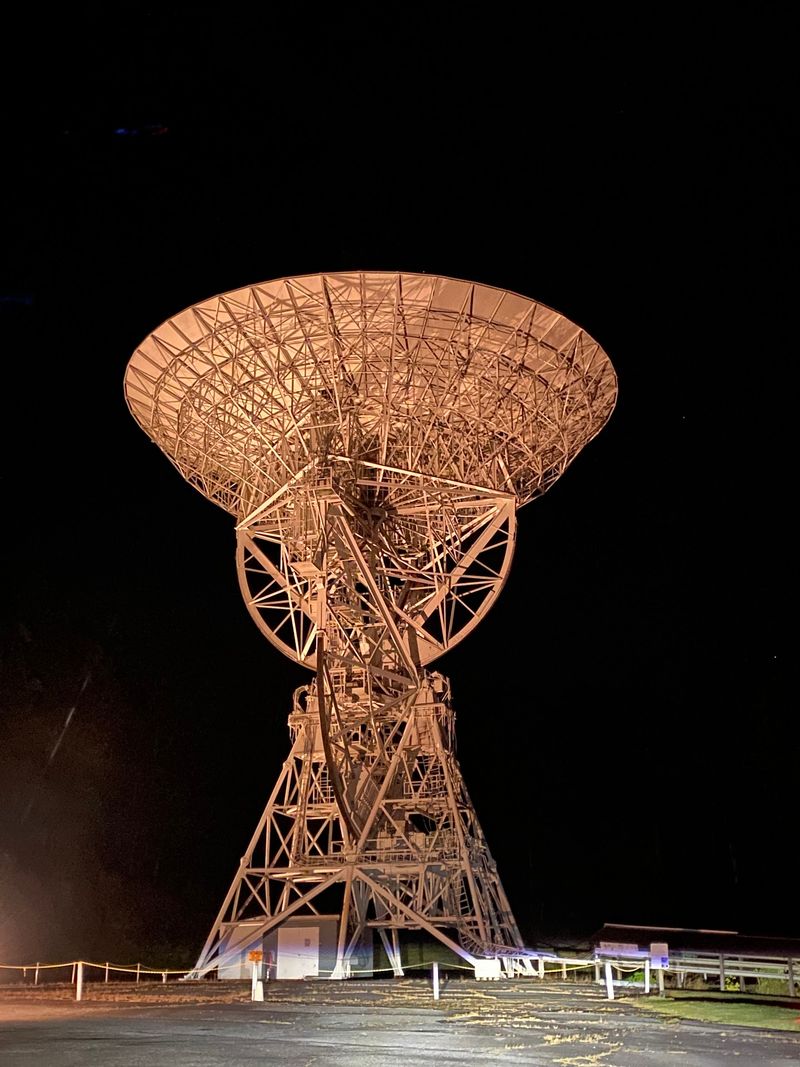
Giant radio telescope dishes tilted toward the heavens are not something you expect to find near a town of fewer than 800 people. Yet deep in the Pisgah National Forest outside Rosman, that is exactly what waits.
Known as PARI, this not-for-profit public organization aims to spark curiosity in everyone from students to working scientists. The grounds feel serene, with a peaceful pond and wooded ridges that keep the sky clear and unobstructed.
It also holds a dark sky site designation, so the night views match the impressive hardware.
Planning ahead matters. PARI is open by appointment, with weekday office hours, and getting tickets in advance is recommended for programs.
Kids tend to light up at the sight of those massive dishes, and free on-site parking keeps costs down. Think of it as a science field trip and a stargazing night rolled into one mountain adventure.
5. Max Patch, Hot Springs, NC
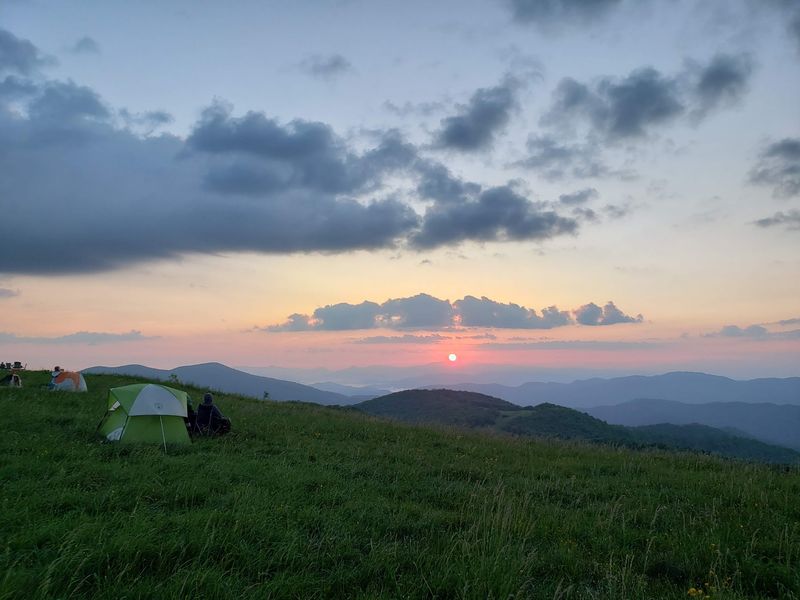
No trees, no buildings, no roofs. Just a wide grassy bald sitting at 4,629 feet with a full 360-degree view stretching across North Carolina and Tennessee.
That open summit is why the Milky Way can be traced from one horizon all the way to the other here. Nothing blocks the edges of the sky, and the surrounding Pisgah National Forest keeps light intrusion low.
By day, the same spot shows off Mount Mitchell and the Great Smoky Mountains.
Getting up top is refreshingly easy, with comfortable trails suitable for most hikers. Hours run from 6 AM to 10 PM, so plan an evening visit and keep an eye on the clock.
Saturdays draw the biggest crowds, while weeknights are calmer. Dogs are welcome outside, and both free and paid parking options exist.
Bring layers, since mountaintop breezes turn chilly fast after dark.
6. Waterrock Knob Visitor Center, Sylva, NC
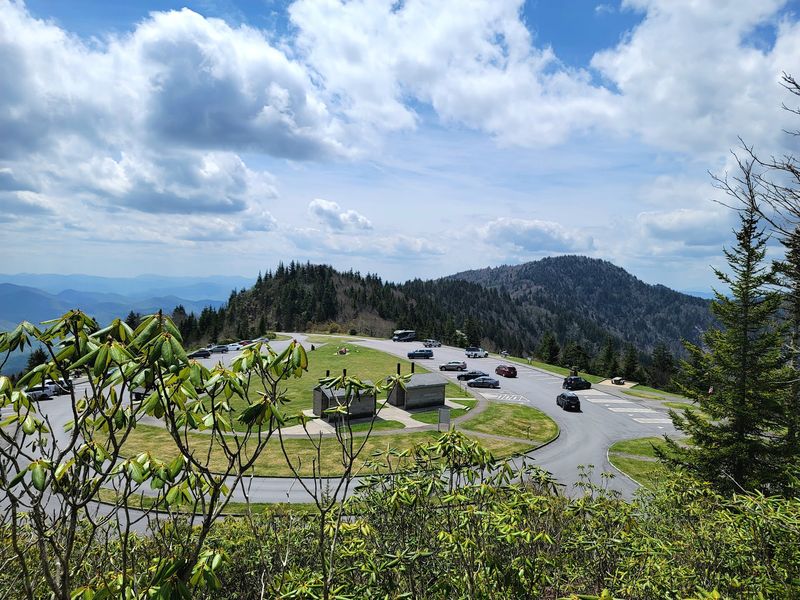
Ask Parkway regulars where to chase altitude, and Waterrock Knob comes up fast. Sitting at Milepost 451.2 high above Sylva, it ranks among the loftiest points along the entire Blue Ridge Parkway.
Elevation is the secret ingredient. Up here, you are lifted above much of the haze, and the panoramic overlooks open onto layer after layer of ridges that fade into darkness at night.
Astrophotographers favor the spot for its deep, quiet skies.
Arrive before the visitor center closes at 5 PM to grab maps, use the restroom, and soak in the views at golden hour. A steep trail climbs toward the summit for those wanting extra effort, though the overlook alone delivers plenty.
Weekday mornings stay the least crowded. Parking options are easy, and the whole stop works nicely as a scenic drive that ends with stars.
7. Graveyard Fields, Canton, NC
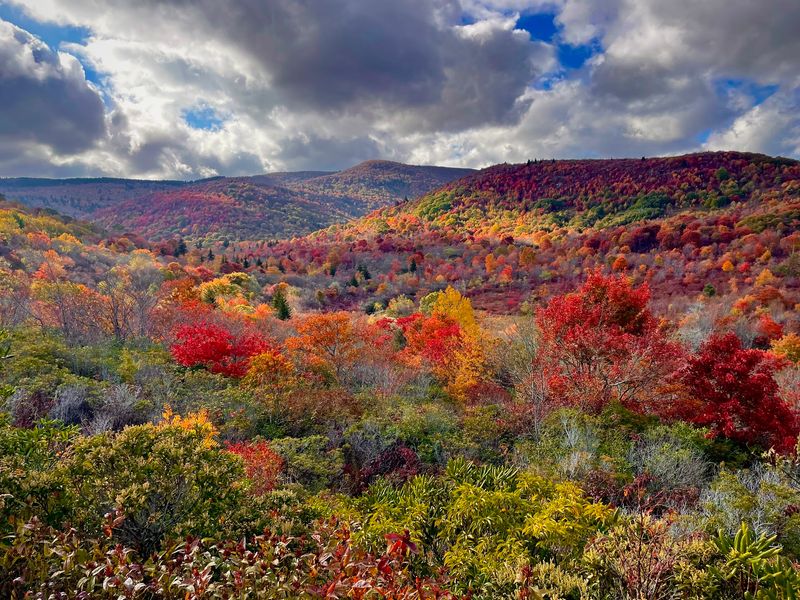
Despite the spooky-sounding name, this high valley near Milepost 418 is one of the most cheerful stops on the Blue Ridge Parkway. Waterfalls, flowing water, and gentle trails make it a daytime favorite.
When the sun sets, though, a different show begins. The broad, open valley is ringed by mountain ridges and sits far above city glow, leaving a huge bowl of sky to fill with stars.
Since it stays open 24 hours, you can linger for the Milky Way core on a clear summer night.
From the parking area, stairs lead down to a few easy trails heading toward the river and two cascading falls, one with a popular swimming hole. Restrooms and an informational display are on site.
Fridays after dark tend to be the quietest. Bring a headlamp, leash your pup, and enjoy a free double feature of waterfalls and starlight.
Share this story