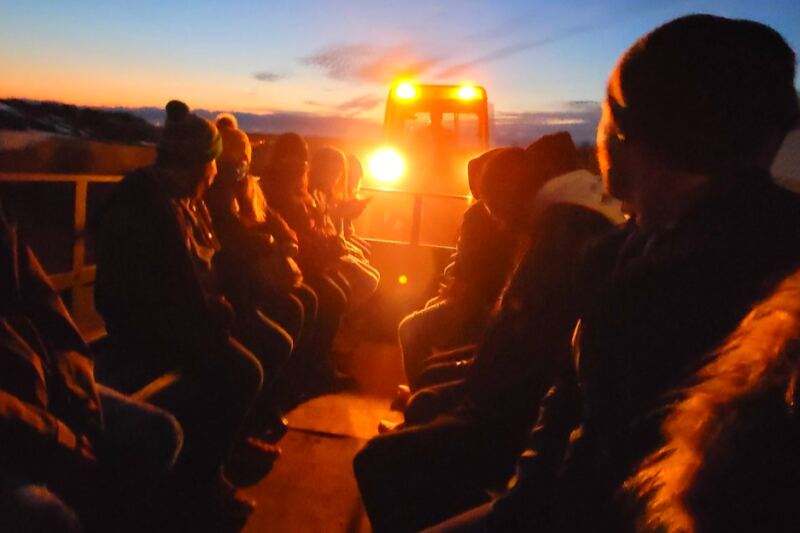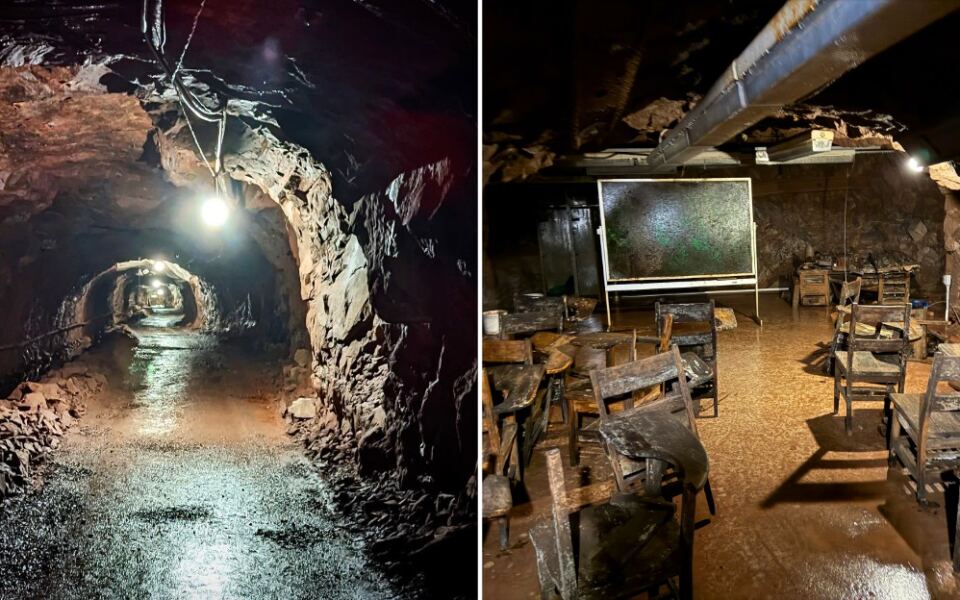
A historic copper mine in Hancock, Michigan, lets visitors travel more than 360 feet underground, where the temperature stays at 43 degrees all year. The tour begins above ground with one of the largest steam hoists ever built, followed by a cog tram ride down the hillside.
At Quincy Mine, visitors enter underground workings dating to the 1860s and learn how miners extracted copper from deep inside the Keweenaw Peninsula. The guided experience takes about two hours and 15 minutes, including time exploring the enormous machinery above ground.
The mine operated for nearly a century and helped make Michigan’s Copper Country an important center of American industry. Today, visitors can explore its history from the hoist house to the underground tunnels, where a warm jacket is essential even in July.
A Copper Giant Above the Portage Lake Canal
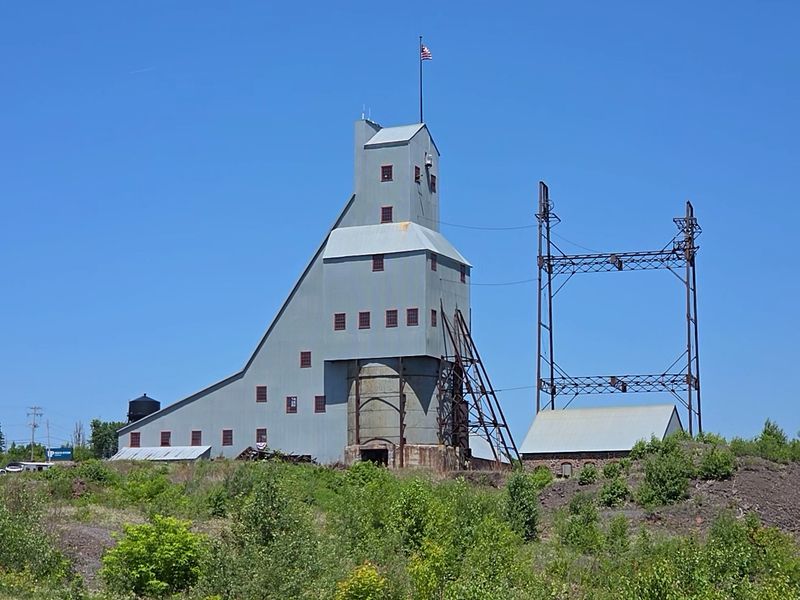
Copper made this hill famous long before tour groups showed up. The Quincy Mine sits at 49750 US-41 in Hancock, Michigan, on the Keweenaw Peninsula in the Upper Peninsula of the United States.
Quincy Mine operated for about a century, starting in the 1840s and running until the mid-1940s. During that long stretch, it pulled huge amounts of copper out of the ground.
The mine earned the nickname Old Reliable because it kept paying dividends to its investors year after year.
Today the site works as a museum and tour stop. It is connected to the Keweenaw National Historical Park, which helps tell the story of the whole Copper Country region.
What grabs my attention is how visible the history still is. Old buildings, rusty machinery, and the tall shaft house stand on the hillside where anyone driving through Hancock can spot them.
The grounds are open daily, and you can wander some of the above-ground ruins without a ticket. The guided tour adds the real depth, though, both in knowledge and in actual distance below the surface.
Its first big stop is a machine many visitors call the highlight of the day.
The Hoist That Pulled Copper From Miles Below
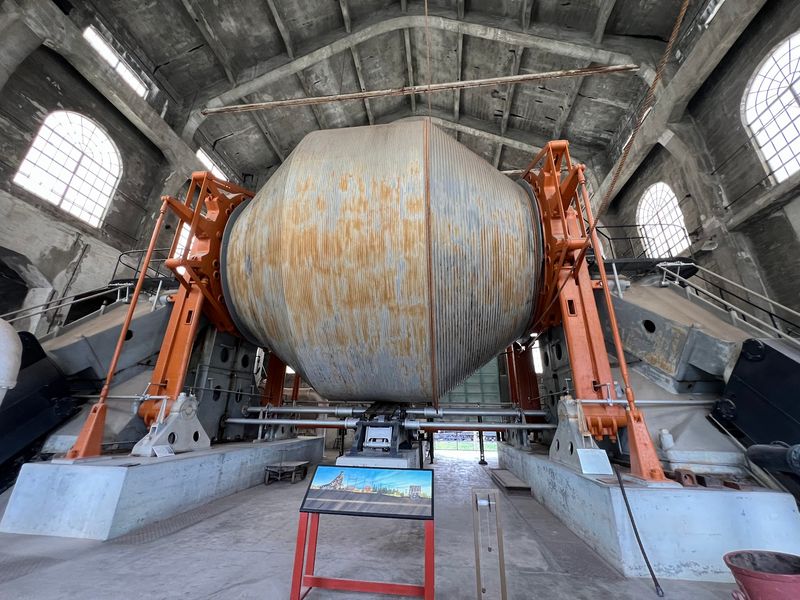
Engineers tend to get a little starry-eyed inside the No. 2 Hoist House. Built in the early 1920s, it holds the Nordberg steam hoist, often described as one of the largest steam hoists ever made.
Its job was simple to explain and hard to pull off. The hoist lowered and raised skips of rock and workers along the No. 2 shaft, which eventually reached more than 9,000 feet along its slanted path.
That is well over a mile into the earth.
The cable drum is massive, and the room around it feels built for giants. Tall windows let light pour across the machinery, so the details are easy to study up close.
Guides explain how operators controlled such a powerful machine with careful hands and constant attention. One mistake could send tons of rock moving the wrong way.
I would budget extra time here just to look around slowly. Kids often lock onto the size of everything, while adults tend to ask how it all got built in the first place.
Once the hoist has your attention, the next step is heading down the hill yourself, which happens in a rather unusual vehicle.
Riding the Cog Tram Down the Hillside
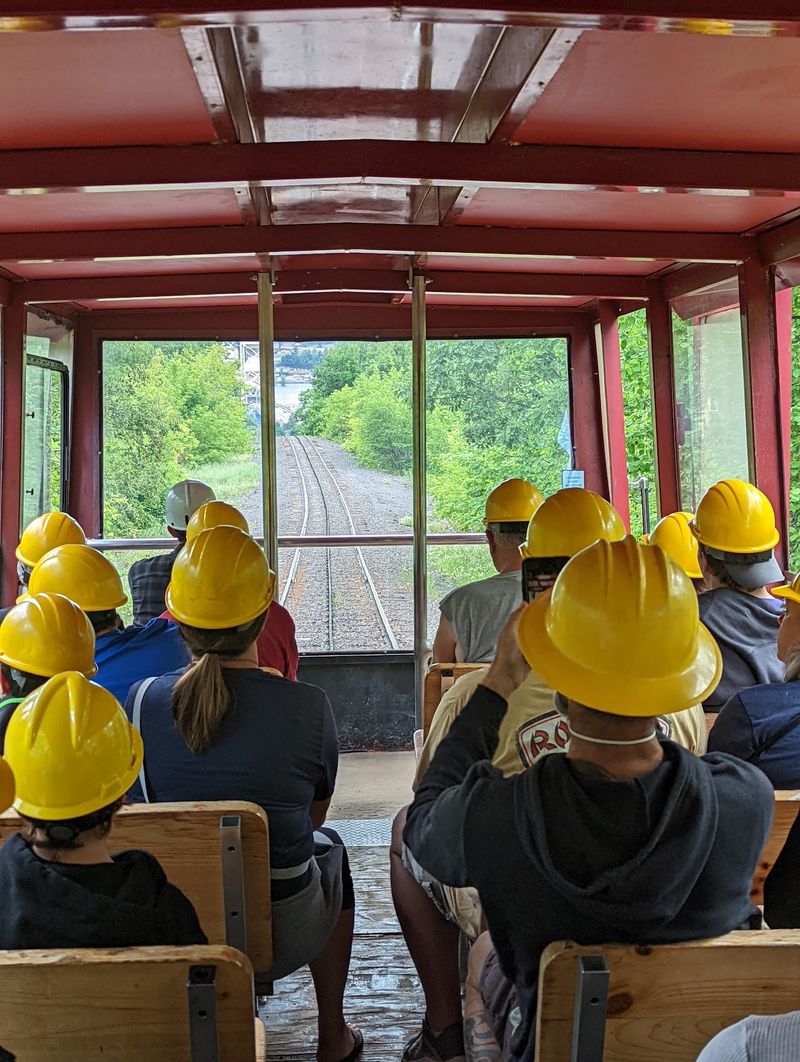
Few tours start with a ride on a cog railway. At Quincy, a tram climbs and descends the steep hillside using a toothed rail that grips the slope.
The tram carries tour groups from the hoist area down toward the mine entrance. Along the way, the view opens up toward Portage Lake and the towns of Hancock and Houghton below.
It is a short ride, but it shifts the mood quickly from museum visit to adventure.
Plenty of people mention the tram as a favorite part of the day. That makes sense, since it feels like a little bonus attraction tucked into the main event.
Families with younger kids may find the tram an easy way to keep energy up. There is something fun about sitting on a car that seems to lean against the hill.
Hold onto your phone or camera during the ride. The scenery changes fast, and you will probably want a photo of the lake framed by the trees.
At the bottom, the tram drops you near an opening in the rock called an adit. That is where the cold air begins.
Walking Into the Rock at 43 Degrees
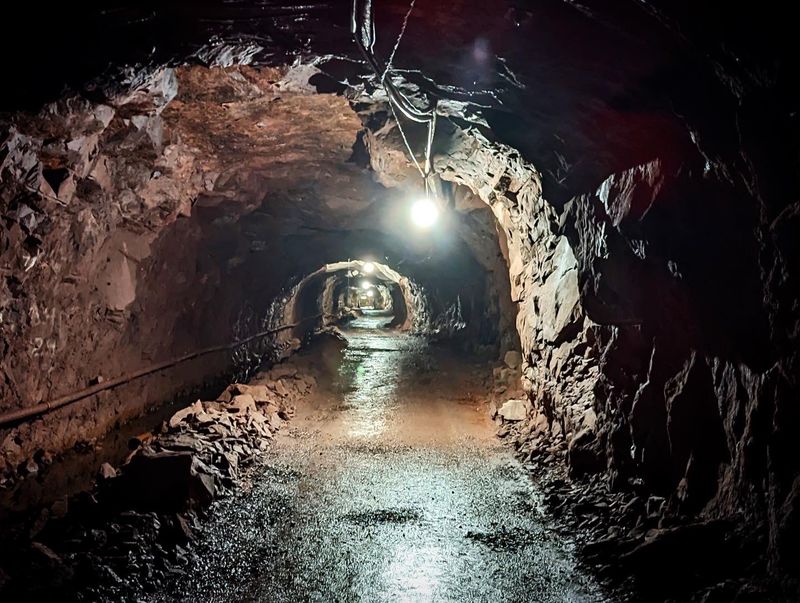
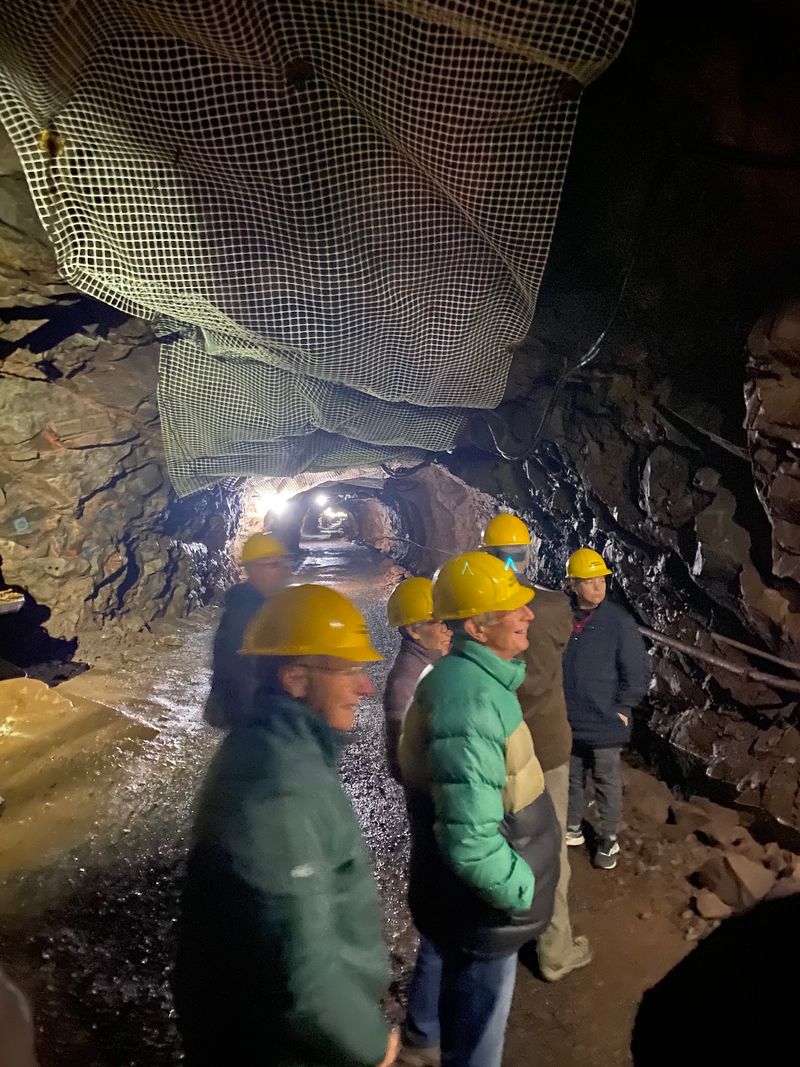
Shorts and sandals are a bad plan here, no matter the weather report. Inside the mine, the temperature hovers around 43 degrees all year.
The tour enters through an adit, which is a tunnel driven straight into the hillside instead of down a vertical shaft. You walk in on foot, and the daylight fades behind you within minutes.
Water drips from the walls and ceiling, so the floor stays wet. Expect a few drops to land on your head or shoulders as you move through.
Good closed-toe shoes matter more than you might think. Tennis shoes or hiking boots work well, and a warm jacket or thick hoodie helps a lot.
On a hot day, the chill can feel like a relief for the first few minutes. After an hour of standing and listening, most people are glad they brought layers.
The walking itself is fairly easy, with no climbing required. Still, the dark, damp setting makes the tour better for kids who can handle cold and long stretches of listening.
Next comes a surprise about which tunnels you actually see.
Why the Tour Tunnels Are Newer Than You Expect
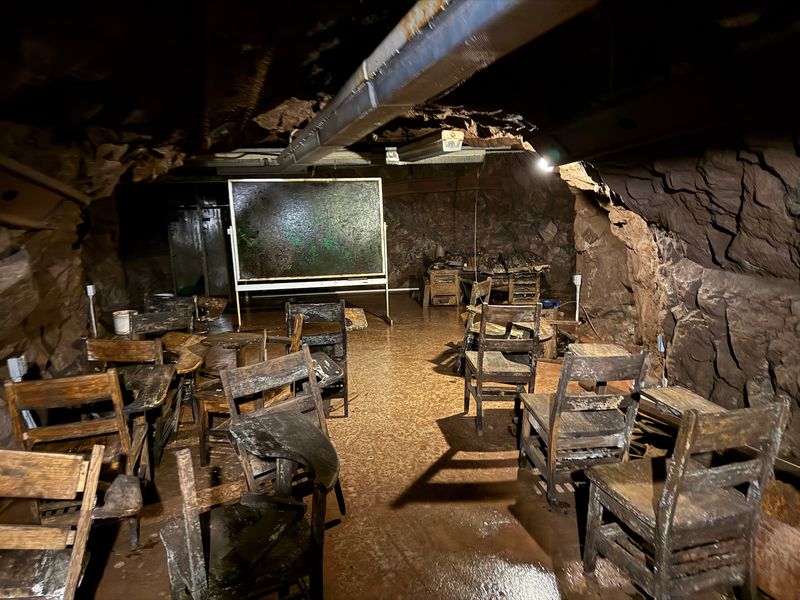
Here is a twist many people do not see coming. Much of the underground tour takes place in a section dug in the 1970s, not the 1800s.
That area was opened as a training site for students at Michigan Technological University, just across the canal in Houghton. Future mining engineers learned real skills right inside this hill.
The historic workings are another story. Most of the old mine is flooded, and many of the original tunnels were far too cramped for comfortable tours.
Guides explain all this openly, which I appreciate. Knowing why you are in a newer section actually makes the older spots you pass feel more meaningful.
The tour does go by a couple of historic mine areas along the way. You get a sense of how narrow and rough working spaces could be for the miners.
The connection to Michigan Tech also says a lot about the region. Mining knowledge did not vanish when production stopped, and it still shapes the local science and engineering community.
Those wet walls, by the way, hold a geology lesson of their own, and guides love to share it.
Native Copper Hiding in Ancient Lava Rock
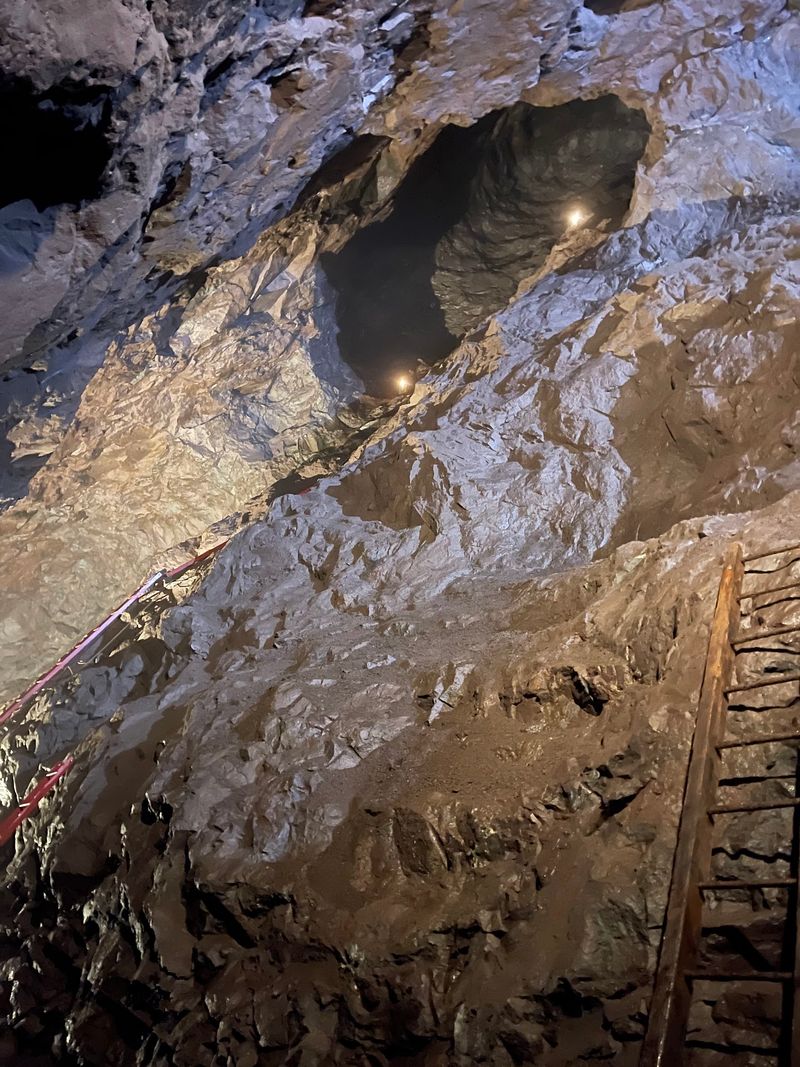
Most copper in the world comes locked inside ore that must be heavily processed. On the Keweenaw Peninsula, much of the copper is native, meaning nearly pure metal sitting right in the rock.
That rare geology explains why mining boomed here. The copper formed in ancient lava flows and conglomerate beds, filling cracks and gas pockets over enormous spans of time.
At Quincy, the copper-bearing rock layer is called the Pewabic lode. Guides walk through how miners followed it deeper and deeper at an angle.
The slanted path of the lode is the reason the No. 2 shaft runs on an incline. Workers chased the copper where nature placed it.
Rock fans should bring questions, since the tour leans heavily into geology. It helps to know a few terms before you go, like basalt and lode.
Native Americans worked copper in this region thousands of years ago, long before commercial mines opened. That deep history adds weight to the shiny bits you might spot in the walls.
Spotting copper is one thing. Picturing the people swinging tools to get it out is where the tour becomes personal.
Candlelight and a Drill That Shakes the Air
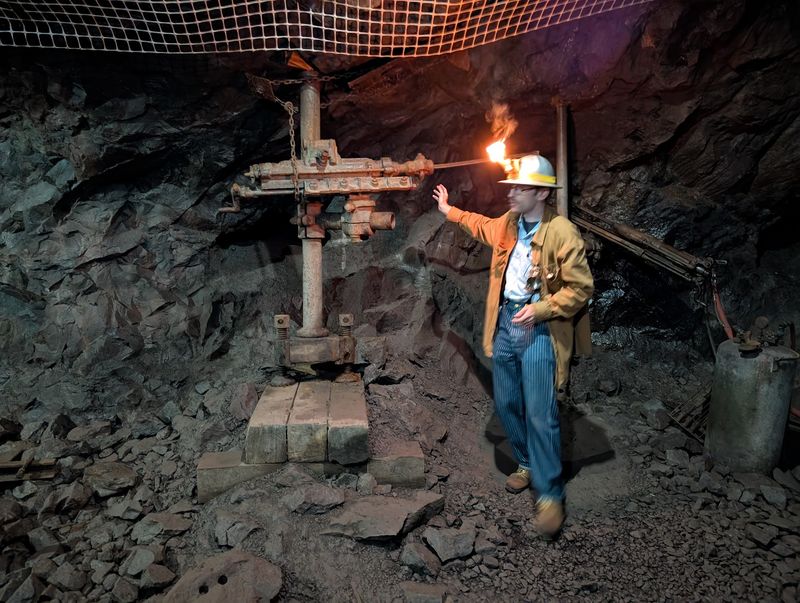
Lights out. That moment arrives deep in the tunnel, when guides shut off the electric lamps and leave just a single candle burning.
Suddenly the darkness feels heavy. You start to understand how miners worked for hours with only a small flame to see by.
Then comes the noise. Guides run a one-man drill to show how loud the equipment was in the tight rock spaces.
The sound is sharp and powerful, though it only lasts a short time. Parents of kids with sensory concerns can mention it to the guide ahead of time.
I think these two demonstrations do more than any sign could. Hearing and seeing the conditions brings home why the work was so exhausting and risky.
Miners often handled long shifts, hard labor, and modest pay. Many were immigrants from places like Cornwall, Finland, and Italy who came to the Copper Country seeking steady work.
That human side runs through the whole tour. Back above ground, the buildings and artifacts help fill in what daily life on the mine property looked like.
Guides Who Turn Facts Into Stories
A great guide can turn a cold tunnel into a classroom nobody wants to leave. At Quincy, the guides carry much of the experience on their shoulders.
Tours cover a lot of ground, from engineering and geology to business decisions and community life. Guides tie those pieces together so the history feels connected rather than scattered.
Questions are welcome along the way. Curious kids and detail-loving adults both tend to get thoughtful answers.
Some guides invite the group to imagine standing in a miner’s boots for a moment. That kind of storytelling helps the facts settle in.
My advice is simple. Ask about anything that catches your eye, whether it is a rusty tool or a strange rock layer.
The full tour, including the surface buildings, the tram, and time underground, runs a little over two hours. The underground portion alone takes roughly an hour.
That length works well for older kids and adults who enjoy learning. Very young children may get restless during long stretches of standing.
Before or after the tour, the grounds give everyone a chance to stretch their legs and explore.
Free Wandering Among Rust and Ruins
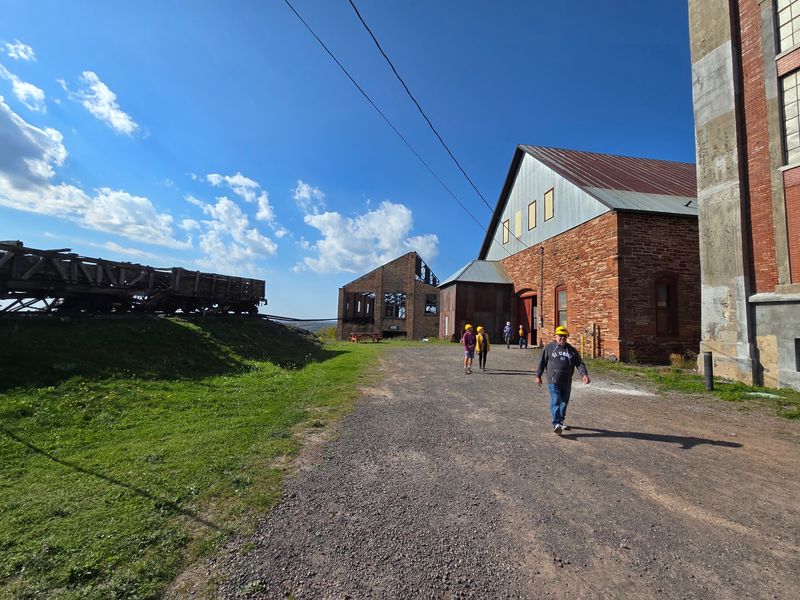
Not ready to head underground? You can still explore part of the property on foot.
The above-ground ruins are open for walking without buying a tour ticket. Old stone and brick structures, rusted equipment, and the tall shaft house give the hillside a rugged look.
I like that this option exists. It lets travelers passing through Hancock get a feel for the site even with a tight schedule.
Repeat visits also become easy. If you are staying in the area for several days, coming back for a second look is simple.
Pay attention to the layout of the buildings. Their placement shows how rock moved from the shaft to processing, step by step.
Photographers will find plenty of texture here, from peeling paint to massive iron parts. Morning and late afternoon light can make the colors pop nicely.
Stay on marked paths and respect closed areas, since old industrial sites have uneven ground. Kids should stick close.
For deeper context, the gift shop and museum exhibits near the hoist house help explain what you have been seeing outside.
Smart Planning for a Chilly Summer Adventure
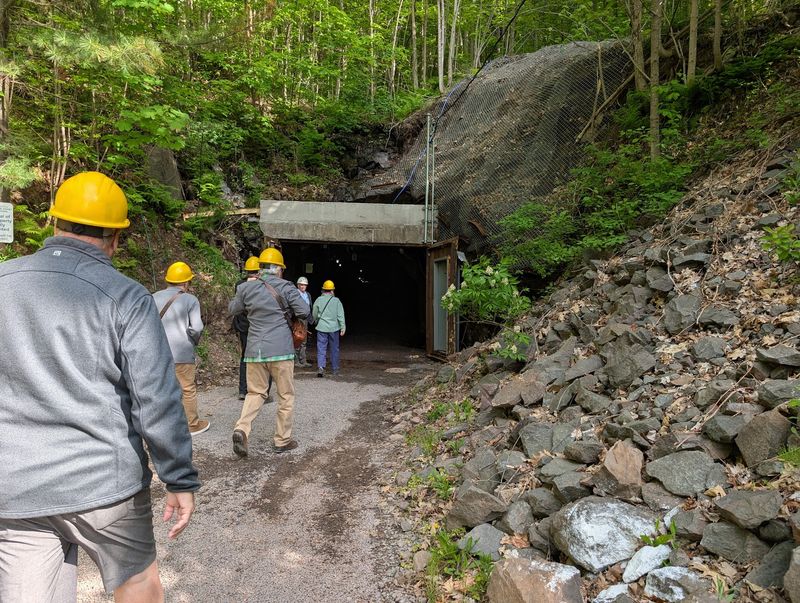
Reservations make life easier, especially during busy summer months. Tickets can sell out, so booking ahead is a smart move.
Pack for two climates at once. A warm layer and long pants keep you comfortable underground, while lighter clothes work for the hilltop.
Shoes deserve attention too. Wet floors call for sturdy footwear, and sandals simply do not belong in the tunnels.
The site is on US-41, just north of downtown Hancock. It sits near Michigan Tech, so the area has food and lodging options close by.
Many visitors pair the mine with other Keweenaw stops. The Keweenaw National Historical Park includes several related sites worth exploring nearby.
The gift shop sells copper pieces and souvenirs. It makes a nice final stop for picking up a small reminder of the trip.
Season matters here, since the Upper Peninsula gets serious winter weather. Check the official schedule before setting out, as tour availability can change through the year.
With the right layers and a little planning, the day goes smoothly. The cold tunnels end up feeling less like a hassle and more like part of the story.
Share this story