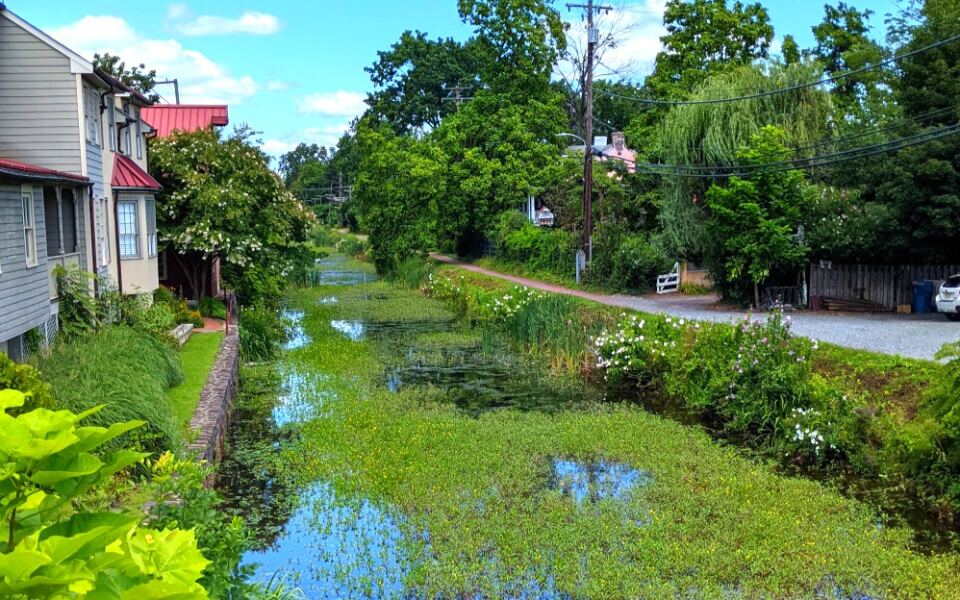
Pennsylvania has towns where you can still walk the same towpaths mules used to pull coal boats nearly 200 years ago. Some have original stone lock houses, historic bridges, and canal structures that helped turn the state into an industrial powerhouse.
The Delaware Canal alone stretches nearly 60 miles between Bristol and Easton. Completed in 1832, it carried commercial traffic for almost a century, and much of its historic route remains accessible today.
But the most interesting stops go beyond the canal itself. One village has a covered bridge crossing the waterway, another preserves a double lock that lifted boats more than 17 feet, and several have historic downtowns worth exploring.
These 12 Pennsylvania communities offer a chance to see that history up close, with towpath walks, unusual landmarks, and plenty of reasons to make a day trip out of it.
1. Yardley, Pennsylvania
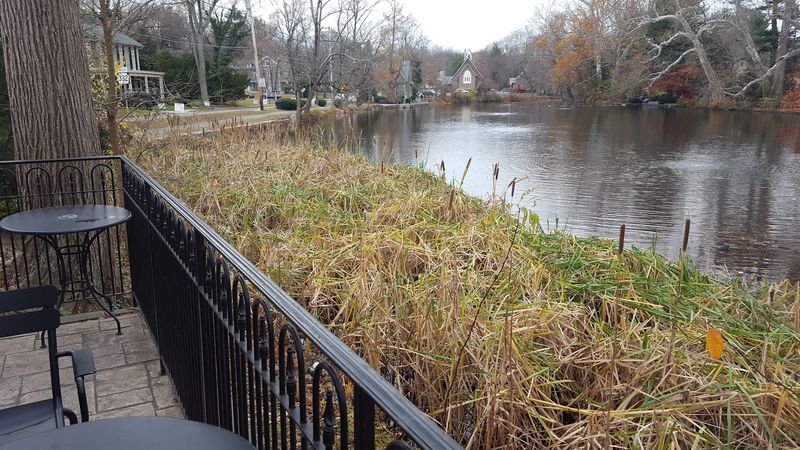
William Yardley showed up in 1682, before Philadelphia or Trenton existed. That gives this borough serious bragging rights in the oldest-neighbor department.
Until 1883, the town was called Yardleyville. It grew from an early mill seat and ferry crossing.
Business boomed once the Bristol-New Hope section of the Delaware Canal opened in 1831. Sawmills, flour mills, and factories making spokes and handles soon followed.
The historic district holds about 200 structures. Most are two-and-a-half-story frame homes from the mid-to-late 1800s.
Look for canal bridges, aqueducts, and Lake Afton, a man-made mill pond that is popular with walkers. The towpath passes right by the compact downtown, so a loop on foot is easy.
Yardley also holds an important chapter of American history. It was a stop on the Underground Railroad, with hiding places in canal warehouses and in the eaves of the old Continental Hotel.
Pick up a walking map at the borough office before you start.
2. Bristol, Pennsylvania
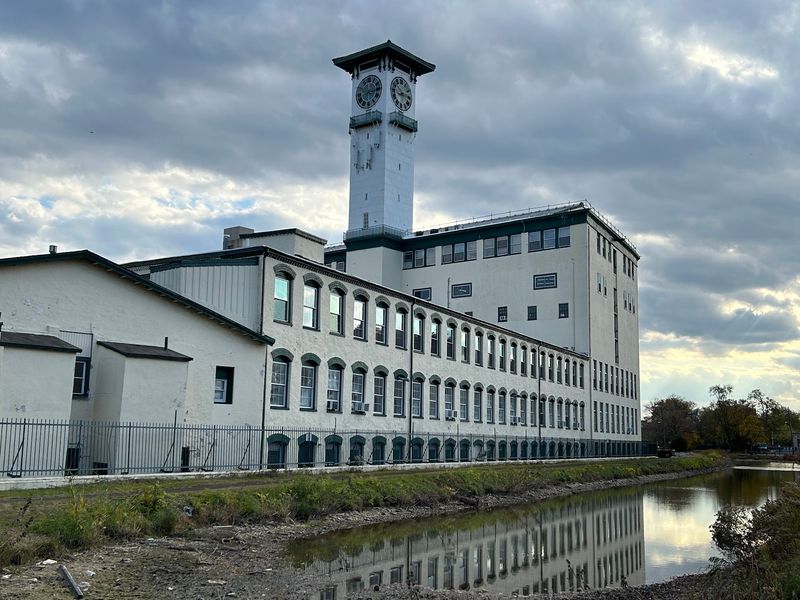
Every trip on the Delaware Canal had a starting line, and it was here. Lock 1 sat in Bristol, the southern end of a waterway that stretched almost 59 miles to Easton.
Founded in 1681, Bristol was already old when the canal opened in 1831. Its spot on the Delaware River had drawn people since the days of early Native Americans.
Between 1825 and 1855, the town grew from a small market town into a busy river port. Canal boats, boatmen, and mules filled the waterfront.
The canal climbed 165 feet from Bristol through 23 lift locks. That is a lot of uphill work for a mule.
Today, the Bristol Lagoon occupies part of the old canal basin. It is a good place to start a walk.
From there, explore the historic district and stroll the river waterfront. You will spot buildings from several eras of town history.
The canal became a National Historic Landmark in 1978 and a state park in 1989.
3. Morrisville, Pennsylvania
Trenton sits just across the water, close enough to see from the riverbank. Morrisville tends to get overlooked because of that big neighbor, which is exactly why it is worth a stop.
The Delaware Canal runs right through the borough. Its towpath heads north and links Morrisville with other canal communities, so you can walk or bike for miles.
River crossings mattered here long before cars. Ferries and bridges kept trade moving between Pennsylvania and New Jersey.
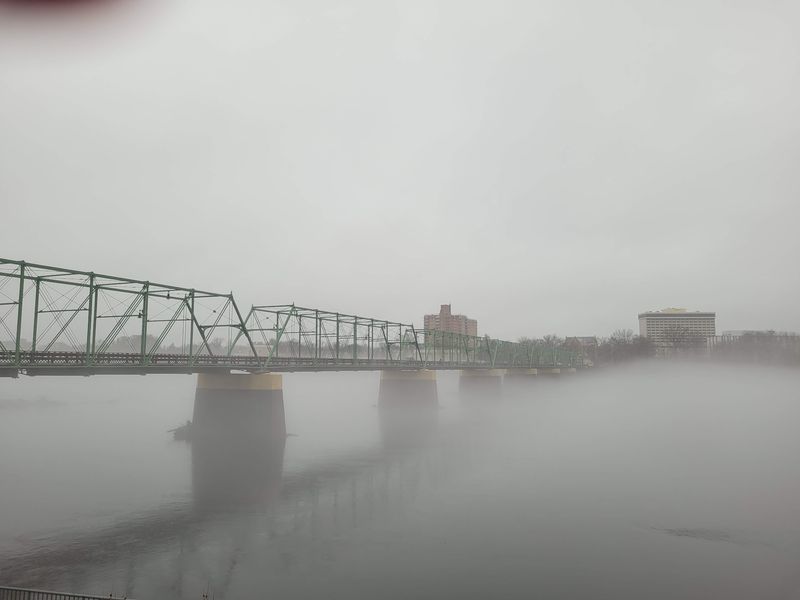
The best-known crossing nearby is the Calhoun Street Bridge. This metal truss bridge connects Morrisville with Trenton and is a favorite for photos.
Many visitors walk across it just to say they stood in two states during one stroll. It is a short, easy outing.
Back on the Pennsylvania side, older residential streets offer a quiet look at small-town architecture. Add the river views, and Morrisville delivers more history than its size suggests.
Bring a bike if you plan to ride the towpath north.
4. Washington Crossing, Pennsylvania
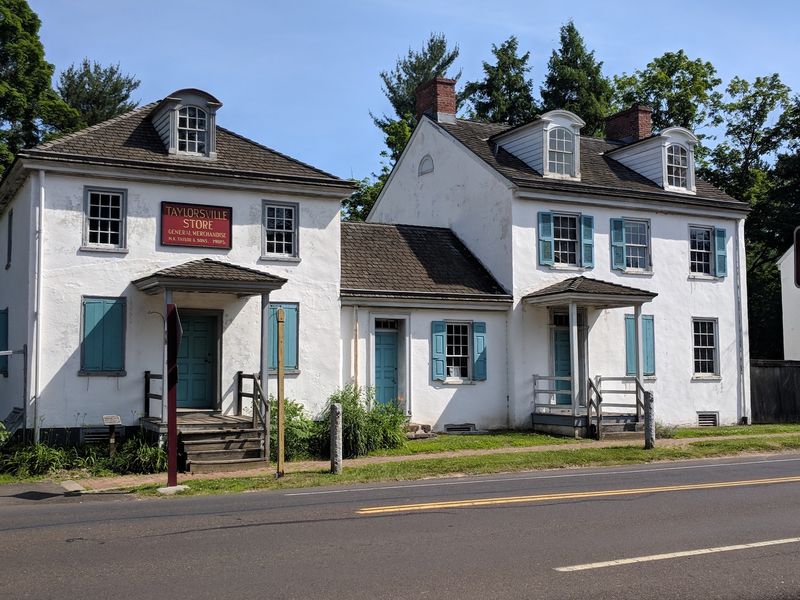
George Washington gets top billing here, and fair enough. His famous Delaware River crossing in 1776 put this spot in the history books.
Quietly sharing the stage is the Delaware Canal, which arrived about 55 years later. The towpath runs right through Washington Crossing Historic Park, a National Historic Landmark.
That means you get two eras in one walk. Revolutionary War stories on one side, canal boat history on the other.
The park has Upper and Lower sections, both with historic buildings. In the auditorium, a full-size replica of the painting Washington Crossing the Delaware is on display.
Want a view? Climb the 125-foot Bowman’s Hill Tower in the Upper Section for a wide look over the river valley.
The Thompson-Neely House is getting refreshed exhibits on 18th-century military life for America’s 250th anniversary in 2026.
Visiting in December? The annual reenactment of the crossing draws big crowds, so arrive early for parking.
5. Lumberville, Pennsylvania
Here is a town that named itself after its job. Lumberville was a sawmill village, and logs once kept the local economy rolling.
Old stone houses line its historic district. The Delaware Canal and towpath run right alongside, so history is never more than a few steps away.
Lock 12 is the village’s key canal landmark. It is a good spot to pause and picture boats rising and falling.
The Black Bass Hotel has operated in Lumberville since 1745. That is older than the country itself.
Nearby, a five-span suspension footbridge crosses the Delaware River to Bull’s Island Recreation Area in New Jersey. It was rebuilt in 1947 on stone piers from 1856, after floods took out earlier bridges for cars.
There is also fresh news for towpath fans. The Lumberville Aqueduct pedestrian bridge at Mile Marker 31.1 reopened in October 2025 after repairs from Tropical Storm Ida.
Cross the river, picnic on Bull’s Island, then walk back.
6. New Hope, Pennsylvania
A fire gave this town its name. Businessman Benjamin Parry lost his mills to flames, rebuilt them, and called them the New Hope Mills.
Before that, the settlement went by Coryell’s Ferry until 1790. It sits on land William Penn granted in 1710, making it the oldest town in Solebury Township.
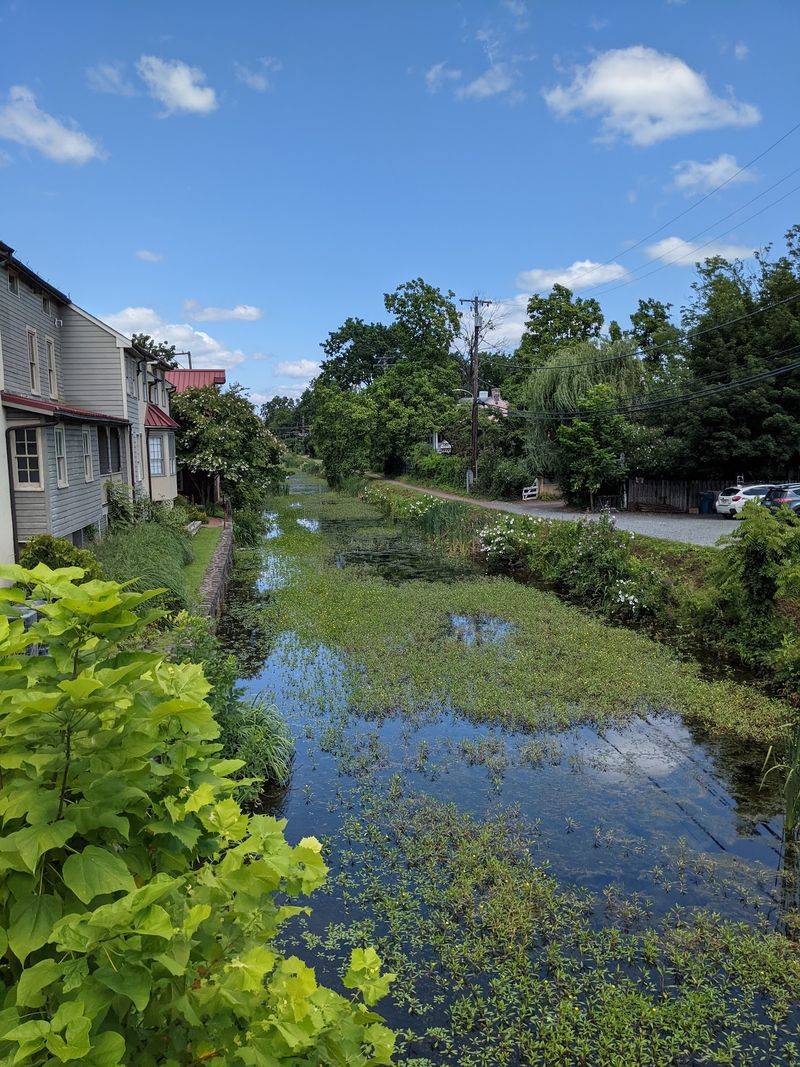
Today, Main Street is packed with shops, galleries, and cafes. The Delaware Canal towpath offers a calmer route just steps away.
Head to Lock 11, the northernmost of New Hope’s four locks. It was restored to working order, the first operational lock on the canal in over 50 years.
The Locktender’s House there is now an interpretive center with exhibits and artifacts about canal life. Seasonal mule-drawn boat rides run in the Centre Bridge-to-New Hope section when water levels allow.
Finish by crossing the 1904 steel bridge to Lambertville, New Jersey. Mules once made that same walk when their boats crossed the river by cable ferry.
7. Point Pleasant, Pennsylvania
Two ferry landings walked into a post office and came out as one village. In 1828, Lower Black’s Eddy and Pearson’s Landing merged under the name Point Pleasant.
The village sits where Geddes Run, Tohickon Creek, and the Delaware River meet. That is a lot of water for one small town.
Some buildings here are surprisingly old. The central part of the former Mountainside inn dates to 1689.
A gristmill built between 1748 and 1765 became the local business center. Other shops grew up around it.
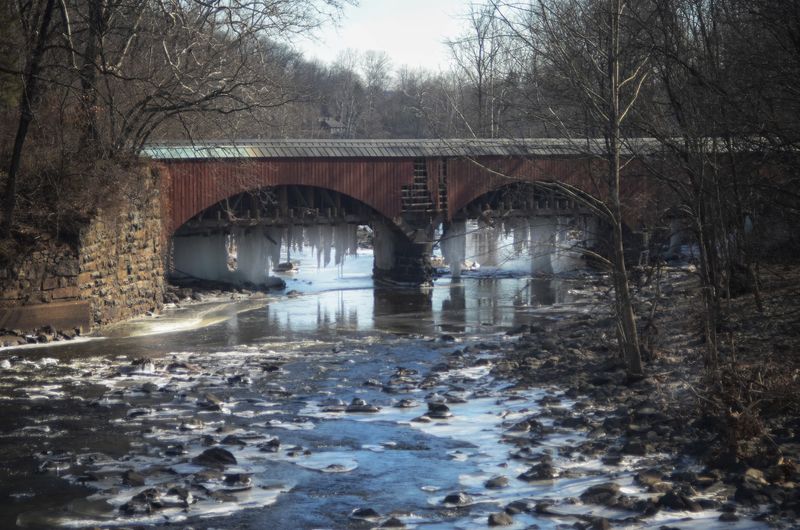
For canal fans, the highlight is the Tohickon Aqueduct. At 221 feet, it is the longest on the Delaware Canal, and its wooden structure was rebuilt in 2001.
Yes, the canal literally crosses over a creek here. It is worth seeing from both the towpath and creek level.
The old Point Pleasant Inn once drew wealthy families as a resort. Today, the village is calmer, with hills framing the historic district.
8. Riegelsville, Pennsylvania
Benjamin Riegel owned land on both sides of the Delaware River. So both sides ended up called Riegelsville, which must have confused a few mail carriers.
Riegel, a wealthy miller, built the Riegelsville Inn in 1838. It stands between the river and the canal and is on the Bucks County Register of Historic Places.
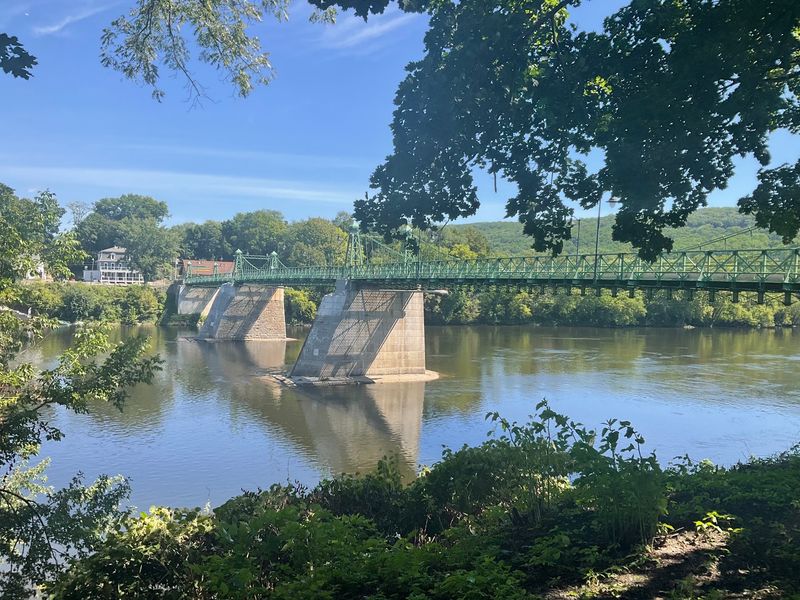
Next door is the Riegelsville Bridge. Wooden covered bridges crossed here from 1837, and the current superstructure dates to 1904.
The Delaware Canal towpath runs straight through town. Follow it north for the main event.
Groundhog Lock, just south of Raubsville, is a must for engineering fans. Locks 22 and 23 were combined in the mid-1850s into one double lock.
That double lock lifted boats 17.3 feet, the highest on the whole Delaware Canal. Water power here also ran a sawmill, a paper mill, and later a hydroelectric plant.
Remains of that plant are still visible. Bring a camera and wear sturdy shoes.
9. Easton, Pennsylvania
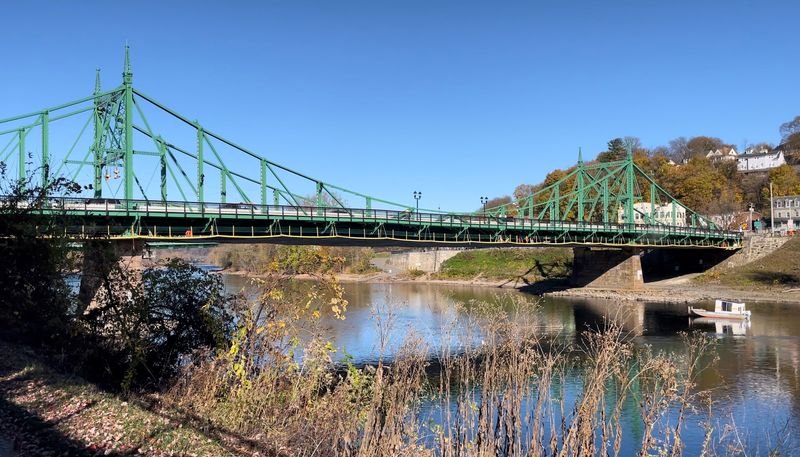
Two historic canals met in Easton, making this city one of Pennsylvania’s most important transportation hubs during the 1800s. The Delaware Canal began at Lock 24, while the Lehigh Canal brought coal from the anthracite regions to the west.
The Lehigh Canal stretched roughly 46 miles and used 47 lift locks to move boats through changing elevations. It operated from 1829 to 1934, helping connect Pennsylvania’s coal country with growing industrial markets.
Hugh Moore Park preserves more than two miles of the historic canal, along with a restored locktender’s house and sections of the old towpath. The National Canal Museum normally offers exhibits about canal life and mule-drawn boat rides aboard the Josiah White II.
Important for 2026 visitors: The museum and public boat rides are closed for the remainder of the year because of the Glendon Hill Road Bridge closure. Access to parts of Hugh Moore Park is also affected, so check current trail conditions before visiting.
Easton’s historic downtown remains worth exploring, with older commercial buildings, restaurants, and the meeting point of the Delaware and Lehigh rivers. It is a good place to appreciate how two waterways helped shape Pennsylvania’s industrial history.
10. Walnutport, Pennsylvania
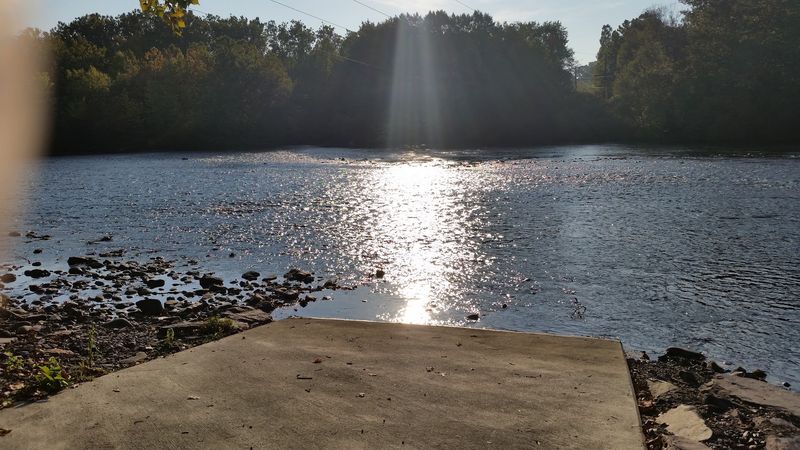
Only two original stone lock houses survive on the entire Lehigh Canal. One of them stands in Walnutport, right next to restored Lock 23.
The house dates to 1828. Seeing a lock and its keeper’s home side by side makes the whole system easier to understand.
Three generations of the Kelchner family ran a nearby lock and a general store. Frank Kelchner, the last locktender, lived in the house until 1965.
Inside, the museum is furnished with items from 1840 to 1880. Guided tours run on select dates, so check ahead.
Interpretive displays explain how locks worked. They also cover Walnutport’s past as a boat repair center and stopping point for crews.
About four and a half miles of towpath are maintained for walking and cycling. Much of it was restored after a 1942 flood.
Locals also share a legend about a Woman in White said to appear near Lock 23. Ask around, and you might hear a version or two.
11. Mont Clare, Pennsylvania
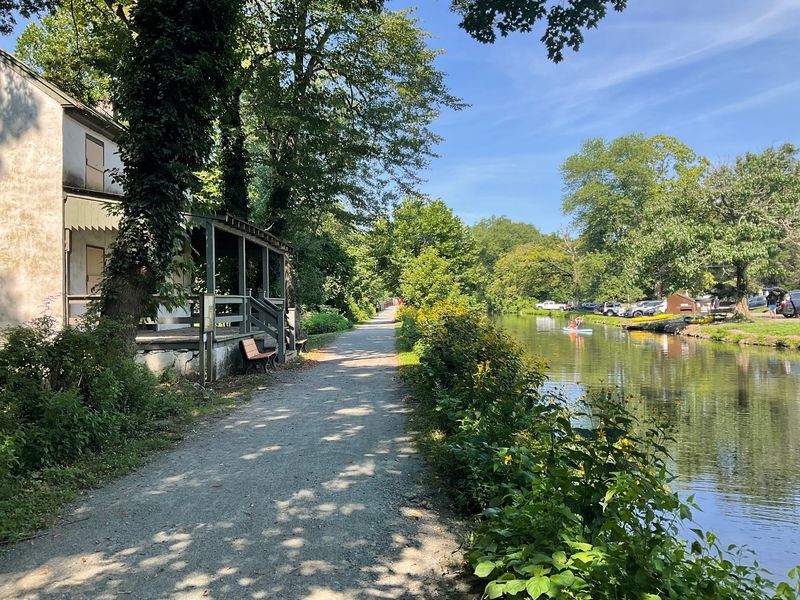
Coal from the mountains had a long ride to Philadelphia. The Schuylkill Canal covered 108 miles from Port Carbon and used 120 locks to do it.
Work started in 1815, and the full route opened in 1825. Boats kept carrying anthracite until 1931.
Mont Clare, across the river from Phoenixville, holds one of the best surviving pieces. The Lock 60 Recreation Area is the place to go.
There you will find a historic lock and a locktender’s house from 1836. It is a clear reminder that real people lived here and kept boats moving day and night.
Walking paths follow the old waterway. The route is flat, shady in spots, and easy for families.
A visit here does not take all day. An hour or two covers the lock, the house, and a riverside stroll.
Pair it with lunch in Phoenixville just over the bridge. That turns a short canal stop into a full afternoon.
12. Freemansburg, Pennsylvania
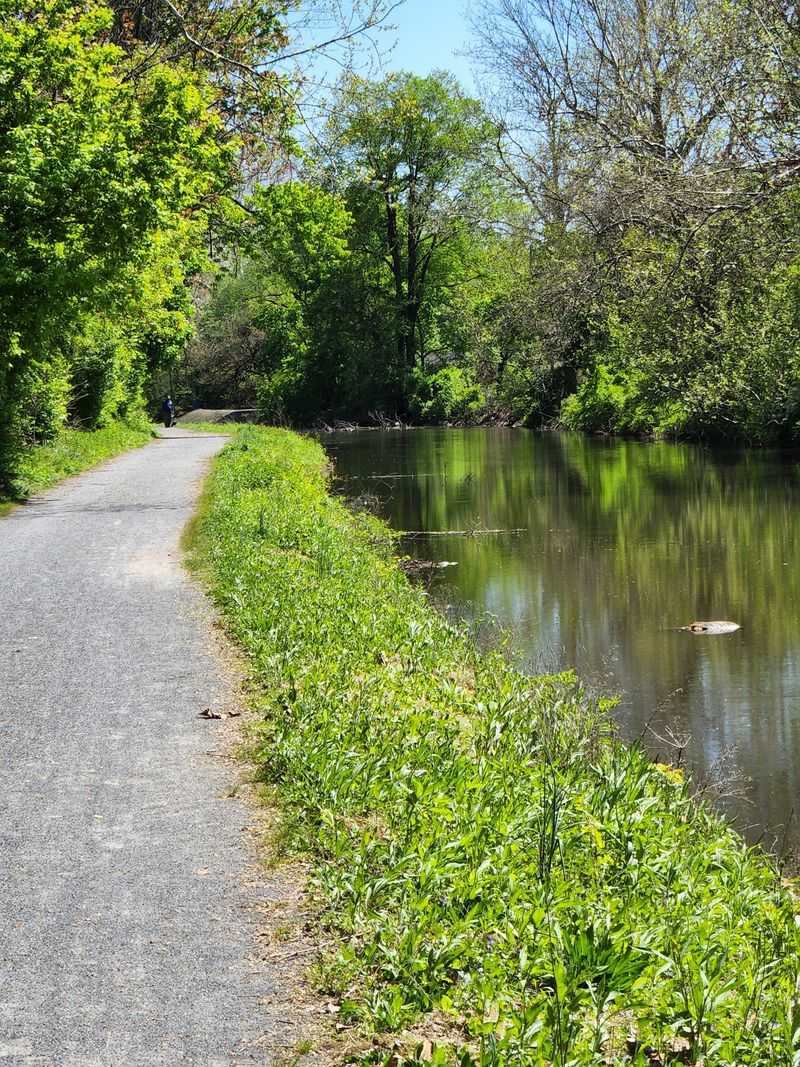
Remember that second surviving stone lock house on the Lehigh Canal? It lives in Freemansburg, at Lock 44.
Built in 1828, the house is on the National Register of Historic Places. The Old Freemansburg Association looks after it.
Lock houses were not just storage sheds. Families lived in them so someone was always ready to open the gates when a boat arrived.
That steady routine kept coal and other freight moving through the Lehigh Valley. Without locktenders, the canal would have stalled.
Freemansburg sits inside an 11-mile stretch of continuous canal park. Six preserved locks line the route.
The towpath trail connects the borough with nearby towns. It works well for a long bike ride or a shorter out-and-back walk.
Crowds are rare here, which is part of the appeal. Visitors who prefer quiet history over busy attractions tend to love it.
End your canal tour at Lock 44 and enjoy the calm finish line.
Share this story