A man spent 19 years living inside a Pennsylvania cave, and visitors can still explore the underground chambers he once called home. Just minutes from Hershey, Indian Echo Caverns combines an unusual piece of local history with limestone formations and underground lakes.
The cave stays at 52 degrees year-round, and guided tours take visitors through passages shaped by water over millions of years. Along the way, guides explain the story of William Wilson, the Pennsylvania Hermit, who lived here from 1802 to 1821.
Above ground, families can visit a petting zoo, explore the playground, or try gem mining. But the biggest surprises are underground, including a mysterious box with a story that adds another unexpected twist to the cave’s history.
A Cave Close to Chocolate Town
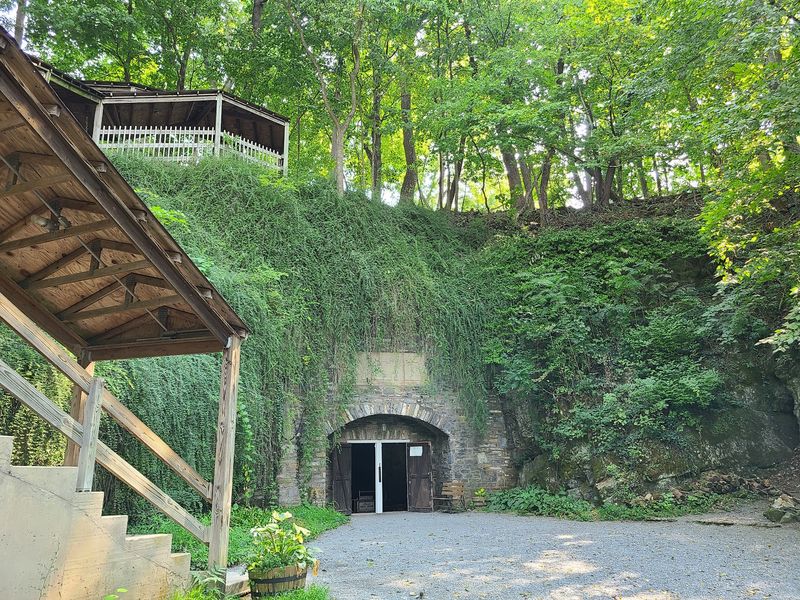
Indian Echo Caverns sits at 368 Middletown Road in Hummelstown, Pennsylvania, in the United States. It’s only about 15 minutes from Hershey, so it pairs easily with a trip to the famous chocolate town.
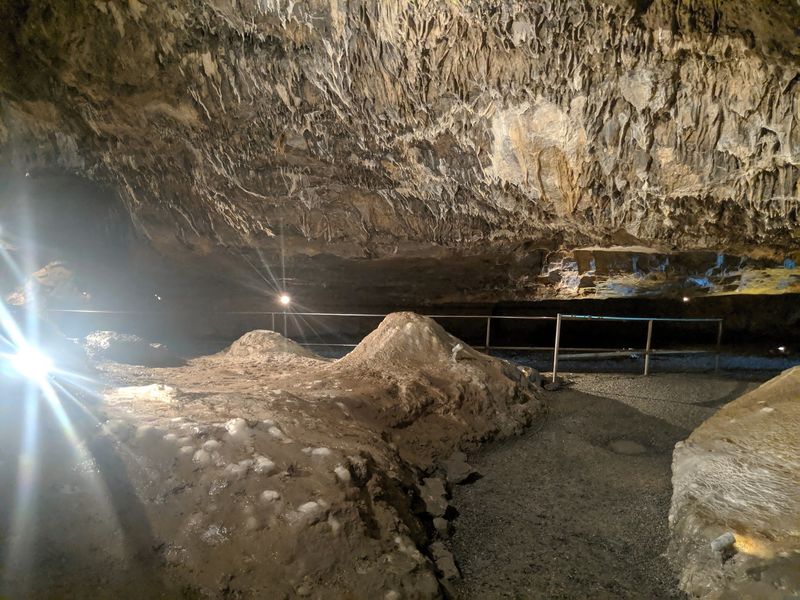
The caverns formed in limestone over a very long time. Slowly moving water dissolved the rock and left behind wide rooms, tall ceilings, and pools of still water.
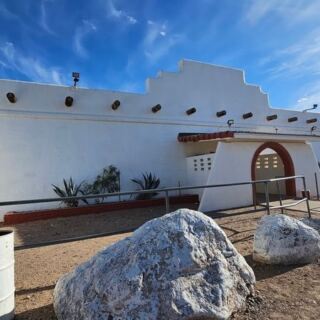
Today, the site is a family attraction built around guided cave tours. Up top, you’ll also find a gift shop, a gem mill, a playground, and a small petting zoo.
I like that it gives travelers a calmer option near a busy amusement park area. Instead of roller coasters, you get rock formations shaped over thousands of years.
The caverns are typically open daily from 10 a.m. to 5 p.m., though it’s smart to check before heading out. Tours leave on a regular schedule, and you can buy tickets in person or online.
Online tickets can save time when the gift shop line gets busy. Once you have your tickets, the real adventure starts with a short walk down some stairs into the earth.
Seventy-Two Steps Into the Hillside
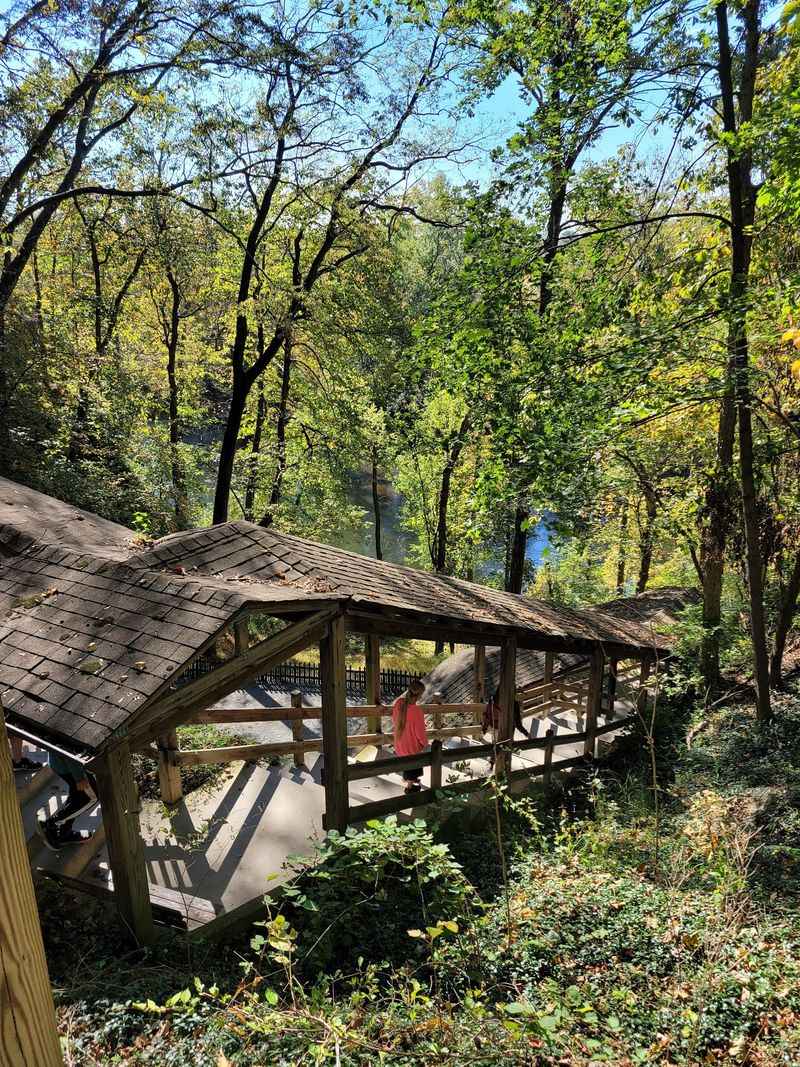
Count them on the way down if you’d like. The tour begins with roughly 72 steps that lead toward a large door built into the rock.
Those stairs can feel a bit steep, so take them at your own pace. Holding the rail is a good habit, especially since the cave floor can be damp.
Once inside, the temperature drops to around 52 degrees. That steady chill stays the same in every season, which feels refreshing in summer and almost cozy in winter.
Water drips from the ceiling in some spots. Small puddles form along the path, so closed shoes with good grip make a real difference.
A light jacket, preferably with a hood, helps too. Some people feel fine without one, but it’s easier to carry a layer than to wish you had it.
The guided tour usually lasts close to an hour. Paths are walkable for most families, though the stairs could challenge anyone with mobility concerns.
After those first steps, the ceilings open up in a way many first-time visitors don’t expect. That sense of space is where the formations begin to show off.
Rock That Grows a Little Every Year
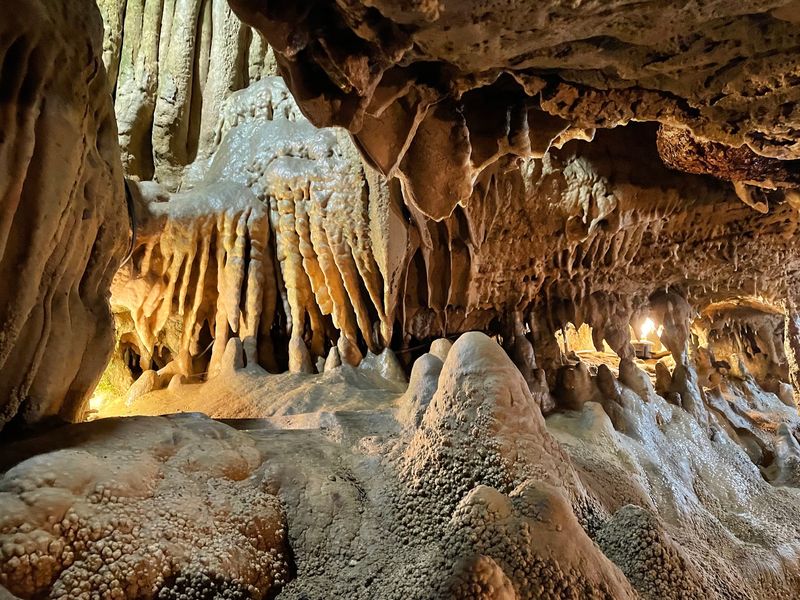
Stalactites hang down. Stalagmites rise up.
That’s the easy trick guides often share, and kids tend to remember it long after the trip.
Inside Indian Echo Caverns, both kinds of formations fill the rooms. Some meet in the middle and form columns that look like stone pillars holding up the ceiling.
The cave is considered a living cavern in many areas. That means water still drips and leaves tiny mineral deposits, so certain formations keep growing very slowly.
How slowly? Growth like this usually takes many years to add even a small amount.
Patience is the cave’s main tool.
Flowstone also covers parts of the walls. It forms when water spreads across rock in thin sheets and leaves minerals behind in rippled layers.
Some sections look gray, while others catch the light better. The colors depend on minerals, moisture, and whether water still flows across the surface.
Please don’t touch the formations. Oils from skin can stop the growth process, and a single careless hand can undo work that took centuries.
Those shapes also spark the imagination, which leads straight into one of the tour’s most playful traditions.
Shapes With Names and Stories
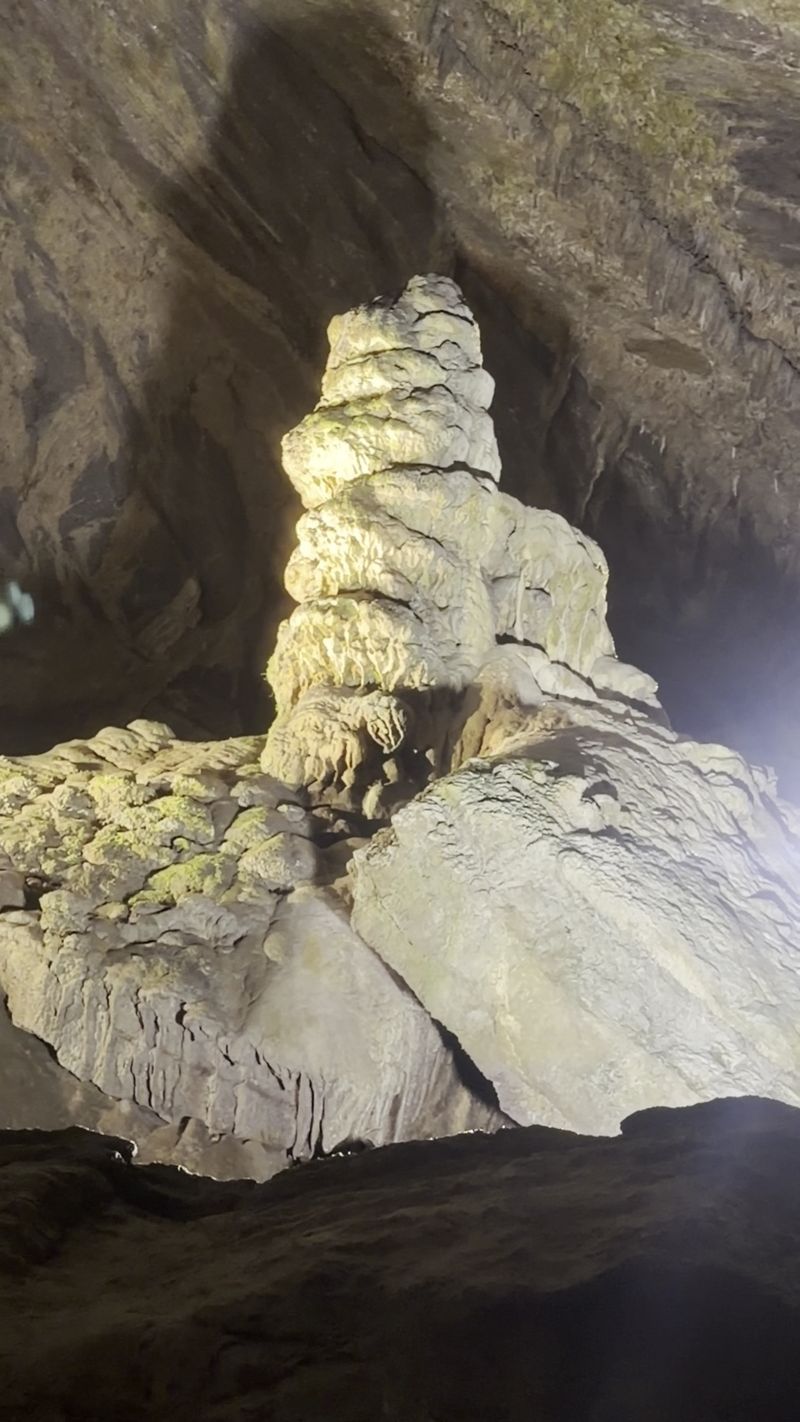
Cave guides love a good game of what-does-it-look-like. At Indian Echo Caverns, many formations have earned names based on the objects they resemble.
Visitors often point at a rock and try to guess before the guide explains. It turns the tour into a light group puzzle rather than a lecture.
I find this approach clever for families. Children who might drift off during science facts suddenly pay attention when a formation looks like something familiar.
Each guide adds personal flair, too. Some lean on humor, while others focus on history, so no two tours feel exactly the same.
Guides are generally patient with questions, even from younger kids who ask a dozen in a row. That openness makes the experience feel friendly rather than rushed.
Photos are welcome during the tour. Lighting inside the cavern highlights the formations, so phone cameras can capture plenty of detail.
Groups sometimes pause while the group ahead moves along. Those short breaks give guides time to share extra stories and give you time to look closer.
Not every story here involves rock shapes, though. One of the best tales centers on a real person who lived underground.
The Hermit Who Called the Cave Home
From about 1802 to 1821, a man named William Wilson lived inside these caverns. Locals came to know him as the Pennsylvania Hermit.
His story is one of the most talked-about parts of the tour. Wilson reportedly withdrew from society after a painful family tragedy involving his sister.
He spent roughly 19 years living underground. During that time, he wrote reflections and essays, and some of his writing was later published.
I find it fascinating that a cave could serve as a long-term home. The steady temperature probably helped, since it never froze or got too hot.
Guides usually share Wilson’s story with care. It’s handled in a way that works for younger listeners while still respecting the real person behind it.
His story adds a human layer to a place mostly shaped by water and stone. Suddenly the cave becomes a setting for real choices and real emotions.
Wilson isn’t the only mystery the tour brings up. Guides also talk about an object connected to the cave that keeps people guessing to this day.
A Mystery Box Found Inside the Cave in 1919
In 1919, a group of boys exploring Indian Echo Caverns stumbled upon a mysterious box filled with unusual objects. What they found inside was almost as puzzling as the box itself.
The collection included old coins from around the world, jewelry, and instructions that supposedly explained how to make diamonds using lightning. Some of the coins dated back to ancient times.
The discovery eventually became part of the attraction’s history, and the box and its contents have been displayed in the gift shop.
More than a century later, one question remains unanswered. Nobody has established who originally placed the box inside the cave or what they intended to do with its unusual contents.
It’s a strange piece of Pennsylvania history that gives visitors something else to talk about after their underground tour.
A Quiet Lake Below the Surface
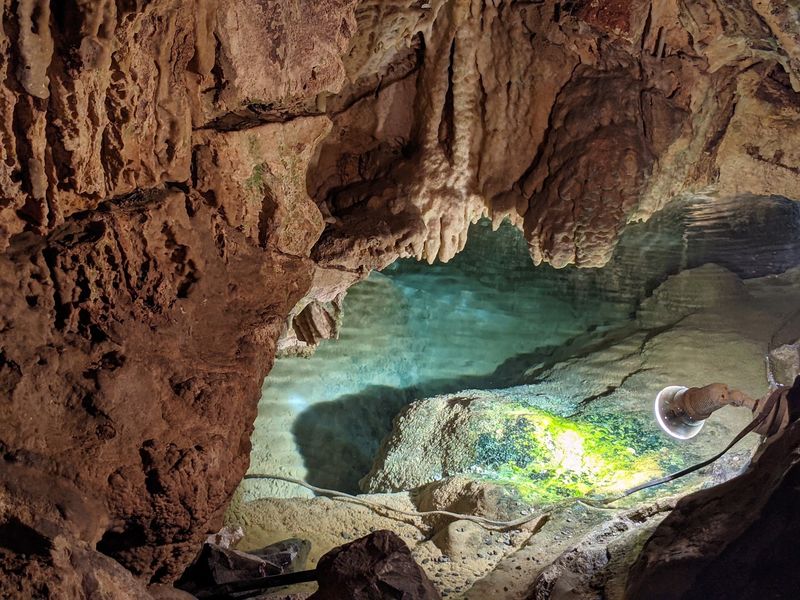
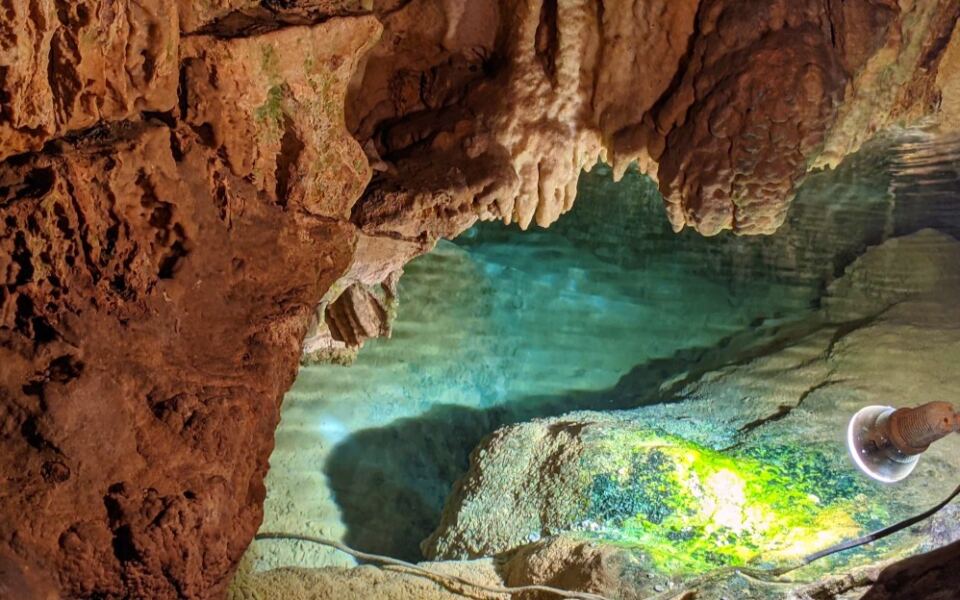
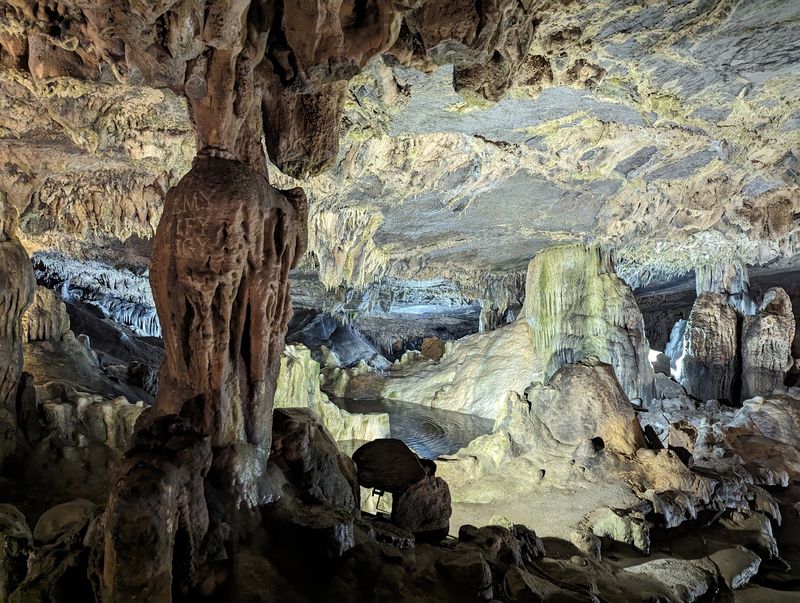
Still water underground creates a mirror. At Indian Echo Caverns, a small lake reflects the rock above so clearly that it can be hard to tell where stone ends.
The cave includes pools and an underground lake along the tour path. These spots are often favorites for photos because of the reflections.
How does water collect in a cave like this? Rain soaks through the ground above, moves through cracks in the limestone, and gathers in low spots.
That same water helped carve the cave in the first place. Over time, it dissolved rock and opened the rooms you walk through today.
I’d recommend pausing here for a moment if the group allows it. The calm surface is a nice break between the larger, busier chambers.
Remember to keep your hands to yourself and your phone secure. Dropping something into cave water is a quick way to lose it for good.
When the tour ends and you climb back up those stairs, the fun isn’t finished. Several friendly animals wait near the gift shop for snacks.
Goats, Alpacas, and Strutting Peacocks
Goats are excellent at begging. At the small petting area outside the caverns, they’ll happily show you just how excellent.
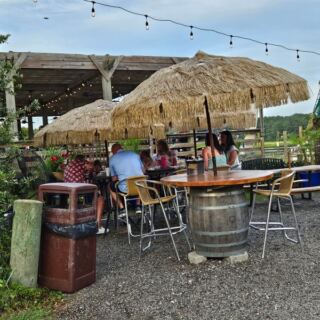
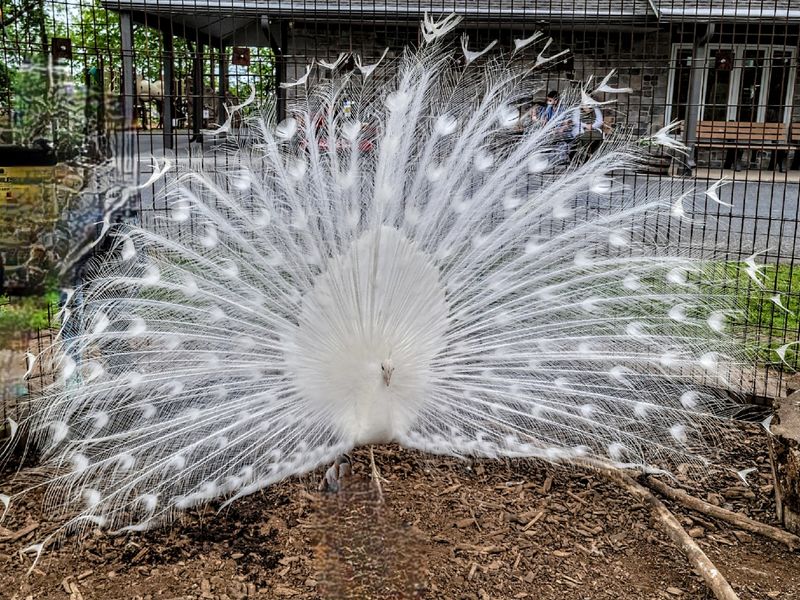
The property keeps a few farm animals near the gift shop. Goats, alpacas, a llama, peacocks, and a rooster have all been spotted around the grounds.
Families can buy animal feed and hand it out while waiting for a tour. It’s a simple activity, but younger kids often treat it like the highlight of the day.
The peacocks tend to wander and show off. If you’re lucky, one might spread its tail feathers while you’re nearby.
I like that the waiting time doesn’t feel like wasted time here. Instead of standing in line, kids can explore, pet, and laugh.
Wash or sanitize hands after feeding the animals. Restrooms are nearby, which helps before heading down into the cave.
A playground sits close by as well, with a jungle gym and swings. Busy kids can burn some energy before the tour asks them to stay with the group.
Animals aren’t the only thing outside worth exploring, though. Sparkly treasures are waiting nearby.
Panning for Treasure at the Gem Mill
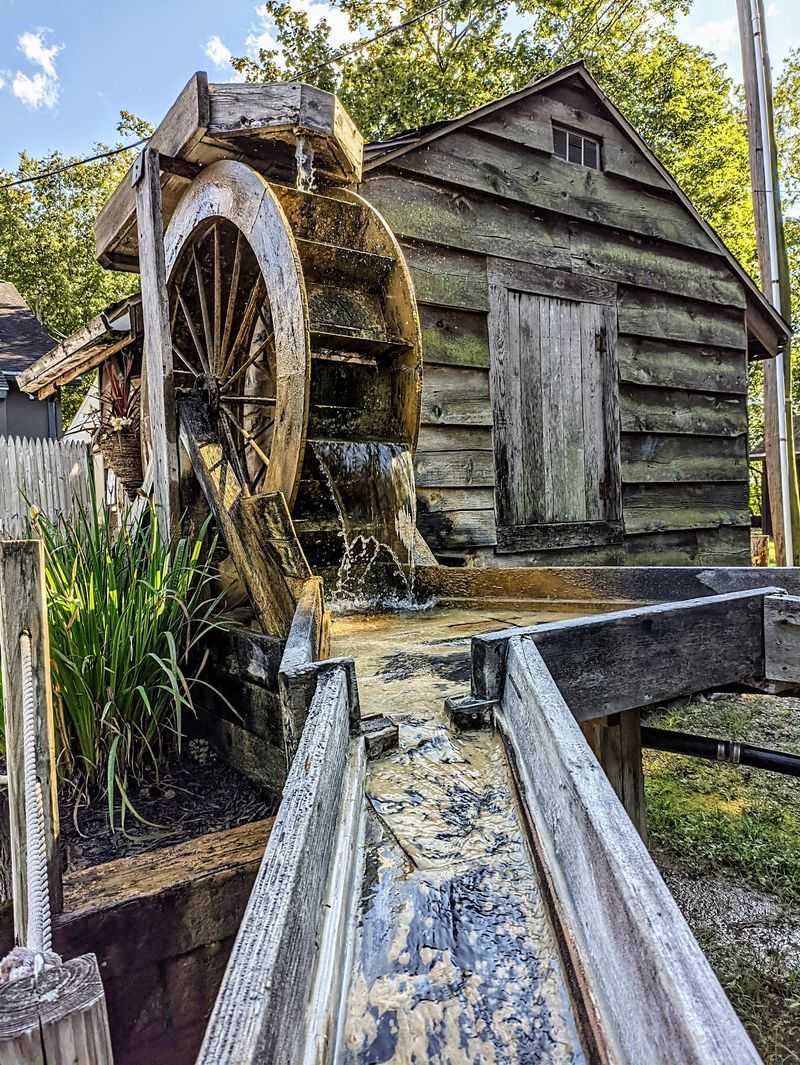
Kids love finding things. The gem mill at Indian Echo Caverns turns that urge into an easy hands-on activity.
Visitors buy a bag of rough material, then sift it in running water at a wooden flume. As the dirt washes away, small stones and colorful pieces start to appear.
It’s a great match for the cave tour. After learning how minerals form underground, kids get to hold real stones in their own hands.
I’d suggest bringing a small towel. Hands get wet quickly, and little sleeves tend to soak up water too.
Each bag comes with surprises, so no two experiences look alike. Some kids spend a long time studying every stone they uncover.
The gift shop also sells rocks, minerals, and cave-themed souvenirs. It’s a good place to find an identification card or display box for new finds.
Gem mining usually works in most weather, though it’s nicest on a mild day. It’s an easy add-on that doesn’t require much planning.
Speaking of planning, a few smart choices can make your whole visit go smoother.
Smart Moves Before You Go Underground
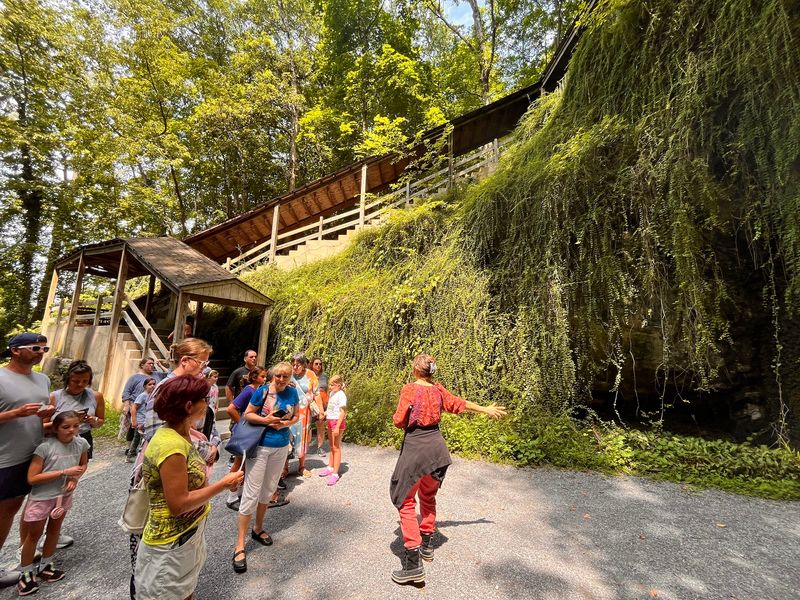
Good shoes matter more than you’d think. Cave floors stay damp, and stairs can feel slick, so sneakers with solid grip are the way to go.
Bring a light jacket or sweatshirt, even in summer. A hood helps with drips from the ceiling, which can surprise anyone who isn’t expecting it.
Buying tickets online ahead of time can help on busy days. Walk-in tickets often work too, but the gift shop line may stretch during peak times.
Arrive a little early if you want to visit the animals first. That buffer also gives time for a restroom stop before heading down.
Tours run about an hour. Plan extra time if your group wants to try gem mining or browse the gift shop afterward.
Families visiting Hershey can fit this in on a lighter day. It’s close enough to work as a half-day outing without much driving.
The stairs can be steep, so travelers with mobility concerns should check details with staff before arriving.
Small preparations like these let you spend less time worrying and more time looking up at a ceiling that took ages to form.
Share this story