A mountain of sand rises about 600 feet out of the Nevada desert, and it makes a sound when the grains slide down its face. Not far away, a cave holds ancient stories, and a wall of carved rock holds symbols that people made thousands of years ago.
All of it sits near a farming town in the Lahontan Valley, where cantaloupes grow in the dry air. The area surprises almost everyone who drives in expecting nothing but sagebrush.
Let me show you what I found, starting with the big sand hill that you can hike, and moving on to the rocks, the water, and the little town that ties it all together.
A Sand Mountain That Rises From Nothing
The first thing that stops you is the size. Sand Mountain looks like a giant ripple of gold dropped into the desert, and it stands roughly 600 feet tall and about two miles long.
It sits east of town along US Highway 50, so you can spot it from the road long before you reach the parking area. The Bureau of Land Management looks after the site.
Wind built this dune over a very long time, collecting sand that came from an ancient lake bed. That history makes the hill feel even more special once you stand at the bottom.
Bring sun protection and plenty of water, because shade is almost nonexistent. Closed-toe shoes help, since the sand gets hot in summer.
Morning visits are the most comfortable, and the light on the ridgeline is lovely.
Next up is the sound this dune is known for.
The Dune That Sings
Few places in the country have a dune with a voice. Sand Mountain is known as a singing or booming dune, and the sound can happen when dry sand slides down the steep slope.
The noise is a low hum, a bit like a distant engine. It does not happen every time, and it needs dry conditions, so treat it as a bonus if you hear it.
If you want to try, climb up the windward side and slide down gently on the steeper face. Walk slowly and listen for the vibration beneath your feet.
Kids love this part, and adults often do too. Expect sand in your socks, your pockets, and probably your car afterward.
Dry days give the best chance, and quiet mornings help you hear the hum without engine noise nearby. Beyond the dune, the story of this valley gets much older.
Welcome to Fallon, Nevada
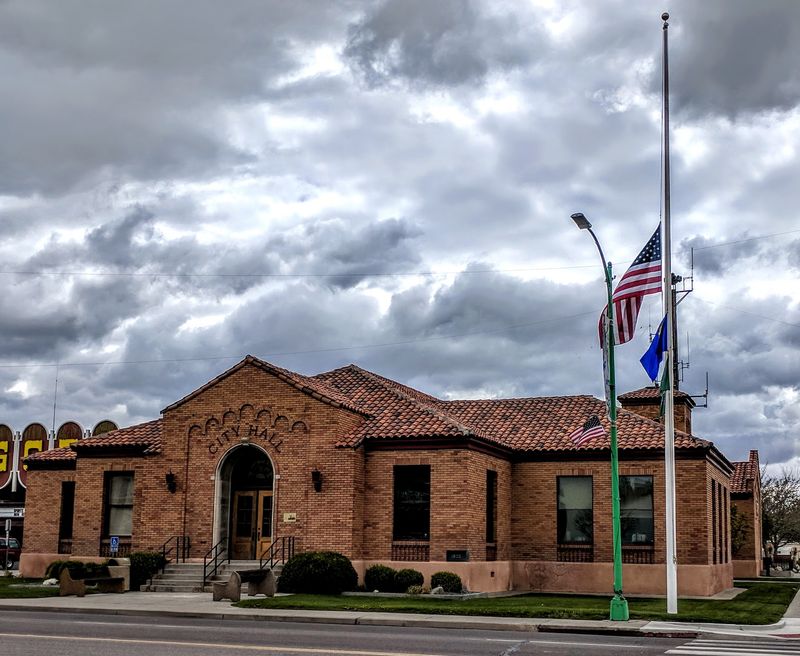
Fallon, Nevada 89406, United States, is the county seat of Churchill County and sits in the Lahontan Valley. It is a small city, with about 9,300 residents counted in the 2020 census.
That size is part of the appeal. You can base yourself here, then reach the dune, the rock art, and the wildlife areas without long drives.
The town is also known for Naval Air Station Fallon, located southeast of the city. You may spot aircraft in the sky while you explore, which adds an unexpected soundtrack to a desert day.
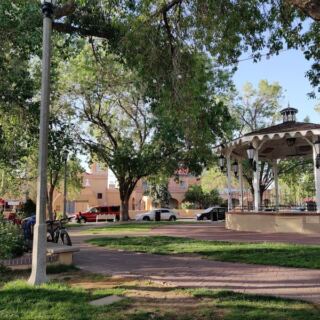
Downtown is easy to walk, and the surrounding farmland gives the valley a green look that contrasts with the brown hills beyond it.
Pick up snacks and water before heading out, since the best sights lie outside the city. Now it is time to look at the ancient marks carved into stone nearby.
Petroglyphs Carved Into Desert Rock
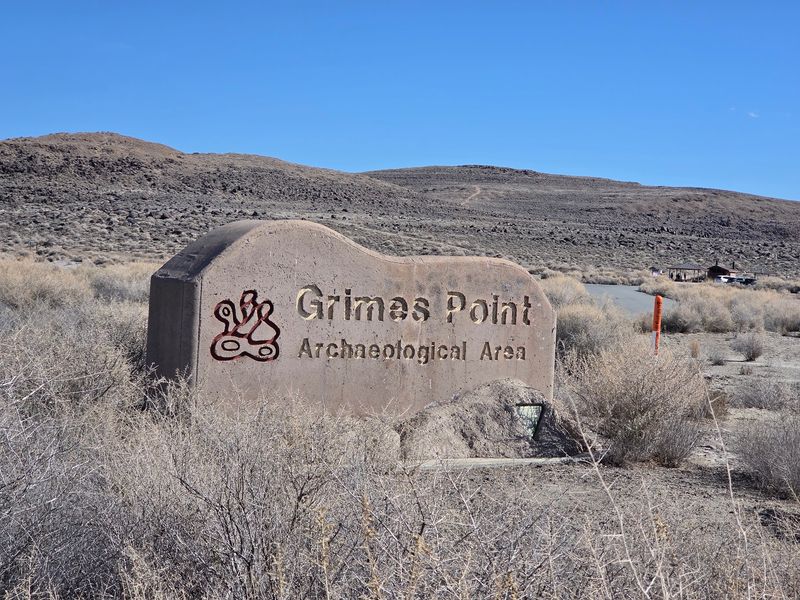
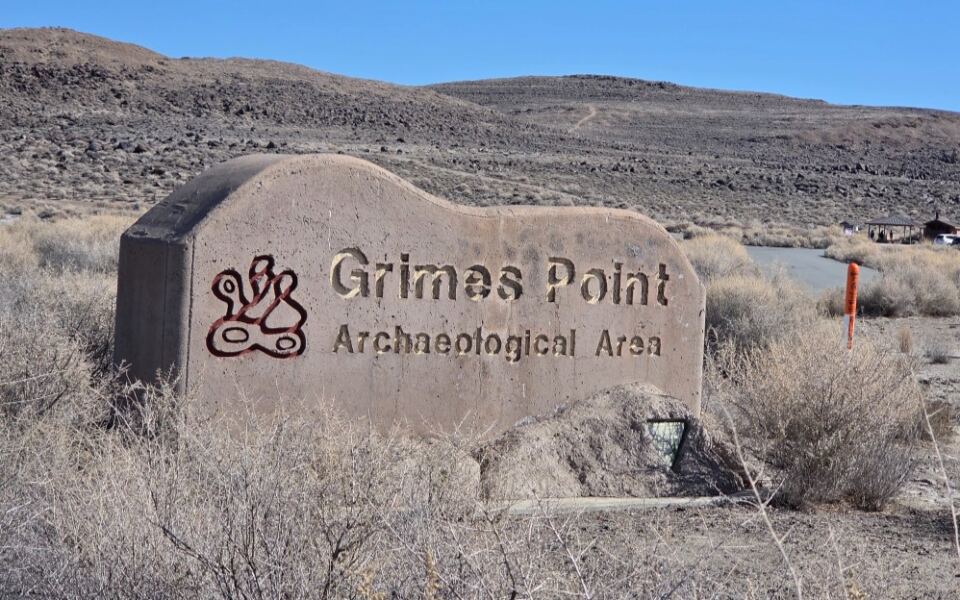
Grimes Point Archaeological Area is the place where the ancient story becomes visible. Boulders scattered across a hillside carry carved designs, many of them made by people who lived in this region long ago.
The symbols include spirals, lines, and dots. Nobody can say for certain what each one means, so the mystery is part of the experience.
A trail loops through the site with signs along the way, and the walk is short and fairly gentle. The BLM manages the area, and it is located east of Fallon along US Highway 50.
Look closely, because the carvings can be easy to miss until the sun hits them at an angle.
Please keep your hands off the rock, since oils from skin can damage the surface. Stay on the trail and leave everything as you found it, so others can enjoy it too.
Walking the Grimes Point Trail
The trail at Grimes Point is easy enough for most families. It winds through a field of dark boulders, with numbered stops that explain what you are seeing.
Plan on an hour if you like to read every sign and take photos. A hat and sunscreen are smart choices, because the open ground reflects the heat.
Spring and fall are comfortable times to go. Summer afternoons can be harsh, so early morning is better for hot months.
Along the way you will notice how far the view stretches across the old lake basin. This land once sat near the shoreline of ancient Lake Lahontan, which explains why people lived and gathered here.
Wear sturdy shoes, since the path has loose rock. After the walk, there is a nearby cave that adds another chapter to the story.
Hidden Cave and Its Deep Past
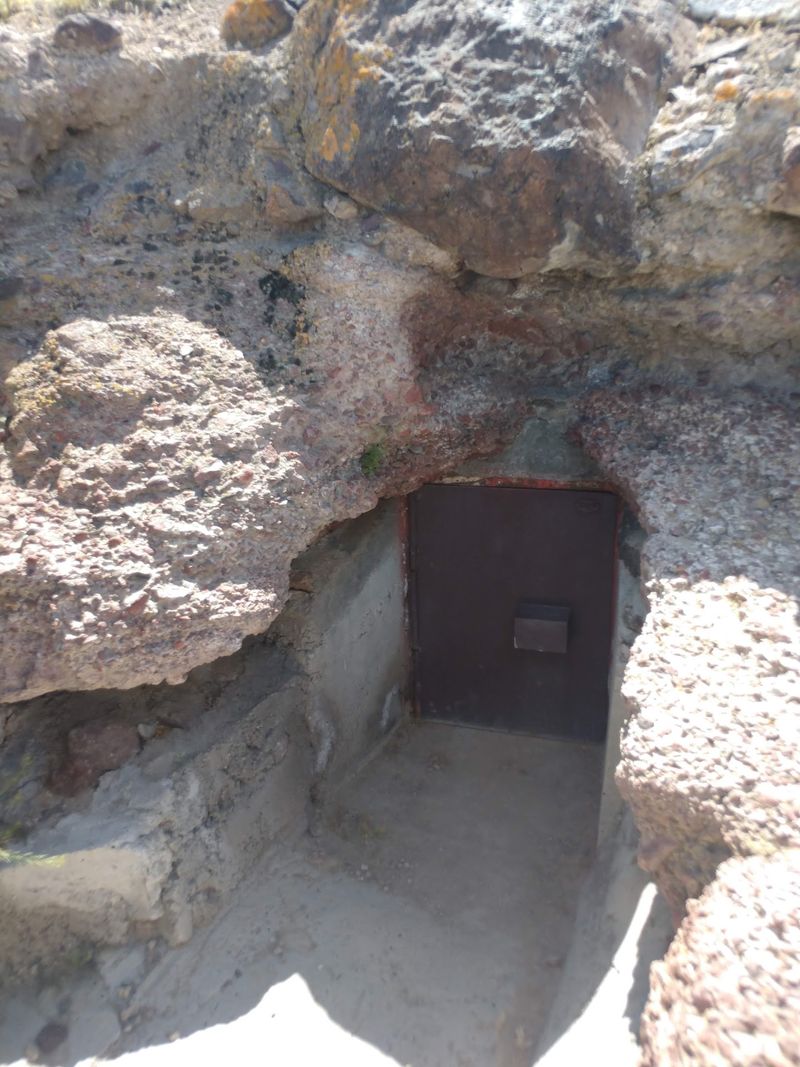
Hidden Cave sits close to Grimes Point, and it holds a major place in Great Basin archaeology. Researchers found evidence there of people using the cave over thousands of years.
Access is limited, which helps protect what remains inside. The BLM offers guided visits at certain times, so check the agency website before planning a trip.
The cave opening is modest from outside, which is why the name fits so well. The surrounding rocks and dry hills make it feel remote even though the highway is nearby.
If a tour is not available, you can still enjoy the surrounding scenery and the interpretive signs in the area.
Bring water and wear sturdy shoes if you join a tour. The valley has a wet side too, and that is where wildlife comes into the picture.
Stillwater Wildlife Refuge and Birdwatching
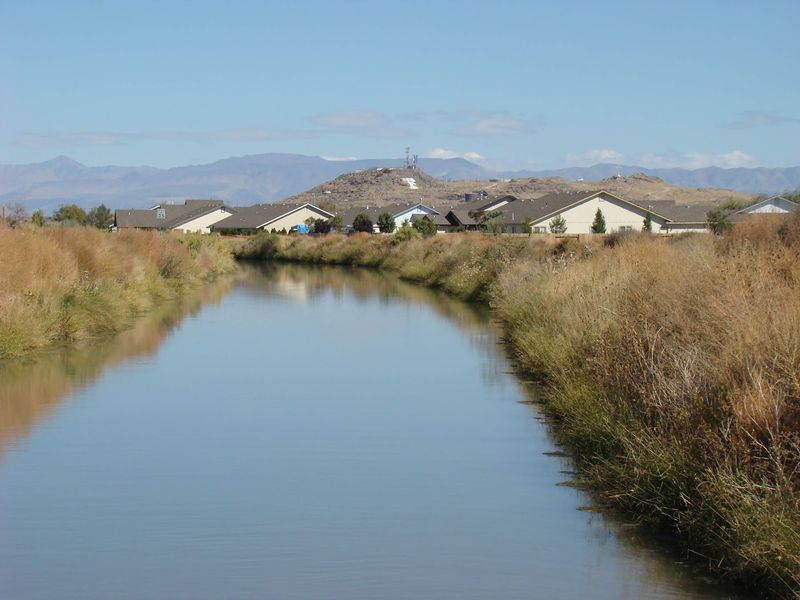
Water in the desert draws birds, and Stillwater National Wildlife Refuge proves it. The wetlands northeast of Fallon give migrating waterfowl and shorebirds a place to rest and feed.
Bring binoculars, because many birds stay at a distance. Early mornings and evenings tend to be the most active times.
Spring and fall migrations can bring the biggest variety. Winter can also be rewarding, with ducks and other waterfowl on the open water.
The refuge is part of the Lahontan Valley wetlands, which are an important stop along migration routes in the region.
Check current conditions before you go, because water levels change from year to year. A drive through the refuge feels peaceful, and it leads naturally to another sweet side of the valley.
Hearts of Gold Cantaloupe Country
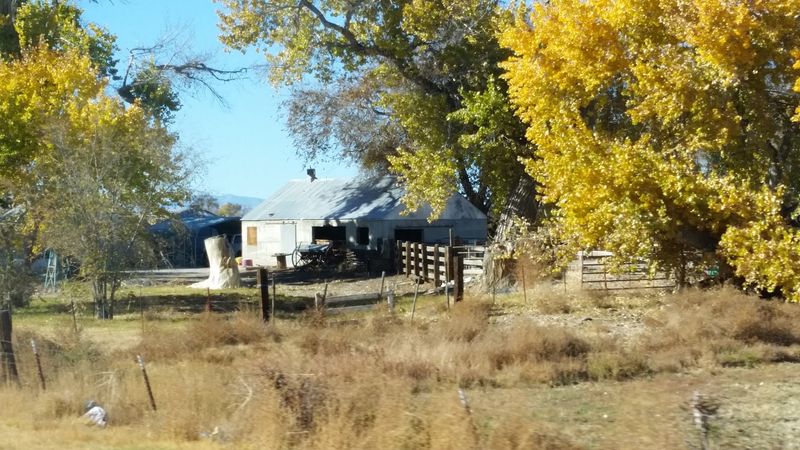
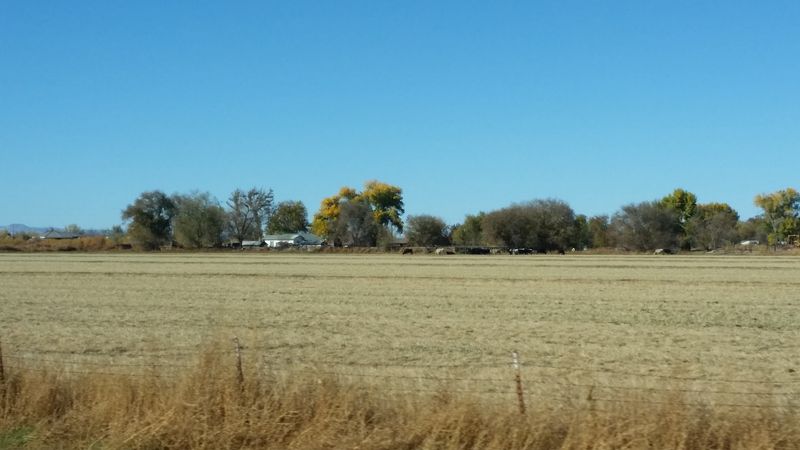
Farm life shapes this valley, and the town is famous for its Hearts of Gold cantaloupes. Irrigated fields turn the desert into a patchwork of green.
Fallon holds a cantaloupe festival each year in late summer, celebrating the crop. Dates change, so look at the official city or festival pages before you plan.
Roadside stands and local markets may sell fresh produce when the season is right. A cold slice of melon after a hot day on the dunes tastes especially good.
Notice the farms as you drive between sights. Fields, canals, and barns give the valley a rural feel that surprises people expecting only dust.
Late summer is the best time to taste the harvest. Back in town, history waits inside a museum that tells how the community grew.
Churchill County Museum
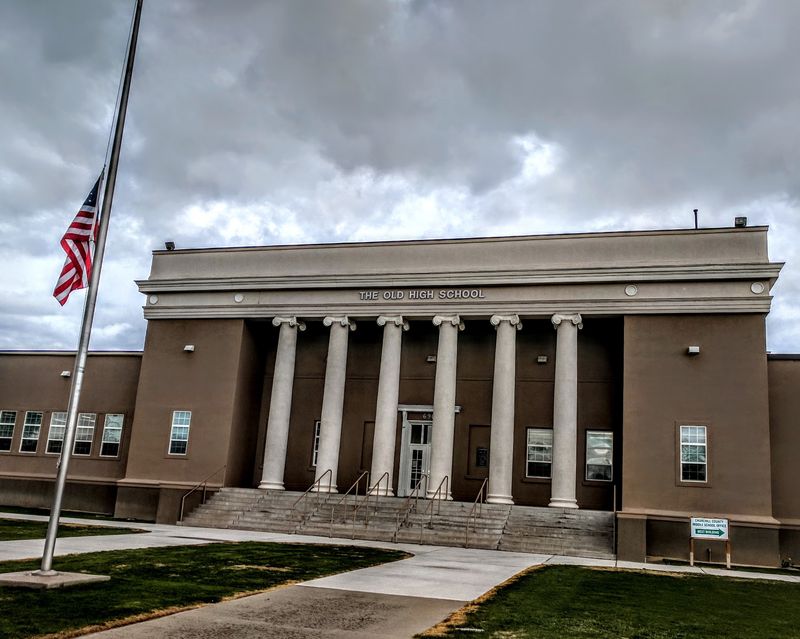
Local history comes alive at the Churchill County Museum in Fallon. Exhibits cover the people, trades, and events that shaped the Lahontan Valley.
Native American heritage is part of the story, along with pioneers, ranching, and farming. It gives context to the rock art you may have seen earlier in the day.
Museums like this are good for a midday break when temperatures climb. Plan an hour or so, and check the official website for current hours before you go.
Look for displays that show how irrigation changed the valley. Water has always been the central character in this landscape.
The museum makes a calm stop between outdoor adventures. After that, there is one more dramatic detail about the sand hill worth knowing before you plan your trip.
Planning Your Visit to the Dunes and Beyond
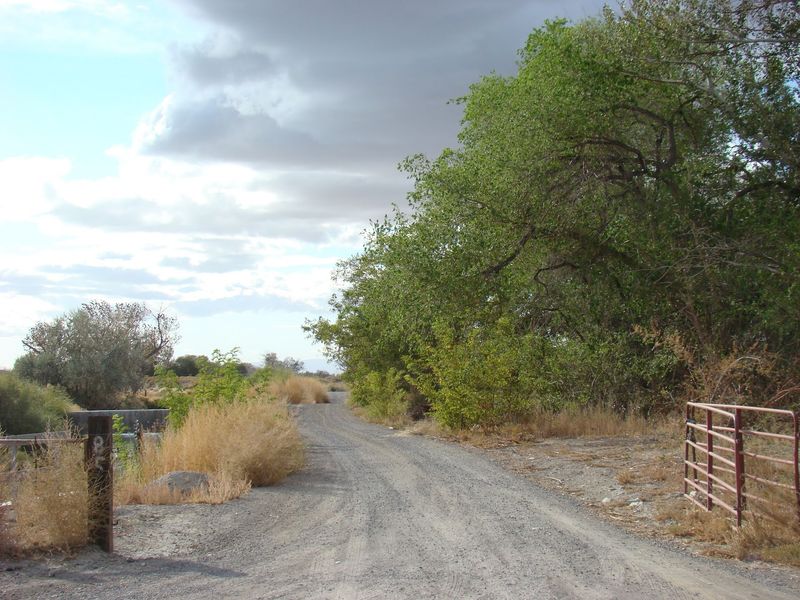
Timing matters in the desert. Spring and fall bring the mildest weather, while summer can be very hot and winter nights get cold.
Sand Mountain is a popular spot for off-highway vehicles, so expect engine noise on busy weekends. Weekday mornings tend to feel quieter if you want to hike.
Pack more water than you think you need, along with sunscreen, a hat, and a full tank of gas. Services are limited outside town.
Combine the dune, Grimes Point, and Stillwater into one day, and you will see sand, stone, and wetlands without much driving.
Nearby Nevada towns and landscapes make good follow-up trips, so keep exploring the state once you leave. Fallon proves that quiet places can hold big surprises.
Share this story