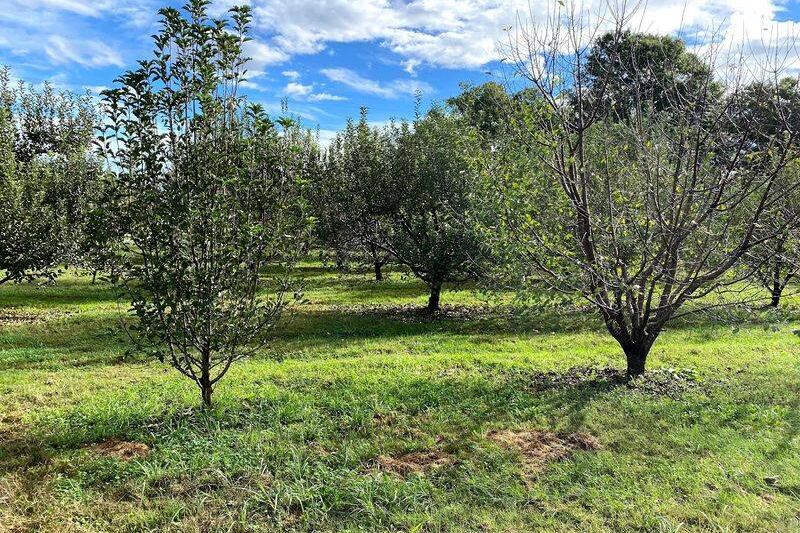
Some of the best places in Tennessee sit just past the busy attractions, quietly waiting for curious people to turn down the right road. This one hides more than 300 acres of trails, a lake, river access, a tree house, and a family of rare red wolves behind a modest entrance most drivers pass without a second look.
Entry runs on donations, so a full day outdoors can cost about as much as you choose to give. Keep reading to learn where it is, what makes it special, and how to plan a visit that feels like finding a local secret.
A Quiet Address Past Ruby Falls
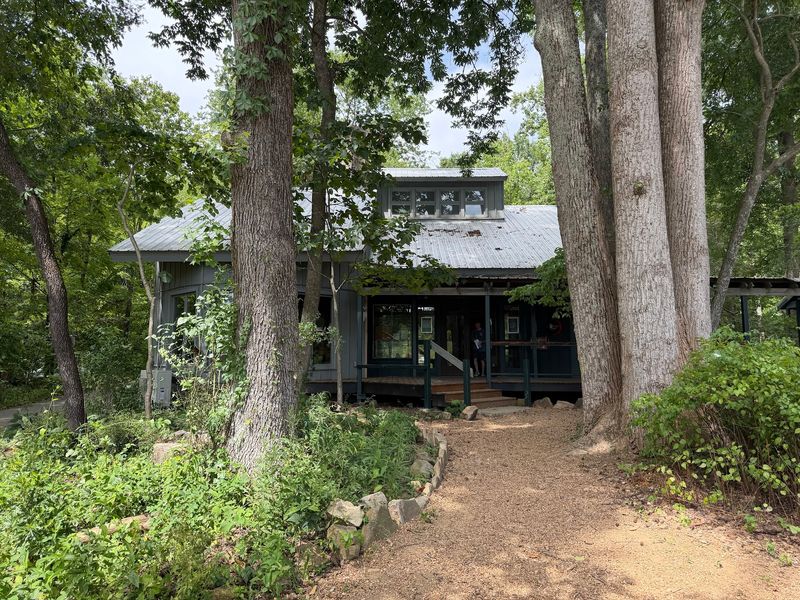
Plenty of travelers head to Lookout Mountain for the famous stops and drive right past one of the region’s calmest corners. That corner is Reflection Riding Arboretum & Nature Center, found at 400 Garden Rd, Chattanooga, TN 37419.
The preserve sits just beyond Ruby Falls, which makes it an easy add-on for anyone already exploring the mountain. Some people have even discovered it by accident after a tour nearby, then returned the next day for more.
Officially, it is a nature reserve with plants, animals, educational programs, and guided tours. In practice, it works as a full outdoor day packed into one property.
Getting there is simple, and parking is plentiful once you arrive. For residents in Chattanooga, the drive is short, and road-trippers from Knoxville, Nashville, north Georgia, and Alabama can reach it comfortably for a weekend escape that feels miles away from the downtown crowds.
Roots Planted in the Seventies
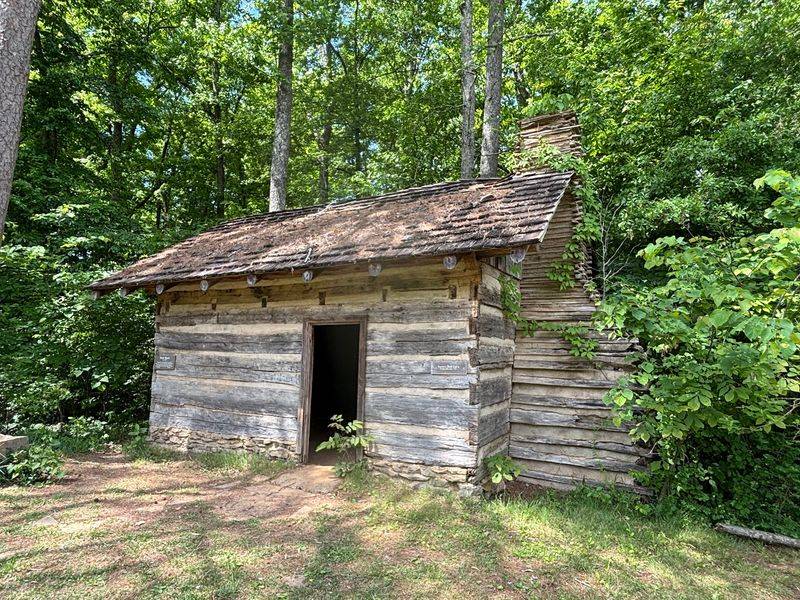
Long before hidden-gem lists became popular, this land was already doing quiet work. The organization has been teaching conservation since the seventies, which means some local families have been visiting for decades.
Reflection Riding operates as a nonprofit. Memberships and donations are how the place stays open, keeps its trails groomed, and cares for its animals and gardens.
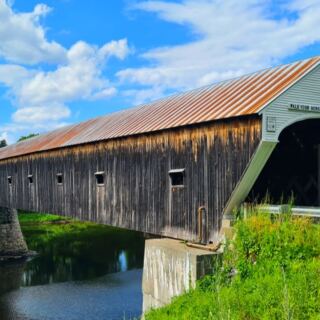
Old cabins still stand on the grounds, adding a sense of history to an otherwise wild setting. They give walkers a small reminder that people have valued this valley for a very long time.
Volunteers play a big part too. Workers and helpers keep the property in tidy shape, and summer camp groups have been spotted pulling out invasive plants as part of their lessons.
That steady, hands-on care helps explain why the preserve still feels thoughtful rather than commercial, even after all these years of welcoming the public.
Twelve Miles of Wandering Room
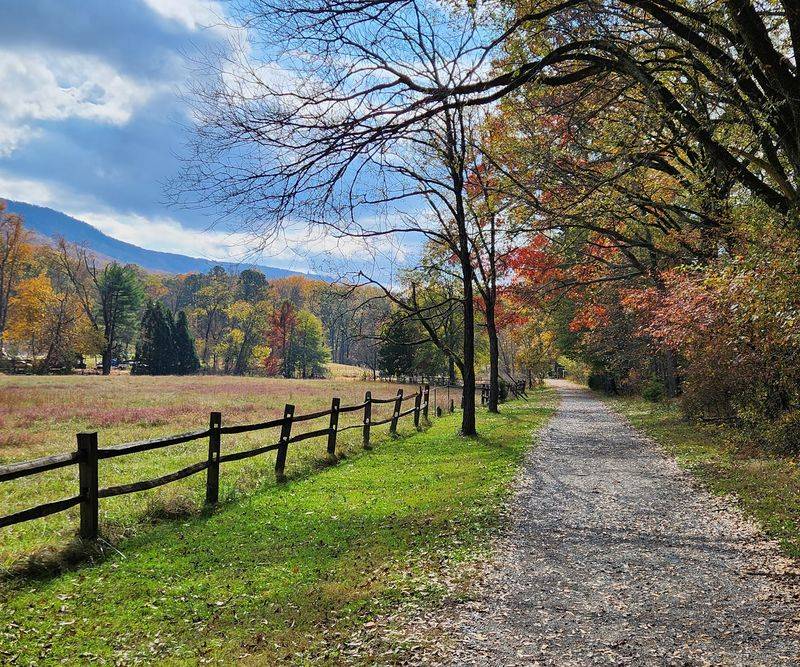
Numbers tell part of the story here: more than 300 acres and about 12 miles of trails. That is a lot of ground for a place many people have never heard of.
The main trail runs roughly 2.5 miles and loops around the property. It offers a steady mix of woods, open fields, and wildlife spotting without any brutal climbs.
Trails are well marked, so getting turned around is unlikely. Many trees along the way are labeled, turning a simple stroll into a living field guide.
Short visits work fine too. A quick walk to the tree house takes very little time, while a slow loop can fill an hour or two.
Bigger ambitions are possible as well. Cyclists can ride about twelve miles toward Skyuka Spring, and hikers can connect to the wider web of mountain and valley trails beyond the preserve.
The Water Route Few People Notice
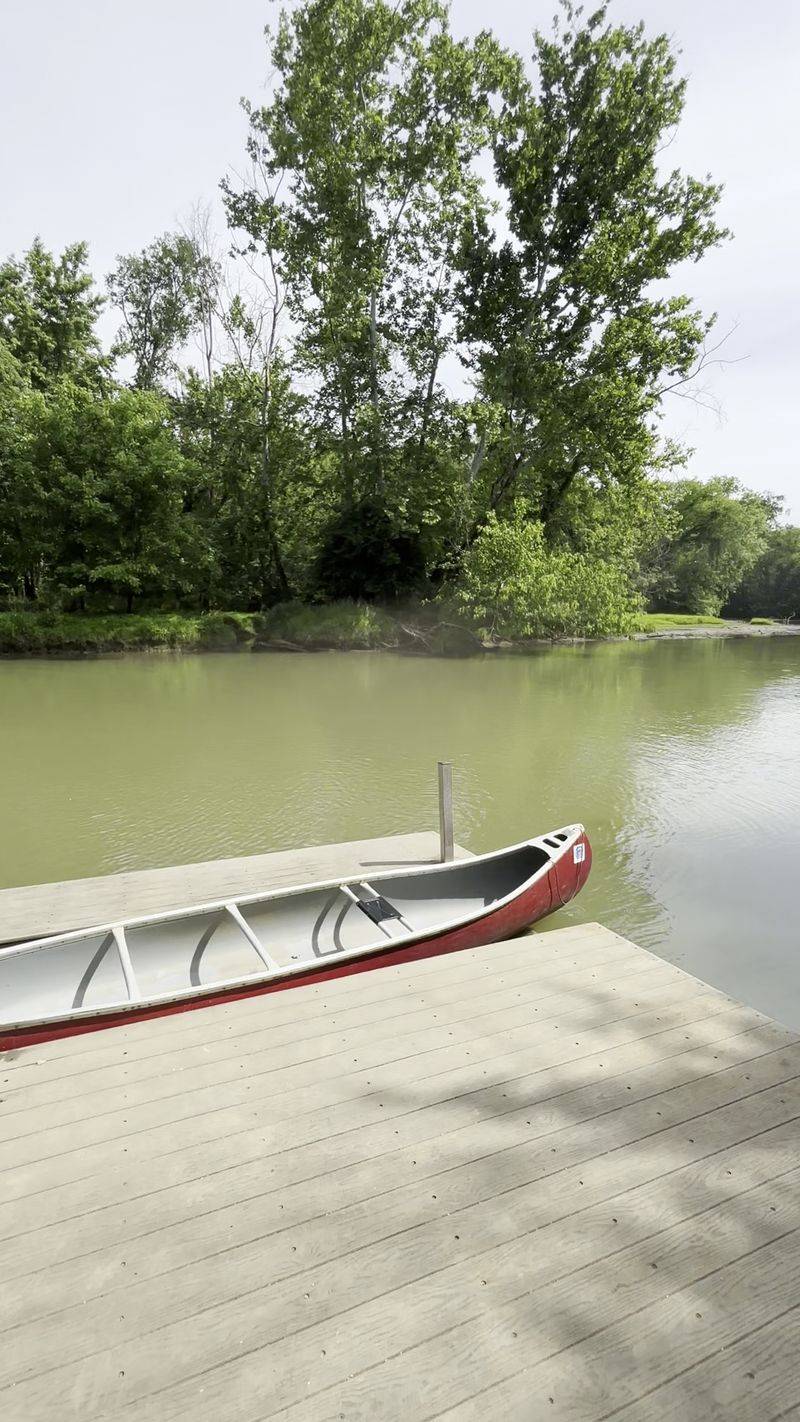
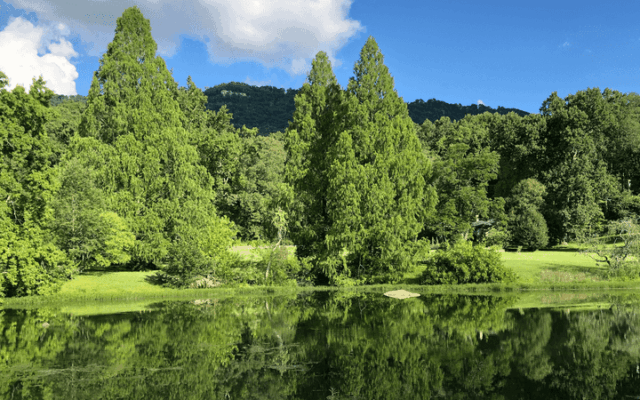
Here is the part most first-timers miss. Beyond the parking area, the trails lead toward a lake, a boardwalk, and a river access area that many guests never reach.
Walkers who loop past the lake often find wildflowers in bloom along the edges during the right season. The boardwalk adds an easy way to cross wetter ground without muddy shoes.
Families tend to love the river access spot, where kids get a chance to explore near the water. It turns a regular hike into a small adventure.
Canoeing is another hidden perk. Members can paddle, and some folks say the membership is worth it for canoeing alone.
While the preserve is better known for trees and animals, this watery side reveals a different mood entirely. Anyone who sticks to the first stretch of trail is skipping one of the property’s best-kept secrets.
Red Wolves in the Valley
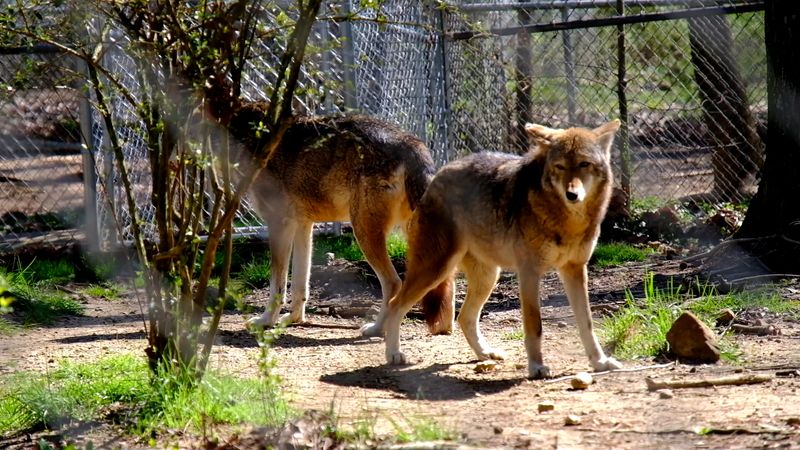
Few animals in America are as rare as the red wolf, and three of them live right here. The species is critically endangered, which makes seeing them in Tennessee a genuine surprise.
The wildlife sanctuary houses these wolves alongside a bobcat, raptors, and a sandhill crane. Many of the residents are injured animals that cannot return to the wild, so they now serve as teaching ambassadors.
Narrated tours of the enclosures can last more than an hour. Staff share details about each species and about red wolf breeding and reintroduction projects over the years.
Kids who arrive obsessed with wolves usually leave even more excited. The keepers clearly respect the animals, putting their wellbeing ahead of any show.
A 1:30 PM wildlife talk has been offered on Fridays, so timing a visit around it is a smart move for curious minds of every age.
A Tree House Worth the Walk
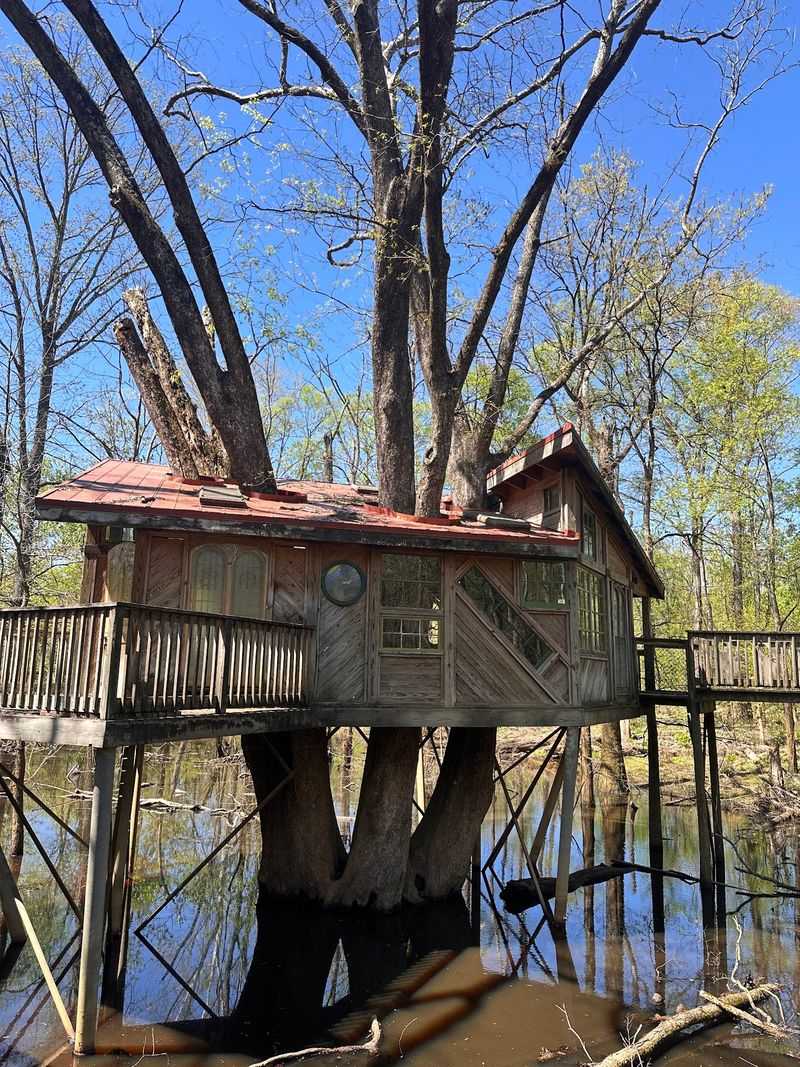
Ask a kid what they remember most, and the answer is often the tree house. It is one of the most talked-about features on the entire property.
A short walk from the parking area leads straight to it. Even people with limited time often make the tree house their one quick stop.
Families will find several nature play areas spread around the grounds as well. They give children room to climb, explore, and learn without screens.
A small exhibit of local reptiles and amphibians adds another hands-on stop. Horses grazing in a field tend to steal the spotlight for younger guests.
Picnics fit naturally into the day, with plenty of open outdoor space. Summer camps also run on site, focusing on nature-friendly lessons.
Parents looking for a cheap Saturday that still feels special have found their answer, and it comes with a ladder.
Native Plants to Take Home
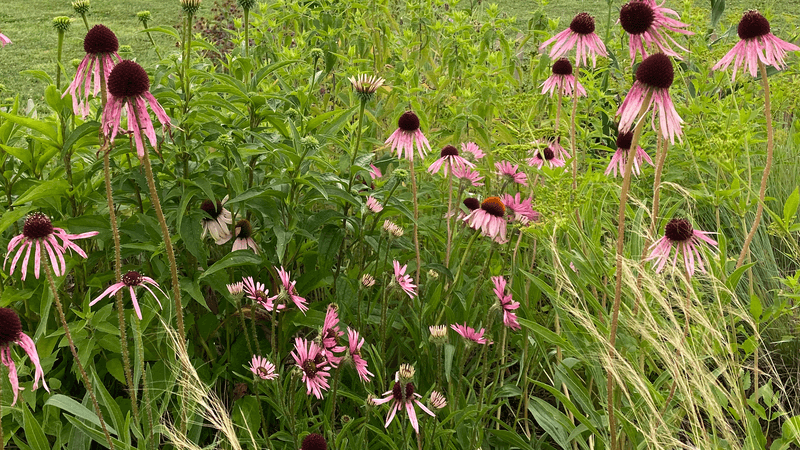
Gardeners, consider this a fair warning. The native plant nursery has a way of keeping people longer than they planned.
A groomed trail leads to the nursery, which stocks wildflowers, trees, and shrubs suited to the region. Greenhouses and wildflower gardens sit alongside it.
Smaller plants have run about $10 and up, while larger ones start around $25. Budgeting ahead helps, since many shoppers end up buying a few at a time.
Choosing native species supports local wildlife and keeps yards closer to their natural state. Staff are happy to share advice on what grows well.
Plant sale days pop up throughout the year, so it pays to watch the website. A free tree program has also been offered, letting families pick out young trees to plant at home.
Leaving with a seedling means a small piece of the preserve keeps growing long after the visit.
Seasons of Wildflowers and Mountain Views
Timing can change everything at an arboretum. Spring and early fall are often named as the best windows for a visit.
In spring, guided wildflower walks lead small groups to seasonal blooms. Guides are known for patience and plenty of plant knowledge.
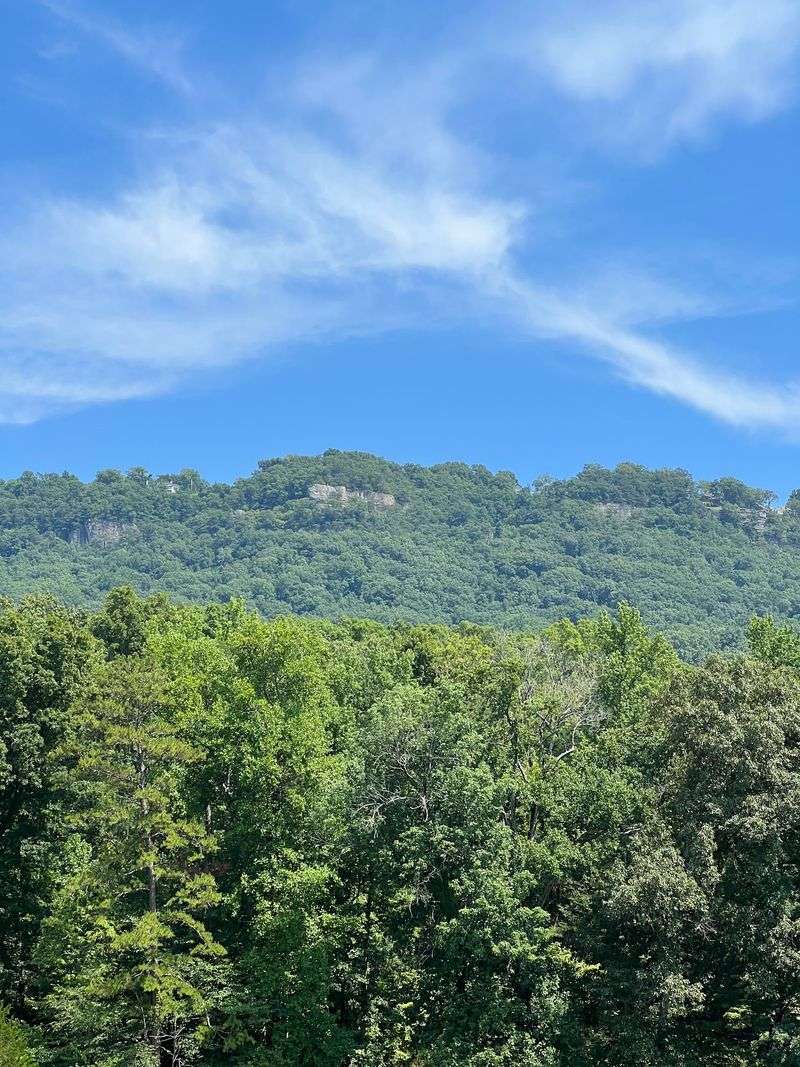
The property also frames wide views of Lookout Mountain. Open fields let the ridge stand out in a way the busy roads above rarely allow.
The arboretum itself is a big draw for anyone who enjoys learning tree names. Labels along the trails make identification easy for beginners.
Lessons about invasive species add depth to a casual stroll. Visitors learn which plants threaten East Tennessee and how to manage them.
Each season shifts the scene, which is why some locals return again and again. A spring trip and a fall trip can feel like two different parks sharing one address.
Room for Dogs, Bikes, and Slow Drivers
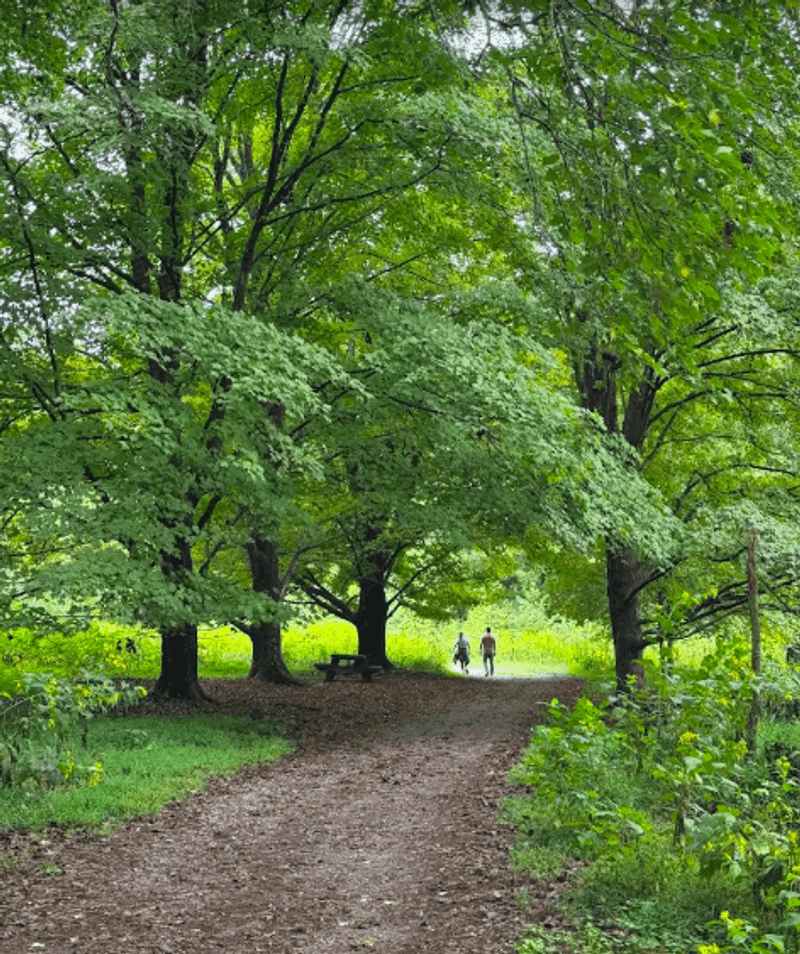
Good news for anyone who travels with a four-legged sidekick. The trails are dog friendly and bike friendly.
Visitors with limited mobility have options too. Some trails can be driven, and guests with a handicapped sticker have enjoyed touring the grounds by car.
Solo walkers, big groups, birders, and readers looking for a quiet bench all seem to fit in. The setting rewards slow wandering more than speed.
Couples have called it the highlight of a Chattanooga trip. Some even returned the next morning before heading home.
Families with kids around four and older get the most from the animal tours. Adults of every age find something to learn.
Bringing a book, a bike, or the dog is all encouraged. Few places manage to welcome this many styles of visiting at once without feeling crowded.
Hours, Donations, and Smart Timing
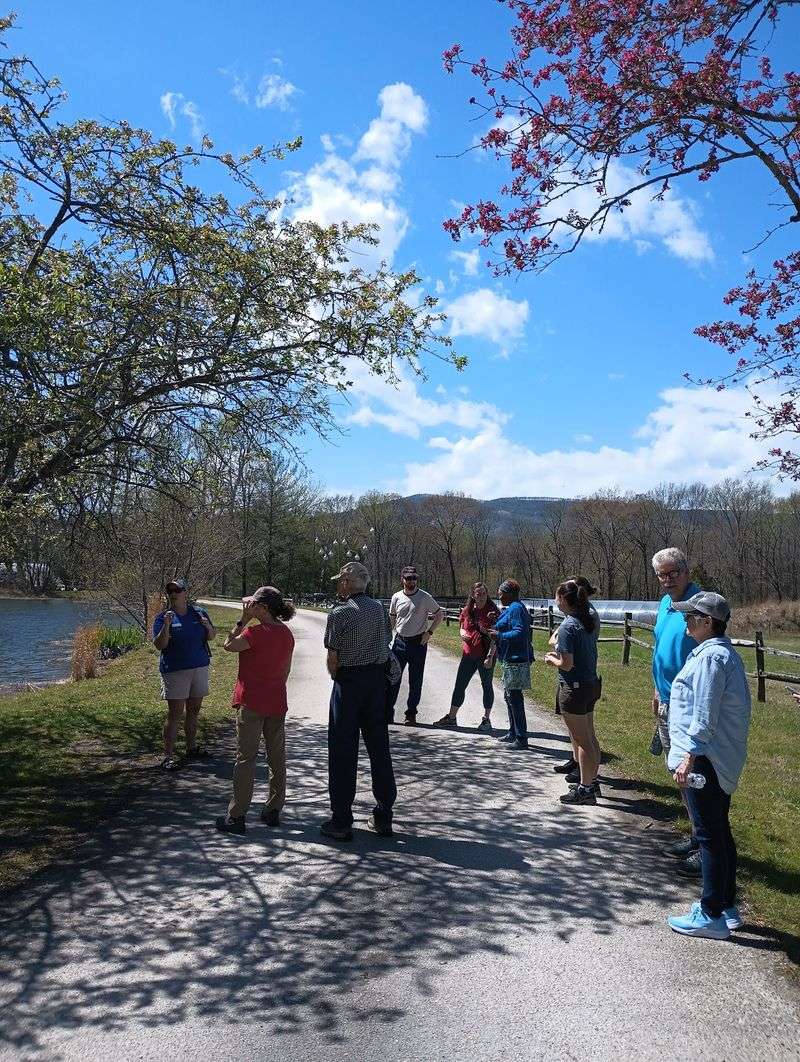
Planning ahead saves a wasted drive. The preserve opens Tuesday through Saturday from 9 am to 4 pm.
Sundays and Mondays are closed, so weekend plans should center on Saturday. Arriving early leaves time for the trails, the sanctuary, and the nursery.
Entry runs on a donation model. A $15 donation has been suggested, though any amount is welcomed.
Memberships unlock extra perks, including canoeing. They also directly support the animals and trails.
Parking is plentiful, and access from the road is easy. Front desk staff are known for being friendly and helpful with directions.
Classes, seminars, volunteer days, and summer camps run throughout the year. The website at reflectionriding.org lists updates and special events.
An hour or two covers the highlights, but a full morning makes room for the hidden water side and an unhurried loop.
Why Locals Keep It Close
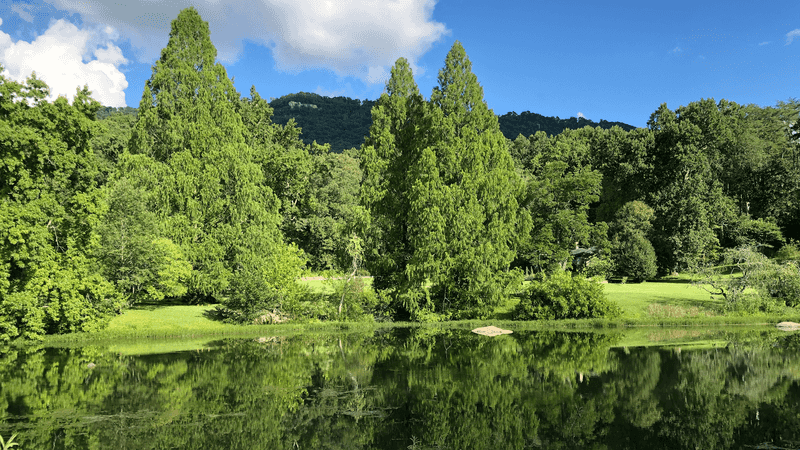
Some places shout for attention, and others simply wait to be found. Reflection Riding falls firmly in the second group.
Tucked behind one of Tennessee’s busiest tourist corridors, it offers trails, rare wolves, a charming vulture, and a lake route many guests never reach. All of that comes for a modest donation.
The staff stand out as much as the scenery. Their knowledge and care leave a lasting impression on first-timers and regulars alike.
It suits families, birders, gardeners, dog owners, and anyone craving a calmer side of Chattanooga. Few weekend escapes deliver this much variety so close to home.
Locals tend to share it carefully, almost like a family recipe. Visiting respectfully, leaving a donation, and coming back in a new season is the best way to keep it thriving.
The secret might be slipping out, but the valley has plenty of room left.
Share this story