London gets most of the attention, but the rest of the United Kingdom has plenty of surprises. This list heads to tidal islands, seabird colonies, quiet Cotswolds villages, underground caves, and dark night skies.
Some stops need a tide table or a boat booking, while others only need a good pair of walking shoes. Each place here is chosen for a clear reason, from ancient history to open coastline.
If your travel plans have been stuck on the same few famous cities, this collection offers a fresh set of ideas. Save it for your next trip and see which corner of the UK pulls you away from the capital.
Holy Island of Lindisfarne, Northumberland, England
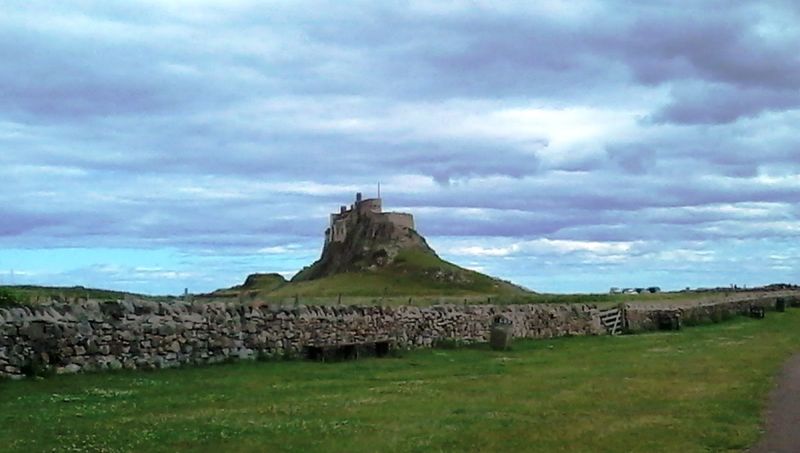
The road to this island vanishes under the sea twice a day. That one fact shapes every visit, so crossing times matter more here than almost anywhere else in England.
Holy Island is joined to the Northumberland coast by a tidal causeway. Once across, visitors can wander between the village, the priory ruins, the shoreline, and the distinctive Lindisfarne Castle.
The island mixes windswept scenery with centuries of religious and maritime history.
VisitBritain continues to recommend Holy Island as one of Northumberland’s quieter off-the-beaten-track experiences. That makes it a smart pick for anyone who wants history without the crowds of a big city.
Check the published safe crossing times before setting out, and plan your day around them. Leaving a little buffer at each end keeps the trip relaxed and avoids any rush back to the mainland.
Farne Islands, Northumberland, England
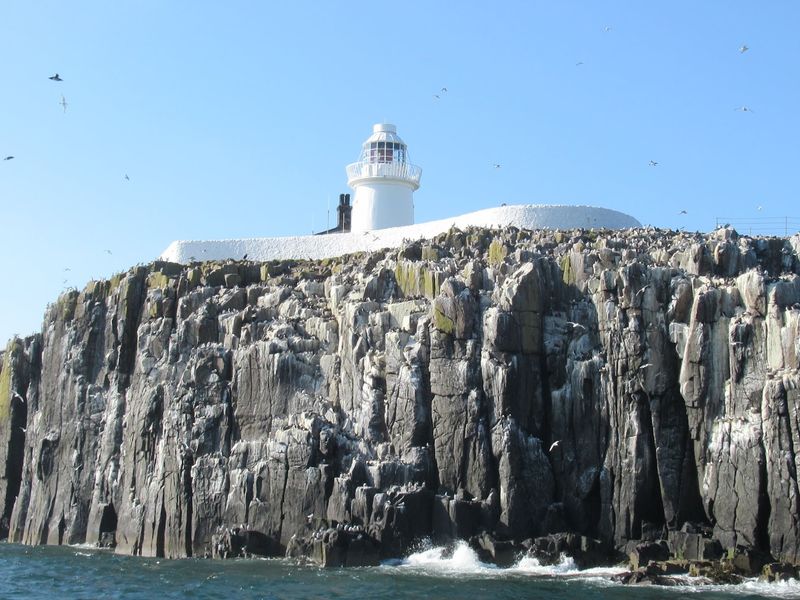
Few day trips in England put you this close to wild seabirds. A short boat ride from the Northumberland coast leads to the Farne Islands, a group of rocky islands known for seabird colonies and grey seals.
VisitBritain highlights them as an option for travelers looking beyond the county’s better-known castles and towns. Puffins are one of the big draws during the breeding period, though what you see depends on the time of year.
Weather can change the plan. Boat operators and island landings can be affected by conditions and by conservation requirements, so checking ahead is important before you book or travel.
Bring layers, since the sea breeze can be cooler than the mainland. A camera with a good zoom helps too, because the birds and seals are best enjoyed from a respectful distance.
Snowshill, Gloucestershire, England
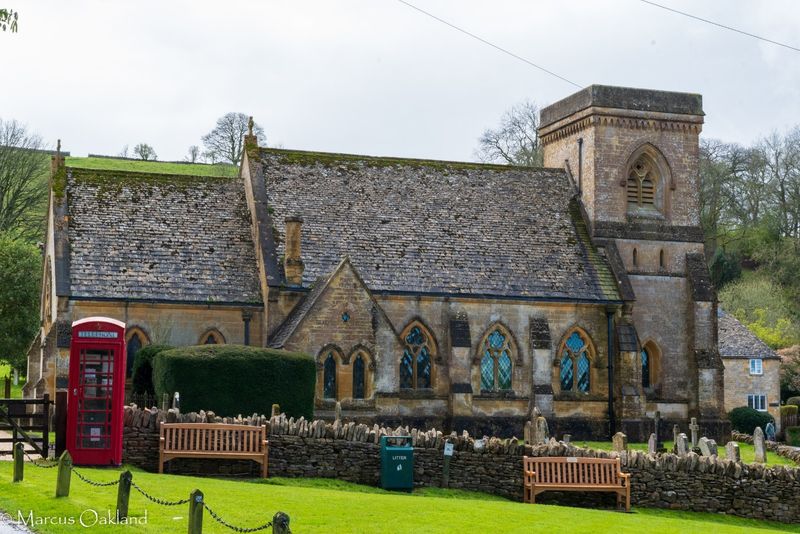
Bourton-on-the-Water gets the crowds, while Snowshill gets the calmer lanes. VisitEngland recommends this village among the Cotswolds’ lesser-known spots, and the setting shows why.
Honey-colored cottages cluster along narrow roads surrounded by rolling countryside. It has the storybook look that draws people to the region in the first place, just with fewer people in the frame.
Snowshill Manor and Garden gives travelers another reason to stop. The collections there were assembled by its eccentric owner, Charles Paget Wade, and they are far from the usual stately home display.
Pair a stroll through the village with a visit to the manor for a full, easy day. It works well as a base for anyone who likes small places with a bit of character.
Coln St Aldwyns, Gloucestershire, England
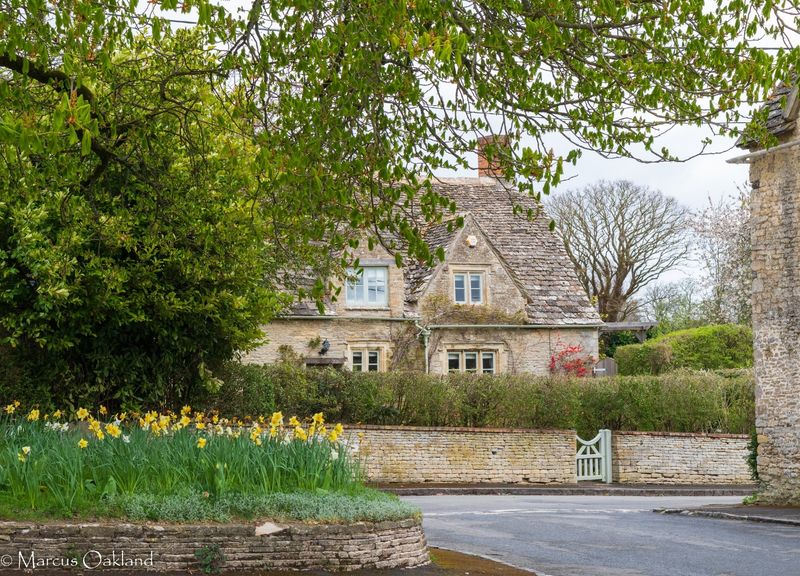
Tour buses tend to roll past this one, which is a big part of its charm. Coln St Aldwyns delivers a Cotswolds visit with a lot more breathing room.
Stone houses, countryside footpaths, and the River Coln set a quiet scene. The village suits travelers who would rather walk and look around than hurry between major attractions.
VisitEngland names it among the quieter Cotswolds options, pointing to its riverside walks and much smaller visitor numbers compared with the region’s famous hotspots.
Wear comfortable shoes and give yourself time to follow a footpath or two. The reward here is a slower pace, which is exactly what many people hope to find in the Cotswolds.
Upper Slaughter, Gloucestershire, England
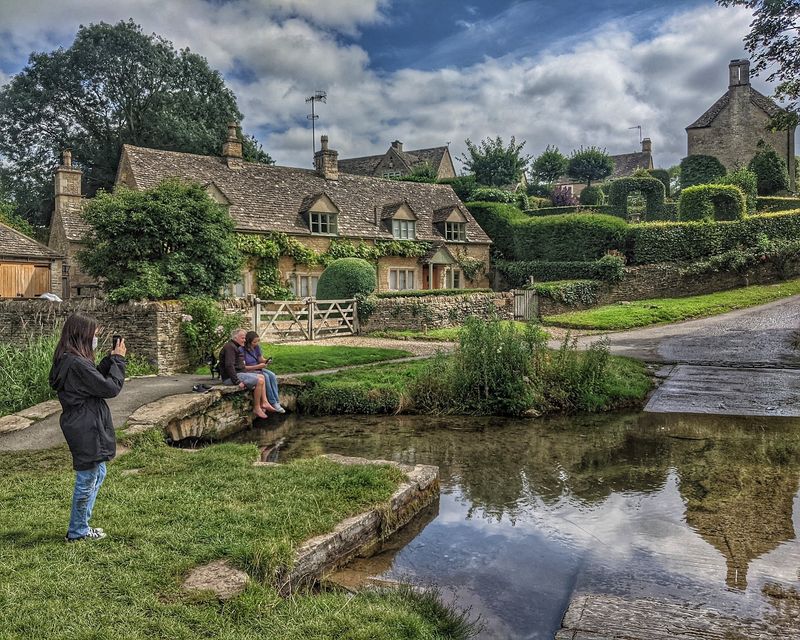
The name sounds alarming, yet Upper Slaughter is one of the gentlest stops on this list. Its name has historical roots that have nothing to do with violence, so there is no reason to hesitate.
The village is known for traditional Cotswold architecture, a small stream, and remarkably peaceful streets. Nothing here is loud or flashy, and that is the point.
VisitEngland recommends Upper Slaughter for travelers hoping to see a quieter side of the Cotswolds. It is a place where the main activity is slowing down enough to notice stonework, gardens, and the water running through the village.
Plan a short, unhurried visit and let the details do the work. It pairs nicely with other small villages nearby for a relaxed countryside day.
City of Caves, Nottingham, England
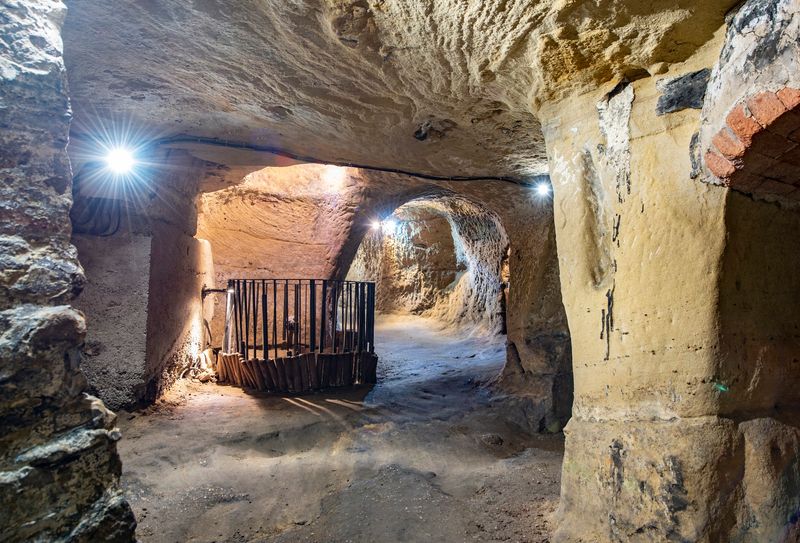
Some of Nottingham’s best sights are beneath your feet. City of Caves explores part of a network of human-made sandstone caves under the city.
VisitBritain lists the attraction among Nottingham experiences and describes the city as having Britain’s largest network of caves. The underground chambers were used for different purposes across the centuries, which gives the tour a lot of variety.
It is a very different kind of sightseeing from the castles and stately homes people often expect in Britain. Instead of looking up at old buildings, visitors head down into carved rock.
This is a handy stop for a rainy day, since the main action happens indoors and underground. Check current opening times and booking details before you go.
Ardnamurchan Peninsula, Lochaber, Scotland
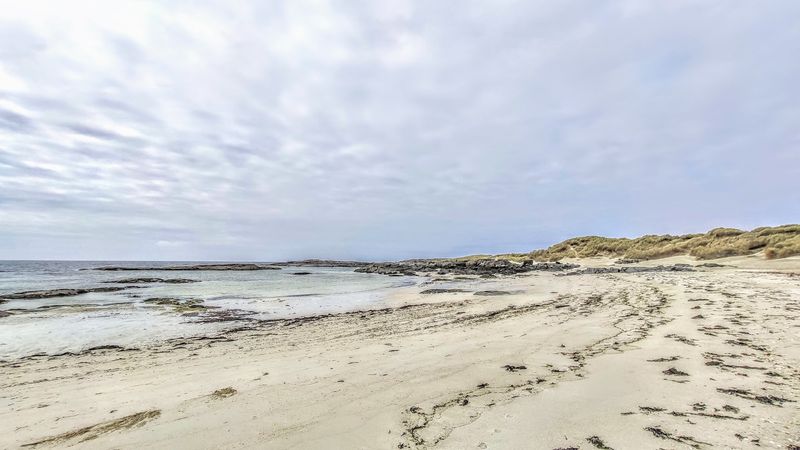
Patience is the entry fee for Ardnamurchan, and the roads make sure of it. Single-track routes wind through forests, moorland, beaches, and remote settlements toward one of mainland Britain’s westernmost landscapes.
VisitScotland recommends the peninsula as an off-the-beaten-track destination. It points to places such as Sanna Bay and Ben Hiant as highlights worth the slow journey.
Official Highlands tourism information also describes Ardnamurchan as an unspoiled meeting point between the Highlands and the Atlantic. That mix of hills and open sea gives the area its wide, empty feel.
Allow plenty of extra time for driving, and use the passing places politely on the narrow roads. Fill up on fuel and supplies beforehand, since services are limited.
Uath Lochans, Cairngorms National Park, Scotland
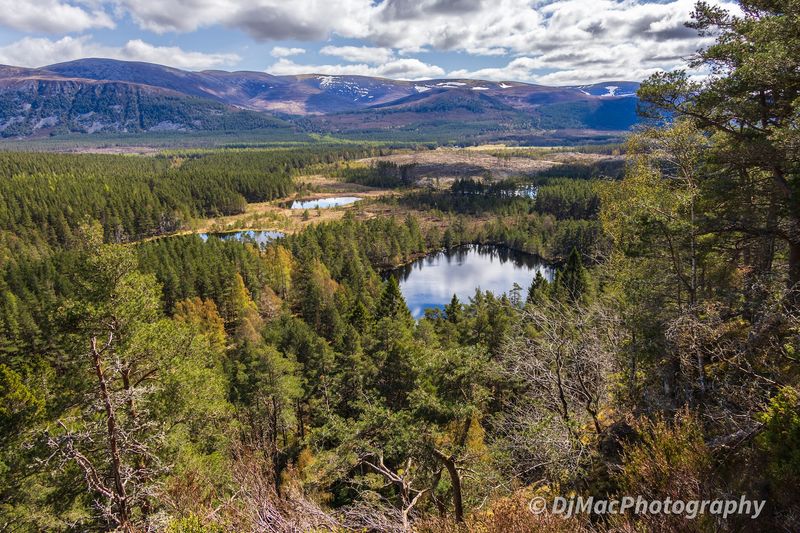
Step a little off the famous Cairngorms routes and the whole mood changes. Uath Lochans sits near Glen Feshie and offers a quieter alternative to the park’s busiest landscapes.
The area combines woodland trails with small lochs and elevated viewpoints. VisitScotland recommends it as a hidden gem within the national park.
A route toward Farleitter Crag gives broad views over the surrounding landscape, which makes the climb a good reward for a modest effort. The shorter paths around the lochs suit those who prefer an easier walk.
It is a good reminder that moving only slightly away from Scotland’s best-known routes can transform a trip. Pack waterproofs and sturdy footwear, because Highland weather can shift quickly.
Isle of Cumbrae, North Ayrshire, Scotland
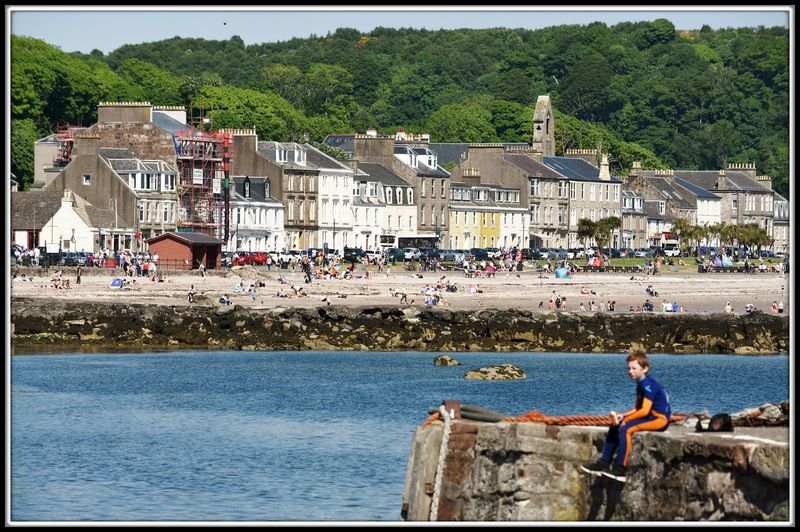
A ten-minute ferry ride is all it takes to reach a Scottish island. Cumbrae sits off Largs, and the short crossing makes island life surprisingly easy to try.
The island is known for cycling, walking, watersports, and its coastline. VisitScotland includes it among its recommended off-the-beaten-track Scottish destinations.
Its accessibility is the big selling point. Travelers can get a taste of island living without spending several days reaching the Outer Hebrides.
Bringing or hiring a bike is a popular way to see the coast at an easy pace. Check ferry times before you head over so the return trip fits your plans.
Brough of Birsay, Orkney, Scotland
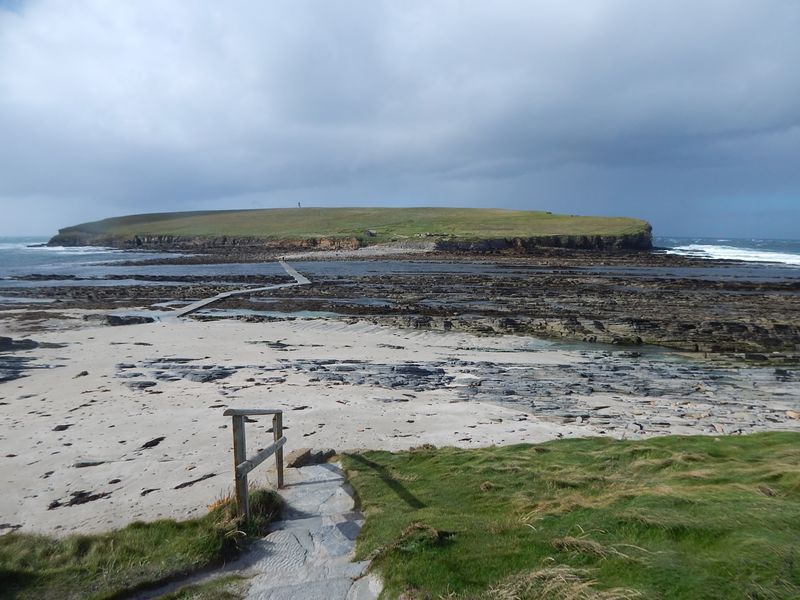
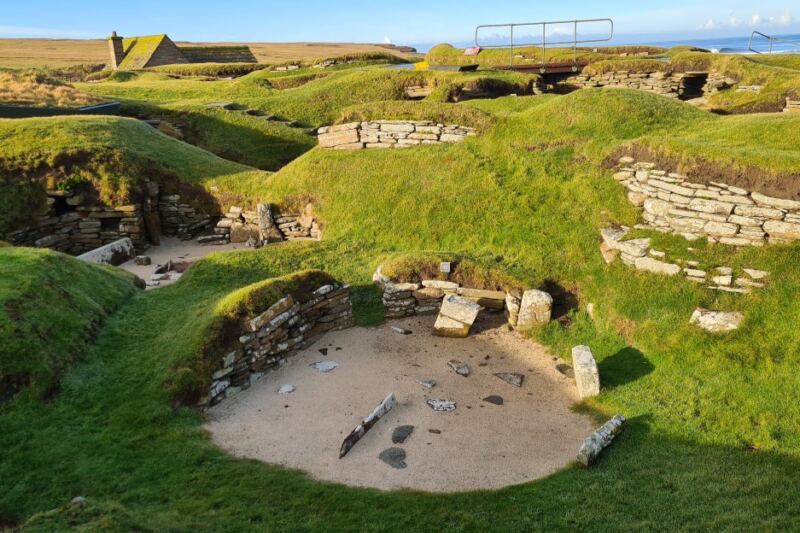
Timing is everything at the Brough of Birsay, because the tide decides when you can walk across. That small challenge adds a bit of adventure to a trip.
This tidal island off Orkney Mainland holds archaeological remains linked to both Pictish and Norse occupation. It also offers coastal viewpoints and a lighthouse, so there is plenty to see once you are over.
Scotland does dramatic coastline and ancient history very well, and this spot combines both in one small place.
VisitScotland highlights the Brough while suggesting quieter ways to explore Orkney beyond its most famous archaeological sites. Check tide times before you set out and keep an eye on them while you explore.
Ynys Enlli, Bardsey Island, Wales
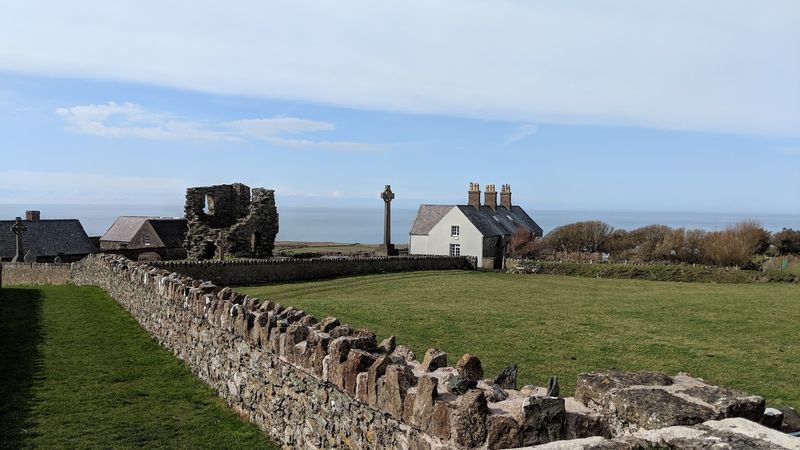
Known as the island of 20,000 saints, Ynys Enlli carries a lot of history for such a small place. Bardsey Island lies just off the Llŷn Peninsula and has long been linked with religious retreat and Welsh legend.
Today it draws walkers, wildlife watchers, and travelers who want isolation rather than entertainment. Do not expect arcades or crowds, since quiet is the main feature.
Visit Wales continues to highlight Bardsey as one of the unusual places worth discovering along the Welsh coast.
Boat access is seasonal and depends on the weather, so flexible plans work best. Book ahead where needed and bring what you need for the day.
Borth Beach and the Submerged Forest, Ceredigion, Wales
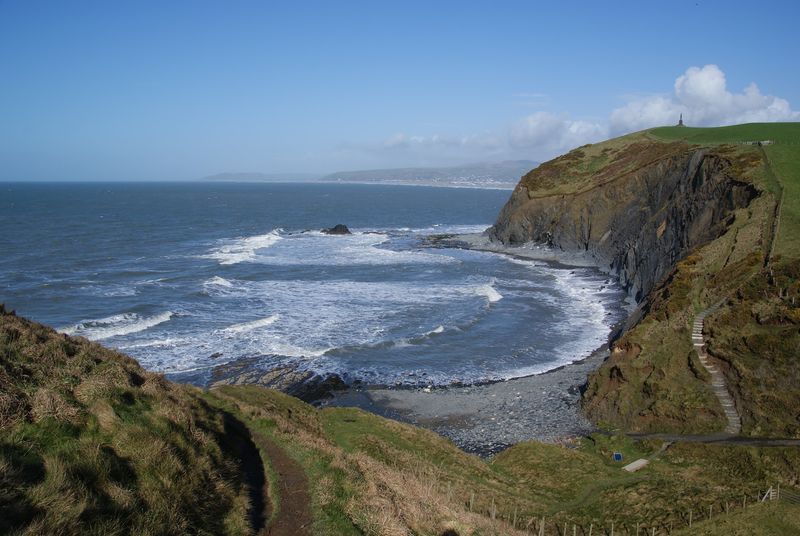
At low tide, Borth reveals a strange secret. Ancient tree stumps preserved beneath the beach come into view along the shore.
Visit Wales describes the remains as thousands of years old and links them with Welsh legends about the lost kingdom of Cantre’r Gwaelod. Borth otherwise looks like a pleasant seaside village, which makes the contrast even bigger.
The beach is also backed by an area rich in wildlife and sits close to the Dyfi Biosphere. That gives nature lovers extra places to explore nearby.
Check tide times before visiting, since the forest only shows when the water is low. Take sturdy shoes, as the shoreline can be slippery.
Solva, Pembrokeshire, Wales
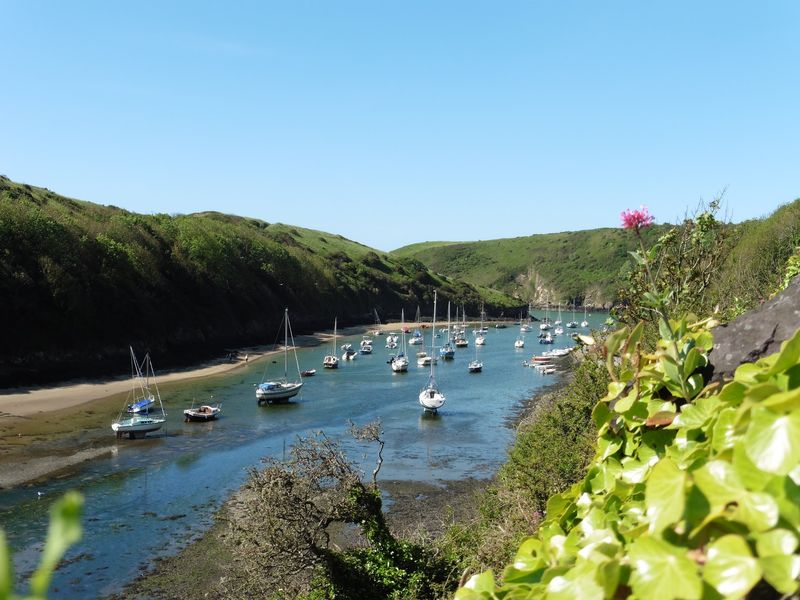
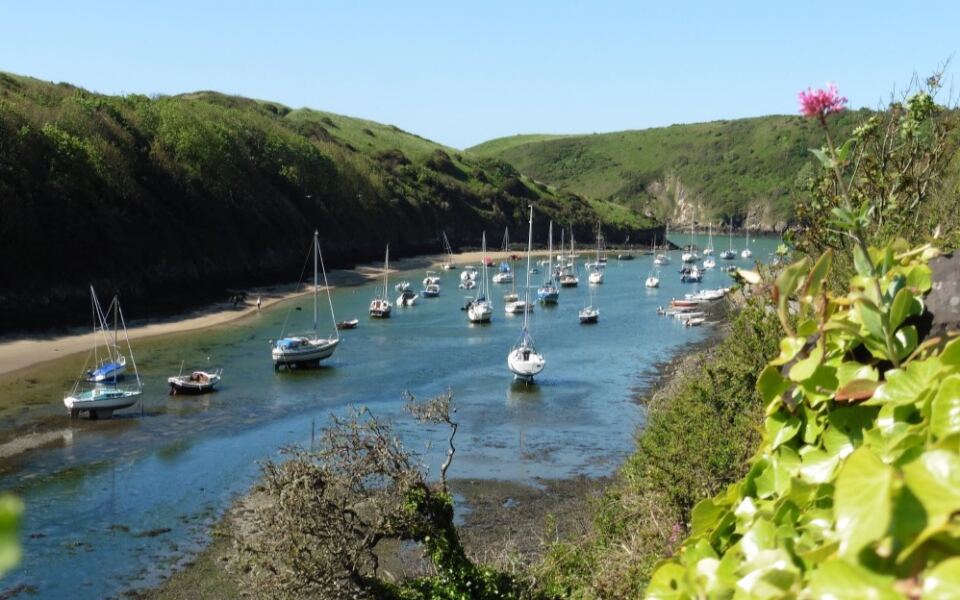
Plans have a way of falling apart in Solva, in a good way. Houses squeeze around a sheltered inlet on the Pembrokeshire coast, and the view invites a long pause.
Visit Wales describes it as a pretty harbour village. Visitors can follow the coast path around the inlet, explore historic limekilns, and, at low tide, walk farther along the estuary.
The surrounding section of the Pembrokeshire Coast Path gives walkers another reason to linger rather than simply pass through.
Wear good footwear for the coast path and check tide times if you plan to walk along the estuary. A loose schedule suits this village best.
Pwll y Wrach, Pembrokeshire, Wales
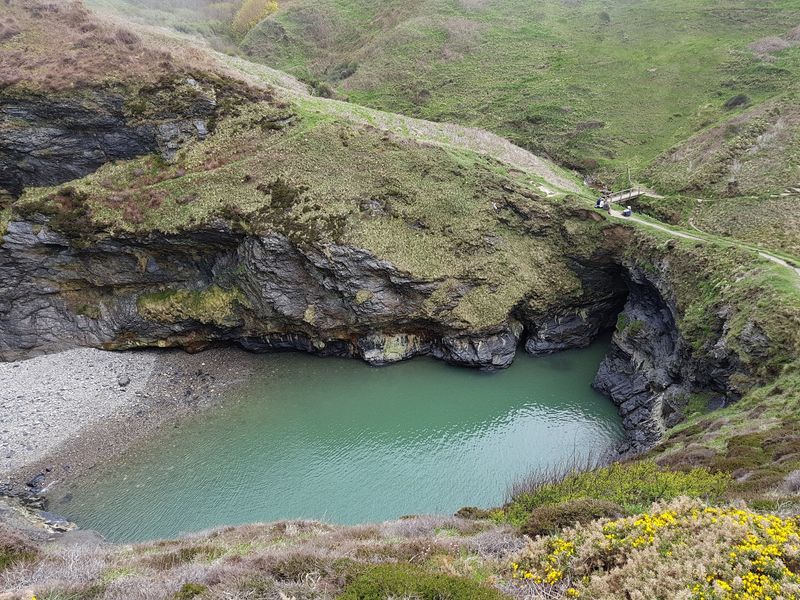
Nicknamed the Witches’ Cauldron, Pwll y Wrach is among the oddest formations on the Pembrokeshire coast. It is a collapsed coastal cave connected to the sea by a tunnel.
The result is an enormous natural bowl hidden within the cliffs. Visit Wales lists it among the Coastal Way’s most startling sights.
The coast path passes above the formation, so walkers can look down into it from a safe vantage point. That is the simplest way to enjoy it.
Approaching from the water or entering sea caves should only be done with careful attention to tides and conditions. Staying on the path keeps the visit easy and safe.
Whitehead and Blackhead Coastal Path, County Antrim, Northern Ireland
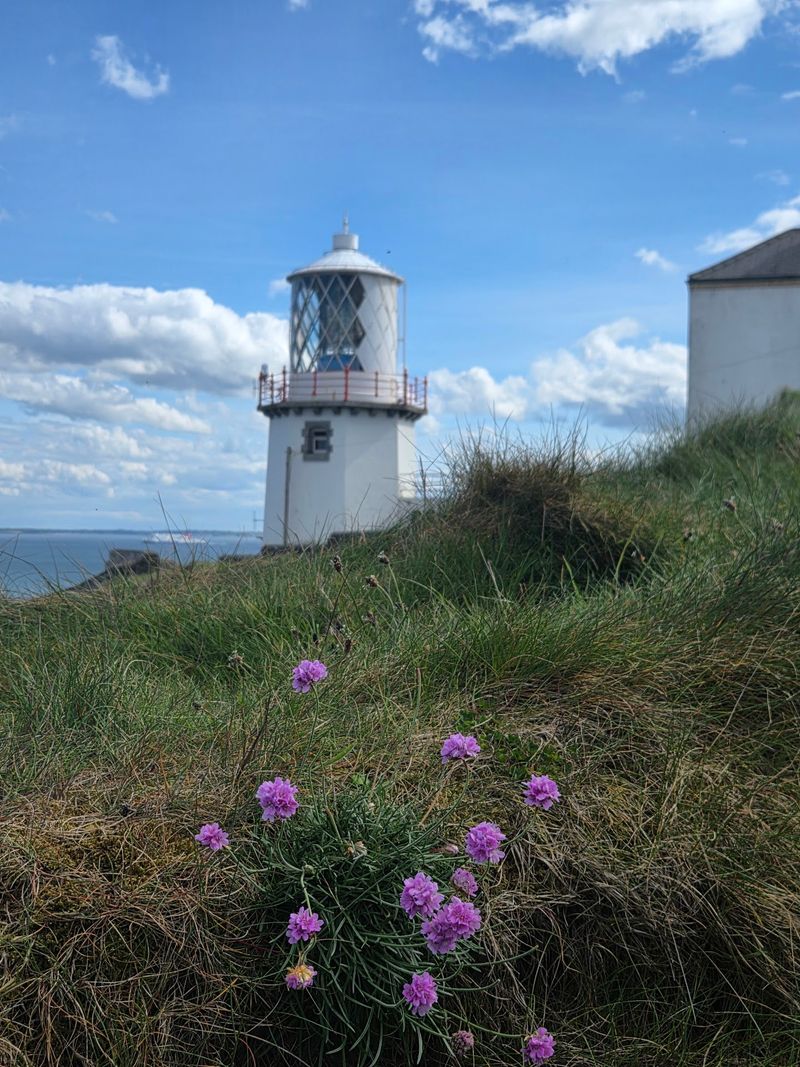
Many visitors race straight to the Causeway Coast, but Whitehead rewards those who slow down. This Victorian seaside town sits away from Northern Ireland’s headline attractions.
Colorful waterfront buildings are only part of the appeal. The nearby Blackhead Coastal Path follows the shoreline toward Blackhead Lighthouse, passing basalt scenery and caves along the way.
Discover Northern Ireland describes Whitehead as the sort of hidden gem suited to slower travel. That makes it a good alternative to the busiest landmarks.
Bring comfortable walking shoes and allow time for the path and the town. It works well as a relaxed half day or a calm break between bigger sights.
Portmuck Harbour, County Antrim, Northern Ireland
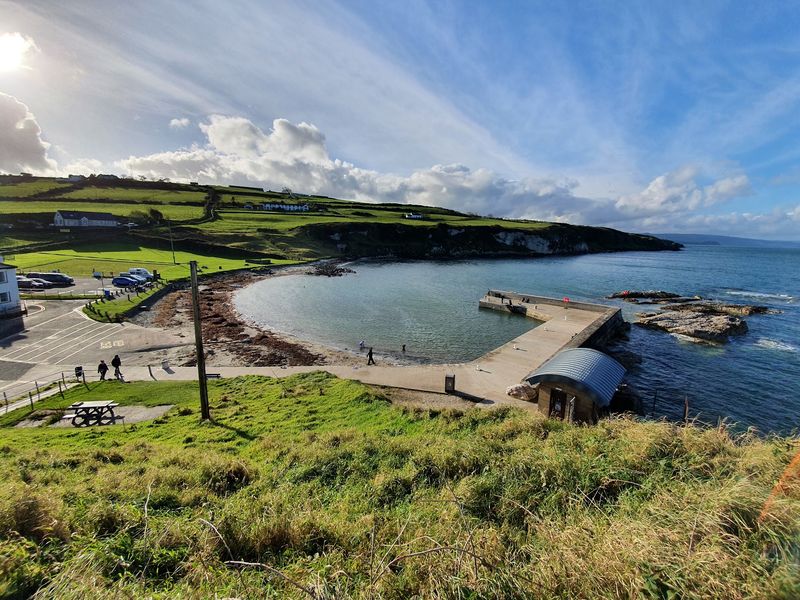
Portmuck feels discovered rather than advertised. It sits at the northeastern tip of Islandmagee, around a small harbour framed by dramatic coastal scenery.
Walking routes extend along National Trust-managed land on either side of the harbour. Discover Northern Ireland provides details for two walks that begin here.
The same source explicitly describes Portmuck as a hidden gem, which suits a place this small and quiet.
Pick a route, bring suitable footwear, and take your time along the shoreline. It is an easy choice for anyone who likes coastal walks without large crowds.
Davagh Forest, County Tyrone, Northern Ireland
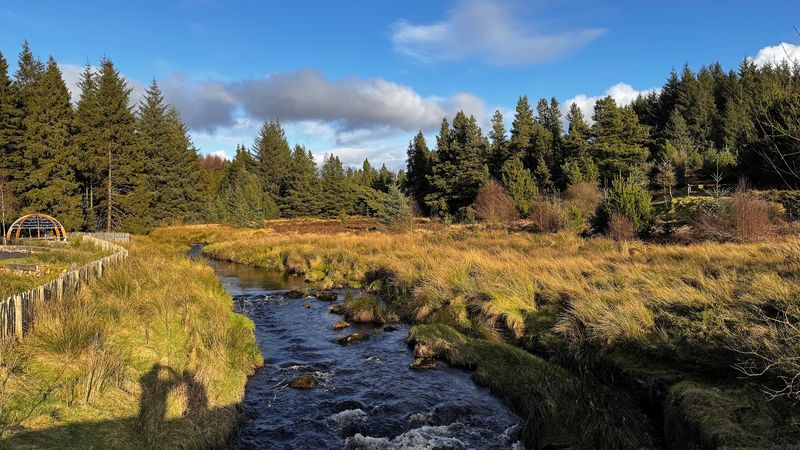
Davagh Forest has two personalities, and the second one comes out after sunset. By day, walking and mountain-bike trails cross a remote landscape northwest of Cookstown.
After dark, the lack of light pollution becomes the main attraction. Discover Northern Ireland calls Davagh Forest a true hidden gem and notes its International Dark Sky Park status.
That makes it a rare UK getaway where the night sky is as big a draw as the trails. Stargazers can enjoy a view that most towns and cities simply cannot offer.
Parts of the forest can occasionally be affected by forestry operations, so check current access information before visiting. Bring warm clothing and a red-light torch for the evening.
Share this story