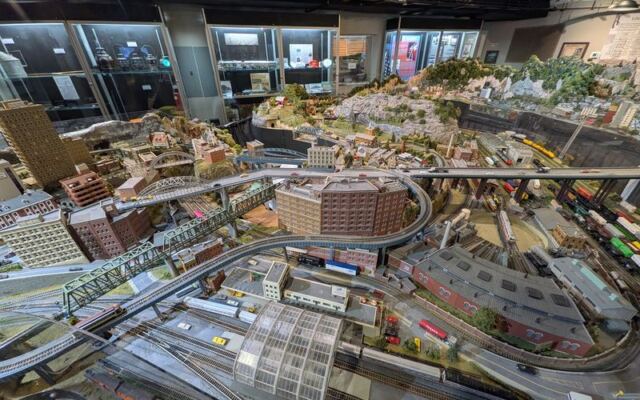
Some of the best finds in Tennessee hide behind plain doors on ordinary downtown streets. This one looks modest from the sidewalk, but inside waits a whole railroad world built by hand, with tiny towns, tiny people, and trains that kids can start with the push of a button.
It honors a real mountain railroad that once tied East Tennessee to North Carolina, and it does so with remarkable care. Keep reading to learn what makes this small museum such a big deal for families, history fans, and anyone who still gets excited when a train rolls by.
A Downtown Depot Worth the Detour
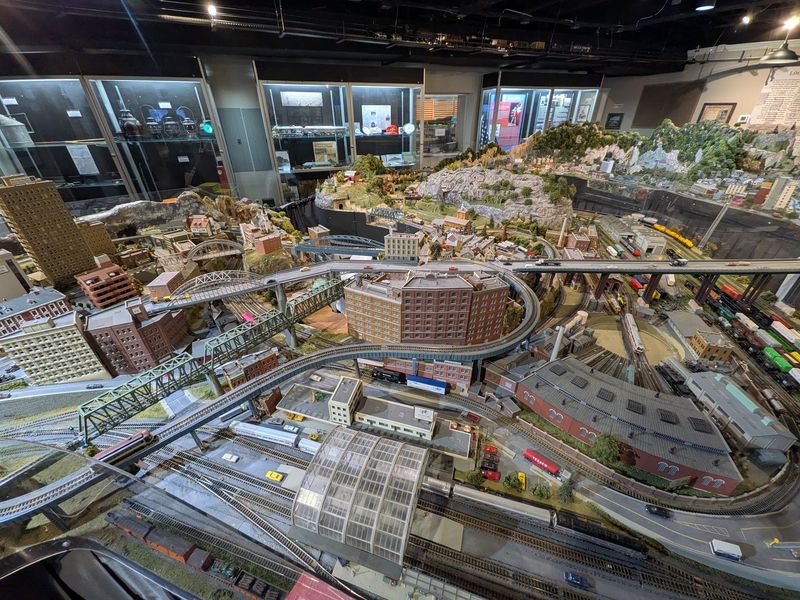
Tucked into the heart of Northeast Tennessee, the Johnson City Railroad Experience sits at 207 N Boone St #2000, Johnson City, TN 37604. It is a museum built around model railroading and local rail history, and it is far bigger on the inside than most people expect.
The idea is simple but clever. Detailed layouts recreate real places, real towns, and real trains from the region’s past.
Instead of just reading about railroads, guests get to see how those lines once wove through mountain communities.
For families in Knoxville, Chattanooga, or southwest Virginia, Johnson City makes an easy day trip or relaxed weekend stop. The museum fits neatly into a plan that includes lunch downtown and a walk around the area.
Hometown pride runs deep here. Many guests leave proud that something this carefully made exists right in their own corner of Tennessee, and it is easy to see why.
The Little Railroad That Earned a Big Tribute
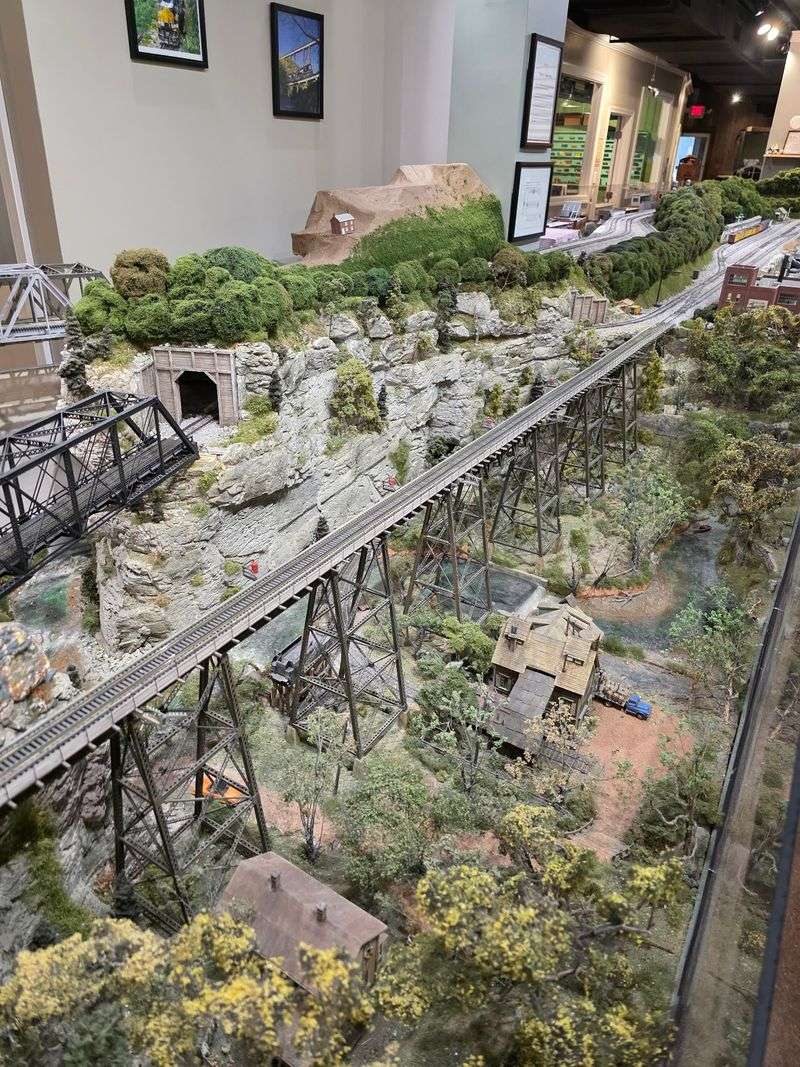
Long before highways tamed the mountains, a scrappy rail line called the East Tennessee and Western North Carolina Railroad climbed from Johnson City toward Boone, North Carolina. Locals often knew it by a fond nickname, Tweetsie.
That line kept running until the early 1950s. It carried people, goods, and news between remote mountain towns that had few other ways to connect with the outside world.
The museum treats this story as its backbone. One layout carefully recreates the trains, tracks, and villages of Carter County, Tennessee, and Avery County, North Carolina.
Historical exhibits fill in the rest of the picture. Displays explain how railroading helped shape Northeast Tennessee and turned Johnson City into an important regional hub.
It is local history told in a way that sticks, because the past is not just described on a sign. It is rebuilt, piece by piece, right in front of you.
Old Photographs, New Miniature Worlds
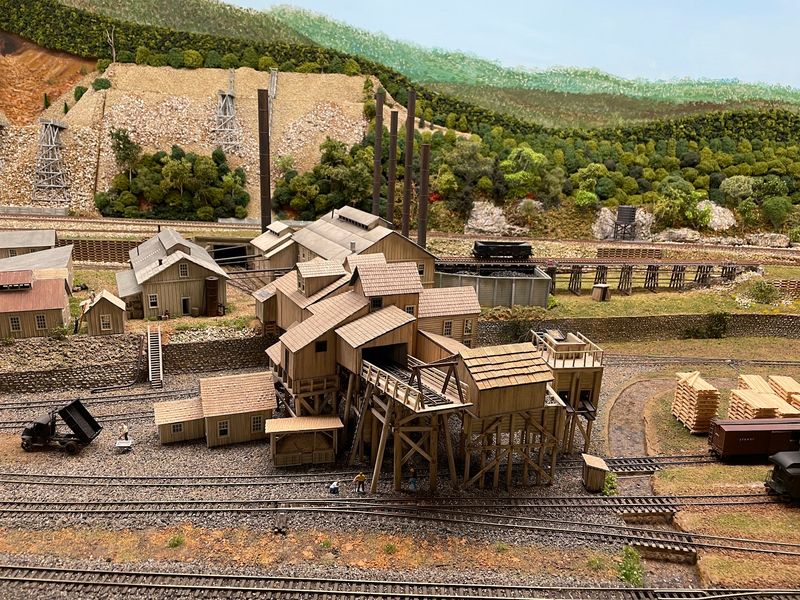
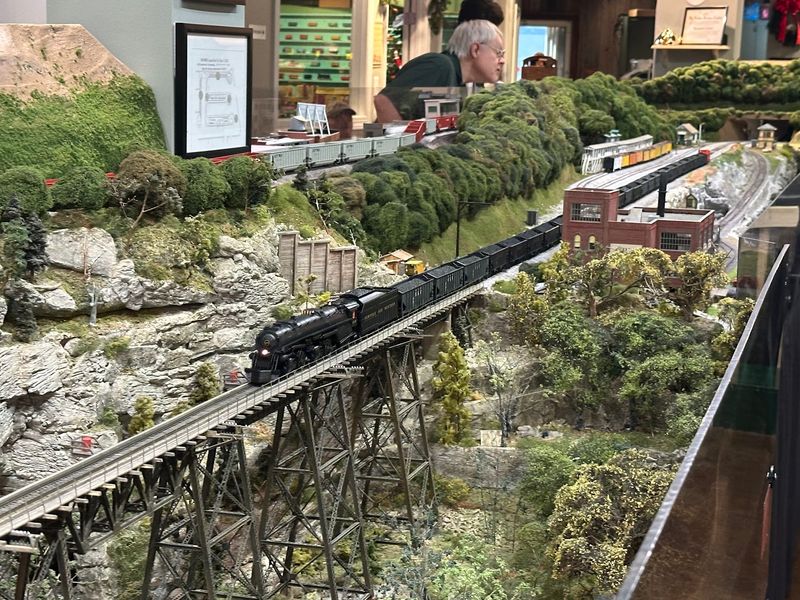
Accuracy is the secret ingredient. On the ET&WNC layout, buildings, towns, paint colors, and even the tiny people are modeled from old photographs.
That approach takes patience. Builders study historic images, then translate every storefront and trackside shed into scale form, aiming to match what really stood there decades ago.
The result works on two levels. Casual guests see a charming mountain town in miniature, while history buffs can spot real places their grandparents might have known.
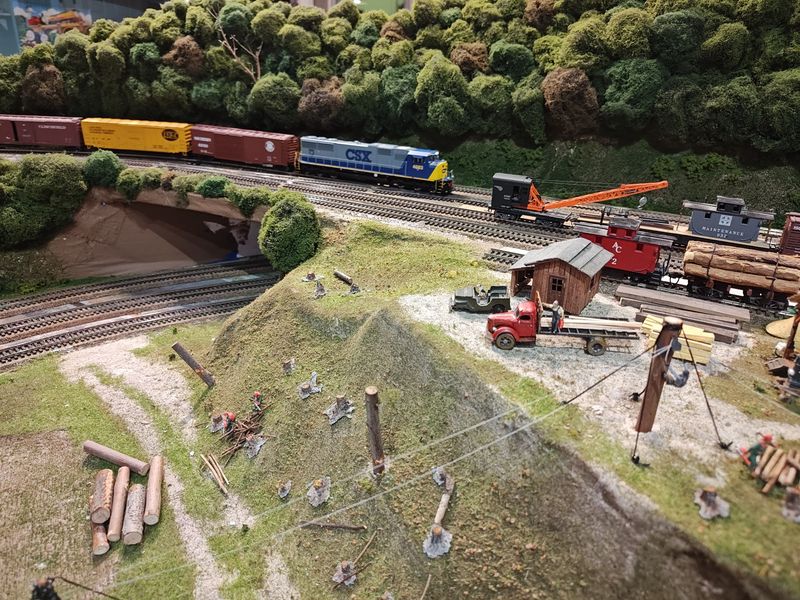
Craftsmanship shows in the small stuff too. Handmade trees, carefully placed structures, and little scenes tucked into corners reward anyone willing to lean in and look closely.
Many people notice something new on every pass around the room. Going back for a second or third look often turns up details missed the first time.
It is the kind of display that quietly asks for your attention, then keeps it for much longer than planned.
Tri-Cities at 1:160 Scale
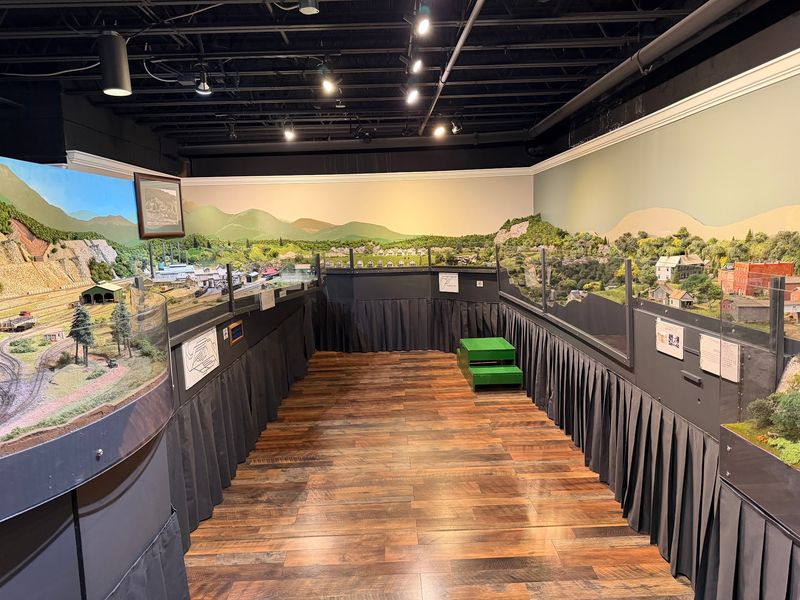
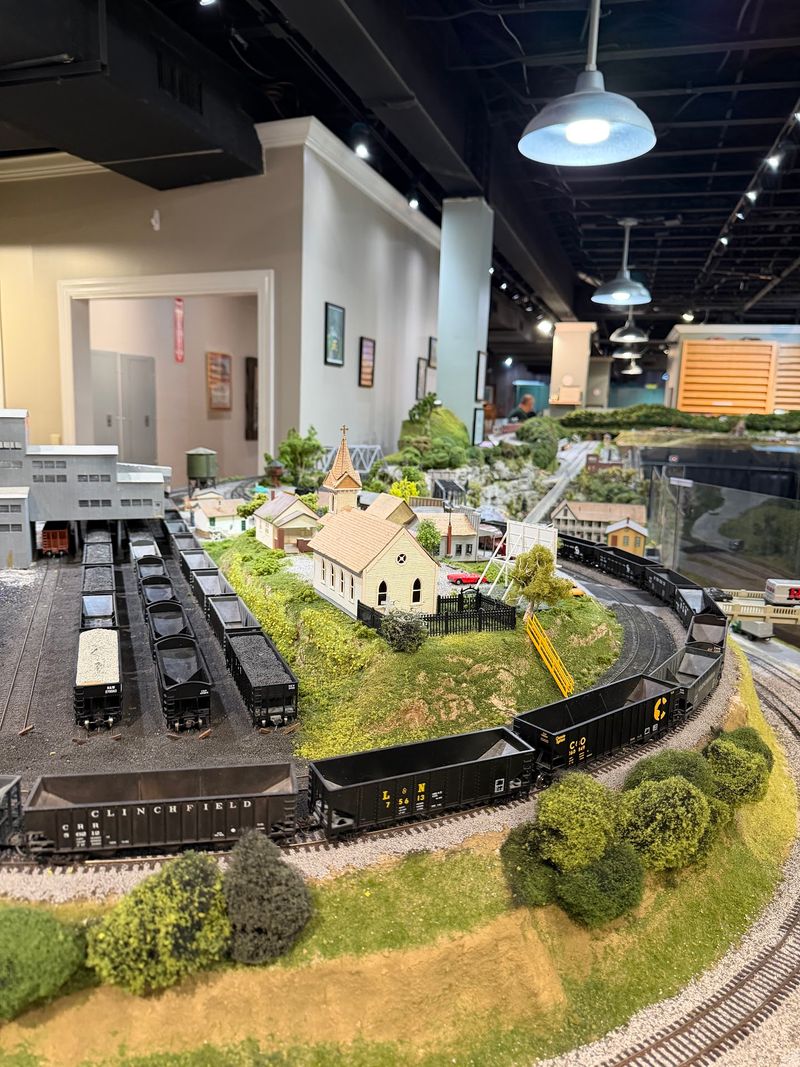
Here is a fun way to see your own neighborhood: shrink it. One of the museum’s standout features is an expansive N scale replica of the Tri-Cities area, built at 1/160 scale.
N scale is small, which means builders can fit a huge amount of territory into a single room. Long stretches of track snake past towns and landscapes, giving trains room to really travel.
For locals, this layout is a treat. Spotting familiar terrain in miniature sparks plenty of pointing and chatter among families who call the region home.
Guests from farther away still get a clear sense of how rail lines connected the Tri-Cities. It turns a map into something you can walk around and study.
The museum also runs HO scale layouts, which are larger and show off chunkier details. Having both scales side by side helps newcomers understand how different the hobby can look.
Push the Button, Start the Train
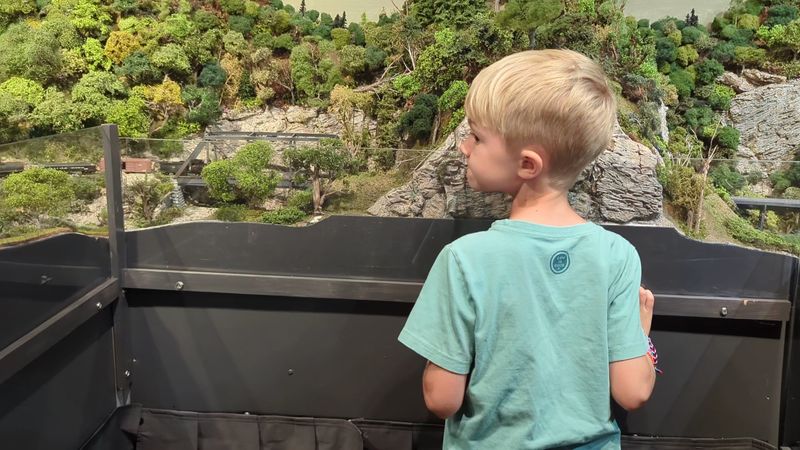
Kids do not have to just stand and stare. At several layouts, young guests can push buttons that set trains in motion through the miniature towns.
That little bit of control changes everything. A child who might wander off after a minute suddenly becomes the engineer, watching closely as the train follows the route they started.
Grown-ups tend to enjoy it as much as the kids. Folks who built their own model railroads as teenagers often find the setup brings back fond memories.
One honest heads-up is helpful here. The number of trains running can vary from day to day, and on some visits only a few may be moving on the layouts.
If seeing a specific train in action is the main goal, calling ahead before a long drive is a smart move. The phone number is listed on the museum website.
Even on quieter days, the scenery alone keeps eyes busy.
A Scavenger Hunt Hidden in the Scenery
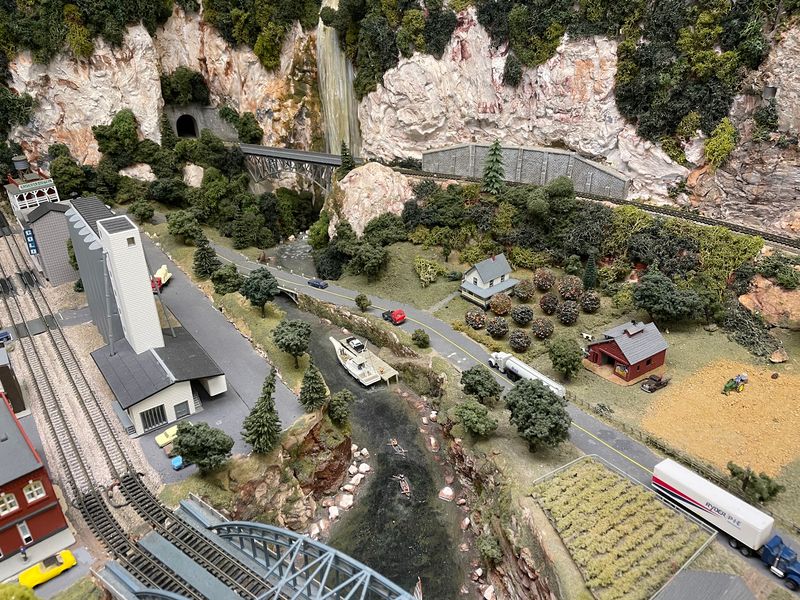
Ask at the front for the scavenger hunt list. It may be the single best tool for getting the most out of a visit.
The hunt sends guests searching for specific scenes hidden inside each diorama. Some are easy to find, while others are tucked away where only sharp eyes will catch them.
Parents love how well it holds attention. Even preschoolers stay engaged, and families often spend close to two hours inside without realizing it.
There is a bonus for adults too. Hunting for tiny scenes forces you to slow down and really notice the effort poured into every corner.
Shorter kids may need a boost to see over some displays. Step stools are available, though parents might end up carrying them from layout to layout.
Consider it a small workout that comes with a big payoff when your little detective finally spots the last item.
Secret Symbols of the Rails
Not every exhibit is about engines. One wall explores the secret language of hobos, the travelers who once rode the rails looking for work across the country.
Those travelers used simple symbols to pass messages to one another. A mark might signal a safe place to rest or a spot best avoided.
The display explains the backstory and shows what the glyphs meant. It adds a human side to railroad history that many people never learned in school.
Here is where it gets playful. A few of the symbols are scattered around the museum, so kids can try decoding them as they explore.
Children often treat it like a puzzle, comparing what they find to the key on the wall. It turns a history lesson into a game without anyone feeling lectured.
Fun fact: these marks were often scratched onto fences or posts near rail yards for the next traveler to read.
Simulators, Films, and Crossing Cams
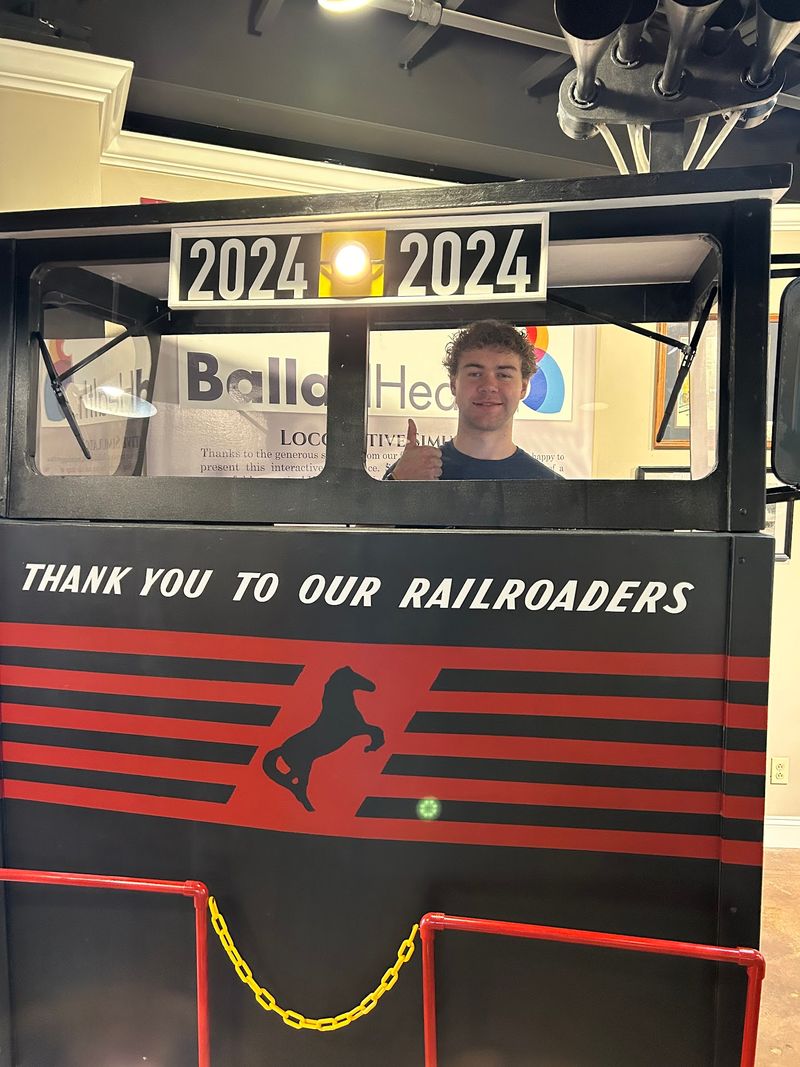
Model trains are the stars, but the supporting cast is strong. A digital locomotive simulator lets guests try their hand at running a train on screen.
Kids especially love it. Climbing into the role of engineer makes the whole railroad idea feel real in a new way.
Need a breather? A short movie on railroad history offers a calm break and fills in background on how the region’s lines came together.
Another unusual feature shows live feeds of railroad crossings from around the United States. Train fans can watch real trains roll through places far from Tennessee.
The museum also holds railroad artifacts that connect the miniature worlds to actual equipment from the past.
Guests sometimes pick up surprising facts along the way, including information about the largest steam engine. These extras give the visit variety, so it never feels like the same activity repeated in different rooms.
Thomas and Friends Territory for Little Engineers
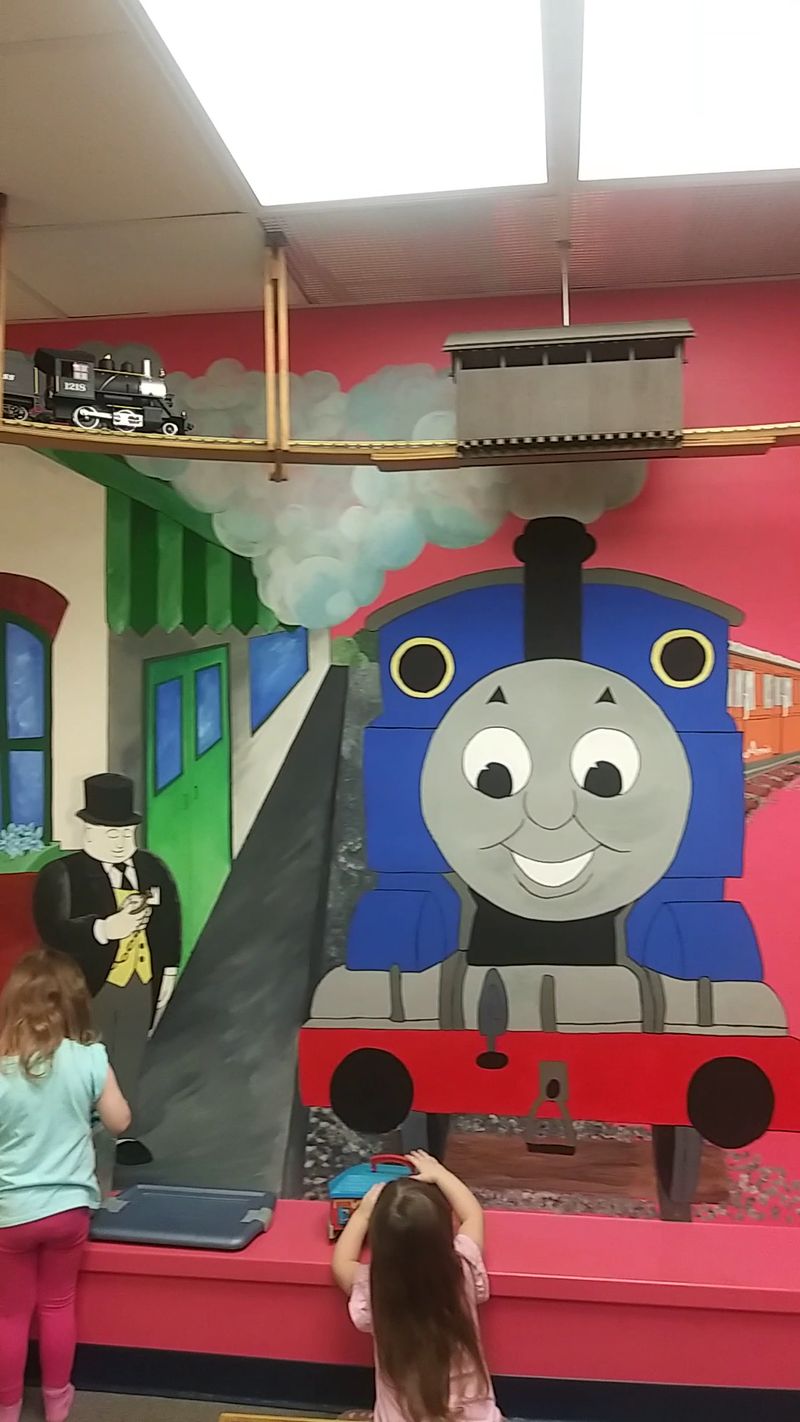
Toddlers have their own station. A dedicated kids room offers a wide range of Thomas and Friends toys and tracks for hands-on play.
Little ones can build their own routes, connect engines, and send them looping around the floor. After looking at displays they cannot touch, this space gives restless hands something to do.
Parents appreciate the balance. Older siblings can keep studying the big layouts while younger kids burn off some energy nearby.
Families have long praised this part of the museum. Even years ago, young children were happily entertained for hours between watching trains and playing in the room.
It is a thoughtful touch that makes the museum work for every age. A three-year-old and a fourteen-year-old can both leave happy, which is no small feat for any attraction.
Plan a little extra time here, because pulling a toddler away from a toy train can take some negotiating.
Hours, Costs, and a Few Smart Tips
Timing matters, so plan ahead. The museum is open Tuesday through Saturday from 10 AM to 4:30 PM and is closed Sundays and Mondays.
Admission is considered reasonably priced, which makes it a solid choice for a budget-friendly family outing. Check the official website before you go for current details.
Give yourself time. Families often stay about two hours, and true rail fans could easily linger longer.
Some parts of the museum have been under construction or repair, since it settled into a newer location. That means new additions may keep appearing over time.
A small shop sells photos of Tweetsie and other local trains, making for a meaningful keepsake.
Some days even bring extras, such as live music. Since the number of running trains can vary, a quick phone call ahead is wise if you are driving in from Nashville or farther away.
Why the Little Trains Leave a Big Impression
Some museums feel like a quick checklist. This one feels more like a labor of love that happens to be open to the public.
It honors a real Tennessee railroad with real care. The layouts are rooted in history, built from old photographs, and packed with scenes waiting to be found.
Families get buttons to push, a scavenger hunt, a simulator, and a play room. History fans get exhibits, a film, and builders ready to talk shop.
Even people who are only a little curious about trains tend to get pulled in by the tiny stories playing out inside each town.
For Tennessee families searching for an affordable day trip with a hometown twist, it delivers. Plenty of guests head home already planning their next visit.
In a state full of famous attractions, this quiet downtown spot proves that small things, built with patience, can leave a lasting mark.
Share this story