Some of the best surprises in Tennessee sit at the end of quiet country roads, far from any billboard. Out in the farmland of the western part of the state, a camel may soon be poking its head through your car window and begging for a snack.
Zebras try to swipe your feed bucket, llamas park themselves in front of your bumper, and a giraffe waits at the finish line for a treat. Keep reading to learn how this easy road trip works, what it costs, and why so many families come back year after year.
A Country Road Address With Exotic Neighbors
Tennessee Safari Park sits at 618 Conley Rd, Alamo, TN 38001, tucked into the rolling farm country of West Tennessee. Few people driving past the fields would guess that more than 400 animals live just down the lane.
The park works as a drive-thru zoo. Guests stay in their own vehicles and roll slowly along a winding route while animals walk right up to the windows.
Over 80 species call the property home, ranging from antelope to zebra. Camels, bison, ostriches, llamas, alpacas, deer, and giraffes all share the space.
For Nashville families, the trip makes a solid day outing heading west toward Jackson. Memphis folks have an even shorter drive.
Some guests travel two hours each way and still return at least once a year. That kind of loyalty usually says something about a place, and the reasons start right at the gate.
Feed Buckets, the Real Ticket to Fun
Every great adventure needs supplies, and here the supplies come in small buckets of grain. Guests buy them at the entrance before heading onto the drive-thru route.
One couple paid about $30 for 12 cups of feed. Another family bought eight buckets for $20 and watched the food vanish in roughly five minutes.
The lesson repeats among returning guests. Buy more than seems reasonable, then add a few extra.
The route turns out to be much bigger than it looks from the start. Running out halfway means waving at hungry animals with empty hands.
Staff explain that the bucket feed is only a treat, since every animal gets regular meals. Still, nobody wants to disappoint a llama.
A handy trick involves bringing a bag to hold extra cups. Pull out one bucket at a time, and the snack stash lasts much longer.
Camels With Zero Shyness
Hold on tight. That advice comes up again and again when the camels appear.
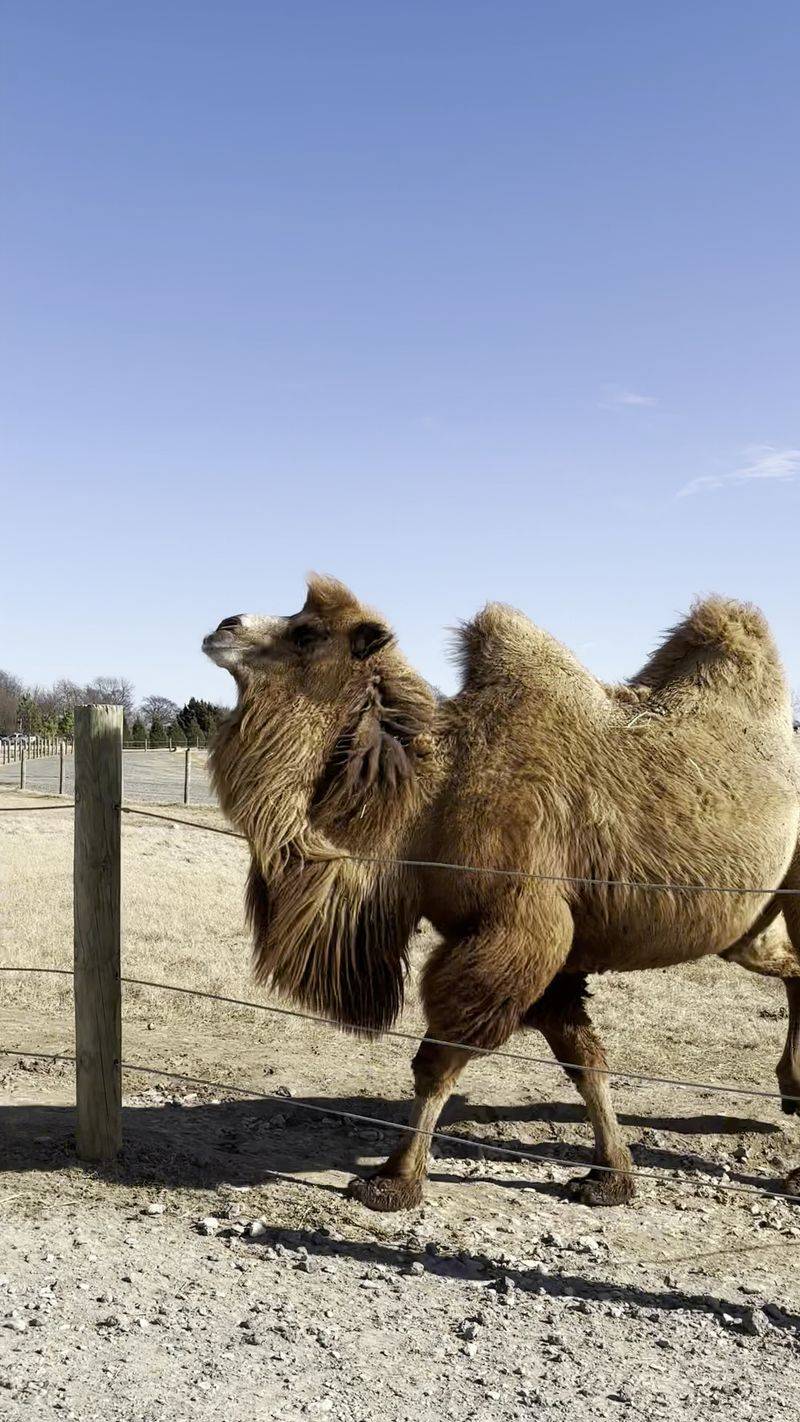
These tall characters are not shy at all, and they will happily pull an entire bucket right out of a guest’s hands. Some folks joke that the camels will wash your windows in exchange for grain.
Their big heads lean straight into open car windows. Kids tend to shriek with laughter, and adults are not far behind.
A little caution helps, since camels can nip if fingers get too close. Holding the cup with both hands keeps things calmer.
Many families call this stretch the loudest part of the trip, mostly from giggling. It is also when the car starts collecting stray grain on seats and floor mats.
Plan on a quick vacuum afterward. Most guests agree the mess is a small price for that much fun.
Zebras, Ostriches, and the Bucket Bandits
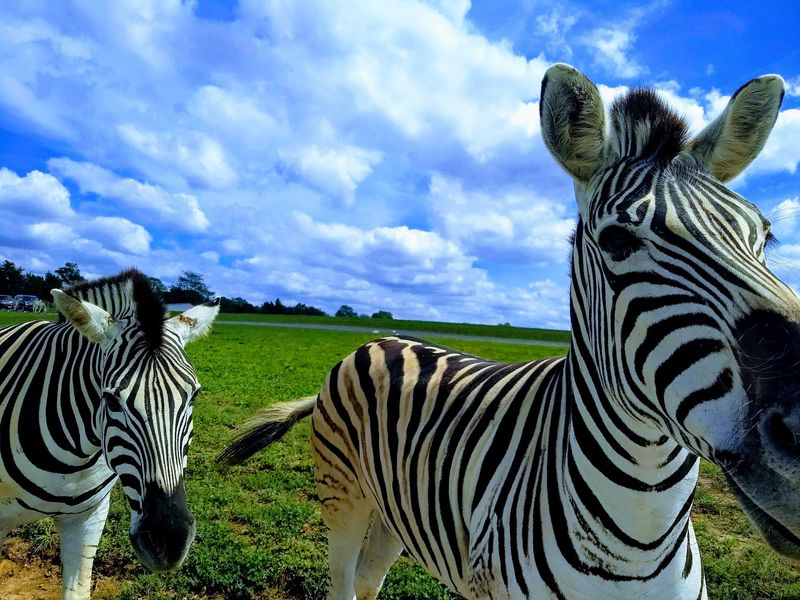
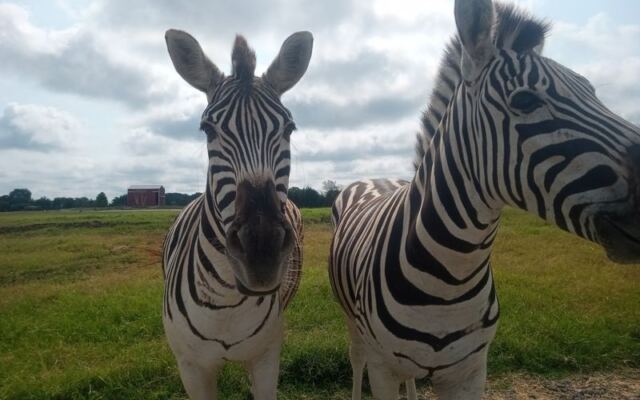
Ask around about the zebras and the word that keeps popping up is bold. They push in close and will gladly fight for a full cup, though always in a harmless way.
Ostriches act like the park’s self-appointed security team. They march up fast, peck at buckets, and earn plenty of playful nicknames.
One guest admitted to losing two buckets in the first ten minutes. That pace is pretty common near the entrance, where animals know exactly what the cars bring.
There is a softer side too. Ostriches have been spotted sitting on eggs near the dust bath area, a rare look at their nesting habits.
Some birds show off pinkish orange coloring and a confident strut along the road.
Strategy matters in this zone. Offer small amounts, keep a firm grip, and save something for the friendlier faces waiting farther down the trail.
Llama Roadblocks and Bison Herds
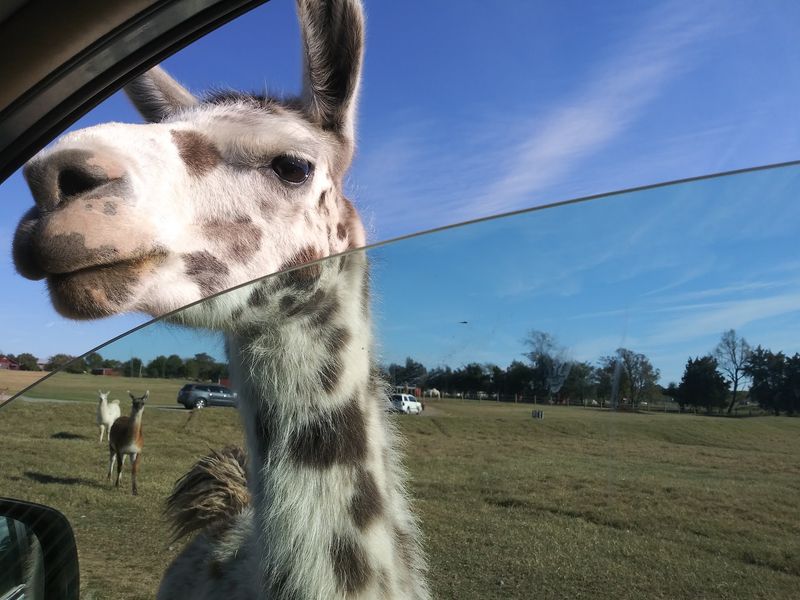
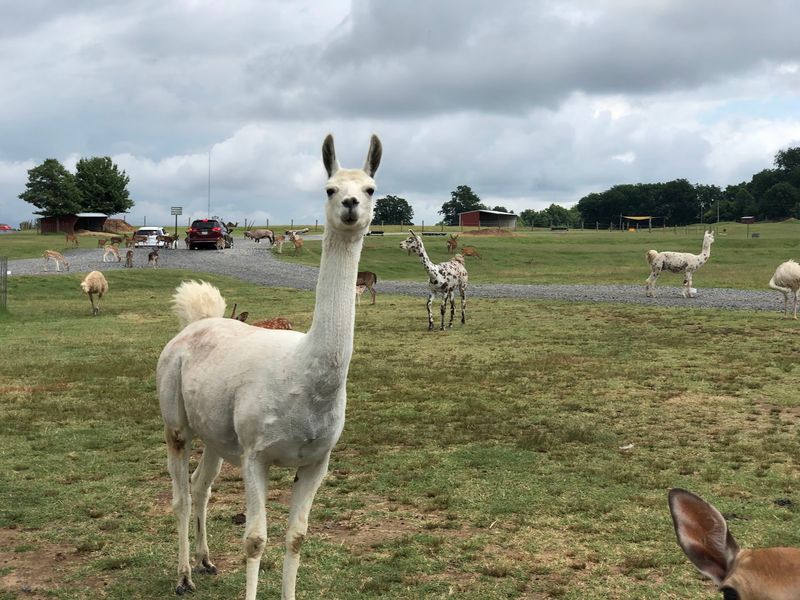
Traffic jams in Alamo look a little different. Usually the cause is a llama standing squarely in front of the bumper.
The llamas have figured out that blocking cars works. They stay put until they get enough treats, then let the vehicle roll on.
Alpacas share the space and tend to be easier to feed. Just know they sometimes spit without meaning to, so keep a little distance.
Bison add a sense of scale to the drive. Seeing these heavy animals stroll beside a family sedan is a memorable moment.
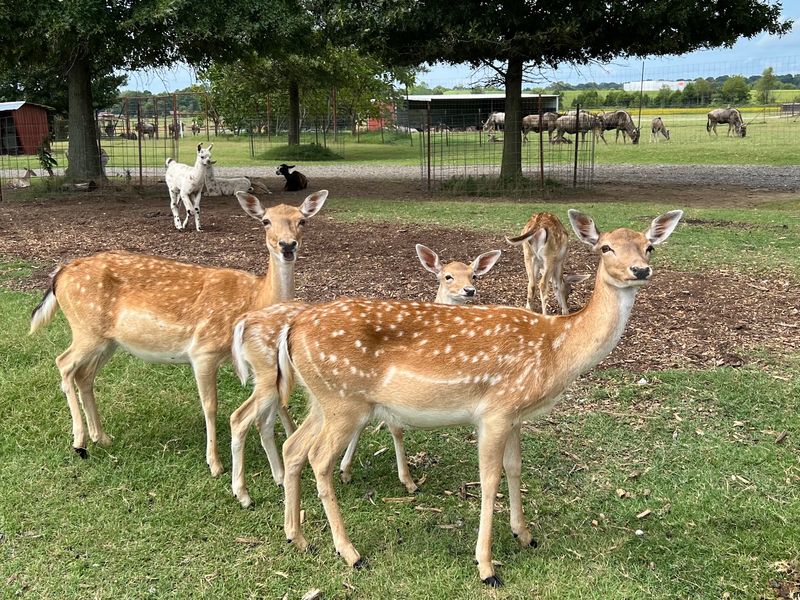
Deer, gazelles, antelope, and even kangaroos appear along the route too. Peacocks sometimes put on a feather display for lucky passersby.
Animals seem to know the routine well. Some stop beside the car and nod toward the window, as if asking politely for it to come down.
The Giraffe Finale
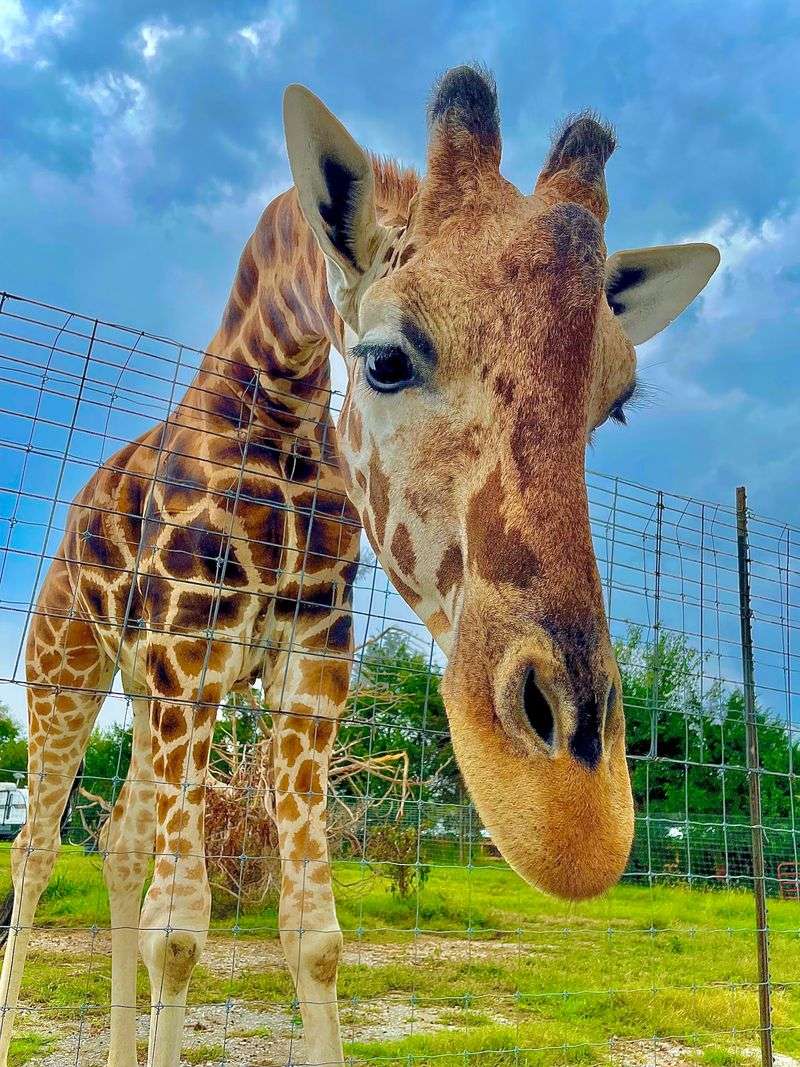
Save some grain, because the giraffes mark the end of the drive. Knowing that helps families pace their buckets wisely.
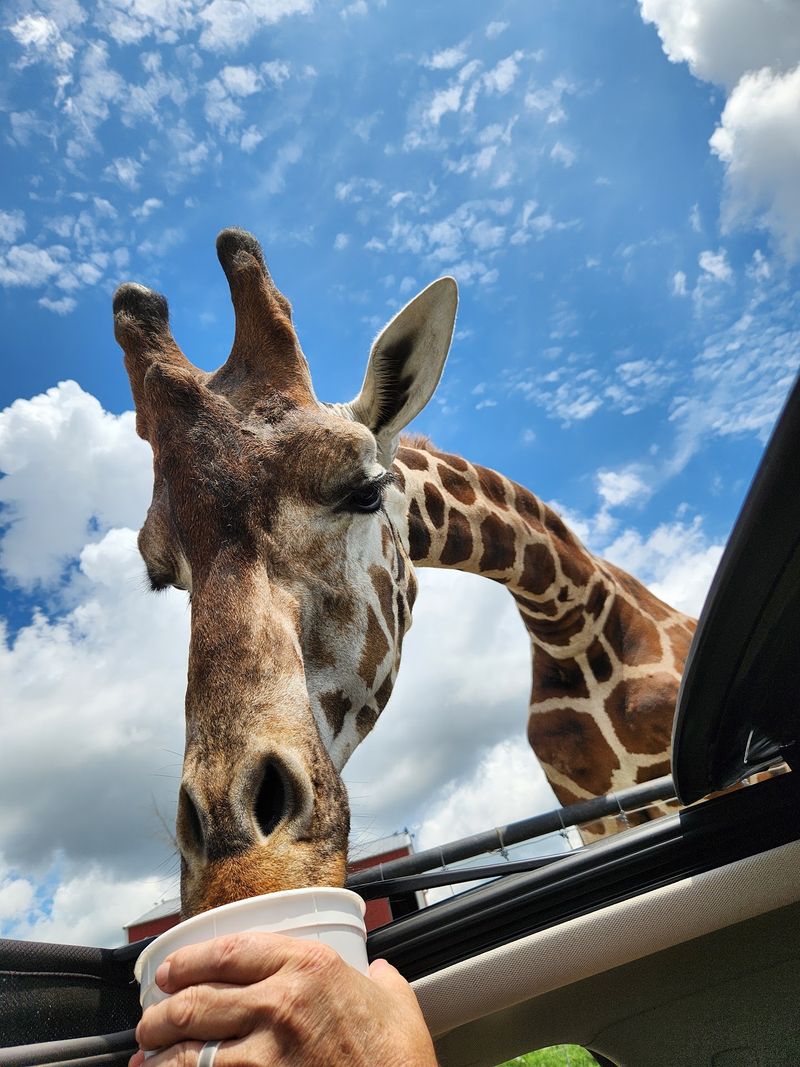
Feeding a giraffe is often the moment people talk about most. These gentle giants lower their long necks for a snack and act sweet with everyone.
A few warnings get passed along with a smile. Giraffes drool quite a bit, and loose hats deserve a secure grip.
Timing matters here. One guest regretted arriving late and missing the giraffe feeding, so getting there early is a smart move.
Carrots are sometimes used for giraffe feeding, and on busy days they may run out. Arriving near opening gives the best chance.
Seeing such a tall animal this close leaves a lasting impression on toddlers and grandparents alike. It is a fitting final stop before parking and heading for the walking area.
Sloths, Goats, and the Walk-Through Zoo
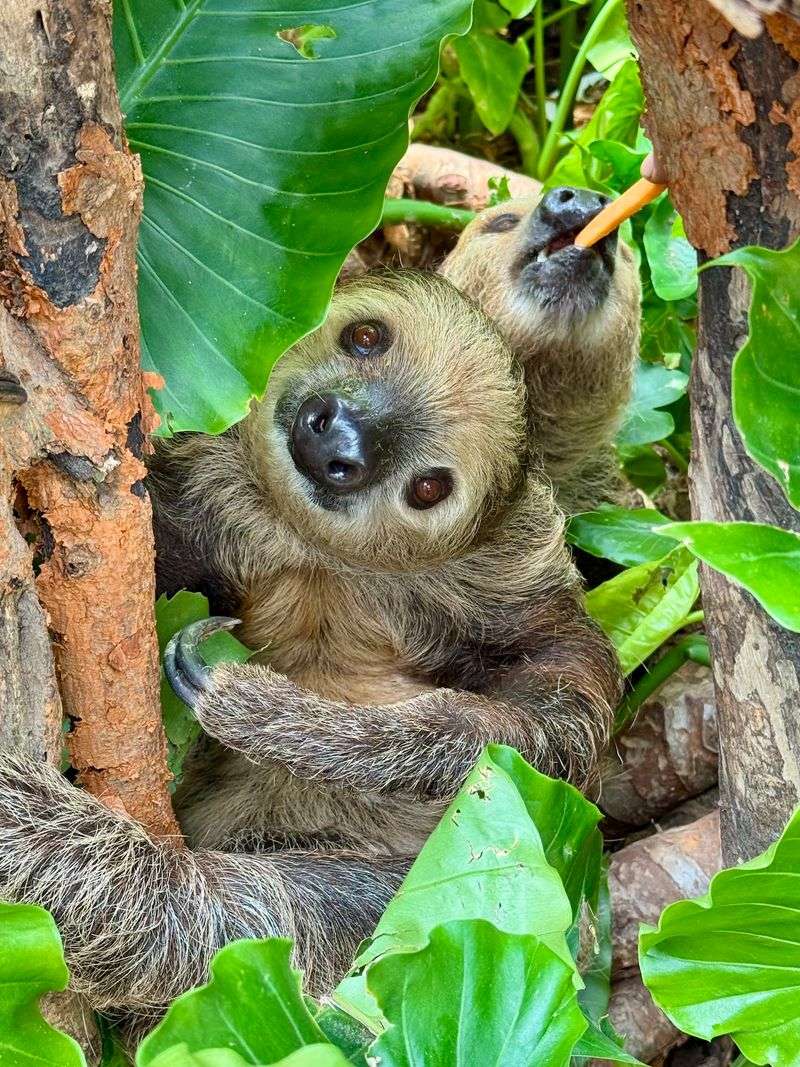
After the car ride, the adventure continues on foot. A walk-through zoo gives everyone a chance to stretch and meet more animals.
The sloth house is a favorite starting point. It turns out to be the perfect place to just hang around for a few minutes.
Goats wait in a petting area where guests can pet and feed them. Many families describe these goats as sweet and very social.
Monkeys and other animals round out the walking path. The area also showcases plenty of baby animals during certain seasons.
Experiences here can vary with the calendar. Off-season trips may feel quieter, while busier months bring more activity.
Signage around the property is clear, so finding the way is easy. A small gift shop with fair prices sits nearby for anyone wanting a souvenir to remember the day.
Laughter for Every Generation
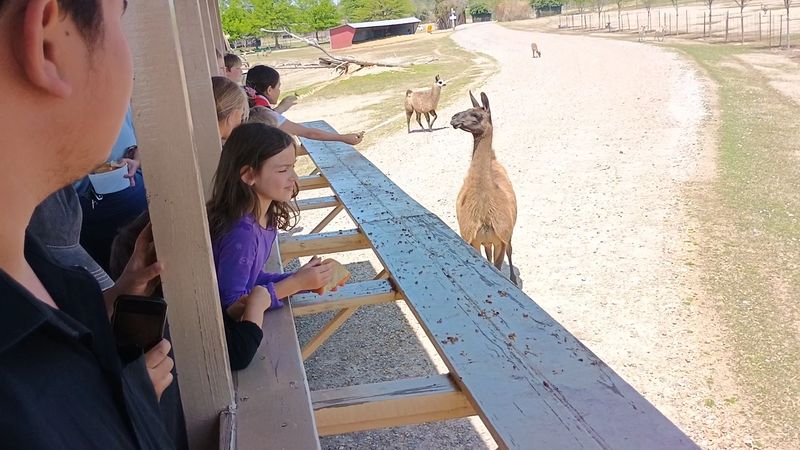
Grandma, Mom, Dad, and a 16-month-old baby all had a blast on one family trip. That mix of ages sums up who this park suits best.
Laughter is the common thread. Plenty of guests say they have never laughed so hard as when a camel claimed their bucket.
Animal lovers who dislike seeing creatures behind glass appreciate the open setting. Petting and feeding happen face to face.
The grounds are known for being clean and well kept. Staff earn praise for being friendly and helpful throughout the day.
Families from neighboring states often make it a yearly tradition. Kids grow up with the giraffe photos, and some later bring children of their own.
Even grown-ups who call themselves kids at heart fit right in. The shared silliness of a llama roadblock tends to turn strangers in the next car into fellow fans.
Hours, Costs, and a Friendly Verdict
Planning starts with the clock. The park opens 10 AM to 5 PM Monday through Saturday and noon to 5 PM on Sunday.
Admission has run about $24 per person. Feed buckets cost extra, with eight buckets around $20 and twelve cups around $30.
Budget for more feed than expected. Most guests say running short is the only real regret.
Arriving early helps with giraffe feeding and shorter lines. Being first in line also means more time to enjoy the drive at an easy pace.
A towel or small vacuum for the car afterward is a wise idea. Grain and curious camels make for a messy back seat.
For an affordable day trip from Nashville or Memphis, few outings deliver this much joy. It is the kind of hometown discovery that turns first-timers into regulars, and the camels will surely be waiting.
Share this story