Some New Jersey outings begin with a spare afternoon and turn into a place worth talking about afterward. At this historic garden, terraced grounds, stone structures, and winding paths give a simple walk much more to offer than expected.
The appeal is in the details, but a few practical rules matter too, especially before bringing a camera or planning a route.
A Public Garden With Estate Roots
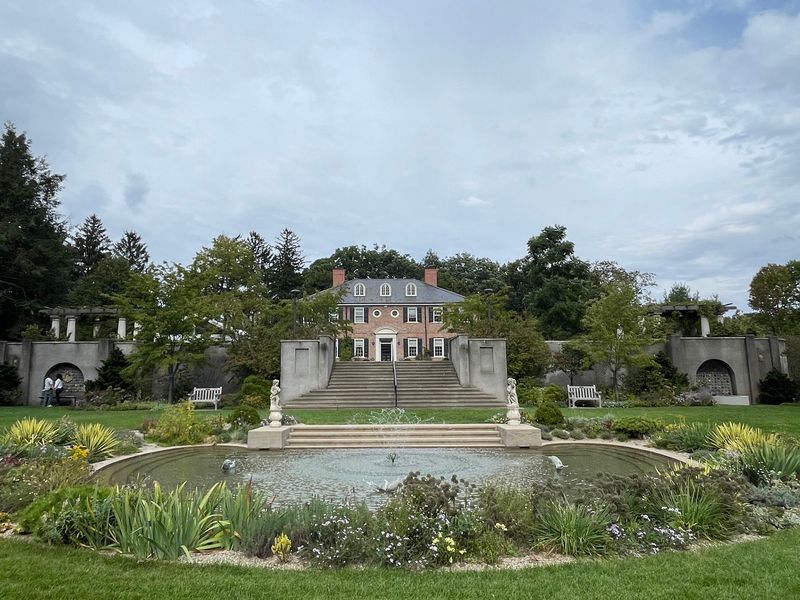
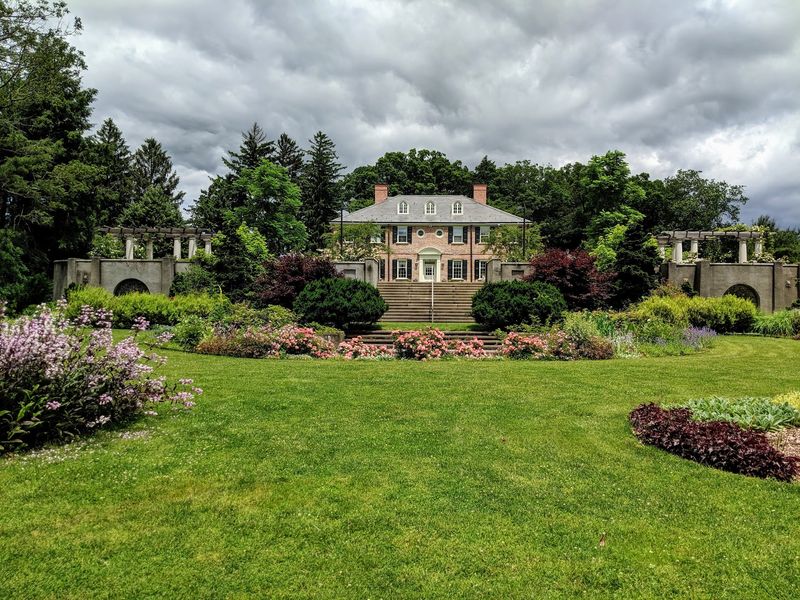
A garden outing here comes with more than planted grounds. Greenwood Gardens is a 28-acre nonprofit public garden at 274 Old Short Hills Rd, Short Hills, NJ 07078, United States.
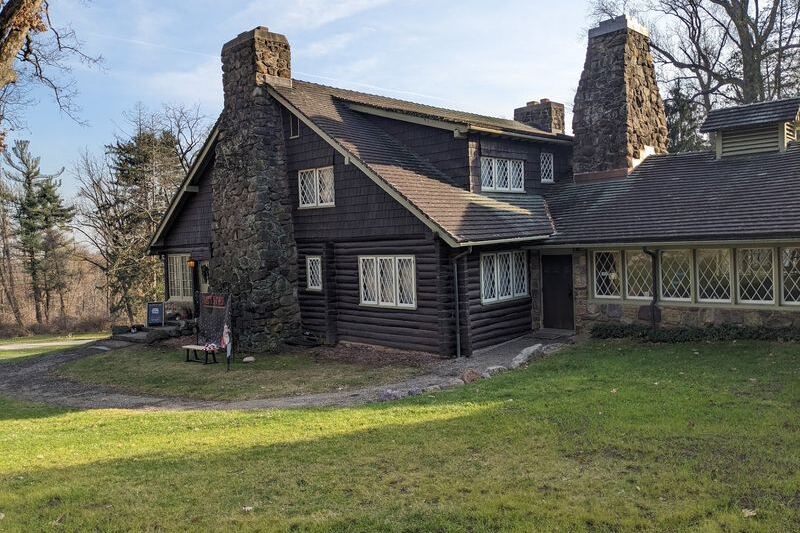
The historic property includes a manor and related structures, but its main draw is the outdoor setting. Self-guided touring connects terraced gardens, winding paths, and architectural features that reward a little extra time.
That distinction helps set expectations before arrival. The destination is not simply an open park, and a general garden visit should not be treated as a guaranteed house tour.
For nearby residents, the appeal is a substantial garden outing without needing an elaborate itinerary. An hour or two offers a reasonable planning window, though personal pace and route choices will shape the visit.
The best starting point is straightforward: arrive ready to explore the grounds, then let the smaller details earn their share of attention.
An Early Twentieth-Century Landscape
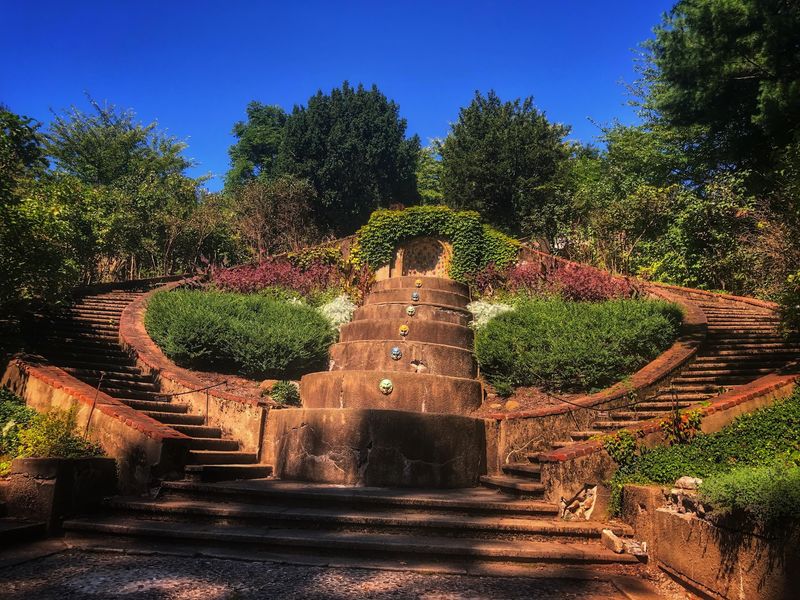
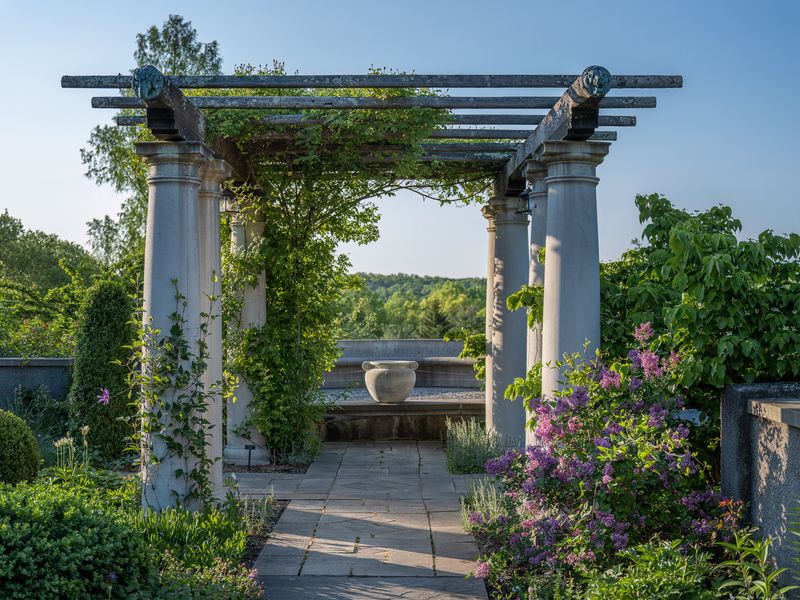
History belongs to the paths as much as the buildings. The garden identifies its winding routes, historic fountains, grottoes, and Arts and Crafts follies as features dating to the early twentieth century.
Those elements give the property a clear historic identity without requiring a long list of dates to appreciate it. The layout encourages attention to how buildings, paths, and garden spaces work together.
Staff and volunteers can add useful context when available. A question about a structure or architectural detail may offer more insight than treating every stop as a quick photo opportunity.
The nonprofit setting also matters. Public access allows people to explore a landscape whose historic features remain central to the experience.
No elaborate backstory needs to be invented here. The documented age of the grounds and the surviving garden structures provide enough substance to turn an ordinary walk into a closer study of the property.
Woodlands Beyond the Formal Grounds
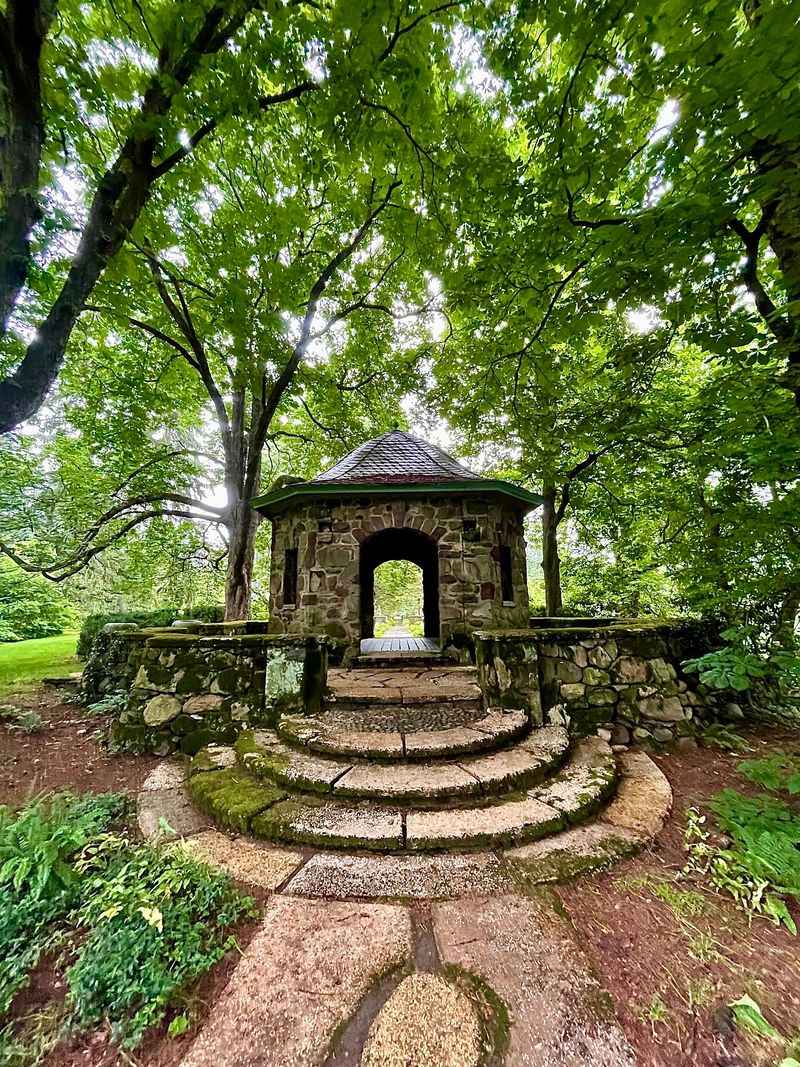
Not every part of the property follows the same formal plan. Woodlands and meadows share the grounds with terraces, fountains, and buildings, giving the outing more variety than the estate label alone suggests.
The garden also borders South Mountain Reservation. That neighboring county park and nature reserve is a separate place, an important distinction when making plans or following directions.
Within the garden itself, the mix of settings creates reasons to continue beyond the first architectural feature. A route can include designed spaces as well as areas where the surrounding landscape takes a larger role.
There is no need to turn the afternoon into an acreage challenge. The property covers 28 acres, but the useful question is which paths suit the available time and everyone’s mobility.
A flexible route makes more sense than a rigid checklist, especially when the next garden feature deserves a longer pause than expected.
Terraces That Shape the Walk
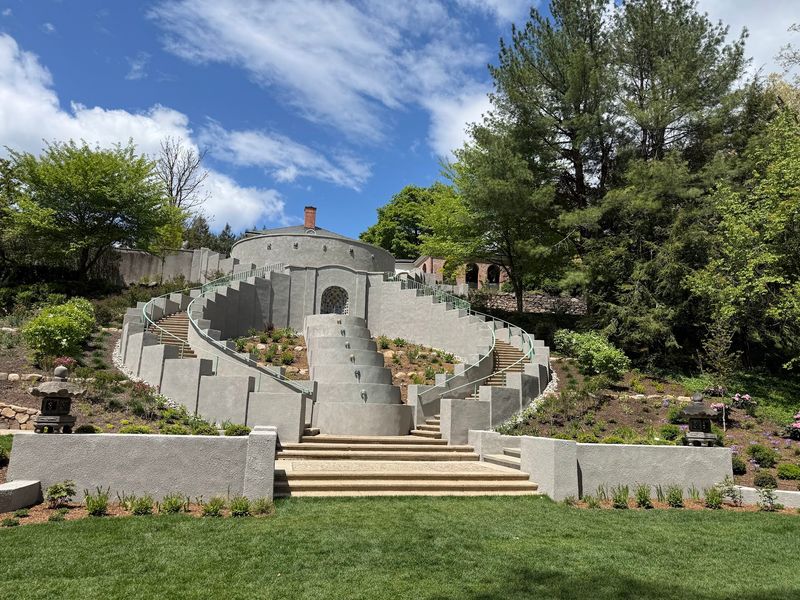
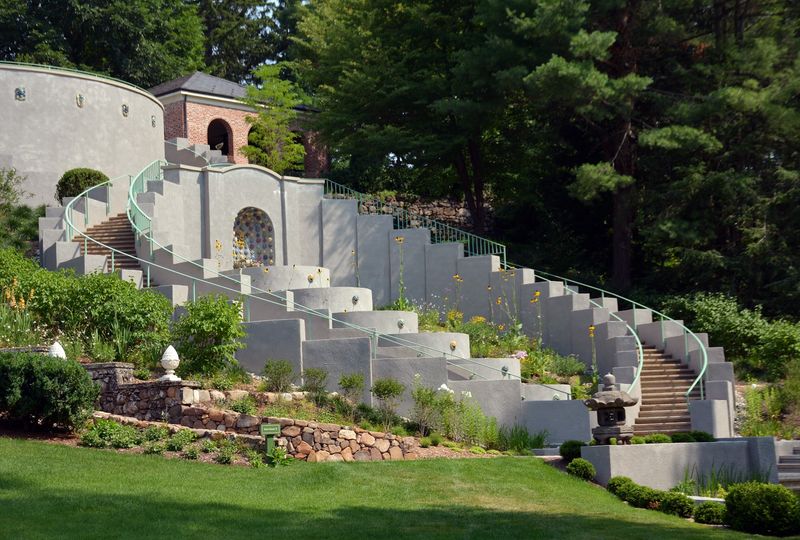
Elevation is part of the experience, not a minor detail. Terraced gardens and stone steps organize the grounds into different levels, making the route more involved than a walk around one flat lawn.
The terraces help explain the property’s layout. Each level offers another way to understand how the paths, garden structures, and planted areas fit together.
They also deserve practical attention. Slopes, uneven surfaces, and steps can affect which areas are comfortable to explore, particularly for anyone using a wheelchair or managing limited mobility.
Rather than rushing between levels, allow time to consider the connections. A staircase is both a route onward and part of the garden’s design.
The Main Terrace is among the areas identified as more accessible, though that does not establish an accessible route through the entire property. Before committing to a longer circuit, ask which sections match the needs of the group that day.
The Summerhouse and Teahouse
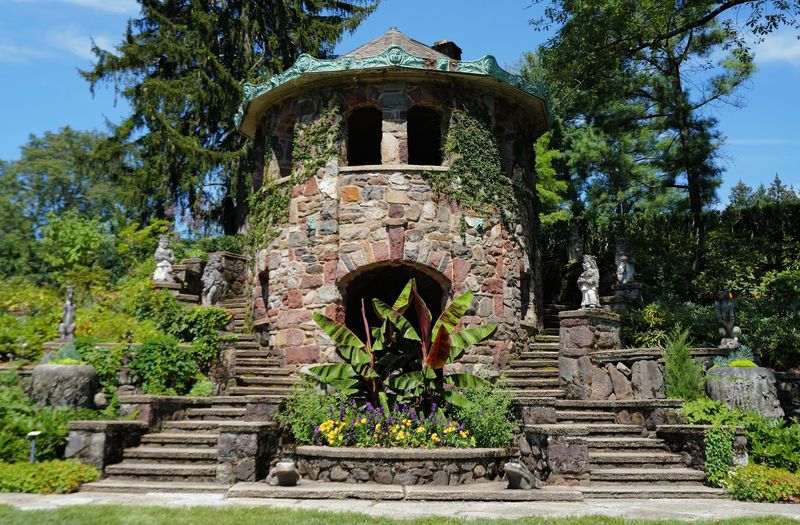
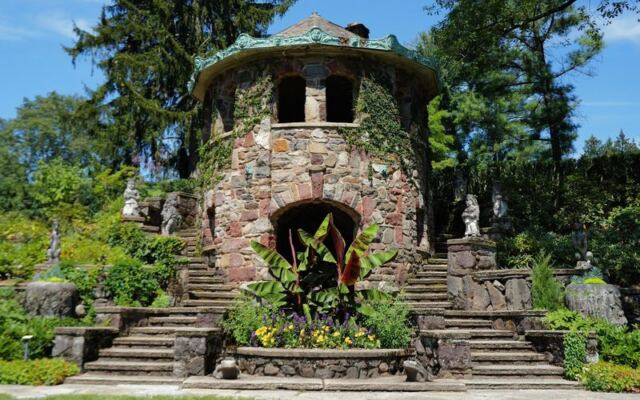
Two structures deserve space in the itinerary: the Summerhouse and the Teahouse. Along with the property’s other garden buildings, they give the grounds an architectural focus beyond the manor.
The garden describes its decorative structures as Arts and Crafts follies. That term refers to ornamental garden architecture, so their value lies in their design and placement rather than an assumed modern use.
Do not let the Teahouse name create expectations about refreshments or indoor access. The supplied information supports it as a garden feature, not a promise of a functioning dining space.
Both structures invite a slower approach to exploring. Their relationship to nearby paths and terraces matters as much as any single detail.
For architecture-minded guests, these stops can become the afternoon’s main interest. Plant enthusiasts may arrive with a different priority, but the buildings make a strong case for sharing attention between horticulture and construction.
Ceramic Details and Stone Figures
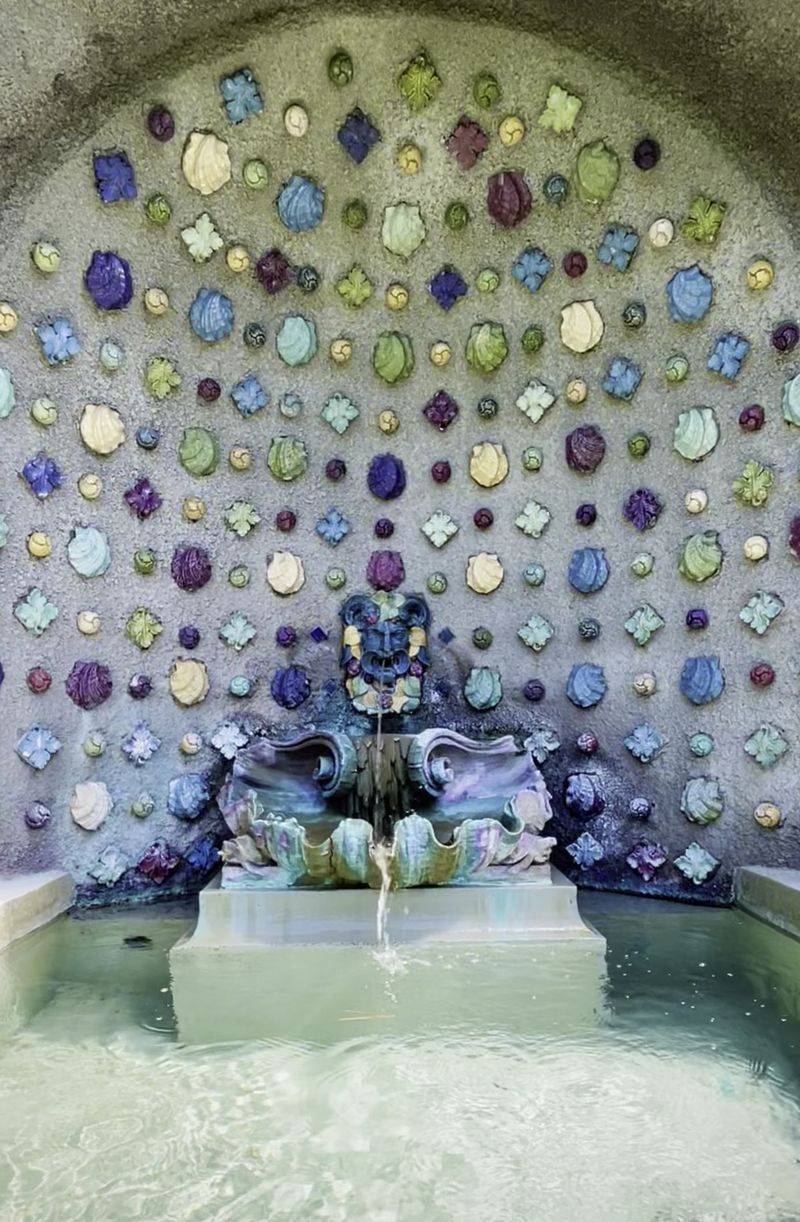
Small details can easily claim more time than expected. Ceramic pieces worked into walls, stone figures, and decorative tilework give the property interests that are easy to miss during a hurried circuit.
The cottages along the approach between the parking area and Main House have numbered ceramic tiles worth noticing. They provide a reason to begin paying attention before reaching the main garden route.
Elsewhere, statues and intricate building details add another layer to the grounds. Their appeal does not depend on identifying every maker or assigning an unsupported meaning to each object.
A useful approach is to choose one detail at a time. Consider how a figure is placed or how tilework becomes part of a wall rather than treating the entire property as one broad subject.
That kind of attention keeps the outing engaging without adding distance. Sometimes the next worthwhile stop is already beside the path.
Historic Fountains and Grottoes
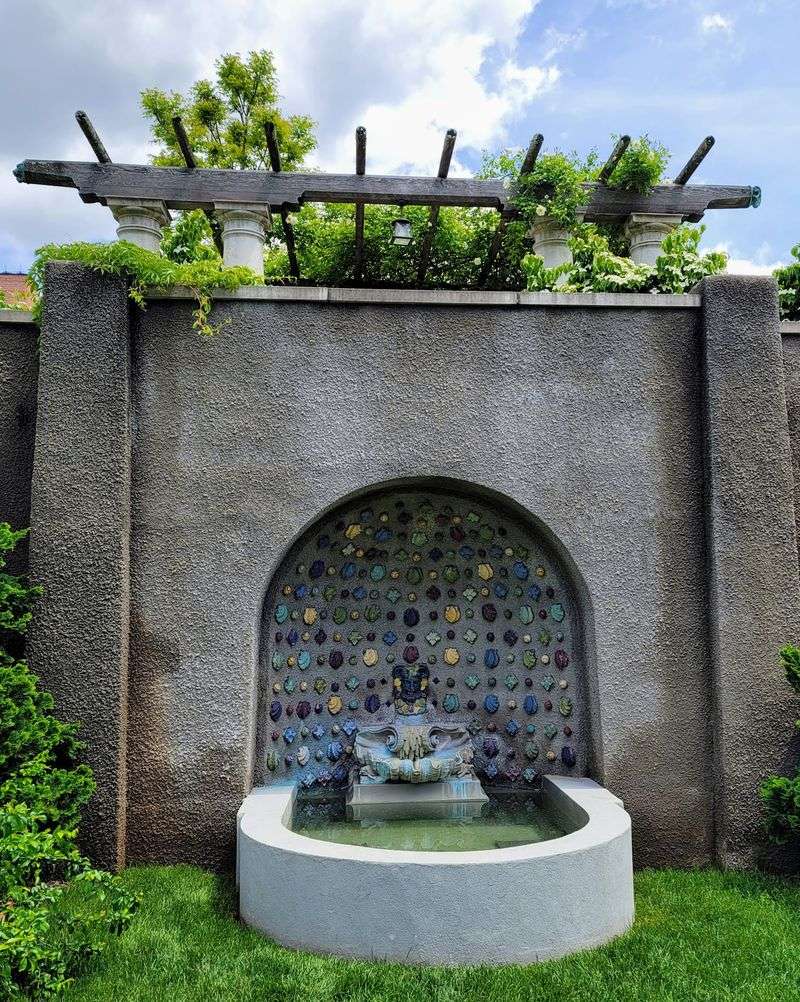
Water features have a substantial role in the garden’s design. Historic fountains, water gardens, and grottoes expand the experience beyond terraces and ornamental buildings.
Operation is a separate matter. A fountain may not be running during a particular visit, so the presence of a water feature should not become a promise about its condition that day.
The Grand Cascade has also been associated with restoration work. An older projected completion date is not confirmation that work is finished, making current information especially useful before planning around that feature.
Even without assuming operation, these structures offer architectural interest. Their placement helps explain how different parts of the garden relate to one another.
Ask staff about current access and restoration status rather than relying on an older photograph. The more reliable expectation is a historic garden with water-related features, not a guarantee that every fountain will be active upon arrival.
A Pond and Animal Encounters
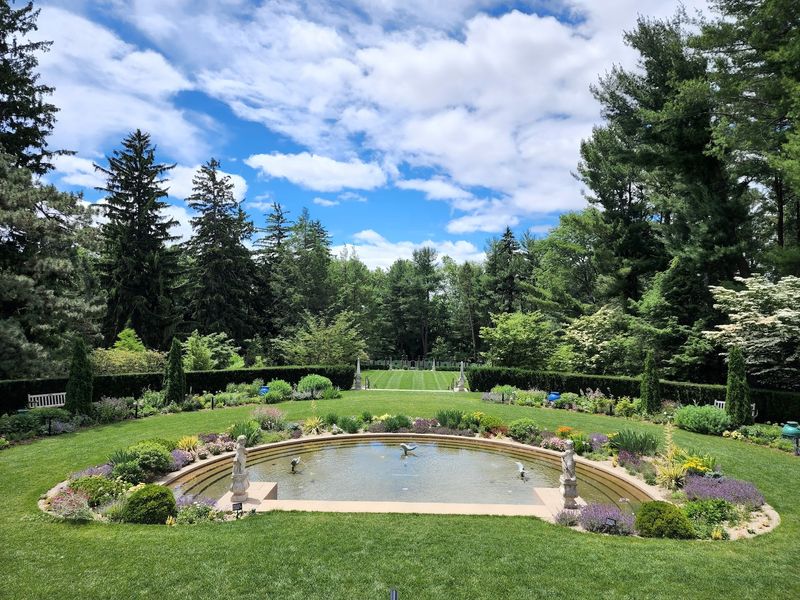
Animals add another point of interest to a route already rich in structures. Ducks at the pond, fenced chickens and geese, and beehives have all been noted among the property’s features.
Those details can give a family group something different to focus on after several architectural stops. The pond, in particular, offers a change of subject without turning the outing into a separate activity.
Animal appearances should remain an added possibility rather than a guaranteed schedule. The available information does not establish feeding times, demonstrations, or hands-on encounters.
Respectful distance is the sensible approach around enclosures and hives. The garden’s purpose is broader than animal viewing, and the grounds should be explored with that balance in mind.
For people who enjoy both cultivated landscapes and wildlife, this variety adds depth. The itinerary can move beyond buildings and plants without needing an organized program at every stop along the way.
An Unhurried Afternoon
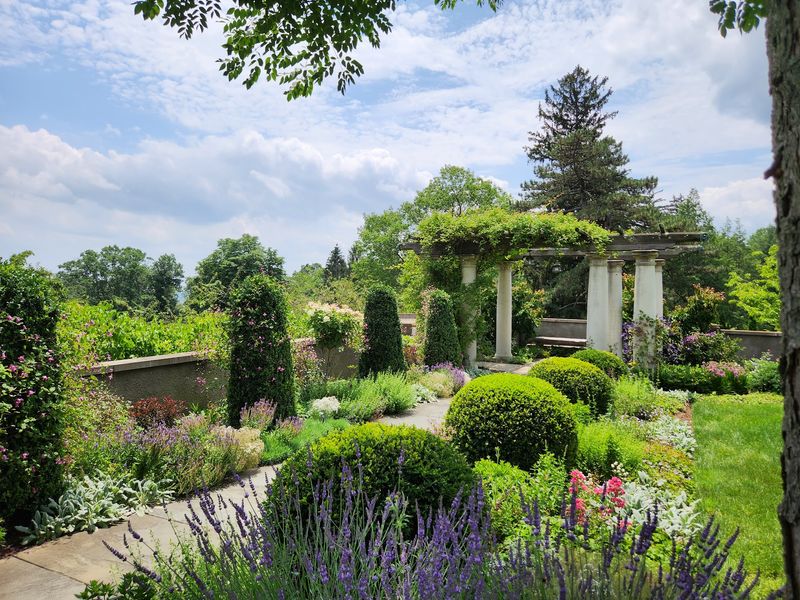
A packed schedule is not necessary to make this outing worthwhile. The combination of self-guided paths, benches, and separate garden areas supports an afternoon with room for pauses.
The atmosphere suits a solo walk, a shared outing, or time with friends who enjoy exploring at their own pace. Conversation and an interest in the grounds can provide enough structure.
Allowing roughly one to two hours is a practical starting point, not an official tour length. Some people will spend longer on architecture, while others will prefer a shorter route with more time seated.
Crowd levels can vary, and a quiet account from another day cannot guarantee the same conditions. The better reason to come is the garden itself rather than an expectation of having it alone.
Benches help keep the pace flexible. There is no requirement to make every minute productive when the point is simply to explore thoughtfully.
A Family Route With Small Discoveries
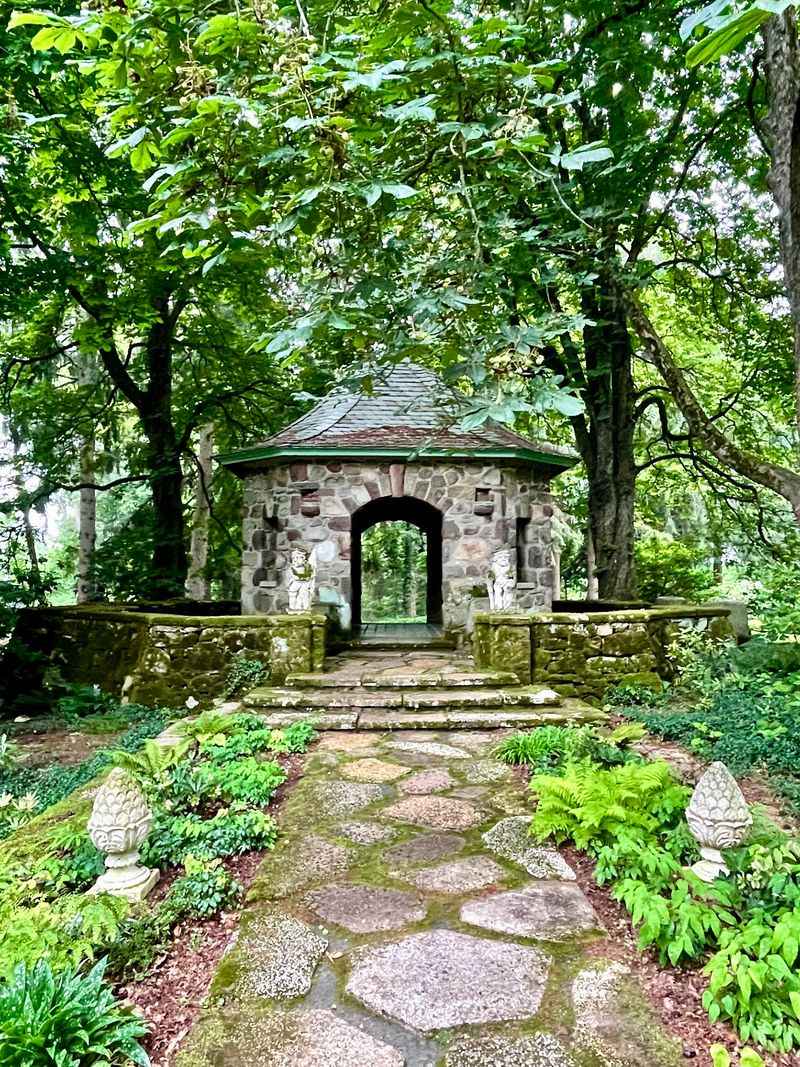
Children do not need a lecture on garden design to find something interesting here. Statues, unusual structures, animal areas, and changing levels offer several ways to keep a shared walk engaging.
A scavenger hunt sheet has been provided to families, adding a simple activity to the garden route. Ask whether one is available on arrival rather than promising it in advance.
The strongest family plan leaves room for different interests. One child may focus on stone figures, while another may prefer the pond or the next building along the path.
Steps and uneven ground still matter, so the outing benefits from realistic expectations about distance and mobility. A shorter route can be more successful than trying to cover everything.
Adults can help by giving each stop a clear purpose without turning the afternoon into homework. Find a detail, ask a question, and leave enough flexibility for an unexpected favorite.
Photography With Clear Boundaries
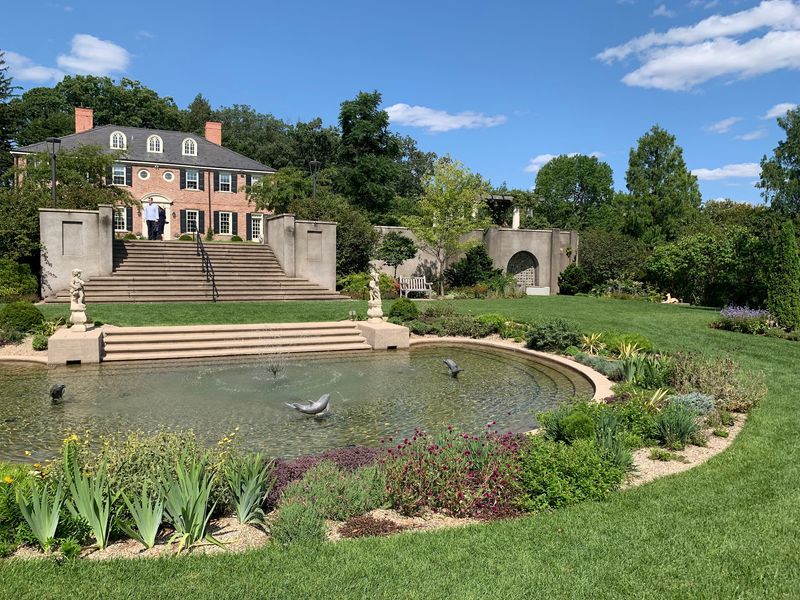
A camera is welcome for some purposes, but not every kind of session. The garden permits amateur garden and landscape photography during general visitation days.
Formal posed portrait photography is not permitted, including individual, family, group, and special-occasion sessions. The restriction applies to professional and amateur photographers alike, so a smaller camera does not create an exception.
Props and arranged posing can also fall within the prohibited session category. The garden reserves the right to decide when an activity constitutes a formal portrait session.
That makes this a destination for photographing plants, wildlife, architecture, and other garden features rather than planning a portrait appointment. Read the current photography policy before bringing equipment or organizing a group.
Questions are best settled at the entrance, before a misunderstanding interrupts the outing. Clear expectations protect both the planned visit and everyone else’s opportunity to enjoy the grounds without a session occupying shared space.
Parking, Restrooms, and Mobility
The useful details begin before the first terrace. Free parking close to the garden has been reported, while restrooms are identified near the entrance and Main House area.
Do not assume there are additional restrooms along the paths. A stop near the beginning can save an inconvenient return once the group has moved farther into the grounds.
Wheelchair access is limited. The Main Terrace and some flatter areas may be manageable, but slopes, steps, and uneven paths restrict access elsewhere.
Anyone with specific mobility needs should contact the garden through its official website before setting out. General descriptions cannot establish whether a particular route will work for an individual person or mobility device.
For navigation, use the garden’s own destination details rather than treating the neighboring reservation as the entrance. A little preparation here is more valuable than discovering halfway through the outing that an intended route is unsuitable.
Opening Days and Admission Checks
Friday through Sunday is the schedule to plan around. The supplied operating hours list opening at 10 a.m. and closing at 5 p.m. on those three days, with Monday through Thursday closed.
Check greenwoodgardens.org before departure for the current calendar, admission arrangements, and any changes. A published weekly schedule should not replace confirmation for a particular date.
Previously reported admission was $15 for adults, $10 for seniors and students, and $5 for children. Those figures come from an older account rather than a current official ticket listing, so treat them as budget context only.
Confirm current amounts and eligibility before making promises to the rest of the group. The available information does not establish present age brackets or ticket requirements.
A successful plan needs only a few firm details: an open date, confirmed admission information, and enough time for the route. The garden itself can handle the interesting part.
A Garden Worth Taking Slowly
The strongest reason to go is the combination, not one isolated attraction. Terraces, garden buildings, ceramic details, fountains, and woodland areas give a relatively simple outing several distinct interests.
Architecture enthusiasts have structures to study, families have discoveries to pursue, and garden-minded guests have grounds to explore. None of those interests requires treating the property as a full-day assignment.
The fit is less straightforward for anyone expecting extensive indoor touring, unrestricted portrait photography, or fully accessible paths. Those limits deserve as much attention as the features that make the destination appealing.
Staff and volunteers may provide useful historical context, while specialized programs offer another possibility worth checking on the official calendar. Availability should be confirmed rather than assumed.
For a nearby afternoon, the verdict is pleasantly practical: come with suitable expectations and enough time to notice details. The stone pavilions may prompt the trip, but the wider garden gives it substance.
Share this story