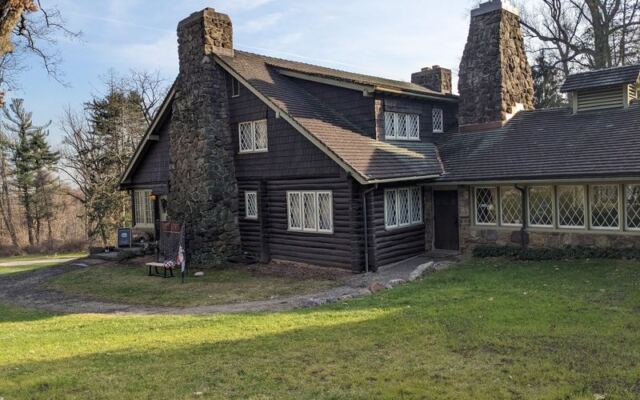
A famous furniture designer once built himself a massive log house in New Jersey, and you can still walk through it today. He didn’t just design chairs and tables.
He shaped a whole way of living around them.
The house dates to 1911 and sits on a 30-acre country estate. Its rooms have been restored to how they looked between 1910 and 1917.
Many of the pieces inside are original.
I like how a place this important stays so low-key. You drive past ordinary traffic, then suddenly you’re in a world of timber, copper, and handmade craft.
I can’t imagine a better way to understand a designer than seeing where he actually lived. So what does a furniture legend’s own home really look like?
A Designer’s Own Retreat Off Route 10
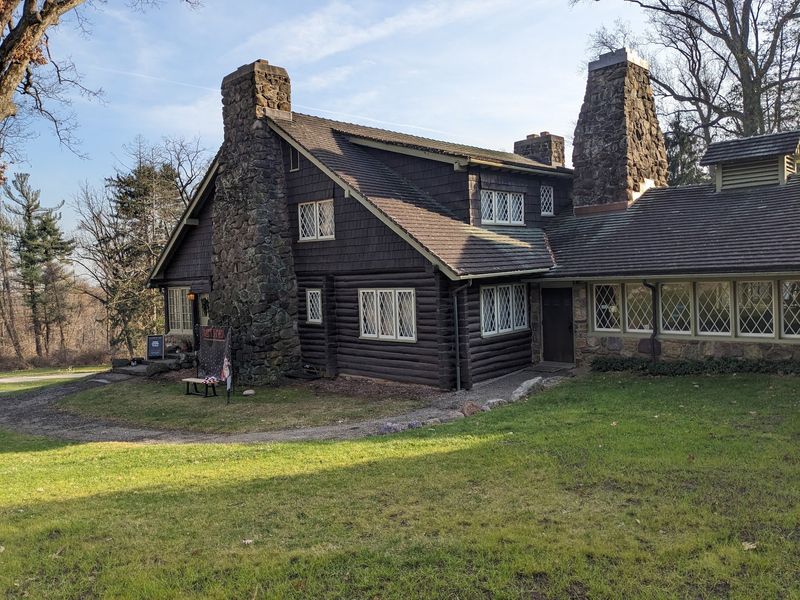
Gustav Stickley built more than furniture. At The Stickley Museum at Craftsman Farms, you get to see the home he built for his own family.
The estate is a landmark from 1911, set on about 30 acres in Morris Plains, New Jersey. It sits just off Route 10, which makes the quiet setting feel even more surprising.
Stickley is best known for sturdy, straightforward furniture. People often call the style Mission or Craftsman, and it still shapes American homes today.
He wore plenty of other hats too. He was a philosopher, publisher, and social critic with big ideas about how people should live.
Craftsman Farms was where those ideas came together. The house, the grounds, and the furnishings all reflect his belief in simple, honest design.
Today the site runs as a museum focused on the Arts and Crafts movement. Guided tours lead visitors through the main Log House and share the story of the Stickley family.
For anyone who has ever admired a solid oak chair, this is the source. It’s a chance to see the style in the setting its creator intended.
Why Craftsman Style Pushed Back Against Fussy Victorian Taste
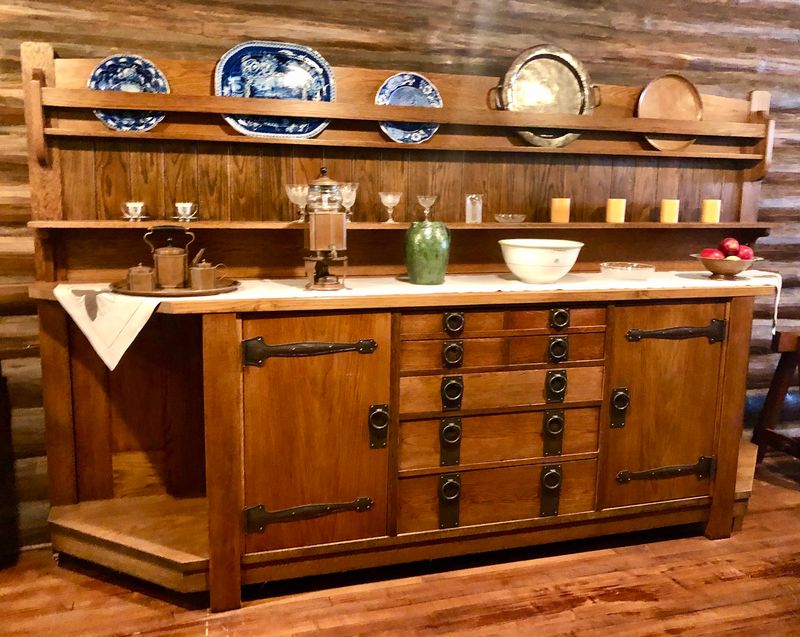
Ornate parlors and factory-made frills ruled the late 1800s. The Arts and Crafts movement answered with something calmer, sturdier, and closer to nature.
American Craftsman style grew mostly between 1900 and 1929. It reacted against the Industrial Revolution and heavy Victorian decoration.
Stickley helped spread that look across the country. His furniture and writing gave everyday families a new picture of home.
The tour at The Stickley Museum at Craftsman Farms explains this shift in plain terms. You learn why simple lines and good materials mattered so much to him.
Craftsman homes often share a few clues. Look for low-pitched roofs, overhanging eaves, exposed rafters, and big front porches.
The story also goes beyond Gustav himself. Other Stickley family members designed furniture too, and their history has its share of twists.
That family tale adds real drama to the visit. It turns a design lesson into a story about people, ambition, and change.
So even if you can’t tell Mission from mid-century, don’t worry. You’ll leave knowing exactly why this movement still shows up in New Jersey living rooms.
The Log House That Steals the Whole Show
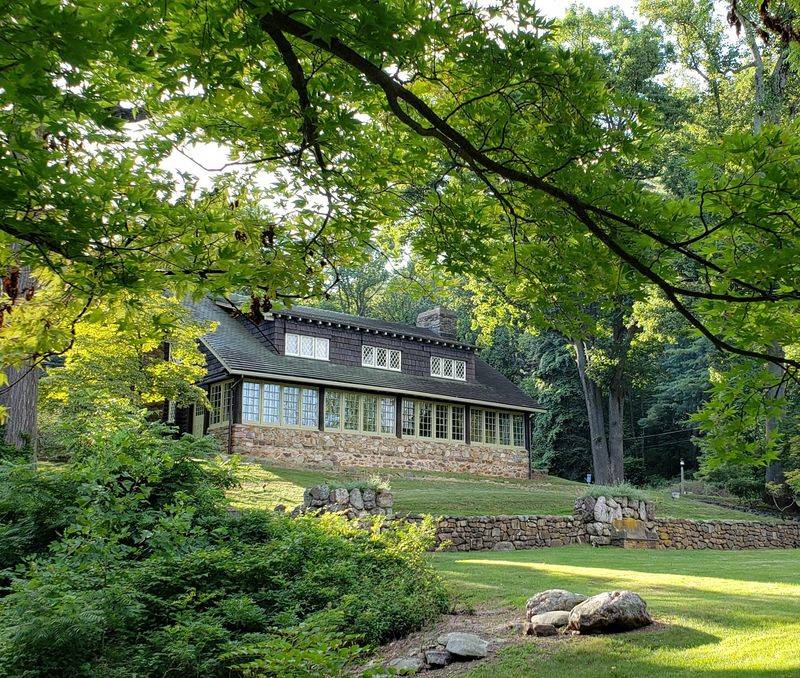
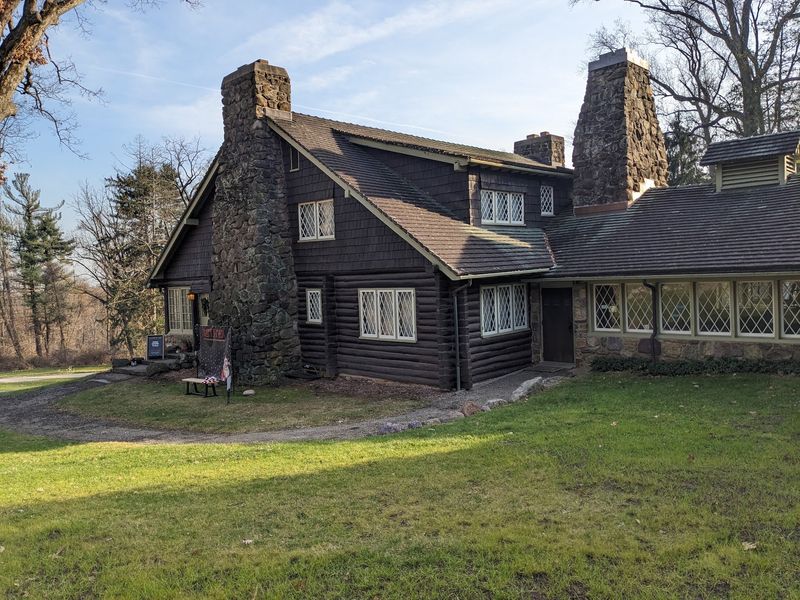
Logs, stone, and timber set the tone the moment the main house comes into view. Stickley’s massive Log House is the centerpiece of the whole estate.
It has been restored to its appearance from 1910 to 1917. That means the rooms reflect the years the family actually lived there.
The building shows off Stickley’s philosophy of living in harmony with the land. Natural materials were the point, not a decorative afterthought.
Tours move through the main floor and up to the second-floor bedrooms. Each space carries its own piece of the family story.
The house isn’t huge, but it’s packed with detail. Every room seems to hold another story about how the Stickleys lived.
Visitors have mentioned a pleasant woody, herbal aroma inside the main cabin. It’s a small sensory bonus that suits a home built from nature.
For architecture fans, the building itself is reason enough to come. Seeing Craftsman principles in a full-size home beats any textbook diagram.
This is where the museum’s name really earns its keep. Craftsman Farms starts and ends with this remarkable log house.
Original Furniture Right Where It Belongs
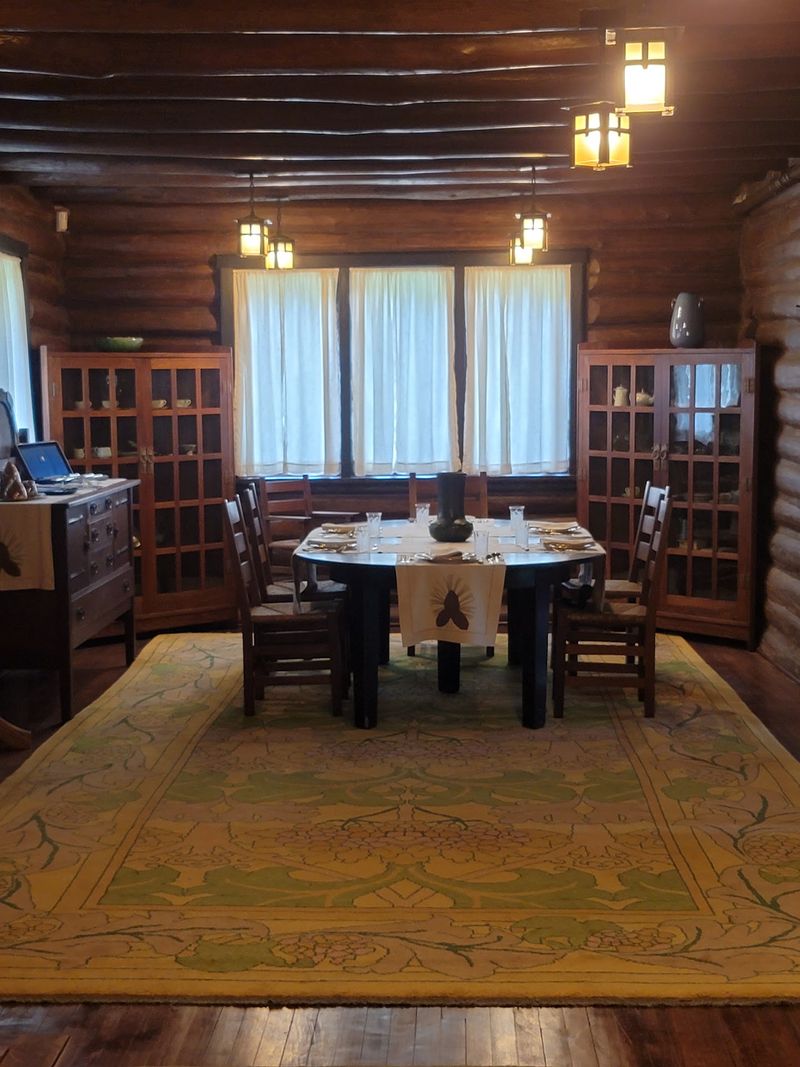
Furniture in a gallery is nice. Furniture in the home it was made for hits differently.
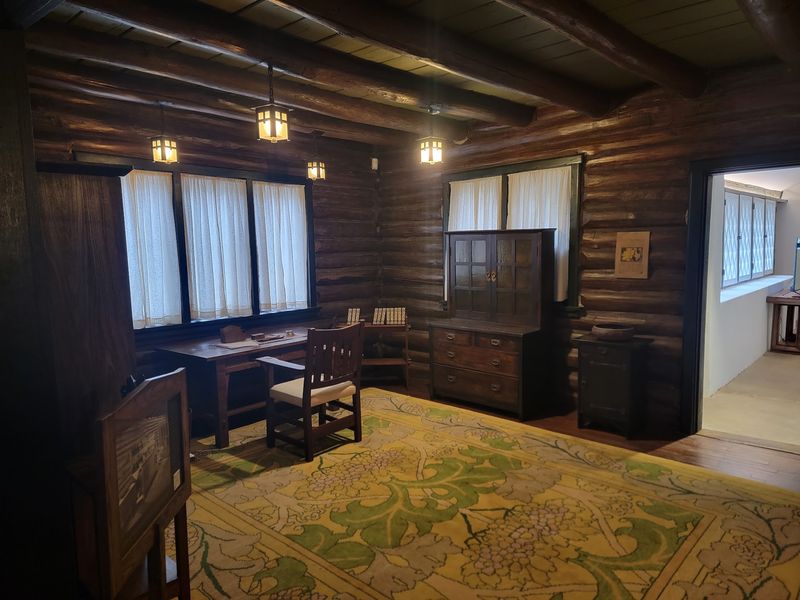
The Stickley Museum at Craftsman Farms fills its rooms with many original Stickley pieces. Seeing them in their intended setting helps everything make sense.
Not every object is original, and that’s fine. The reproductions are carefully made, and they include metalwork and textiles alongside the woodwork.
That mix gives a fuller picture of Stickley’s world. He cared about lamps, fabrics, and hardware as much as chairs and tables.
One piece has even come on loan from the Metropolitan Museum of Art. That tells you how seriously the collection is taken.
Woodworkers and antique lovers will find plenty to study. Joinery, proportions, and finishes all reward a closer look.
Casual visitors get something too. The pieces feel solid and welcoming, more like home than a showroom.
Honestly, it’s tempting to want a chair to sit in. Resist the urge, and let the guides explain what makes each design special.
Guided Tours Led by Docents Who Love This Stuff
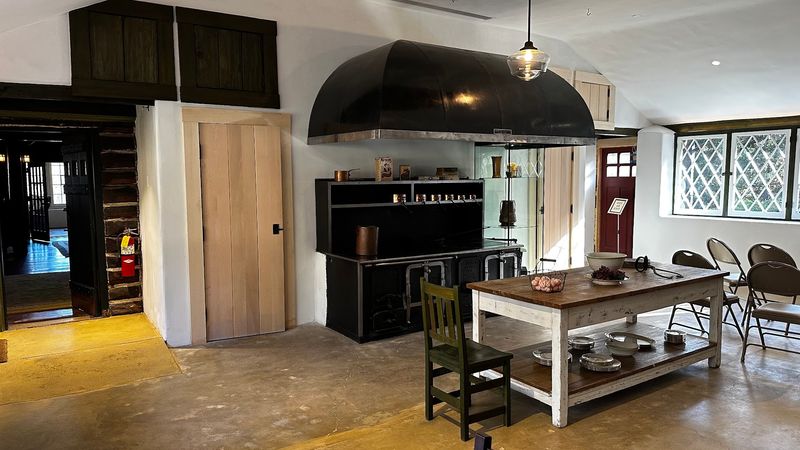
Good guides can make a house talk. Here, the docents are a big part of what makes the visit memorable.
Tours are guided, and groups are kept small. One recent tour began with a short five-minute video about the family in the renovated kitchen.
From there, the group moves through the main floor and the upstairs bedrooms. A typical tour runs about an hour, though timing can vary.
The guides share history, design notes, and family stories along the way. Many are volunteers who clearly enjoy what they do.
Their enthusiasm shows in the details they point out. Small objects suddenly become part of a bigger story.
Reservations can be made ahead through the museum. Booking in advance is a smart move for planning your day.
The tour suits woodworkers, craftspeople, antique fans, and history buffs. It has also been suggested as a good fit for children over 10.
Younger kids may get restless in a historic house. Older kids who like building or drawing might surprise you with their questions.
Grounds, Gift Shop, and Seasonal Surprises
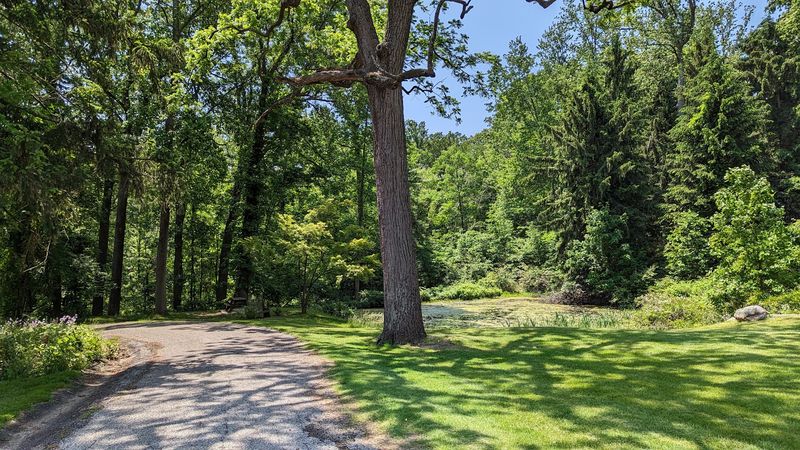
After the tour, don’t rush back to the car. The estate grounds are part of the experience, especially on a sunny day.
The site is easy to walk, with plenty of space to wander. It’s a peaceful break from the busy road nearby.
Inside the visitor area, the gift shop gets a lot of love. It’s small, but it carries books, housewares, notecards, and items tied to Stickley designs.
Shoppers have walked out with more than they planned. That’s an easy trap when the products match the house you just toured.
Craftsman Farms also hosts special happenings through the year. The property has been decorated for the Christmas season, which makes a winter visit feel festive.
Fall events have brought in craft demonstrations as well. One past demonstrator showed basket weaving with wisteria.
Event details change, so check ahead before you go. A seasonal visit can add a fresh layer to a place you’ve already seen.
Even a quick stroll and shop stop rounds out the trip nicely. Think of it as dessert after a hearty history lesson.
Plan Around a Short Weekend Window
Timing matters with this one. The museum keeps short hours, so a little planning goes a long way.
The Stickley Museum at Craftsman Farms is open Friday, Saturday, and Sunday from 11 a.m. to 3 p.m. It’s closed Monday through Thursday.
You’ll find it at 2352 NJ-10, Morris Plains, NJ 07950. Some people know the area as Parsippany, so don’t be confused by the overlap.
The entrance sits right off Route 10. Keep an eye out, since the estate feels tucked away once you turn in.
Tickets are considered reasonably priced, and reservations can be made in advance. Checking current rates before your trip is wise.
The museum is a nonprofit historic site. Donations and memberships help keep the house and grounds in good shape.
Arriving early in the window gives you time for the tour, shop, and grounds. Three hours of opening time goes faster than you’d expect.
For New Jersey residents, it makes an easy weekend outing. Day-trippers from nearby states can fit it in without much fuss.
A Worthy Stop for Anyone Who Loves Good Wood
Plenty of New Jersey residents drive past this place for years. Then they finally stop and wonder why they waited.
The Stickley Museum at Craftsman Farms rewards curiosity. It’s small, but it covers a big chapter in American design.
Furniture lovers will feel right at home. Architecture fans, history buffs, and couples looking for a different date day will find plenty too.
Not everyone arrives as a Craftsman fan. Even reluctant companions tend to admit the grounds are pretty and the stories are interesting.
What stands out most is the setting. Seeing Stickley’s work inside his own home gives it a warmth no catalog can match.
The guides, the shop, and the seasonal events add extra charm. Each visit can feel a little different.
It’s also a reminder that New Jersey holds real design history. This log house helped shape how Americans think about home.
So grab a friend and aim for a weekend. Just maybe budget a little extra for the gift shop.
Share this story