Some cities are known for skylines. Others are known for brewing kettles.
This list ranks thirteen American cities where brewing is a big part of the story, from Boston’s busy Seaport to the old lager cellars of Cincinnati. Some earned fame through German immigrants and giant breweries.
Others built their names in the last few decades with hops, patios, and tiny taprooms. Each stop has real places you can visit, from working breweries to festival grounds and brewery trails.
Read on to see where your hometown lands, and which city you might want to visit next. The ranking runs from good to legendary, so the best is saved for last.
Boston, Massachusetts
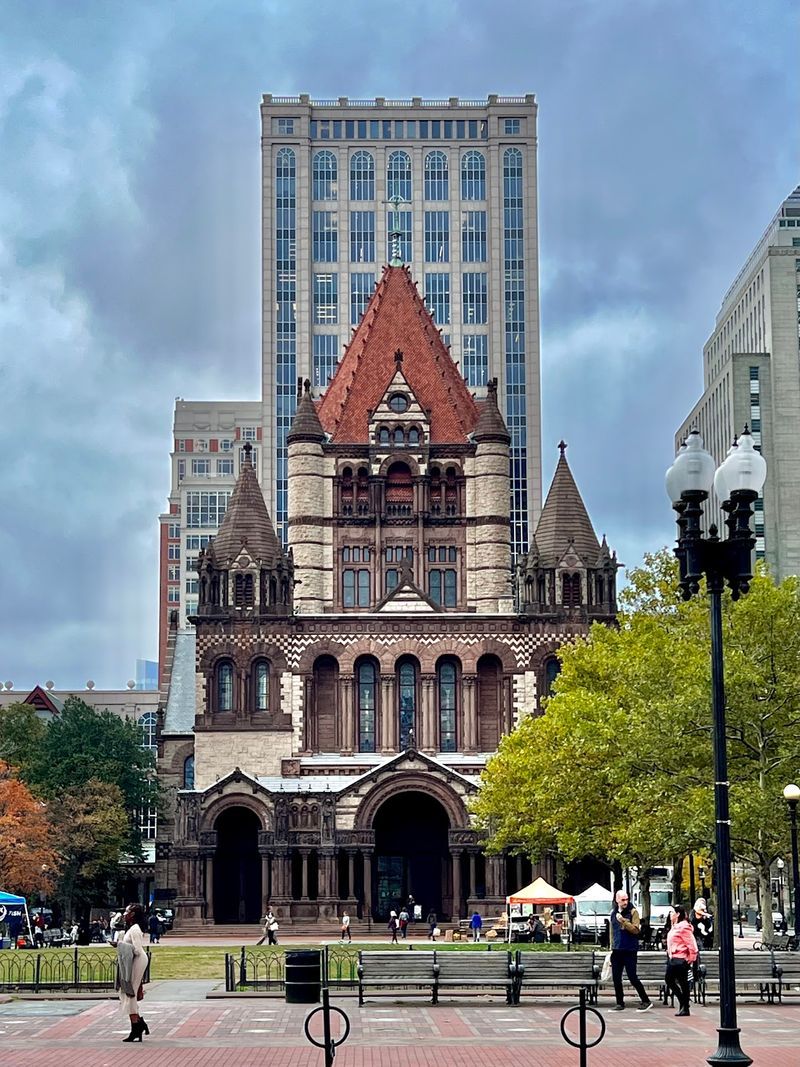
Revolutionary history gets most of the attention in Boston, yet brewing has been part of the city’s personality for a long time. That makes it a good opener for this list, since the beer story here sits alongside everything else the city offers.
Harpoon’s Boston brewery is still active in the Seaport District. Visitors can attend tastings inside a working brewery, and the beer hall blends a European-style gathering space with real brewing equipment.
Boston also keeps neighborhood pubs close to daily life. The city may not match Portland or Asheville for sheer brewery numbers, but it pairs recognizable brewing names with one of the strongest pub cultures in the country.
That is why it lands at the start of the ranking. It is a smart pick for travelers who want beer mixed with seafood, sports, and old neighborhoods.
A tasting at Harpoon can fit between museum stops and a walk along the harbor, so a beer visit does not need to take over the whole trip.
Burlington, Vermont
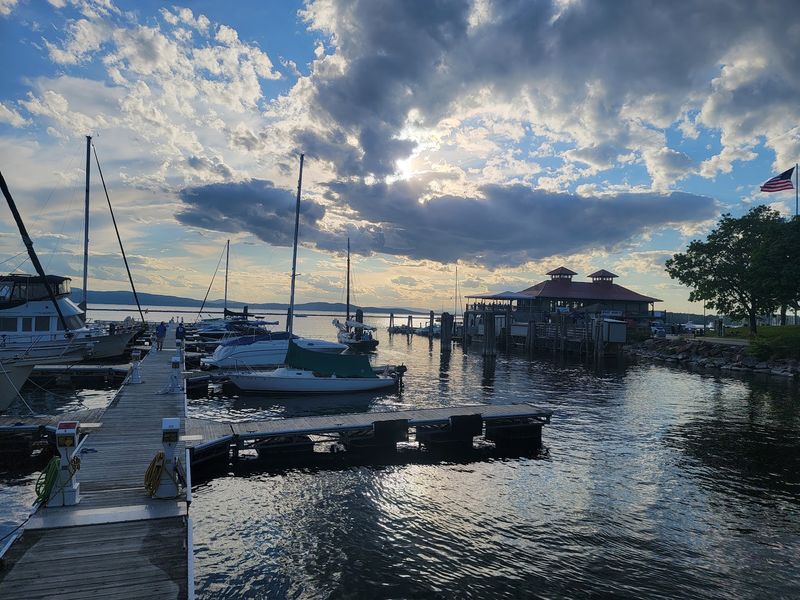
Tiny Burlington punches far above its weight when it comes to beer. A city this small should not have such a long list of breweries, yet here we are.
Current tourism information lists Burlington Beer Company, Switchback Brewing, Zero Gravity Brewery, Foam Brewers, and Queen City Brewery among the active producers. Vermont’s broader craft reputation helps the cause, but the city holds its own.
Zero Gravity traces its roots to a brewpub opened inside American Flatbread in 2004. Foam Brewers operates near the Lake Champlain waterfront, which gives visitors a scenic place to sip.
That mix gives Burlington something many larger beer destinations lack: excellent beer in a compact, pretty setting.
The city ranks lower mainly because of scale. It does not have the deep brewing history of Milwaukee or Cincinnati, or the huge number of choices found in Portland.
Still, a relaxed weekend built around beer, food, and the lake is hard to beat.
Seattle, Washington
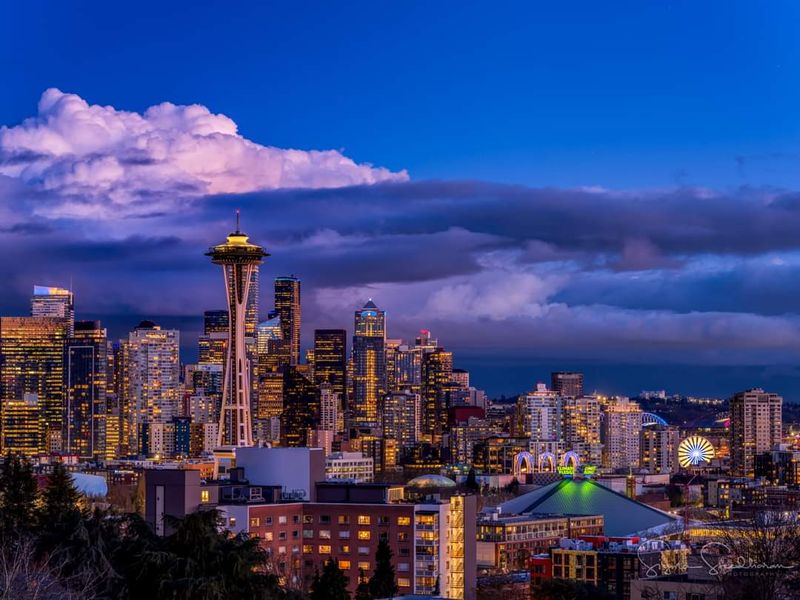
Hop country sits just a few hours from Seattle, and that gives the city a built-in advantage. Washington grows most of the nation’s hops, much of it in the Yakima Valley.
Visit Seattle highlights Ballard, Fremont, and SoDo as major brewery clusters. Ballard alone has more than a dozen breweries within roughly a mile, so walking from one taproom to the next is simple.
Fremont Brewing is an obvious stop. Visit Seattle also lists active spots such as Stoup Brewing, Pike Brewing, and Reuben’s Brews.
The brewing culture here fits the city well. It is casual, neighborhood-focused, and shaped by the Pacific Northwest’s love of hops.
So why not higher on the list? Competition.
The region has several outstanding brewing destinations, and Portland’s influence on modern American craft beer is hard to overcome. Seattle remains a strong choice for anyone who likes to explore by neighborhood.
Chicago, Illinois
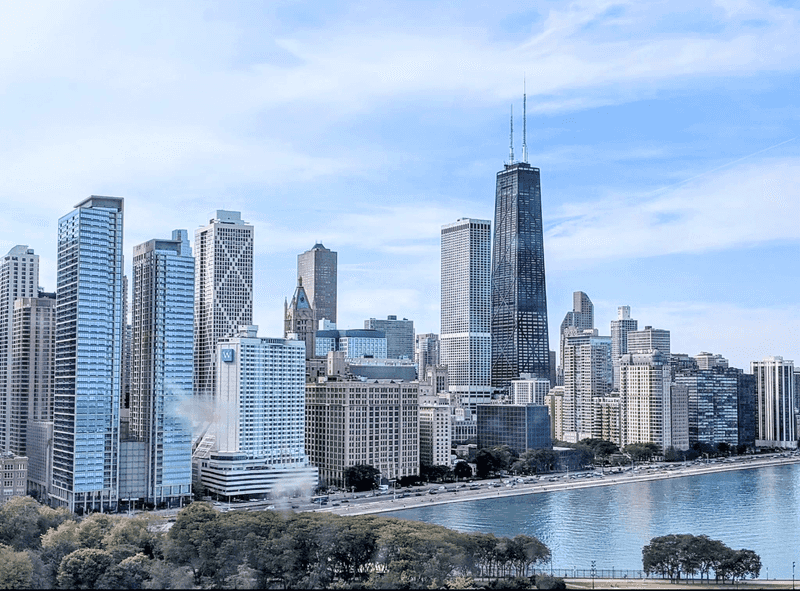
Almost every Chicago neighborhood seems able to support its own brewery, beer bar, or tavern. That spread is a big part of why the city belongs on this list.
Goose Island helped shape the modern brewing reputation here and introduced countless American drinkers to craft beer. Independent breweries keep the scene interesting.
Half Acre Beer is still active on Balmoral Avenue, where the brewery runs a taproom, a shop, and a beer garden. Its beer and food menus are kept current online.
Variety is the city’s strength. Visitors can find hop-forward American ales, lagers, barrel-aged beers, neighborhood brewpubs, and serious beer bars without leaving town.
Chicago also has something harder to measure: tavern culture. A locally brewed beer here often feels less like a tourist stop and more like part of neighborhood life.
That keeps Chicago comfortably among America’s classic beer cities.
St. Louis, Missouri
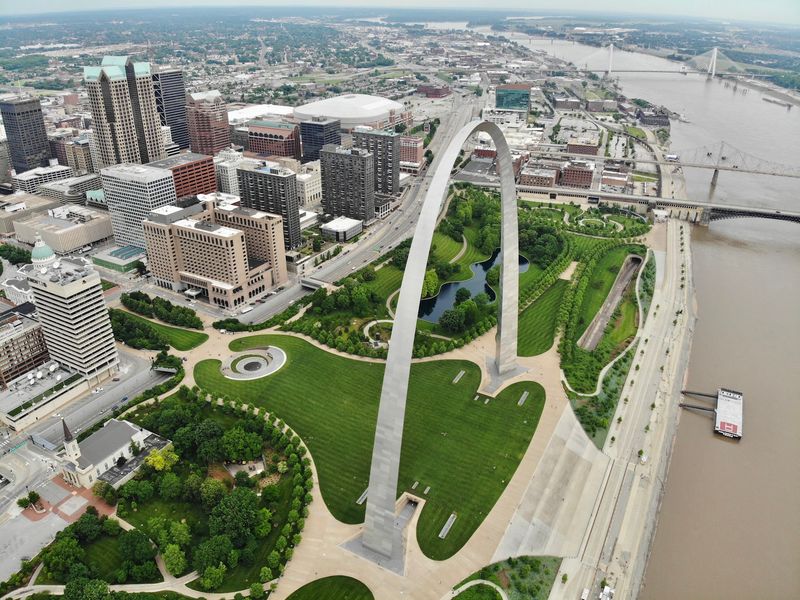
Few American cities are tied to one brewing name as closely as St. Louis is to Anheuser-Busch. That industrial heritage alone makes the city important.
St. Louis also grew a serious independent beer culture. Schlafly played a big role, and the brewery still describes itself as the city’s oldest craft brewery.
Schlafly currently runs brewery tours at its Bottleworks location, along with its Tap Room.
That sets up an interesting contrast for beer travelers. You can look at the scale of traditional American brewing, then see the smaller craft movement that followed.
The city’s German heritage is also still part of its food and drink identity.
St. Louis may not get the national craft hype that San Diego or Asheville does today. Even so, few places show the story of American brewing so clearly.
Beer here is not just a modern trend. It is part of the city’s industrial and cultural history.
Philadelphia, Pennsylvania
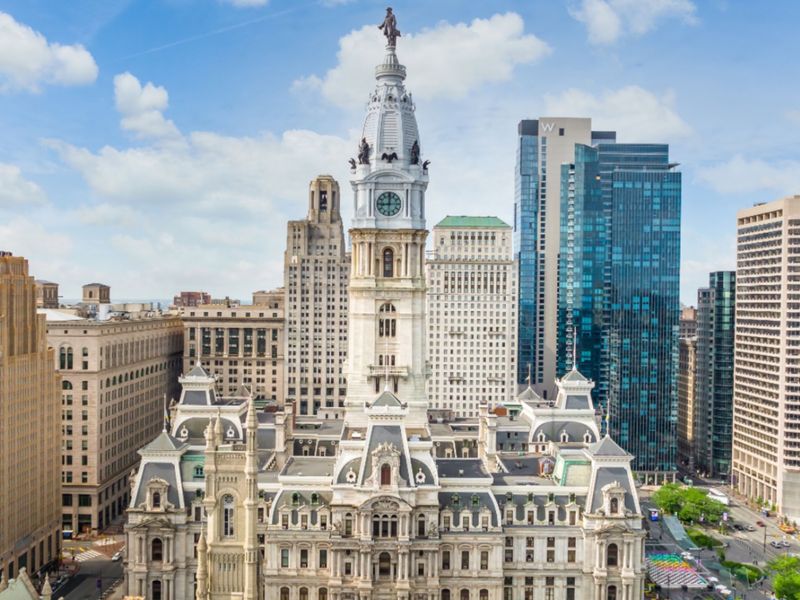
Long before the IPA craze, Philadelphia was already deep into beer. Its brewing culture flourished from colonial times through the 19th century.
By the start of Prohibition, more than 90 breweries operated within the city, with many more in the surrounding region.
Modern brewing returned in force. Yards Brewing Company helped revive the production-brewery scene and now operates from a large facility on Spring Garden Street, with a taproom, restaurant, and brewery tours.
Visit Philadelphia reports that the broader region has more than 90 breweries across more than 120 locations. It also supports acclaimed beer bars, beer gardens, and the annual Philly Beer Week.
Colonial tavern history, industrial brewing heritage, and current craft beer all meet here. Few American cities can say their beer story spans so many distinct eras, which gives Philadelphia unusual depth.
Cincinnati, Ohio
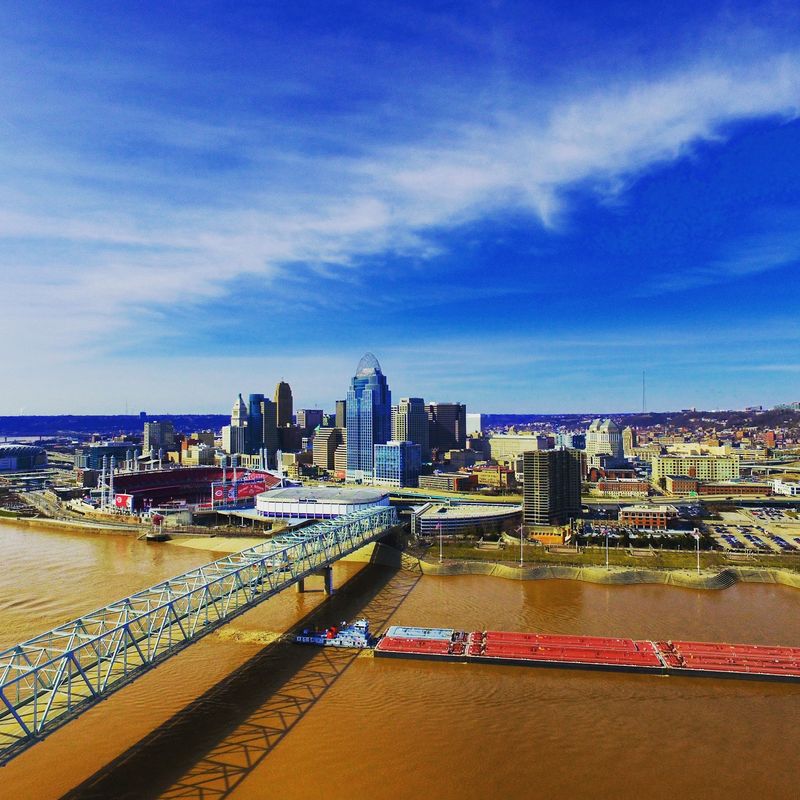
To understand how German immigration changed American beer, Cincinnati belongs near the top of your travel list. Commercial brewing here dates to the early 1800s.
German immigrants later transformed the industry, especially in Over-the-Rhine, where breweries built lagering cellars. By 1890, the city had earned a reputation as the Beer Capital of the World.
Modern Cincinnati has embraced that past rather than hiding it. Visit Cincy says the greater region now has more than 80 breweries.
Rhinegeist is one of the best examples of old and new overlapping. Its taproom operates inside a massive pre-Prohibition bottling plant in Over-the-Rhine that once handled Christian Moerlein beer.
Few cities let visitors enjoy modern craft beer while surrounded by such visible remnants of America’s lager era.
Grand Rapids, Michigan
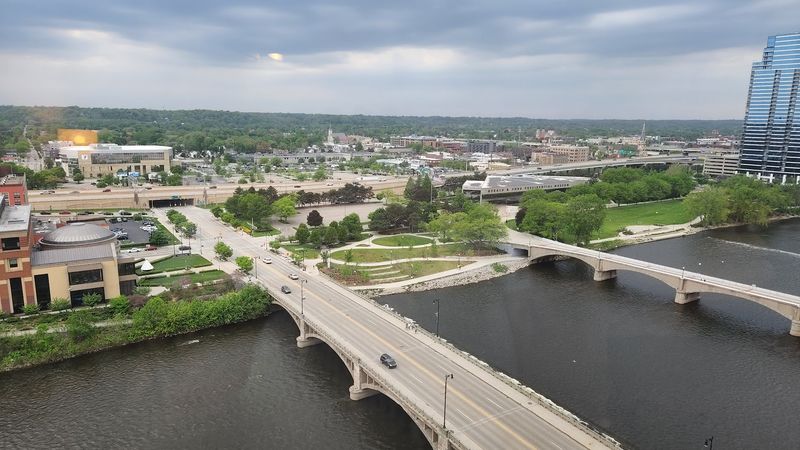
Here is a city that built a beer identity from scratch. Grand Rapids did not inherit a giant 19th-century brewing empire, yet it earned one of the strongest modern beer reputations in the country.
The city has called itself Beer City USA since 2012, when it tied Asheville in a nationwide poll. It won outright the following year and has kept using the title.
Founders Brewing Company deserves much of the credit. Founded in 1997, it became a key business behind the city’s craft-beer transformation and remains active today.
The surrounding area now has more than 50 breweries along its Ale Trail.
Grand Rapids feels well suited to a beer weekend. There are enough breweries to fill several days, but the city is compact enough that visitors never feel overwhelmed.
For a mid-sized American city, its beer influence is huge.
Asheville, North Carolina
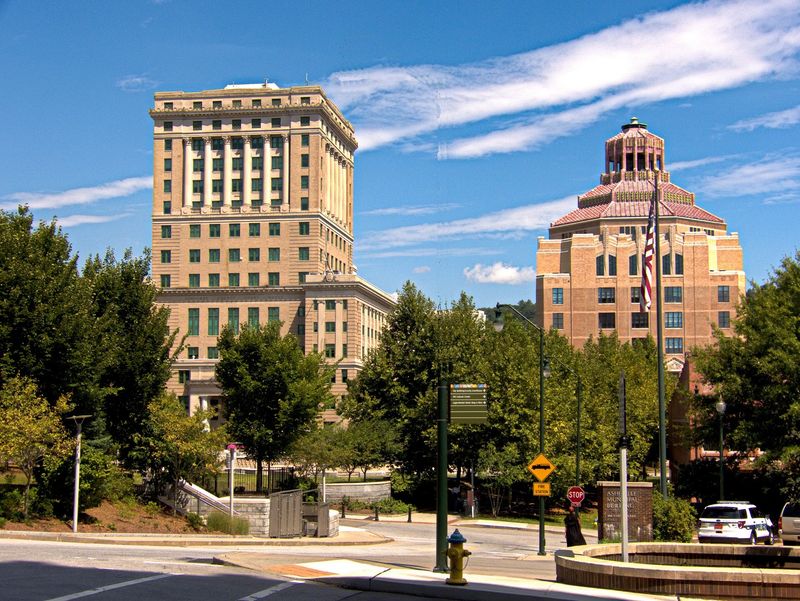
In 1994, Highland Brewing founder Oscar Wong started brewing beneath a downtown pizza restaurant. Explore Asheville describes it as the city’s first beer brewed after Prohibition, and modern Asheville beer culture took off from there.
What followed was remarkable. Dozens of breweries now operate around the area.
Major Western craft brands also chose western North Carolina for East Coast operations. Sierra Nevada built nearby, while New Belgium set up a brewery along the French Broad River.
Asheville’s strength is density mixed with personality. Breweries are woven into the city’s arts, food, music, and outdoor culture rather than standing apart as separate attractions.
Bigger beer cities exist, but few make brewery hopping feel so natural. For pure beer-vacation appeal, Asheville deserves its lofty reputation.
San Diego, California
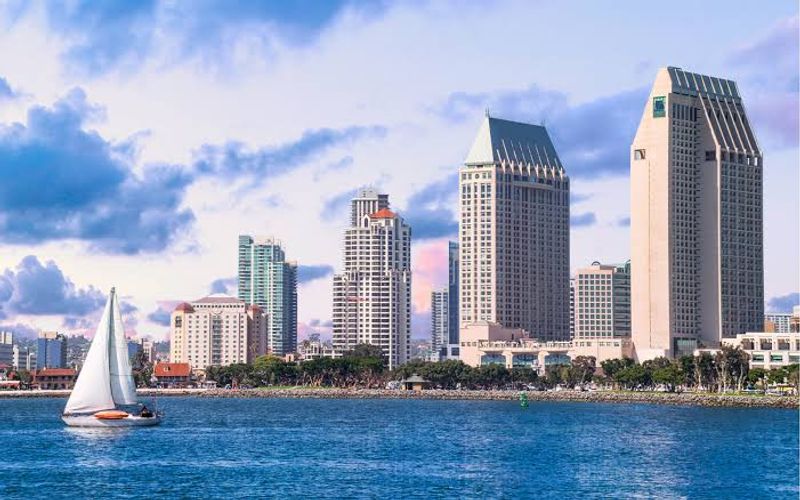
Big, boldly hopped West Coast beers are closely tied to Southern California, and San Diego produced some of the movement’s most influential names.
The San Diego Tourism Authority says the county has more than 150 breweries. Stone Brewing, Ballast Point, and Karl Strauss are among the pioneers credited with building the region’s reputation.
Ballast Point still operates locations in San Diego, and the tourism authority’s brewery directory lists a huge collection of active producers across the county.
Beer is only part of the draw. Brewery visits mix easily with pleasant weather, patios, beaches, and tacos, all in a relaxed setting.
For fans of American IPA culture, this city belongs on the pilgrimage list. San Diego helped turn bold, hop-forward brewing from a regional obsession into a national phenomenon.
Portland, Oregon
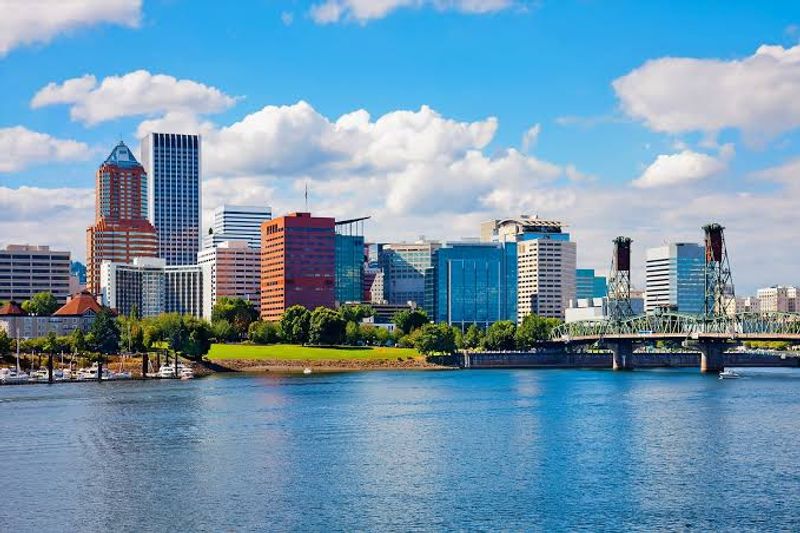
Portland was building a culture around craft breweries long before they became standard attractions in American cities. The modern renaissance sped up in the 1980s.
BridgePort and Widmer Brothers began brewing in 1984. The next year, McMenamins opened what Travel Portland describes as Oregon’s first brewpub.
Today the city still has more than 80 breweries. Standouts highlighted by Travel Portland include Breakside, Great Notion, Living Haus, Von Ebert, and Zoiglhaus.
Not every historic brewery survived, which makes the city’s staying power more impressive. The scene keeps reinventing itself.
The range is wide too. One afternoon can mean Northwest IPAs, and the next can bring German-style lagers, dark beers, sours, or experimental releases.
Calling Portland Beervana may sound like a stretch until you spend a few days in its neighborhoods. Then the nickname makes sense.
Denver, Colorado
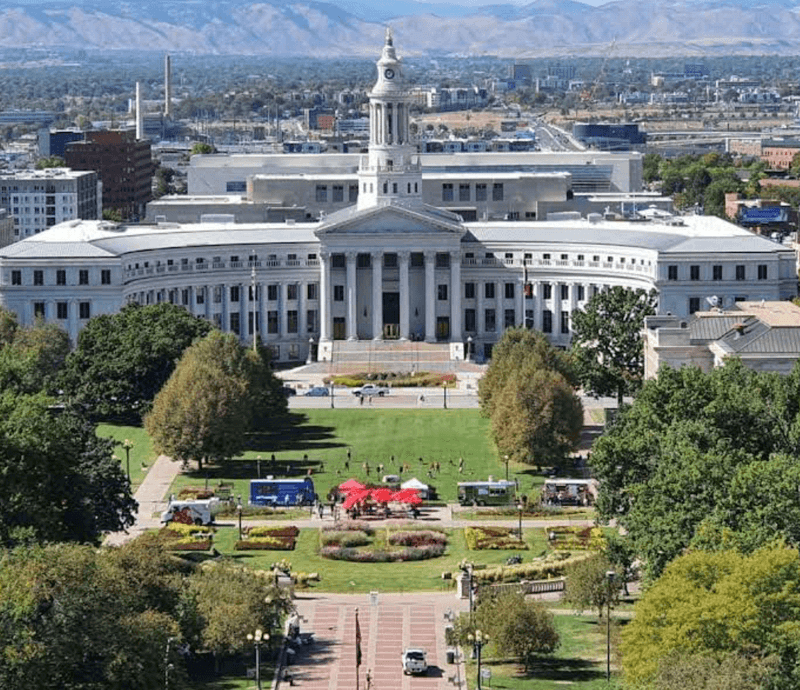
Denver does not just make beer. It regularly becomes the meeting place for the whole industry.
The Great American Beer Festival has run since 1982 and remains one of the defining beer events in the country. In 2026, it took place October 10 and 11 at Denver’s Levitt Pavilion, bringing breweries from across the nation together for tastings and competition.
Denver breweries keep winning national recognition too. The 2026 GABF results included medals for several Denver-area producers and beers.
The larger Colorado beer scene adds weight. Fort Collins, Boulder, Golden, and many smaller brewing towns surround the metro area, so Denver works as both a destination and a gateway.
Spend a few days here and beer stops become hard to avoid, from neighborhood taprooms to major industry events. Only one city has a stronger claim to the traditional beer crown.
Milwaukee, Wisconsin
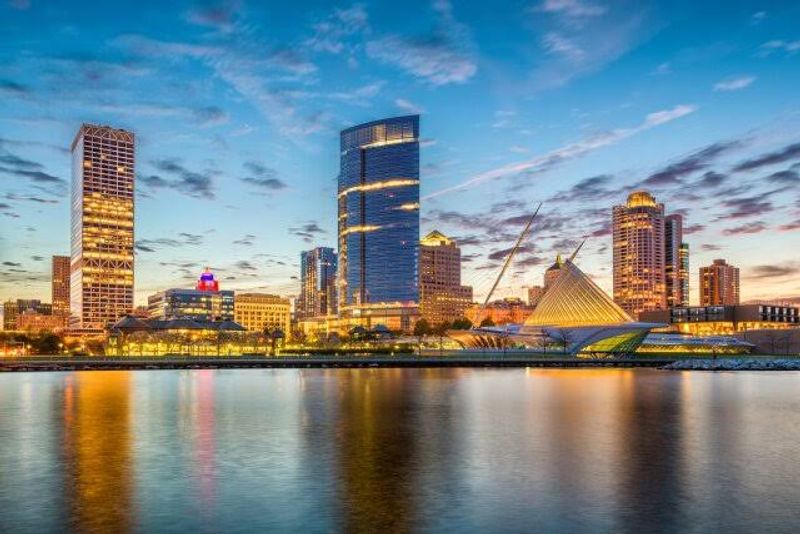
Milwaukee wins because no other American city has blended brewing history, civic identity, industrial scale, and beer culture quite the same way. Brew City remains one of its best-known nicknames for good reason.
Generations of German immigrants made brewing a cornerstone of the local economy. Pabst, Schlitz, Blatz, and Miller turned Milwaukee into one of the most important beer-producing centers in America.
That legacy is still visible. In September 2026, Visit Milwaukee launched the Brew City Trail, linking breweries, beer gardens, historic sites, and other businesses tied to southeastern Wisconsin’s brewing traditions.
Participants and sponsors include Lakefront Brewery and Ope! Brewing Co.
Continuity gives Milwaukee the edge. Beer is history, architecture, tourism, neighborhood culture, and everyday life all at once.
Other cities may have more breweries or trendier releases. When the subject is the classic American beer city, Milwaukee still feels like the standard everyone else is chasing.
Share this story