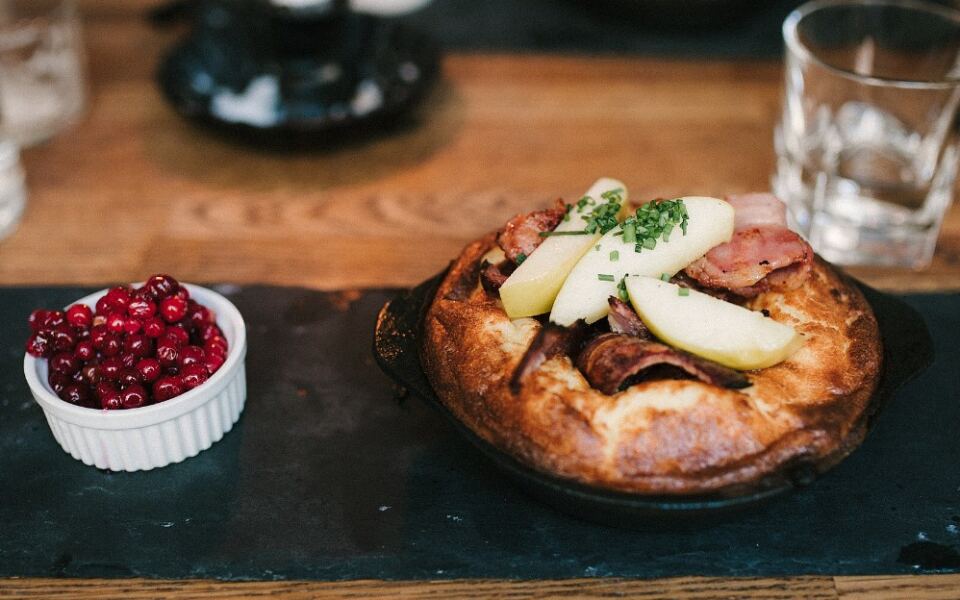
Swedish food goes far beyond meatballs and crispbread. Across the country, cooks still prepare old recipes that many visitors never hear about.
Some dishes are hearty, some are sweet, and a few are famous for their strong smell. Here are twelve Swedish foods that show how varied and surprising the local menu can be.
Surströmming
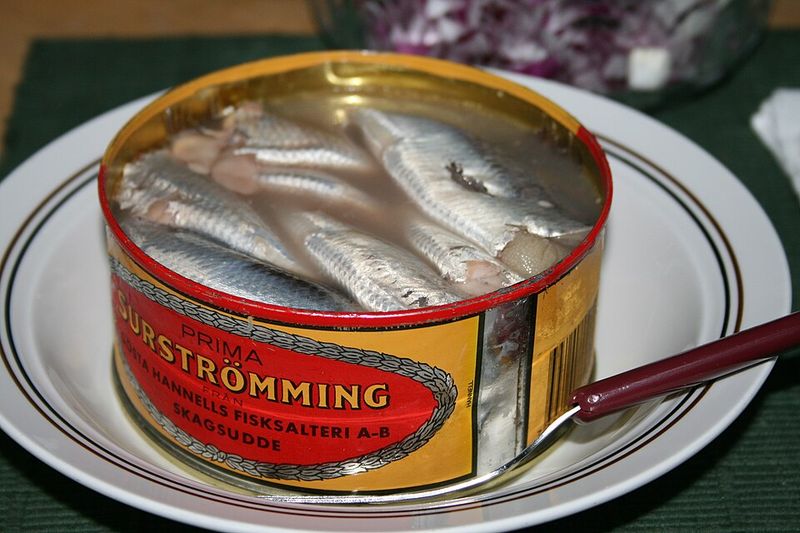
Few foods have a reputation as loud as this one. Surströmming is Baltic herring that is fermented in brine for months, then sealed in a tin that keeps fermenting and often bulges.
The smell is strong when the tin is opened, so many Swedes eat it outdoors. The fish itself tastes salty and tangy, and the aroma is much bolder than the flavor.
Traditional servings are simple. People wrap pieces of fish in thin flatbread with boiled potatoes, chopped red onion, and sour cream or creme fraiche.
A cold drink is usually served alongside.
The custom is strongest in northern Sweden, where a surströmming dinner often happens in late summer after the new batches go on sale. Some apartment buildings even have rules about opening the tins indoors.
First-timers should start with a small bite and plenty of potatoes.
Pitepalt
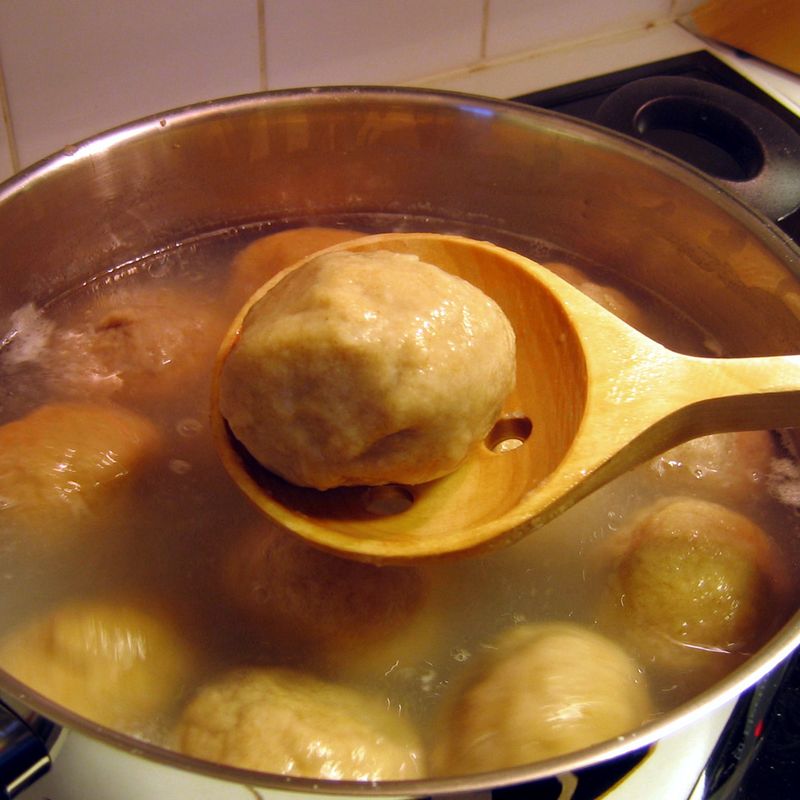
Ask someone from Piteå about comfort food and the answer will likely be pitepalt. These round dumplings are made from grated raw potato mixed with barley flour, which gives them a dense, chewy bite.
Each dumpling hides a small piece of salted pork in the middle. They are boiled until firm and carry a mild, earthy flavor that suits the rich filling well.
Locals usually serve them with melted butter and lingonberry jam. The mix of salty, creamy, and tart is a classic combination in Swedish home cooking.
Leftover pitepalt is often sliced and fried the next day, which gives it a crisp edge. The dish grew from the need to make filling meals from cheap, local ingredients in a cold region with a short growing season.
Kroppkakor
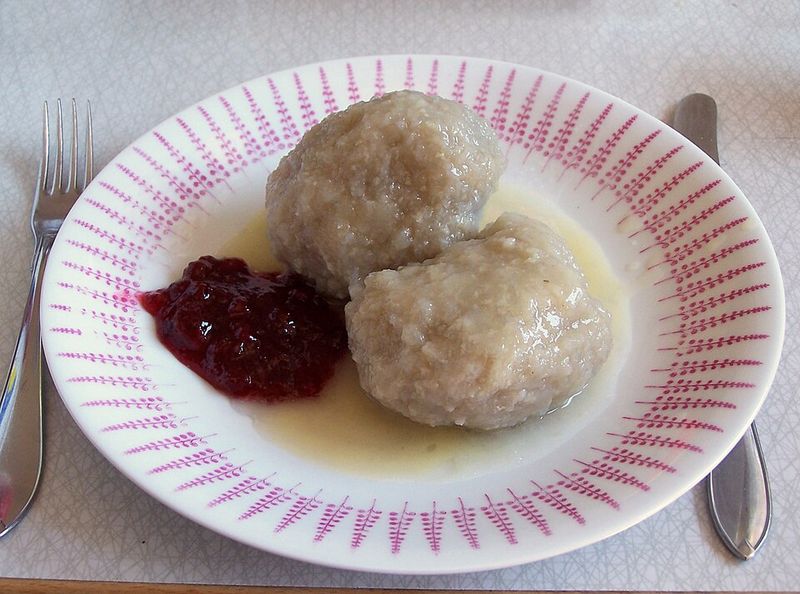
Picture a soft potato ball with a savory surprise inside. Kroppkakor are dumplings made from potato dough and filled with diced pork and onion, often seasoned with allspice.
The dish is closely linked to the island of Öland, though it is eaten in other parts of southern Sweden too. Many families have their own version of the dough, and friendly debates about the best recipe are common.
They are boiled, then served with melted butter, cream, and lingonberry jam. Some cooks fry leftover dumplings in butter for a golden crust.
Making them takes patience, since the dough has to be shaped by hand around each filling. That is why kroppkakor often appear at family gatherings, where several people can share the work.
Smörgåstårta
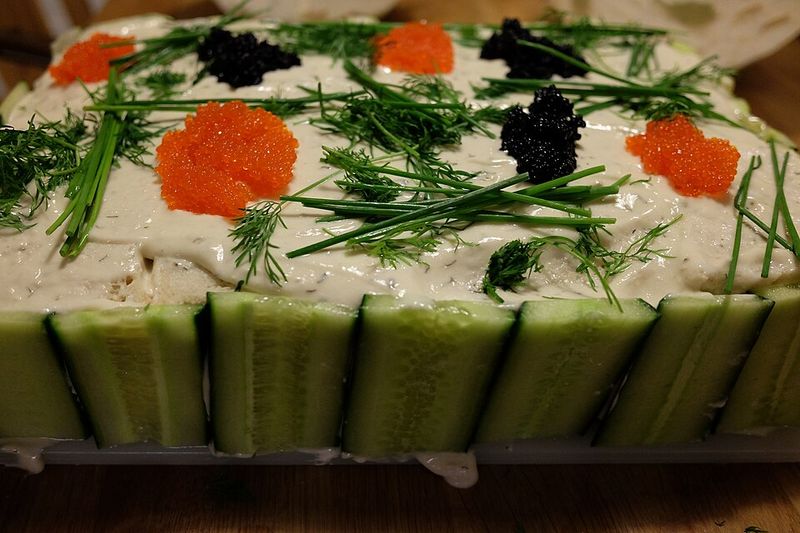
At a Swedish birthday or graduation party, the cake might not be sweet at all. Smörgåstårta, or sandwich cake, is built from layers of soft bread with creamy fillings between them.
The outside is frosted with a mix of mayonnaise and cream cheese or sour cream. It is then decorated with shrimp, sliced eggs, cucumber, tomatoes, caviar, and fresh dill.
Fillings vary a lot. Common choices include ham, smoked salmon, egg salad, and shrimp mixed with herbs.
The cake became popular in the 1960s and is still a favorite for celebrations, since it feeds a crowd and can be made a day ahead. Chilling it well helps the layers hold together when sliced into neat squares.
Janssons frestelse
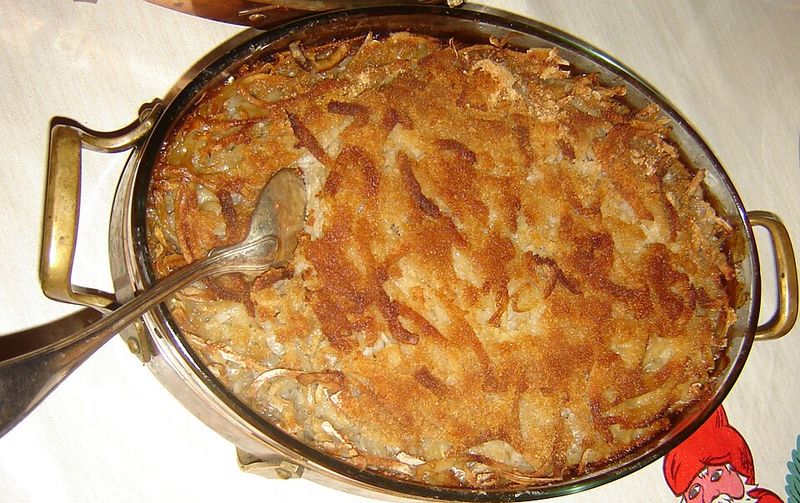
Nobody agrees on who Jansson was, but everyone agrees the temptation is real. This creamy casserole is a staple of the Swedish Christmas table.
Thin sticks of potato are layered with sliced onion and sprats that have been preserved in a sweet and spiced brine. Cream is poured over the top, and the dish bakes until golden and bubbling.
The fish used is often sold as ansjovis in Sweden, though it differs from the Mediterranean anchovy. It adds a gentle sweetness and saltiness instead of a harsh fishy taste.
Breadcrumbs and butter on top give a crisp finish. Many families serve it alongside ham and other holiday dishes, and it also works as a warm side dish at buffets.
Raggmunk med fläsk
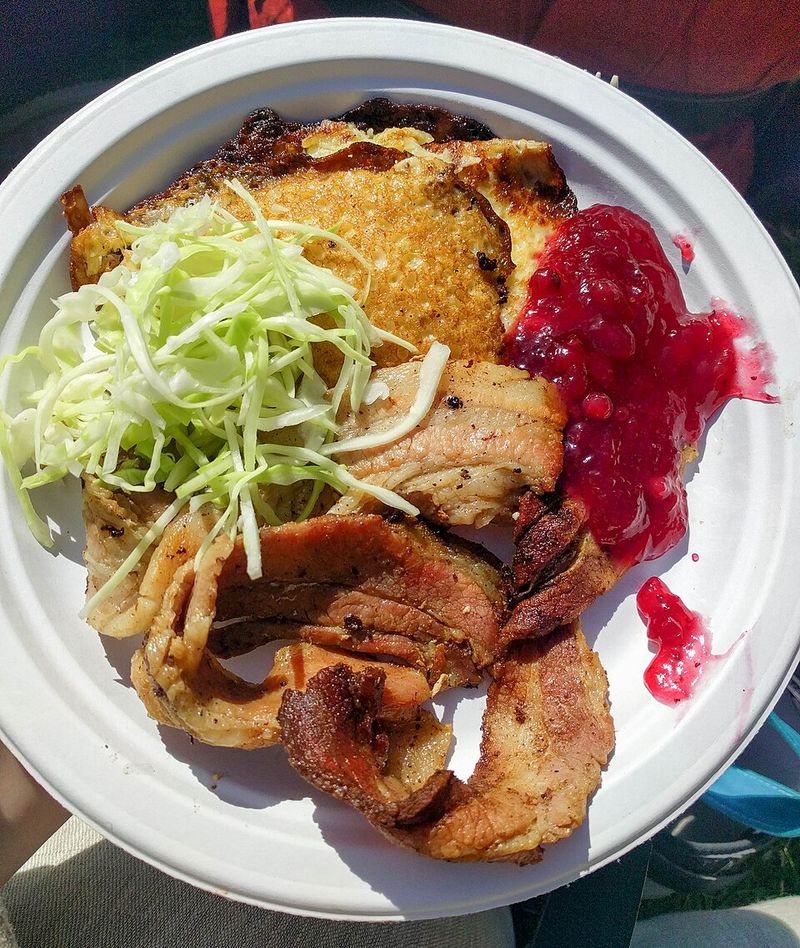
The sizzle of batter hitting a hot pan is the sound of a classic Swedish weeknight dinner. Raggmunk are potato pancakes made with grated raw potato and a thin batter of flour, milk, and egg.
They are fried in butter until the edges turn lacy and crisp. The middle stays soft and tender.
Traditionally they come with thick slices of fried pork belly or bacon and a generous spoonful of lingonberry jam. The tart berries cut through the salty meat in a way that makes the whole plate feel balanced.
Raggmunk is often served in autumn, when new potatoes are plentiful. A tip for home cooks is to squeeze out extra moisture from the grated potato so the pancakes crisp up nicely.
Äggakaka
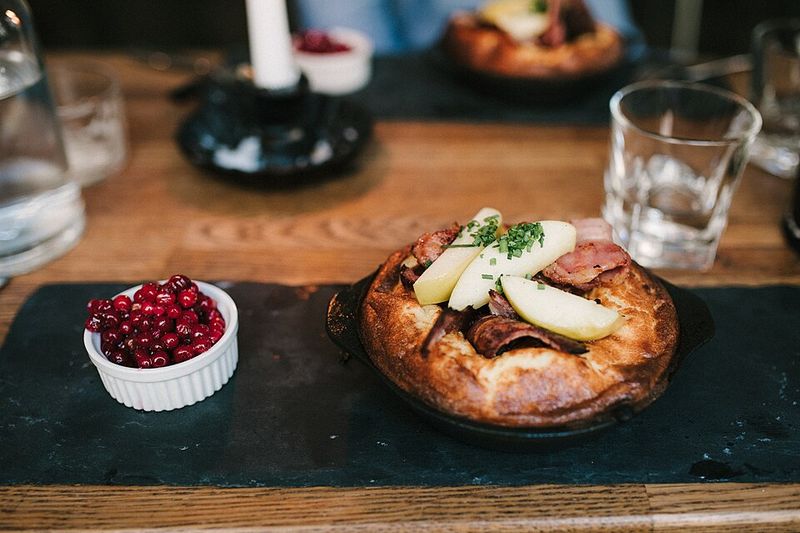
Thick, puffy, and golden, äggakaka is the hearty cousin of the thin pancake. It comes from the southern province of Skåne, where it has been served for generations.
The batter uses plenty of eggs along with flour and milk. It is poured into a pan or baking dish and cooked slowly until it rises and sets, with a texture closer to an omelet than a crepe.
Fried pork or bacon is the usual partner, and lingonberries add a bright, tangy contrast. Some cooks bake the pork right into the cake.
Äggakaka was once a farm meal that stretched simple pantry items into something filling. Today it appears on restaurant menus in Skåne that focus on regional food, and it is simple enough to try at home.
Skomakarlåda
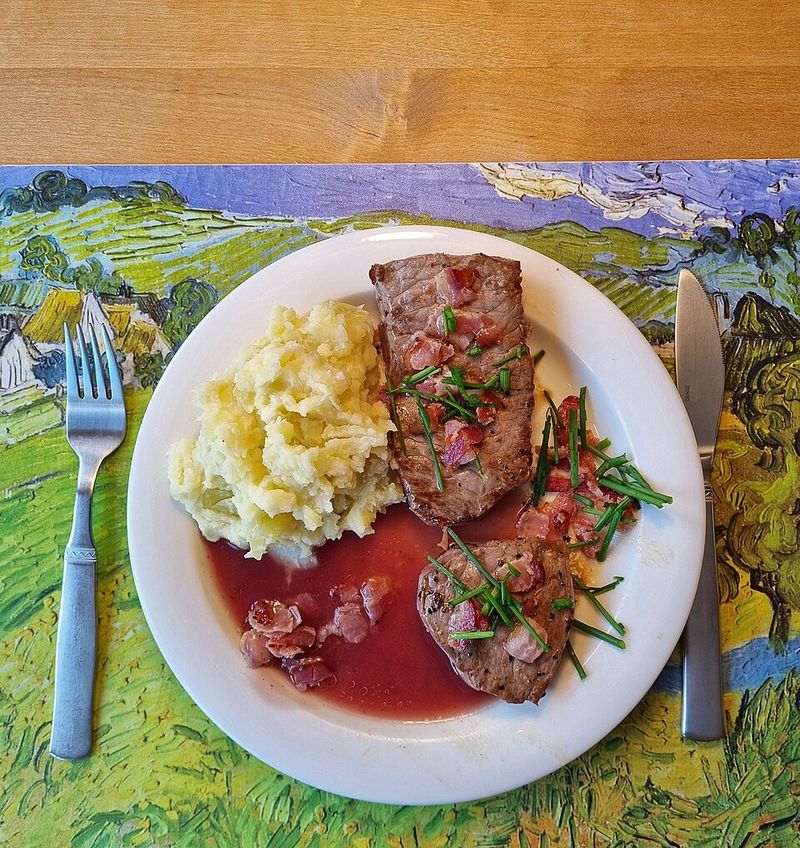
The name means shoemaker’s box, though nobody is sure why. What is clear is that this dish is filling and full of flavor.
Thin slices of beef steak are cooked and piled with creamy mashed potatoes. Crispy bacon and soft leeks are added, and the whole stack is often finished with a savory pan sauce.
The combination of tender meat, smooth potatoes, and salty bacon makes it a comfort meal for cold evenings. Leeks bring a mild, sweet onion taste that keeps the plate from feeling too heavy.
Versions differ from kitchen to kitchen. Some cooks bake it as a casserole, while others assemble it on the plate.
It is a good way to use leftover mashed potatoes or a modest cut of beef.
Tjälknöl
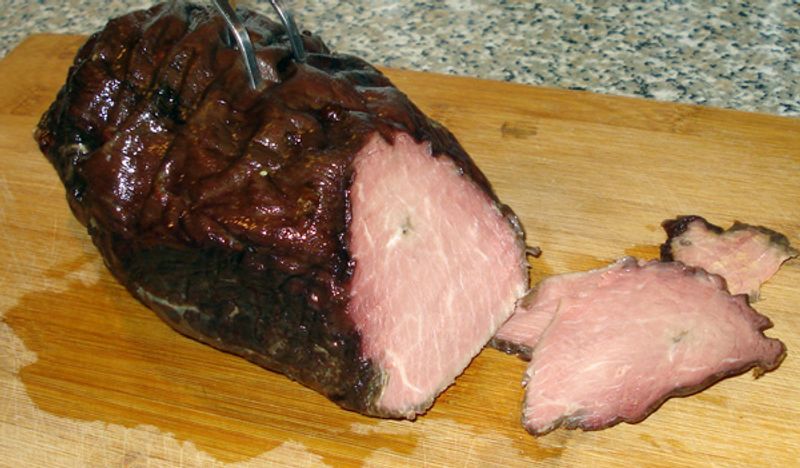
Cooking meat while it is still frozen sounds like a mistake, yet in northern Sweden it is a respected method. Tjälknöl means frost lump, and the technique starts with a solid frozen roast, usually beef or sometimes reindeer or moose.
The meat goes into a very low oven and cooks slowly for many hours. Because it heats gently from the outside in, it stays juicy and evenly pink.
After cooking, it is sliced thinly and placed in a seasoned brine with salt, pepper, and spices. It rests there until the flavors soak through.
Tjälknöl is popular for large gatherings, since it can be prepared ahead and served cold. It is often eaten on bread or with potatoes and pickled vegetables.
Spettekaka
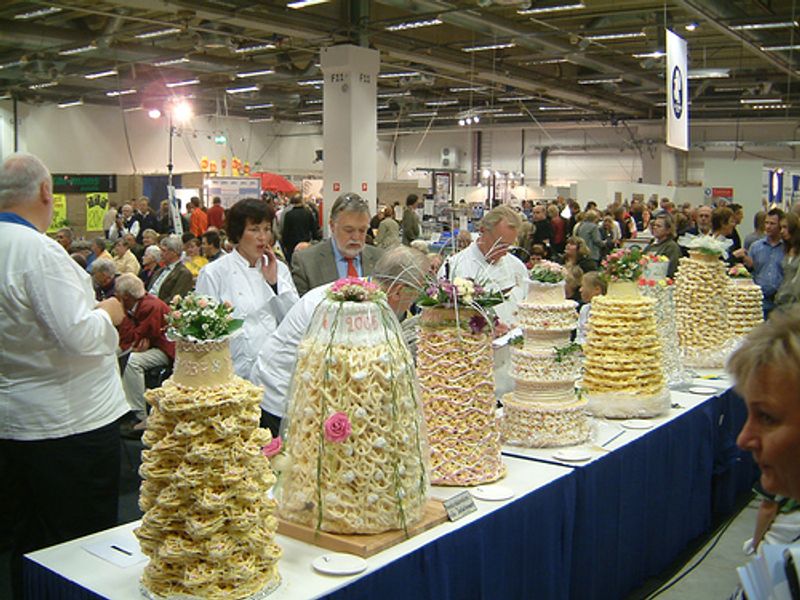
This cake looks like a hollow tower with a ridged, golden surface. Spettekaka is a specialty of Skåne, made by pouring batter in thin layers over a rotating spit.
The batter relies on eggs, sugar, and potato starch. Each layer is cooked over heat as the spit turns, creating the cake’s unique rough texture.
The result is light, airy, and slightly crisp, with a gentle sweetness. It is often cut into slices and served with coffee, or with whipped cream and fruit.
Spettekaka has long been a feature of weddings and festive events in the region. The process takes time and skill, which is why bakers who still make it are proud of the tradition.
It is also sold at markets as a keepsake from Skåne.
Flygande Jacob
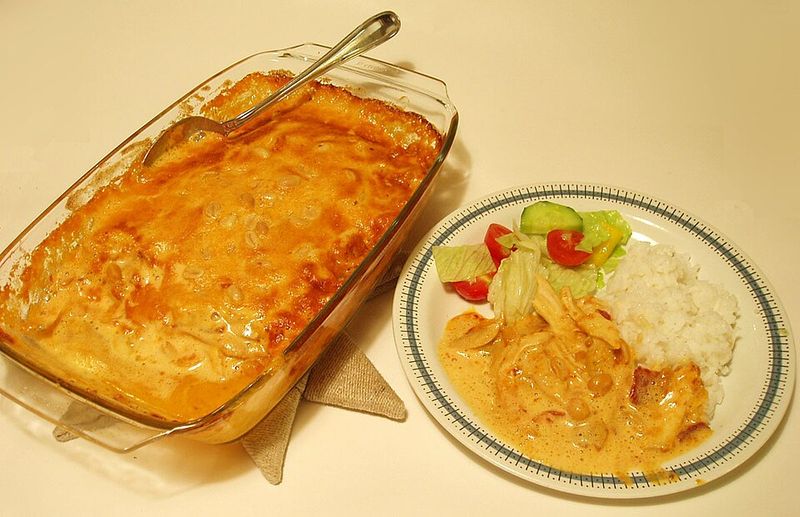
Bananas, bacon, and chicken in one dish? Flygande Jacob, or Flying Jacob, is a casserole that raises eyebrows abroad and wins fans at home.
It was created in the 1970s by a freight air cargo worker named Ove Jacobsson, which explains the name. The recipe quickly appeared in a food magazine and became a national favorite.
Cooked chicken is layered with sliced bananas and crisp bacon. A creamy sauce made with cream and chili sauce is poured over, and the dish is baked and topped with roasted peanuts.
The flavors are sweet, salty, and mildly spicy all at once. Rice is the usual side, and a simple green salad helps balance the richness.
Saffranspannkaka
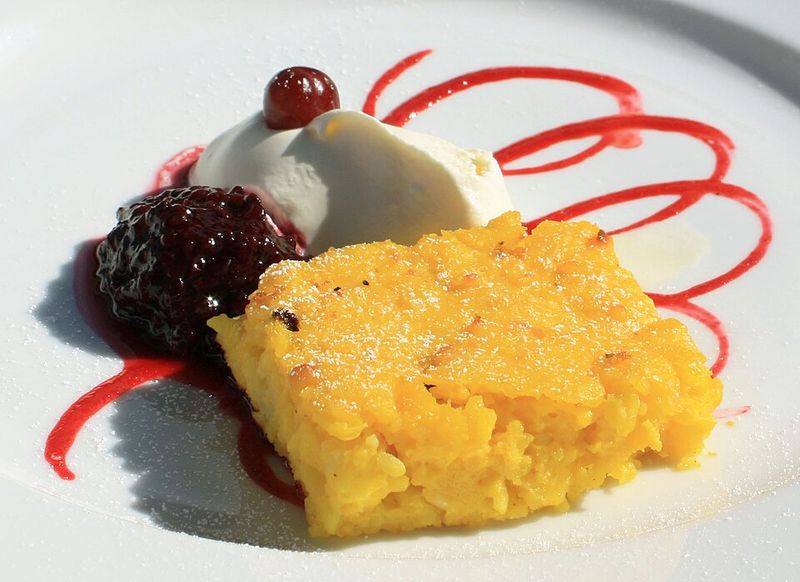
Golden as sunshine, saffranspannkaka is a dessert tied closely to the island of Gotland. The color comes from saffron, a spice that has been used in Swedish baking for centuries.
The base is made from rice pudding, eggs, and cream, baked until the top turns lightly browned and the middle becomes soft and custardy. Almonds are sometimes added for extra texture.
It is usually served with salmbär jam, which is made from a berry also known as the Swedish raspberry-like fruit grown in the region. Whipped cream rounds out the plate.
Visitors to Gotland often find it in cafes and at traditional lunches. The flavor is warm, floral, and gently sweet, and it shows how a simple pudding can feel special with the right spice.
Share this story