Some of the biggest stars in the world did far more than act, sing, or dance. They invented technology, spoke up for fairness, raised millions for charity, and even served as diplomats.
This list brings together 18 famous names whose work left a mark far outside the spotlight. Some stories are well known, while others might surprise you.
A few come with honest notes about what historians can and cannot confirm. Read on to see how fame helped these people shape the world in ways that go beyond the red carpet.
Hedy Lamarr
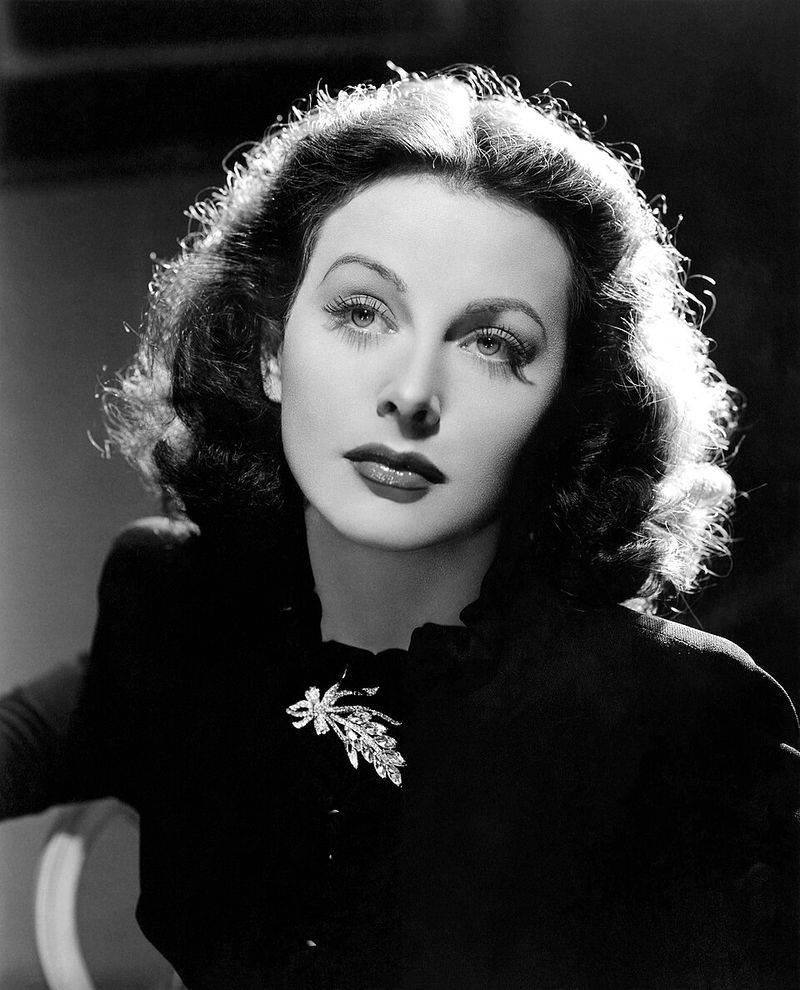
Movie fans saw a glamorous star, but Hedy Lamarr also spent time at a drafting table. During World War II, she teamed up with composer George Antheil to design a frequency-hopping communication system.
The goal was to make radio-controlled torpedoes much harder for enemies to jam.
The two received a U.S. patent in 1942. The military did not widely adopt the idea at that time, so it sat mostly unused for years.
Later on, frequency-hopping became an important idea in wireless communications.
Lamarr was honored by the National Inventors Hall of Fame in 2014, long after her lifetime. That recognition finally gave her a place among inventors, not only among film legends.
Her story pushes back on the idea that a famous actress cannot also contribute to science. Sometimes a brilliant mind hides behind a famous face, and Lamarr proved that point with a patent that still gets talked about today in technology circles and classrooms.
Josephine Baker
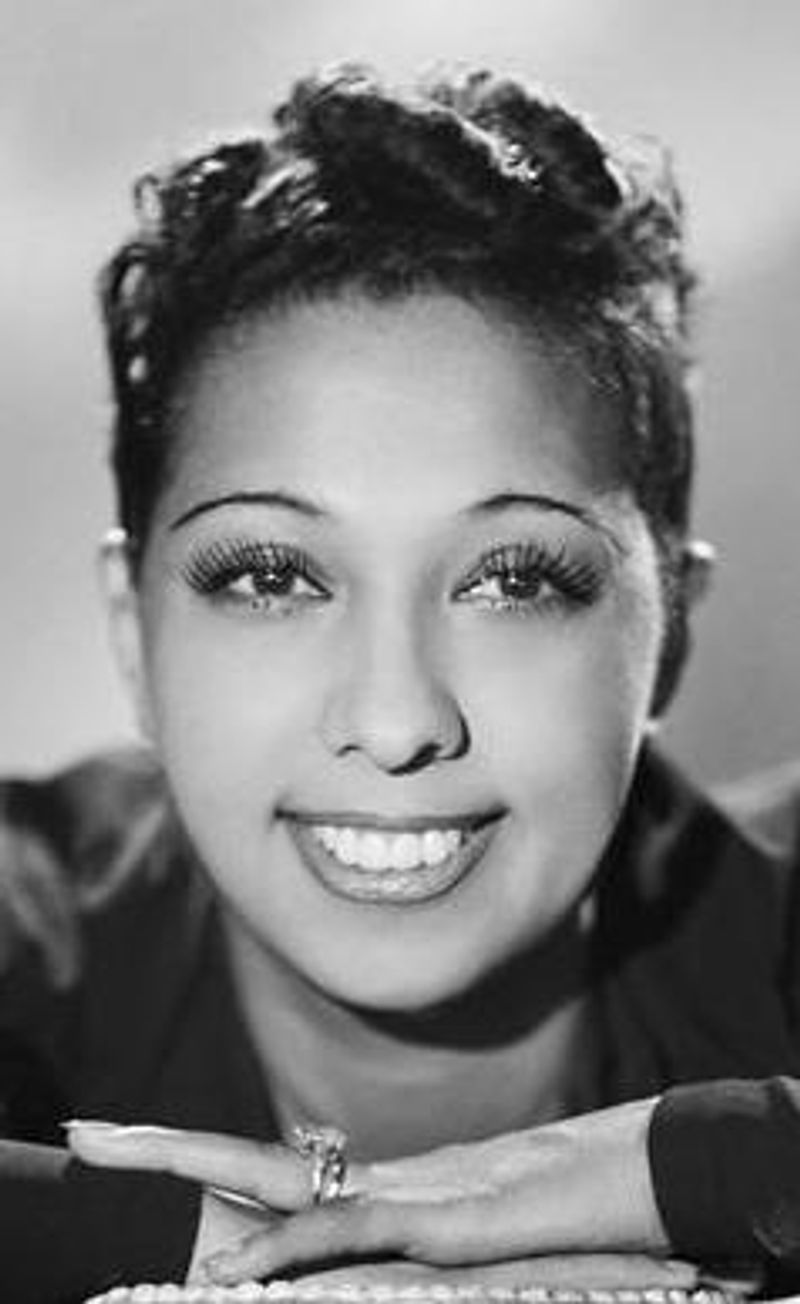
Few stage stars have carried secrets for a government, but Josephine Baker did. She became an international sensation as a dancer and singer in Paris.
Her wartime activities, though, were far riskier than anything she did under stage lights.
During World War II, Baker worked with French intelligence and supported the Resistance against Nazi occupation. Her fame helped her travel and meet influential people without drawing quick suspicion.
After the war, she kept challenging racial discrimination. She became an outspoken supporter of the American civil rights movement and famously refused to perform for segregated audiences.
Baker’s life shows how entertainment, courage, and strong beliefs can come together. She used her spotlight as a tool, and that choice made her a figure in some of the twentieth century’s defining moments.
Her story is a reminder that a performer can also be a quiet hero when history calls.
Marlon Brando
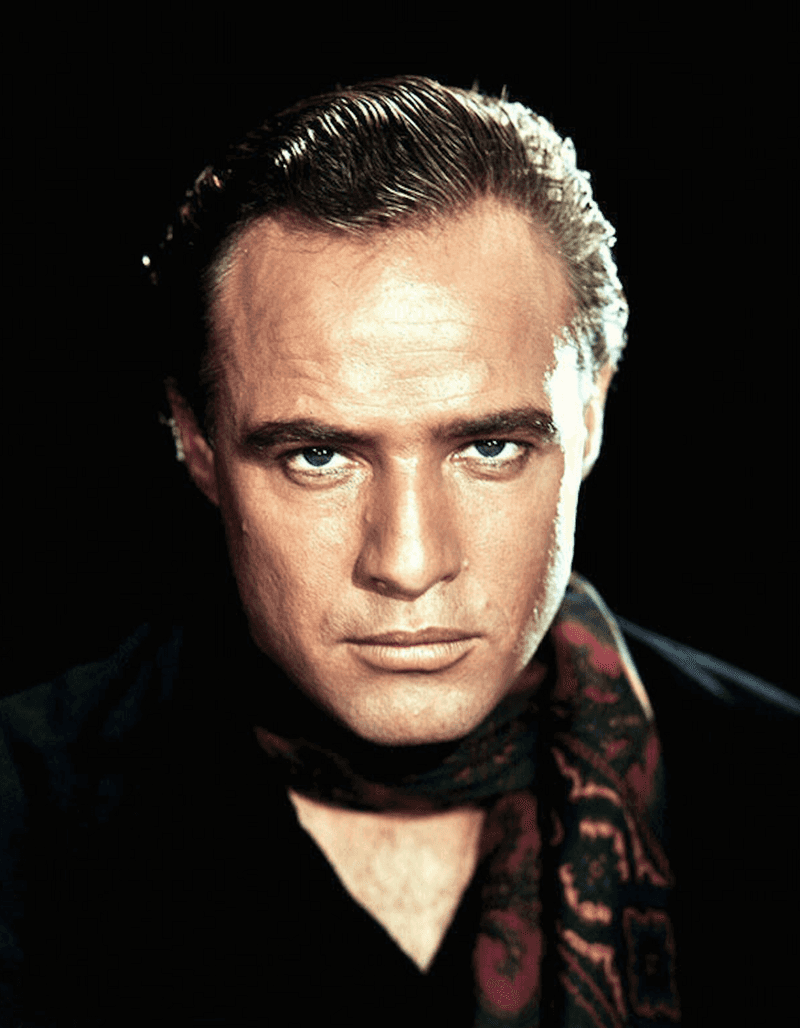
One of the loudest moments in Oscar history came from an empty seat. At the 1973 Academy Awards, Marlon Brando refused his Best Actor Oscar for The Godfather.
He stayed home on purpose, and that choice made headlines.
In his place, Sacheen Littlefeather appeared at the ceremony. She explained his protest against Hollywood’s treatment and portrayal of Native Americans.
The moment became one of the most controversial in Oscar history. It also brought national attention to Indigenous representation in entertainment, a topic that had received little spotlight on such a big stage.
Brando also supported civil rights activism beyond Hollywood. His protest showed that an awards show could become a platform for a much larger political conversation.
For many viewers, the night proved that a trophy could matter less than a message, and the debate it sparked continues to shape talks about fair representation in film.
Greta Garbo
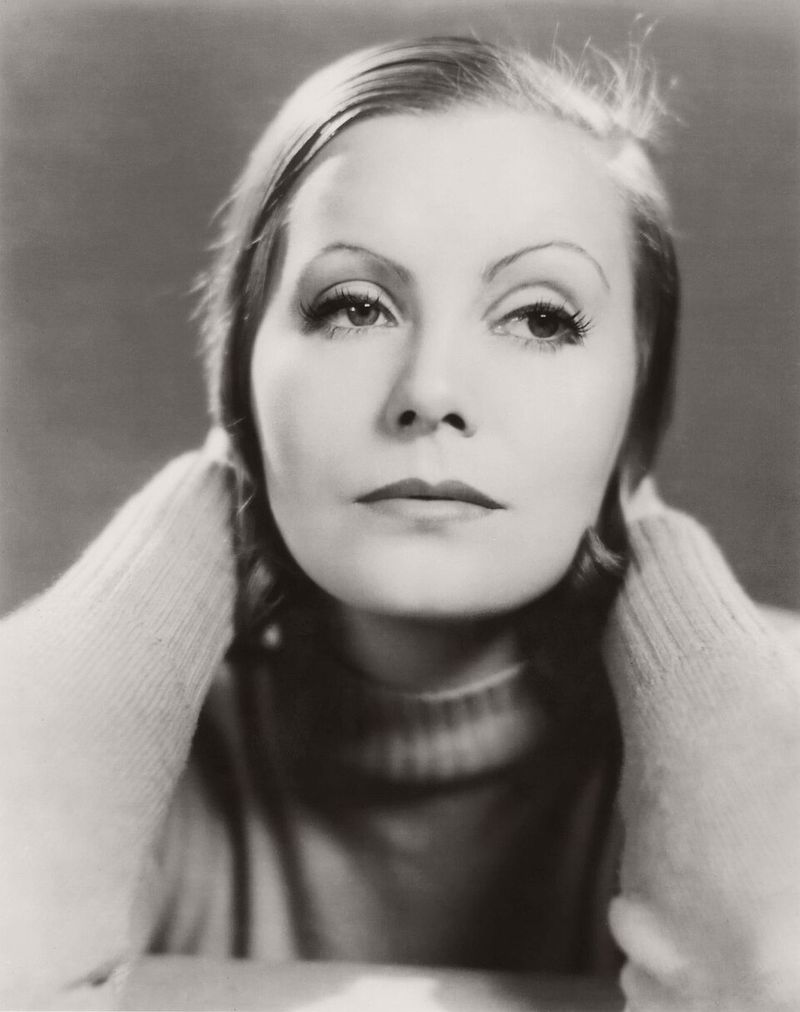
Walking away from fame at the top is a rare move, and Greta Garbo made it famous. She became one of Hollywood’s most mysterious stars, known for expressive acting and for leaving filmmaking at the height of her career.
Stories say she supported anti-Nazi efforts during World War II. Tales have also circulated about possible ties to Allied intelligence work.
The truth is less clear, since claims that she acted as a secret agent are not firmly backed by accessible historical evidence.
What nobody can dispute is her lasting effect on cinema and celebrity culture. She skipped the usual publicity machine, which was unusual for a star of her size.
That choice helped create a different kind of Hollywood legend. Garbo’s influence rested as much on privacy and independence as on fame itself.
Her quiet exit still gets discussed whenever people talk about stars who control their own image.
Audrey Hepburn
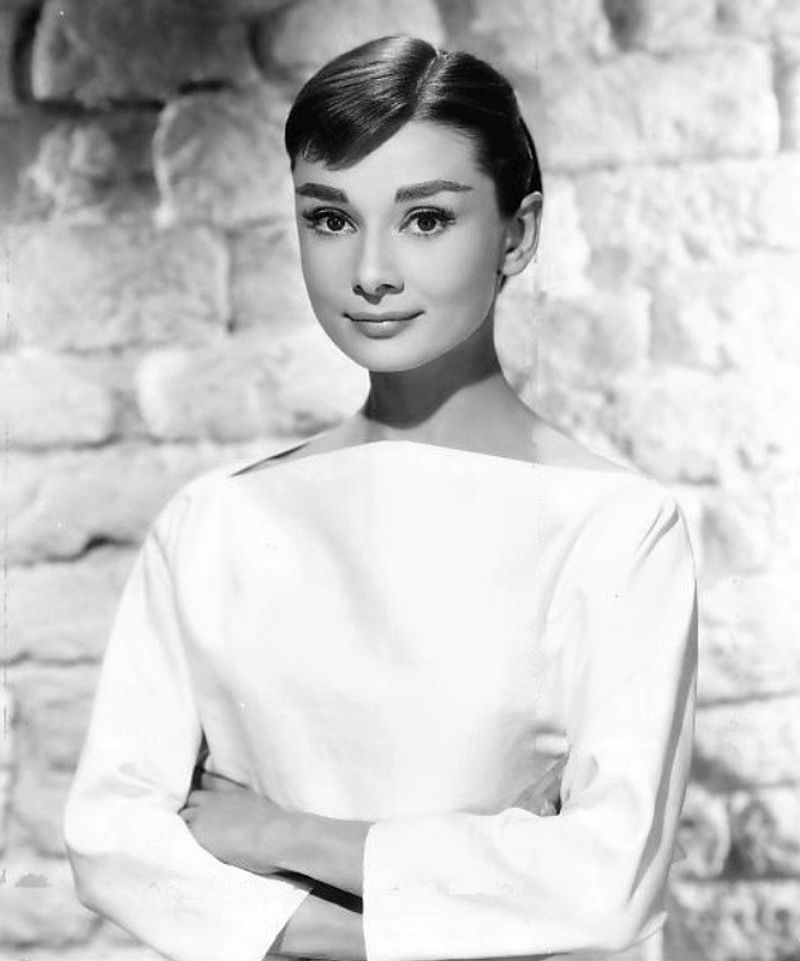
Audrey Hepburn lit up screens in Roman Holiday and Breakfast at Tiffany’s, yet her second calling may be the one that matters most. As a child during World War II, she experienced hunger and hardship.
That past shaped how she saw suffering in others.
In 1988, she became a UNICEF Goodwill Ambassador. She traveled to countries including Ethiopia, Bangladesh, and Somalia.
There she met families, visited aid programs, and drew international attention to childhood malnutrition, disease, and poverty. Cameras followed her, and that meant the world looked at places it might have ignored.
Even while seriously ill, she stayed committed to humanitarian work. Her dedication showed how a well-known actress could help bring neglected emergencies into public view.
Many people still remember her more for those journeys than for any film role, which says a lot about the weight of her service.
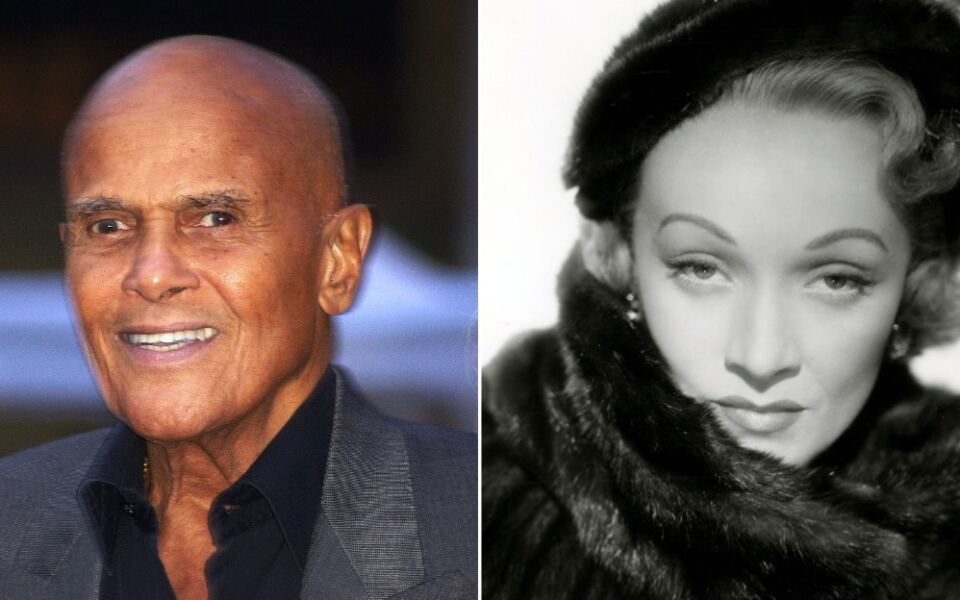
Harry Belafonte
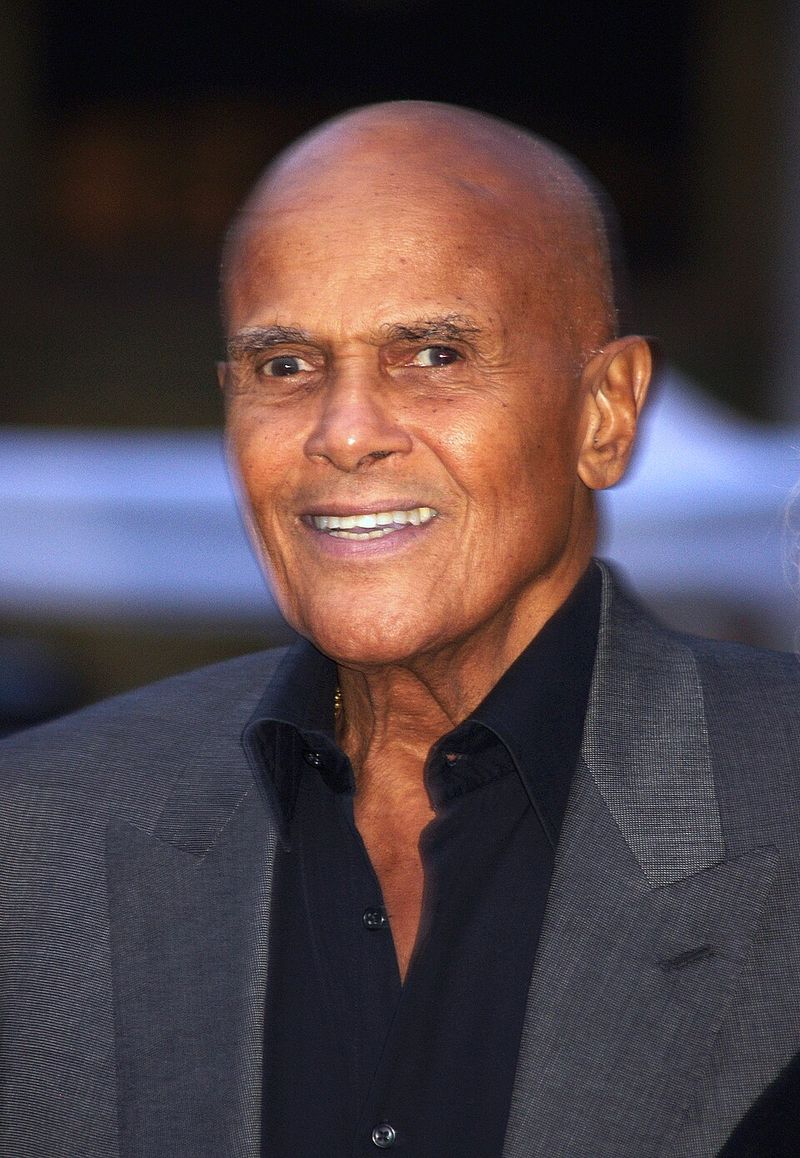
Mention Day-O (The Banana Boat Song) and most people hum along, but Harry Belafonte’s biggest work happened off the record charts. He became a close friend and supporter of Martin Luther King Jr. and gave real help to the civil rights movement.
Belafonte contributed financial resources, organized fundraising efforts, and assisted activists during some of the movement’s most difficult moments.
He also took part in major events, including the 1963 March on Washington. Some entertainers avoided political fights, but he placed activism at the center of his public life.
His commitment lasted for decades and reached into anti-apartheid efforts and humanitarian campaigns. In the end, his legacy is as much about the causes he supported as the records he sold.
That combination of talent and action makes him one of the clearest examples of a star who used influence for others.
Paul Newman
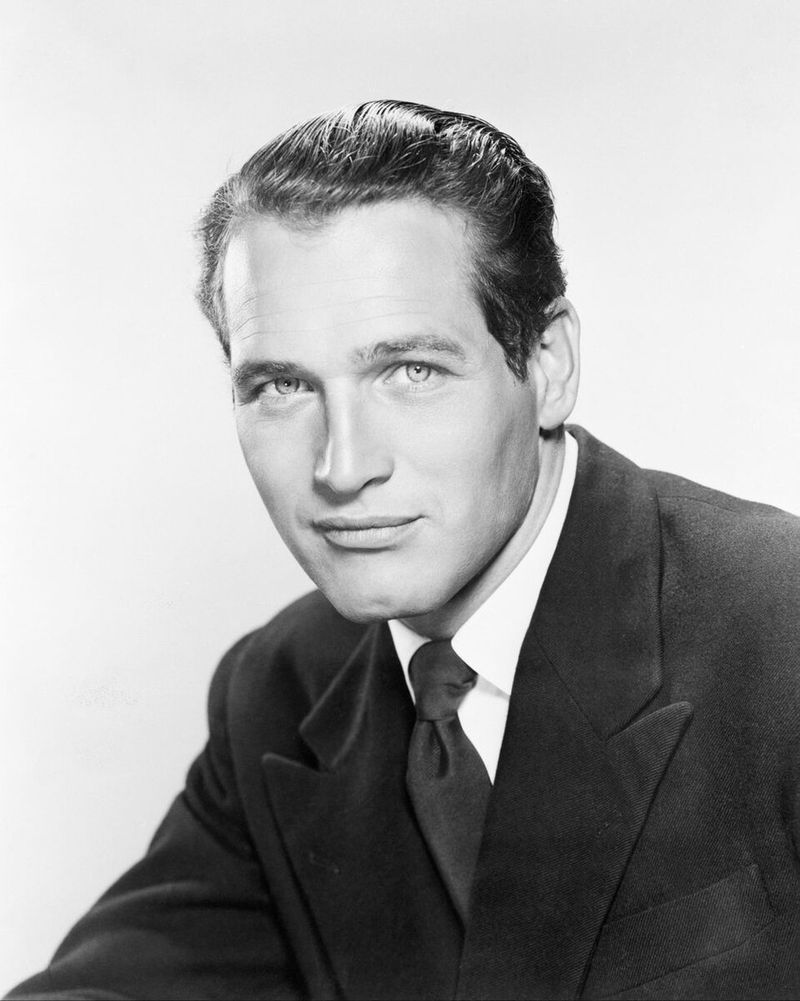
A salad dressing launched one of the most generous celebrity businesses ever. Paul Newman was one of Hollywood’s most recognizable leading men, yet food became a surprising part of his legacy.
In 1982, Newman and writer A. E.
Hotchner started Newman’s Own, beginning with salad dressing. The company used an unusual model: all profits go to charitable causes.
Over time, the brand grew to include many other food products. The money supported organizations working with children, families, and communities.
According to Newman’s Own Foundation, the enterprise has given more than $600 million to charity since its founding. The company still operates today, which shows how a celebrity-backed business can keep helping people long after its founder’s time.
Next grocery trip, that bottle on the shelf might look a little different.
Shirley Temple
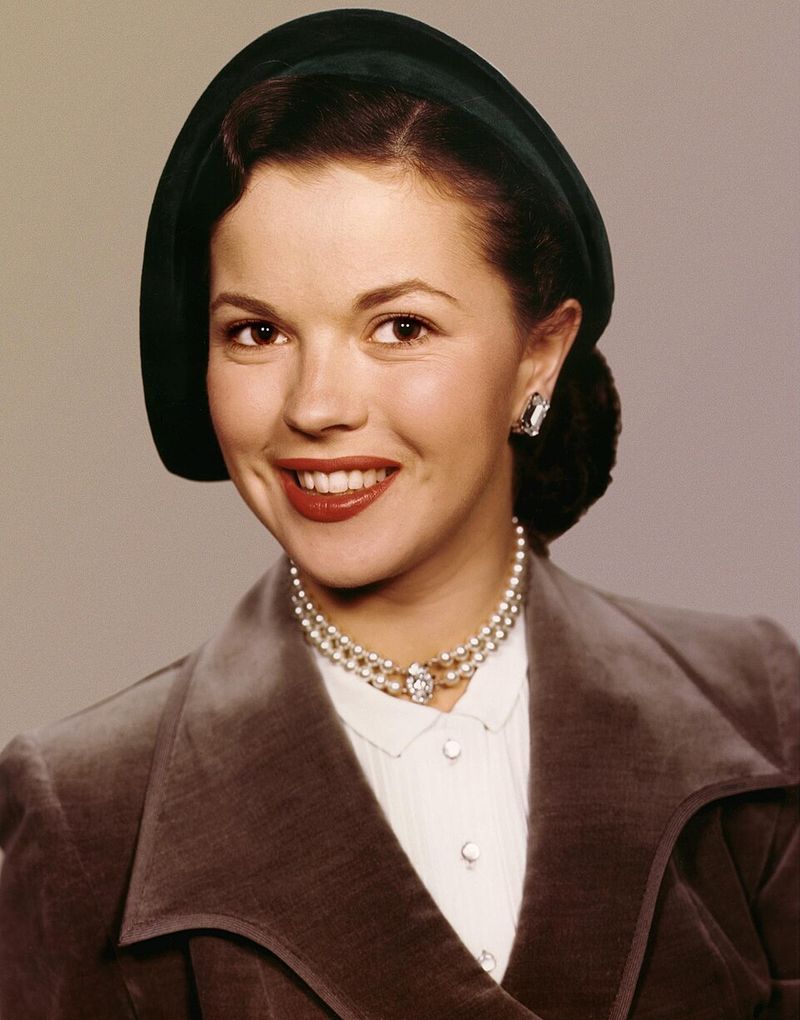
Child stars rarely become ambassadors, yet Shirley Temple did exactly that. She was one of America’s biggest movie stars before her teen years, and her cheerful films entertained audiences during the hardships of the Great Depression.
Her public life did not end when she left Hollywood. As Shirley Temple Black, she moved into politics and diplomacy.
She served as the U.S. ambassador to Ghana from 1974 to 1976 and to Czechoslovakia from 1989 to 1992.
The Czechoslovakia post matched the timing of the historic Velvet Revolution, which ended communist rule in that country.
Temple also served as the U.S. chief of protocol. Going from child actress to international diplomat remains one of Hollywood’s most remarkable second careers, and it proves a famous start does not limit where a person can go later.
Sammy Davis Jr.
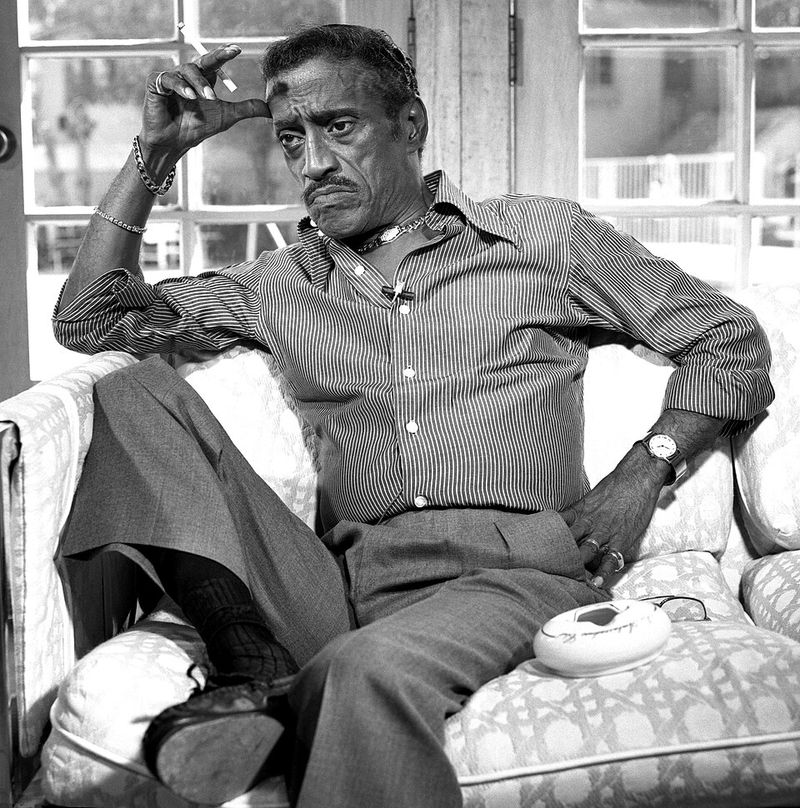
Bright lights on the Las Vegas Strip hid a harsher reality for Sammy Davis Jr. He was a singer, dancer, actor, and Rat Pack member, but he also faced serious racial discrimination throughout his career.
During segregation, Black entertainers could be hired by famous Las Vegas hotels while being denied the same rooms and privileges as white guests.
Davis challenged those barriers and became a visible figure in the changing racial landscape of American entertainment. He also backed civil rights causes and took part in the 1963 March on Washington.
His political positions sometimes stirred controversy. Even so, his professional success and willingness to confront discrimination helped push broader change in the industry.
His career shows that standing on a famous stage can also mean standing up for fair treatment off of it.
Marlene Dietrich
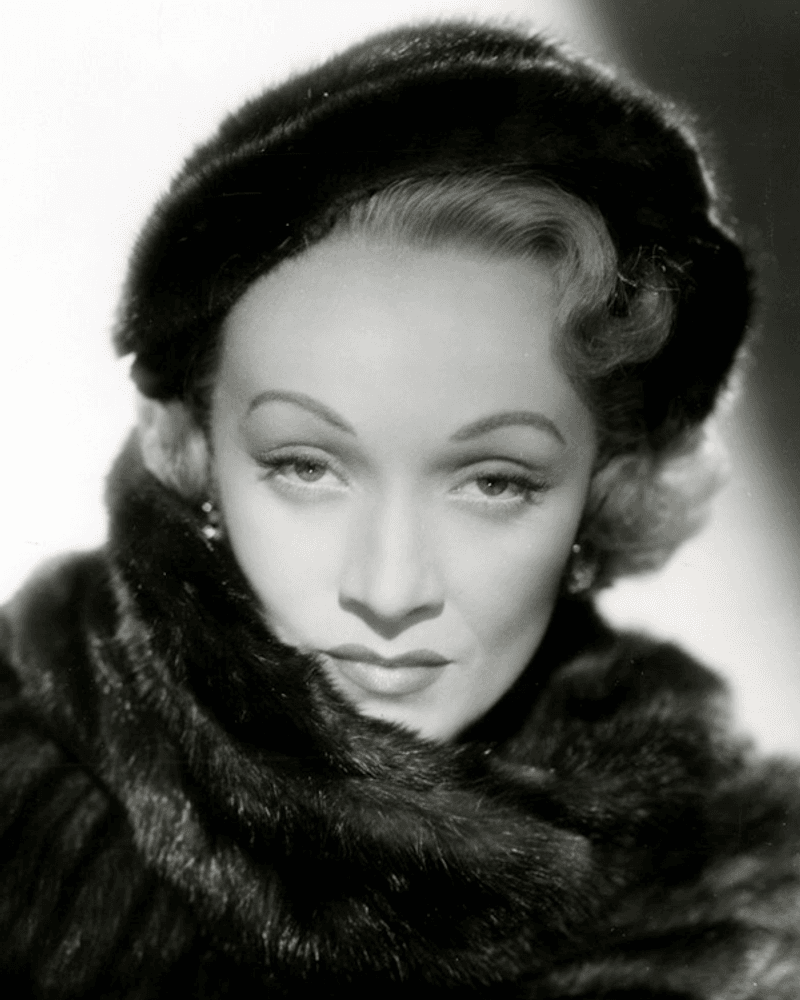
Marlene Dietrich rose to fame after The Blue Angel and went on to a strong Hollywood career. Still, her stand against Nazi Germany may define her life even more than her films.
Born in Germany, Dietrich rejected the Nazi regime and became an American citizen in 1939. During World War II, she backed the Allied war effort and performed for American troops, sometimes traveling near combat zones.
Her wartime work earned her the U.S. Medal of Freedom in 1947.
At a time when her homeland was led by Adolf Hitler, Dietrich publicly opposed Nazism and supported the countries fighting against it. That choice was not easy for someone born there.
Her actions built a legacy that reaches far beyond the movie screen, and soldiers who saw her shows remembered the effort she made to reach them.
Susan Sarandon
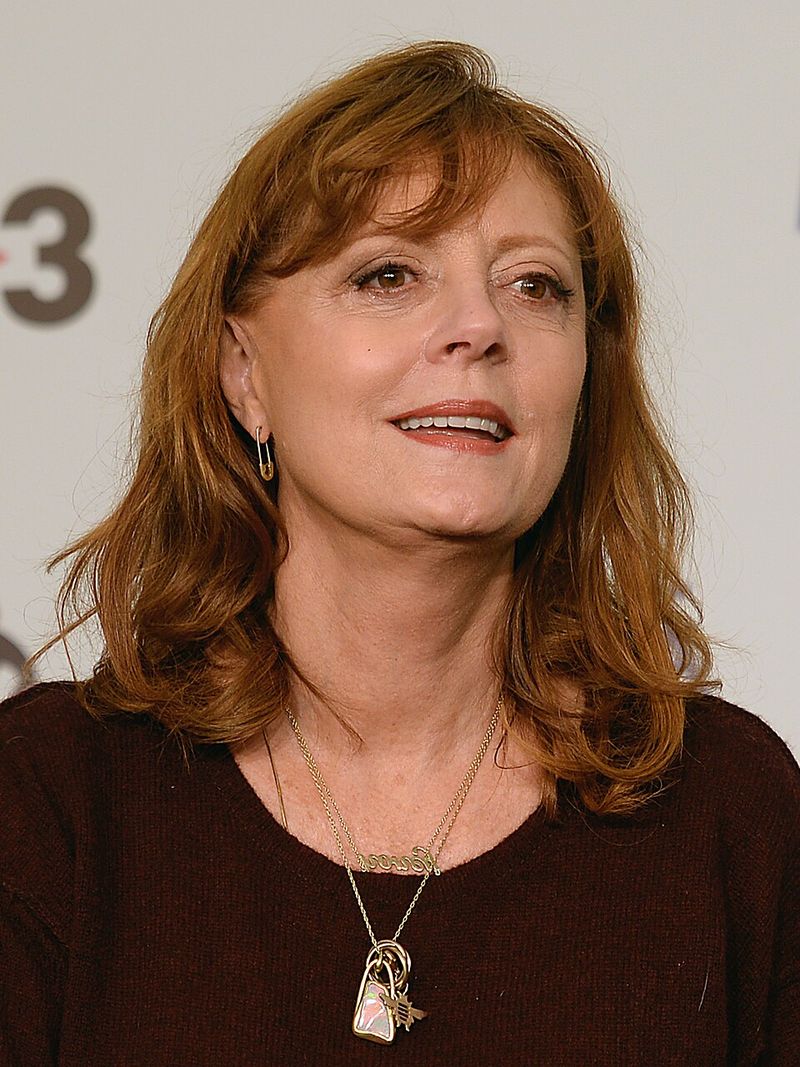
Awards season is only one stage Susan Sarandon uses. She is known for acclaimed roles in Thelma & Louise and Dead Man Walking, yet she has also kept a strong presence in political activism.
Across several decades, she has joined protests and campaigns on civil liberties, anti-war causes, workers’ rights, and social justice.
Her outspoken views have sometimes caused controversy, especially when she has challenged political leaders or taken positions that split public opinion.
It is hard to measure the direct effect of any single celebrity protest on history. Even so, Sarandon has shown how public figures can use their visibility to push political debate forward.
Her activism is now a defining part of how many people see her, right alongside her film work. Whether fans agree or not, she keeps the conversation moving.
John Lennon
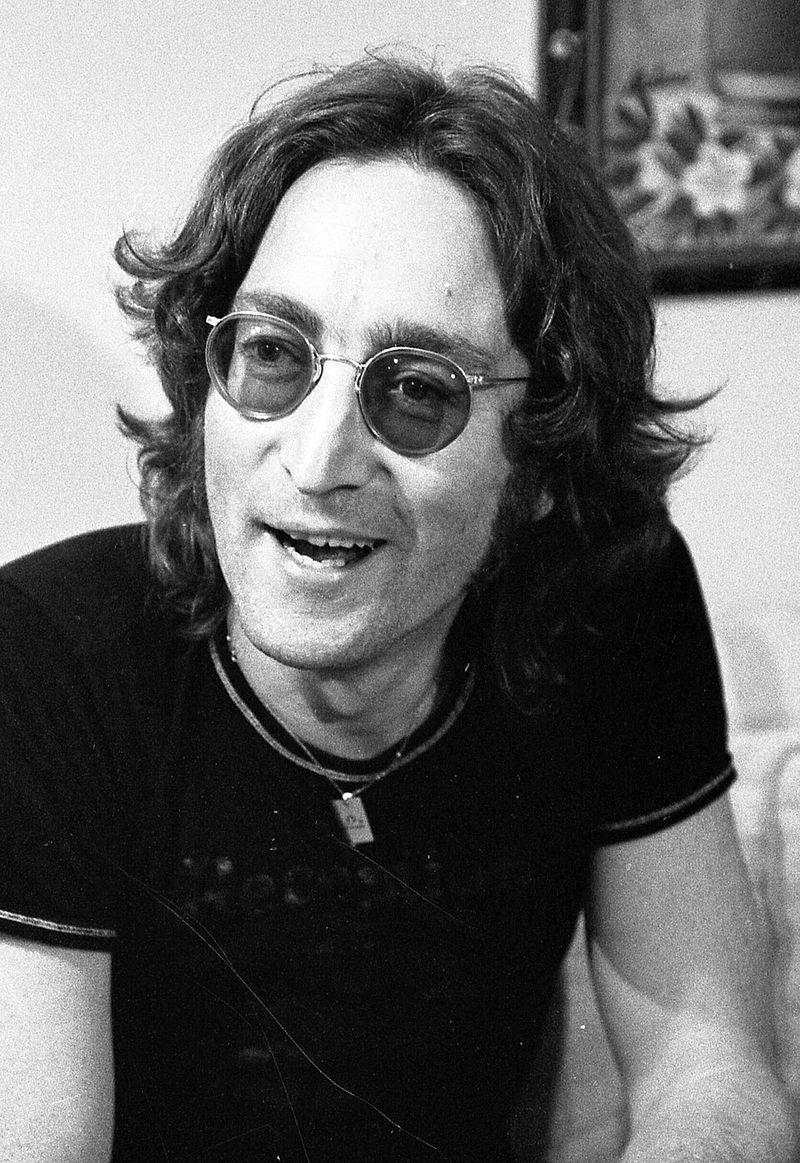
Staying in bed became a form of protest when John Lennon decided to try it. His influence reached far beyond his work with the Beatles, and by the late 1960s and early 1970s he was an international voice in the anti-war movement.
With Yoko Ono, Lennon held highly publicized Bed-Ins for Peace in Amsterdam and Montreal in 1969. The unusual events turned hotel rooms into places to discuss war and nonviolence.
His song Give Peace a Chance became closely linked to anti-war protests. Imagine later became one of the world’s most recognizable songs about peace.
Lennon’s methods were unconventional, but they connected popular music, celebrity culture, and political protest in ways that kept influencing later generations. Cameras came for the famous couple, and the message about peace reached homes around the world.
Angelina Jolie

More than 60 field missions is a number you would expect from an aid worker, not a movie star. Angelina Jolie has major Hollywood films on her résumé, but her humanitarian commitments have drawn big attention to refugees and displaced communities.
She began working with the United Nations Refugee Agency in 2001 and became a Goodwill Ambassador. She later served as Special Envoy from 2012 to 2022.
Over those two decades, she visited communities affected by conflict and displacement. She also spoke up for refugees’ rights before political leaders and international institutions.
In December 2022, Jolie left her Special Envoy role to pursue broader humanitarian and human rights work. Her path shows how international fame can shine a light on people whose experiences might otherwise get little coverage, and why that attention can matter so much.
Bono
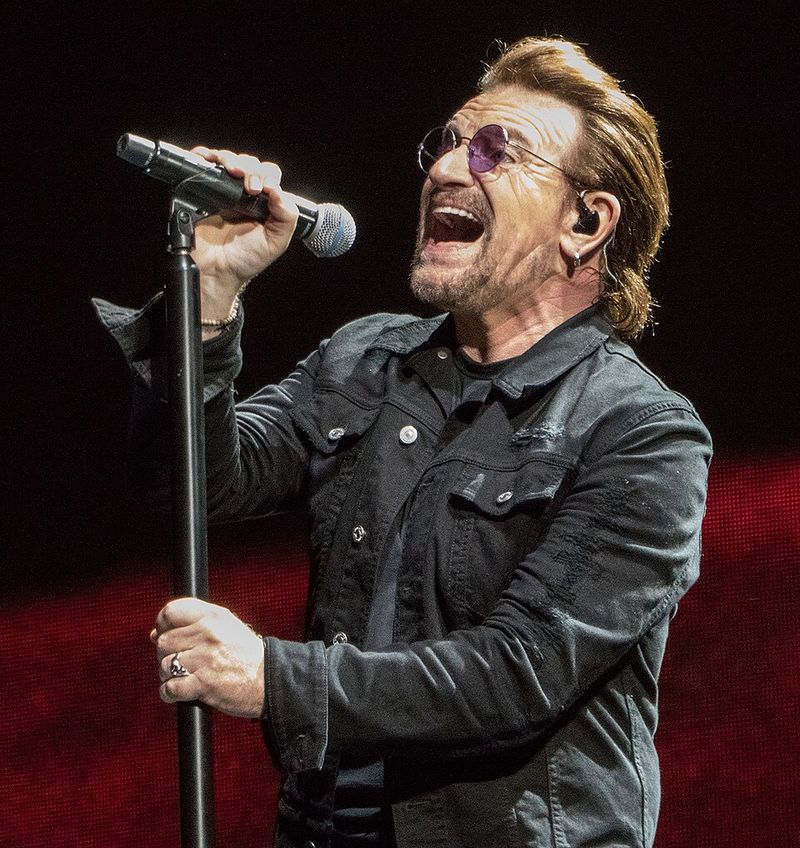
Stadium crowds know his voice, but world leaders have also had to listen to Bono. As the frontman of U2, he has performed for huge audiences for decades.
Away from music, he became a prominent campaigner on extreme poverty, international debt, and preventable diseases.
He co-founded DATA, an advocacy group focused on debt relief, AIDS, and trade in Africa, and helped establish the ONE Campaign.
Bono used his access to political leaders to push for development funding and international teamwork on public health.
His activism has drawn criticism at times. Still, his steady involvement has helped keep global poverty and disease prevention on the political agenda.
Few rock musicians have kept up such a wide presence in international development advocacy, and that long commitment is what sets him apart.
Rita Moreno
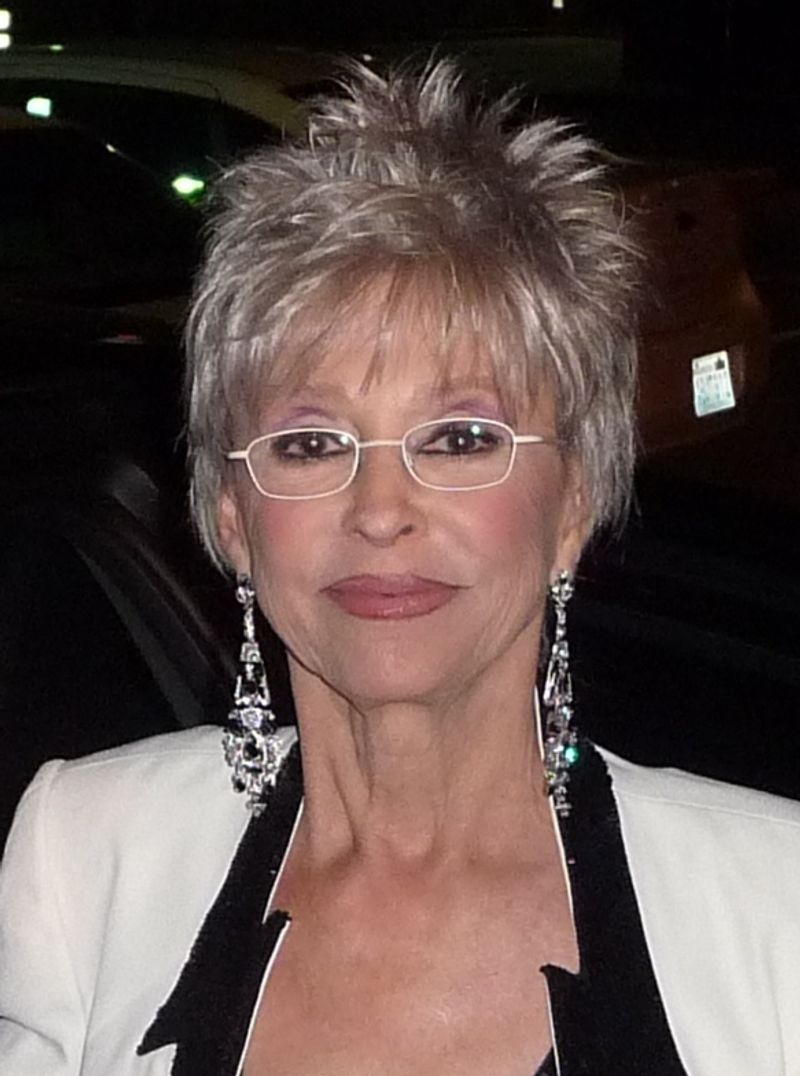
Winning an Oscar meant more than a trophy for Rita Moreno. Born in Puerto Rico, she faced stereotyping and discrimination as she looked for acting work in Hollywood, and her career helped break barriers for Latino performers.
Her role as Anita in the 1961 film West Side Story earned her the Academy Award for Best Supporting Actress. That made her the first Latina actress to win an Oscar.
She later reached the rare level of winning an Emmy, Grammy, Oscar, and Tony Award, known as an EGOT.
Moreno has kept speaking about discrimination, representation, and the limited roles Hispanic actors were once offered. Her career stands as both a personal triumph and an important milestone in Hollywood’s slow move toward wider representation, and it still inspires younger performers today.
Cary Grant
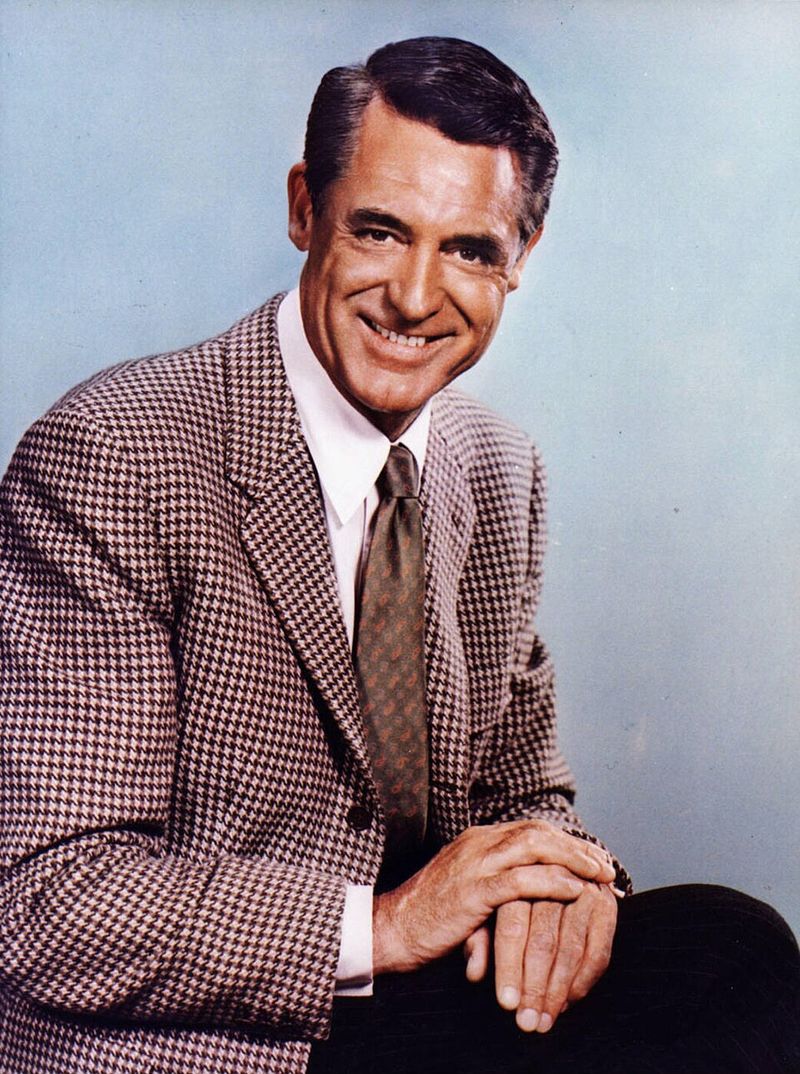
Born Archibald Leach in England, Cary Grant remade himself in the United States. He went on to become one of classical Hollywood’s defining stars and helped shape the image of the sophisticated leading man.
His distinctive voice, comedic timing, and easy screen presence influenced generations of actors. That influence was strongest in romantic comedies and suspense films, including Bringing Up Baby, Notorious, and North by Northwest.
Some accounts credit Grant with behind-the-scenes political or diplomatic work. Major claims about his role in international relations are not well established, so they are best treated with caution.
What is clearly documented is his lasting impact on cinema, performance styles, and the modern idea of movie stardom. Many actors still study his timing, and his place in film history stands on solid ground without any need for spy stories.
David Bowie
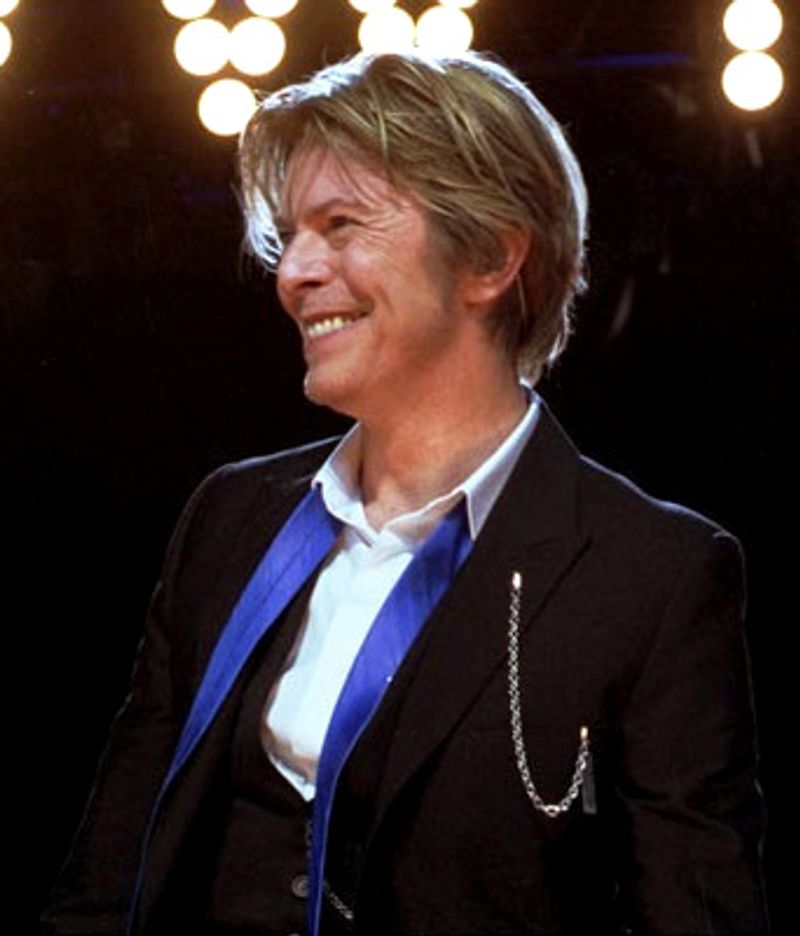
Few artists have changed their look as often as David Bowie, and each change carried a message. His shifting appearance, theatrical shows, and experimental identities challenged old ideas about gender expression and celebrity.
In the 1970s, his Ziggy Stardust persona helped bring androgynous fashion and unconventional self-presentation into mainstream pop culture.
Bowie also spoke on racial representation in music. In a widely discussed 1983 MTV interview, he questioned the network’s limited airplay of Black artists.
His influence spread across fashion, visual art, music videos, and live performance. Broader cultural change cannot be credited to one musician alone.
Even so, Bowie’s career made experimentation and individuality more visible to mainstream audiences, and many artists point to him when they explain why they felt free to be different.
Emma Watson

Growing up as Hermione Granger in the Harry Potter films made Emma Watson famous around the world. She later turned that attention toward gender equality, which gave her career a second purpose.
In 2014, Watson became a UN Women Goodwill Ambassador and took part in the launch of the HeForShe campaign.
Her speech at the United Nations urged men and boys to join efforts to reach gender equality. She stressed that discrimination affects society as a whole, not only women.
The campaign encouraged participation across many countries and renewed attention to conversations about gender roles and equal rights. Watson’s involvement helped bring these discussions to younger audiences who had followed her acting career.
It shows how a fan base built on a film series can become an audience for something much bigger.
Share this story