In 1974, a single song could make someone famous almost overnight. Radio was still king, and AM stations decided what millions of teens heard on the way to school.
Disco was just starting to appear in clubs, glam rock was big in Britain, and martial arts movies were filling theaters. Record buyers in that year were wildly open-minded.
They sent a song about a farewell, a song sung in Spanish, and a rock tune by a nun into the Top 10, sometimes all in the same season. Some artists who landed those hits never reached the American Top 40 again.
That does not mean they failed. Many enjoyed long careers in other countries or became respected studio musicians and producers.
Still, for American listeners, each of them is tied to one unforgettable record. Ahead, you will find the stories behind 12 of those songs, including surprising studio accidents, chart records, and odd facts that rarely make it into trivia night.
You might even find a tune your parents or grandparents still know by heart.
1. Hooked on a Feeling by Blue Swede
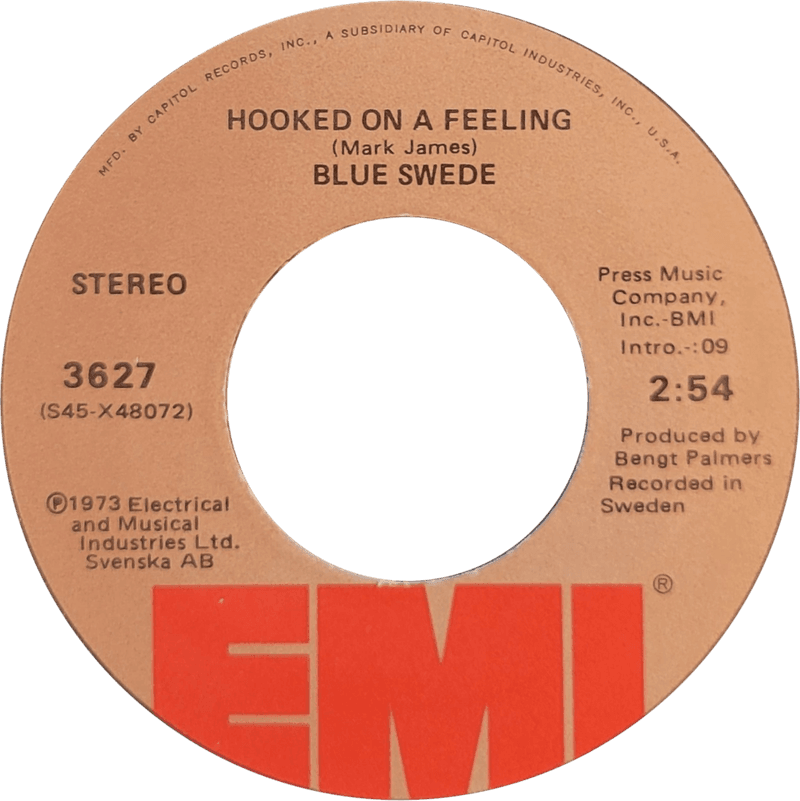
Ooga-chaka, ooga-ooga. Those nonsense syllables helped a Swedish band beat American acts at their own game in the spring of 1974.
Blue Swede, fronted by singer Björn Skifs, covered a Mark James song that B.J. Thomas had taken to No. 5 in 1969.
The famous chant was borrowed from a 1971 version by English singer Jonathan King.
The gamble paid off. Hooked on a Feeling reached No. 1 on the Billboard Hot 100 in April 1974 and spent 18 weeks on the chart.
One small detail shows how careful radio could be. The band changed a lyric about staying addicted to a line about staying a victim.
A cover of Never My Love followed and reached No. 7, but nothing matched the first hit. The group split by 1975 when Skifs went solo.
Then came a second life. The 2014 movie Guardians of the Galaxy introduced the chant to a new generation, and its soundtrack topped the Billboard 200.
2. Eres Tú by Mocedades
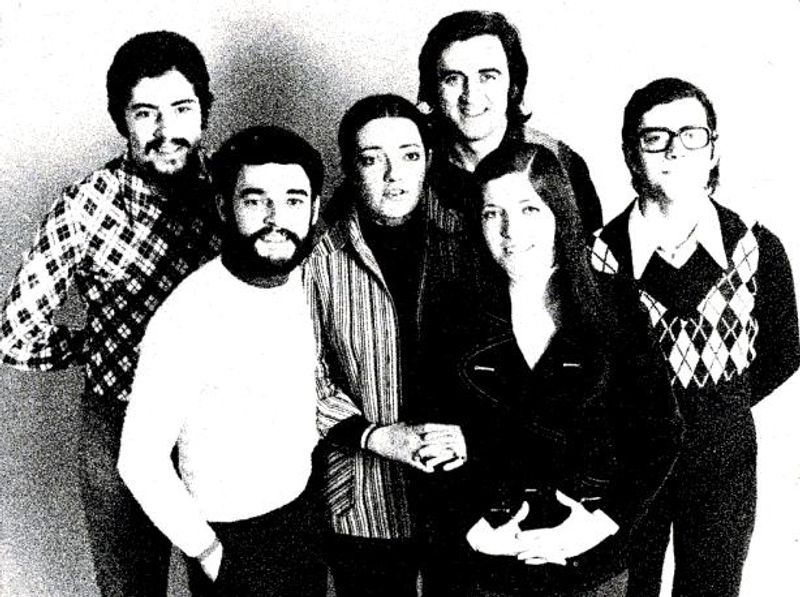
Second place at Eurovision turned out to be a pretty good result for a group of singers from Bilbao, Spain.
Mocedades performed Eres Tú at the 1973 contest and finished behind Luxembourg. The song, whose title means It Is You, compares a loved one to everyday things like water and bread.
American radio rarely played songs in Spanish in the early 1970s. Even so, Eres Tú climbed to No. 9 on the Billboard Hot 100 in 1974 and charted for 17 weeks.
Composer Juan Carlos Calderón gave the group a melody built around their rich harmonies. The band recorded an English version called Touch the Wind, but DJs preferred the original.
That choice made history. Eres Tú remains one of very few songs sung in Spanish to reach the American Top 10.
Mocedades stayed popular across Spanish-speaking countries for decades. In 2013, the song entered the Latin Grammy Hall of Fame, a nice honor for a Eurovision runner-up.
3. Rock Your Baby by George McCrae
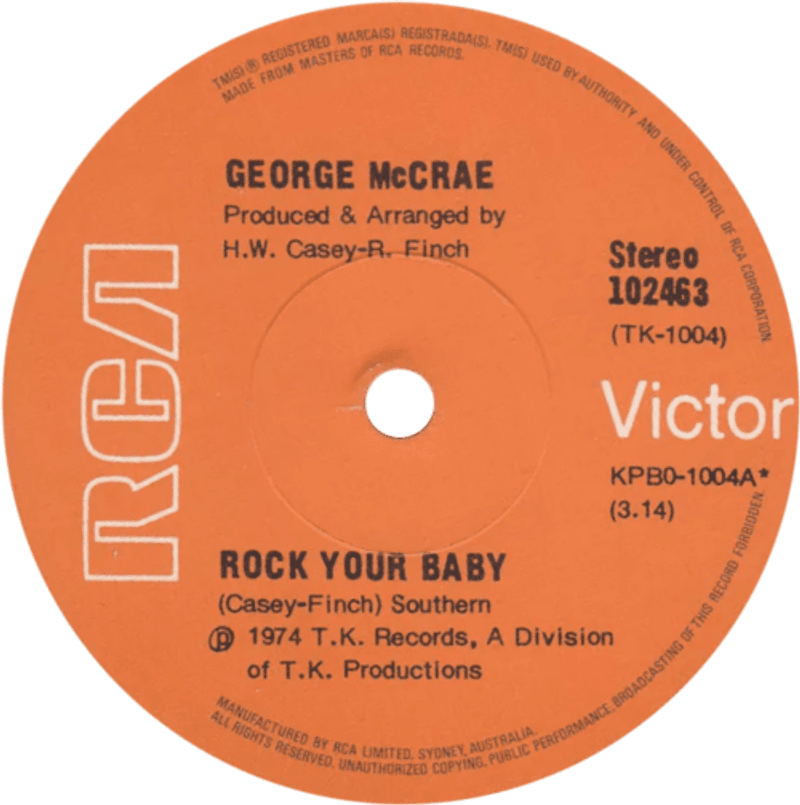
A late arrival at a Miami recording session ended up changing the sound of dance music.
Harry Wayne Casey and Richard Finch, later famous as leaders of KC and the Sunshine Band, wrote the song for singer Gwen McCrae. When she missed the session, her husband George stepped up and finished his vocal in two takes.
The backing track had been cut in about 45 minutes as a demo. It also used an early drum machine, a rare choice for a pop single at the time.
Listeners did not care how fast it was made. Rock Your Baby hit No. 1 on the Billboard Hot 100 in July 1974, holding the spot for two weeks and also topping the R&B and UK charts.
Worldwide sales passed 11 million copies. Many historians point to it as one of the first true disco smashes.
Big names noticed too. ABBA members cited it as an influence on Dancing Queen, yet McCrae never reached the American Top 40 again.
4. Kung Fu Fighting by Carl Douglas
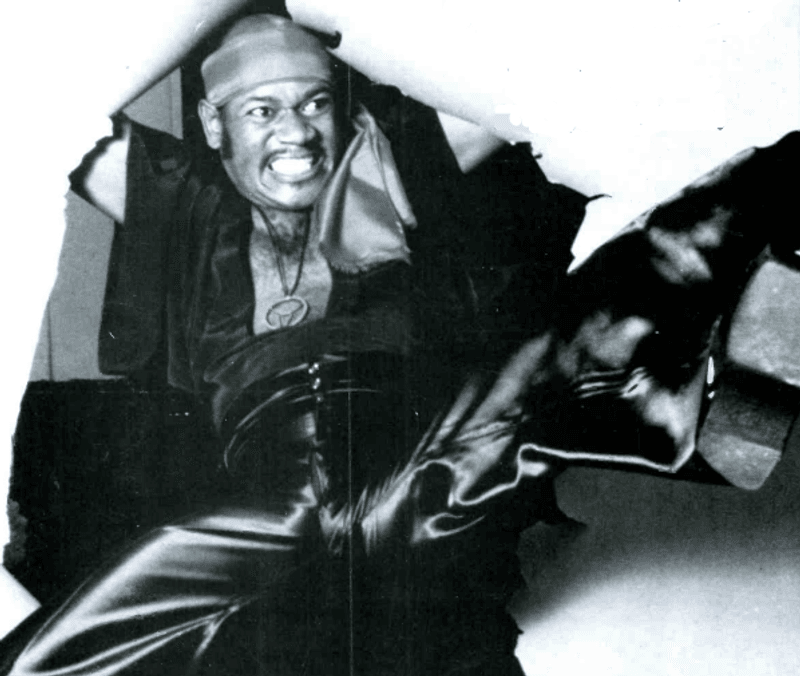
Some of the biggest records in history started as afterthoughts, and this one was meant to fill a B-side.
Carl Douglas, a Jamaican-born singer working in London, recorded Kung Fu Fighting in about ten minutes at the end of a 1974 session. Producer Biddu did not expect much from it.
A Pye Records executive disagreed and pushed it as the A-side. Timing helped, since Bruce Lee’s Enter the Dragon and the Kung Fu TV series had made martial arts a national craze.
Radio stations ignored it at first. Dance clubs picked it up, and by December 1974 it sat at No. 1 on the Billboard Hot 100 for two weeks.
Douglas became the first Jamaican-born singer to top the American pop chart. Worldwide sales reached about 11 million copies.
His follow-up, Dance the Kung Fu, did not catch on in the United States. The original, however, keeps turning up in films like Kung Fu Panda.
5. The Night Chicago Died by Paper Lace
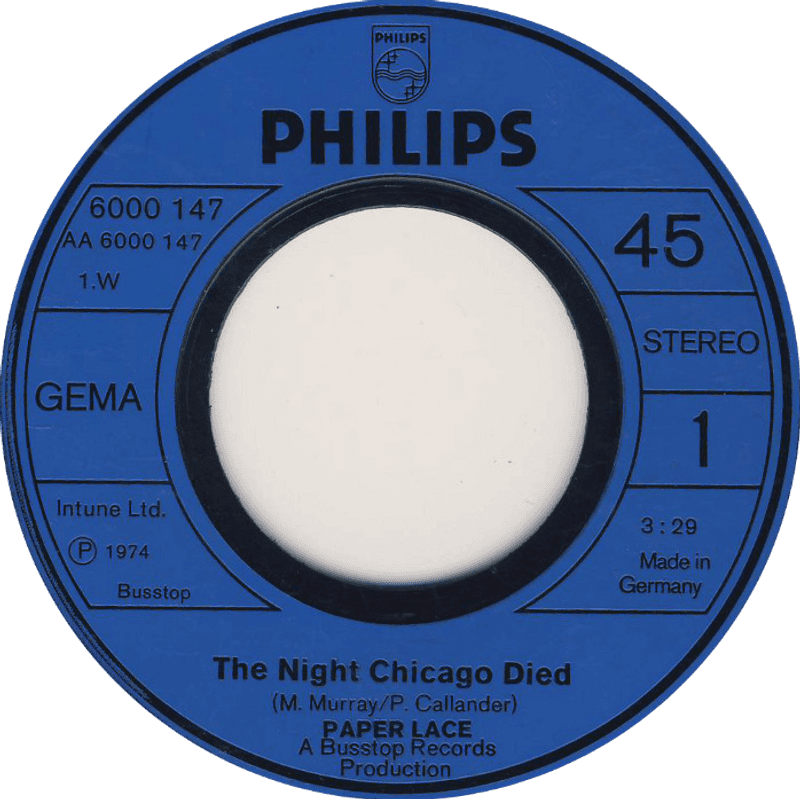
Two British songwriters who had never visited Chicago managed to write a No. 1 song about the city.
Peter Callander and Mitch Murray based The Night Chicago Died on old gangster movies. The lyrics tell a made-up story of police officers facing Al Capone’s gang during the Prohibition years.
Geography was not their strong point. The song mentions the East Side of Chicago, but that side of downtown is mostly Lake Michigan.
Mayor Richard Daley was not a fan of the mistakes. American radio listeners felt differently, and the single reached No. 1 on the Billboard Hot 100 in August 1974.
Paper Lace, a group from Nottingham, had a sound built for AM radio. Synthesizer effects imitated a siren and a ticking clock, adding drama without any real history.
The band also recorded Billy, Don’t Be a Hero, a UK No. 1. In America, Bo Donaldson and the Heywoods released their version first and claimed that hit instead.
6. Midnight at the Oasis by Maria Muldaur
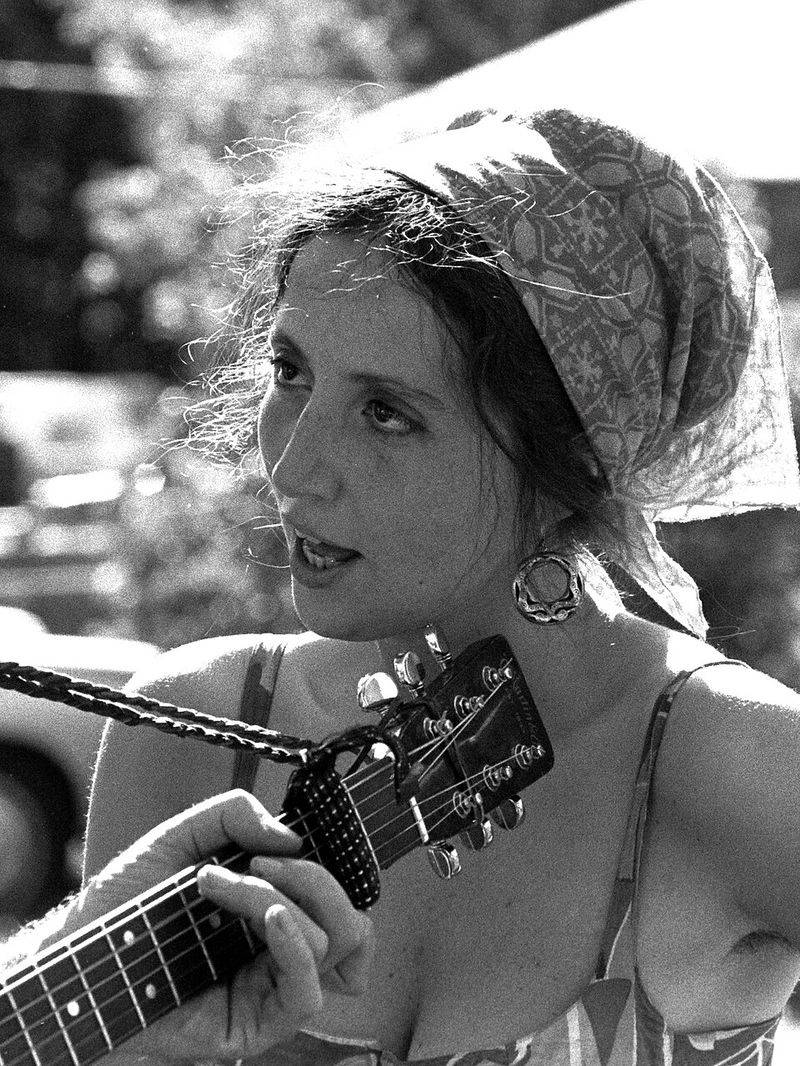
Camels, sultans, and a desert love story made for one of the most unusual Top 10 hits of 1974.
Maria Muldaur had spent the 1960s in folk circles, singing with the Jim Kweskin Jug Band. Her self-titled debut solo album arrived in 1973, and Midnight at the Oasis became its breakout single.
Songwriter David Nichtern blended folk, jazz, and pop into a relaxed tune. Guitarist Amos Garrett added a solo that session players studied for years.
The song peaked at No. 6 on the Billboard Hot 100 and spent 24 weeks on the chart. It also earned Grammy nominations for Record of the Year and Song of the Year.
Her next single, I’m a Woman, stalled at No. 12. That left Midnight at the Oasis as her only solo Top 40 hit.
Muldaur did not slow down. She went on to release more than 40 albums of blues, gospel, and jazz, proving a chart career and a music career are two very different things.
7. Rock and Roll, Hoochie Koo by Rick Derringer
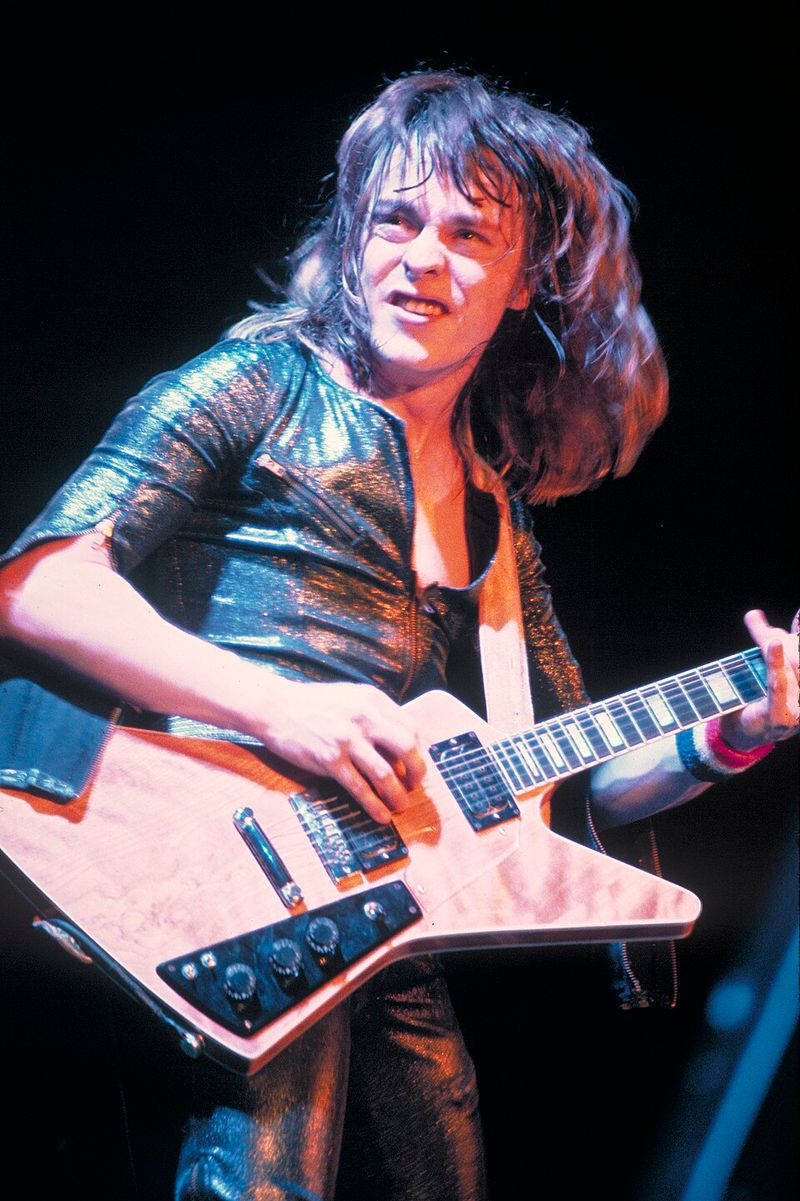
Long before he produced records for Weird Al Yankovic, a guitarist from Ohio had already topped the charts as a teenager.
Rick Derringer led the McCoys to No. 1 in 1965 with Hang On Sloopy. He then spent years playing with and producing for Johnny and Edgar Winter.
He wrote Rock and Roll, Hoochie Koo for the band Johnny Winter And, which recorded it in 1970. Derringer kept believing in the song and cut a sharper version for his 1973 solo album, All American Boy.
Recorded at Caribou Ranch in Colorado, his take climbed to No. 23 on the Billboard Hot 100 in March 1974. He handled lead vocals, guitar, and bass.
It never cracked the Top 20, yet it outlasted many bigger hits on classic rock stations. Movies like Dazed and Confused brought it back for new fans.
Derringer later wrote Real American, Hulk Hogan’s wrestling theme. Still, this riff remains his only solo Top 40 hit.
8. Tubular Bells by Mike Oldfield

A teenager playing nearly every instrument himself gave a brand-new record label its very first release.
Mike Oldfield was 19 when he began recording Tubular Bells, a long instrumental piece built from layer after layer of overdubs. Virgin Records released the album in May 1973 as catalog number one.
A movie changed everything. The Exorcist used the opening theme, and audiences began asking about the music.
Atlantic Records then created a short single edit for American radio in early 1974, without Oldfield’s approval. It reached No. 7 on the Billboard Hot 100 that May.
The piano pattern was unusual for pop, switching between odd time signatures. Few listeners counted beats, but many remembered the melody.
Oldfield earned a Grammy for Best Instrumental Composition in 1975. He later scored European hits like Moonlight Shadow and performed at the 2012 London Olympics opening ceremony.
In America, though, that edit remains his only Top 40 single.
9. Rock On by David Essex
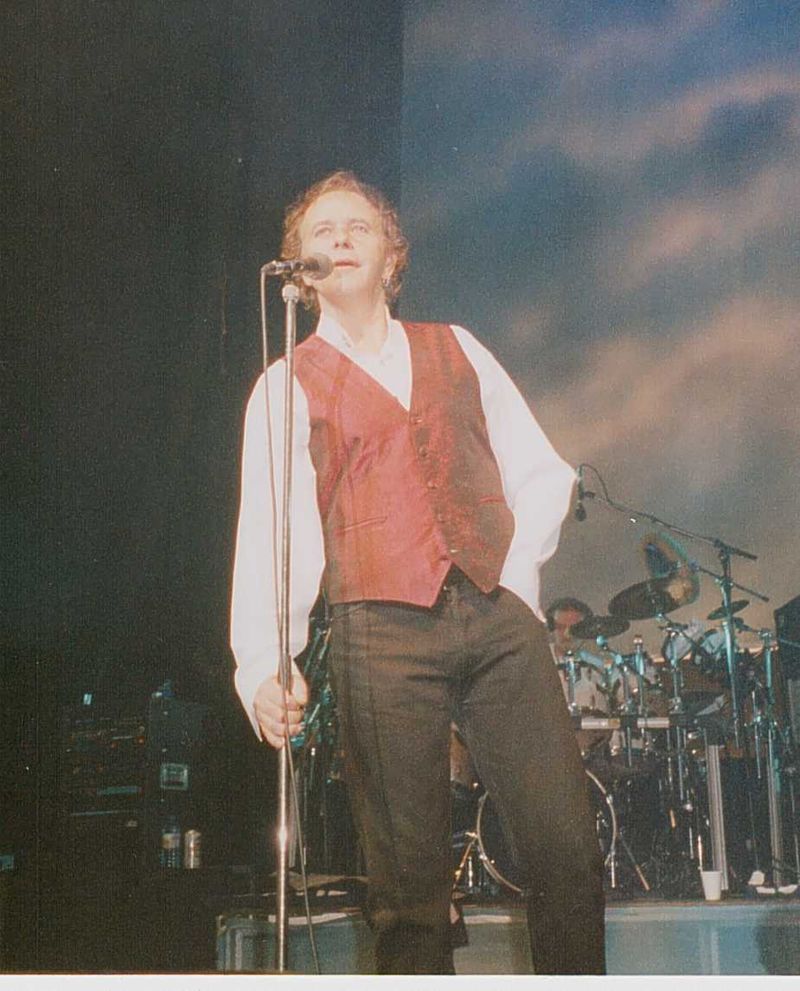
Strange as it seems, one of 1974’s coolest rock hits barely used guitars at all.
David Essex wrote Rock On on a bass guitar. Producer Jeff Wayne built the track around the double-tracked bass of session player Herbie Flowers, with sparse percussion and strings.
The lyrics nod to early rock heroes like Eddie Cochran and Elvis Presley. They also wonder where rock music was heading next.
After reaching No. 3 in Britain in 1973, the single crossed the Atlantic. It climbed to No. 5 on the Billboard Hot 100 in early 1974.
Essex was already a star at home. He had played Jesus in the London production of Godspell and starred in the 1973 film That’ll Be the Day.
British fans later bought his two No. 1 hits, Gonna Make You a Star and Hold Me Close. Americans mostly missed them, and his next US entry, Lamplight, peaked at just No. 71.
Michael Damian later took a cover of Rock On to No. 1 in 1989.
10. Sugar Baby Love by The Rubettes
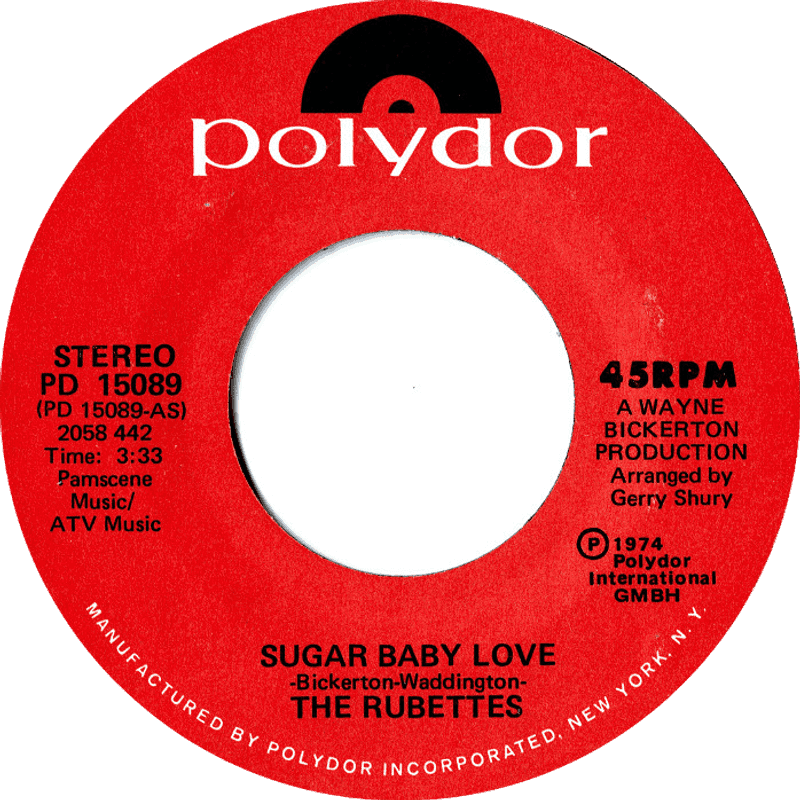
White suits, flat caps, and a falsetto that reached impossible heights made this British act hard to miss.
The Rubettes began as a studio project created by songwriters Wayne Bickerton and Tony Waddington. Sugar Baby Love, released in January 1974, borrowed its handclaps and harmonies from 1950s doo-wop.
Paul Da Vinci sang the high lead vocal on the record. He did not join the touring band, so other members handled live performances.
In Britain, the song held No. 1 for four weeks that spring. It also topped charts in Germany, the Netherlands, Australia, and several other countries, selling around 6 million copies.
American success was smaller but real. The single peaked at No. 37 on the Billboard Hot 100 in August 1974.
European glam fans kept buying Rubettes records like Juke Box Jive and I Can Do It. Those songs never caught on in the US, which kept the group in one-hit territory.
The 1994 film Muriel’s Wedding gave the song a fresh audience.
11. The Lord’s Prayer by Sister Janet Mead
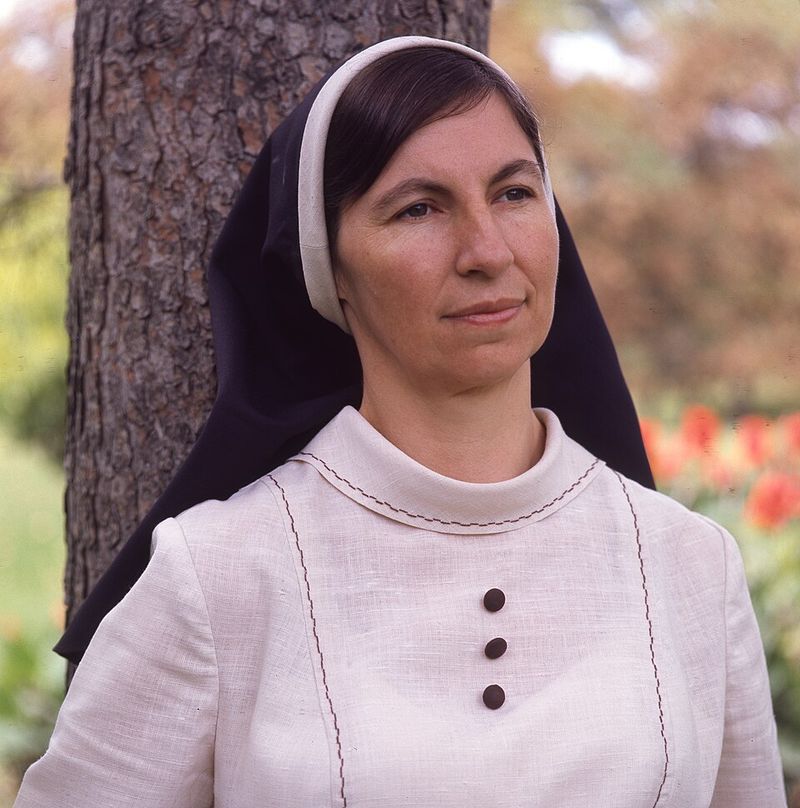
Not many nuns have competed with Elvis Presley for a Grammy, but Sister Janet Mead did exactly that.
A member of the Sisters of Mercy in Adelaide, Australia, she led rock-style church services to connect with young people. Her version of the Lord’s Prayer, arranged by Arnold Strals, was first planned as a B-side.
Electric guitars, drums, and bass gave the old words a modern setting. American listeners responded, and the single reached No. 4 on the Billboard Hot 100 in April 1974.
Sales passed a million copies in the United States, earning a gold record. Mead became the first Australian artist to sell that many copies of a locally made record there.
She lost the 1975 Best Inspirational Performance Grammy to Elvis. Fame never really suited her anyway.
Mead gave her royalties to charity and focused on helping people experiencing homelessness. In 2004, she was named South Australian of the Year, a fitting reward for her real calling.
12. Beach Baby by The First Class
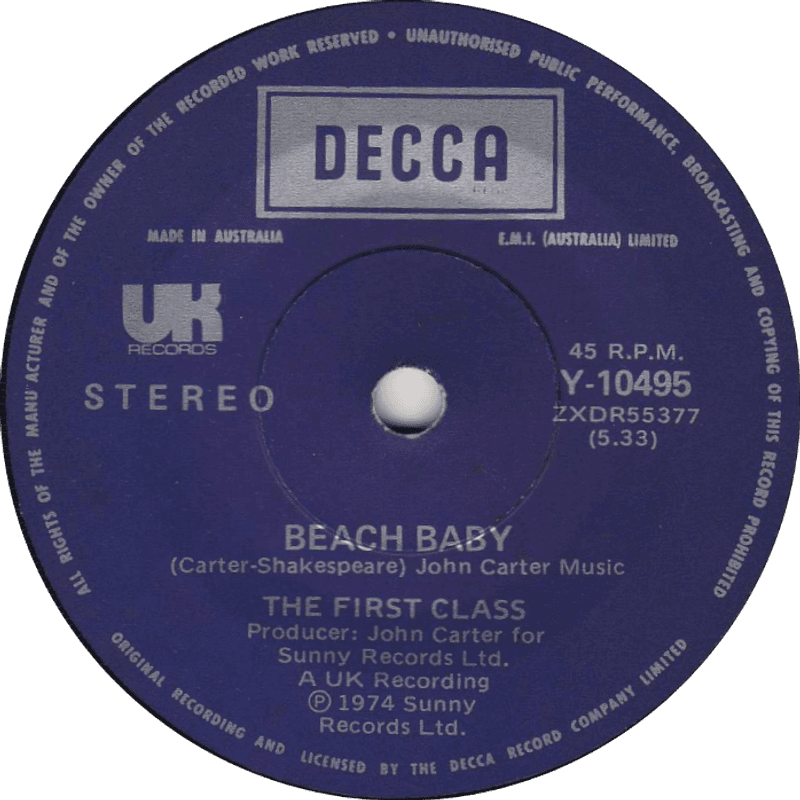
Ironically, one of the most Californian-sounding songs of the decade was written in a suburb of London.
John Carter and his wife, Gillian Shakespeare, wrote Beach Baby in East Sheen. The lyrics follow two high school sweethearts in 1950s Los Angeles.
The First Class was a studio group, not a touring band. Lead singer Tony Burrows used an American accent to match the setting.
Burrows had an odd claim to fame. He also sang lead on Love Grows by Edison Lighthouse and United We Stand by Brotherhood of Man.
Beach Baby reached No. 4 on the Billboard Hot 100 in October 1974 and topped the chart in Canada. Many AM stations trimmed its five-minute album length to fit their schedules.
A French horn line quoted Sibelius’s Fifth Symphony. The composer’s estate sued, and the case was settled out of court.
The group never returned to the American Top 40. Its one hit remains proof that 1974 loved looking back at the 1960s.
Share this story